
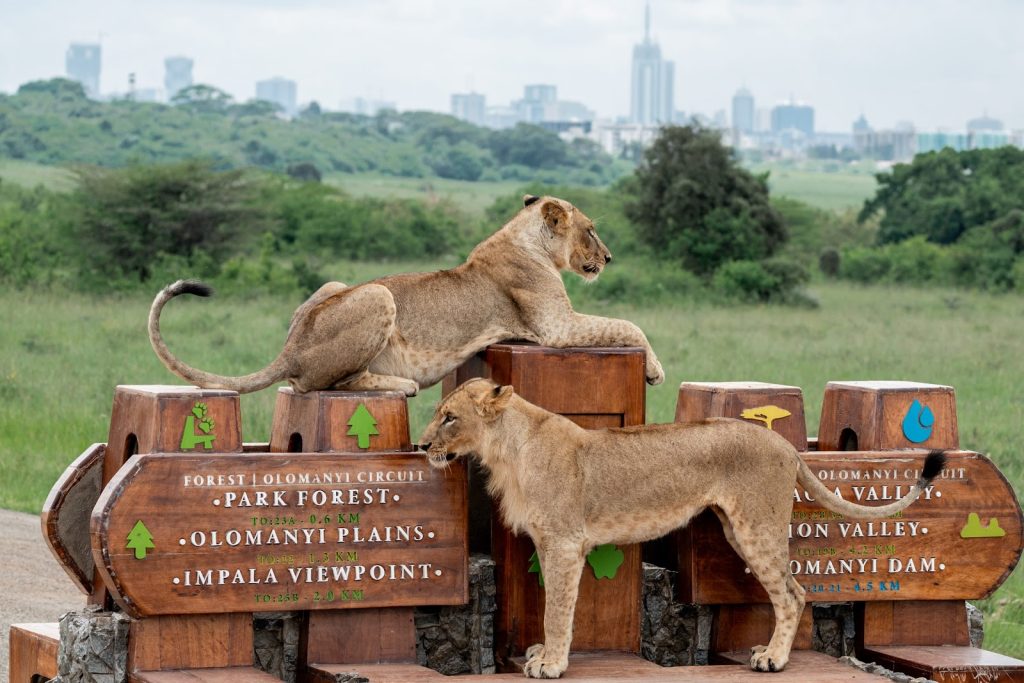
Nairobi Safari Walk solves a real problem: how do you meet Kenya’s wildlife on foot, safely, in under two hours, without a vehicle or a full day free? Run by the Kenya Wildlife Service at the edge of Nairobi National Park on Lang’ata Road, this raised wooden boardwalk winds through three simulated habitats — wetland, savannah and forest — bringing you eye-level with white rhino, lion, leopard, buffalo, giraffe and zebra, alongside species most visitors never see in the wild at all: the striped, secretive bongo antelope, ghost-pale albino zebras, and pygmy hippos barely a third the size of their river-dwelling cousins. It is Nairobi’s most walkable safari, and Sense of Adventure books it constantly for families, business travellers and anyone whose schedule can’t stretch to a full game drive.
Walk Kenya’s Wildlife in an Afternoon
A boardwalk safari that fits any schedule — ask us to build it into your Nairobi day.
What the Nairobi Safari Walk Actually Is
The Safari Walk sits at the KWS headquarters gate on Lang’ata Road, roughly eight kilometres from the city centre and directly adjacent to Nairobi National Park itself, though it operates as a distinct, self-contained facility you explore entirely on foot. A raised timber boardwalk keeps visitors safely above ground level while looping through three recreated ecosystems — a papyrus-lined wetland along the Mokoyet River, open savannah grassland, and shaded indigenous forest holding more than 150 native tree species — so a single unhurried circuit delivers habitat variety a vehicle-based game drive would need hours to match. Species on show span the expected (lion, leopard, buffalo, giraffe, zebra, hyena, crocodile) and the genuinely rare: the striped bongo antelope, native only to a handful of forest fragments and one of Africa’s most elusive antelope; pygmy hippos, solitary and forest-dwelling rather than river-social like common hippos; and albino zebras, whose ghost-white stripes make them among the most photographed animals on the walk. The whole facility exists specifically because a standard vehicle-based game drive cannot offer this — no engine, no dust, no waiting for an animal to wander into view from a distance, just a slow walk at your own pace with sightings essentially guaranteed at every enclosure along the route.
We had ninety minutes before a flight and the Safari Walk fit perfectly — boardwalk right over a crocodile pool, a bongo I’d genuinely never heard of before, and a leopard enclosure close enough that my kids stopped asking to go home. No vehicle, no dust, no rush.
— Sense of Adventure guest, layover family visit
The 7 Things Worth Knowing About the Nairobi Safari Walk
The Boardwalk Route — wetland, savannah, forest in one loop
The raised wooden walkway is the whole point: it keeps every visitor at a safe, comfortable height above the ground while giving uninterrupted sightlines into each simulated habitat. Unlike a game drive where sightings are down to luck and timing, the Walk’s enclosures mean a near-certain view of every headline species on a single unhurried loop, making it far more predictable for anyone short on time.
Species You Won’t See Easily Elsewhere — bongo, pygmy hippo, albino zebra
The bongo antelope — chestnut-striped and strikingly shy — survives in only a few isolated Kenyan forest populations and is rarely encountered even on a dedicated wildlife safari; the Safari Walk is one of the most reliable places in the country to actually see one. Pygmy hippos and albino zebras add further rarity, species most visitors have never even heard of before arriving.
A Safe Introduction for Kids and Nervous Travellers — walking, not driving, among wildlife
For families with young children, or visitors nervous about an open-vehicle game drive, the Safari Walk’s enclosed, elevated boardwalk offers close wildlife encounters with none of the exposure of a traditional safari vehicle — a gentle, confidence-building introduction before a bigger Kenyan safari, or a satisfying stand-alone visit for those who prefer it that way.
The River Mokoyet Wetland Stretch — crocodiles and water birds at close range
The wetland section follows the River Mokoyet through papyrus and reed beds, bringing visitors close to crocodiles baking on the banks and a strong supporting cast of waterbirds — herons, kingfishers and waders — that most first-time Nairobi visitors never expect to find this close to a capital city centre.
150+ Indigenous Trees — a forest walk as much as a wildlife one
Beyond the animals, the Safari Walk protects and labels over 150 native tree species along its forest stretch, turning the visit into a quiet botanical lesson as much as a wildlife one — a detail casual visitors often discover only once inside, and one that rewards a slower pace through the shaded sections.
Timing Your Visit — hours, crowds and the best light
The Safari Walk generally operates within standard daytime hours, and a visit in the cooler morning or late-afternoon period brings out more natural animal activity than the heat of midday. Combine it with a Nairobi National Park game drive on the same day, since both sit at the same Lang’ata Road gate area.
Booking and Entry — KWS fees, paid online
Like all Kenya Wildlife Service sites, entry is processed through the official KWSPay/eCitizen platform rather than cash at the gate, with fee tiers differing for non-residents, East African citizens and Kenya residents. We handle this booking directly for guests so there is nothing to sort out on arrival.
Pair the Walk With a Full Nairobi Day
Safari Walk in the morning, a Nairobi National Park game drive after lunch — ask us to build the combination.
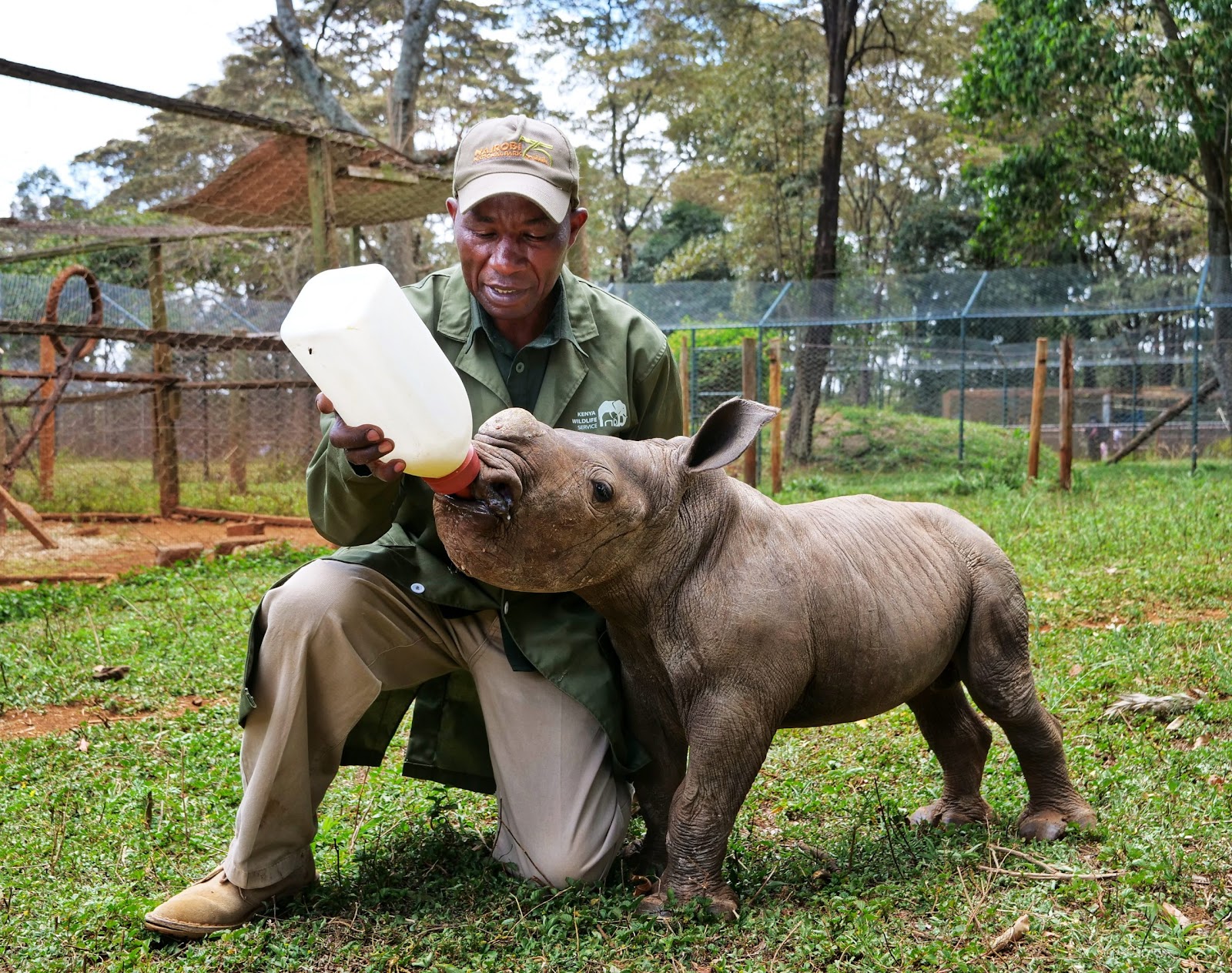
Nairobi Safari Walk Facts
- Location: at the KWS headquarters gate on Lang’ata Road, about 8 km from the Nairobi CBD, beside Nairobi National Park.
- The concept: a raised boardwalk through three simulated habitats — wetland, savannah, forest — explored entirely on foot.
- Rare species: bongo antelope, pygmy hippo and albino zebra are among the harder-to-see animals on show.
- Standard species: lion, leopard, white rhino, buffalo, giraffe, zebra, hyena and crocodile also feature.
- Trees: over 150 indigenous tree species grow along the forest section of the walk.
- Visit length: most visitors complete the loop comfortably in 1-2 hours.
- Booking: entry is paid online via KWSPay/eCitizen, not cash at the gate — we arrange this for our guests directly.
Making the Safari Walk Part of a Bigger Nairobi Day
The Safari Walk sits minutes from the KWS-run Animal Orphanage and pairs naturally with a Nairobi National Park game drive — see our full Nairobi National Park guide for the complete picture. Layover travellers should also read our Nairobi layover safari guide, and the Nairobi City & Wildlife day tour bundles several of these stops into one bookable day. First-timers unsure how much time to allow should plan for the walk itself plus a buffer either side for parking and the gift shop, rather than treating it as a rushed five-minute stop between bigger activities.
A Complete Safari, Entirely on Foot
Bongo, pygmy hippo, leopard — all within an easy boardwalk loop. Message us to add the Safari Walk to your Nairobi day.
Frequently Asked Questions
What is the Nairobi Safari Walk?
The Nairobi Safari Walk is a Kenya Wildlife Service facility at the edge of Nairobi National Park where a raised wooden boardwalk lets visitors explore three simulated habitats — wetland, savannah and forest — entirely on foot, viewing lion, leopard, rhino, giraffe and rarer species like bongo antelope and pygmy hippo.
Where is the Nairobi Safari Walk located?
The Nairobi Safari Walk is located at the KWS headquarters gate on Lang’ata Road, about 8 km from the Nairobi CBD, directly beside Nairobi National Park — easily reached from the city in 20-30 minutes depending on traffic.
How long does the Nairobi Safari Walk take?
Most visitors complete the Nairobi Safari Walk’s full boardwalk loop in one to two unhurried hours, making it an easy addition to a half-day Nairobi itinerary, a layover, or a gentler alternative to a full vehicle-based game drive.
What animals can you see at the Nairobi Safari Walk?
The Nairobi Safari Walk shows lion, leopard, white rhino, buffalo, giraffe, zebra, hyena and crocodile alongside rarer species including the striped bongo antelope, pygmy hippo and albino zebra — several of which are genuinely difficult to see even on a dedicated wildlife safari.
Is the Nairobi Safari Walk suitable for children?
Yes — the elevated, enclosed boardwalk keeps children safely above ground level throughout, making the Nairobi Safari Walk one of the gentlest, most family-friendly wildlife experiences in the city, without the open-vehicle exposure of a traditional game drive.
Can you combine the Nairobi Safari Walk with a game drive?
Yes — the Nairobi Safari Walk sits right beside Nairobi National Park’s main gate area, making it easy to combine with a game drive, the Animal Orphanage or the Giraffe Centre into one efficient half-day or full-day Nairobi itinerary.