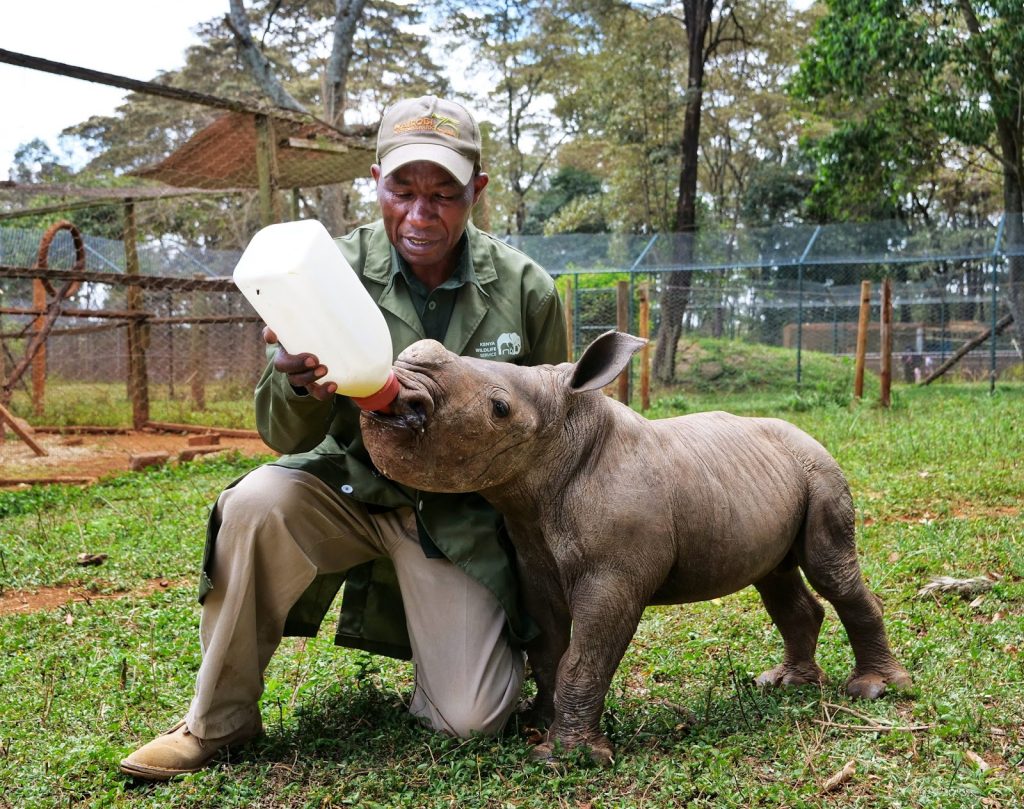
Nairobi National Park Animal Orphanage confuses almost every first-time visitor for one simple reason: Nairobi has two celebrated wildlife rescue facilities within a short drive of each other, and most travel content only ever mentions one. This orphanage — established in 1964 by the Kenya Wildlife Service, making it the oldest facility of its kind in the country — sits directly at Nairobi National Park’s main gate and cares for lions, cheetahs, hyenas, leopards, servals, the rare Sokoke cat, warthogs, monkeys, baboons and buffalo, alongside a strong resident bird collection. It is a genuinely different place from the famous Sheldrick Wildlife Trust elephant nursery a short drive away, and Sense of Adventure makes a point of explaining the distinction clearly before any Nairobi day, so guests know exactly which gate they are walking through.
Know Which Orphanage You’re Visiting
KWS Animal Orphanage or Sheldrick’s elephant nursery — we’ll clarify and book the right one for your day.
The Orphanage Everyone Confuses With Somewhere Else
Kenya’s wildlife rescue landscape around Nairobi has two distinct, unrelated institutions that share overlapping fame: the KWS Animal Orphanage, sitting right at Nairobi National Park’s main entrance and operating since 1964, and the Sheldrick Wildlife Trust’s elephant and rhino nursery a short drive further into the park’s vicinity, founded decades later and globally famous for its orphaned-elephant rehabilitation programme. The KWS orphanage was never primarily an elephant facility — its historic and ongoing purpose is broader, taking in injured, orphaned or confiscated animals across many species, from big cats to primates to birds, providing veterinary care and, where possible, working toward release or long-term sanctuary placement. Because both sites use the word “orphanage” loosely in casual conversation and even in some travel guides, confirming which one a guide, driver or itinerary actually refers to matters — and it is exactly the kind of small clarification that saves a visitor from disappointment on the day. Both institutions reward a visit in their own right: the KWS orphanage’s broad, decades-deep rescue mandate across dozens of species tells a genuinely different conservation story from Sheldrick’s globally famous, elephant-and-rhino-specific rehabilitation work, and travellers with a full day free often visit both back to back precisely because the contrast is so informative.
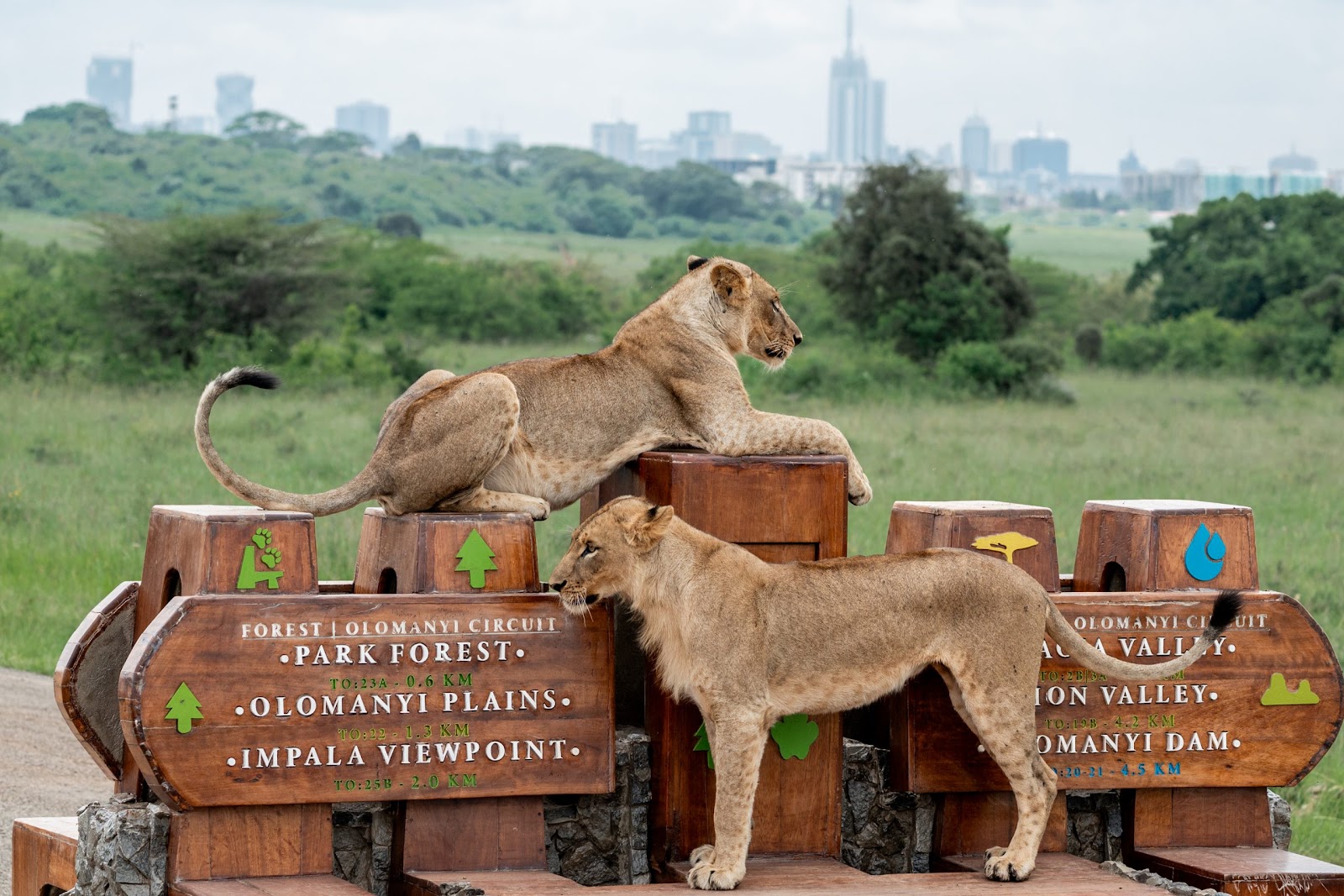
I’d booked what I thought was the elephant nursery and it turned out to be the KWS orphanage at the main gate — completely different, and honestly just as good: a serval cat, a Sokoke cat I’d never heard of, cheetahs up close. Our guide caught the mix-up before we wasted the morning and simply added the elephant nursery as a separate stop the next day.
— Sense of Adventure guest, Nairobi wildlife day
The 7 Things to Know About the Nairobi National Park Animal Orphanage
Kenya’s Oldest Rescue Facility — operating since 1964
Established in 1964 under what would become the Kenya Wildlife Service, this orphanage predates almost every other conservation-tourism facility in the country by decades, and its long institutional history means generations of Kenyan wildlife professionals trained or worked here before the country’s newer, more internationally famous rescue organisations even existed.
Not the Elephant Nursery — the distinction that matters most
The KWS Animal Orphanage is a genuinely different institution from the Sheldrick Wildlife Trust’s elephant and rhino nursery — different founding organisation, different history, different primary focus. Both are worth visiting, but conflating them leads to real confusion when booking, so we always confirm which one a guest actually wants before finalising any Nairobi itinerary.
A Broad Species Mix — far beyond elephants
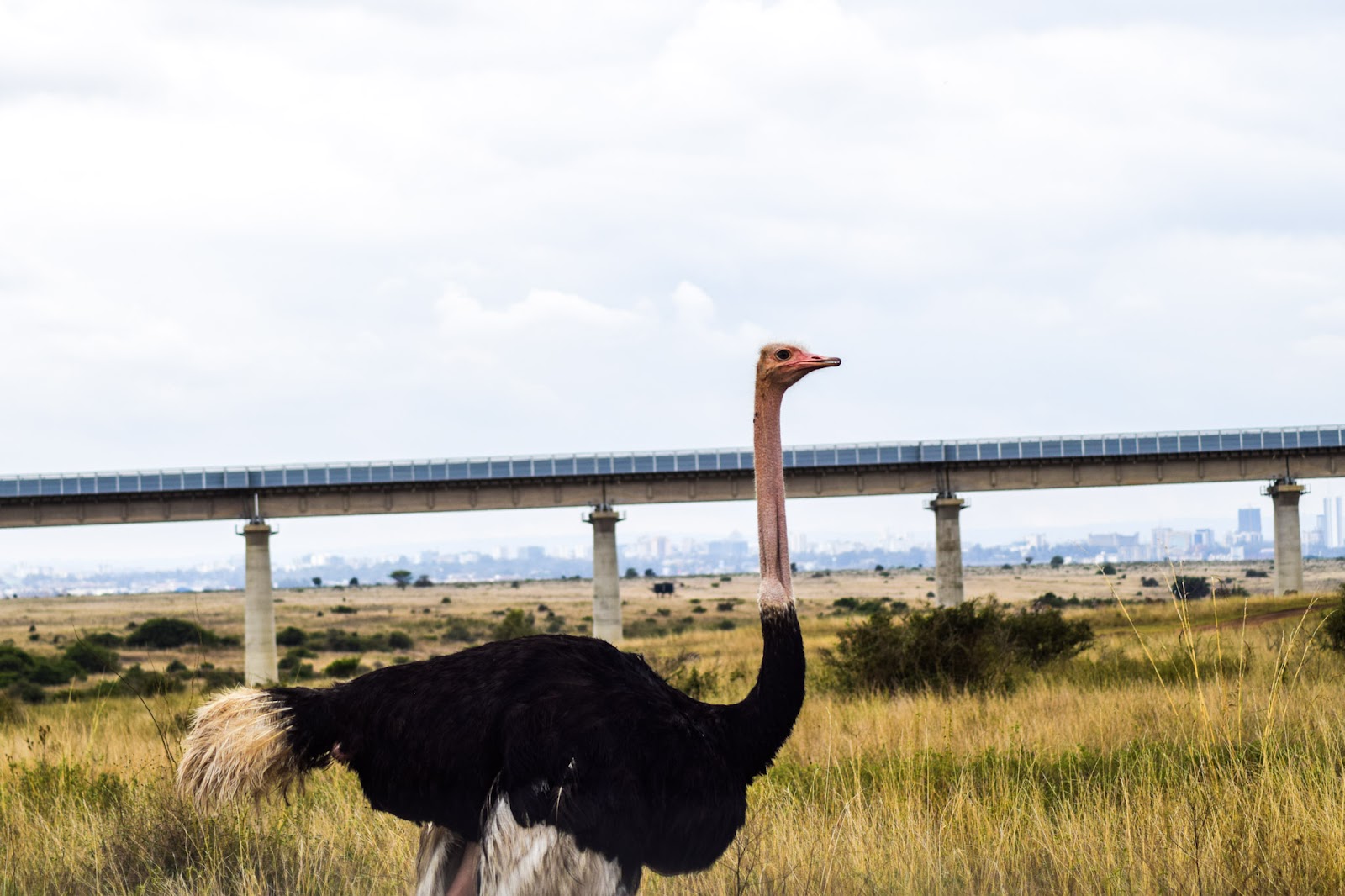
Residents have included lions, cheetahs, spotted hyenas, black-backed jackals, servals, the rare and elusive Sokoke cat, warthogs, various monkey species, baboons and buffalo, alongside parrots, guinea fowl, crowned cranes and ostriches — a far broader species range than most visitors expect from an “orphanage.”
Rescue and Rehabilitation, Not a Zoo — the working purpose behind the visit
Every animal at the orphanage arrived through injury, abandonment, confiscation from illegal trade, or human-wildlife conflict displacement — the facility exists to provide veterinary care and, where genuinely possible, a path back to the wild or to a suitable long-term sanctuary, rather than functioning as permanent public display for its own sake.
Right at the Main Gate — easy to combine with a game drive
Its location directly at Nairobi National Park’s principal entrance makes the orphanage a natural bookend to a game drive — visit before heading into the park for the day, or on the way out, without any separate transfer needed.
Booking Through KWSPay — how entry actually works now
As with all Kenya Wildlife Service sites, entrance fees are processed online via the KWSPay/eCitizen system rather than cash at the gate, with different rate tiers for non-residents, East African citizens and Kenya residents — we handle this booking directly so guests arrive with everything already sorted.
Pairing With the Wider Nairobi Circuit — a natural half-day sequence
Many guests sequence a Nairobi day as orphanage, then Safari Walk, then a game drive, then (time permitting) the Giraffe Centre or Sheldrick nursery further out — a logical loop that touches every major Nairobi wildlife attraction without significant backtracking.
Why the Name Confusion Persists — a quirk of how Nairobi’s attractions get marketed
Because both the KWS orphanage and the Sheldrick nursery are informally called an “orphanage” by drivers, hotel concierges and even some tour listings, the confusion is less about visitor error and more about inconsistent naming across the industry — which is exactly why we confirm the specific facility by name, not just the word “orphanage,” on every booking.
We’ll Get the Booking Right
Two different “orphanages,” one confusing name — tell us what you actually want to see and we’ll plan it precisely.
Nairobi Animal Orphanage Facts
- Founded: 1964, making it the oldest wildlife rescue facility of its kind in Kenya.
- Managed by: the Kenya Wildlife Service.
- Location: directly at Nairobi National Park’s main entrance gate, about 8 km from the CBD.
- Species: lions, cheetahs, hyenas, jackals, servals, Sokoke cats, warthogs, leopards, monkeys, baboons, buffalo and various birds.
- Purpose: rescue, veterinary care and rehabilitation of injured, orphaned or confiscated wildlife.
- Distinct from: the Sheldrick Wildlife Trust elephant and rhino nursery, a separate, unrelated organisation nearby.
- Booking: entry fees are paid online via KWSPay/eCitizen, not cash at the gate.
- Nearby: the Giraffe Centre and Sheldrick elephant nursery both sit within easy reach for a combined Lang’ata-area wildlife morning.
Clarifying Nairobi’s Wildlife Circuit
This orphanage is one part of a wider Nairobi wildlife day covered in our Nairobi National Park guide, alongside the Nairobi Safari Walk and the Giraffe Centre. For the Sheldrick elephant nursery specifically, see our existing elephant orphanage & Giraffe Centre visitor guide — and book the whole circuit via the Nairobi City & Wildlife day tour.
Kenya’s Oldest Rescue Centre, Explained Clearly
We’ll make sure you visit the right orphanage — or both. Message us to plan your Nairobi wildlife day.
Frequently Asked Questions
What is the Nairobi National Park Animal Orphanage?
The Nairobi National Park Animal Orphanage is a Kenya Wildlife Service facility established in 1964 at the park’s main gate, caring for injured, orphaned or confiscated wildlife including lions, cheetahs, hyenas, servals and monkeys — Kenya’s oldest facility of its kind.
Is the Animal Orphanage the same as the Sheldrick elephant nursery?
No — the KWS Animal Orphanage at Nairobi National Park’s main gate is a separate, older institution from the Sheldrick Wildlife Trust’s elephant and rhino nursery nearby. They are commonly confused but have different founders, histories and primary species focus.
What animals live at the Nairobi National Park Animal Orphanage?
The orphanage cares for lions, cheetahs, spotted hyenas, jackals, servals, the rare Sokoke cat, warthogs, leopards, monkeys, baboons and buffalo, plus resident birds including parrots, guinea fowl, crowned cranes and ostriches.
Where is the Nairobi Animal Orphanage located?
The Nairobi Animal Orphanage is located directly at Nairobi National Park’s main entrance gate, about 8 km from the Nairobi CBD — making it easy to visit immediately before or after a park game drive.
How do you book entry to the Nairobi Animal Orphanage?
Entry to the Nairobi Animal Orphanage is paid online through the KWSPay/eCitizen platform rather than cash at the gate, with different fee tiers for non-residents, East African citizens and Kenya residents — Sense of Adventure arranges this directly for guests.
Can you visit both Nairobi orphanages in one day?
Yes — the KWS Animal Orphanage and the Sheldrick Wildlife Trust elephant nursery are close enough to combine in a single well-planned day, and many guests do exactly this specifically to compare the two institutions’ very different rescue focuses.