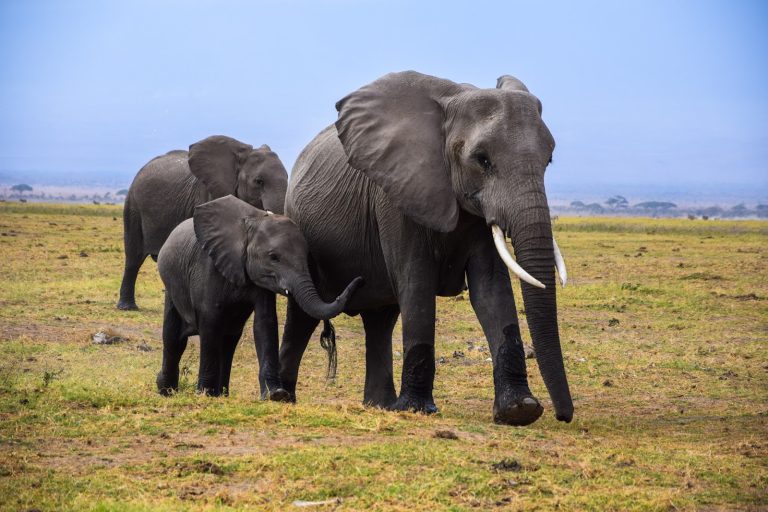
The Nairobi elephant orphanage run by the David Sheldrick Wildlife Trust is one of the most moving wildlife experiences in Kenya, and with the Giraffe Centre just ten minutes away it makes a perfect first or last morning of any safari.
Before your first game drive, before the savannah, before the lion and the wildebeest and the Mara River at dawn — Nairobi offers two wildlife encounters that set the tone for everything that follows, and that many safari visitors describe as the most emotionally affecting wildlife experiences of their entire trip. The David Sheldrick Wildlife Trust Elephant Orphanage and the African Fund for Endangered Wildlife Giraffe Centre are not sideshows on the way to the airport. They are genuinely extraordinary wildlife experiences that stand entirely on their own merit — and that every Kenya visitor should make time for.
✅ Nairobi Elephant Orphanage: The Quick Answer
- What it is: the David Sheldrick Wildlife Trust’s nursery for orphaned baby elephants, on the edge of Nairobi National Park.
- When to visit: one public visiting hour each day in the late morning, when the orphans come in for their milk feed and mud bath.
- Booking: advance online booking with the Trust is required, as visitor numbers are limited for the elephants’ welfare.
- How long: about one hour at the nursery; add the Giraffe Centre for a relaxed half-day.
- Getting there: roughly 30–60 minutes by road from central Nairobi, depending on traffic, and easy to reach from JKIA on a layover.
- Best combined with: the Giraffe Centre in Lang’ata, a Nairobi National Park game drive or the Karen Blixen Museum.
🌎 Thinking About a Kenya Safari?
Our team is on WhatsApp right now — ask us anything about destinations, dates, or prices. No obligation.
💬 WhatsApp Us Now or call +254 799 160 081
David Sheldrick Wildlife Trust: Kenya’s Elephant Nursery
The David Sheldrick Wildlife Trust — established in 1977 by Dame Daphne Sheldrick in memory of her husband, the naturalist and warden David Sheldrick — is the world’s most successful elephant orphan rescue and rehabilitation programme, and its nursery is what most people mean by the Nairobi elephant orphanage.
Since its founding, the Trust has rescued, hand-raised, and successfully rewilded over 270 orphaned elephant calves — animals whose mothers were killed by poaching, human-wildlife conflict, or drought, and who would otherwise have died without human intervention. You can follow the orphans and the Trust’s wider work on the Sheldrick Wildlife Trust website.
The rescue and rehabilitation process is extraordinary in its intimacy and commitment. Each orphan is assigned a dedicated team of keepers who sleep alongside their elephant in the stables every night for the first years of the calf’s life — providing the physical contact, emotional security, and 24-hour presence that an orphaned elephant requires to survive and thrive.
Keepers rotate on a schedule specifically designed to prevent individual elephants from becoming dependent on a single person, building instead the broad social confidence the animal will need for eventual rewilding.
The Nairobi elephant orphanage public visiting hour
Once a day, the orphan elephants return from their morning walk in Nairobi National Park for their midday milk feeding and mud bath. During this one-hour session, visitors gather at the compound’s viewing rope while the keepers introduce each calf by name and tell their story — how they were found, where they came from, what challenges they overcame.
A calf orphaned when her herd was killed by poachers in Tsavo. A tiny male found alone near a water pan in Laikipia, too young to survive independently for more than a day. Each story is a specific, individual tragedy — and each healthy, boisterous calf playing in the red mud and wrestling with its companions is a specific, individual triumph.
Watching ten or twelve baby elephants at a mud bath — splashing, tumbling, chasing each other, climbing on their keepers, and occasionally charging the visiting rope with theatrical adolescent bravado — is one of the most joyful wildlife experiences available anywhere. For families with children, the Nairobi elephant orphanage is quite simply unmissable. For adults without children, it is equally moving in a different way.
Advance booking is essential — visitor numbers are limited to preserve the orphans’ welfare. Book through the Trust’s website before you travel, and check the current visiting time and entry fee when you book, as both are set by the Trust and can change.

What to Expect at the Nairobi Elephant Orphanage
Your visit to the Nairobi elephant orphanage follows a simple pattern. You arrive, show your booking, and gather with other visitors around a roped-off area of red earth. Then the first group of calves comes running out of the bush towards the keepers holding giant milk bottles.
The youngest orphans usually come first, then the older calves. While they drink and play, a keeper with a microphone explains each calf’s rescue story, its personality and how the Trust eventually returns elephants to the wild. Some calves come right up to the rope, so you may be able to touch a curious trunk if a keeper allows it.
From the nursery back to the wild
The Nairobi elephant orphanage is only the first stage of each calf’s journey. When the orphans are older and stronger, they move to the Trust’s reintegration units in Tsavo, where they gradually mix with wild herds. Many former orphans now live fully wild lives, and some have even returned to show their keepers their own wild-born calves.
Fostering an orphan
Many visitors leave the Nairobi elephant orphanage wanting to help. The Trust runs a fostering programme in which you make a donation and receive regular updates about “your” elephant. It also makes a lovely gift for children. Details are on the Trust’s website.
📅 Get Your Free Safari Proposal
Share your travel dates and interests — we will send you a tailored, fully itemised itinerary within 24 hours.
The Giraffe Centre: Eye-to-Eye With Rothschild’s Giants
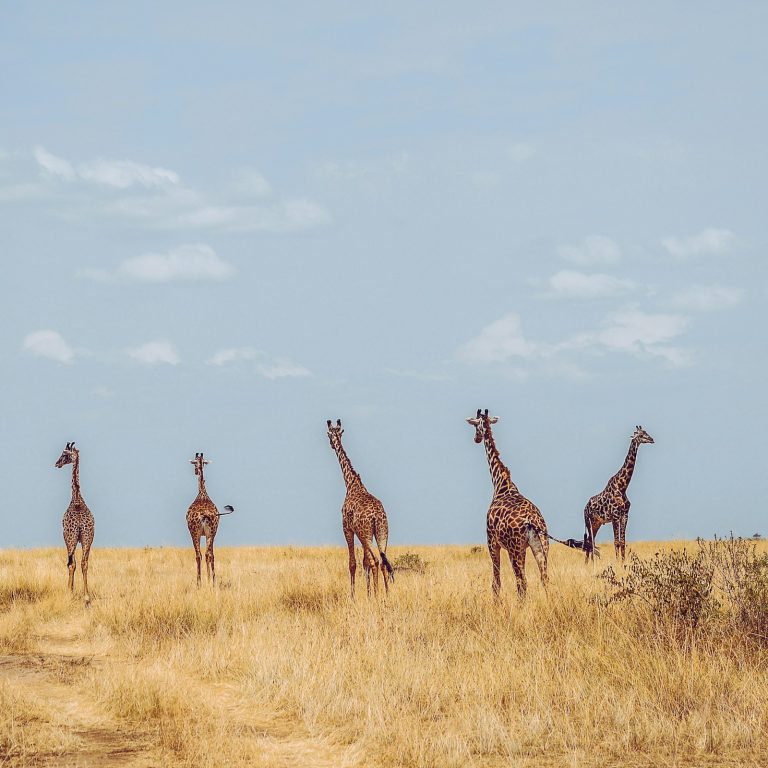
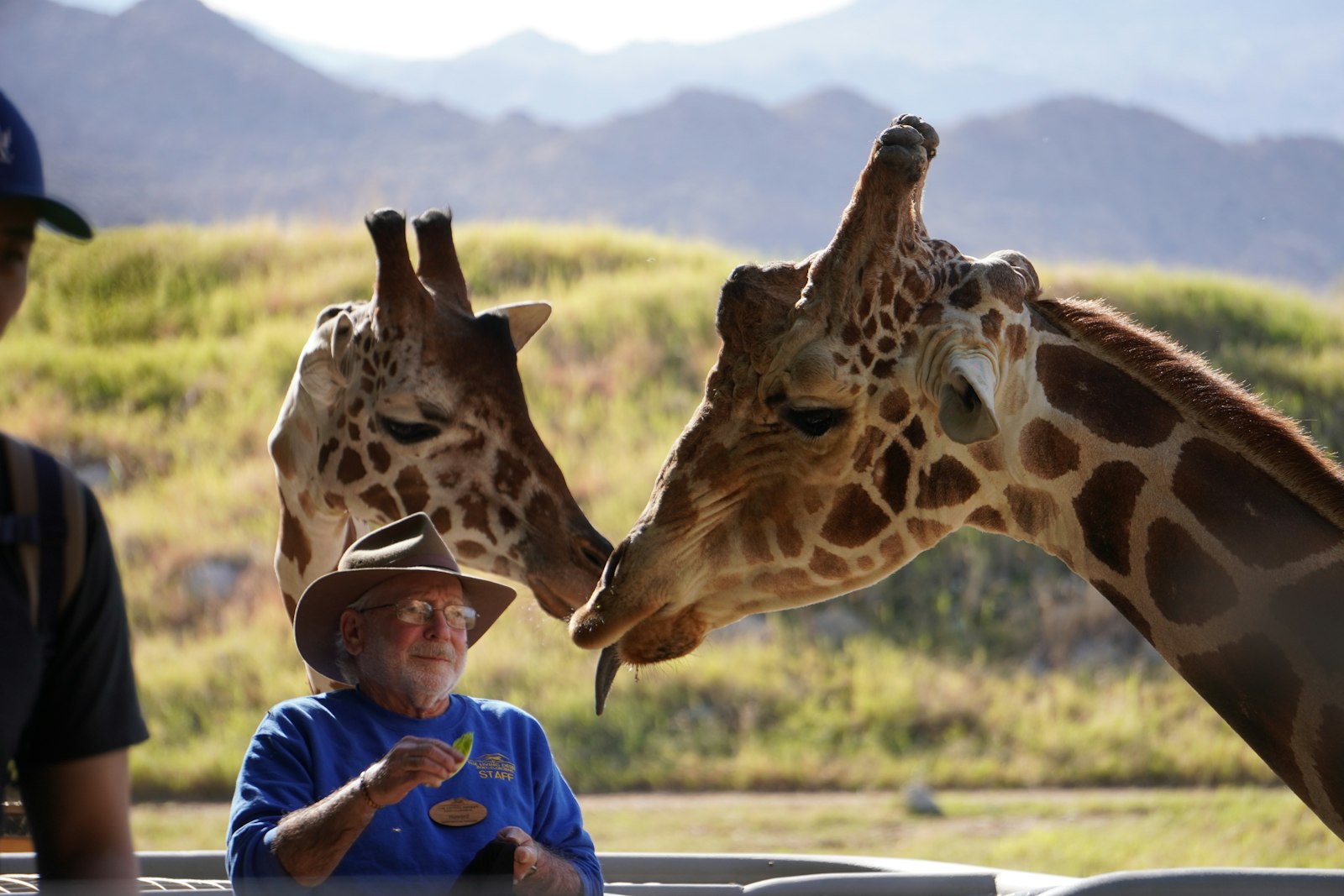
In the Karen suburb of Nairobi, ten minutes from the Sheldrick Orphanage, the African Fund for Endangered Wildlife’s Giraffe Centre offers one of the world’s most immediately delightful wildlife encounters: standing on an elevated wooden platform and feeding endangered Rothschild’s giraffe from your hand, eye-to-eye with one of Africa’s most extraordinary animals.
Rothschild’s giraffe — one of the world’s most endangered giraffe subspecies, with fewer than 3,000 individuals remaining across Africa — were reintroduced to Kenya from Uganda in the 1970s through the Centre’s breeding programme. The Centre has since established new Rothschild’s populations across multiple Kenyan sanctuaries, contributing significantly to the subspecies’ survival.
The giraffe at the Centre are thoroughly habituated to human contact and will take food pellets directly from visitors’ hands — and sometimes, if you are brave enough, from between your lips, which the giraffe retrieves with their remarkable 45-centimetre, dark blue-grey tongues.
The Centre also provides excellent close-range observation of giraffe behaviour that game drives in the national parks cannot easily replicate. Watching a giraffe’s extraordinary locomotion, their surprisingly delicate facial expressions, and the remarkable sensory apparatus of their eyes and nostrils at close range deepens your appreciation of these animals for every subsequent safari encounter in the wild.
The Giraffe Centre nature trail
Behind the feeding platform, a short nature trail leads through indigenous forest where you may see warthogs, birds and other small wildlife. It is a pleasant, easy walk for families and a quiet contrast to the busy platform, so allow extra time if you enjoy nature.
Planning Your Nairobi Wildlife Day
The Nairobi elephant orphanage and the Giraffe Centre can be combined in a single Nairobi morning. The ideal schedule: arrive at the Sheldrick nursery around 15 minutes before your booked visiting hour, as queues build quickly in peak season. Spend the full hour with the orphans, then transfer to the Giraffe Centre (approximately 10 minutes’ drive).
Lunch at one of Karen’s restaurants, then add an afternoon activity — the Karen Blixen Museum, a Nairobi National Park game drive, or simply relaxing at your hotel before an evening flight to the Mara.
Sample half-day and full-day plans
- Half day: Nairobi elephant orphanage visiting hour, then the Giraffe Centre, and back to your hotel or the airport by mid-afternoon.
- Full day: an early game drive in Nairobi National Park, the orphanage, lunch in Karen, then the Giraffe Centre.
- Culture and wildlife: the orphanage and Giraffe Centre in the morning, then the Karen Blixen Museum tour in the afternoon.
We coordinate Nairobi day programmes — including vehicle transfers, booking coordination, and timing around international arrivals — as a standard part of all our Kenya safari packages. If you are arriving in Nairobi the day before your safari begins, a Nairobi wildlife day with the Orphanage and Giraffe Centre is the best possible way to spend it.
See our Kenya safari cost guide for Nairobi day programme pricing, and our Kenya travel tips for practical Nairobi logistics.
Nairobi Elephant Orphanage Tours We Offer
You can visit the Nairobi elephant orphanage on your own with a booking and a taxi, but most visitors prefer a guided tour that handles transport, timing and tickets. These Sense of Adventure tours include the Sheldrick nursery and the Giraffe Centre:
- Nairobi City & Wildlife Day Tour: baby elephants, the Giraffe Centre and a taste of Kenyan culture in one day.
- Nairobi Layover Tour: Nairobi National Park, baby elephants and giraffes, timed around your flight connection at JKIA.
- Nairobi Culture Day Tour: baby elephants, giraffes and Kenyan heritage in a single day.
Ask us on WhatsApp for current prices, which depend on group size and pick-up point. If you are planning a longer trip, browse our Kenya safaris from Nairobi or our Masai Mara safari packages — many start with a Nairobi wildlife morning.
Getting to the Nairobi Elephant Orphanage
The Nairobi elephant orphanage sits inside the edge of Nairobi National Park, off Magadi Road on the Lang’ata side of the city. From the city centre it usually takes 30–60 minutes by road, depending on traffic, and a little less from Karen.
From Jomo Kenyatta International Airport (JKIA), the drive is often under an hour outside rush hour, which is why the orphanage is a favourite on a long layover. Make sure you carry your passport and keep plenty of time for the return to the airport. Our guide to the Nairobi travel guide has more on getting around the city.
Tips for Visiting the Nairobi Elephant Orphanage
- Book early: slots sell out in peak months such as July, August and December.
- Arrive on time: the visiting hour starts promptly and the best spots on the rope fill quickly.
- Wear old shoes and clothes: the calves love mud and occasionally spray it at visitors.
- Bring cash or a card: for the gift shop and fostering, and check the accepted payment methods with the Trust.
- Follow keepers’ instructions: never reach over the rope unless invited, and keep children close.
- Take photos, not flash: natural light is better for pictures and kinder to the calves.
Is the Nairobi Elephant Orphanage Ethical?
Many travellers worry about wildlife attractions, and rightly so. The Nairobi elephant orphanage is widely respected because its purpose is rescue and release, not entertainment. The calves are not ridden, do not perform tricks and spend most of the day walking in the national park with their keepers.
Visitor time is limited to one hour a day, numbers are capped and the money raised supports the Trust’s anti-poaching, veterinary and community work. It is one of the clearest examples of responsible wildlife tourism in Kenya. For wider context on conservation, see the Kenya Wildlife Service, which manages Nairobi National Park.
Best Time of Year to Visit
The Nairobi elephant orphanage is open all year, so you can visit whatever the season. The dry months, roughly June to October and January to February, bring sunny mornings and plenty of red dust for the calves to roll in. The rainy months of April, May and November mean more mud, which the orphans love, but take a light rain jacket.
The number of orphans at the nursery changes through the year as new calves are rescued and older ones move to Tsavo, so every visit is a little different. Peak holiday periods are the busiest, so book further ahead if you travel in July, August or over Christmas.
Where to stay near the Nairobi elephant orphanage
Staying in Karen or Lang’ata puts you only a short drive from the nursery, the Giraffe Centre and Nairobi National Park, and keeps you away from city-centre traffic. It is a relaxed base before an early flight from Wilson Airport to the Masai Mara, and a good choice for families.
Nairobi Elephant Orphanage: Frequently Asked Questions
Do you need to book the Nairobi elephant orphanage in advance?
Yes. The David Sheldrick Wildlife Trust limits the number of visitors each day to protect the orphans’ welfare, so you must book online before you go. In busy months slots can sell out weeks ahead. If you book a tour with us, we handle the reservation and timing for you.
How long does a visit to the elephant orphanage take?
The public visit lasts about one hour, during the daily feeding and mud bath. With travel time, most people spend two to three hours, or half a day if they add the Giraffe Centre. It fits easily before an afternoon flight or as the first stop on a Nairobi day tour.
Can you touch the baby elephants?
Sometimes. The calves often come right up to the rope, and keepers may allow you to touch a trunk or ear when an elephant approaches on its own. You should never reach out to a calf uninvited. The keepers decide what is safe, and their instructions always come first.
Is the elephant orphanage good for children?
It is one of the best family activities in Kenya. Children love watching the calves drink from giant bottles and play in the mud, and the keepers’ stories teach them about conservation in a memorable way. Keep little ones close to you at the rope and dress them in clothes that can get muddy.
Can I visit the orphanage on a Nairobi layover?
Yes, if your connection is long enough. With a layover of roughly eight hours or more, you can leave the airport, see the orphans and the Giraffe Centre and return in time. Check your entry requirements on the official eTA Kenya website before you travel.
Ready to add the Nairobi elephant orphanage to your trip? Send us your dates and flight times and we will build the perfect Nairobi morning around them. For wider inspiration, visit Magical Kenya, the official tourism board website.
🏑 Ready to Book Your Kenya Safari?
Sense of Adventure — Kenya-based experts with real local knowledge. Transparent pricing. Personalised itineraries. Guests who return year after year.
Call or WhatsApp: +254 799 160 081