A Kenya safari with teenagers is one of the best family trips you can plan, because 13 to 17 is the age when wildlife, adventure and culture finally click. Teens are old enough for long game drives, walking safaris, balloon flights and horse riding, yet young enough to travel on child park rates in many reserves.
Sense of Adventure is a licensed, Nairobi-based safari operator (TRA licence TRA1/47/C01/77087), and we plan private family safaris for parents travelling from Europe, North America, Asia, the Middle East and Australia. This guide to planning a Kenya safari with teenagers covers the best activities for teens, minimum age rules, when to go, sample itineraries, camps, screen time, health paperwork and realistic budgeting, so you can plan a trip the whole family enjoys.
Table of Contents
✅ Kenya Safari With Teenagers: The Quick Answer
- Best ages: 12 to 17. Teens can join almost every activity, including walking safaris (often 12+ or 16+) and gorilla trekking in Rwanda or Uganda (15+).
- Best time: July to October for the Great Migration, or January to February and late June for drier weather, fewer vehicles and lower Masai Mara fees.
- Ideal length: 7 to 10 days, mixing two or three parks with an active stop such as Lake Naivasha or Laikipia, or a few beach days.
- Top activities: game drives, hot air ballooning, walking and horseback safaris, Hell’s Gate cycling, a Maasai village visit and the Nairobi elephant orphanage.
- Paperwork: every traveller, including children, needs a valid passport and a Kenya eTA, and from 5 October 2026 most visitors also need Kenya’s government travel health insurance.
🌎 Planning a Family Safari With Teens?
Tell us your teenagers’ ages, interests and school holiday dates, and we will suggest a route that keeps everyone happy. 💬 WhatsApp Us Now or call +254 729 837 481
Is a Kenya Safari With Teenagers a Good Idea?
Yes. For many families, a Kenya safari with teenagers is the best first safari of all. Younger children often tire on long drives and are excluded from activities such as walking safaris. Teenagers have the stamina for early starts, the attention span for a two-hour wait at a leopard tree and the curiosity to ask guides real questions about animal behaviour, conservation and Maasai culture.
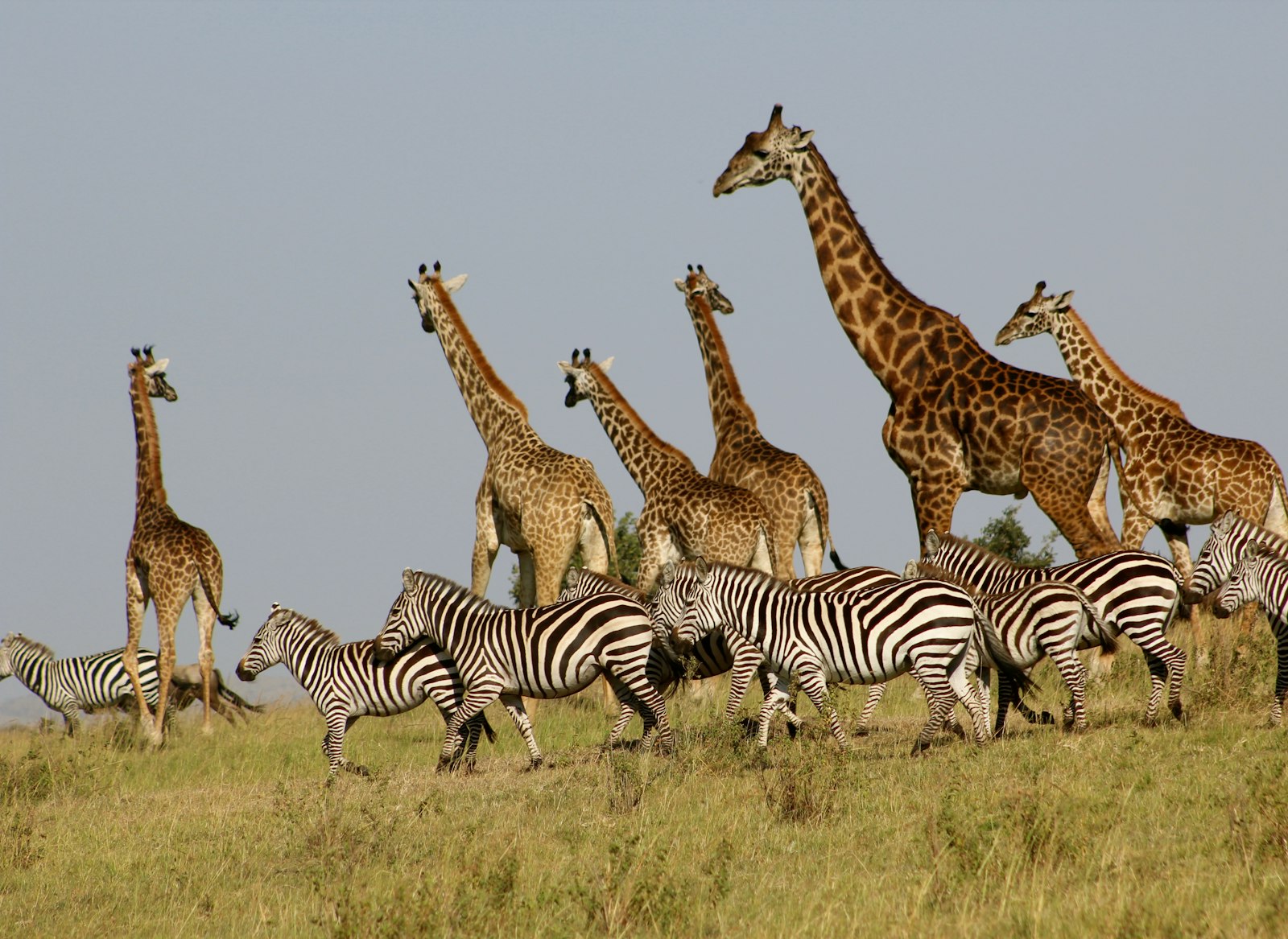
A Kenya safari with teenagers also works because Kenya offers more than game drives. In one trip a teen can cycle past zebras, ride a horse among giraffes, float over the Mara in a balloon, meet orphaned baby elephants and snorkel a coral reef. That variety is what keeps a Kenya safari with teenagers exciting for a week or more.
What teenagers usually remember most
- The first big sighting: a lion pride, a cheetah hunt or a herd of elephants crossing right in front of the vehicle.
- Doing something active: walking with a ranger, cycling through Hell’s Gate or climbing Mount Longonot.
- Real people: conversations with their guide and a visit to a Maasai or Samburu community.
- Nights in camp: hearing hyenas and lions from a tent is a story they will tell at school for months.
When to Plan a Kenya Safari With Teenagers
The best time for a Kenya safari with teenagers is usually decided by school holidays, and luckily most of them line up with good safari weather. Kenya has two dry seasons and two rainy seasons, and each holiday window has its own trade-offs.
| School holiday | Safari conditions | What to expect |
|---|---|---|
| July–August (summer) | Dry season, Great Migration in the Masai Mara | Peak wildlife and peak prices; book 9–12 months ahead |
| Late October (half-term) | End of dry season, migration often still present | Excellent predator action, fewer families than August |
| Christmas and New Year | Short rains ending, green landscapes | Festive peak at camps; minimum-night rules are common |
| February (half-term) | Short dry season, calving in many areas | Lower Mara fees, good weather, great value |
| Easter (March–April) | Long rains begin | Lower rates, green scenery, some afternoon storms |
For month-by-month detail, see our guide on how many days you need for a Kenya safari and the honest truth about whether the Great Migration is guaranteed. The Kenya Meteorological Department at meteo.go.ke publishes seasonal forecasts closer to your dates.
Expert tip from our Nairobi team: if your school breaks up in late June, travel in the last week of June or the first days of July. Conditions are already dry, the camps are quieter than in August, and in 2026 the Masai Mara reserve fee only rose to its high-season rate from 1 July.
12 Activities Teenagers Love in Kenya
The best Kenya safari with teenagers mixes classic game drives with at least one activity a day where they do something rather than just watch. Here are twelve that consistently work.
In the parks and conservancies
- Big cat game drives in the Masai Mara: lions, cheetahs and leopards, plus river crossings from about July to October.
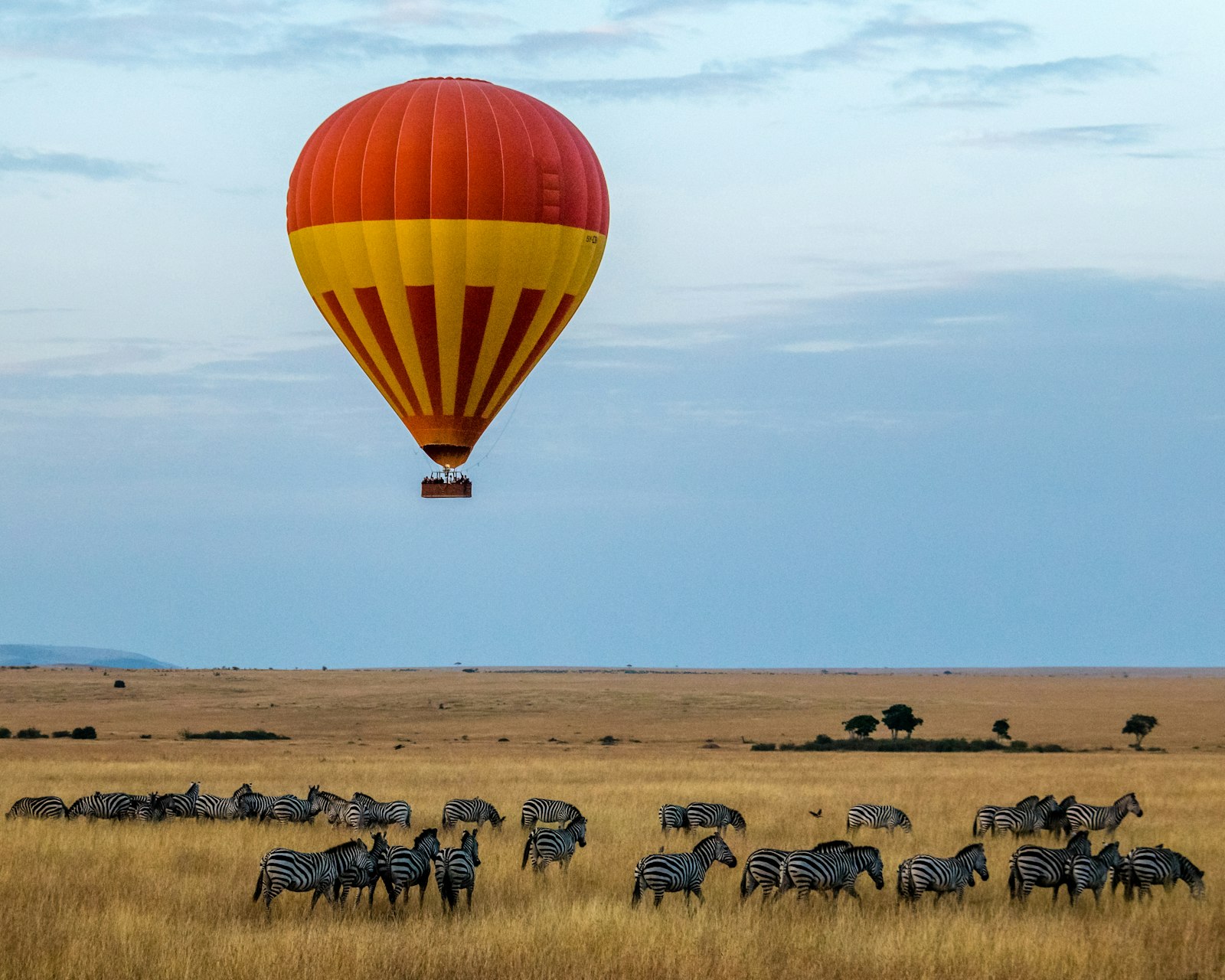
- Hot air balloon flight: a dawn flight over the Mara with a bush breakfast on landing. Most balloon companies accept children from about seven, so teens are fine.
- Night drives: allowed in private conservancies (not inside national parks or the main reserve), with chances of aardvarks, bush babies and hunting lions.
- Rhino tracking and conservation talks: Ol Pejeta and Lewa in Laikipia explain anti-poaching work in a way teenagers find gripping.
On foot, bike and horseback
- Walking safari: tracking with an armed ranger and a Maasai guide; minimum ages are commonly 12, and 16 at some camps in Big Five areas.
- Horseback safari: riding among zebras and giraffes in Laikipia, best for teens who already ride confidently.
- Cycling in Hell’s Gate National Park: one of the few parks where you can cycle past zebras and buffalo, followed by a gorge walk.
- Climbing Mount Longonot: a crater-rim hike in the Rift Valley that sporty teens love as a challenge.
Culture, Nairobi and the coast
- Maasai or Samburu community visit: learning to throw a rungu, make fire and hear about life as a young warrior.
- Baby elephants and giraffes in Nairobi: the elephant orphanage visit and the Giraffe Centre make a perfect arrival or departure day.
- Boat safari on Lake Naivasha: hippos, fish eagles and a walking safari on Crescent Island.
- Snorkelling at Diani or Watamu: a beach finale with reef fish, turtles and, with luck, dolphins.
When planning a Kenya safari with teenagers, our guides to the Masai Mara balloon safari, horseback safaris in Kenya and walking safari safety rules explain each activity in more detail.
Minimum Age Rules on a Kenya Safari With Teenagers
Most minimum ages are set by individual camps and activity providers, not by law, so they vary. The table below shows the typical rules you will meet when planning a Kenya safari with teenagers, plus one common add-on in Rwanda or Uganda.
| Activity | Typical minimum age | Good to know |
|---|---|---|
| Game drives | No legal minimum | Some camps set age limits for shared vehicles; private vehicles avoid this |
| Hot air balloon | About 7 | Weight and health questions may apply |
| Walking safari | 12, sometimes 16 | Set by each camp, stricter in Big Five areas |
| Night drive (conservancies) | Varies by camp | Often fine for teens with a parent |
| Horseback safari | Varies by stable | Riding ability matters more than age |
| Gorilla or chimp trekking | 15 | Rwanda and Uganda apply this strictly |
If you have a 15-year-old or older, adding mountain gorillas to a Kenya safari with teenagers is a once-in-a-lifetime extension. Permits are limited, so read our gorilla trekking permit cost guide early. Families with younger siblings should read our guide to African safaris with toddlers and babies too.
Sample Itineraries for Families With Teens
A good itinerary for a Kenya safari with teenagers changes scenery every two or three nights and builds in one active day for every two days of driving. These three outlines are starting points we often adapt.
7 days: Nairobi, Lake Naivasha and the Masai Mara
- Day 1: Arrive in Nairobi, visit the Giraffe Centre and rest.
- Days 2–3: Lake Naivasha for a boat safari, Crescent Island walk and cycling in Hell’s Gate.
- Days 4–6: Masai Mara game drives, optional balloon flight and a Maasai village visit.
- Day 7: Return to Nairobi for your evening flight.
Our Kenya Family Safari (5 days) covers the core of this route, and we can extend it into a week-long Kenya safari with teenagers.
10 days: safari plus beach
Spend three nights in the Masai Mara, two in Amboseli for elephants beneath Kilimanjaro, then fly to Diani for three or four nights of snorkelling and downtime. On a Kenya safari with teenagers this slower finish is always popular, and parents get a real rest. See our Kenya safari and beach holiday and our guide to combining a safari with a beach holiday.
8–10 day Kenya safari with teenagers aged 15+
Combine three nights in the Masai Mara with a short flight to Kigali and a gorilla trek in Volcanoes National Park. Alternatively, swap the gorillas for Laikipia, where walking, horse riding, camel rides and rhino tracking fill the days. Explore our Kenya and Rwanda safari or the Laikipia and Masai Mara walking safari.
Where to Stay: Camps, Lodges and Family Rooms
For a Kenya safari with teenagers, choose camps that welcome families and offer rooms that suit how your teens like to sleep. A 16-year-old may love a tent of their own; a 13-year-old may prefer to be next door to you.
- Family tents: two bedrooms under one canvas roof, ideal for families of four.
- Adjoining or neighbouring tents: many camps will not let under-16s sleep in a separate tent unless it is next to a parent’s.
- Lodges with pools: a midday swim is a big win with teens in hotter parks such as Samburu or Tsavo.
- Conservancy camps: allow night drives, walks and off-road viewing that are not permitted in the main reserve.
Not sure which style fits? Compare tented camps and lodges and read about the Masai Mara reserve versus the conservancies.
Expert tip from our Nairobi team: ask each camp how it charges teenagers before you compare quotes. Some camps treat 12-year-olds as adults, others only from 16, and that single policy can change the total cost of a Kenya safari with teenagers more than the camp’s headline rate.
📅 Get a Free, No-Obligation Safari Quote
Planning a Kenya safari with teenagers? Send us your travel dates and your children’s ages, and we will check family tents and teen rates at camps that suit you. ✉ Send Us Your Dates on WhatsApp
Keeping Teenagers Engaged on Game Drives
On a Kenya safari with teenagers, the secret is giving them a role on the drive, not just a seat. A private vehicle helps most, because you can stop, leave or stay with a sighting as the family chooses.
- Give them the camera: a bridge camera or a phone with a clip-on zoom turns a passenger into a wildlife photographer.
- Binoculars for everyone: sharing one pair causes arguments; one pair each makes spotting a competition.
- A sightings checklist: the Big Five, then the “Ugly Five” and the smaller wonders such as dung beetles and dik-diks.
- Front seat turns: rotating the seat next to the guide gives each teen time to ask questions about tracking and radio calls.
- Shorter afternoon drives: a three-hour morning drive and a sunset drive usually beat one long day out.
For vehicle choice and seating, read our guide to safari vehicles in Kenya and why a private safari can suit families better than a group tour.
Phones, Wi-Fi and Screen Time in Camp
Most lodges and many camps have Wi-Fi in the main area, and mobile signal reaches large parts of the Masai Mara, but connections can be slow and some remote camps are deliberately offline. Talk about this before your Kenya safari with teenagers so nobody is surprised.
Many families agree a simple rule: phones are cameras on game drives, and messaging happens at lunch or in the evening. Pack a power bank, because charging is often limited to the main area or set hours in solar-powered camps. Our guide to electricity, charging and Wi-Fi in safari camps explains what to expect, and drones are not allowed for tourists in national parks, as our drone rules guide explains.
Health, Safety and Documents for Teens
A Kenya safari with teenagers needs the same documents and health preparation as an adult trip, plus a few extra checks if they travel with only one parent or with another family.
Passports, eTA and insurance
- Passport: valid for at least six months after arrival, with at least two blank pages, according to the UK government’s Kenya entry requirements.
- Kenya eTA: apply for every family member through the official Kenya eTA portal at least two weeks before departure.
- Kenya travel health insurance: from 5 October 2026 most visitors must buy Kenya’s government-provided policy during the eTA process; see our Kenya mandatory travel insurance guide.
- Your own travel insurance: still essential for cancellation, medical care and activities such as riding or ballooning; see our Kenya travel insurance guide.
- Travelling with one parent: carry a birth certificate and a signed consent letter from the other parent; airlines and immigration officers can ask for them.
Malaria, vaccines and safety
Most safari areas are malaria zones, so book a travel clinic appointment six to eight weeks before departure and follow the advice on CDC Travelers’ Health or NHS Fit for Travel. Our Kenya vaccination requirements guide covers yellow fever and routine jabs.
On safari, the rules are simple: stay inside the vehicle unless your guide says otherwise, never walk around camp alone after dark, and use the escort that camps provide at night. Every guest travelling with Sense of Adventure is also covered by AMREF Flying Doctors emergency evacuation cover for the duration of their safari.
What a Kenya Safari With Teenagers Costs
Teenagers often cost less than adults in park fees but close to adult rates in camps. Knowing where the savings are helps you budget a Kenya safari with teenagers realistically.
- Park and reserve fees: Kenyan parks and the Masai Mara charge reduced child rates for under-18s. In 2026 the Mara’s non-resident child rate was widely reported at USD 50 per day, against USD 100–200 for adults depending on the season; check current fees with Kenya Wildlife Service or your operator.
- Camps and lodges: policies vary widely; many charge full adult rates from 12 or 16, and family tents can save money.
- Light aircraft: teens usually pay full seat prices on safari flights, so a road safari can save a family of four a lot.
- Extras: balloon flights, horse riding and village visits are usually priced per person.
For full budget ranges, read our Kenya safari cost guide and Masai Mara safari cost breakdown. Prices for our family packages depend on dates, camps and ages, so message us for a quote.
Packing and Preparation Tips for Teenagers
Before a Kenya safari with teenagers, let each teen pack their own bag from a shared list, and check it together the night before. They take more care of kit they chose.
- Neutral-coloured clothes in layers, as mornings are cold and middays hot.
- A fleece or warm jacket for dawn drives and balloon flights.
- Trainers or light walking shoes, plus sandals for camp.
- Sunhat, sunglasses, high-factor sunscreen and insect repellent.
- Power bank, charging cables, headphones and a downloaded playlist or book for long road transfers.
- A small notebook for a wildlife journal; it often becomes the best souvenir.
Our African safari packing list and our explanation of why safari clothes are khaki help with the details, and our Kenya safari etiquette guide is worth reading together as a family.
Mistakes to Avoid With Teens on Safari
Most problems on a Kenya safari with teenagers come from over-planning, not under-planning. Avoid these common mistakes and the trip will feel relaxed.
- Too many one-night stops: packing and unpacking every day wears everyone out. Aim for two or three nights per place.
- All drives, no action: build in a walk, a ride, a bike or a swim every couple of days.
- Ignoring their input: let each teen choose one activity. Ownership makes a huge difference.
- Booking peak dates late: family tents in August and at Christmas sell out early.
- Skipping the rest day: one lazy afternoon at a pool or on the beach keeps moods good.
See our wider list of Kenya safari mistakes to avoid and, for first-timers, the ultimate Kenya safari guide for first-time visitors. Travelling with grandparents as well? Our multigenerational family safari guide has ideas for three generations.
Kenya Safari With Teenagers FAQs
Is Kenya a good safari destination for teenagers?
Yes. A Kenya safari with teenagers combines excellent wildlife with activities young travellers love, including hot air ballooning, walking and horseback safaris, cycling in Hell’s Gate, Maasai village visits and snorkelling at the coast. Distances between parks are manageable, guides speak English, and family-friendly camps are easy to find in every price range.
What is the best age to take children on an African safari?
Many guides consider 10 to 17 the ideal range. From about 12, children can join walking safaris at most camps, and from 15 they can trek gorillas in Rwanda or Uganda. Teenagers also cope well with early starts and long drives, and they remember the trip for life.
Do teenagers pay adult prices on a Kenya safari?
It depends on the cost. Kenyan park and reserve fees usually charge child rates up to 17, which saves money. Camps and lodges set their own policies, and many charge adult rates from age 12 or 16. Light aircraft seats are normally full price for teenagers.
Can teenagers go on a walking safari in Kenya?
Usually, yes. Most camps that offer walking safaris accept children from 12, while some in Big Five areas set the minimum at 16. Walks are led by armed rangers and experienced guides, and the age rule depends on the camp, so confirm it before booking your accommodation.
How many days should a family safari in Kenya last?
For a Kenya safari with teenagers, seven to ten days works well. That allows two or three parks with two or three nights each, plus an active stop such as Lake Naivasha or Laikipia. Adding three or four beach days at Diani gives everyone time to rest before the flight home.
Is there Wi-Fi on safari for teenagers?
Most lodges and many tented camps offer Wi-Fi in the main lounge, and mobile signal covers much of the Masai Mara. Speeds can be slow, charging may be limited to certain hours, and a few remote camps are deliberately offline, so agree phone rules and pack a power bank.
Is a Kenya safari safe for teenagers?
Yes, a Kenya safari with teenagers is safe when you follow your guide’s rules. Teenagers stay inside the vehicle on drives, are escorted around camp after dark and only walk with armed rangers. Prepare with antimalarial advice from a travel clinic, valid eTAs and good travel insurance, and check your government’s latest Kenya travel advice before booking.
🏕 Plan Your Safari With Sense of Adventure
Kenya-based experts. Real local knowledge. Transparent pricing. Tell us what your teenagers love, and we will build a Kenya safari with teenagers around it. 💬 WhatsApp Us — Start Planning Today
Call or WhatsApp: +254 729 837 481
Related Safari Guides
- ›Best Kenya Safari for Families
- ›African Safari With Toddlers and Babies
- ›How Much Does a Kenya Safari Cost?
- ›How Many Days Do You Need for a Kenya Safari?
- ›Kenya Family Safari Package
Official travel & park resource: Kenya Wildlife Service ↗