A typical day on safari in Kenya starts with a wake-up call around 5:30–6:00, a sunrise game drive, breakfast, a relaxed midday break, an afternoon drive from about 15:30, sundowner drinks and dinner at camp. Days are early and full, but the middle hours are slow, so most travellers find the rhythm restful rather than tiring.
Sense of Adventure is a licensed, Nairobi-based safari operator (TRA licence TRA1/47/C01/77087), and we plan these days for our guests all year. This guide walks you through a typical day on safari hour by hour, explains how it changes in conservancies, on full-day drives and on travel days, and shares tips and a daypack checklist to help you enjoy every moment.
Table of Contents
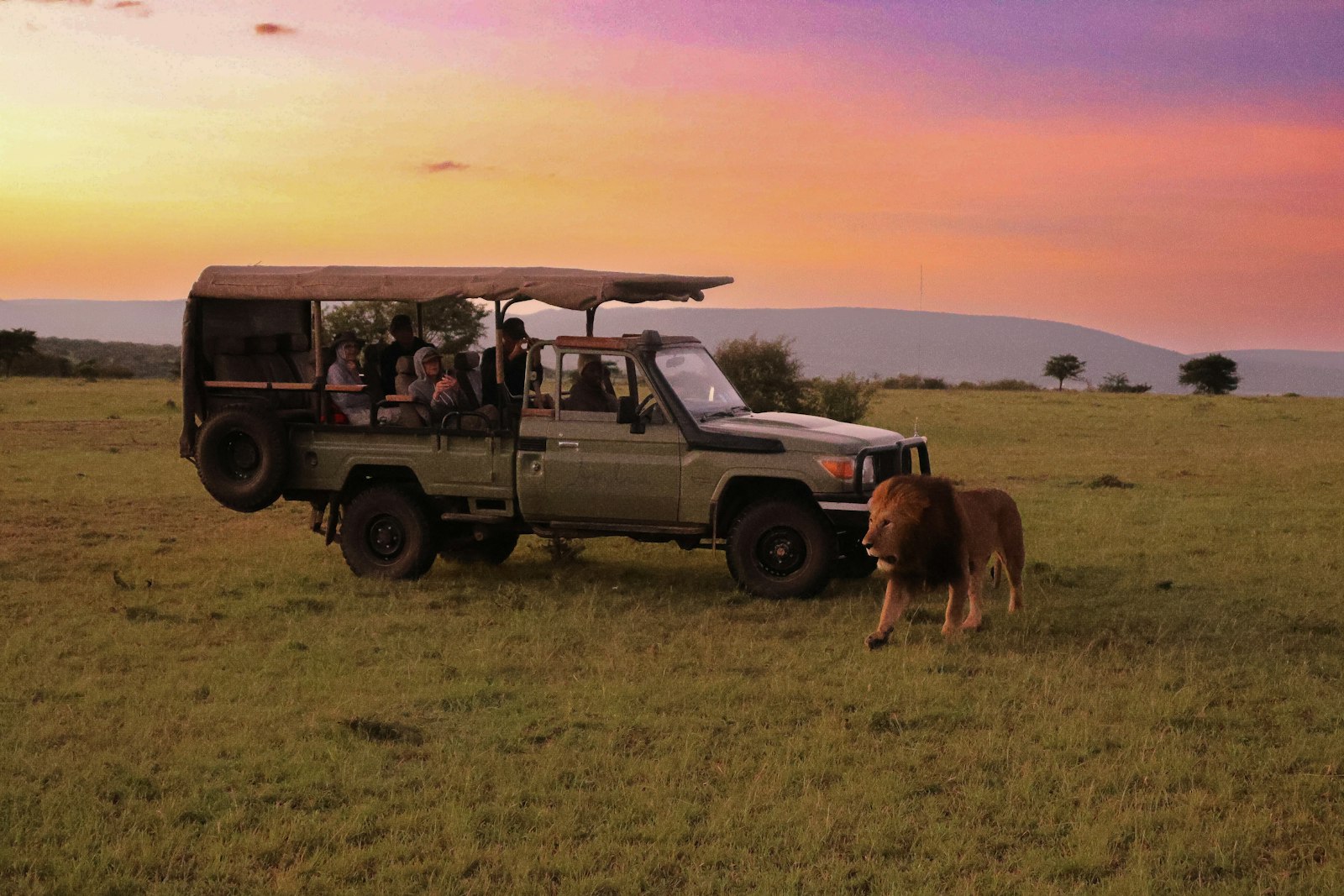
✅ A Typical Day on Safari: The Quick Answer
- Wake-up: around 5:30–6:00, often with tea or coffee brought to your tent.
- Morning drive: roughly 6:00/6:30 to 9:30 or later, the best time for predators.
- Midday: brunch or lunch, then rest from about 12:00 to 15:30.
- Afternoon drive: about 15:30/16:00 to sunset, often ending with a sundowner.
- Evening: dinner around 19:30–20:00 and an early night.
- It is flexible: full-day drives, later starts and private vehicles change the pattern.
🌎 Want a Day Shaped Around You?
Tell us whether you are a dawn riser, a photographer or travelling with children, and we will plan the pace to suit. 💬 WhatsApp Us Now or call +254 729 837 481
A Typical Day on Safari, Hour by Hour
The timetable below shows a typical day on safari at a camp in or near the Masai Mara. Times shift a little by park, season and camp, but the shape of the day is the same almost everywhere in Kenya.
| Time | What happens | Why |
|---|---|---|
| 05:30–06:00 | Wake-up call, tea or coffee and a light snack | Be ready to leave as the sky lightens |
| 06:00–06:30 | Depart on the morning game drive | Predators are most active in the cool dawn |
| 08:30–09:30 | Bush breakfast or return to camp for breakfast | A break once the light hardens |
| 09:30–11:30 | Continue the drive, or relax at camp | Optional; depends on sightings and energy |
| 12:30–13:30 | Lunch at camp | The hottest, quietest time for wildlife |
| 13:30–15:30 | Rest, swim, read or nap | Animals rest too; recharge for later |
| 15:30–16:00 | Afternoon tea, then depart on the afternoon drive | Wildlife becomes active again |
| 18:00–18:45 | Sundowner drinks at a scenic spot | Golden light and sunset over the plains |
| 18:30–19:00 | Return to camp | Reserve rules require vehicles to finish by dusk |
| 19:30–20:00 | Dinner, often followed by a campfire | Share the day’s sightings |
| 21:30–22:00 | Bed | Another early start tomorrow |
Because Kenya sits on the equator, sunrise and sunset stay close to 6:30 all year, so this typical day on safari works in every month. See our Kenya weather by month guide for how the seasons feel.
Early Morning: Wake-Up Call and Sunrise Drive
Every typical day on safari begins early, because the first hours after dawn are usually the best for wildlife.
In many tented camps, staff bring tea, coffee or hot chocolate to your tent with a gentle “Jambo” around 5:30 or 6:00. You dress in layers, grab your camera and meet your guide at the vehicle as the sky turns pink. Mornings can be surprisingly cold, especially from June to August, so blankets or ponchos are often provided in open vehicles.
Why a typical day on safari starts so early
- Predators: lions, leopards and hyenas are often still active or finishing a kill from the night.
- Cheetahs: they often hunt in the cooler morning hours.
- Light: soft, low sunlight is ideal for photography.
- Fewer vehicles: the plains are quieter before mid-morning.
Prefer a lie-in? That is fine. On a private safari you can skip the dawn drive and leave after breakfast; our guide to private vs group safaris explains the flexibility.
Mid-Morning: Bush Breakfast and More Game Viewing
Mid-morning on a typical day on safari usually brings breakfast, either back at camp or as a picnic in the bush.
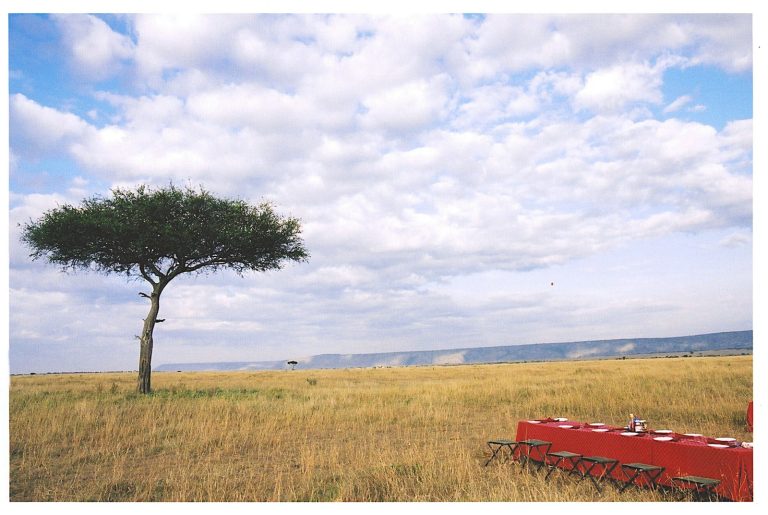
A bush breakfast is one of the great safari pleasures: your guide finds a shady tree with a view, sets out a hamper of coffee, juice, fruit, pastries and sometimes eggs, and you eat while giraffes wander past. After breakfast you can keep driving until late morning or head back to camp for a shower. If a sighting is good, such as a lion pride with cubs, guides will usually stay with it as long as you like.
Expert tip from our Nairobi team: tell your guide what matters most to you on the first morning, whether that is big cats, birds, photography or simply peace and quiet. A typical day on safari is shaped by the guide’s decisions, and a clear brief helps them plan where to go and how long to stay.
Midday: Lunch, Rest and the Heat of the Day
The middle of a typical day on safari is slow on purpose, because animals rest in the heat and so should you.
Lunch on a typical day on safari is served around 12:30 or 13:00, often as a buffet or set menu with salads, fresh bread and a hot dish. Afterwards guests swim, read on their verandah, sort photos, nap or watch the waterhole from the lounge. Some camps offer short guided walks, cultural visits or spa treatments at this time. Wi-Fi is often available in main areas, but not always in tents; see our guide to electricity, charging and Wi-Fi at safari camps.
- Charge batteries: many camps run solar power or generators, sometimes only at set hours.
- Hydrate: drink plenty of water and wear a hat if you sit outside.
- Stay alert: camps are unfenced, so animals sometimes wander through at midday too.
For details of meals and what is included, see full board vs all inclusive safari and our food and dining on safari guide.
Afternoon Drive and Sundowners
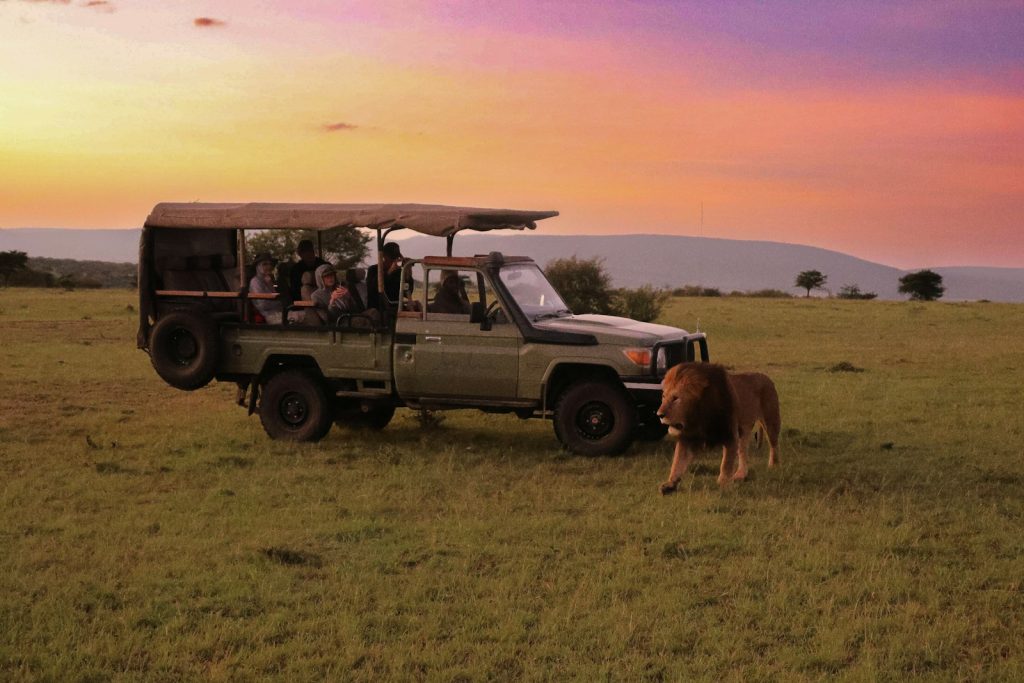
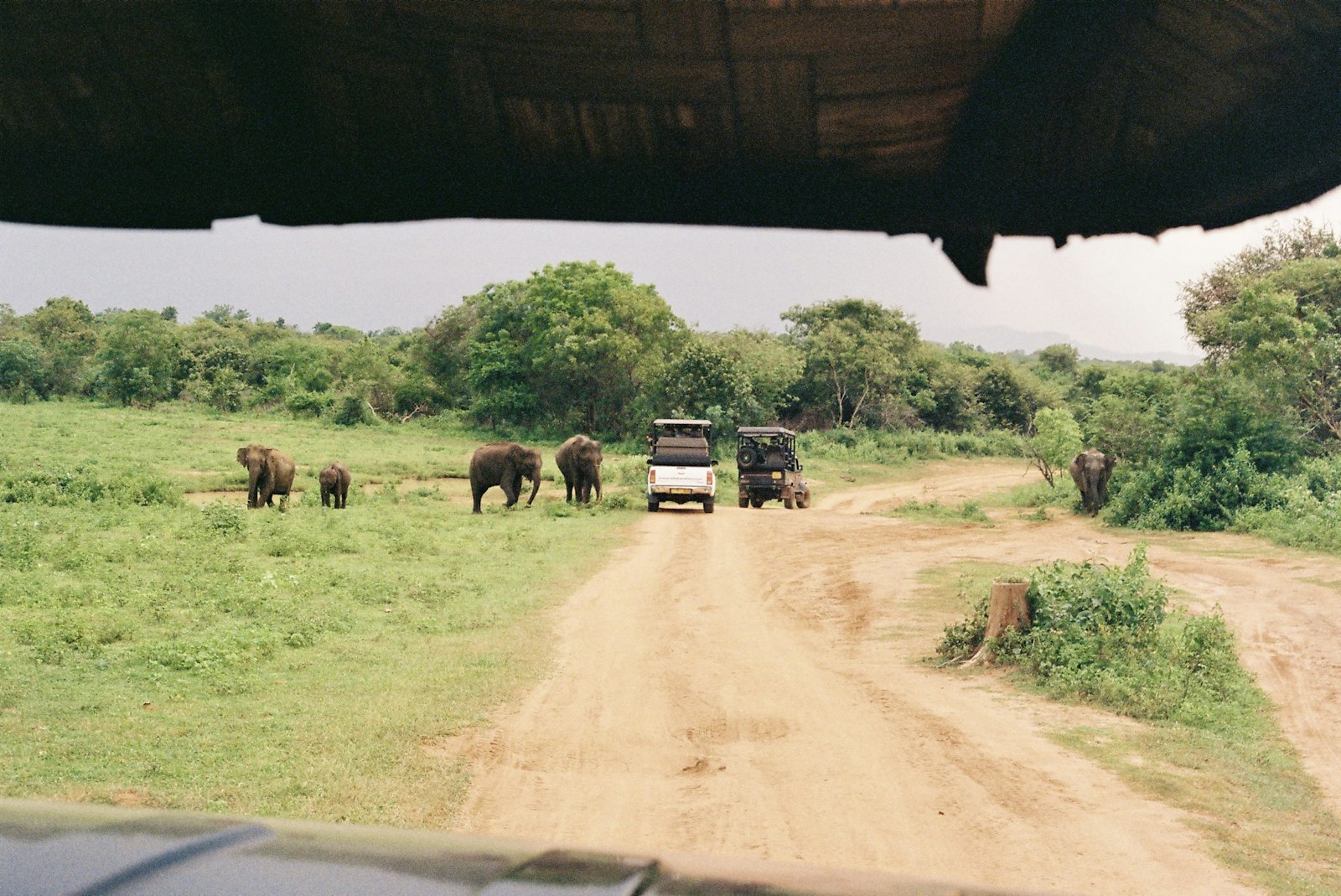
The afternoon drive is the second highlight of a typical day on safari, starting after afternoon tea and ending with sunset.
Around 15:30 or 16:00 on a typical day on safari, camps serve tea, coffee and cake before guests head out again. As the heat fades, elephants move to water, cats wake up and the light turns golden. Near sunset, guides often stop at a viewpoint for a sundowner: a cold drink and snacks as the sun drops behind the escarpment. Read more in our guide to Kenya sundowners and bush experiences.
Park rules that shape the afternoon
Inside national parks and the Masai Mara National Reserve, game drives run in daylight only, and vehicles must stay on tracks and leave or return to camp by dusk. That is why a typical day on safari in the reserve ends around 18:30–19:00. Park rules are set by Kenya Wildlife Service for national parks and by county authorities for reserves such as the Mara, and they can change, so your guide will always follow the current regulations.
Evening: Dinner, Campfire and Night Sounds
Evenings on a typical day on safari are relaxed and social, with dinner, stories and the sounds of the bush.
Back at camp, you have time for a hot shower before dinner, usually around 19:30 or 20:00. Many camps light a campfire where guests share sightings over a drink. Dinner might be in the mess tent, under the stars or, on special occasions, as a private bush dinner. Most guests are in bed by 21:30 or 22:00, listening to hyenas whooping or lions roaring in the distance.
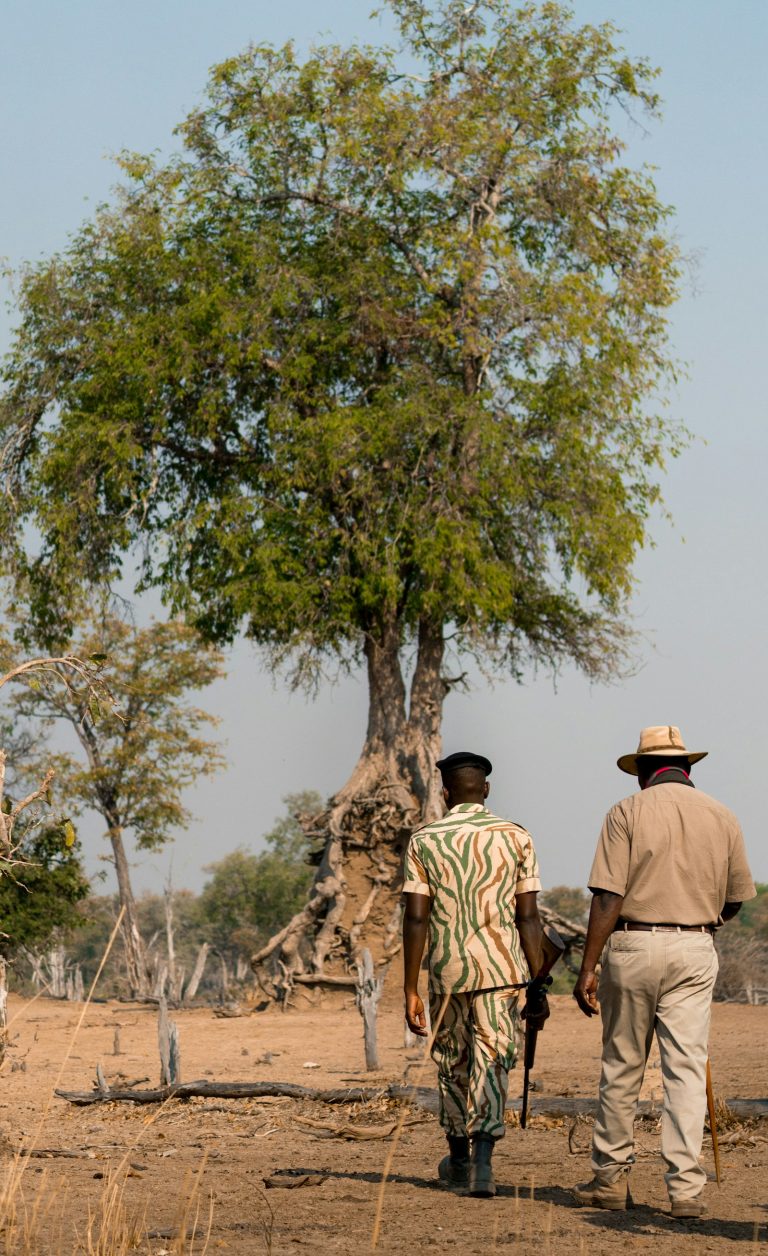
- Escorts after dark: in unfenced camps, a staff member, often a Maasai askari, walks you to and from your tent at night.
- Night drives: not allowed in the national reserve or national parks, but offered in many private conservancies; see Masai Mara reserve vs conservancies.
- Stargazing: far from city lights, the Milky Way can be spectacular on clear nights.
📅 Get a Free, No-Obligation Safari Quote
Tell us your dates and interests and we will plan each typical day on safari around what you most want to see. ✉ Send Us Your Dates on WhatsApp
Full-Day Game Drives: A Different Typical Day on Safari
On a full-day drive, you leave after an early breakfast and stay out until late afternoon, eating a packed lunch in the bush instead of returning to camp.
Full-day drives are popular in the Masai Mara, where camps can be far from the Mara River, and especially from July to October, when guides wait at crossing points for the herds. You cover more ground and can stay with a sighting for hours. The trade-off is a long time in the vehicle, so this version of a typical day on safari suits keen photographers and wildlife lovers more than families with small children.
| Feature | Two drives a day | Full-day drive |
|---|---|---|
| Time in the vehicle | About 5–7 hours, with a break | About 8–10 hours |
| Lunch | At camp | Picnic in the bush |
| Midday rest | Yes | Short rest under a tree |
| Distance covered | Moderate | Large |
| Best for | Families, first-timers, relaxed travellers | Migration river crossings, photographers |
Our Great Migration Safari often includes full-day drives in season. Read is the Great Migration guaranteed? to set realistic expectations.
How the Day Changes by Park and Safari Style
The basic rhythm of a typical day on safari stays the same, but where you are and how you travel change the details of each day.
- Private conservancies: off-road driving to sightings, guided walks and night drives add variety, and vehicle numbers are lower.
- Amboseli: early mornings give the best chance of clear views of Kilimanjaro before clouds build.
- Samburu: hotter middays mean longer rests, with drives along the Ewaso Nyiro River in the cooler hours.
- Lake Naivasha: boat rides among hippos and walking safaris on Crescent Island replace some game drives.
- Group or shared safaris: timings are fixed for everyone in the vehicle, while private safaris let you set your own schedule.
Optional activities such as a hot-air balloon flight over the Mara change the morning completely: you leave camp before dawn, fly for about an hour and finish with a champagne breakfast. Find more ideas on the Kenya Tourism Board’s Magical Kenya website.
Travel Days: Moving Between Parks
On days when you change parks, a typical day on safari shifts: you usually have a morning drive or a relaxed breakfast, then travel, then an afternoon drive in the new park.
Road transfer day
Road transfers between parks often take four to six hours, for example from Nairobi to the Mara or from Amboseli to Lake Naivasha. Guides make stops for photos, curio shops and lunch, and the drive itself often becomes a game drive near park boundaries. Our safari fitness guide explains how to make long drives more comfortable.
Fly-in transfer day
Light aircraft flights between parks take one to two hours, often with stops at other airstrips. Your camp guide meets you on the airstrip, and the drive to camp is often a game drive in itself. Remember the soft-bag luggage limit, often around 15 kg.
Itineraries such as our Amboseli and Masai Mara safari, 6-day Kenya safari and Kenya Highlights Safari balance travel days with longer stays. For how much time to allow, see how many days you need for a Kenya safari.
Tips to Make the Most of Every Safari Day
Small habits make a typical day on safari more comfortable and more rewarding.
- Prepare the night before: lay out clothes, charge batteries and pack your daypack before bed.
- Dress in layers: cold dawns turn into hot middays.
- Use the midday break: a nap helps you enjoy the afternoon drive and dinner.
- Be patient at sightings: waiting quietly often brings the best moments.
- Follow your guide’s instructions: stay seated when asked and keep voices low; see our Kenya safari etiquette guide.
- Keep a sightings list: it is fun to compare at the campfire, especially with children.
Expert tip from our Nairobi team: do not try to squeeze in every possible activity. Guests who keep the midday rest and say no to one or two extras usually enjoy the trip more, because a typical day on safari already starts before 6:00 and runs until after dinner.
What to Carry in Your Daypack
A small daypack keeps everything you need for a typical day on safari within reach in the vehicle.
Typical day on safari daypack checklist
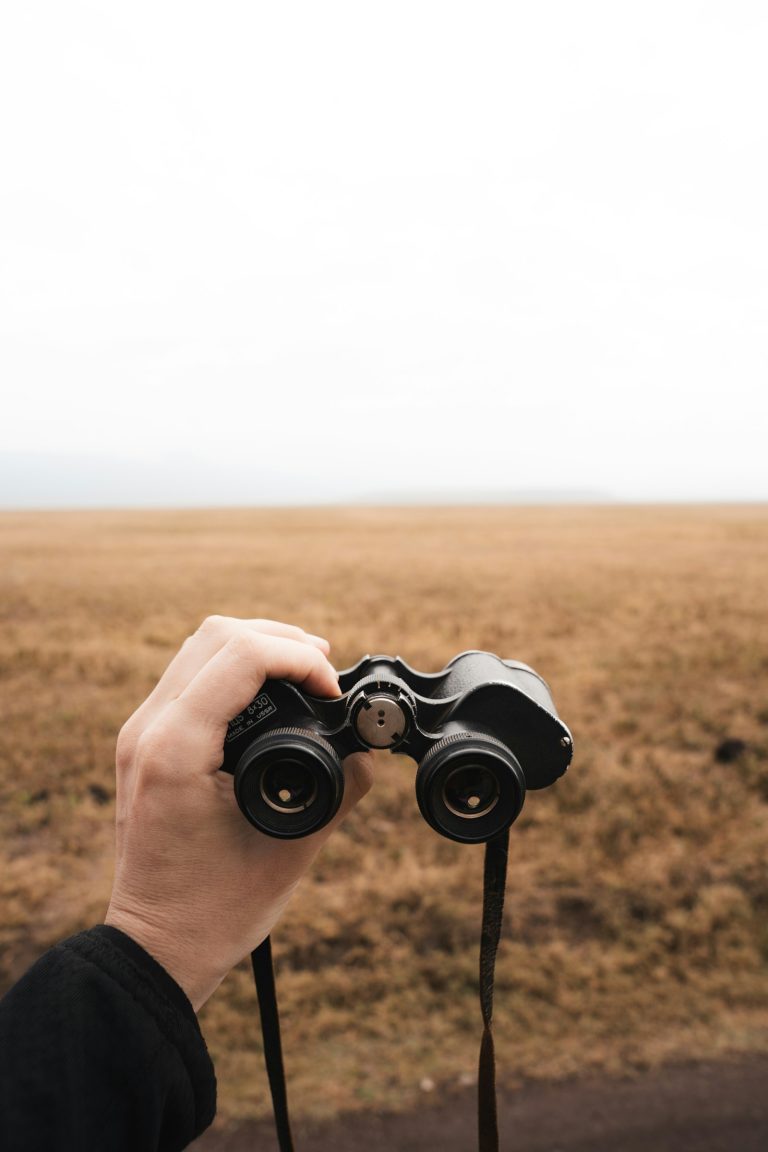
- Binoculars, one pair per person if possible
- Camera, spare batteries and memory cards
- Warm fleece or jacket for mornings and evenings
- Hat, sunglasses and sun cream
- Insect repellent for late afternoons
- Refillable water bottle; most vehicles carry drinking water
- Scarf or buff against dust, plus wet wipes
- Any personal medication and a small amount of cash for tips or curios
Our full African safari packing list covers the rest, and our tipping guide explains what to give guides and camp staff. Check the UK government’s Kenya travel advice or your own government’s advice before you travel.
Typical Day on Safari FAQs
What time do safari game drives start?
Most morning game drives start between about 6:00 and 6:30, just as the sun rises, after a wake-up call around 5:30. Afternoon drives usually leave between 15:30 and 16:00 and finish around sunset. Inside national parks and the Masai Mara National Reserve, drives must end by dusk, so times stay similar all year.
How many hours a day are you on a game drive?
On a typical day on safari with two drives, you spend about five to seven hours in the vehicle, split between the morning and late afternoon, with a long rest at midday. On a full-day drive with a packed lunch, you may be out for eight to ten hours. You can usually ask to return earlier.
What do you do in the middle of the day on safari?
Midday is rest time, because animals shelter from the heat. Guests have lunch, then swim, read, nap, sort photos or watch a waterhole from the camp. Some camps offer short guided walks, cultural visits or spa treatments. The afternoon drive usually starts after tea at around 15:30 or 16:00.
Do you have to get up early on safari?
Early starts are normal, because the first hours after sunrise are usually the best for wildlife and photography. However, you do not have to join every dawn drive. On a private safari you can sleep in and go out after breakfast, and many guests skip one morning to rest during a longer trip.
Can you do night game drives in Kenya?
Night drives are not allowed inside Kenya’s national parks or the Masai Mara National Reserve, where game drives are daylight only. Many private conservancies, such as those bordering the Mara and in Laikipia, offer spotlit night drives to look for nocturnal animals. Ask your operator to include a conservancy if this interests you.
What is a sundowner on safari?
A sundowner is a drink taken at sunset at the end of the afternoon drive. Your guide stops at a scenic spot, sets out drinks and snacks, and you watch the sun drop over the plains. It is a classic safari tradition. Whether drinks are included depends on your camp’s meal plan.
Is a safari relaxing or tiring?
A safari is a mix of both. Days start early and game drives can be bumpy, but the long midday break, comfortable camps and slow pace make most days restful. Travel days between parks are the most tiring. Fewer parks with more nights in each make the whole trip more relaxing.
🏕 Plan Your Safari With Sense of Adventure
Kenya-based experts. Real local knowledge. Transparent pricing. We will design every typical day on safari around your pace, interests and budget, with experienced guides who know where the animals are. 💬 WhatsApp Us — Start Planning Today
Call or WhatsApp: +254 729 837 481
Related Safari Guides
- ›Bush Safari vs Game Drive: What Is the Difference?
- ›How Fit Do You Need to Be for a Safari?
- ›The Ultimate Kenya Safari Guide for First-Time Visitors
- ›Tented Camp vs Lodge
- ›What Is Included in a Kenya Safari?
Official travel & park resource: Kenya Wildlife Service ↗