Bush safari vs game drive is simple once you see the scale: a game drive is one outing in a safari vehicle, usually two to four hours at dawn or late afternoon, while a bush safari is the whole trip. A bush safari includes several game drives plus your camp, meals, walks, sundowners and transfers, usually over three to ten days.
Sense of Adventure is a TRA-licensed private safari company based at Mountain Mall on Thika Road, Nairobi. Many first-time guests ask how many “safaris” they will do each day, when they mean game drives. This guide explains the bush safari vs game drive question clearly, what a typical day looks like and how to choose the right mix for you.
Want to see exactly how many game drives your trip includes? We will map it day by day.
Map my game drivesBush Safari vs Game Drive: The Short Answer
In the bush safari vs game drive comparison, the game drive is a single activity and the bush safari is the complete journey that contains it.
Think of a game drive as one chapter and a bush safari as the whole book. On a five-day bush safari in the Masai Mara, you might enjoy eight or nine game drives, a bush breakfast, a guided walk in a conservancy and several sundowners. Each of those is part of the safari. Understanding bush safari vs game drive helps you read itineraries properly and compare quotes fairly.

7 Clear Differences Between a Bush Safari and a Game Drive
These seven differences settle the bush safari vs game drive question for planning purposes.
| Difference | Game drive | Bush safari |
|---|---|---|
| 1. Scope | One activity | The whole trip |
| 2. Length | Usually 2 to 4 hours; full days possible | Usually 3 to 10 days |
| 3. Where you sleep | Not included on its own | Camps or lodges included |
| 4. Activities | Wildlife viewing from a vehicle | Drives, walks, sundowners, culture, balloon flights |
| 5. Meals | Snacks or a picnic on long drives | All meals, usually full board |
| 6. Transport | Within a park or conservancy | Includes transfers by road or air between areas |
| 7. Price | Part of a package, or priced alone on day trips | One package price with fees and stays |
When a Game Drive Stands Alone
Sometimes the bush safari vs game drive choice is easy, and you book a game drive on its own. A half-day Nairobi National Park safari before a flight is a single game drive, not a bush safari. So is an afternoon drive added to a beach stay near Tsavo or Shimba Hills. These are perfect for short layovers or business trips.
A few hours or a few days?
Tell us how much time you have in Kenya. We will tell you whether a single game drive, a short safari or a full bush safari fits best.
What Happens on a Game Drive
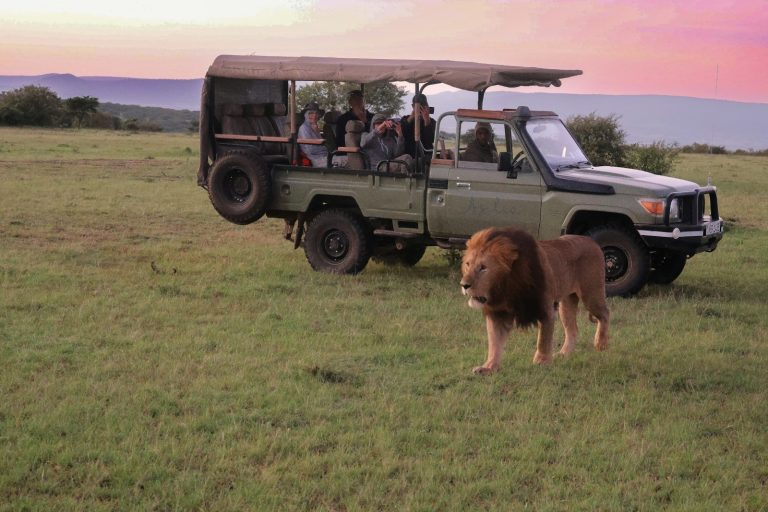
In bush safari vs game drive terms, a game drive is a guided outing in a safari vehicle to find and watch wildlife, timed for the hours when animals are most active.
Morning, Afternoon and Full-Day Drives
- Morning drive: leaves around sunrise, often with coffee first; predators are most active.
- Afternoon drive: leaves mid to late afternoon and returns around sunset.
- Full-day drive: common in the Mara during the migration, with a picnic lunch, so you can reach river crossings.
- Night drive: only in private and community conservancies that allow it, not in national parks or reserves.
Vehicles and Rules
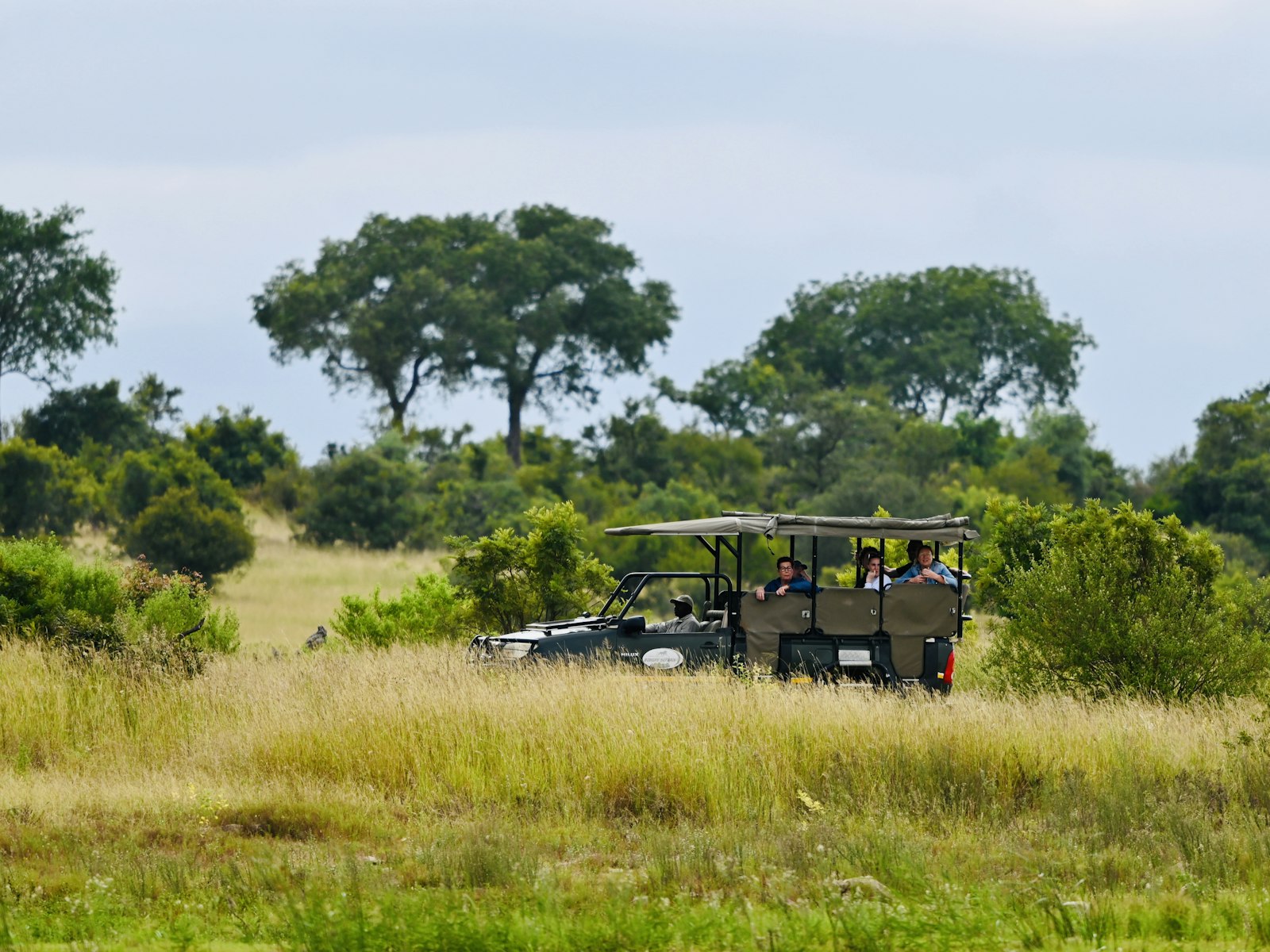
Most game drives in Kenya’s national parks and reserves use pop-up roof 4×4 Land Cruisers, while open-sided vehicles are common in private conservancies. In parks and reserves, vehicles stay on tracks and guests stay inside except at designated points. The Kenya Wildlife Service sets rules and gate hours for national parks, and the Mara Triangle publishes its own visitor rules. Our window seat guarantee guide explains vehicle sharing.
What Makes Up a Bush Safari
On the other side of bush safari vs game drive, a bush safari combines game drives with the camp, the people, the pace and the smaller experiences that make the trip feel immersive.
- Game drives, usually two a day.
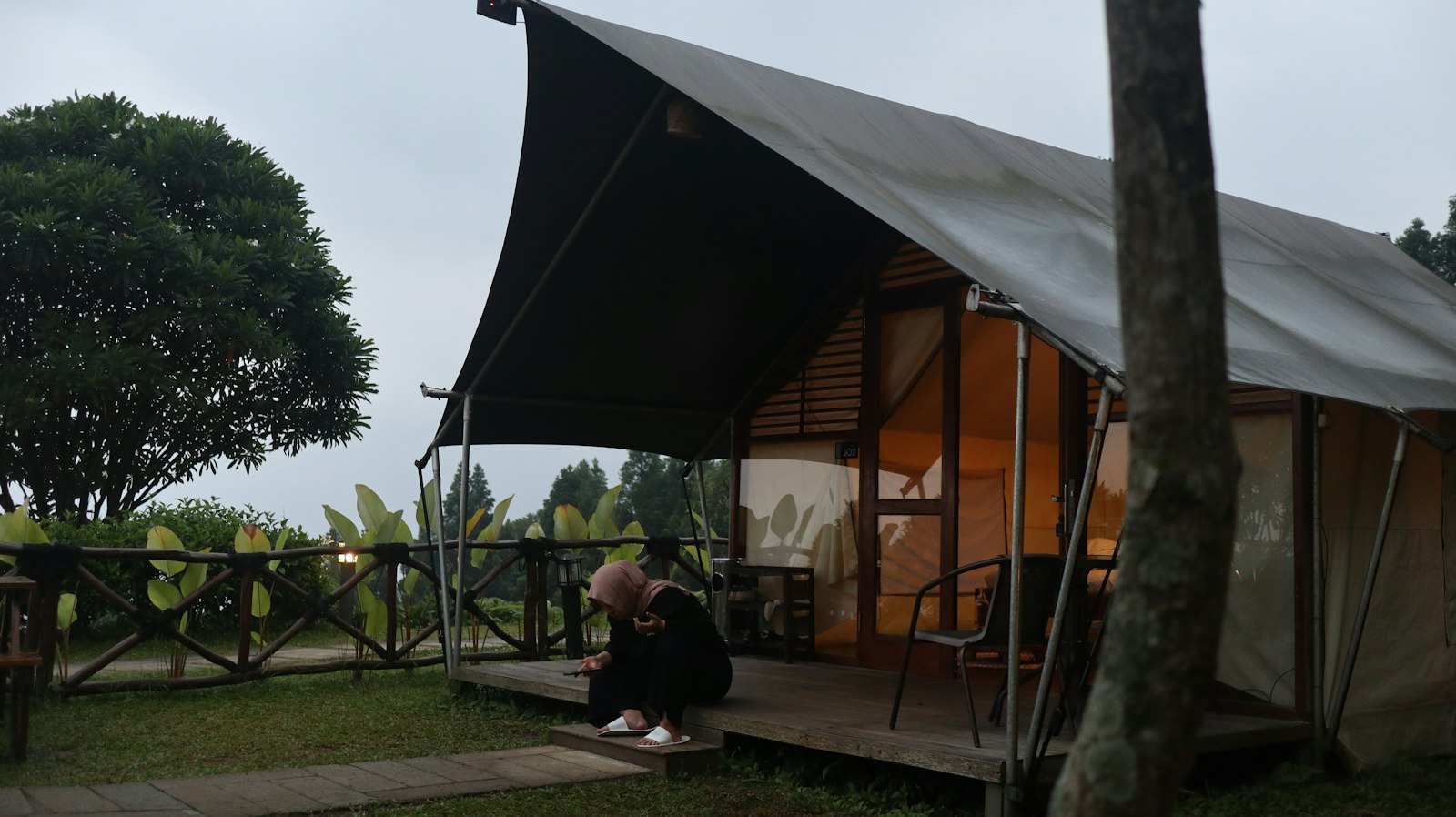
- A camp or lodge, often a tented camp close to wildlife.
- Meals, from bush breakfasts to dinners under the stars.
- Guided walks, in conservancies that allow them.
- Sundowners at scenic spots where allowed.
- Cultural visits, such as a respectful Maasai or Samburu community visit.
- Transfers between parks by road or bush flight.
That is why bush safari vs game drive matters when you compare quotes. A cheaper package may include fewer drives, a camp far from the action or a shared minibus. Our bush safari packages list the activities included each day.
Life in a Bush Camp
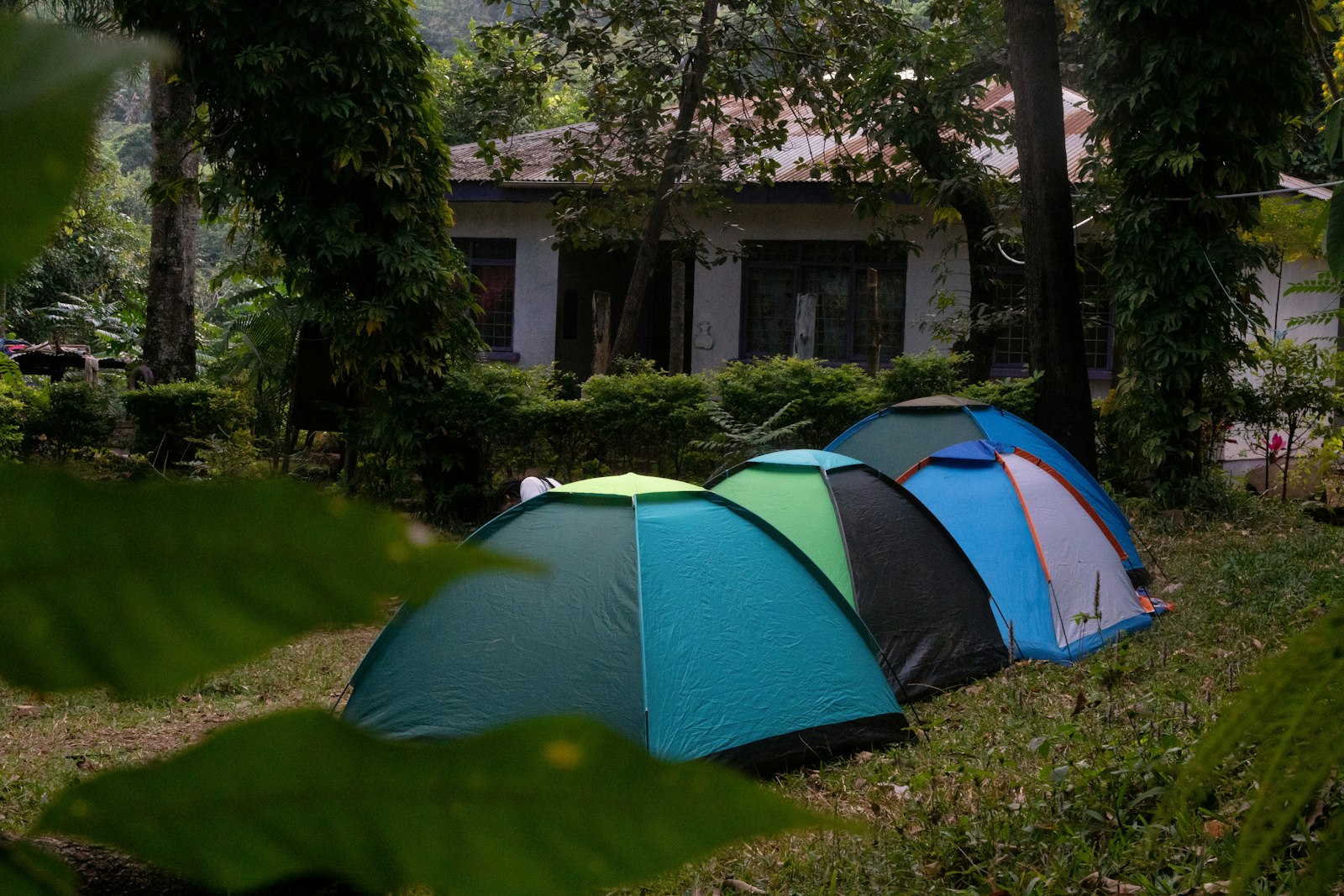
Many camps are unfenced, so you may hear lions or hyenas at night and be escorted to your tent after dark. Facilities range from simple to very comfortable; our guides to bathroom facilities on safari and electricity and Wi-Fi at safari camps explain what to expect.
Expert tip from our Nairobi team
When you weigh bush safari vs game drive options in an itinerary, count the game drives and look at where each camp sits. A camp inside a reserve or conservancy means your first drive starts at the tent, while a camp outside the gate can add 30 minutes or more each way. Ask whether full-day drives are possible, especially in migration season.
A Typical Day on a Bush Safari
Seeing a full day makes bush safari vs game drive clear: a typical bush safari day follows the rhythm of the animals: active at dawn and dusk, slow in the heat of the day.
| Time | Activity |
|---|---|
| About 6.00 am | Wake-up call, coffee and biscuits |
| 6.30 to 9.30 am | Morning game drive |
| About 10.00 am | Brunch or a bush breakfast |
| Midday | Rest, pool, reading or a short walk where allowed |
| About 4.00 pm | Afternoon tea, then the afternoon game drive |
| Around sunset | Sundowners where permitted |
| Evening | Dinner, then a night drive in conservancies that allow it |
Transfer days look different. When you move between parks, you may have one drive instead of two, or a drive on the way. Our fly-in vs road safari guide shows how flying can protect drive time.
Walking Safaris, Night Drives and Other Extras
Extras are where bush safari vs game drive differs most: walks, night drives and balloon flights add depth to a bush safari, but most are available only in certain areas and should be confirmed at booking.
Guided walks happen mainly in conservancies, led by trained and often armed guides; read our guide to walking bush safari safety, or see our Laikipia and Masai Mara Walking Safari. Night drives reveal animals such as genets and Kenya’s small predators. Balloon flights over the Mara run at dawn and are booked separately.
Ready to plan a full bush safari?
Camps inside the reserve and in conservancies book early for July to October. Share your dates and we will send a written quote showing every game drive and activity.
Private vs Shared Game Drives
Whether your vehicle is private or shared changes the game drive experience more than most travellers expect, and it is easy to miss when you compare bush safari vs game drive prices.
On a private safari, the vehicle and guide are yours for the whole trip. You decide when to leave, how long to stay with a sighting and when to head back for lunch. On a shared safari, you join other guests in a camp vehicle or a group minibus on a fixed timetable, which costs less but means compromise. Photographers, families with young children and anyone with a must-see list usually find a private vehicle worth it.
How to Get More From Every Game Drive
- Pack layers: early mornings can be cold in an open vehicle, while afternoons get hot.
- Beat the dust: bring a scarf or buff, sunglasses and sunscreen.
- Bring binoculars: ideally one pair per person, such as 8×42 or 10×42.
- Talk to your guide: share which animals matter most to you and ask what they are looking for.
- Stay calm at sightings: keep voices low and stay seated while the vehicle moves.
- Expect bush stops: your guide will find a safe spot when someone needs the toilet.
Questions to Ask Before You Book
- How many game drives are included each day, and are full-day drives possible?
- Is each camp inside the park or conservancy, or outside the gate?
- Is the vehicle private or shared, and does everyone get a window seat?
- Which walks, night drives or other activities are included in the rate?
- Are park and conservancy fees included in the total price?
Bush Safari vs Game Drive Costs
On cost, bush safari vs game drive is a question of what the price covers: a single drive is priced per outing, while a bush safari is priced as a package.
A stand-alone game drive usually covers the vehicle, guide, fuel and park entry for that day. A bush safari price bundles camps, meals, all game drives, park and conservancy fees and transfers, which is why it looks larger but often works out better value per drive. When you compare bush safari vs game drive prices across operators, check how many drives are included, whether the vehicle is private, and whether conservancy fees are in the total. Our Kenya safari cost 2027 guide explains the main cost drivers.
How Many Days and Game Drives Do You Need?
For bush safari vs game drive planning, most first-time visitors enjoy a bush safari of five to seven days with two game drives a day, giving time for two or three areas.
| Trip length | Approximate game drives | Suggested shape |
|---|---|---|
| Half day | 1 | Nairobi National Park |
| 3 days | 4 to 5 | Masai Mara by air or road |
| 5 days | 7 to 9 | Mara plus Lake Nakuru or Naivasha |
| 7 days | 10 to 12 | Samburu or Laikipia plus the Mara |
| 10 days | 15 to 18 | Three or four areas, or safari plus beach |
These are rough guides; the bush safari vs game drive balance depends on travel days, camp location and your energy. Park and conservancy fees are charged per day, so see our Kenya national parks entrance fees 2026 guide. Browse Masai Mara safari packages or plan a private Kenya safari. Before you travel, check the UK government travel advice for Kenya and browse Magical Kenya.
Bush Safari vs Game Drive: Who Each Format Suits
A single game drive suits layovers, business travellers and families testing the waters. A full bush safari suits honeymooners, photographers, families with older children and anyone who wants time to understand the bush. When guests ask us about bush safari vs game drive, we suggest at least three nights in one area for a first trip.
Bush Safari vs Game Drive FAQs
Bush safari vs game drive: what is the difference?
A game drive is one outing in a safari vehicle, usually two to four hours at dawn or late afternoon, to look for wildlife. A bush safari is the whole trip, typically three to ten days, including several game drives plus your camp, meals, walks, sundowners and transfers between areas.
How many game drives do you get per day on safari?
Most safaris include two game drives a day, one early in the morning and one in the late afternoon, when animals are most active. In the Masai Mara you can often choose a full-day drive with a picnic instead. Travel days between parks may have one drive or a drive on the way.
How long is a game drive?
Morning and afternoon game drives usually last two to four hours, depending on the park, camp location and what you find. Full-day drives with a picnic lunch can last eight hours or more. Night drives in conservancies are shorter, usually one to two hours after dinner or sundowners.
Are walking safaris and night drives included in a bush safari?
Not always. Guided walks and night drives are mainly offered in private and community conservancies, and are generally not permitted in national parks and reserves. Some conservancy camps include them in the rate, while others charge extra, so confirm what is included when you book.
Can I book a single game drive in Kenya?
Yes. Half-day and full-day game drives are easy to arrange in Nairobi National Park, which is close to the city and the airports, and are ideal for layovers. Single drives can also be added to coast holidays in some areas. For the Mara, staying at least two nights is far better.
What vehicle is used for game drives in Kenya?
Most game drives in Kenya’s national parks and reserves use pop-up roof 4×4 Land Cruisers, which give good views and protection from sun and dust. Open-sided vehicles are common in private conservancies. A private vehicle gives every guest a window seat and lets you set your own pace.
Bush safari vs game drive: is a full safari worth it?
For most visitors, yes. A day trip gives you one or two game drives, while a bush safari of three days or more adds dawn and dusk drives, nights in the bush and the chance to find shy animals over several outings. If time is short, a Nairobi National Park drive is still a rewarding taste of safari.
What should I wear on a game drive?
Wear comfortable layers in neutral colours such as khaki, olive or beige. Mornings can be chilly, so bring a fleece or light jacket and take it off as the day warms. Add a hat, sunglasses, sunscreen and a scarf for dust. Closed shoes are useful, although you will spend most of the drive seated.
Do game drives go ahead in the rain?
Usually, yes. Light rain rarely stops a game drive, and pop-up roofs or canvas covers keep you fairly dry. Heavy downpours can make some tracks muddy or impassable, so your guide may shorten the drive or change the route. Animals are often active just after rain, so it is worth heading out.
More Than a Drive: Your Whole Safari, Planned
We plan private bush safaris with the right camps, plenty of game drives and time for walks, sundowners and quiet moments. Sense of Adventure is a TRA-licensed Nairobi safari company.
Kenya-based experts. Real local knowledge. Transparent pricing.
Email: info@senseofadventure.co.ke