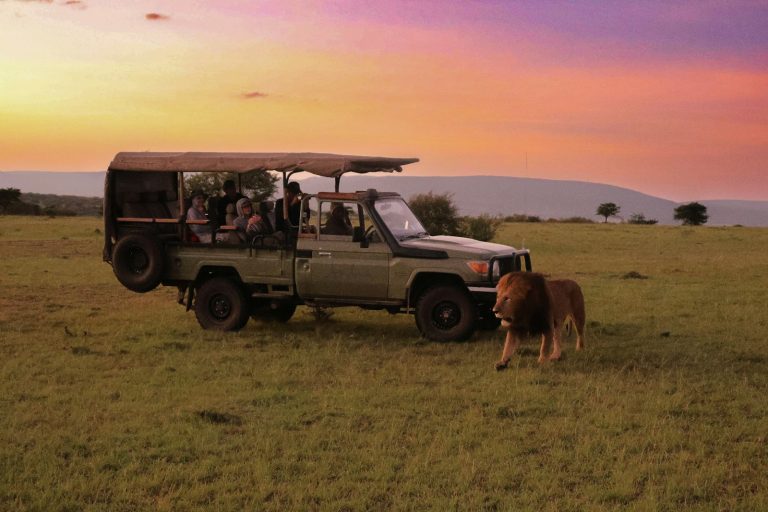

The cheapest time for a Kenya safari is April and May, the long rains, when many camps cut rates and Masai Mara fees are at their low-season level. For better weather at a still-low price, look at June, early November and January to March, when the reserve fee is half its July to December rate.
Sense of Adventure is a licensed, Nairobi-based safari operator (TRA licence TRA1/47/C01/77087), and we price safaris for every month of the year. This guide explains what really drives safari prices in Kenya, pinpoints the cheapest time for a Kenya safari for different travellers, gives you a month-by-month price calendar, shows what you gain and give up in each cheaper window, and shares practical ways to save money without missing the wildlife you came for.
Table of Contents
✅ Cheapest Time for a Kenya Safari: The Quick Answer
- Cheapest overall: April and May (long rains). Camp rates are at their lowest, some camps close, and roads can be muddy.
- Best value with good weather: June and January to March. Dry or mostly dry, and the Masai Mara fee is USD 100 per adult per day instead of USD 200.
- Short-rains value: November and the first half of December, before Christmas prices start.
- Most expensive: July to October (Great Migration) and the Christmas and New Year fortnight.
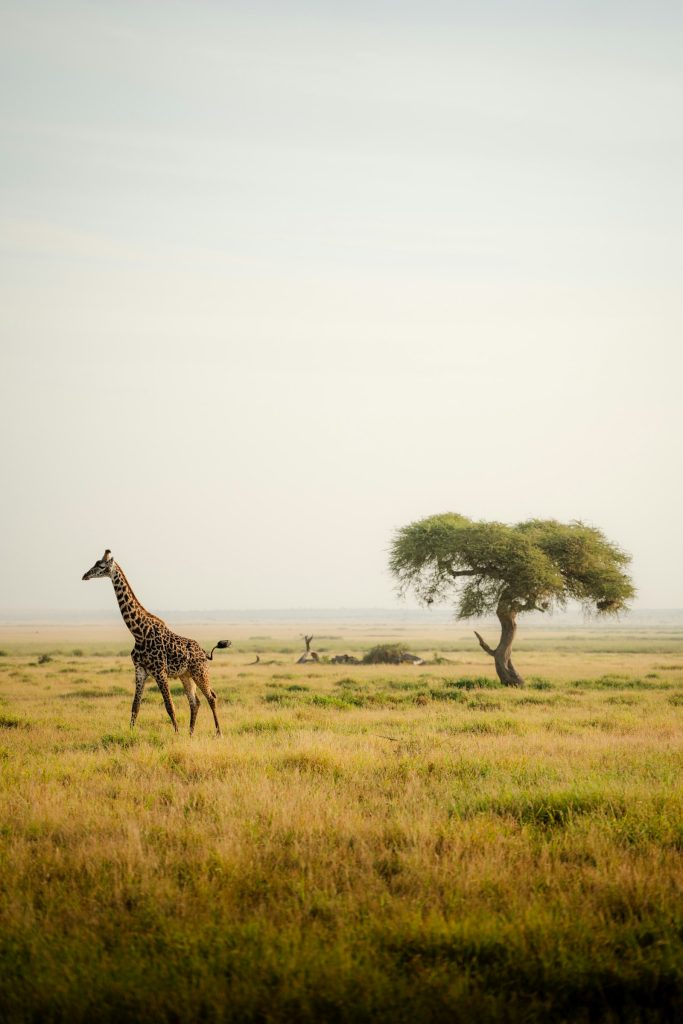
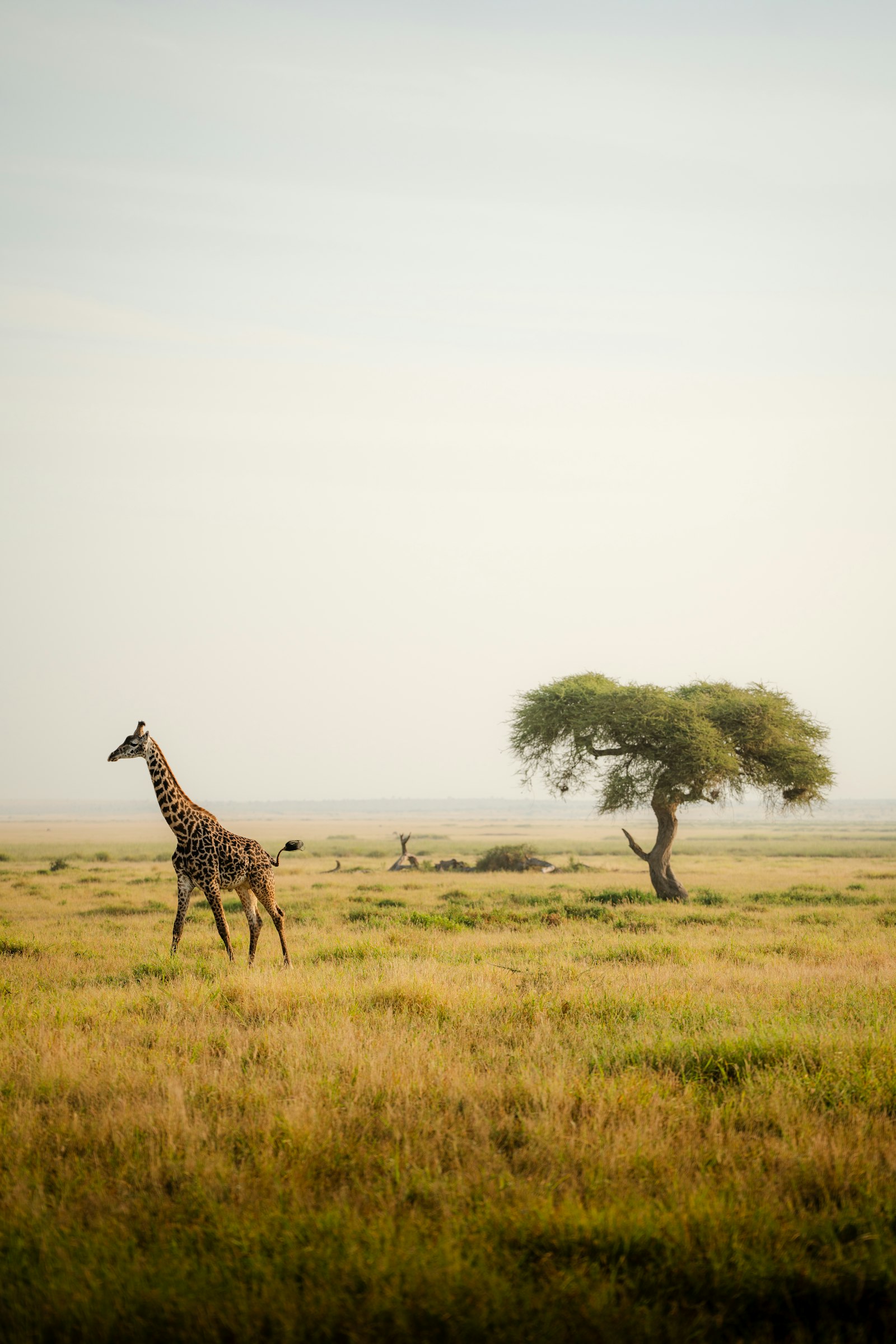
- Wildlife: lions, elephants, giraffes, zebras and most of the Big Five live in Kenya’s parks all year, so cheaper months still give excellent game viewing.
🌎 Looking for the Best-Value Dates?
Tell us your rough travel window and budget, and we will tell you honestly when the cheapest time for a Kenya safari falls for your plans. 💬 WhatsApp Us Now or call +254 799 160 081
When Is the Cheapest Time for a Kenya Safari?
The cheapest time for a Kenya safari is the long rains of April and May, followed by June, November and January to March. Those months combine lower camp rates with the Masai Mara’s low-season fee, and they avoid the big school-holiday spikes.
Kenya has two rainy seasons. The long rains usually arrive from late March and ease by late May or early June. The short rains are lighter and normally fall from late October or November into December. Between them sit two dry seasons: a long one from about June to October and a shorter one from late December to March. Exact timing shifts from year to year, so check the Kenya Meteorological Department outlook closer to your trip.
Prices follow demand more than rain, so the cheapest time for a Kenya safari is set by holidays as much as by weather. The Great Migration in the Masai Mara (usually July to October), the northern-hemisphere summer holidays and Christmas all push prices up. When those pressures ease, rates fall, and that is where the savings are.
Kenya Safari Prices by Month: The Value Calendar
Use this calendar to find the cheapest time for a Kenya safari for your priorities, and to see where each month sits on price, weather and wildlife. “Price level” compares the same safari across the year; actual rates depend on the camps, park mix and group size.
| Month | Season | Price level | Masai Mara fee (non-resident adult) | What to expect |
|---|---|---|---|---|
| January | Short dry season | Medium | USD 100 per day | Warm, mostly dry, good game; first week still festive |
| February | Short dry season | Medium-low | USD 100 per day | Dry, green, quiet; a great all-round value month |
| March | Dry, rains may start late in month | Medium-low | USD 100 per day | Easter can push prices up for a week or two |
| April | Long rains | Lowest | USD 100 per day | Afternoon storms, lush scenery, some camps closed |
| May | Long rains | Lowest | USD 100 per day | Rains easing late in month, very few vehicles |
| June | Start of long dry season | Low-medium | USD 100 per day | Dry, cool mornings, low fee: our top value pick |
| July | Dry, migration arrives | High | USD 200 per day | Herds usually arrive; holiday demand rises |
| August | Dry, migration peak | Highest | USD 200 per day | River crossings and the busiest camps |
| September | Dry, migration | High | USD 200 per day | Superb game, slightly fewer families |
| October | Dry, short rains may start | High-medium | USD 200 per day | Herds often head back south late in the month |
| November | Short rains | Low | USD 200 per day | Short showers, green plains, camp rates drop |
| December | Short rains, then festive peak | Low early, highest at Christmas | USD 200 per day | Book early for 20 December to 2 January |
The pattern is clear. The cheapest time for a Kenya safari falls in the first half of the year, because the Mara fee is lower then and the long rains thin out demand. November is the one cheap month in the second half, because the reserve fee stays at its higher level even when camp rates fall. Month-by-month weather detail is in our guide to Kenya weather by month.
What Decides the Cheapest Time for a Kenya Safari?
Three things decide the cheapest time for a Kenya safari: park fees, camp rates and flight demand. Understanding them helps you judge whether a cheap month really saves money.
Park and reserve fees
Park fees are charged per person, per day, so they grow quickly on longer trips. In 2026 the Masai Mara National Reserve charges non-resident adults USD 100 a day from January to June and USD 200 a day from July to December. On a four-night Mara stay, two adults save around USD 800 in fees alone by travelling in the first half of the year. Parks run by the Kenya Wildlife Service, such as Amboseli, Lake Nakuru and Tsavo, set their own rates, which change less with the seasons. That is why the cheapest time for a Kenya safari that includes the Mara almost always falls between January and June. Our Kenya national park fees for 2026 guide lists each park.
Camp and lodge seasonal rates
Most safari camps publish two to four rate seasons, often called peak, high, shoulder and low or green season. The gap between peak and low can be large at mid-range and luxury camps, and smaller at budget camps whose rates are already lean. For most camps, low season is the cheapest time for a Kenya safari by a clear margin. Camps in private conservancies also charge a conservancy fee per guest per night, which is usually included in their rate. Our Masai Mara reserve vs conservancies guide explains how that works.
Flights and holiday demand
International fares to Nairobi rise in July, August and over Christmas, when Europe and North America are on holiday. Light-aircraft seats to the Mara can also sell out in those weeks. Travelling outside school holidays usually saves money on both the safari and the flight, which is why many retired travellers and couples without children treat February, June or November as the cheapest time for a Kenya safari.
April and May: The Cheapest Time for a Kenya Safari
April and May are the cheapest time for a Kenya safari because the long rains reduce demand, many camps offer their lowest rates and the Masai Mara is on its low-season fee. The trade-off is weather, road conditions and a narrower choice of camps.
What you gain
- Lower rates: the lowest camp prices of the year, and sometimes room upgrades or stay-longer offers.
- Space: very few vehicles at sightings, even in the main Mara reserve.
- Scenery: fresh green grass, dramatic skies and clear air for photography.
What you give up
- Rain: rain often falls as heavy afternoon or evening storms, but some days are grey and wet for longer.
- Roads: black-cotton soil in the Mara and parts of Amboseli turns slippery, so drives can take longer and some tracks close.
- Camp choice: some smaller seasonal camps close for a few weeks for maintenance.
- Thicker grass: long grass can hide cats, so sightings need more patience and a skilled guide.
Expert tip from our Nairobi team: if April or May is your cheapest time for a Kenya safari, make the most of it. In the long rains, plan your longest game drive for the morning, when skies are usually clearer, and keep afternoons flexible. A 4×4 with a pop-up roof and a guide who knows which tracks drain well matters more in April than in any other month. Our green season safari pros and cons guide covers the experience in more depth.
June: The Smartest Value Month in Kenya
June is the cheapest time for a Kenya safari with reliably dry weather, and the best-value month for most travellers: the long rains have usually ended, the bush is drying out, and the Masai Mara fee stays at USD 100 until 30 June. Many camps still charge shoulder rates for most of the month.
Game viewing improves as the grass shortens. Mornings in the Mara and Laikipia can be cool, around 10 to 14°C before sunrise, so bring a fleece. In some years the first migrating herds reach the Mara in late June, although timing varies and it is never guaranteed. We explain why in is the Great Migration guaranteed?
Expert tip from our Nairobi team: if you can travel in the last ten days of June and the first days of July, put your Mara nights before 1 July. The fee doubles on that date, so the same itinerary can cost noticeably less just by changing the order of the parks.
November and Early December: Short-Rains Savings
November is the cheapest time for a Kenya safari in the second half of the year, because camp rates fall once the migration season ends. The Masai Mara fee stays at its July to December level, so the saving comes from accommodation rather than park fees.
For many repeat visitors this is the cheapest time for a Kenya safari that still feels lively. The short rains usually arrive as brief showers or afternoon storms rather than all-day rain. The plains turn green within days, and resident wildlife stays put. Many herbivores begin to give birth around this time in parts of Kenya, which keeps predators busy. Early December, before about 20 December, offers similar value before festive pricing starts. If you are thinking about the holidays, read our Kenya Christmas safari guide first, because that fortnight is one of the most expensive of the year.
January to March: Dry, Green and Lower Fees
January to March is the cheapest time for a Kenya safari in the short dry season, and a strong choice if you want sunshine at a lower price, because it is a dry season and the Masai Mara fee is at its USD 100 low-season rate. Camp rates are usually in the middle of the range, not the lowest.
Days are hot and sunny, the grass is short after the short rains, and cats are easy to spot. February is one of the quietest, best-priced dry months of the year. The first week of January and the Easter weeks are busier and dearer, so avoid them if price matters most. Combine a Mara stay with Amboseli, where clear mornings in January and February often give good views of Kilimanjaro.
The Most Expensive Times to Go on Safari in Kenya
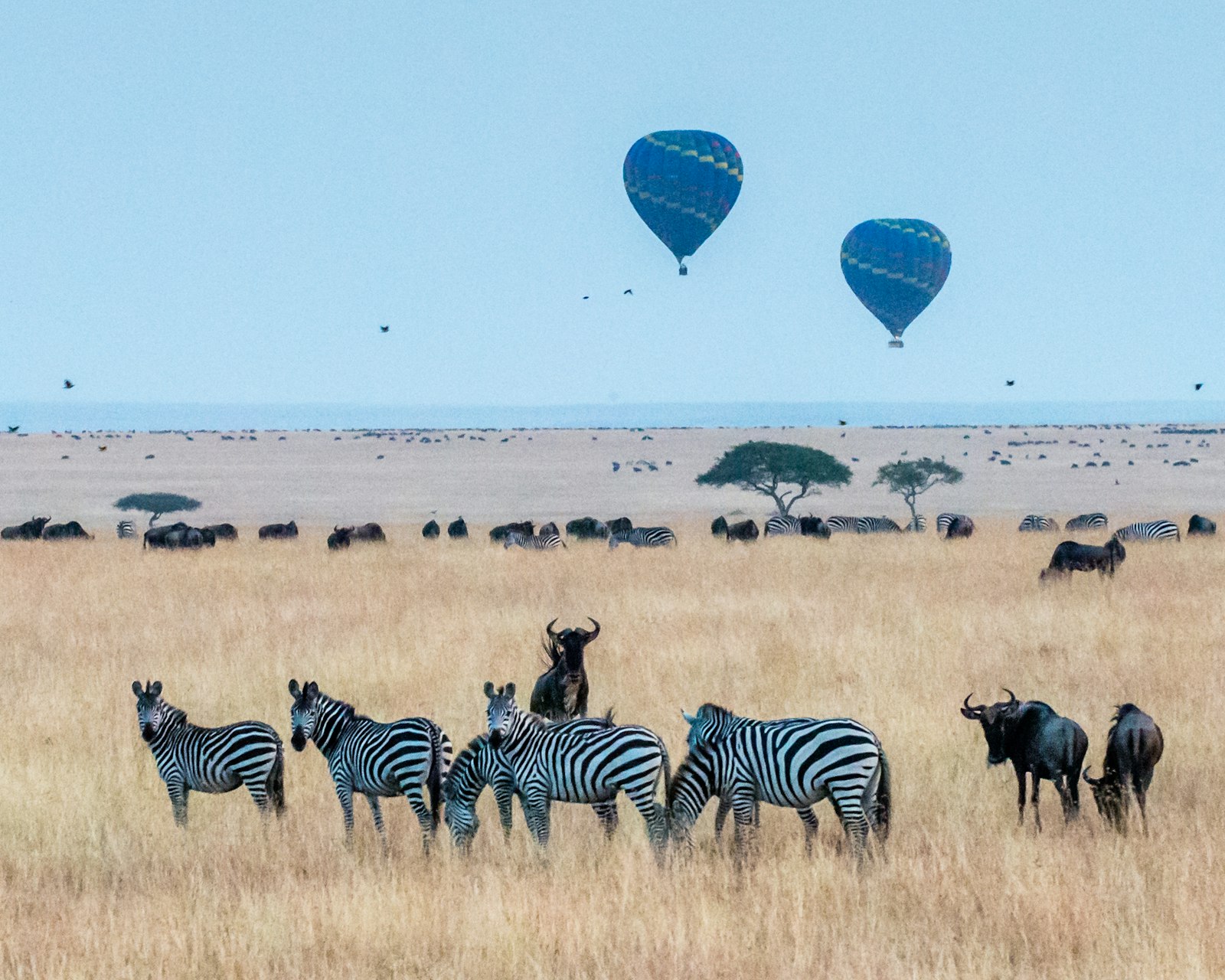
The most expensive times are July to October and the Christmas and New Year period, the exact opposite of the cheapest time for a Kenya safari. Knowing them helps you see why the cheaper months save so much.
- July to October: the Great Migration usually fills the Mara, the reserve fee is USD 200 per adult per day, and camps charge peak rates. August is the single most in-demand month.
- Christmas and New Year: roughly 20 December to 2 January. Camps apply peak rates, many set minimum stays, and flights are at their dearest.
- Easter: a short spike in an otherwise good-value period, because European and Australian families travel then.
Peak season is popular for good reason, and for many people the river crossings are worth the extra cost. If you choose it, book early: our guide on how far in advance to book a Kenya safari gives lead times by season.
📅 Get a Free, No-Obligation Safari Quote
Send us two or three possible date windows and we will price them side by side, so you can see exactly what each month costs. ✉ Send Us Your Dates on WhatsApp
How Much Can You Save in the Cheapest Months?
Savings in the cheapest time for a Kenya safari depend on the camps and parks you choose, so there is no single percentage that applies to every safari. The biggest, most predictable saving is the Masai Mara fee, which is half the price from January to June.
Here is a simple example using fees alone. Two adults spending three full days in the Mara pay USD 600 in reserve fees in June and USD 1,200 in July. Add the camp’s own seasonal difference and the total gap grows. Mid-range and luxury camps usually show the widest swing between peak and low season; simple budget camps change less. For full budgets, see our Kenya safari cost guide and our honest Masai Mara safari cost breakdown.
Remember the costs that do not change with the season, so you can compare quotes fairly:
- The Kenya Electronic Travel Authorisation, applied for only on the official eTA Kenya portal.
- Travel insurance, which every visitor needs. See our Kenya mandatory travel insurance guide.
- Tips for guides and camp staff, explained in our Kenya safari tipping guide.
- Optional extras such as balloon flights, village visits and drinks at camps that are not all-inclusive.
10 Ways to Save Money on a Kenya Safari in Any Month
Even if you cannot travel in the cheapest time for a Kenya safari, you can lower the cost in any month by changing a few choices. These are the levers we use most often when building quotes.
- Travel in the shoulder weeks: the last two weeks of June, early November and early December give good weather at lower rates.
- Put Mara nights before 1 July: the fee doubles that day.
- Drive instead of flying: road safaris cost less than fly-in trips, though they take longer. Compare both in our fly-in vs road safari guide.
- Choose simpler camps: a well-run budget or mid-range tented camp still gives you the same wildlife.
- Stay longer in fewer places: three nights in one area cuts transfer time and cost.
- Share a vehicle: a group or joining safari splits vehicle costs. Our private vs group safari guide explains the trade-offs.
- Mix parks: pair the Mara with parks such as Lake Nakuru or Amboseli rather than adding extra Mara nights in July to October.
- Book early for peak dates: the best-value camps fill first.
- Book directly with a local operator: fewer middlemen usually means a clearer price.
Is the Cheapest Time for a Kenya Safari Right for You?
The cheapest time for a Kenya safari suits flexible travellers who value space and price over guaranteed sunshine, but it is not ideal for everyone. Use this table to match the months to your priorities.
| Your priority | Best-value months | Why |
|---|---|---|
| Lowest possible price | April, May | Lowest camp rates and low Mara fee |
| Good weather at a low price | June, February | Dry, quiet and on the low Mara fee |
| Great Migration on a budget | July or late October | Herds usually present, with slightly less demand than August |
| Photography without crowds | November, April, May | Dramatic skies and few vehicles |
| Families tied to school holidays | February half-term, June (some countries), October half-term | Better value than July, August and Christmas |
| First safari, little flexibility | January to March, June | Reliable weather and lower fees |
Cheapest time for a Kenya safari with children
Families usually find the cheapest time for a Kenya safari, with the best mix of price and comfort, in February or June. Both are dry, malaria-prevention advice is the same in every month, and short days in a vehicle are easier in pleasant weather. Check health advice for your children on NHS Fit for Travel and read our Kenya safari malaria guide. Our Kenya Family Safari keeps drives short, with baby elephants and giraffes in Nairobi before the Mara.
When the cheap months are not a good idea
If seeing a river crossing is the reason for your trip, the cheapest time for a Kenya safari will disappoint you, because the herds are usually in Tanzania then. Travellers with limited mobility may also find muddy April roads uncomfortable. In those cases, paying more for July to October, or for the dry months of January and February, is the better decision.
Good-Value Safari Packages for Low and Shoulder Season
All our packages run all year, and every one of them costs less in the cheapest time for a Kenya safari. Message us for a quote for your exact dates, because rates vary by season and camp.
- 3 Day Masai Mara Safari Package: the classic short Mara trip, and excellent value from January to June.
- Masai Mara and Lake Nakuru Camping Safari: four days of game drives on a tighter budget.
- 6 Day Kenya Safari: the Mara, Lake Nakuru and Naivasha at a relaxed pace.
- Kenya Classic Safari: Amboseli, Naivasha and Masai Mara: elephants beneath Kilimanjaro plus three Mara nights.
- 2-Day Amboseli Safari: a quick, affordable add-on from Nairobi.
Before you travel, check the latest advice on the UK government’s Kenya travel advice page or your own government’s equivalent, and browse Magical Kenya, the official tourism site, for ideas.
Cheapest Time for a Kenya Safari FAQs
What is the cheapest month to go on safari in Kenya?
April and May are usually the cheapest time for a Kenya safari. The long rains reduce demand, many camps offer their lowest rates and the Masai Mara fee is at its low-season level of USD 100 per adult per day. Expect afternoon storms, muddier roads and a few seasonal camp closures.
When is the cheapest time for a Kenya safari with good weather?
June and January to March offer the best mix of price and weather. Both periods are mostly dry, game viewing is good, and the Masai Mara fee is USD 100 per non-resident adult per day instead of USD 200. February and the second half of June are especially good value.
How much cheaper is the Masai Mara from January to June?
In 2026 the Masai Mara National Reserve charges non-resident adults USD 100 per day from January to June and USD 200 per day from July to December. For two adults on a three-day stay, that is a saving of about USD 600 in reserve fees alone, before any camp discounts.
Is it worth going on safari in Kenya in the rainy season?
Yes, for many travellers. Rain usually falls in short, heavy bursts, the scenery is green, vehicles are few and prices are lower. Resident wildlife stays in the parks all year. It is less suitable if you want river crossings, guaranteed sunshine or dry roads for limited mobility.
Can you see the Big Five in Kenya’s low season?
Yes. Lions, leopards, elephants and buffalo live in Kenya’s parks all year, and rhinos are found in places such as Lake Nakuru and Ol Pejeta. Long grass in the cheapest time for a Kenya safari can hide cats, so an experienced guide and full days help.
Are safari camps closed in April and May?
Some smaller seasonal camps in the Masai Mara and other areas close for a few weeks in April or May for maintenance, but many camps and lodges stay open all year. Choice is narrower, so tell your operator early which style of camp you prefer and they can check what is open.
Is November a cheap time for a Kenya safari?
Yes. November is the cheapest time for a Kenya safari in the second half of the year, because camp rates drop after the migration. The short rains are usually brief showers and the plains turn green quickly. The Mara fee stays at its July to December rate, so savings come from accommodation.
When is a Kenya safari most expensive?
Kenya safaris cost the most from July to October, when the Great Migration is usually in the Masai Mara, and over Christmas and New Year. Camps charge peak rates, the Mara fee is USD 200 per adult per day, flights are dearer and the best-value camps fill months ahead.
🏕 Plan Your Safari With Sense of Adventure
Kenya-based experts. Real local knowledge. Transparent pricing. Tell us your budget and we will find the cheapest time for a Kenya safari that still fits your wish list. 💬 WhatsApp Us — Start Planning Today
Call or WhatsApp: +254 799 160 081
Related Safari Guides
- ›How Much Does a Kenya Safari Cost?
- ›Kenya Weather by Month
- ›Green Season Safari in Kenya: Pros and Cons
- ›Kenya Safari Spending Money
- ›Is a Kenya Safari Worth It?
Official travel & park resource: Kenya Wildlife Service ↗