
These Tsavo safari tips will help you plan a 2027 journey into the largest wilderness in Kenya, a wide, wild landscape of red earth, baobab trees and open horizons where elephants wear the colour of the soil. It is a safari of space and silence rather than crowds, and it sits within reach of both Nairobi and the Indian Ocean coast.
This guide is written by Sense of Adventure, a licensed Kenyan tour operator based in Nairobi (Tourism Regulatory Authority licence TRA1/47/C01/77087). Its Tsavo safari tips explain how Tsavo East and Tsavo West differ, what to see, the best months for 2027, how to get there, the park fees and how many days to allow, with links to our detailed guides wherever you want more.
✅ Tsavo Safari Tips: The Quick Answer
- Why go: red elephants, vast open plains, the crystal pools of Mzima Springs and a wilderness with far fewer vehicles than the busiest parks.
- Two parks: Tsavo East is flat, open and wild. Tsavo West is hillier, with springs, lava flows and a rhino sanctuary.
- Best months: the dry months from June to October, plus January and February, are best for game viewing. April, May and November bring the rains.
- Getting there: Tsavo East’s Mtito Andei gate lies on the highway between Nairobi and Mombasa, and Tsavo can be reached from the coast too.
- How long: two to four days suits most travellers, either on its own or combined with Amboseli or Diani beach.
Dreaming of red elephants?
Tell us your travel dates and whether you start from Nairobi or the coast, and we will sketch a Tsavo route to match.
Tsavo Safari Tips: Why Choose Tsavo in 2027
The first of our Tsavo safari tips is simple: come for the scale. Tsavo East and Tsavo West together form a vast wilderness of savannah, scrub and volcanic hills, with room for the wildlife to roam. You can drive for hours across open plains and still feel that you have the place to yourself.
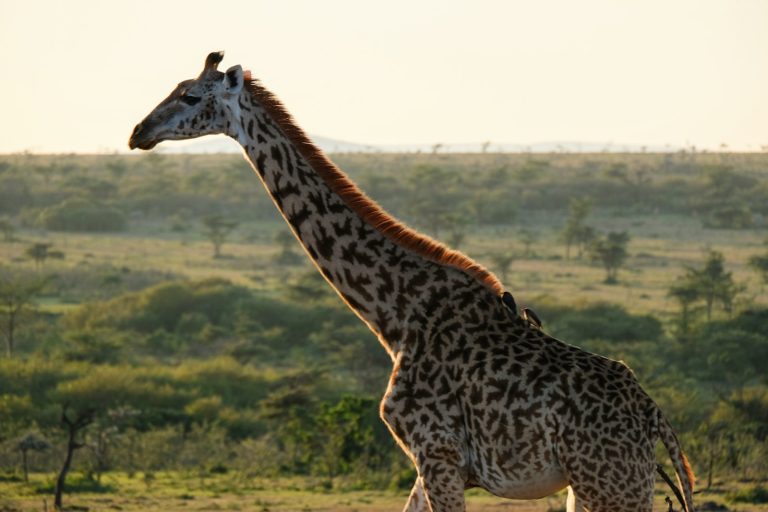
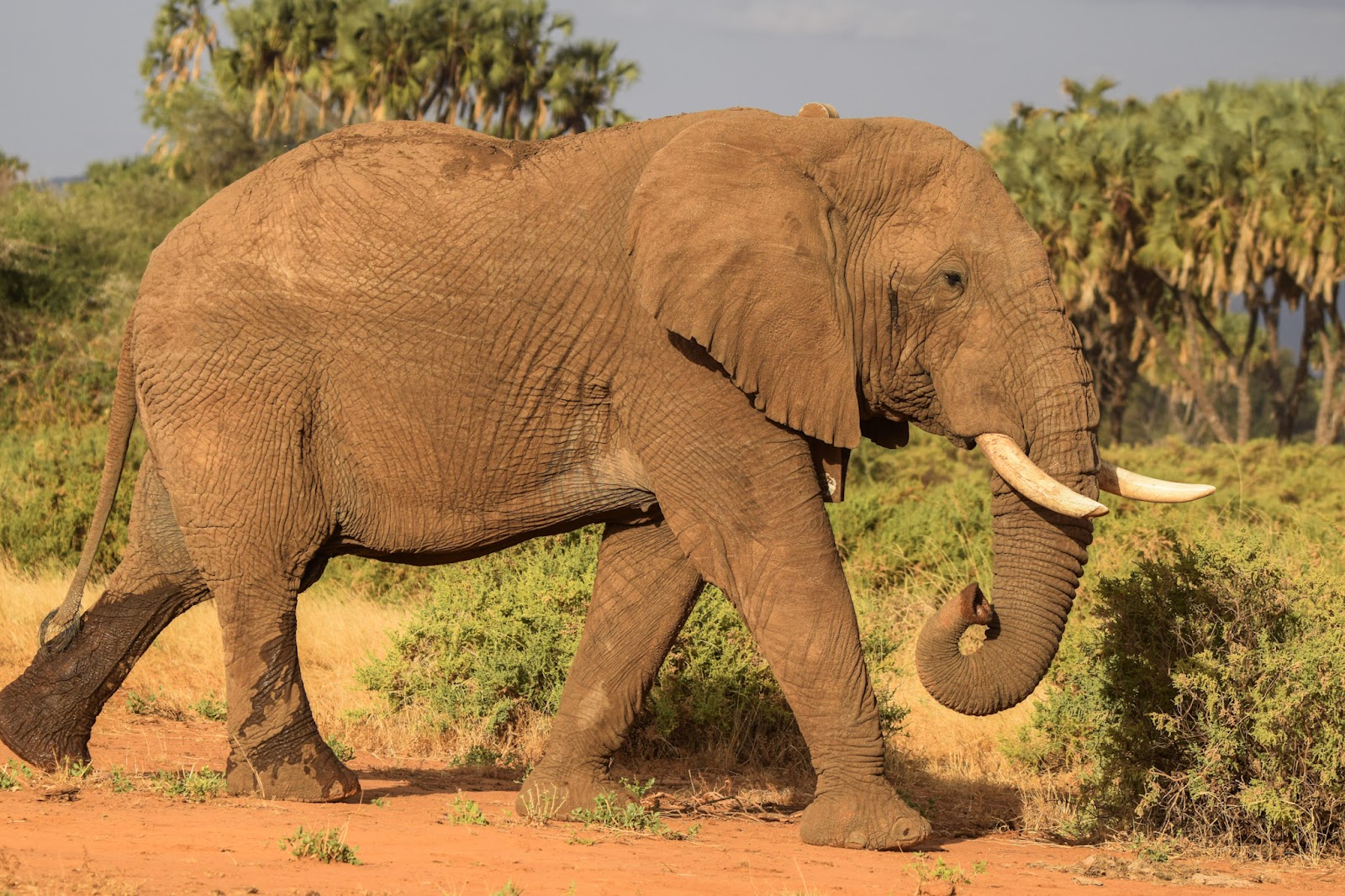
The animals are the reason many people come. Tsavo is famous for its red elephants, which dust themselves in the iron-rich soil until their skin turns the colour of terracotta. It is also home to lions, leopards, buffalo, giraffe, hippo and a long list of birds, and Mzima Springs in Tsavo West offers a different kind of safari, with clear pools fed from the Chyulu Hills. Our Tsavo safari page shows the trips we run most often.
Tsavo is also practical, and many of our Tsavo safari tips come down to location. The park lies between Nairobi and Mombasa, so it works as a short safari from either city, a gateway between a Nairobi start and a beach finish, or a stop on the way to Amboseli. Every Sense of Adventure safari runs in a private 4×4 Land Cruiser with a pop-up roof, reclining seats and charging ports, driven by your own private driver-guide, so you can stay with a herd at a waterhole for as long as you like. For a full introduction, read our Tsavo National Park guide.
Tsavo East or Tsavo West?
Tsavo is two parks, and choosing between them is one of the most useful Tsavo safari tips we can give, because it shapes your whole 2027 trip. Many travellers visit both, because they sit side by side.
| Feature | Tsavo East | Tsavo West |
|---|---|---|
| Landscape | Flat, open plains with red earth and the Galana River | Hills, lava flows, springs and thicker bush |
| Known for | Red elephants, big herds and a sense of space | Mzima Springs, Shetani lava flow and Ngulia Rhino Sanctuary |
| Feel | Wild and wide open, with long views | Scenic and varied, with plenty to stop and see |
| Best for | Elephants, lions and classic plains safari | Variety, scenery and the chance to see rhinos |
Our Tsavo East vs Tsavo West guide compares the two in detail. If you want to know where to sleep, our Tsavo East luxury camps and Tsavo West luxury lodges guides explain what to look for on the Galana River and among the springs. For a wider view, Tsavo vs Amboseli and Tsavo vs Masai Mara help you decide where Tsavo fits in your plans.
Both parks reward a slower pace. Our Tsavo wilderness experience guide describes the vastness and solitude that set Tsavo apart, and the Tsavo bucket list lists many things to do beyond the game drive.
Red Elephants, Mzima Springs and Wildlife
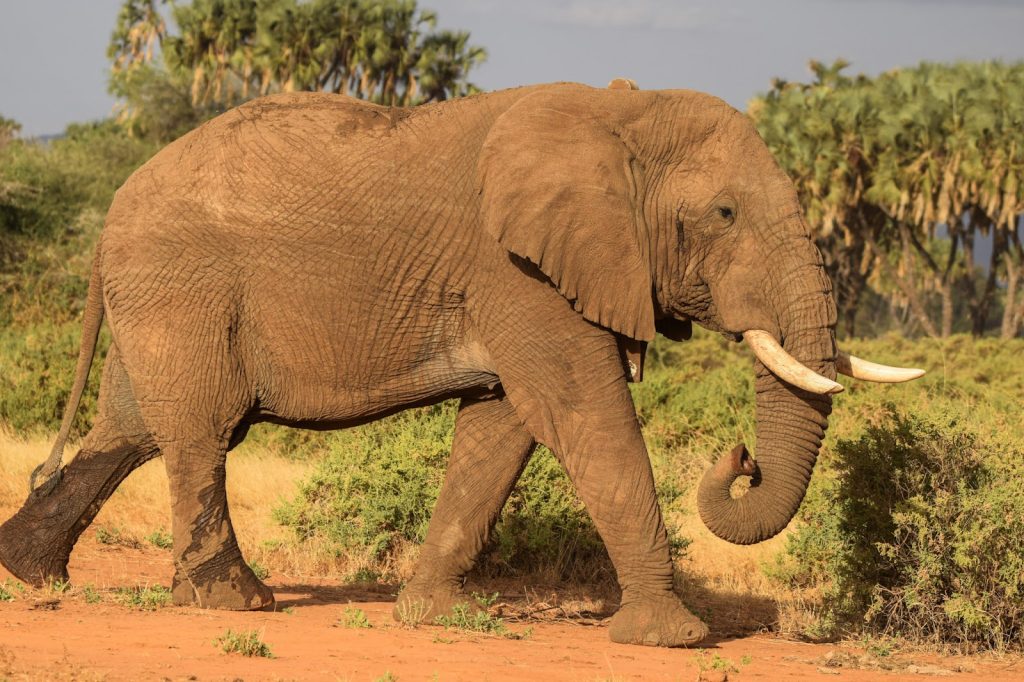
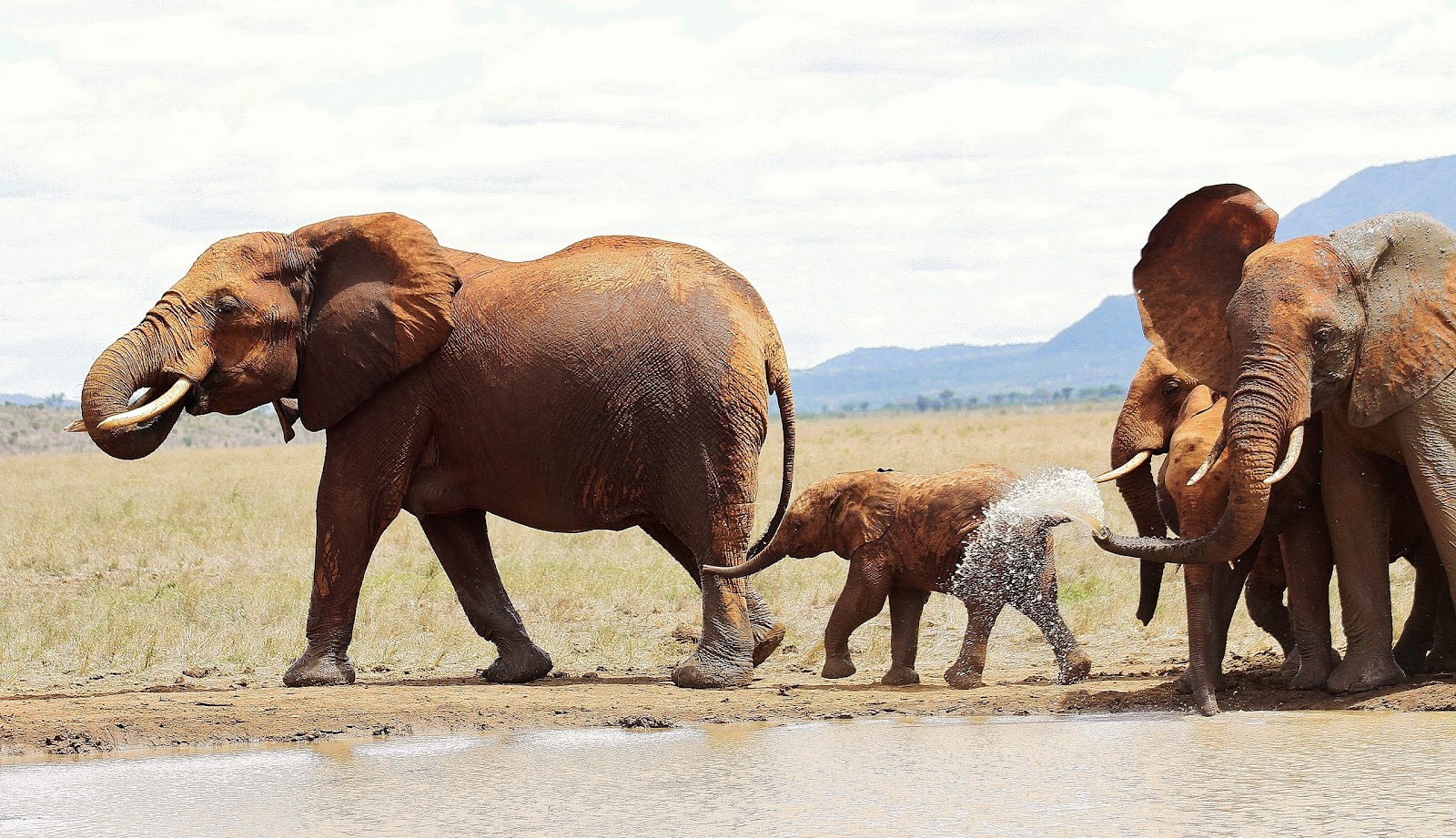
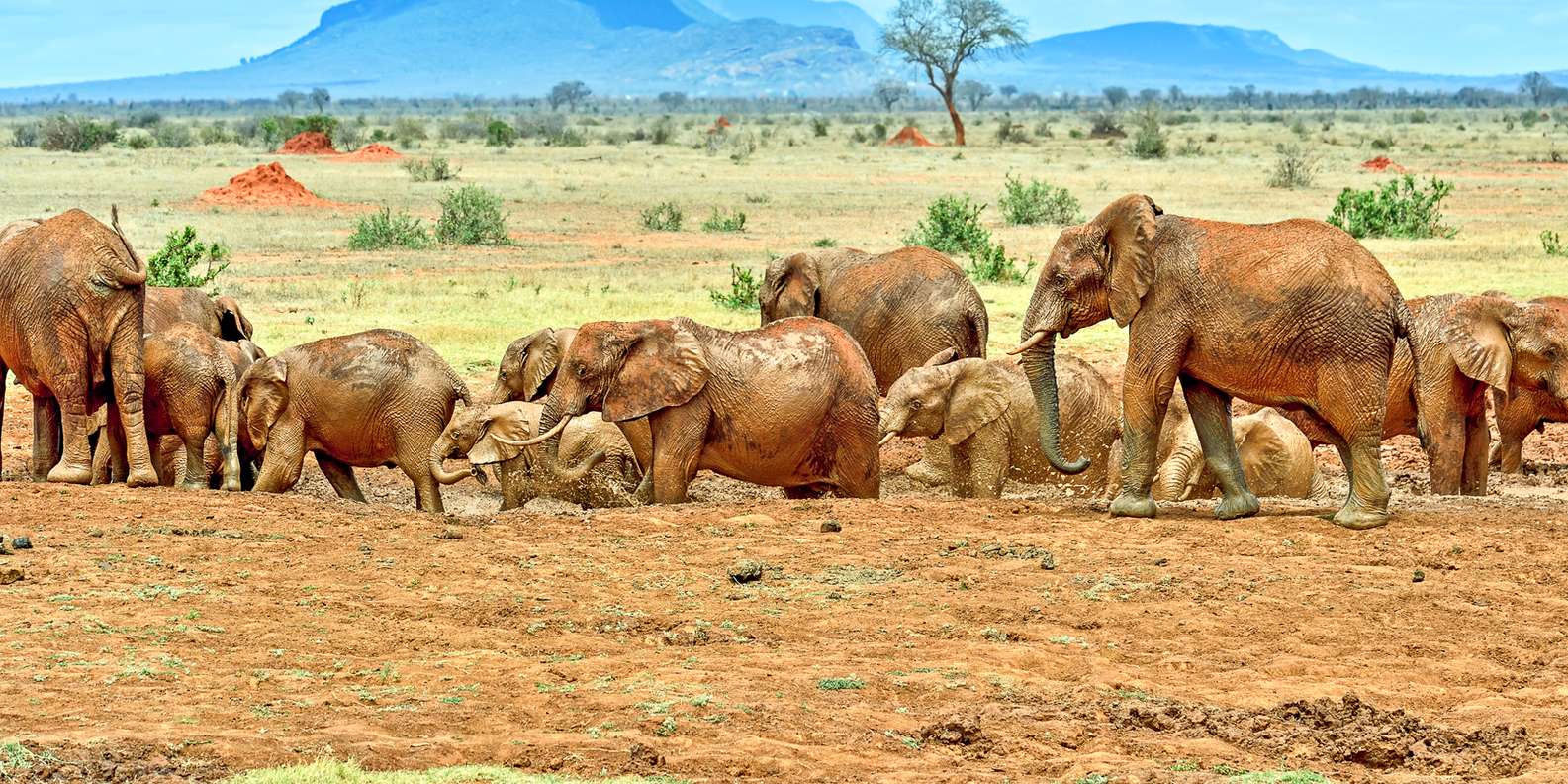
The red elephants are the headline of a Tsavo safari 2027. They are the same species as elephants elsewhere in Kenya, but they roll and spray themselves with the red soil, so the colour comes from the ground rather than the animal. When a herd walks out of the bush against green leaves and blue sky, it is one of the great sights of East Africa. Read our red elephants of Tsavo guide to learn why they are red and where to find them.
- Mzima Springs: crystal-clear pools in Tsavo West, fed by water that filters through the volcanic Chyulu Hills, with hippos and fish to watch. See our Mzima Springs guide.
- Shetani lava flow: a dark river of old volcanic rock in Tsavo West, and one of the most unusual stops on any Kenya safari.
- Ngulia Rhino Sanctuary: a protected area in Tsavo West that gives you a chance of seeing black rhino. Our Tsavo rhinos guide tells the story.
- Big cats: lions, leopards and cheetahs live across both parks. Read about the big cats of Tsavo and the Tsavo lions and the man-eaters legend.
- Birdlife: Tsavo is rich in birds, and our birds of Tsavo guide helps keen birdwatchers plan.
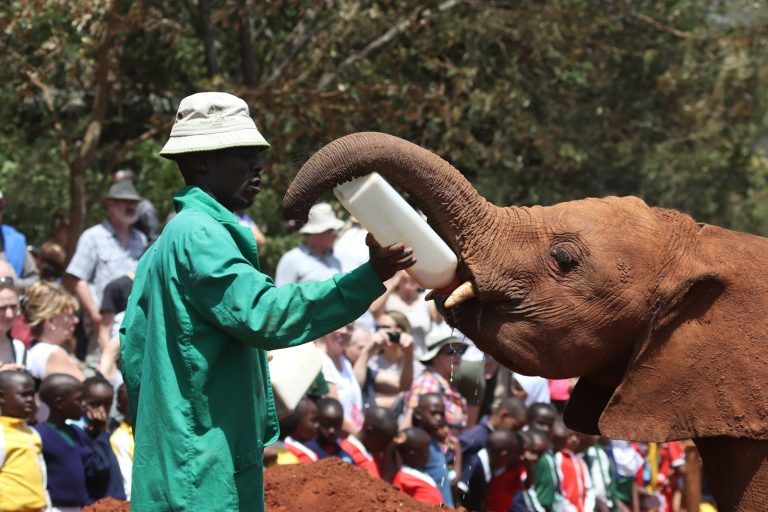
- Rescued elephants: the Sheldrick elephant orphans story shows how young elephants are raised and returned to the wild in Tsavo.
Best Months for a Tsavo Safari 2027
Tsavo is hot and fairly dry for much of the year, and the best time depends on whether you value game viewing, green scenery or lower rates. Timing is among the most important Tsavo safari tips, and the table gives a quick view for your 2027 dates.
| 2027 dates | What to expect | Good for |
|---|---|---|
| January and February | Hot and dry. Water is scarce, so animals gather at waterholes and rivers. | Strong game viewing |
| March | Warm, with the first showers possible later in the month. Easter Sunday falls on 28 March 2027. | Easter and long weekend trips |
| April and May | The long rains. The bush turns green, roads can be muddy and some lodges close. | Lush scenery and the lowest rates |
| June to October | The main dry season. Dusty tracks, thin vegetation and very good sightings at waterholes. | Best overall wildlife and the reddest elephants |
| November | The short rains. Fresh green country and fewer visitors. | Value and photography |
| December | Drier again and warm, with festive demand around Christmas and New Year 2027. | Festive and coast combinations |
In the dry months the elephants are at their reddest, because the soil is dusty and the herds spend more time at waterholes. After rain the park turns green and the animals spread out, so sightings take more patience but the scenery is beautiful. Our best time to visit Tsavo guide goes month by month, and Kenya weather by month covers the whole country.
If you are planning around wildlife spectacles, see our Great Migration 2027 guide for the Masai Mara, which pairs well with Tsavo on a longer route.
9 Essential Tsavo Safari Tips From Our Guides
These are the Tsavo safari tips our driver-guides share most often with first-time visitors. None of them is complicated, but together they make the difference between a hot, tiring drive and a relaxed, rewarding safari.
- Pick East, West or both on purpose: choose Tsavo East for open plains and big elephant herds, Tsavo West for scenery, springs and rhinos, or three days to see both.
- Start at first light: wildlife is most active in the cool hours, and by late morning the heat sends many animals into the shade.
- Dress for heat and dust: light, neutral layers, a wide-brimmed hat, sunscreen and a scarf or buff for the red dust. Keep a cover for your camera.
- Respect the distances: Tsavo is huge, and sightings can be far apart. Fewer, longer drives beat trying to cover every corner.
- Wait at waterholes in the dry season: from June to October, patience at a waterhole or river often brings elephant families, buffalo and predators to you.
- Give Mzima Springs time: walk the short trail, look for hippos from the banks and visit the underwater viewing chamber to watch fish in the clear water.
- Follow park rules: stay in the vehicle except at designated sites, keep a respectful distance from elephants and never ask your guide to leave the track.
- Pair Tsavo well: it combines naturally with Amboseli beneath Kilimanjaro or with a beach stay at Diani or Watamu.
- Book peak dates early: June to October, Easter and Christmas fill first, so give yourself several months for the lodge you want.
Tsavo safari tips for photographers and families
Photographers get the richest colour on red elephants in the soft light after sunrise and before sunset, when the soil glows and harsh shadows fade. A pop-up roof gives you a steady, high viewpoint, and a beanbag helps on longer lenses. Bring extra batteries and a blower brush, because dust finds its way into everything.
Families do best with short drives and a midday break at the lodge pool. Keep water and snacks in the vehicle, and plan one or two nights rather than a single long day so children are not tired. Our private Kenya safari page explains how a private vehicle lets you set a gentle pace for every age.
Getting to Tsavo From Nairobi and the Coast
Tsavo is one of the easiest big parks to reach. From Nairobi, the Mtito Andei gate of Tsavo East lies along the highway towards Mombasa, and the road is a straightforward drive in a private vehicle. From the coast, Tsavo is a short journey inland, which is why so many beach travellers add a day or two in the bush. We confirm every drive time in your written quote.
There are three common patterns. You can start in Nairobi and drive to Tsavo, then continue to the coast. You can start at the coast and visit Tsavo on a short safari before returning to your beach hotel. Or you can combine Tsavo with Amboseli beneath Kilimanjaro, which sits on the same side of the country. Our Tsavo National Park location guide shows the map, our Nairobi to Mombasa guide compares the train, flight and drive, and our Mombasa and Diani Beach guide covers the coast.
Starting from the coast?
Tell us where you are staying and how many days you can spare, and we will plan a Tsavo safari from your beach hotel.
Park Fees and How Many Days to Allow
Budgeting for park fees belongs in any list of Tsavo safari tips, and the fees are set by Kenya Wildlife Service. KWS sets a non-resident conservation fee of USD 80 per adult per day and USD 40 per child per day for Tsavo East and Tsavo West. We confirm the fee for your dates in your written quote, along with vehicle charges. For the full breakdown, read our Tsavo National Park entrance fees guide.
On trip length, our Tsavo safari tips are simple: most travellers allocate between two and four days. Two days gives a taste, three days lets you see both parks and four or more days allows slower mornings, a night in each park and time for Mzima Springs. Our how many days you need for Tsavo guide compares a three-day and five-day itinerary.
- 1 day: a long game drive from the coast, suited to travellers with limited time.
- 2 days: one night in the bush, with game drives on arrival and the next morning.
- 3 days: Tsavo East and Tsavo West together, with time for Mzima Springs.
- 4 days or more: a relaxed pace, with extra nights in each park and a link to Amboseli.
Reserve Your Tsavo Dates
Send your dates and group size, and we will send an itemised written quote in Midrange 3* and Standard Luxury 4*, with no obligation.
WhatsApp Our Tsavo Team Email for a QuoteTsavo Trips and Their Starting Prices
To put these Tsavo safari tips into practice, here are real Sense of Adventure trips that include Tsavo, with the starting price shown on each trip page in US dollars. Your written quote confirms the price for your dates, including park fees and any peak-season supplement.
- Tsavo East Day Safari from Mombasa and Diani (1 day): a full-day game drive in Tsavo East from your coast hotel. From USD 230.
- 2-Day Tsavo and Taita Hills Safari from Mombasa: game drives in Tsavo East and the Taita Hills sanctuary, with a night overlooking a waterhole. From USD 420.
- Tsavo East and West Safari (3 days): open plains and red elephants in Tsavo East, then volcanic scenery and Mzima Springs in Tsavo West. From USD 600.
- Tsavo and Amboseli Safari from Mombasa (4 days): Tsavo East, Tsavo West and Amboseli beneath Kilimanjaro, returning to your beach hotel. From USD 1,050.
- Family Safari and Beach: Tsavo, Amboseli and Diani (8 days): elephants beneath Kilimanjaro and Tsavo’s red elephants, then four nights on Diani Beach. From USD 1,950.
Every trip can be adjusted with extra nights, a different camp level or an added region. See the full range on our Kenya safari packages page, or read about where to stay in Tsavo to picture your nights in the park.
Paperwork Before You Fly
One of the easiest Tsavo safari tips to follow is to start your paperwork early, because it is simple when you do. You will each need an approved Kenya eTA, applied for only on the official portal at etakenya.go.ke. Kenya also requires mandatory travel health insurance, which costs USD 44 per traveller. Each child needs their own policy, and a home policy cannot be uploaded or used instead, although you should keep your own travel insurance for cancellation and wider cover. Our Kenya mandatory travel insurance guide explains how to buy it.
Every Sense of Adventure trip includes AMREF Flying Doctors evacuation cover, explained on our emergency evacuation cover page. Before you book, we brief you on the current official travel advice for your route and confirm every detail in writing.
For official information on Kenya’s parks and fees, visit the Kenya Wildlife Service, and for background on the destination, Magical Kenya covers the parks and the coast. Speak to your doctor or a travel clinic well before you fly, and read our guide on how far in advance to book a Kenya safari to plan your timing.
Tsavo Safari Tips: FAQs for 2027
What are the most useful Tsavo safari tips for 2027?
Choose Tsavo East, Tsavo West or both based on what you want to see, drive early in the cool morning, plan for heat and red dust, and allow time, because the parks are huge. Book June to October and Christmas dates early, and pair Tsavo with Amboseli or the coast for a fuller trip.
When is the best time for a Tsavo safari in 2027?
June to October is the main dry season and gives the best game viewing, as animals gather at waterholes and rivers. January and February are also strong. April, May and November bring rain, greener scenery, fewer visitors and often lower rates, though some tracks can be muddy after heavy showers.
Why are the elephants of Tsavo red?
They dust and spray themselves with the iron-rich red soil, so the colour comes from the ground rather than the animal. They are the same species as elephants elsewhere in Kenya. The herds look reddest in the dry months, when the soil is loose and the elephants spend more time at waterholes.
What is the difference between Tsavo East and Tsavo West?
Tsavo East is flat, open and wild, with the Galana River and big elephant herds on long horizons. Tsavo West is hillier and more varied, with Mzima Springs, the Shetani lava flow and the Ngulia Rhino Sanctuary. The two parks sit side by side, so a three-day trip can include both.
How many days should a Tsavo safari last?
Two to four days suits most travellers. Two days gives a good taste of one park, three days lets you see both Tsavo East and Tsavo West with time for Mzima Springs, and four or more days allows a slower pace or a link to Amboseli beneath Kilimanjaro or a few nights on Diani beach.
How much are the Tsavo park fees?
Park fees are set by Kenya Wildlife Service. KWS sets a non-resident conservation fee of USD 80 per adult per day and USD 40 per child per day for Tsavo East and Tsavo West. Fees can change, so we confirm the current rate for your dates, with vehicle charges, in your written quote.
Is a Sense of Adventure Tsavo safari private?
Yes. Every Sense of Adventure safari runs in a private 4×4 Land Cruiser with a pop-up roof, reclining seats and charging ports, with your own private driver-guide. That means the day follows your pace, whether you want to wait at a waterhole, stop for photographs or head back early to escape the midday heat.
What do we need to enter Kenya for a Tsavo safari?
Each traveller needs an approved Kenya eTA from the official portal etakenya.go.ke, plus Kenya’s mandatory travel health insurance at USD 44 per traveller, with a separate policy for each child. A home policy cannot be used instead, but keep your own travel insurance for cancellation and wider cover.
Let the Red Elephants Find You
Tell us your dates, group and wishes. We will design a private Tsavo safari for 2027 and send it in writing. Escape. Explore. Discover.
WhatsApp +254 799 160 081 Email reservations@senseofadventure.co.keOfficial park resources: Kenya Wildlife Service ↗ · Sheldrick Wildlife Trust ↗