The sun is not yet over the ridge. You are sitting on a smooth rock above a dry riverbed, a blanket around your shoulders, as the first cattle bells drift up from below. Then the singing begins. A Samburu herder, standing deep inside a well, sings to his animals while he passes water up, hand to hand, to the men above him. Behind you, the forested slopes of the Mathews Range turn from blue to gold. Somewhere in the trees, a colobus monkey calls. No other vehicles. No crowds. Just the oldest rhythm in this land.
Namunyak Conservancy is a Samburu community conservancy of about 850,000 acres (roughly 3,440 km²) wrapped around the Mathews Range in Samburu County, northern Kenya. Set up in 1995, it protects elephants, wild dogs, leopards and reticulated giraffe, and is home to Reteti, the world’s first Indigenous community-owned elephant sanctuary.
Sense of Adventure is a Nairobi-based safari company at Mountain Mall on Thika Road, licensed by Kenya’s Tourism Regulatory Authority (TRA1/47/C01/77087). We plan tailor-made safaris into Samburu and the northern conservancies all year. This guide covers everything you need to know about Namunyak Conservancy: its history, the Samburu people who run it, the wildlife and your honest chances of seeing it, the singing wells and Reteti, getting there, fees, the best months, rules, where to stay and a sample itinerary. For the wider picture, start with our complete list of Kenya national parks and reserves.
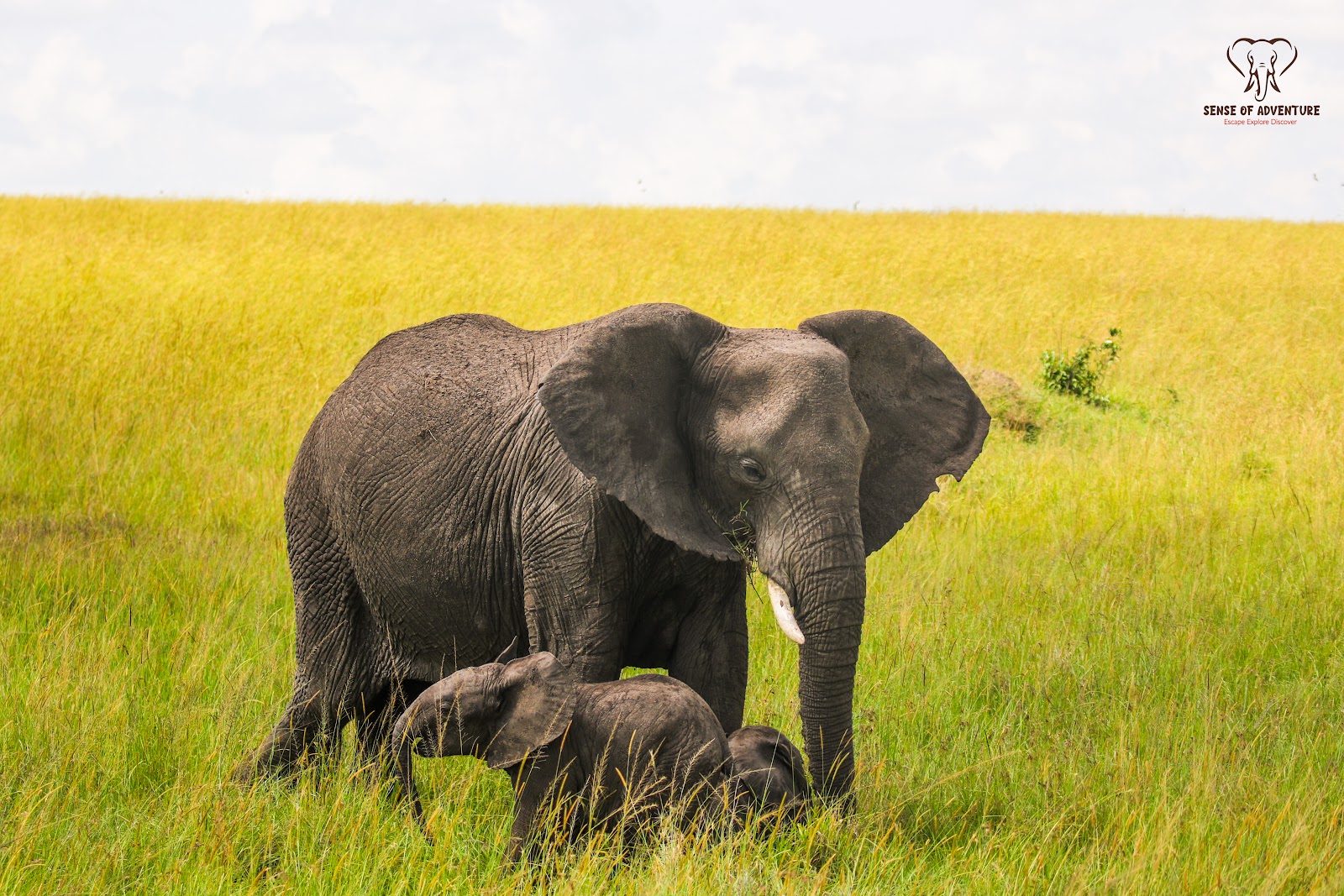
✅ Namunyak Conservancy: The Quick Answer
- Where: Samburu County, northern Kenya, around the Mathews Range, north of Wamba and about 19 km from Sereolipi on the Isiolo–Moyale road.
- Best for: elephants, the Reteti elephant orphanage, the singing wells, guided walks, forest hikes and a deep, uncrowded wilderness.
- Best time: the dry months, June to October and January to March.
- Entry fee: no public gate fee is published. The conservancy fee is charged through your camp. A Reteti visit has its own minimum donation.
- How long to stay: three nights, ideally as part of a five- to seven-night northern safari.
- Getting there: a charter flight to Namunyak airstrip, a scheduled flight to Kalama plus about 1.5 hours by road, or about 8 hours by road from Nairobi.
🌍 Planning a Safari to Namunyak Conservancy?
Tell us your dates, and we will check camp space in the Mathews and build in a dawn feed at Reteti.
💬 Plan My Mathews SafariPrefer to talk? 💬 WhatsApp Us Now or call +254 799 160 081
What Is Namunyak Conservancy?
Namunyak Conservancy is a community-owned wildlife area where Samburu families live, graze their livestock and share their land with elephants and other wildlife, earning income from tourism in return.
It is one of the largest community conservancies in Kenya. Sarara, the camp company that has worked with the community since the 1990s, gives its size as 850,000 acres. That is bigger than many of Kenya’s national parks put together. Most of it is dry bush, rocky hills and sand rivers, with the forested Mathews Range at its heart.
There are no fences and no gates in the usual sense. Herders move their cattle, goats and camels across Namunyak Conservancy with the seasons. Wildlife moves through the same land. The point of the conservancy is to make that sharing work, so that elephants are worth more to local people alive than dead.
How Namunyak Conservancy is governed
Namunyak Conservancy is run by a Trust, represented by a democratically elected Board of Trustees drawn from its different units, or areas. It is a member of the Northern Rangelands Trust (NRT), the umbrella body for community conservancies in northern and coastal Kenya. NRT reports 47 member conservancies covering about 6.37 million hectares, and more than 1,300 people permanently employed across them.
The History of Namunyak Conservancy: From Poaching to Peace
Namunyak Conservancy was born out of crisis: two decades of poaching wiped out the area’s black rhinos and many of its elephants, and in 1995 the Samburu community chose a different future.
According to Sarara, Namunyak was once mostly open grassland, kept that way by large herds of elephants and black rhinos. In the 1980s, around the start of the Somali civil war, poaching swept through northern Kenya. The black rhinos of the Mathews were lost, and so were many elephants. Accounts of the range record that the last black rhino in the Mathews was poached in the 1990s.
1995: a Trust is formed
After two decades of poaching, the community set up Namunyak in 1995 to protect wildlife and let Samburu families benefit from tourism. Two years later, in 1997, Sarara Camp opened as the conservancy’s first lodge. Its fees and jobs gave the community a direct reason to protect the elephants that were left.
It worked. Over the years, elephants came back to the Mathews. Today Sarara describes Namunyak as one of the most important elephant areas in northern Kenya. Its elephants move seasonally between the Mathews and the forests of Mount Kenya and Ngare Ndare. In 2026, travel magazine Wanderlust named Namunyak on its Green List.
The Mathews Range
The Mathews Range, also called the Lenkiyio Hills, is a chain of forested mountains about 150 km long, running north to south. Its highest point, Warges, rises to 2,688 m at the southern end. The range is a ‘sky island’: cool, misty forest surrounded by hot plains. The Mathews Range Forest Reserve, set up in 1956, covers about 974 km². Its forests hold African juniper and ancient cycads, including the rare, IUCN red-listed Encephalartos tegulaneus.
The People of Namunyak Conservancy: Samburu Herders, Rangers and Keepers
Namunyak Conservancy belongs to the Samburu, a pastoralist people related to the Maasai, whose lives still turn around their cattle, their wells and the rains.
Samburu families have grazed these hills and plains for generations. You will see warriors in red shukas and beaded collars walking cattle to water, and women building homesteads of branches and mud. The conservancy is not a park where people have been moved out. It is their home, and you are a guest on it.
Rangers and the grazing team
Community rangers patrol Namunyak Conservancy, watch over wildlife and work with herders to plan grazing, so that pasture is rested in the wet season and saved for the dry months. In March 2024, Sarara reported Namunyak’s rangers and grazing team fighting a bushfire together, a good example of how the work goes far beyond anti-poaching.
Where your fees go
The conservancy fee in your camp bill goes to the community. The camps employ local Samburu staff, from guides and trackers to chefs and housekeepers. Sarara’s non-profit, the Sarara Foundation, runs nomadic healthcare, nomadic education and a milk-to-market project for herding families. At Reteti, every keeper is recruited from within Namunyak Conservancy. Your visit is part of that chain.
Expert tip from our Nairobi team: ask before photographing people, and let your guide lead any homestead or school visit. A short, respectful visit arranged through your camp means more to both sides than a staged show.
Reteti Elephant Sanctuary: Namunyak’s Most Famous Story
Reteti Elephant Sanctuary is a community-owned and community-run orphanage in Namunyak Conservancy that rescues elephant calves, raises them and returns them to the wild herds of northern Kenya.
Reteti calls itself the world’s first Indigenous community-owned African elephant sanctuary. It was set up in 2016 in response to demands from the local community, with support from the Kenya Wildlife Service, the Samburu County Government and the Samburu community of Namunyak. The keepers are all Samburu and have been formally trained in the care, rehabilitation and release of elephant calves.
Reteti says between 10 and 25 elephant calves are rescued in northern Kenya each year, often after falling into wells or being separated from their herds in drought. Orphans who are ready are released into Namunyak Conservancy. In December 2023, 13 elephants were released from Reteti into the conservancy, and in 2026 Reteti announced its next release herd.
How to visit Reteti
Reteti is open seven days a week, but you must book at least 24 hours ahead; same-day visits are not possible. The midday feed (11.30 am to 1 pm) is open to all visitors. Private morning and afternoon feeds can be booked, while the sunrise and evening feeds are for guests of Sarara and Reteti House only. Visitors do not touch or feed the elephants. Only the keepers do.
| Visitor | Adult (minimum donation) | Child under 15 |
|---|---|---|
| International visitor | US$75 | US$50 |
| Kenya resident | KSh 2,000 | KSh 500 |
| Kenyan citizen | KSh 1,000 | KSh 500 |
Rates are from the official Reteti visit page in November 2026. Groups of more than 12 international visitors are treated as exclusive groups, and filming needs a permit. We book your Reteti slot when we confirm your camp.
Wildlife in Namunyak Conservancy: What You Will See
Namunyak Conservancy is about elephants first, then a rich mix of dry-country species, shy forest animals and predators, seen in a setting that feels truly wild.
Sarara lists important northern populations of reticulated giraffe, gerenuk, leopard, African wild dog, lion, greater kudu and impala, as well as colobus monkeys in the forest. Grevy’s zebra, beisa oryx, Somali ostrich and dik-dik also live in the wider Samburu landscape. Game is less dense than in the Masai Mara, and animals that live among herders can be shy, so sightings feel earned.
Honest sighting odds
| Animal | Chance on a 3-night stay | Notes |
|---|---|---|
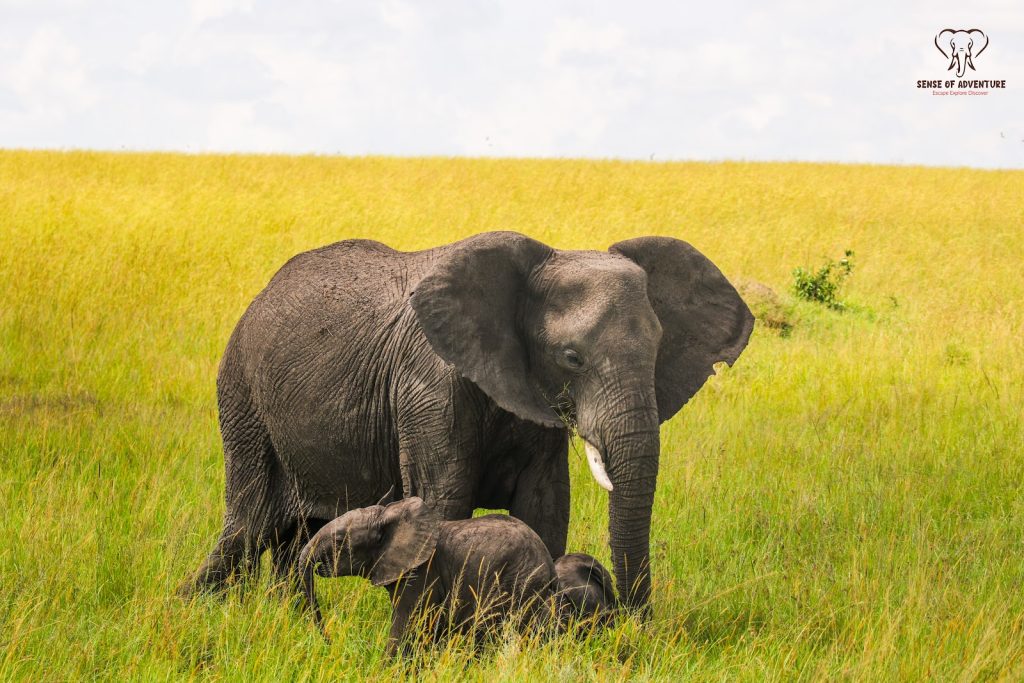
| Elephant | Very high | Herds visit waterholes and the Reteti area; numbers peak in the dry season. |
| Reticulated giraffe | Very high | Common on the plains and in the foothills. |
| Gerenuk, dik-dik, impala | High | Dry-country browsers seen on most drives. |
| Greater kudu | Moderate | Shy; look on wooded hillsides at dawn and dusk. |
| Colobus monkey | Moderate to high | In the forest on hikes around the Mathews. |
| Leopard | Low to moderate | Present but elusive; night drives and rocky hills help. |
| African wild dog | Low | They range widely; a sighting is a real bonus. |
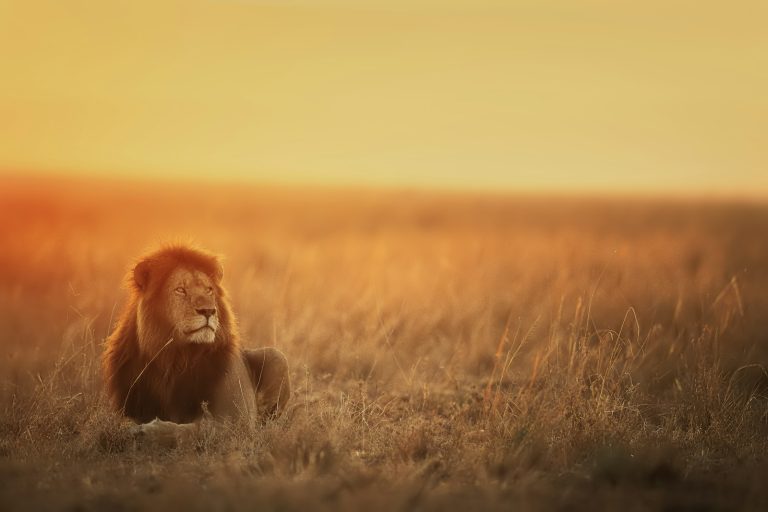
| Lion | Low | Present in small numbers; do not plan around lions here. |
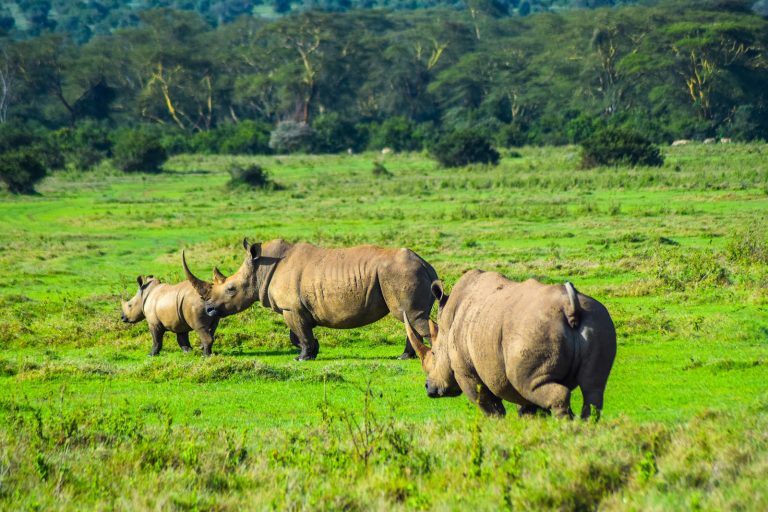
| Black rhino | None | Lost to poaching; see them on foot at nearby Sera. |
If big cats and rhinos are high on your list, add a few nights in the Samburu National Reserve or the Sera Rhino Sanctuary to your Mathews stay.
Birds of the Mathews
With forest, rocky hills and dry bush side by side, birding is varied. Expect hornbills, sunbirds, barbets and raptors in the hills, and dry-country specials such as vulturine guineafowl in the lowlands. Bring binoculars, and ask your guide for a dedicated morning walk if you are a keen birder.

Things to Do in Namunyak Conservancy
In Namunyak Conservancy, much of the safari happens on foot, on horseback or at the wells, not just from a vehicle, and that is what makes it special.
The singing wells
In the dry season, Samburu herders dig deep wells in the sand rivers. Men stand in a human chain inside the well, passing water up in buckets while they sing songs that their cattle know, calling each herd to drink in turn. The camps can take you to watch quietly at dawn. These are working wells, not a performance, and they depend on the season and the rains, so a visit is never guaranteed.
Game drives, walks and night drives
Game drives in Namunyak Conservancy have no fixed routes and no queues of vehicles. Guided walks with Samburu guides follow tracks in the sand, explore riverbeds and climb hills for views. Night drives, possible on community land, give you a chance of leopard, genets, aardvark and other nocturnal animals.
Hikes, horseback rides and fly camping
Hikes into the forest of the Mathews lead you past cycads and juniper, with colobus in the canopy and cool rock pools to swim in. Sarara includes one horseback ride per guest, and some camps offer trail runs with Samburu runners and nights in a simple fly camp under the stars.
- Cultural visits: homesteads, schools and clinics arranged through your camp.
- Reteti: a feed and a talk with the keepers.
- Photography: waterholes, elephants and the wells at first light.
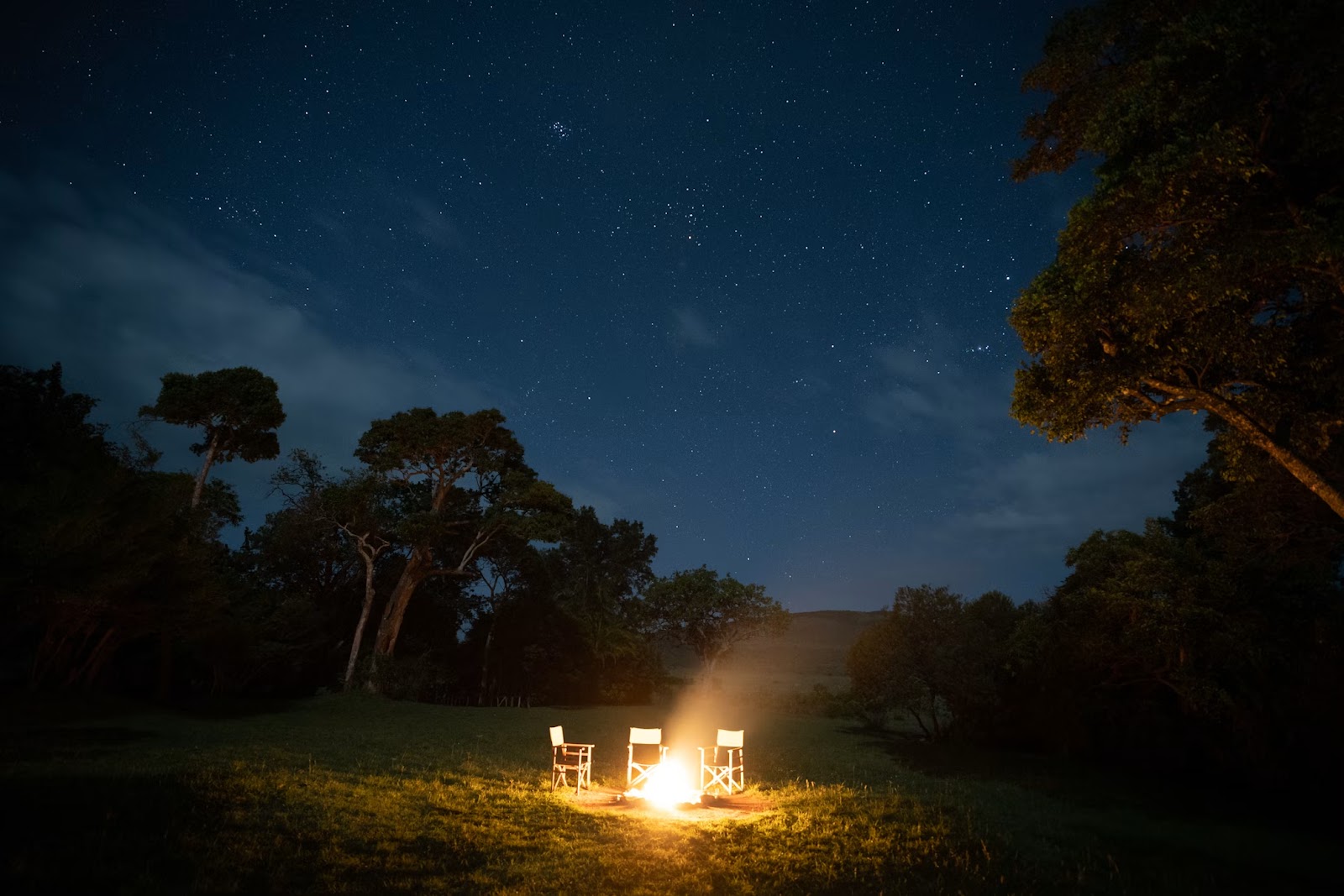
- Stargazing: with no towns nearby, the skies are among the darkest in Kenya.
How to Get to Namunyak Conservancy
Most visitors fly to Namunyak Conservancy, because by road the trip from Nairobi takes about eight hours.
By air
Private charters land at Namunyak airstrip, close to the camps. Scheduled light-aircraft flights from Nairobi’s Wilson Airport serve Kalama in Samburu, about 1.5 hours by road from the Sarara camps, and Lewa, about 3.5 hours. Small planes allow about 15 kg per person in soft bags, so read our safari luggage weight limits guide before you pack.
By road
Drive north from Nairobi through Nanyuki to Isiolo, then follow the Isiolo–Moyale highway for about three hours to Sereolipi. Reteti is about 19 km from Sereolipi. Reteti puts the full drive from Nairobi at about eight hours. A 4×4 with an experienced driver-guide is essential. Our Kenya safari from Nairobi guide explains road travel in more detail.
| Route | Time | Best for |
|---|---|---|
| Charter flight Wilson to Namunyak airstrip | About 1.5 to 2 hours (varies) | Short stays, comfort, maximum time in camp |
| Scheduled flight to Kalama + road transfer | Flight plus about 1.5 hours | Combining Samburu and the Mathews |
| Road via Isiolo and Sereolipi | About 8 hours | Road-trip safaris and lower cost |
🧭 Not Sure Whether to Fly or Drive?
Tell us your budget and time, and we will price both routes into the Mathews side by side.
💬 Compare Fly vs DriveNamunyak Conservancy Fees and Costs in 2026
Namunyak Conservancy does not publish a public gate fee; the conservancy fee is charged through your camp and is usually included in an all-inclusive rate.
This is normal for Kenya’s community conservancies. The fee is set by the community and the camp operator, and it changes from year to year. We confirm the exact amount in writing in your quote. Our guide to conservancy fees in Kenya explains how these fees work, and our Kenya national park entrance fees for 2026 cover the parks and reserves you may add.
| Cost item | What to expect | Where to check |
|---|---|---|
| Conservancy fee | Not published; charged through your camp | Confirmed in your written quote |
| Reteti visit | US$75 adult, US$50 child (international) | reteti.org |
| Sarara road transfers | Sarara publishes fees of US$450 from Kalama and US$550 from Lewa for up to four people | Sarara camp website |
| Samburu National Reserve (if added) | Separate county fee per day | Samburu County |
| Charter flights | Priced per plane or per seat | Quoted with your itinerary |
Expert tip from our Nairobi team: in remote conservancies, an all-inclusive rate with activities, drinks and transfers often works out simpler and better value than paying for each item separately. Ask us to compare both before you choose.
Best Time to Visit Namunyak Conservancy
The best time to visit Namunyak Conservancy is in the dry seasons, June to October and January to March, when elephants gather near water and the singing wells are busiest.
| Month | Weather | What it means for you |
|---|---|---|
| January–February | Hot and dry | Clear skies, active wells, great elephant viewing |
| March | Hot, rains may start late | Good value; landscape still dry |
| April–May | Long rains | Green hills and waterfalls; some tracks hard; fewer visitors |
| June–July | Cooler and dry | Ideal for long walks and hikes |
| August–October | Dry and warm | Animals close to water; peak season, book early |
| November | Short rains | Fresh grass and migrant birds; check camp opening dates |
| December | Drying out | Lush and quiet early; busy over Christmas |
Our Kenya weather by month guide has more detail on rainfall and temperatures across the country.
📅 Get a Free, No-Obligation Safari Quote
The Mathews camps are small, and the dry-season months fill early. Send us your dates and we will hold the options while you decide.
💬 Hold My Dry-Season Dates✉ Send Us Your Dates on WhatsApp
Namunyak Conservancy Rules and Safety
Namunyak Conservancy is community land, so the rules are about respect for people, their livestock and wildlife, as well as your own safety.
- Always go with a guide. Walks, drives and wells visits are led by camp or conservancy guides.
- Livestock have right of way. Slow down and give herds space.
- Ask before photographing people, and follow your guide’s advice on gifts and payments.
- No drones without prior permission; Kenya regulates drone use, and Reteti requires a film permit for filming.
- Keep your distance from elephants, especially mothers with calves.
- Never touch or feed animals, including at Reteti.
Travel in the north is best arranged with established camps and operators who know current conditions. Check the UK Foreign Office advice for Kenya before you book, and take insurance with emergency evacuation cover.
How Many Days Do You Need, and Where to Stay?
Plan at least three nights in Namunyak Conservancy, because the journey is long and the best moments, at the wells and Reteti, happen at dawn.
With three nights you can see the wells, visit Reteti, hike into the Mathews and still have time to sit by the waterhole. Many travellers add two nights in Samburu, Sera or Laikipia. Our guide to how many days you need for a Kenya safari helps you balance a full trip.
Where to stay in Namunyak Conservancy
Accommodation in Namunyak Conservancy is limited to a few small, high-end camps run by Sarara: Sarara Camp, Sarara Treehouses and exclusive-use Reteti House. Nearby, Kalepo Camp and Kitich Forest Camp sit in neighbouring Samburu conservancies. We compare them all in our guide to Mathews Range luxury camps.
🏕 Which Mathews Camp Fits You?
Tell us who is travelling and how you like to spend your days, and we will match you with the right camp.
💬 Help Me Choose a CampWhat to Pack for the Mathews
Pack light, neutral clothes for heat by day, a warm layer for cool mornings and good shoes for walking.
- Breathable long sleeves and trousers in khaki, green or brown.
- A fleece or light down jacket for dawn at the wells and nights in the hills.
- Broken-in walking shoes or light boots for riverbeds and forest trails.
- Swimwear for rock pools and camp pools.
- Hat, sunglasses, high-factor sunscreen and a head torch.
- Binoculars and a camera with a zoom lens.
- A soft duffel bag within the 15 kg charter allowance.
See our list of what not to bring on safari to avoid banned plastic bags and other common mistakes.
Combining Namunyak With Nearby Parks and Conservancies
Namunyak Conservancy pairs naturally with the Samburu reserves, the rhino conservancies of Sera and Laikipia, and the plains of Lewa further south.
- Samburu National Reserve: the Ewaso Nyiro river, big cats and the Samburu Special Five.
- Westgate and Kalama conservancies: community land next to the reserves, with walks and night drives.
- Sera Rhino Sanctuary: track black rhinos on foot with Samburu rangers.
- Lewa Wildlife Conservancy: rhinos, Grevy’s zebra and Mount Kenya views.
- Borana Conservancy: Laikipia hills, rhinos and horse riding.
Sample 3-Day Namunyak Conservancy Itinerary
This plan gives you the best of Namunyak Conservancy in three days, and works as the northern leg of a longer safari.
Day 1: Fly north and settle in
Fly from Wilson Airport to Namunyak airstrip, or to Kalama with a scenic road transfer. Lunch at camp, a rest in the heat, then an afternoon walk or drive and sundowners overlooking the waterhole.
Day 2: The singing wells and Reteti
Leave before dawn for the singing wells, if the season allows. Return for breakfast, then visit Reteti for a feed and a talk with the keepers. In the late afternoon, ride or walk in the foothills of the Mathews.
Day 3: Into the forest
Hike into the Mathews forest with a Samburu guide, looking for colobus, cycads and birds, and swim in a rock pool. Fly on to Samburu, Sera, Laikipia or the Masai Mara, or stay a fourth night.
For ready-made ideas, see our Northern Kenya Cultural Safari – Samburu and Laikipia (5 days) and the Samburu Cultural and Wildlife Experience (3 days). Both can be extended into the Mathews. Message us for a quote. We can also build a fully tailor-made private Kenya safari or a luxury Kenya safari around your dates.
Namunyak Conservancy FAQs
Where is Namunyak Conservancy in Kenya?
Namunyak Conservancy is in Samburu County, northern Kenya, surrounding the Mathews Range north of Wamba. Reteti, at its heart, lies about 19 km from Sereolipi on the Isiolo to Moyale road. Most visitors fly from Nairobi to Namunyak airstrip, or to Kalama with a road transfer of about 1.5 hours.
How big is Namunyak Conservancy?
Sarara, the camp company that works with the community, gives Namunyak Conservancy an area of about 850,000 acres, or roughly 3,440 square kilometres. That makes it one of the largest community conservancies in Kenya. It covers dry plains, sand rivers, rocky hills and the forested Mathews Range.
Who owns Namunyak Conservancy?
The Samburu community owns Namunyak Conservancy. It was set up in 1995 and is run by a Trust with a democratically elected Board of Trustees drawn from its different areas. It is a member of the Northern Rangelands Trust, and tourism fees and jobs go back to local Samburu families.
Can you visit Reteti Elephant Sanctuary?
Yes. Reteti is open seven days a week, but you must book at least 24 hours ahead. International visitors pay a minimum donation of US$75 per adult and US$50 per child under 15. The midday feed is open to all, and dawn and evening feeds are for Sarara guests.
What are the singing wells of Samburu?
In the dry season, Samburu herders stand in deep wells dug in sand rivers and pass water up by hand, singing songs their cattle recognise to call each herd to drink. Camps in Namunyak can take you to watch quietly at dawn, but visits depend on the season and the rains.
What animals live in Namunyak Conservancy?
Namunyak is known for elephants, which move between the Mathews Range and Mount Kenya. It also holds reticulated giraffe, gerenuk, greater kudu, impala, leopard, lion, African wild dog and colobus monkeys. Game is less dense than in the Mara, and black rhinos are no longer present.
What is the best time to visit Namunyak Conservancy?
The dry seasons, June to October and January to March, are best. Elephants stay near water and the singing wells are busiest. April, May and November bring rain, green hills and fewer visitors, but tracks can be hard going and some camps close for part of the year.
How many days should you spend in Namunyak?
Plan at least three nights. The journey is long, and the highlights, such as the singing wells, a Reteti feed and forest hikes, take place at dawn. Many travellers combine Namunyak with two nights in Samburu, Sera or Laikipia for big cats and rhinos.
🏕 Plan Your Namunyak Conservancy Safari With Sense of Adventure
Kenya-based experts. Real local knowledge. Transparent pricing.
We know northern Kenya’s community conservancies well. Tell us your dates and wish list, and we will plan your Mathews Range safari around the wells, Reteti and the right camp.
💬 Start My Namunyak Safari✉ Email Our TeamCall or WhatsApp: +254 799 160 081 · Email: reservations@senseofadventure.co.ke
💬 WhatsApp Us — Start Planning Today
Related Safari Guides
- › Mathews Range Luxury Camps
- › Sera Rhino Sanctuary Guide
- › Westgate and Kalama Conservancies Guide
- › Samburu National Reserve Guide
- › Northern Kenya Conservancy Lodges
Official travel & park resource: Kenya Wildlife Service ↗ · Conservancy: Namunyak Conservancy ↗ · Elephant sanctuary: Reteti ↗ · Community conservancies: Northern Rangelands Trust ↗ · Tourism: Magical Kenya ↗