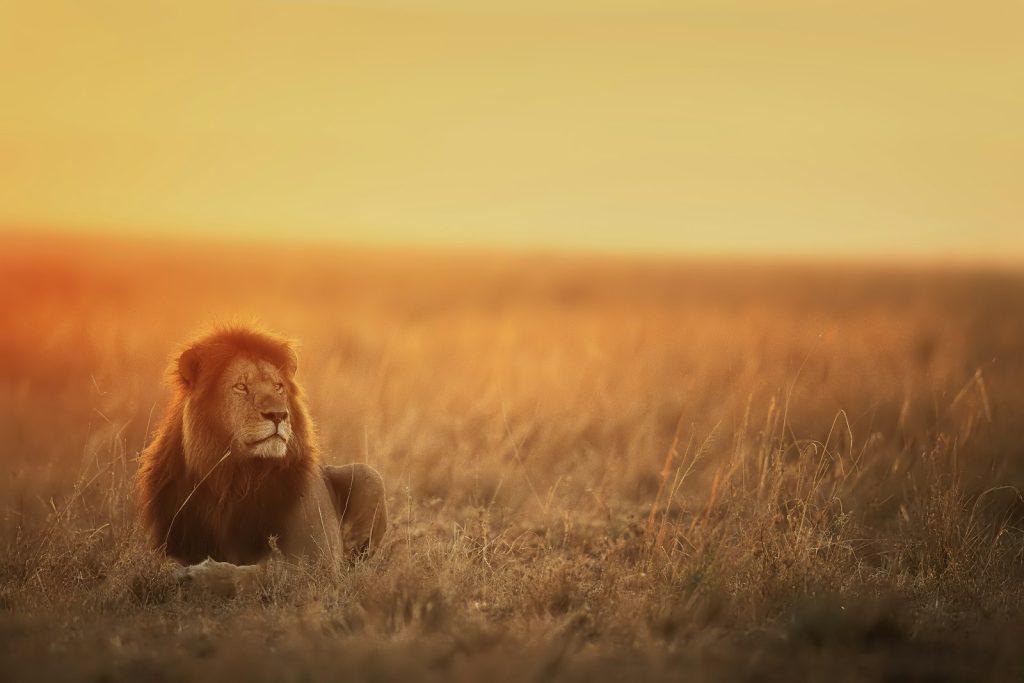
A photography safari Kenya 2027 trip is built around the light, not the clock. Instead of leaving camp when the group is ready, you leave when the sun is low, stay with a sighting until the animals have finished, and rest through the harsh hours in the middle of the day. Done well, it turns an ordinary safari into a portfolio. The rest of this guide explains how to plan it: the best months and light, how the vehicle should be set up, which lenses to bring, and which parks suit which subjects.
This guide is written by Sense of Adventure, a licensed Kenyan tour operator based in Nairobi that plans private safaris in pop-up roof Land Cruisers with your own driver-guide. You will find honest advice on timing, kit and costs, and links to our deeper photography guides wherever you want more detail.
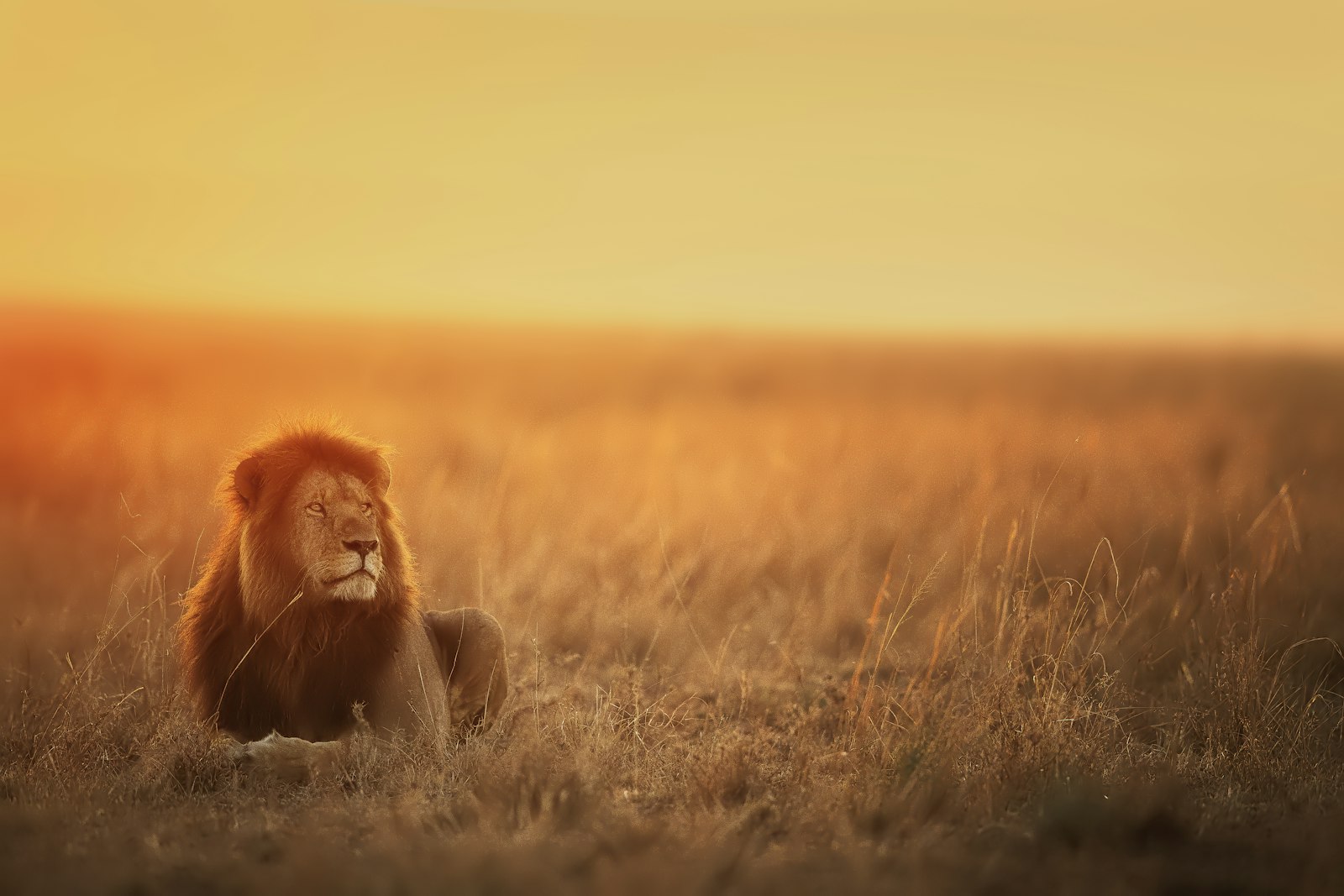
Quick answer: a photography safari in Kenya in 2027
- Best light: the first and last two hours of the day, all year. Kenya sits on the equator, so day length hardly changes and the golden hours fall at similar times in every month.
- Best months: July to October for the Great Migration and dry, clear air; January to February for green plains and newborn animals; June and November for quieter parks.
- Set-up: a private vehicle with a window for every guest, beanbag supports for long lenses, and a driver-guide who positions the vehicle for the light.
- Lenses: a 100-400 mm or 200-600 mm zoom for wildlife, a 24-70 mm for landscapes and a 70-200 mm for closer encounters.
- Parks: the Masai Mara for big cats and crossings, Amboseli for elephants under Kilimanjaro, and Samburu for rare northern species.
Planning a trip around your camera?
Tell us your kit, your dates and the animals you most want to photograph. We will shape a private photographic route around them.
Table of Contents
What Makes a Photography Safari Kenya 2027 Different?
A standard game drive is a compromise. Guests want breakfast, a late start and a look at everything. A photographic safari reverses the priorities: fewer sightings, held for longer, in better light. You choose a position, wait for the animal to settle or the herd to move, and work the scene from several angles.
That only works with the right set-up, and with a guide who understands what a lens sees. Our safari photography tips cover the technique, while this guide covers the planning that makes the technique possible. If you are comparing styles, our overview of the types of safari in Africa explains where a photographic trip fits.
- Time in the vehicle: early starts, a midday break and a long afternoon drive, so you are out when the light is best.
- Patience with each sighting: you stay with a pride, a cheetah or a herd until the behaviour you want arrives.
- Positioning: your guide places the vehicle with the sun behind you and a clear background in front.
- Flexibility: the timetable follows the animals and the weather, not a fixed programme.
Best Light and Months for a Photography Safari Kenya 2027
Light matters more than the month, and the good news is that the light is the same all year. On the equator the sun rises and sets quickly, so golden light lasts roughly an hour after sunrise and an hour before sunset. Midday light is hard and flat, which is why a photographic day has a long break in the middle.
The month changes the subjects, the dust and the crowds. Here is how 2027 looks month by month.
| 2027 months | What you can photograph | Photographer’s notes |
|---|---|---|
| January to February | Newborn animals, green plains and big cats on open ground. | Warm, mostly dry and quieter in the Mara. Dramatic storm skies appear late in February. |
| March to May | Lush landscapes, moody skies and fewer vehicles. Easter Sunday falls on 28 March 2027. | The long rains. Muddy tracks and cloud, but rich colour and some of the cheapest rates. |
| June | Drying plains, early migration herds near the Mara and good big cat light. | A quiet month, with the lower Mara fee still in force. |
| July to October | The Great Migration and Mara River crossings, plus predators following the herds. | Dry, clear and dusty. The busiest and most expensive months. Book early. |
| November | Dramatic cloud, rainbows and fewer vehicles. | The short rains. Showers are usually brief. |
| December | Green landscapes and festive-season sightings. | Warm and busy over Christmas and New Year, so book early. |
If you want one answer, choose July to October for the migration and the clearest air, or late January to February for green backdrops with fewer vehicles. For month-by-month detail, see Kenya weather by month and our Great Migration 2027 guide.

Not sure which month suits your subjects?
Tell us whether you want crossings, cats, elephants or landscapes. We will suggest the month and the park that fit your pictures.
Vehicle Set-Up for a Photography Safari Kenya 2027
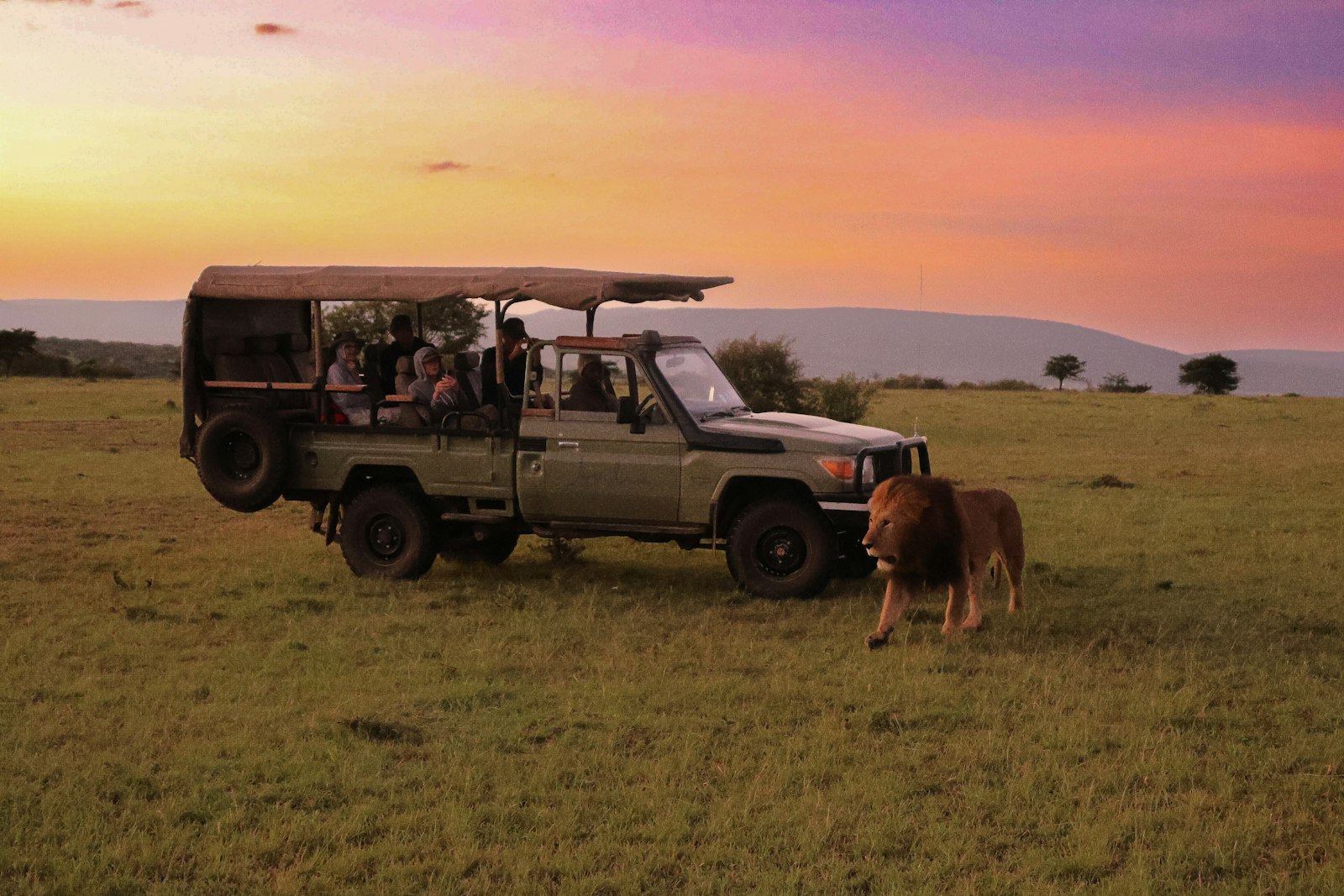
The vehicle is your tripod, your hide and your office, so it deserves as much thought as the camera. On a private photographic safari you travel in a Land Cruiser with a pop-up roof, reclining seats and charging ports, and the vehicle is yours alone.
- A window for every guest: in a private vehicle there is no seat rotation and no one leaning across your frame. Our guide to the window seat guarantee explains how seating works.
- Beanbags rather than tripods: a tripod does not work inside a vehicle. Rest a beanbag on the window frame or roof edge to steady a long lens.
- Charging ports: charge batteries during the midday break and again at night.
- A driver-guide who shoots with you in mind: the guide switches off the engine, positions the vehicle for the light and keeps a respectful distance.
- Space: with two guests in a vehicle that seats more, each person can spread kit across a free row.
Tell us in your enquiry what you are bringing, and we confirm the vehicle set-up in your written quote. For more detail on seating and sharing, read our private Kenya safari page.
Want the vehicle set up for your kit?
Share your lenses and how many photographers are travelling. We will confirm the seating and supports in your written quote.
Lenses and Kit for a Photography Safari Kenya 2027
You do not need a professional bag, but the right lens makes a big difference. Most wildlife is photographed from a respectful distance, because your guide never crowds an animal, so reach matters.
| Lens | Best for | Notes |
|---|---|---|
| 100-400 mm or 200-600 mm zoom | Most wildlife, birds and distant cats. | The workhorse lens. Rest it on a beanbag. |
| 70-200 mm | Closer encounters, elephants and low light. | A fast aperture helps at dawn and dusk. |
| 24-70 mm | Landscapes, camp scenes and elephants close to the vehicle. | Keep it ready on a second body. |
| Teleconverter | Extra reach for birds and distant animals. | It costs light, so use it in good light. |
Bring two camera bodies if you can, so you never change lenses in dust. Pack spare batteries, plenty of memory cards, a blower brush, microfibre cloths and a rain cover. Take a laptop or drive to back up pictures each night. Our camera gear and lens checklist goes through each item. Drones are tightly restricted in Kenya’s parks, so ask us before you pack one.
Binoculars are worth carrying too, because they help you scan for animals before you lift the camera. Keep your camera gear in your hand luggage, and remember that bush flights usually limit you to a soft bag within a set weight limit, which we confirm for your flights. Our safari duffel bag guide shows how to pack within the limit.
Best Parks for a Photography Safari Kenya 2027
Each park gives a different kind of picture. Choose one for a short trip and two or three for a longer one. Our overview of the best parks for photography in Kenya compares them in more detail.
- Masai Mara: big cats, open plains, golden light on clear mornings and, from July to October, the Great Migration. Our Masai Mara photography guide has the settings and the positions. The reserve fee is USD 100 per adult per day from January to June and USD 200 from July to December; children aged 9 to 17 pay USD 50, children aged 8 and under are free, and payment is cashless. We confirm the 2027 rate in your quote.
- Amboseli: large elephant herds, swamps and Kilimanjaro on the horizon. The mountain is usually at its clearest around sunrise. See our Kilimanjaro view from Amboseli guide, and read about the Amboseli National Park.
- Samburu: dry northern scenery and rare species such as Grevy’s zebra, gerenuk and reticulated giraffe. Read about the Samburu Special Five and the best time to visit Samburu.
A strong first photographic trip pairs the Mara with Amboseli, because the contrast between plains and mountain gives you very different portfolios. Samburu suits a second visit, once you know what you like to shoot.
Private Safari or Photography Workshop?
There are two broad ways to arrange a photographic trip. A workshop is a group with a set schedule and a tutor, usually at fixed dates. A private photographic safari is your own vehicle, driver-guide and timetable, built around the people in your vehicle. The right choice depends on what you want to learn and how much control you need.
| Group workshop | Private photographic safari | |
|---|---|---|
| Dates | Fixed by the organiser. | Yours to choose. |
| Pace | Set for the whole group. | Set by you and the light. |
| Instruction | A tutor is usually part of the plan. | Your guide helps with positioning and keeps the vehicle where the light is best. |
| Vehicle | Shared with the group. | Your own vehicle. |
| Best for | Learners who want structure and company. | Couples, families, friends and experienced photographers. |
Sense of Adventure plans private photographic safaris: your own vehicle, your own driver-guide and a timetable shaped around your dates, your kit and the light. Tell us in your enquiry which animals and landscapes you most want to photograph, and we build the route, the pace and the camps around them.
Want a private photographic route?
Tell us how much freedom you want and what you hope to photograph. We will shape a private route around it and send a written quote.
Photography Safari Kenya 2027 Trips and Starting Prices
These are real Sense of Adventure trips designed around photography, with the starting price shown on each trip page in US dollars per person. Your written quote confirms the price for your dates, including park fees and any peak-season supplement.
- Amboseli Elephant Photographic Safari (4 days): elephant herds against Kilimanjaro. From USD 1,800.
- Photographic Safari, Masai Mara and Great Rift (6 days): dawn-to-dusk flexibility with expert guides. From USD 2,200.
- Great Migration Photographic Safari, Masai Mara (5 days): timed for the river crossings. From USD 2,400.
- Big Cats Photographic Safari, Masai Mara (6 days): lions, cheetahs and leopards. From USD 2,600.
You can also browse our photographic safaris page for the full range. Migration months cost more than the rest of the year, and your quote shows the exact figure for your dates. If you are travelling from Europe, our guide to a photography safari for camera clubs is a useful companion.
Want a photographic route with prices?
Share your month, your kit and your group size. We will suggest a route and send a written quote in Midrange 3* and Standard Luxury 4*.
Ask About Photo Trips Email My Camera KitWhen to Book Your Photography Safari Kenya 2027
Photographers want the best positions and the best camps, and so does everyone else. Book 9 to 12 months ahead for July to October and for Christmas and New Year 2027, and 4 to 6 months ahead for other months. A longer lead time also gives you a better choice of small camps with early breakfasts and charging points.
A deposit holds your vehicle and camps, and we confirm all terms in writing before you pay. Our guide to how far in advance to book a Kenya safari explains the order of bookings in more detail.
Reserve your light and your camps
Camps with the best positions fill first. Ask for a written quote and we will confirm availability for your dates.
Entry Rules and Paperwork
Most visitors need an approved Kenya eTA, applied for only on the official portal at etakenya.go.ke. Kenya’s mandatory travel health insurance costs USD 44 per traveller, and each child needs their own policy. A home policy cannot be uploaded or used instead, but keep your own insurance for cancellation and wider cover, and for the value of your camera equipment. See our Kenya mandatory travel insurance guide.
Every Sense of Adventure trip includes AMREF Flying Doctors evacuation cover, explained on our emergency evacuation cover page. Before you book, we brief you on the current official travel advice for your route and confirm every detail in writing. For park rules and fees, the Kenya Wildlife Service is the official source.
Photography Safari Kenya 2027: FAQs
When is the best time for a photography safari in Kenya in 2027?
July to October gives the Great Migration and dry, clear air. January to February gives green plains and newborn animals with fewer vehicles. The light is equally good in every month.
What time is the best light on a Kenya safari?
The first and last two hours of the day. Kenya is on the equator, so sunrise and sunset times hardly change through the year, and midday light is hard.
Which lens is best for safari photography?
A 100-400 mm or 200-600 mm zoom is the most useful wildlife lens. Add a 24-70 mm for landscapes and a 70-200 mm for closer subjects.
Do I need a tripod on safari?
No. A tripod does not work inside a vehicle. Use a beanbag on the window frame or roof edge to steady a long lens.
Is a private safari better than a photography workshop?
A private safari gives you your own dates, vehicle and pace. A workshop gives you structure, a tutor and company. Choose by how much you want to learn and how much control you want.
Which park is best for wildlife photography in Kenya?
The Masai Mara is best for big cats and migration crossings, Amboseli for elephants under Kilimanjaro, and Samburu for rare northern species.
How much does a photographic safari in Kenya cost?
Our photographic trips start from USD 1,800 per person for four days in Amboseli and from USD 2,600 for six days in the Masai Mara. Your written quote confirms the price for your dates.
What do I need to enter Kenya in 2027?
Most visitors need an approved Kenya eTA from the official portal and Kenya’s mandatory travel health insurance, which costs USD 44 per traveller. Each child needs their own policy, and a home policy cannot be used instead.
Your Photographic Safari Starts Here
Tell us your kit and your dates and we will plan a private photographic safari, with a written quote in Midrange 3* and Standard Luxury 4*. Escape. Explore. Discover.
Chat About My Photo Safari Email My Photo BriefWant more background before you decide? Magical Kenya, the official Kenya tourism site, covers the parks and the rest of the country.