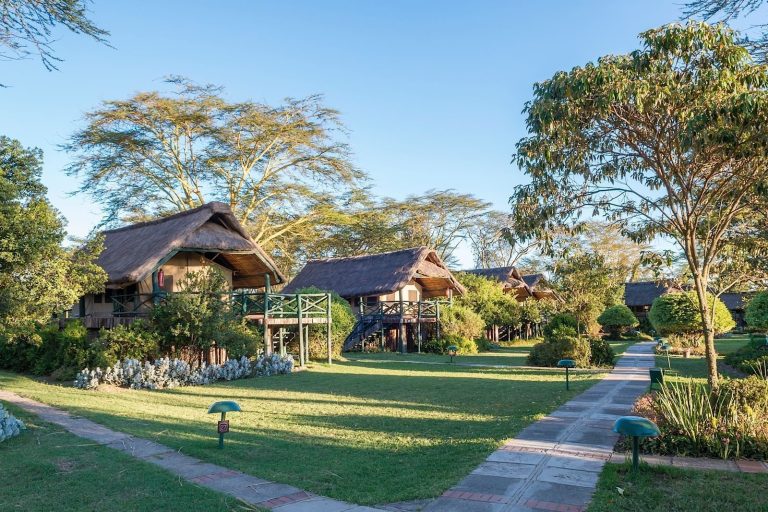

Single supplement safari Kenya is the fee that catches solo travelers off guard mid-booking, tacked onto a rate that was quoted as if two people were sharing the tent. Safari camps are small businesses, often just eight to twelve tents in total, and every one of those tents carries the same fixed cost whether one guest sleeps in it or two: staff, food, park fees, fuel for the generator, laundry. When only one person is paying instead of two, that fixed cost has to land somewhere, and it lands on you. Sense of Adventure quotes this honestly upfront rather than surprising solo guests with it after they have already picked a camp.
Get an Honest Solo Safari Quote
Message us your dates and we will show you the exact single supplement, or find you a camp waiving it.
Why the Single Supplement Exists on a Kenya Safari
A camp with 8 to 12 tents sets its nightly rate assuming double occupancy, since that is how the fixed costs of staff, food and fuel actually get covered. A solo traveler occupying that same tent alone still uses the same generator power and the same staff-to-guest ratio, so the camp adds a supplement, typically 25 to 75 percent of the per-person double rate, to cover the gap. It is not a penalty for traveling alone; it is the mathematics of a small operation with fixed costs per tent rather than per guest.

I almost cancelled my whole trip when I saw the single supplement line item, assuming I was being overcharged for traveling alone. Once our guide explained it was the same math for every solo guest at every small camp, and then found me two nights at a property that waives it entirely in green season, it stopped feeling like a penalty.
— Sense of Adventure guest, solo Kenya safari
5 Ways to Handle the Single Supplement
1. Travel in the Green Season — supplements shrink when tents sit empty
During the quieter green and shoulder seasons, camps that would otherwise have empty tents often reduce or waive the single supplement entirely, since filling any tent, even at a lower rate, beats leaving it empty.
2. Choose Camps With Year-Round Waivers
A number of camps in Samburu and around Mount Kenya waive the single supplement entirely during specific windows each year, a saving that can reach a third or more off the standard solo rate.
3. Join a Small-Group Scheduled Tour Instead
Group joining safaris on fixed departures often carry no single supplement at all, since they are structured around individual seats rather than double-occupancy tents, making them the most straightforward way to avoid the fee entirely.
4. Accept It as the Cost of a Private Safari
A solo traveler booking a fully private safari is, in effect, paying for exclusive use of a vehicle designed for more than one person, so the supplement is simply the honest price of that flexibility rather than a hidden fee.
5. Ask Before You Book, Not After
The single supplement is not always advertised clearly upfront, so asking for the exact solo rate before committing to a camp avoids the unpleasant surprise of discovering it only once a quote arrives.
We Will Find You the Best Solo Rate
Message us your travel dates and we will match you with camps offering the lowest single supplement available.

Single Supplement Safari Kenya: Quick Reference
- Typical range: 25 to 75 percent of the per-person double rate.
- Why it exists: small camps of 8-12 tents price rates on double occupancy, not per guest.
- Cheapest workaround: a group joining safari, which is generally structured with no single supplement.
- Seasonal reduction: green and shoulder season travel often shrinks or removes the fee entirely.
- Waiver camps: some Samburu and Mount Kenya properties waive it entirely during set windows.
- Always ask upfront: confirm the exact solo rate before booking, not after receiving the invoice.
Planning the Rest of Your Solo Trip
The single supplement is only one part of solo safari planning. Our Solo Safari Kenya guide covers safety, itinerary pacing and everything else worth knowing before you travel alone. If you want to skip the road time entirely, our Fly-in Masai Mara Luxury Safari (4 Days) is a popular solo pick that keeps transfer days short.
Solo Does Not Mean Overpaying
Message us today and we will find the fairest single supplement rate for your Kenya safari dates.
Frequently Asked Questions
What is a single supplement on a Kenya safari?
A single supplement is an extra fee charged to solo travelers booking a tent priced for double occupancy, typically 25 to 75 percent of the per-person shared rate, since small safari camps price rooms assuming two guests share the fixed costs.
How can I avoid the single supplement in Kenya?
The most reliable way to avoid a single supplement is booking a group joining safari, which is structured around individual seats rather than shared tents. Traveling in green season or choosing a camp with a seasonal waiver also reduces or removes it.
Is the single supplement the same at every camp?
No, the single supplement varies significantly by camp and season, ranging from 25 percent up to 75 percent of the double rate, and some properties waive it entirely during specific windows each year, so it is always worth confirming before booking.
Do all solo travelers pay a single supplement in Kenya?
Not necessarily. Solo travelers booking a group joining safari generally avoid the single supplement entirely, since those trips are priced per seat rather than per tent. It typically only applies to solo travelers booking a private, double-occupancy-priced tent.
Why do small safari camps charge more for solo travelers?
Small safari camps of 8 to 12 tents have fixed costs, staff, food, fuel and park fees, that apply per tent rather than per guest. A solo traveler occupying a tent alone still uses the same resources as two guests would, so the rate reflects that fixed cost.