A Tsavo bucket list covers two huge parks, Tsavo East and Tsavo West, and some of the most unusual sights in Kenya: hippos seen through underwater glass at Mzima Springs, a black lava flow named after the devil, black rhinos in a guarded sanctuary and a quiet border lake beneath Kilimanjaro. Together the two parks cover more than 20,000 square kilometres, so a little planning goes a long way.
Picture a morning watching red-dusted elephants at a waterhole, a midday walk across cooled lava, and an evening on a lodge terrace as the plains turn gold. Sense of Adventure builds Tsavo trips from Nairobi and the coast every month, and this guide sets out the ten experiences we would put on any Tsavo bucket list, with honest advice on timing, routes and costs.
✅ Tsavo Bucket List: Quick Answer
- Top sights: Mzima Springs, the Shetani lava flow, Ngulia Rhino Sanctuary, Lake Jipe and Chaimu Crater in Tsavo West; Aruba Dam, Lugard Falls, Mudanda Rock and the Yatta Plateau in Tsavo East.
- Days needed: 3 to 4 days to cover both parks without rushing; 2 days for one park.
- Best time: the dry months, roughly June to October and January to February, when wildlife gathers at water.
- Park fees: USD 80 per non-resident adult per 24 hours, charged separately for each park.
- Easy access: both parks sit along the Nairobi to Mombasa road and railway, so Tsavo pairs well with a beach stay.
Know which Tsavo sights you want? Tell us and we will map them into a realistic route.
Shortlist My Tsavo SightsWhy a Tsavo Bucket List Rewards More Than Driving
Tsavo East and West between them hold some of Kenya’s strangest and most memorable sights beyond the wildlife itself: spring-fed pools you can watch from underwater, a solidified lava field named for the devil, and a border lake shared with Tanzania. Splitting your time between game drives and these features turns a Tsavo trip into something closer to an expedition than a checklist safari.
The other reason a Tsavo bucket list works so well is space. Tsavo sees far fewer vehicles than the Masai Mara, so you often have a sighting, a viewpoint or a lava cave to yourself. That quiet is part of the appeal, and it lets you set your own pace rather than following a convoy.
10 Things to Do in Tsavo Beyond the Game Drive
Mzima Springs Underwater Viewing: watch hippos and fish through a glass chamber
A partially submerged viewing chamber at Mzima Springs, Tsavo West, lets you watch hippos and barbel fish move underwater in crystal-clear, lava-filtered spring water. See our full Mzima Springs guide.
Shetani Lava Flow & Caves: a black field of solidified lava around 200 years old
Named “Shetani” (devil, in Swahili) after local folklore, this vast black lava field in western Tsavo West includes caves formed by molten rock, where bats and small antelope now shelter. Bring a proper torch if you explore inside, and only enter with your guide.
Lake Jipe on the Tanzania Border: papyrus, birdlife and Kilimanjaro views
Lake Jipe, straddling the Kenya-Tanzania border at the southern edge of Tsavo West, is fringed with papyrus and alive with waterbirds. Where local boat or canoe outings are running, they offer a very different pace from a vehicle game drive; we confirm availability before you travel.
Taita Cultural Visit: beadwork, crafts and community folklore
Visits to Taita communities near the park offer insight into traditional life close to a wildlife-rich landscape. Some camps arrange visits where community elders share local folklore and craft traditions directly.
Ngulia Rhino Sanctuary Visit: see Tsavo’s conservation comeback up close
A dedicated visit to the fenced Ngulia Rhino Sanctuary gives you a chance to see black rhinos, one of Kenya’s hardest-won conservation recoveries. See our Tsavo rhinos guide for the full story.
Aruba Dam & Yatta Plateau: Tsavo East’s dry-season wildlife magnet
Aruba Dam draws concentrated wildlife in the dry months, while the long, flat-topped Yatta Plateau, often described as one of the world’s longest lava flows, forms a striking backdrop to game drives along the Galana and Athi rivers.
Lugard Falls & the Galana River: rapids, not a waterfall in the classic sense
A set of narrow rock rapids on the Galana River rather than a true waterfall, Lugard Falls is a scenic, easily reached stop worth combining with riverside game viewing. Look out for crocodiles in the calmer pools downstream.
Chaimu Crater Short Hike: a walkable volcanic cone in Tsavo West
A short trail up this volcanic cinder cone gives sweeping views over Tsavo West’s scrubland. It is one of the few places in either park where visitors may leave the vehicle for a brief walk; check conditions with your guide or the rangers first, as wildlife moves freely here.
Predator-Focused Dawn & Dusk Drives: timing your search around big cat activity
Early morning and evening drives give the best odds of finding Tsavo’s elusive leopards and cheetahs. See our big cats of Tsavo guide for where to look.
Simply Sitting With the Scale of It: the most underrated item on this list
Time at a hilltop lodge or waterhole-facing camp with nothing scheduled lets Tsavo’s sheer size sink in. It is a quieter, equally valid Tsavo bucket list item alongside the more active ones.
Tsavo Bucket List Highlights in More Detail
The ten cards above give the short version. Here is what each of the headline stops is really like on the ground, so you can decide which ones belong on your own Tsavo bucket list and which you can happily skip.
Mzima Springs: the Tsavo bucket list classic
Mzima Springs is fed by rain that falls on the Chyulu Hills and filters underground through porous volcanic rock before bubbling up as clear pools. The water is so clean that a pipeline carries part of it to Mombasa. A short nature trail leads past palms and fig trees to the underwater observation tank.
On a Tsavo bucket list, Mzima is the stop many guests rate highest. Hippos are easiest to see from the banks, and they often drift past the glass. Crocodiles, monkeys and many birds share the pools. Go in the morning, when the light is good and the animals are active, and allow at least an hour so you are not rushed.
Shetani lava flow and caves
The Shetani lava flow is a sharp, black tongue of basalt spilling down from the Chyulu Hills into Tsavo West. Local accounts link its eruption to a time within living memory of the communities nearby, and it is usually dated to around two hundred years ago. Its name reflects the fear the fiery eruption caused.
You can walk a short way onto the flow to feel its jagged texture underfoot, and nearby caves were formed when lava drained from beneath a hardened crust. Wear sturdy shoes, carry water and a torch, and go with a guide. The rock heats up fast, so early or late in the day is far more comfortable.
Ngulia Rhino Sanctuary
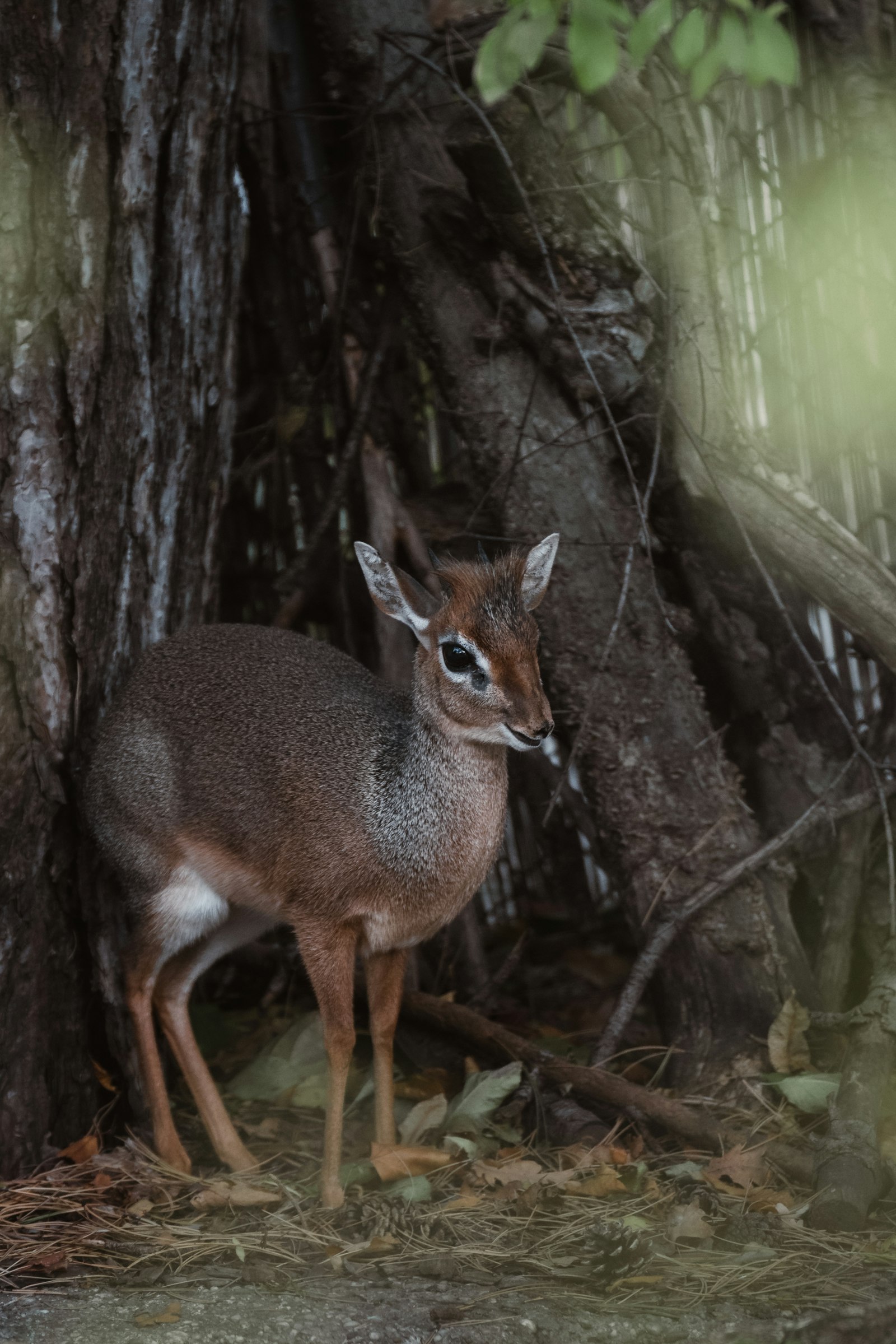
The Ngulia Rhino Sanctuary sits at the foot of the Ngulia Hills in Tsavo West and protects black rhinos behind fencing and constant patrols. Sightings are never guaranteed, as rhinos browse in thick bush, but late afternoon visits to the waterholes give you the best chance. Your guide will know which areas have been productive recently.
Lake Jipe, Lugard Falls and the rivers
Lake Jipe feels remote, with papyrus beds, hippos and big skies, and on a clear morning Kilimanjaro rises behind it. In Tsavo East, Lugard Falls and the Galana River offer a contrasting scene of churning water through rock channels, with doum palms along the banks and elephants often crossing in the afternoon.
Bonus Stops to Add to Your Tsavo Bucket List
If you have an extra half-day, these lesser-known stops round out a Tsavo bucket list and help you understand the parks’ history and conservation story.
- Mudanda Rock, Tsavo East: a long rock outcrop that collects rainwater in a natural dam below, drawing elephants in the dry season. You can climb up for a view over the pool.
- Roaring Rocks and Poacher’s Lookout, Tsavo West: high viewpoints with wide views across the plains, ideal for a picnic stop between drives.
- Sheldrick orphans near Voi: the Sheldrick Wildlife Trust runs a reintegration unit in Tsavo East for orphaned elephants; read our Sheldrick elephant orphans guide before you go.
- The man-eaters story: in 1898 two lions killed railway workers building the Tsavo River bridge. Our Ghost and the Darkness true story covers what really happened.
Tsavo East or Tsavo West: Which Park for Which Experience?
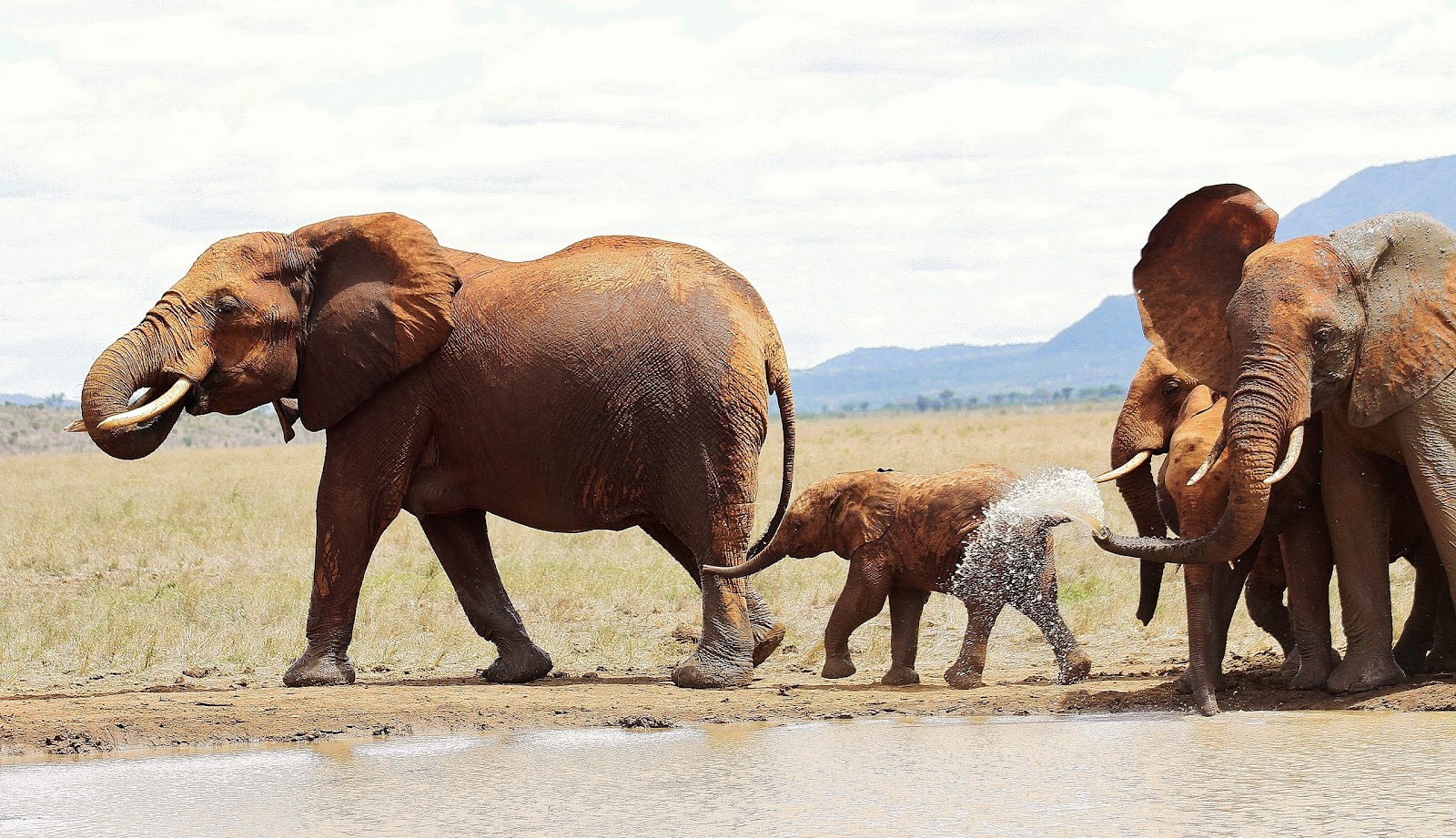
The most important decision on any Tsavo bucket list is how to split your time between the two parks, which are separated by the Nairobi to Mombasa road and railway. Tsavo West is hilly, volcanic and varied. Tsavo East is flatter and more open, with big elephant herds and long views.
| Experience | Park | Best for |
|---|---|---|
| Mzima Springs | Tsavo West | Hippos, families, photographers |
| Shetani lava flow and caves | Tsavo West | Geology fans, short walks |
| Ngulia Rhino Sanctuary | Tsavo West | Black rhino seekers |
| Lake Jipe | Tsavo West (south) | Birders, travellers wanting solitude |
| Aruba Dam and Yatta Plateau | Tsavo East | Big elephant herds, dry-season drives |
| Lugard Falls and Mudanda Rock | Tsavo East | Scenery, easy stops on a day trip |
If you only have time for one park on your Tsavo bucket list, choose Tsavo West for variety and Tsavo East for open-plain elephants and easy access from the coast. Most travellers with three or more days do both, entering one park from the main road and leaving through the other.
Where to stay for your Tsavo bucket list
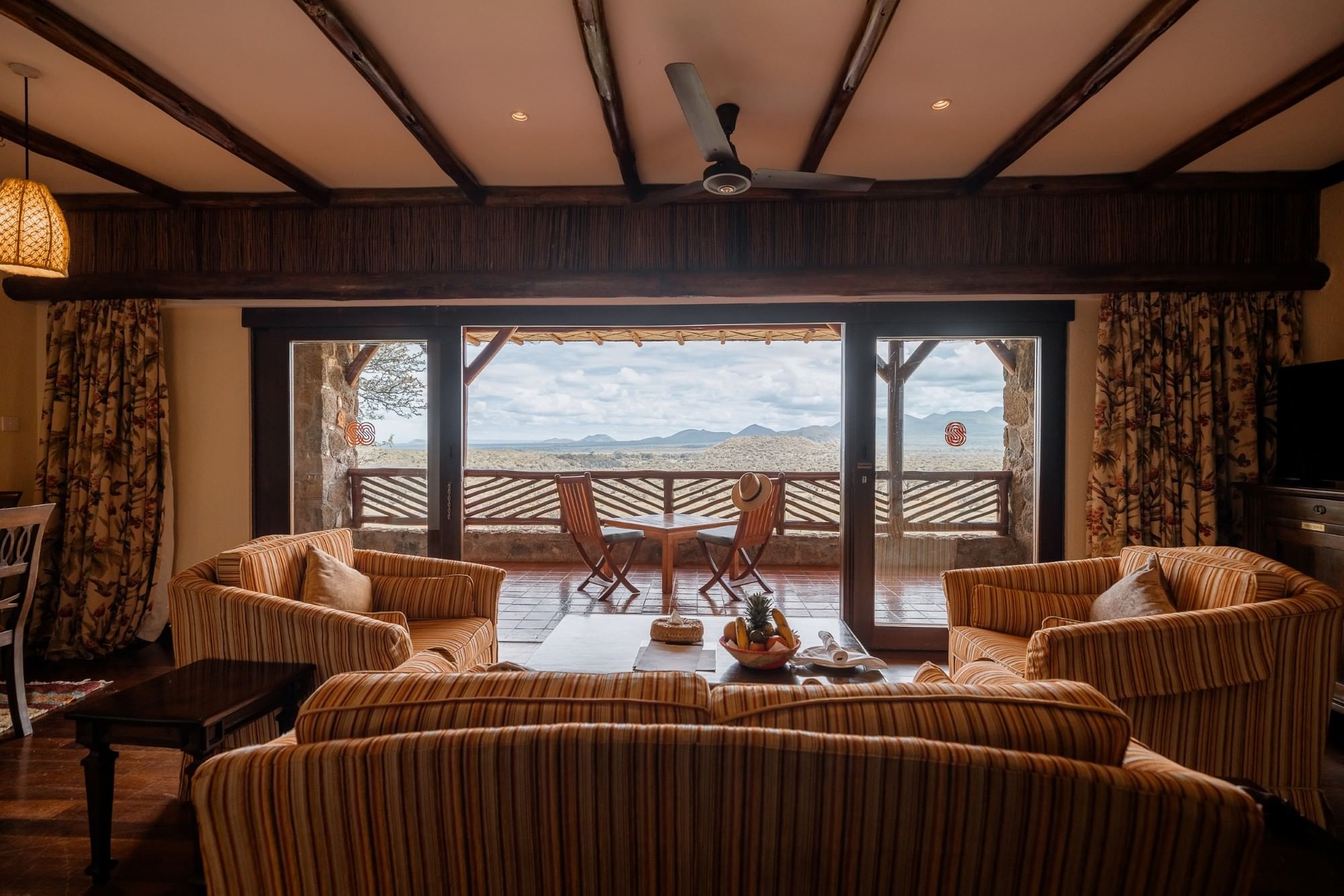
Choosing a base close to the sights you want saves hours of driving. In Tsavo West, Kilaguni Serena Safari Lodge overlooks a busy waterhole and is close to Mzima Springs, while Finch Hattons offers a luxury tented stay. In Tsavo East, Satao Camp and Ashnil Aruba Lodge put you near Aruba Dam.
For more choice, see our guides to Tsavo West luxury lodges and Tsavo East luxury camps. If you prefer canvas under the stars, our camping in Tsavo guide covers the public campsites.
Not Sure Which Park or Lodge Fits Your List?
Send us the Tsavo sights you care about most and your budget. We will suggest the lodge that puts them within easy reach.
Best Time to Tick Off Your Tsavo Bucket List
Tsavo is open all year, but the season changes which Tsavo bucket list sights are at their best and how easy the tracks are. In the dry months, animals gather at rivers, springs and dams, and vegetation thins, so sightings are easier. In the rains the parks turn green, birdlife peaks and visitor numbers drop.
| Months | Season | What it means for your trip |
|---|---|---|
| June to October | Long dry season | Best game viewing; elephants at Aruba Dam and Mudanda Rock |
| November to December | Short rains | Green scenery, migrant birds, brief afternoon showers |
| January to February | Short dry spell | Hot, good viewing, quieter than mid-year |
| March to May | Long rains | Lush and peaceful; some tracks muddy, lava walks less pleasant |
Whatever the month, the heat matters on a Tsavo bucket list. Plan lava walks, crater climbs and long drives for the cooler early mornings and late afternoons, and keep midday for lunch, a swim or a rest at the lodge.
Getting There and How Many Days You Need
Both parks are easy to reach. The main Nairobi to Mombasa road runs between them, and the Madaraka Express train stops at Mtito Andei and Voi, close to the main gates. From Nairobi, the drive to Tsavo West’s Mtito Andei Gate takes most of a morning; from Mombasa or Diani, Tsavo East’s Voi Gate is a shorter run.
For a full Tsavo bucket list, three to four days is ideal. Two days lets you cover one park well, and a single day from the coast gives a good taste of Tsavo East. Our how many days in Tsavo guide sets out sample itineraries in more detail.
A sample 3-day Tsavo bucket list route
- Day 1: enter Tsavo West at Mtito Andei, visit Mzima Springs in the afternoon and watch the waterhole from your lodge.
- Day 2: morning walk at the Shetani lava flow, Chaimu Crater and Roaring Rocks, then an afternoon drive to the Ngulia Rhino Sanctuary.
- Day 3: cross to Tsavo East for Aruba Dam, Mudanda Rock and Lugard Falls, then continue to the coast or back towards Nairobi.
What a Tsavo Bucket List Safari Costs
Park fees are the fixed cost on every Tsavo bucket list. According to our Tsavo National Park entrance fees guide, non-resident adults pay USD 80 and children aged 3 to 17 pay USD 40 per 24 hours, and Tsavo East and Tsavo West are charged separately. Fees are paid electronically, and on our packages they are already included.
Our ready-made Tsavo trips give a good guide to the overall budget for a Tsavo bucket list. The Tsavo East day trip from Mombasa is listed from USD 230, the 2-day Tsavo safari from Mombasa from USD 420, and the Tsavo and Amboseli safari from USD 1,050. Private trips and luxury lodges cost more, and we quote each one in writing.
Get a Written Price for Your Tsavo Route
Tell us whether you are starting from Nairobi or the coast, your dates and the sights you want. We will send a quote with park fees already built in.
Request My Tsavo QuoteTsavo Bucket List at a Glance
- Mzima Springs: underwater viewing chamber for hippos and fish in lava-filtered spring water, Tsavo West.
- Shetani Lava Flow: a lava field around 200 years old with explorable caves, Tsavo West.
- Lake Jipe: a Kenya-Tanzania border lake with papyrus swamps and rich birdlife.
- Yatta Plateau: often described as one of the world’s longest lava flows, running through Tsavo East.
- Chaimu Crater: one of the few spots in either park with a short walking trail.
- Ngulia Rhino Sanctuary: a protected area for black rhinos in Tsavo West.
7 Practical Tips for Your Tsavo Bucket List
- Start early: every Tsavo bucket list day goes better with a dawn start; the park heats up quickly, and animals are most active in the first hours of daylight.
- Pack for dust: the red soil gets everywhere, so bring a scarf, a camera cover and spare lens cloths.
- Wear proper shoes: lava rock is sharp, and sandals are no good at Shetani or Chaimu.
- Carry a torch: you will need one for the lava caves and for walking around camp at night.
- Drink plenty of water: the dry heat dehydrates you faster than you expect.
- Follow your guide: only leave the vehicle at approved sites, and keep a safe distance from all wildlife.
- Be patient with cats: lions, leopards and cheetahs are shyer in Tsavo’s thick bush, so treat every sighting as a bonus.
For official park information, see the Kenya Wildlife Service, and for wider trip ideas visit Magical Kenya, the Kenya Tourism Board’s site.
Build the Complete Trip
Combine your Tsavo bucket list with our Tsavo East attractions guide and Tsavo West attractions guide for the full picture of what each half of the park offers.
If you are still deciding between parks, our Tsavo vs Masai Mara comparison will help. When you are ready to book, see our Tsavo safari options, a private Kenya safari or a Kenya safari from Nairobi.
Turn Your Tsavo Bucket List Into a Real Trip
From the Mzima Springs glass tank to the Ngulia rhinos, our Nairobi team will plan a Tsavo route that fits your dates, pace and budget, with park fees included.
Frequently Asked Questions
What should be on a Tsavo bucket list?
A good Tsavo bucket list includes Mzima Springs, the Shetani lava flow and caves, the Ngulia Rhino Sanctuary and Chaimu Crater in Tsavo West, plus Aruba Dam, Lugard Falls, Mudanda Rock and the Yatta Plateau in Tsavo East. Add a cultural visit and unhurried time at a waterhole lodge.
What is Mzima Springs known for?
Mzima Springs in Tsavo West is known for its partially submerged glass viewing chamber, where you can watch hippos and fish underwater. The springs are fed by rain from the Chyulu Hills that filters through volcanic rock, producing crystal-clear pools, and part of the water is piped to Mombasa.
What is the Shetani lava flow?
The Shetani lava flow is a field of black, solidified lava in western Tsavo West, usually dated to around 200 years ago. Its name means devil in Swahili, after local folklore about the eruption. You can walk a short way onto the rock and, with a guide, visit nearby lava caves.
Can you do a canoe safari in Tsavo?
Lake Jipe, on the Kenya-Tanzania border at the southern edge of Tsavo West, is the place for time on the water. Local boat or canoe outings through papyrus and open water are sometimes available, depending on water levels and operators, so we confirm what is running before your trip.
Are there cultural experiences near Tsavo?
Yes. Visits to nearby Taita communities offer insight into traditional life, beadwork and local folklore, and several camps around the park can arrange them. A cultural visit adds a human side to a Tsavo bucket list and is easy to fit around morning and evening game drives.
Can you walk anywhere in Tsavo?
Yes, at a few approved sites. Chaimu Crater has a short trail up a volcanic cone, and there are short walks at Mzima Springs and the Shetani lava flow. Always check with your guide or rangers first, stay together and keep alert, because lions, buffalo and elephants roam freely.
How many days do you need for a Tsavo bucket list?
Plan three to four days to cover the main sights in both Tsavo East and Tsavo West without rushing. Two days works for one park, and a day trip from Mombasa or Diani gives a taste of Tsavo East. Park fees are charged per park, per 24 hours.