
Mzima Springs is Tsavo West’s freshwater miracle: fifty shades of dust and thorn, and then suddenly — palm groves, raphia shade and pools so clear you can watch hippos walking on the bottom. The springs surge out of the ground at a staggering 250 million litres a day, water that fell on the Chyulu Hills decades ago and has been filtering through porous lava ever since.
The result is the clearest natural water in Kenya, complete with a submerged viewing chamber built in 1969 so visitors can meet hippos and barbel fish at eye level. It is one of the few places in any Kenyan park you explore on foot — armed ranger ahead, vervet monkeys overhead. No Tsavo West itinerary from Sense of Adventure skips it. This guide covers how Mzima Springs works, what you will see, the best time to go, costs and how to fit it into your safari.
✅ Mzima Springs Quick Answer
- What it is: a chain of crystal-clear spring-fed pools in Tsavo West, fed by rain that soaks into the Chyulu Hills.
- Highlights: hippos and crocodiles, an underwater viewing chamber, a shaded ranger-guided walk, monkeys and rich birdlife.
- Time needed: allow about an hour for the walk and the hide; mornings give the clearest water.
- Getting there: it lies inside Tsavo West, a short drive from the Kilaguni and Ngulia areas.
- From: our 3-day Tsavo East & West Safari, which includes Mzima Springs, starts at USD 600 per person.
Walk the Oasis in the Red Desert
Mzima’s ranger-guided walk anchors every good Tsavo West day. Let us slot it into your two-park safari.
How Mzima Springs Works
Rain falling on the green Chyulu Hills, around forty kilometres to the north-west, sinks instantly into the young volcanic rock — the hills are so porous they hold no surface streams at all. That water creeps through underground lava aquifers for an estimated quarter of a century before pressure forces it out at Mzima in two great spring heads, filtered to glass clarity.
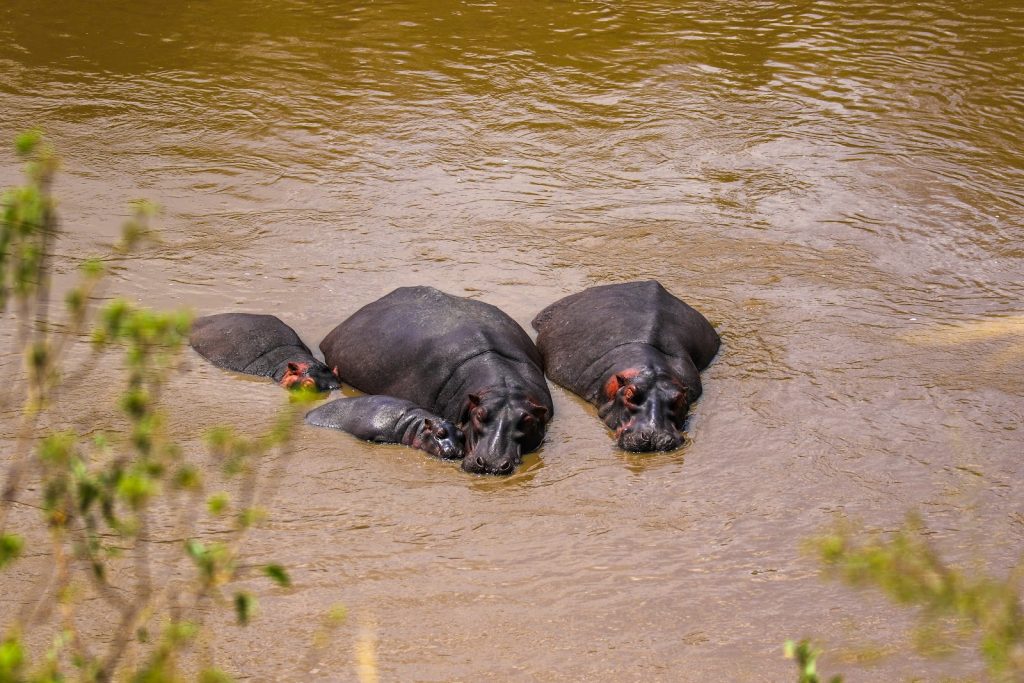
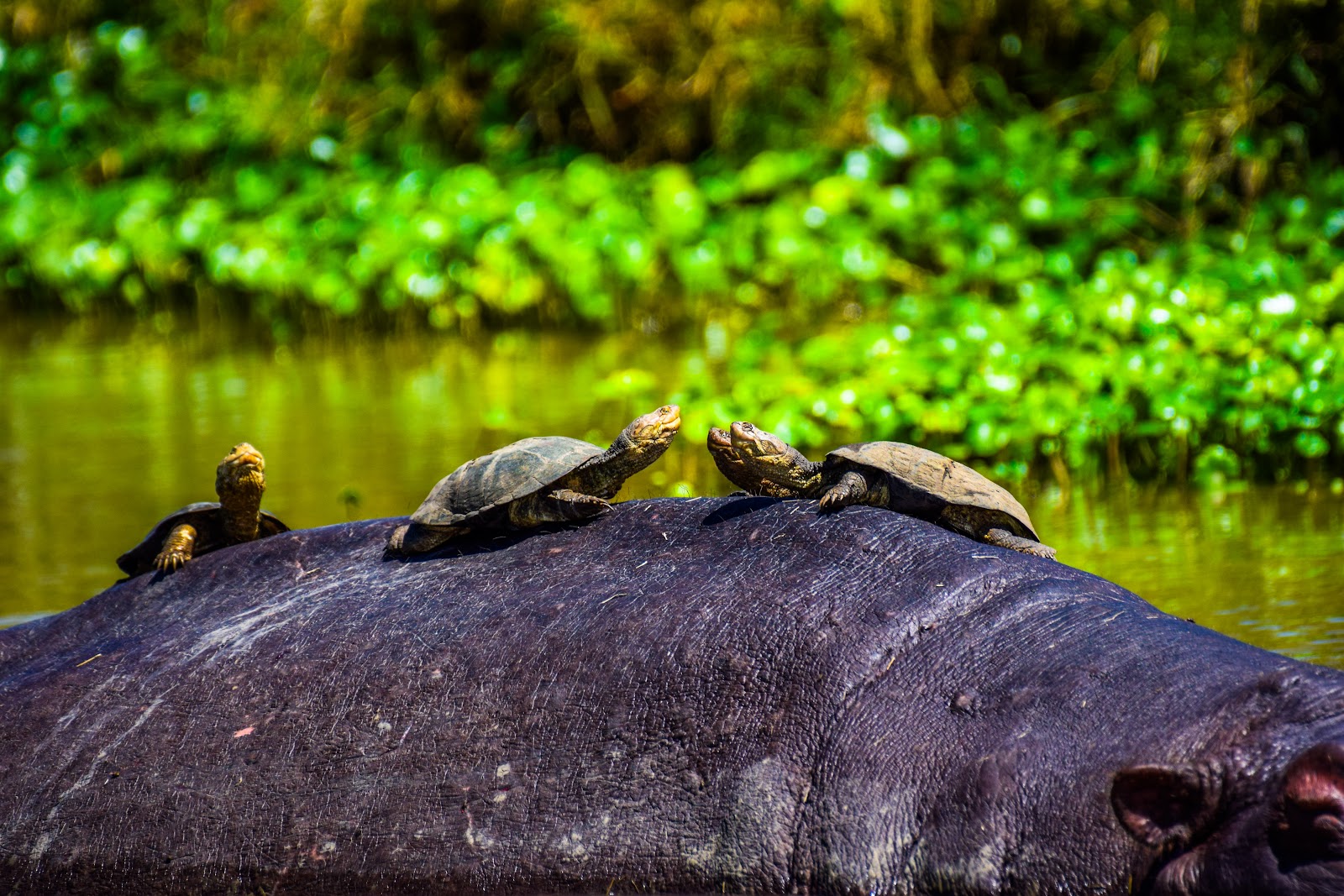
The pools support resident hippo pods and crocodiles, shoals of blue barbel that groom the hippos like cleaner fish on a reef, and a fig-and-palm forest full of vervets, Sykes’ monkeys and fruit bats. Mzima’s water matters beyond the park: a pipeline built in the 1950s still supplies Mombasa city from these very springs.
The 5 Essential Mzima Springs Experiences
The Underwater Hippo Hide — Kenya’s only submerged wildlife window
A concrete chamber sunk into the first pool in 1969 puts your face level with the riverbed. Hippos punt past the glass in slow motion, barbel swirling around them; crocodiles occasionally cruise by like submarines. Mornings offer the best clarity and activity. There is nothing else like it in East African safari.
The Ranger-Guided Walk — on foot between the pools
An armed KWS ranger leads the shaded path from the top spring head to the lower pool — one of very few sanctioned walks inside a big-game park. You track hippo footpaths, spot crocs from safe overlooks and feel the temperature drop ten degrees under the figs. Kids rate this hour above almost everything else in Tsavo.
The Spring Heads — watching a river being born
At the top of the site, water simply boils up out of the rock — millions of litres an hour appearing from nowhere, instantly forming a river. Knowing it fell on the Chyulus around a quarter-century ago makes the sight quietly profound. Photograph the upwellings early, before wind ruffles the surface.
Monkeys, Bats and Birdlife — the oasis crowd
The palm-fig canopy hums: vervets and Sykes’ monkeys work the branches (guard your snacks — they are professionals), epauletted fruit bats cluster under fronds, and the birding is superb — African finfoot on quiet edges, kingfishers, turacos and water thick-knees. Binoculars earn their place on this walk.
The Chyulu Connection — seeing the whole water story
Pair Mzima with a drive toward the green Chyulu Hills or the black Shetani lava flow nearby, and the geology clicks: rain there, lava filter between, oasis here. Shetani’s barely-vegetated flow — “devil” in Kiswahili — erupted only a few centuries ago. Together they make Tsavo West Kenya’s best geology-on-safari lesson.
Tsavo West in One Perfect Day
Mzima Springs, Shetani lava, Rhino Valley and a floodlit waterhole night — ask for our classic Tsavo West routing.
Mzima Springs Facts
- Output: about 250 million litres surge from the springs every day — a full river born on the spot.
- The filter: water spends an estimated 25 years seeping through Chyulu lava before surfacing crystal-clear.
- City lifeline: a 1950s pipeline still carries Mzima water over 200 km to supply Mombasa.
- The hide: the underwater viewing chamber dates to 1969 — arrive early for the clearest hippo views.
- On foot: walks are ranger-escorted; the loop takes 45-60 unhurried minutes in deep shade.
- Neighbours: combine with the Shetani lava flow and Chaimu crater cone, both minutes away by road.
Visiting Mzima Springs: What to Expect
A visit here is short, easy and very different from the rest of your safari. Here is how it usually works on the day.
Arriving and meeting your ranger
Your driver-guide parks at the small car park near the upper pool, where a Kenya Wildlife Service ranger meets you. The ranger explains the rules, then leads the group along the marked path. You walk at a gentle pace on mostly flat ground, with a few steps and roots to watch for.
The walk and the pools
The path follows the stream between the upper and lower pools under fig trees and raphia palms. Overlooks let you watch hippos surface and crocodiles bask on the far bank. Look up for monkeys and listen for kingfishers and turacos in the canopy. The walk is rarely busy, so it feels peaceful even in high season.
Inside the underwater hide
Steps lead down into the viewing chamber at the lower pool. Through the glass you see shoals of fish and, with luck, a hippo walking slowly along the sandy bottom. Visibility is usually best on calm, sunny mornings; after heavy rain or wind it can be cloudier, and hippos do not always pass the window, so treat any sighting as a bonus.

Rules and Safety on the Walk
- Stay with your ranger: hippos and crocodiles live here, so keep to the path and follow instructions.
- Keep away from the water’s edge: never paddle or swim; swimming is not allowed.
- Do not feed the monkeys: zip up bags and keep food out of sight.
- Keep noise down: quiet groups see more fish, birds and hippos.
- Children: the walk suits families, but hold young children’s hands near the overlooks.
Best Time to Visit Mzima Springs
The springs flow all year, so you can visit in any season. Mornings are best, when the light is soft, the water is calm and clear and animals are more active. In the dry months of June to October and January to February, more wildlife comes to drink in this part of Tsavo West. During the rains, from March to May and in November, the surrounding bush turns green and the birdlife is excellent, though the water can be slightly less clear after storms.
Mzima Springs and Mombasa’s Water
Few safari sights matter as much to everyday life. The pipeline from the springs has supplied Mombasa since the 1950s, and the springs remain an important source for the coast. That makes the health of the Chyulu Hills, where the water begins, vital far beyond Tsavo. Protecting the forests and grasslands of the hills keeps the springs flowing for wildlife and people alike, and your park fees support the Kenya Wildlife Service in managing the area.
What Else to See Near Mzima Springs
- Shetani Lava Flow: a vast black lava field close to the Chyulu Gate road, with a short walk to a lava cave.
- Chaimu Crater: a young volcanic cone you can climb for views over the park.
- Ngulia Rhino Sanctuary: a fenced, protected area for black rhinos, best visited with patience and a good guide.
- Roaring Rocks: a rocky viewpoint over the Rhino Valley, popular for sundowners and raptor watching.
- Lodge waterholes: evenings at the floodlit waterholes of Kilaguni and Ngulia bring elephants, buffalo and more.
A Perfect Morning in Tsavo West
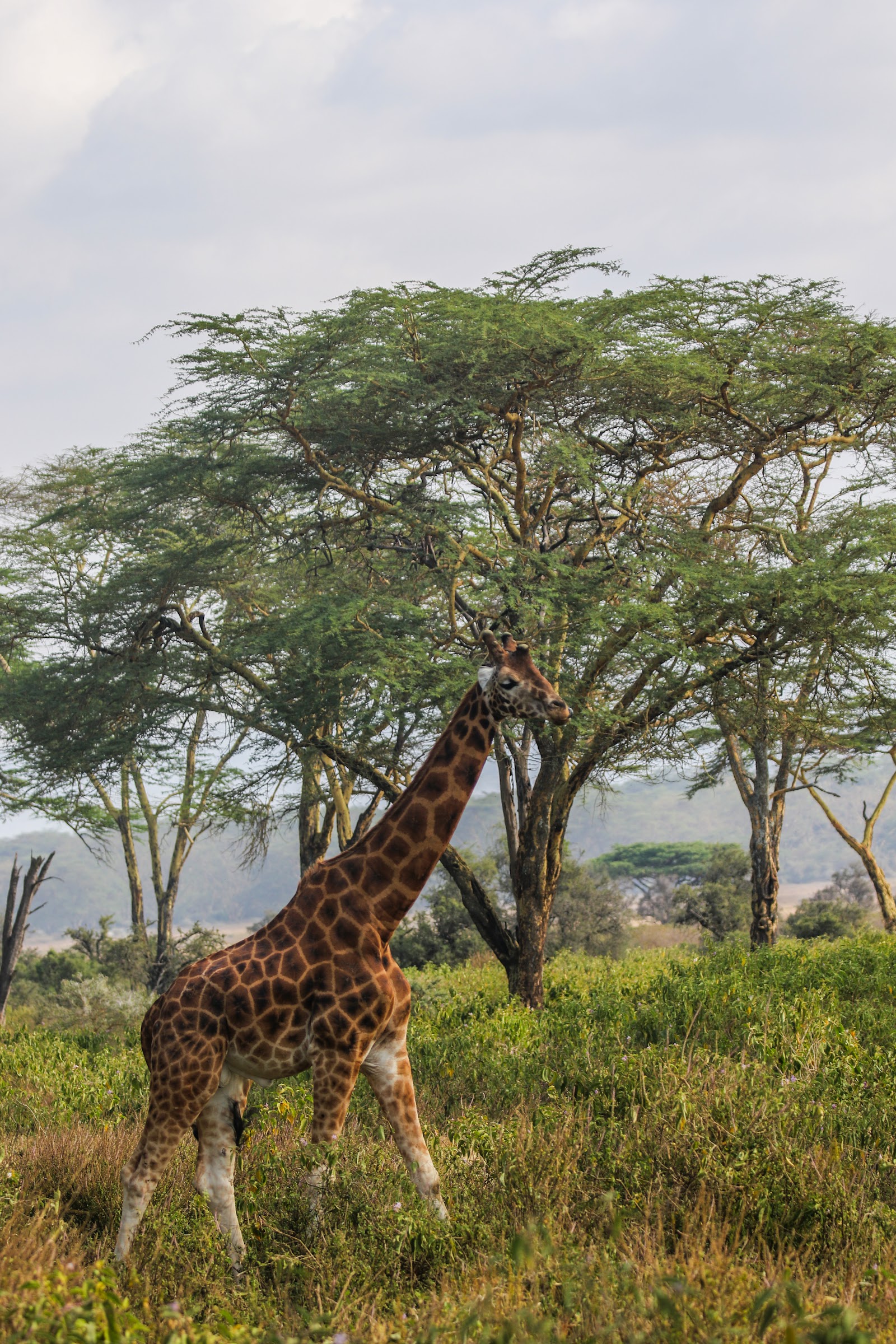
Leave your lodge at first light for a short game drive, watching for lesser kudu, giraffes and klipspringers on the rocky slopes. Arrive at the pools by mid-morning, when the sun is high enough to light the water, and enjoy the walk and the hide while the forest is still cool.
Afterwards, drive to the Shetani lava flow and climb Chaimu Crater for a view across the black lava to the Chyulu Hills, where the water begins its long journey underground. Return to your lodge for lunch and a rest, then spend the afternoon in the Rhino Valley or at Roaring Rocks before an evening at the floodlit waterhole.
Mzima Springs Safari Costs and Packages
There is no separate entry ticket for the springs: they are covered by your Tsavo West park fee, which is set by the Kenya Wildlife Service and can change, so our quotes always use the current rate. Trips that include a visit, with their current starting prices, include:
- Tsavo East & West Safari (3 Days) — from USD 600 per person, with the springs on day two.
- Tsavo & Amboseli Safari from Mombasa (4 Days) — from USD 1,050 per person.
For a tailor-made route with your own vehicle and guide, ask about a private Kenya safari. Many guests add the big cats of the Masai Mara afterwards; compare our Masai Mara safari packages.
Getting to Mzima Springs
The springs lie in the north-west of Tsavo West National Park. Most visitors enter through Mtito Andei Gate on the Nairobi–Mombasa highway or through Chyulu Gate, then drive on to the springs, which sit a short distance from the Kilaguni and Ngulia lodge areas. From Nairobi the journey takes around five hours by road, and from Mombasa or Diani a little longer. The Madaraka Express train to Mtito Andei is a comfortable alternative. See our Kenya safari from Nairobi page for trips from the capital.
Photography Tips for Mzima Springs
- Underwater hide: turn off your flash, press the lens close to the glass to cut reflections and raise the ISO.
- Spring heads: shoot early, before wind disturbs the surface, to capture the bubbling upwellings.
- Hippos and crocodiles: a 100–400 mm zoom lets you work from the safe overlooks.
- Shade and light: the forest is dark under the canopy, so watch your shutter speed.
What to Bring
- Comfortable closed shoes for the short forest walk.
- Binoculars for birds and monkeys in the canopy.
- Insect repellent, as the shady pools can attract mosquitoes.
- Water, a hat and sun cream for the drive through the park.
Plan Your Trip to Kenya
Most visitors need a Kenya eTA from the official eTA Kenya portal. UK travellers should check the latest GOV.UK travel advice for Kenya, and you can find more ideas on Magical Kenya. Tsavo is in a malaria area, so speak to your doctor before you travel.
Fitting Mzima Into a Tsavo Safari
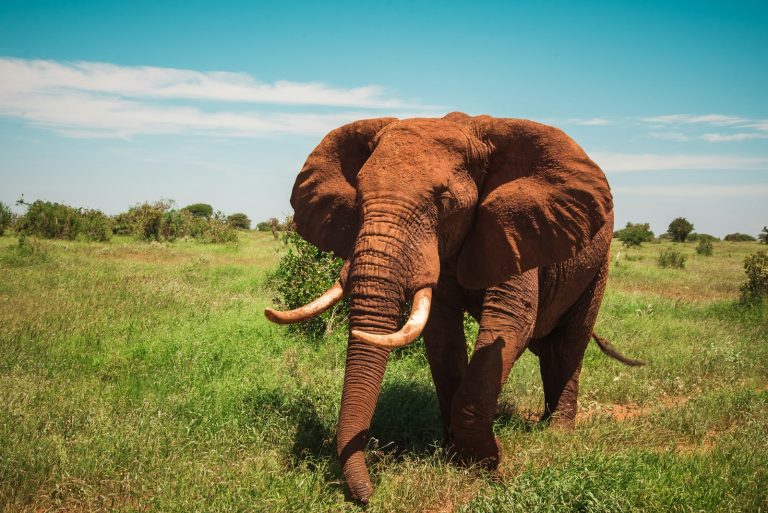
Mzima headlines the western half of our 3-day Tsavo East & West safari, and the Tsavo safari guide sets out both parks in full. Compare the two sides with our Tsavo West National Park guide and our round-up of Tsavo East attractions, then meet the neighbours: the red elephants drink downstream of these very springs.
The Desert Hides an Oasis
Come watch a river being born and a hippo walk underwater — all before lunch. Message us to plan it.
Frequently Asked Questions
What is Mzima Springs famous for?
Mzima Springs in Tsavo West is famous for its crystal-clear pools fed by 250 million litres of lava-filtered water daily, its resident hippos and crocodiles, and Kenya’s only underwater viewing chamber — a 1969 hide where visitors watch hippos walk the pool floor at eye level.
Where does Mzima Springs water come from?
Mzima Springs’ water is rain that fell on the Chyulu Hills about 40 km away, absorbed instantly by porous volcanic rock and filtered underground for an estimated 25 years before surfacing in Tsavo West. The lava filtration is why the pools are so extraordinarily clear.
Can you walk at Mzima Springs?
Yes — Mzima Springs is one of the few places in Tsavo where visitors explore on foot. An armed KWS ranger escorts the shaded 45-60 minute loop between the spring heads, the hippo pools and the underwater hide, through fig and raphia palm forest full of monkeys.
Are there hippos and crocodiles at Mzima Springs?
Yes — resident hippo pods and Nile crocodiles live in Mzima Springs’ pools year-round, along with shoals of barbel fish that groom the hippos. The submerged hide lets you watch them underwater; above the surface, overlooks give safe views across both pools.
Does Mombasa really get its water from Mzima Springs?
Yes — a pipeline completed in the 1950s carries Mzima Springs water more than 200 km to Mombasa, and it remains a key source for the coastal city. The springs’ 250-million-litre daily flow supports both the pipeline and Tsavo West’s wildlife oasis.
How long should I spend at Mzima Springs?
Plan about an hour here for the ranger-guided walk, the overlooks and the underwater hide, or up to 90 minutes if you love birds and photography. Most visitors combine it with the Shetani lava flow and Chaimu Crater to make a full and varied morning in Tsavo West.
Can you swim at Mzima Springs?
No. Swimming and paddling are not allowed at Mzima Springs, because the pools are home to hippos and Nile crocodiles, two of Africa’s most dangerous animals. You enjoy the water from the marked path, the overlooks and the underwater hide, always with a Kenya Wildlife Service ranger.
Is Mzima Springs good for children?
Yes, Mzima Springs is one of the best family stops in Tsavo. The walk is short, shaded and mostly flat, and children love spotting monkeys and peering through the underwater window. Keep young children close to an adult near the overlooks and follow the ranger’s instructions at all times.