
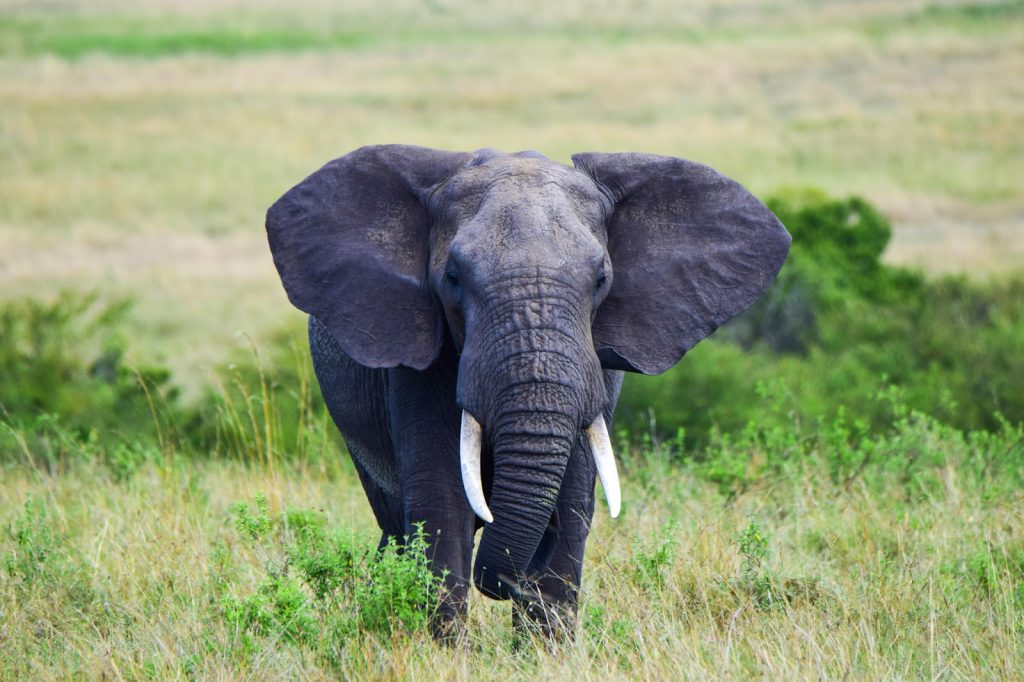
Do elephants really fear mice is a myth with a surprisingly long paper trail, traced back to the same era as the ostrich head-in-sand story: Pliny the Elder, writing around 77 AD, claimed the elephant hates the mouse above all other creatures. Cartoons and films have run with that image for decades, an elephant rearing back in terror at a tiny rodent scurrying past. Modern behavioural research tells a different, more interesting story. Elephants are not afraid of mice specifically; they startle at anything small and fast moving unexpectedly into their field of view, a reaction rooted in genuinely poor eyesight rather than any specific rodent phobia. Sense of Adventure guides explain the real science behind elephant senses on every game drive where the topic inevitably comes up.
Learn the Real Elephant Senses in Person
Message us to plan an Amboseli elephant safari with guides who explain the real behavioural science.
What Actually Happens When a Mouse Runs By
According to University of Cambridge elephant researcher Josh Plotnik, anything that suddenly runs or slithers past an elephant can spook it, and the response has nothing specifically to do with mice as a species. Elephants have relatively poor eyesight compared to their other senses, relying far more heavily on smell and hearing to understand their surroundings, which means a small, fast-moving object entering their peripheral vision without warning triggers a generic startle reflex rather than a targeted fear response. The same reaction would occur for a bird, a lizard, or any other small creature moving unexpectedly and quickly nearby.
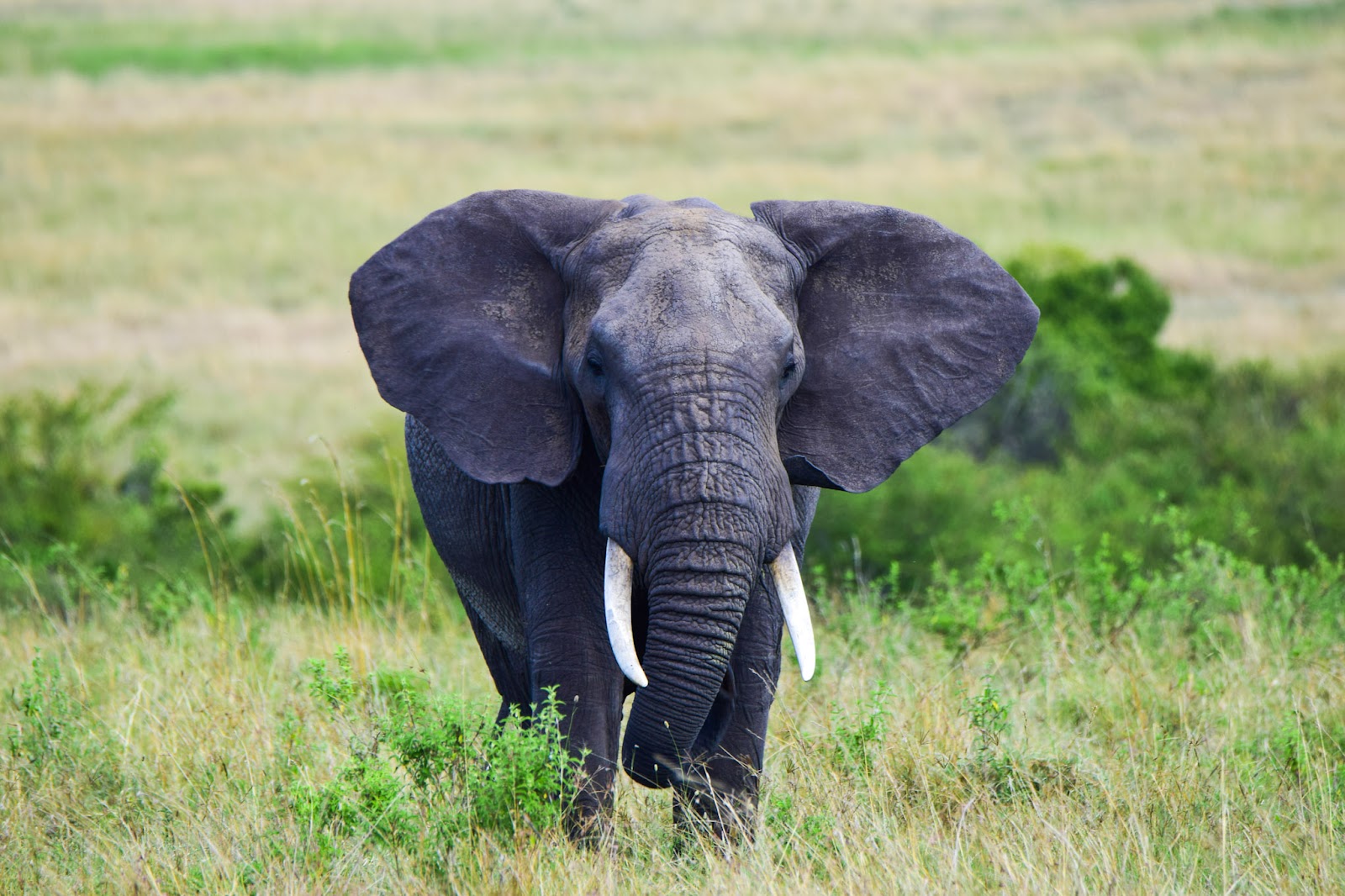
My son asked our guide directly if elephants are scared of mice, fully expecting a cartoon-style yes, and was almost disappointed when the real answer turned out to be more about poor eyesight than fear of rodents specifically. He still brings it up as his favourite fact from the whole trip, which was not what any of us expected.
— Sense of Adventure guest, Amboseli family safari
7 Truths About Elephant Senses and Behaviour
1. The Myth Traces Back Almost 2,000 Years
Pliny the Elder first recorded the elephant-mouse fear claim in 77 AD, and it survived largely unchallenged through centuries of retelling before modern research examined it properly.
2. It Is a Startle Reflex, Not a Phobia
Elephants react to any small, fast, unexpected movement, whether that is a mouse, a bird or a lizard, rather than showing a specific fear reserved for rodents.
3. Poor Eyesight Is the Real Root Cause
Elephants see relatively poorly compared to their other senses, making an unexpected object entering their vision genuinely more startling than it would be for a sharp-sighted animal.
4. Smell, Not Sight, Is Their Primary Sense
Elephants rely overwhelmingly on scent, using their trunk to detect water, food and other elephants from remarkable distances, far more than they depend on vision.
5. Hearing Fills the Gap Vision Leaves
Elephants can detect low-frequency rumbles from other elephants over several kilometres, a sense that compensates heavily for their comparatively limited eyesight.
6. Popular Culture Kept the Myth Alive
Cartoons and films have repeatedly used the visual gag of a giant elephant panicking at a tiny mouse, reinforcing a myth that behavioural science does not support.
7. What Elephants Are Genuinely Wary Of
Research has shown elephants react with genuine, specific alarm to the sound of bees and to the scent of certain human groups associated with past conflict, a far more targeted fear response than anything involving mice.
Book Your Amboseli Elephant Safari
Our guides explain the real science behind every elephant behaviour you witness.
Why This Myth Says More About Us Than Elephants
The enduring appeal of the elephant-mouse story has always been the contrast itself, the largest land animal supposedly undone by one of the smallest, a joke that works regardless of whether it is true. That comedic value is precisely why it has survived nearly two millennia despite never having solid evidence behind it, repeated by naturalists, then cartoonists, then casual conversation, each retelling adding weight the original claim never earned. The real explanation, a startle reflex rooted in limited eyesight, is arguably more interesting once you understand it, because it reveals something genuine about how elephants actually experience the world rather than reinforcing a punchline.
Elephants and Mice: Quick Reference
- The myth: elephants are specifically afraid of mice.
- Origin: Pliny the Elder, around 77 AD.
- The truth: a generic startle reflex to any small, fast, unexpected movement.
- Root cause: relatively poor elephant eyesight.
- Dominant elephant senses: smell and hearing, far more than sight.
- Genuine fear responses: the sound of bees, and scent cues linked to past human conflict.
Understanding Elephants Beyond the Myths
The mouse myth is a fun starting point, but elephant behaviour goes far deeper. Our African Elephant Safari Guide and Elephant Social Structure guide cover the real intelligence and family dynamics behind every herd you encounter.
Learn What Elephants Actually Fear
Message us today and we will plan an elephant safari built around the real behavioural science.
Frequently Asked Questions
Are elephants really afraid of mice?
No, this is a myth dating back to Pliny the Elder in 77 AD. Elephants show a generic startle response to any small, fast, unexpected movement, not a specific fear of mice as a species.
Why do elephants react to sudden small movements?
Elephants have relatively poor eyesight compared to their other senses, so an unexpected small object entering their limited field of vision triggers a startle reflex, the same reaction any sudden movement would cause.
What sense do elephants rely on most?
Elephants rely primarily on smell, using their trunk to detect water, food and other elephants from remarkable distances, followed closely by hearing, which detects low-frequency rumbles over several kilometres.
What are elephants genuinely afraid of?
Research has shown elephants react with real, specific alarm to the sound of bees and to scent cues linked to human groups associated with past conflict, a far more targeted fear than anything involving mice.
Where did the elephant-mouse myth come from?
The myth traces back to the Roman naturalist Pliny the Elder around 77 AD, who claimed elephants hated mice above all creatures, a claim repeated for centuries and later reinforced by cartoons and films.