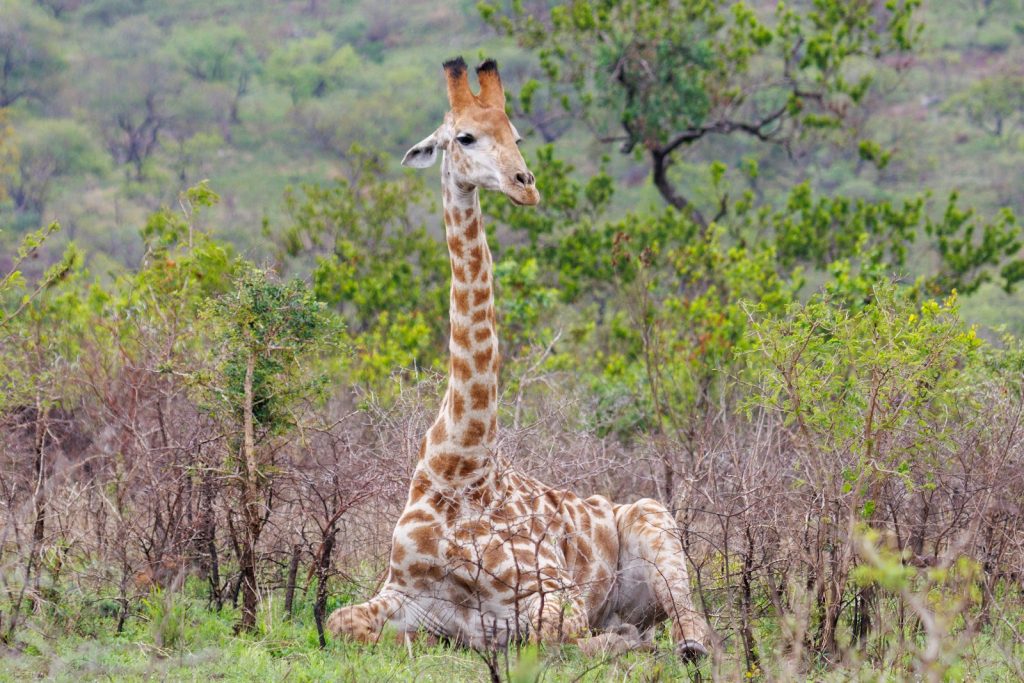
Giraffe sleep comes in short naps, mostly taken standing up. The best-known study, of eight zoo giraffes over 152 nights, recorded about 4.6 hours of sleep a day, much of it light. Wild giraffes face predators and probably sleep less, in brief bouts, but reliable wild data are limited. The 30-minute figure is a simplification.
Sense of Adventure is a TRA-licensed private safari company based at Mountain Mall on Thika Road, Nairobi. Giraffes are on almost every safari we plan, from Nairobi National Park to the Masai Mara, Amboseli and Samburu. This guide separates the myth from the science and shows you what to look for on a game drive.
Love giraffes? We can include all three of Kenya’s giraffe types on one private safari.
See Kenya’s giraffesGiraffe Sleep: The Short Answer
Giraffe sleep is fragmented, light and mostly upright, and the true daily total in the wild is still uncertain.
Trivia lists love the idea that giraffes sleep only 30 minutes a day. The research tells a more careful story. A study published in 1996, which filmed giraffes in a zoological garden, found a total of around 4.6 hours of sleep per 24 hours, mostly at night. Wild giraffes cannot afford to relax as much as zoo animals, so most experts expect less sleep in the wild.
| Claim | What the evidence says |
|---|---|
| Giraffes sleep only 30 minutes a day | An oversimplification; zoo giraffes slept about 4.6 hours in total |
| Giraffes always sleep standing | Mostly, but they also lie down, especially young animals |
| Giraffes never lie down in the wild | False; adults sometimes rest on the ground, briefly |
| Deep sleep lasts a long time | No; the deepest phase comes in short episodes |
| We know exactly how much wild giraffes sleep | No; wild data are limited and estimates vary |
Where the 30-Minute Myth Came From
The 30-minute myth seems to come from a mix of short deep-sleep phases, field impressions of wild giraffes and repetition online.
In the zoo study, researchers identified the deepest stage of giraffe sleep by a distinctive posture, with the head resting on the rump. These episodes were short, and when people talk about giraffes needing only minutes of sleep, they often mean this deep phase rather than total rest. Over time, quiz books turned a nuanced finding into a neat number.
The 1996 Zoo Study
The best-known research on giraffe sleep used continuous time-lapse video of eight giraffes, including adults and young animals, over 152 nights. It described sleep while standing and while lying down, with most sleep between about 8 pm and 7 am. The study abstract on PubMed gives the details.
Why Zoo Results May Differ From the Wild
Zoo giraffes are safe from lions, fed regularly and live in stable groups, so they can afford more rest. Wild giraffes must stay alert, travel to food and water, and react to danger. That is why it is honest to say wild giraffe sleep is probably shorter, without claiming a precise figure.
9 Honest Facts About Giraffe Sleep
These nine facts summarise what we know about giraffe sleep, and what we do not.
- Most sleep happens at night. The zoo study found a main nightly sleep period, with a dip in the early hours.
- They doze standing up. Light sleep often happens upright, eyes half-closed, ears still moving.
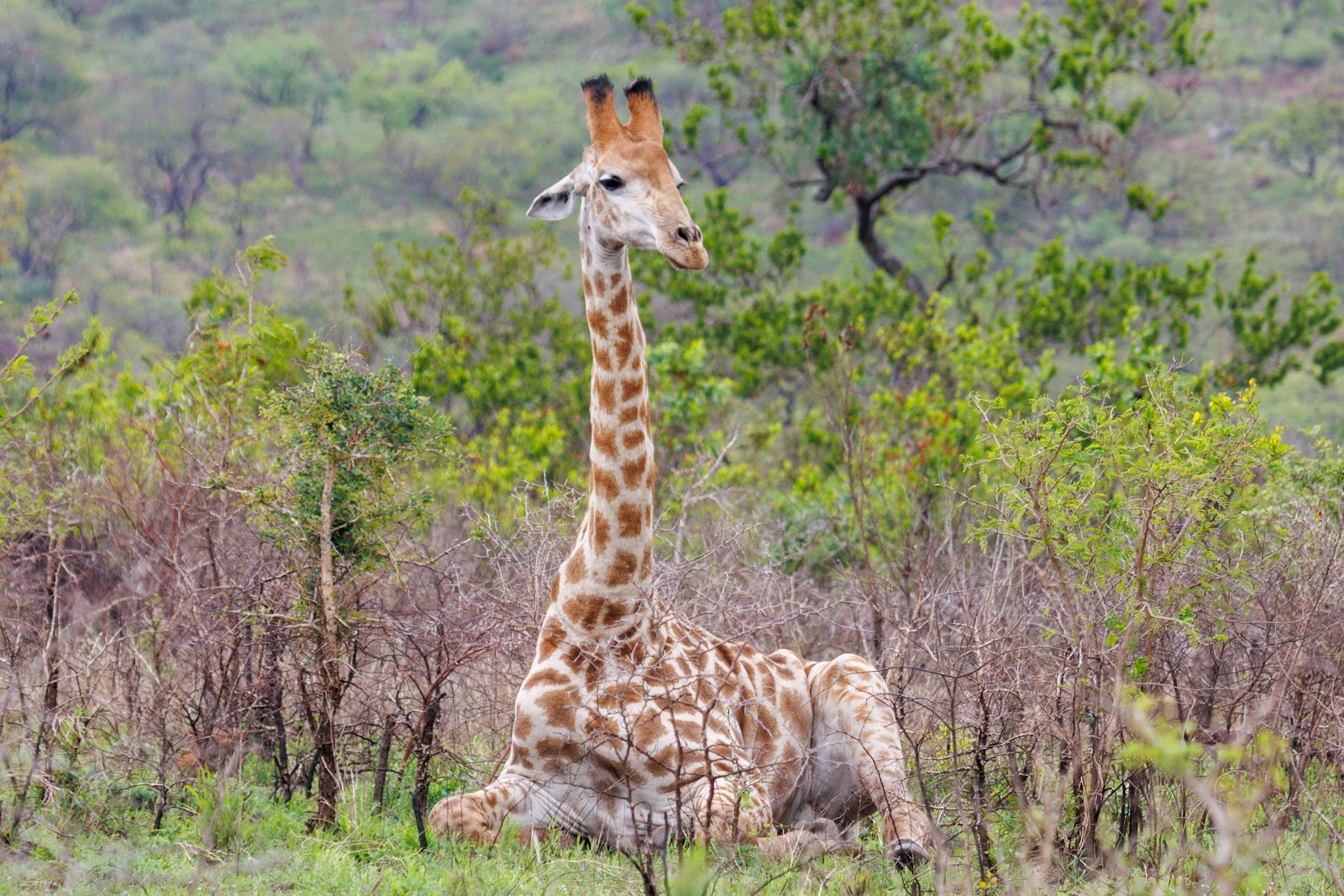
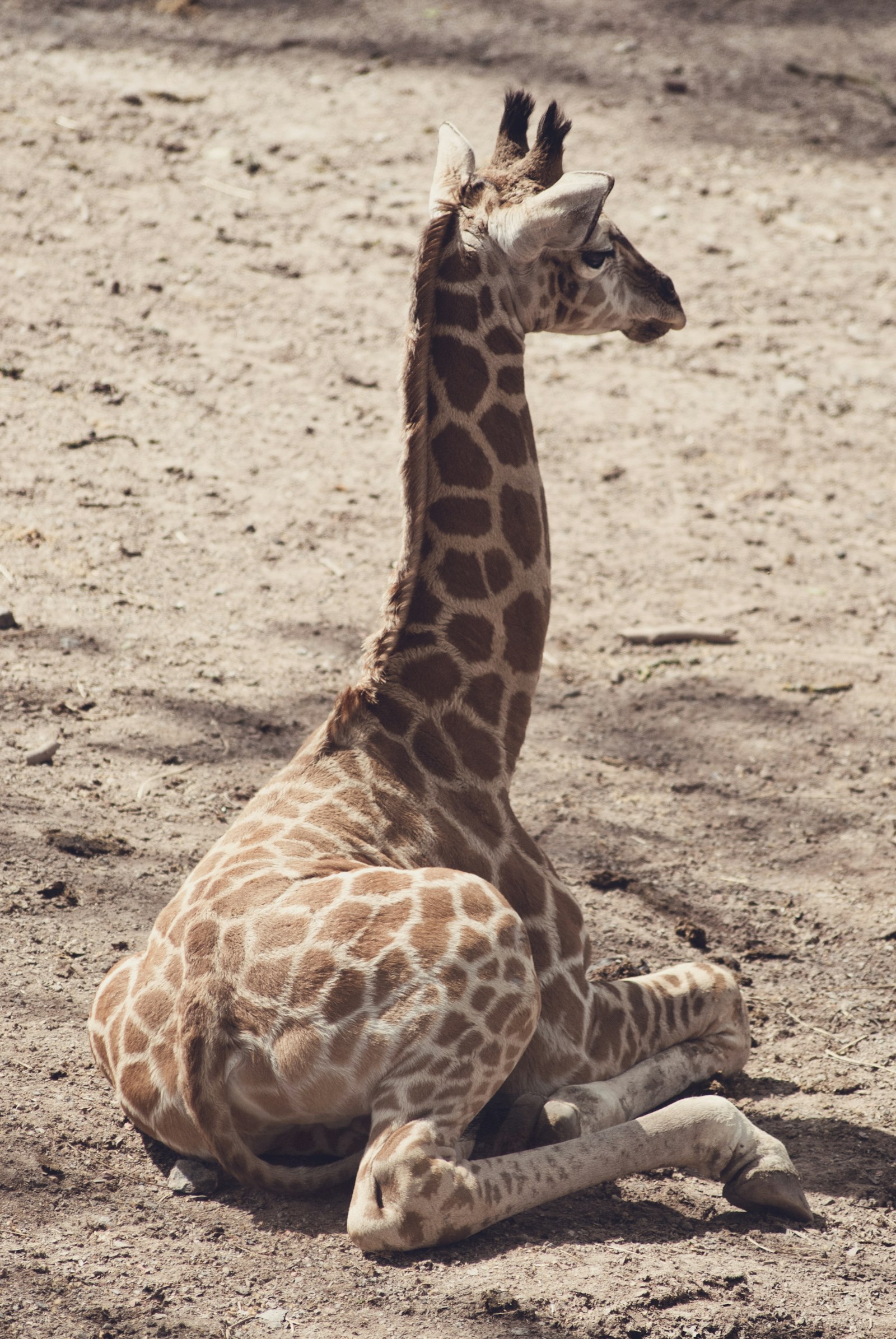
- They do lie down. Giraffes fold their legs beneath them to rest, and young giraffes do this more often than adults.
- Deep sleep has a signature pose. The neck curves back and the head rests on the rump or hindquarters.
- Deep sleep is brief. This vulnerable phase comes in short episodes rather than long stretches.
- Predators shape the pattern. Standing up from the ground takes time, which is risky when lions are nearby.
- Groups help. Giraffes resting together can share vigilance, so some watch while others doze.
- Calves sleep more. Young giraffes rest longer and often lie down while mothers feed nearby.
- Wild totals are uncertain. Honest science says giraffes sleep little in the wild, but exact totals are still being studied.
Do Giraffes Sleep Standing Up?
Yes, giraffes often sleep standing up, especially when resting lightly, but they lie down for deeper sleep.
A giraffe’s height makes lying down a commitment. To stand again, it must swing its long neck forward to shift its weight, then push up on its front legs, which takes a few seconds. On an open plain with lions about, those seconds matter. Light, upright giraffe sleep keeps the animal ready to move, and it is the kind of giraffe sleep you are most likely to notice.
How to Spot Giraffe Sleep on a Game Drive
- Eyes half-closed or fully closed while standing still.
- Ears drooping or flicking slowly rather than turning towards sounds.
- Neck lowered slightly, chewing paused.
- Legs folded underneath when lying down, head held up or curved back to the rump.
- Other giraffes nearby looking alert, acting as lookouts.
Expert tip from our Nairobi team
Ask your guide to switch off the engine near a resting group of giraffes in the late morning or early afternoon, when they often pause between feeding bouts. Watch quietly for a few minutes. You may notice one animal doze while others keep watch, a subtle behaviour most visitors drive straight past.
Want quiet time with giraffes, not just a quick photo stop?
Tell us your interests and we will suggest the parks and pace that suit slow, patient wildlife watching.
Kenya’s Three Giraffes and Where to See Them
Giraffe sleep looks much the same across species. Kenya is home to three giraffe types, Masai, reticulated and Rothschild’s, and each lives in different parks.
| Giraffe | Look for | Where to see them in Kenya |
|---|---|---|
| Masai giraffe | Jagged, leaf-like patches | Masai Mara, Amboseli, Nairobi National Park, Tsavo |
| Reticulated giraffe | Neat polygons with thin white lines | Samburu, Buffalo Springs, Laikipia conservancies |
| Rothschild’s giraffe | Patches with cream lines, plain lower legs | Lake Nakuru, Giraffe Centre in Nairobi, Ruma |
The Giraffe Conservation Foundation explains current giraffe taxonomy and conservation status, which has been revised in recent years. Several giraffe populations have declined sharply in recent decades, so seeing them in protected areas supports their future.
For a city start, see giraffes in Nairobi National Park or on our Nairobi city and wildlife day tour, which visits the Giraffe Centre. Our Giraffe Manor guide covers Nairobi’s famous giraffe hotel. Rothschild’s giraffes are a highlight of a Lake Nakuru safari.
Best Time to Watch Giraffes Resting
You can watch giraffe sleep and rest at any time of year, but the hottest hours of the day and the last light before sunset are often best.
| Time of day | What giraffes are usually doing | Viewing tip |
|---|---|---|
| Early morning | Feeding after the night | Great light for portraits |
| Late morning to midday | Resting, ruminating, dozing | Best time to watch light sleep |
| Afternoon | Mixing feeding and rest | Look for groups in shade |
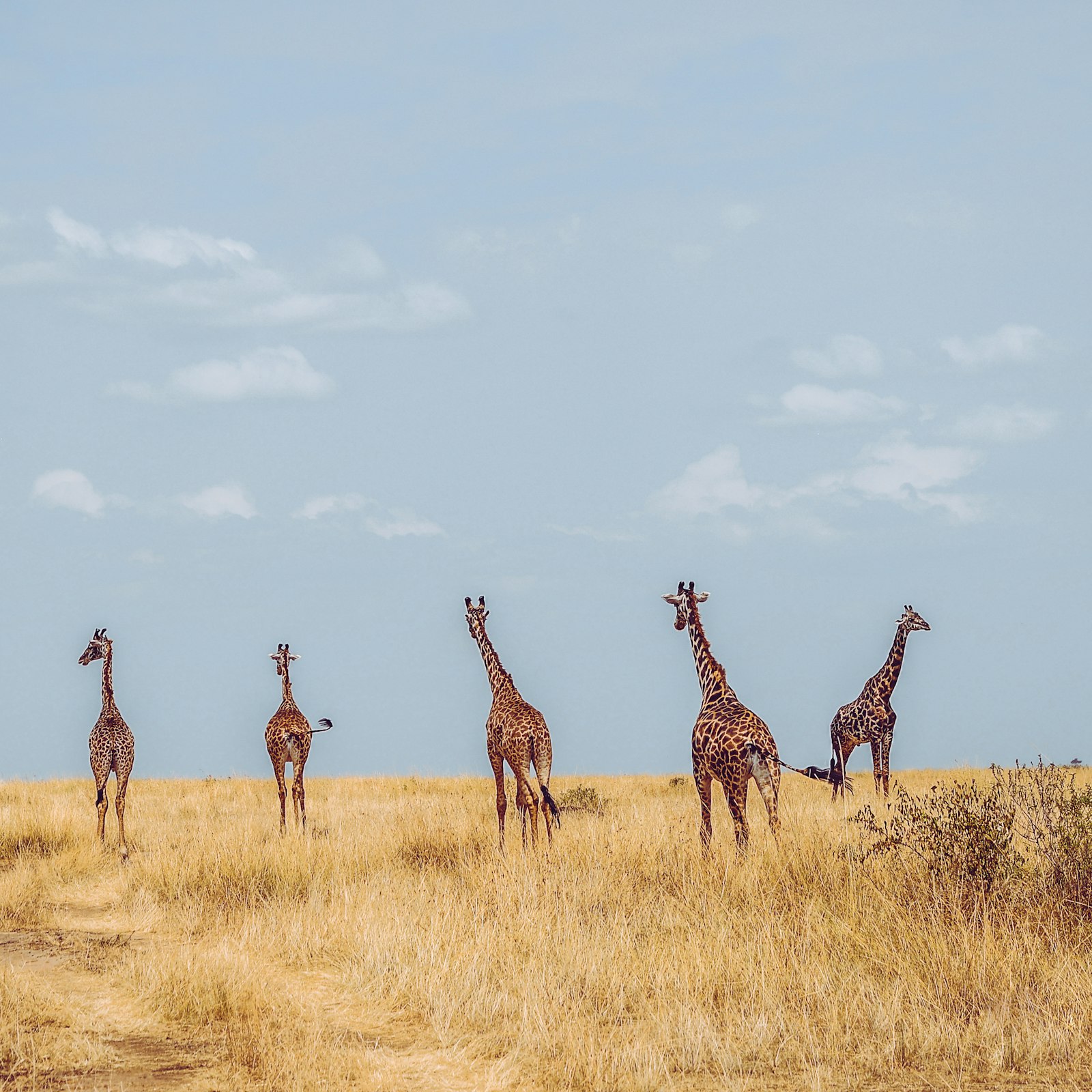
| Sunset | Moving to open areas | Silhouettes against the sky |
Dry months from June to October and January to February make giraffes easier to see in thinner bush. Park fees vary, so check our Kenya national parks entrance fees 2026 guide. Official park information is on the Kenya Wildlife Service website.
Planning a giraffe-rich safari for next year?
Lodges near Samburu, Lake Nakuru and the Mara book early in the dry season. Share your dates and we will send a written quote.
Giraffe Sleep Compared With Other Safari Animals
Compared with other big safari animals, giraffe sleep is short and light, which fits a large plant-eater living among predators.
Many large grazers and browsers sleep relatively little, because they need long hours to feed and must stay alert. Predators such as lions, by contrast, rest for much of the day because they eat large meals and have few enemies. The comparisons below are general patterns from field observation, not precise measurements, but they help you understand what you see on a drive.
| Animal | Typical resting pattern | What you might see on safari |
|---|---|---|
| Giraffe | Short naps, mostly standing; brief deep sleep lying down | Dozing giraffes in the shade around midday |
| Elephant | Short sleep, often standing, sometimes lying down at night | Herds resting under trees in the heat |
| Lion | Long rests through much of the day | Prides sprawled in the grass, active at dusk |
| Zebra | Doze standing in groups, some animals on watch | Herds standing quietly with heads low |
| Wildebeest | Rest in herds, often lying down briefly | Animals lying down on short grass |
Seeing giraffe sleep beside these other patterns is a reminder that every animal balances rest against risk. Ask your guide to point out who is resting, who is watching and why, and a quiet hour becomes one of the most interesting parts of your day.
Why Animal Myths Like This Spread
Myths about giraffe sleep spread because a short number is easier to share than a careful explanation.
Giraffe sleep is a perfect example. Many animal facts start as a real observation, lose their context and become a slogan. The same thing happened with ostriches and their heads in the sand, and with elephants supposedly fearing mice. A good guide on safari can turn these myths into conversations, using what you see in front of you. Read our guide to whether elephants fear mice for another example.
Who Will Enjoy a Giraffe-Focused Safari
Families, photographers, first-time visitors and anyone curious about giraffe sleep and behaviour will enjoy time with giraffes.
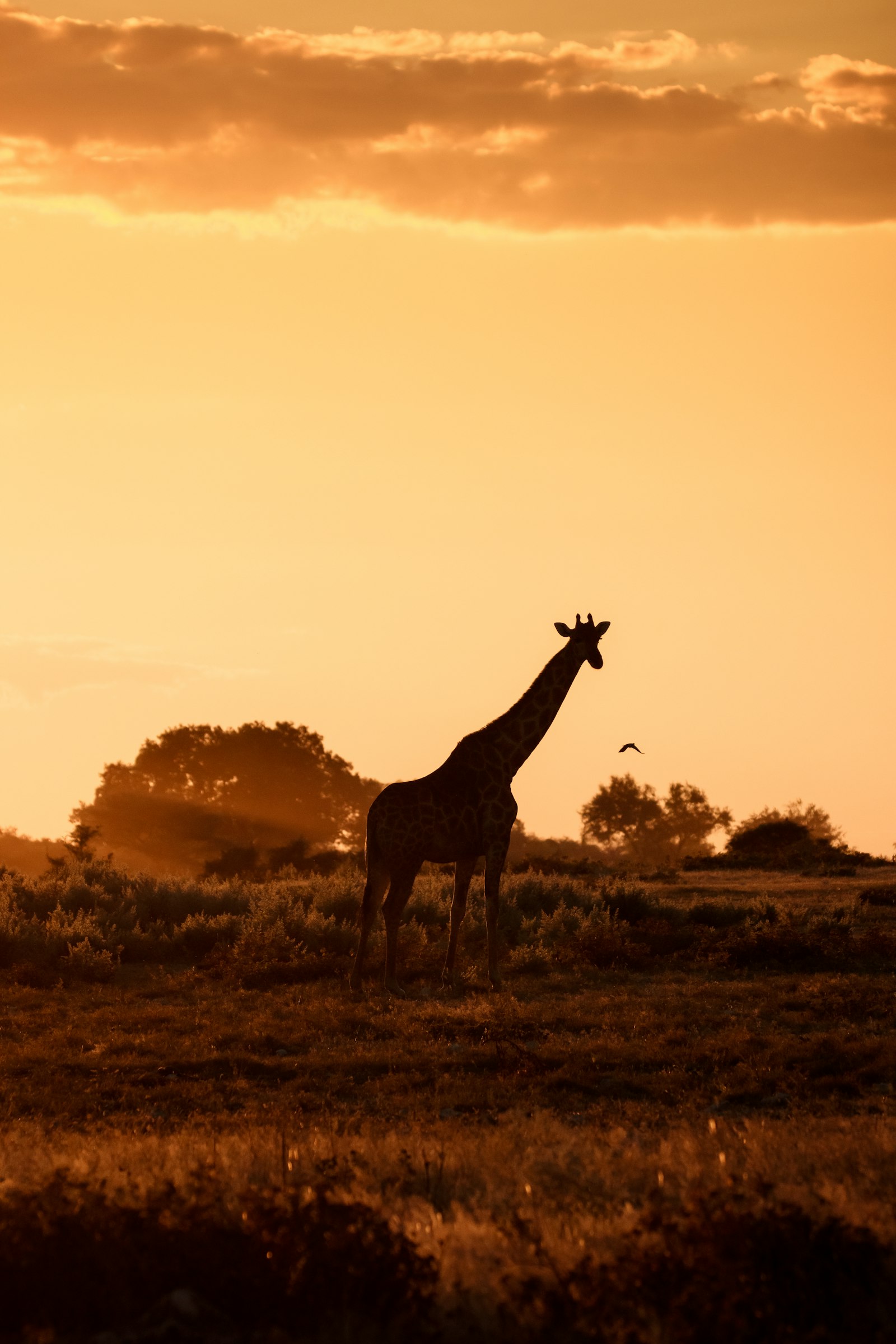
Children love feeding Rothschild’s giraffes at the Giraffe Centre and spotting differences between the three types. Photographers enjoy giraffes against Kilimanjaro in Amboseli, as described in our Kilimanjaro view from Amboseli guide. A private Kenya safari gives you the time to wait for quiet moments like a giraffe dozing in the shade. For more destination inspiration, visit Magical Kenya.
Giraffe Sleep FAQs
Do giraffes really only sleep 30 minutes a day?
Not exactly. A well-known study of eight zoo giraffes over 152 nights recorded about 4.6 hours of sleep per day, much of it light. Wild giraffes face predators and probably sleep less, but reliable wild figures are limited. The 30-minute claim oversimplifies short deep-sleep phases.
Do giraffes sleep standing up?
Yes, often. Giraffes doze standing with eyes half-closed, which lets them react quickly to danger. For deeper sleep they usually lie down with legs folded beneath them, sometimes curving the neck back so the head rests on the rump. Calves lie down more often than adults.
How long do giraffes sleep at a time?
Giraffe sleep comes in short bouts rather than one long stretch. The deepest phase, recognised by the head resting on the rump, occurs in brief episodes. Light dozing while standing can happen many times through the night and during quiet parts of the day.
Why do giraffes sleep so little?
Giraffes are large, need to eat a lot of leaves and are vulnerable when lying down, because standing up takes several seconds. In the wild, lions are a real threat, so short, light sleep and shared vigilance in groups help them stay safe.
Can you see giraffes sleeping on safari in Kenya?
Yes, with patience. Look for giraffes standing still with eyes half-closed in the late morning or early afternoon, or for animals lying down in quiet areas. Calves are the most likely to be seen resting on the ground. A private vehicle lets you wait and watch.
Where can I see giraffes in Kenya?
Masai giraffes live in the Masai Mara, Amboseli, Nairobi National Park and Tsavo. Reticulated giraffes are found in Samburu and Laikipia. Rothschild’s giraffes can be seen at Lake Nakuru and the Giraffe Centre in Nairobi. A two-week route can include all three.
Plan a Safari With Time for Giraffes
We will build a private route that includes Kenya’s three giraffe types, quiet sightings and guides who explain the behaviour you see. Sense of Adventure is a TRA-licensed Nairobi safari company.
Kenya-based experts. Real local knowledge. Transparent pricing.