

Why are warthogs so ugly is a question old enough to have its own African folklore explanation: legend tells of a once-handsome warthog grown vain, who ran afoul of a porcupine in a shared burrow and came away with a face full of quills, scarred permanently as a lesson against pride. It is a good story, and it says a great deal more about human storytelling than it does about the actual animal. Strip away the reputation, built largely on cartoon caricature and a spot on Africa’s so-called Ugly Five list, and warthogs turn out to be genuinely fast, resourceful, and better adapted to their environment than almost anything else grazing the same plains. Sense of Adventure guests routinely rank warthog sightings among their favourites once someone actually explains what they are watching.
Meet Africa Most Underrated Survivor
Message us to plan a Masai Mara safari where warthogs are just as fascinating as the Big Five.
What the Folklore Gets Wrong
The facial protrusions that give the warthog its name and much of its reputation are not warts in any medical sense, they are made of bone and cartilage, functioning as protective padding during head-to-head fights between rival males rather than scarring from any past encounter. The genuinely strange behaviour, entering a burrow backward, tusks facing outward toward the entrance, is not clumsiness but a deliberate defensive posture, allowing a resting warthog to immediately fight off anything that follows it inside rather than being caught facing the wrong direction. None of this looks like weakness once you understand the purpose behind it.

We had laughed off warthogs the entire first day, assuming they were just the comic relief between real sightings, until our guide explained the backward-burrow trick and the actual bone structure behind the facial warts. By the end of the trip I was genuinely more interested in finding a warthog family than another zebra herd, which surprised absolutely nobody more than me.
— Sense of Adventure guest, Masai Mara safari
7 Facts That Change How You See Warthogs
1. The Warts Are Actually Bone and Cartilage
Far from disfigurement, these facial protrusions function as protective padding during combat between rival males, a genuine adaptation rather than scarring.
2. Entering the Burrow Backward Is Deliberate Strategy
Reversing into a burrow with tusks facing the entrance means a resting warthog is always ready to defend itself immediately against whatever follows it inside.
3. They Kneel to Graze, an Actual Adaptation
Specially adapted protective pads on their wrists let warthogs kneel comfortably on bent forelegs while feeding, making grazing far easier than it looks.
4. Genuinely Fast for Their Size
Warthogs can sprint up to 48 km/h, fast enough to outrun many pursuing predators over a short distance, a trait rarely mentioned alongside their reputation.
5. That Erect Tail Is a Genuine Signal
A warthog running with its tail held straight up like a small antenna is easy to spot at a distance, a visual signal herd members use to stay together while fleeing.
6. The Ugly Five Reputation Is Genuinely Unfair
Warthogs are frequently grouped into Africa’s Ugly Five alongside hyenas and vultures, a lighthearted safari list that undersells just how well-adapted these animals actually are.
7. One of the Easiest Animals to See in the Masai Mara
Warthog families turn up reliably on almost every Mara game drive, grazing in small groups near burrows, making them a near-guaranteed sighting most guests do not expect.
See the Whole Cast of Characters
Our Masai Mara safaris cover the animals everyone talks about and the ones just as fascinating.
Why the Ugly Five Label Deserves Pushback
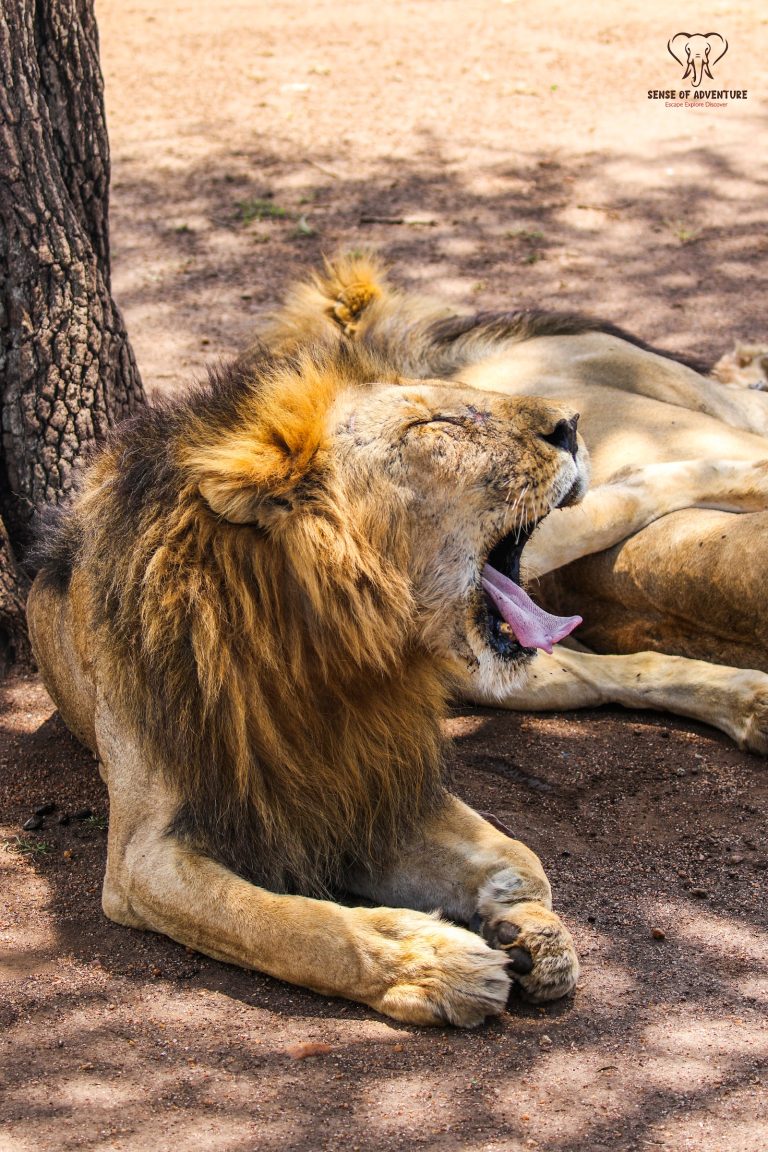
The Ugly Five, warthog, hyena, vulture, marabou stork and wildebeest, exists as a playful counterpoint to the Big Five, but it inadvertently trains visitors to look past animals that are, on close inspection, genuinely remarkable survivors of one of the planet’s harshest environments. A warthog kneeling to graze, backing tail-first into a burrow, or sprinting flat out with its tail raised like a flag is not a lesser sighting than a lion mid-yawn; it is simply a less marketed one. Guides who take the time to explain the actual mechanics behind these behaviours consistently find guests rank warthog encounters among their most memorable, precisely because nobody warned them there was this much going on.
Warthog Facts: Quick Reference
- Facial warts: bone and cartilage, not scars, used as combat padding.
- Burrow entry: backward, tusks facing out, for instant defence.
- Top speed: up to 48 km/h.
- Grazing adaptation: wrist pads that allow kneeling to feed.
- Visual signal: tail held erect like an antenna while fleeing.
- Where to see them: reliably across the Masai Mara on almost any game drive.
Discovering the Overlooked Wildlife of Kenya
Warthogs are one part of the everyday wildlife safari guests too often overlook in favour of the headline species. Our Baboons, Vervet Monkeys and Warthogs guide covers the wider cast of characters that make every Mara game drive genuinely entertaining, not just the Big Five sightings.
Every Animal Has a Story Worth Hearing
Message us today and we will plan a Kenya safari with guides who make every sighting count.
Frequently Asked Questions
Why are warthogs considered ugly?
Warthogs are often labelled ugly due to their bumpy facial protrusions and inclusion on the lighthearted Ugly Five safari list, but these features are genuine adaptations, made of bone and cartilage, rather than any actual flaw.
Are the bumps on a warthog face really warts?
No, despite the name, these facial protrusions are made of bone and cartilage, functioning as protective padding during head-to-head combat between rival males, not warts in any medical sense.
Why do warthogs back into their burrows?
Warthogs enter burrows backward with their tusks facing the entrance so they can immediately defend themselves against anything that follows them inside, a deliberate defensive strategy rather than clumsiness.
How fast can a warthog run?
Warthogs can sprint up to 48 km/h, fast enough to outrun many pursuing predators over a short distance, making speed one of their most underappreciated survival advantages.
Where can I see warthogs in Kenya?
Warthogs are commonly and reliably seen across the Masai Mara, typically in small family groups grazing on bent forelegs near their burrows, making them one of the easier animals to spot on almost any game drive.