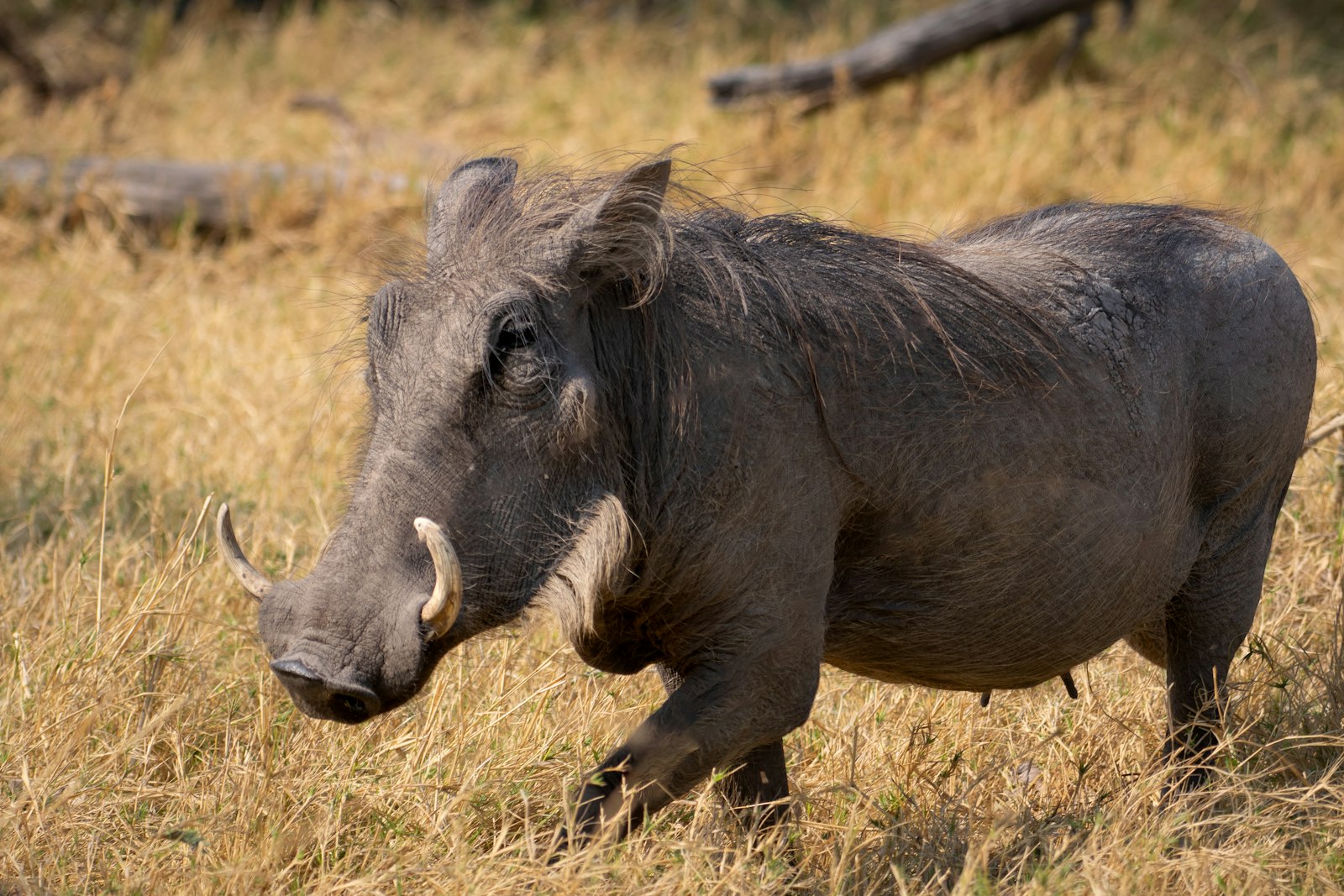
Warthogs are wild pigs of African savannahs, easy to spot on almost any Kenya game drive. Their facial warts are pads of fibrous tissue, not bone, that cushion fights between males. They kneel on calloused front knees to graze, sprint in bursts of up to 55 km/h and often back into burrows to face danger.
Sense of Adventure is a TRA-licensed private safari company based at Mountain Mall on Thika Road, Nairobi. Our guides love showing guests the animals that brochures overlook, and these wild pigs are often the surprise favourites. This guide replaces old myths with checked facts and shows you how to enjoy them on safari.
Travelling with children who love quirky animals? We plan family safaris full of everyday wildlife.
Plan a family wildlife safariWarthogs at a Glance
Warthogs are hardy, grass-eating pigs that live in family groups and are found across much of sub-Saharan Africa, including most of Kenya’s savannah parks.
| Quick fact | Detail |
|---|---|
| Scientific name | Phacochoerus africanus (common warthog) |
| Weight | Males 60-150 kg; females 50-75 kg |
| Tusks | Upper and lower canines; upper tusks up to about 25 cm |
| Speed | Bursts of up to 55 km/h |
| Diet | Mainly grasses, plus roots, bulbs, fruit and seeds |
| Groups | Alone or in small family groups called sounders |
| Status | Least Concern, though declining in parts of Africa |
These figures come from the San Diego Zoo Wildlife Alliance warthog fact sheet. A second species, the desert warthog, lives in drier parts of the Horn of Africa and northern and eastern Kenya, but the common species is the one you will see on most safaris.

Why Are Warthogs So Ugly? The Myth and the Reality
The warthog earned an ugly reputation from cartoons and the light-hearted Ugly Five list, but every feature people laugh at has a clear purpose.
Folklore tells of a vain warthog that lost its looks after a quarrel with a porcupine. It is a fun story, but biology explains the face far better. The bumps are thick pads of fibrous tissue, the tusks are tools and weapons, and the bristly mane rises when the animal feels threatened.
The Ugly Five
Safari guides often joke about the Ugly Five: the warthog, spotted hyenas, vultures, marabou storks and wildebeest. Each animal plays a vital role. Vultures and hyenas clean up carcasses, wildebeest drive the migration, and the warthog feeds predators from lions to leopards. Seeing all five is a fun challenge for families.
12 Surprising Facts About Warthogs
These twelve facts, checked against zoo and scientific sources, explain why this pig is such a successful survivor.
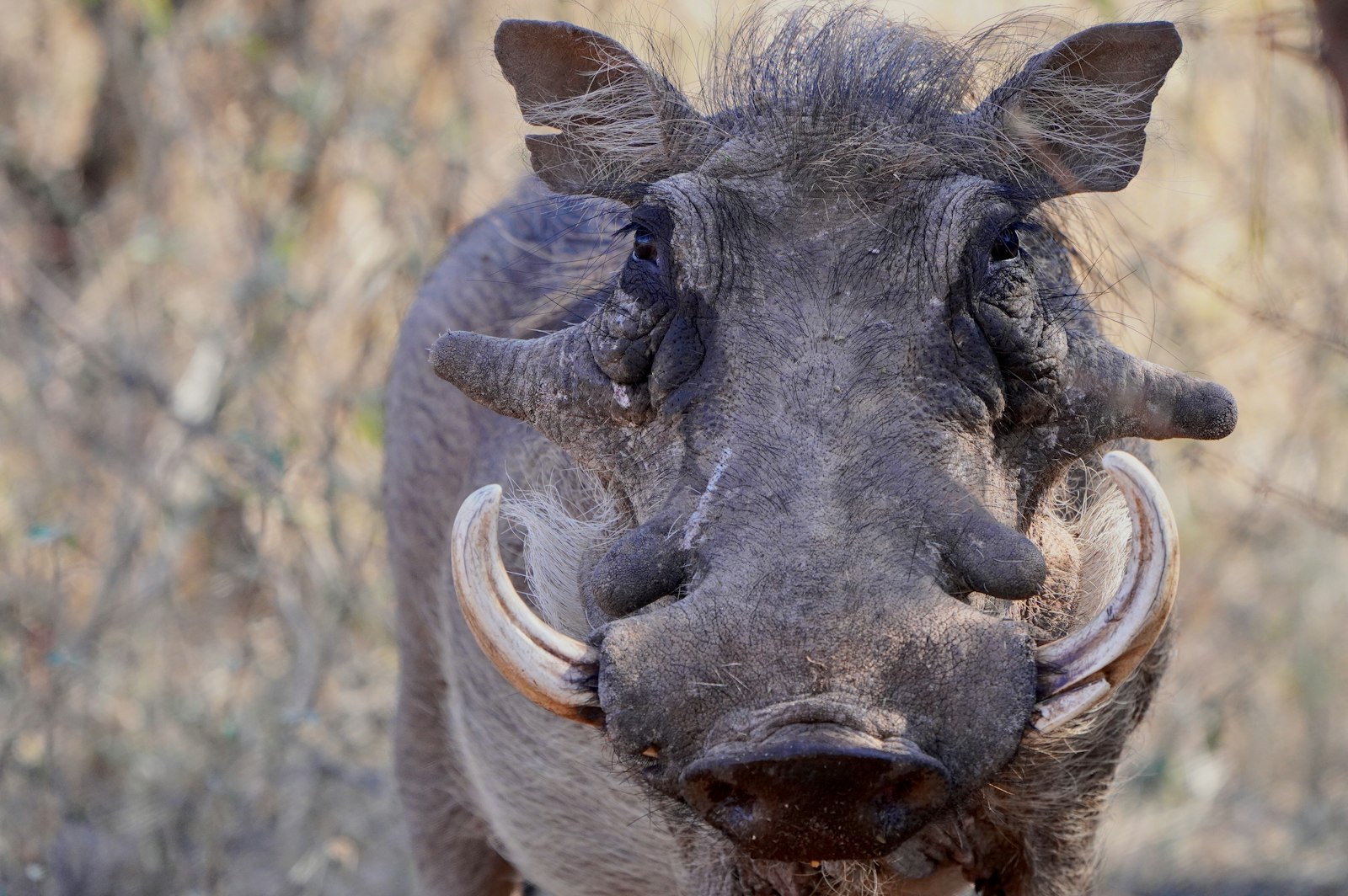
- The warts are not bone. They are pads of fibrous tissue that cushion the skull and protect the eyes in fights.
- Males have bigger warts. Males fight head to head for females, so they need more padding.
- The tusks are teeth. Upper and lower canines grow into tusks; the lower ones are sharpened against the upper.
- They kneel to eat. Calloused front knees, present even before birth, let them graze on short grass.
- They are fast. In bursts they reach about 55 km/h, running with a stiff back.
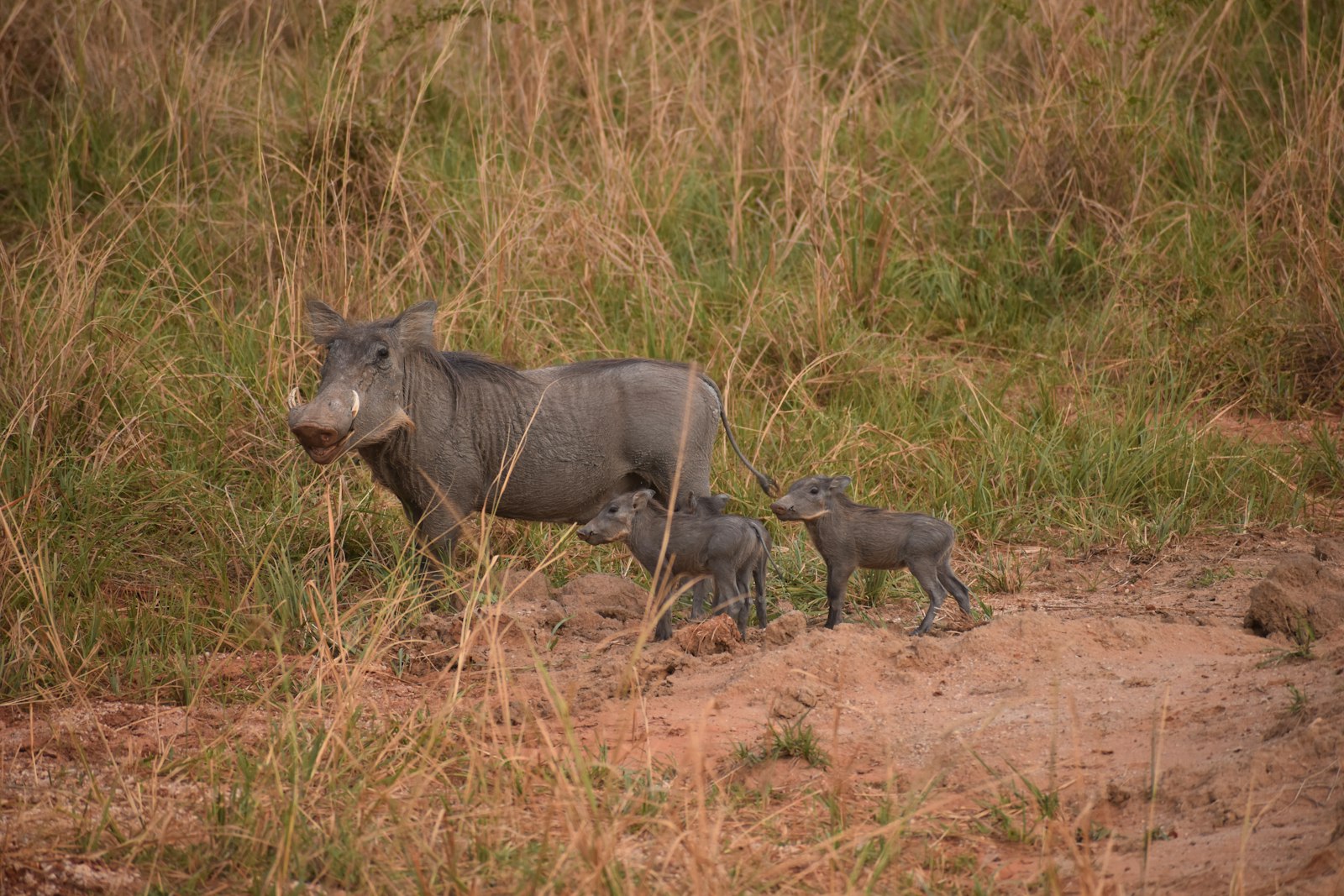
- The tail is a flag. They run with tails held straight up, which helps piglets follow their mother through long grass.
- They borrow homes. They often use old burrows dug by aardvarks rather than digging their own from scratch.
- They reverse into burrows. Backing in leaves the tusks facing the entrance, ready to defend against predators.
- Mothers share nursing. Females in a group sometimes nurse each other’s piglets.
- Litters are small. Usually two to four piglets are born after a pregnancy of about five and a half months.
- They love mud. Wallowing keeps them cool and protects their sparse-haired skin from sun and insects.
- They have many enemies. Lions, leopards, hyenas, cheetahs and wild dogs all hunt them, and some lion prides specialise in them.
How Warthogs Survive on the Savannah
A warthog survives by combining speed, burrows, sharp senses and a flexible diet that changes with the seasons.
Feeding Through Wet and Dry Seasons
In the rains, they graze on fresh green shoots. In the dry season they dig with their snouts for roots, bulbs and tubers, and also eat seeds and fruit. This flexibility lets them stay in one home range all year, unlike the migrating wildebeest.
Burrows and the Midday Heat
These pigs are active by day and rest in burrows at night and during the hottest hours. The burrow keeps them cool, safe from many predators and warm on chilly highland nights. Old aardvark burrows are favourites, which is one reason the aardvark is so important to other wildlife. Read our aardvark facts guide to learn more.
Predators and Defence
Running is the first defence, with the tail up so the family stays together. If cornered, an adult will turn and slash with its tusks, and a sow defending piglets can be fierce. Watching a sounder react to a passing lion pride is one of the quieter dramas of a game drive.
How Warthogs Communicate
Warthogs grunt, squeal and snort to keep in touch, and a sharp snort often sends a whole family running. Scent matters too: glands near the eyes and mouth leave marks on trees and burrow entrances, telling others who lives nearby. Watch for adults rubbing their faces on stumps, a behaviour guides can point out once you know to look.
Want to see predators and prey in action?
Tell us your interests, from big cats to quirky wildlife, and we will match you with the right park and guide.
Watching Warthogs on Safari: What to Look For
Warthog watching is most rewarding early and late in the day, when families leave or return to their burrows and piglets play.
- Kneeling to graze: a classic photo, especially with low morning light.
- Tails up in single file: a family running with tails raised is pure entertainment.
- Mud wallowing: common on hot afternoons near waterholes.
- Burrow returns: at dusk, watch an adult reverse into its den.
- Males sparring: in the breeding season, males push head to head, using their warts as cushions.
- Grooming partners: banded mongooses sometimes pick ticks off resting warthogs.
Expert tip from our Nairobi team
Ask your guide to stop near a known burrow in the last hour before sunset and switch off the engine. Families often come home in single file, tails high, and the adults reverse in one by one. It is a short, charming scene that most visitors miss because they are rushing to find a lion.
Photographing Them Well
Get low in the vehicle and shoot at eye level as they kneel to graze. Morning light picks out the bristly mane, while dust in late afternoon adds atmosphere. A fast shutter freezes a family running with tails up. Our safari camera gear guide explains which lens suits these quick, low subjects.
Where to See Warthogs in Kenya
You can see the common warthog in most of Kenya’s savannah parks, and they are especially easy to find in the Masai Mara, Nairobi National Park, Lake Nakuru and Amboseli.
| Park | Warthog sightings | Good to know |
|---|---|---|
| Masai Mara | Very common | Families on open plains, often near burrows |
| Nairobi National Park | Common | Easy half-day option from the city |
| Lake Nakuru | Common | Grassy lakeshore and woodland edges |
| Amboseli | Common | Open plains with Kilimanjaro backdrop |
| Tsavo East and West | Common | Red-dust warthogs in big landscapes |
| Laikipia conservancies | Common | Walking safaris give a different view |
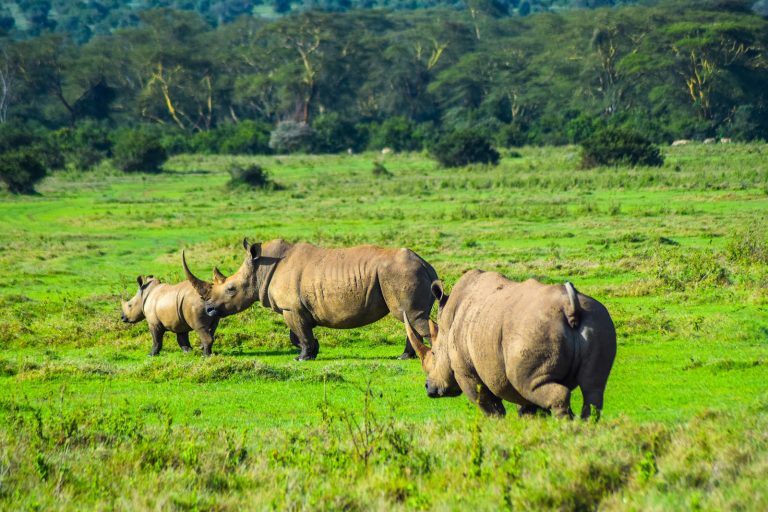
Our Masai Mara National Reserve guide and guide to baboons, vervet monkeys and warthogs cover the everyday wildlife of the Mara. For a rhino-rich park with plenty of grazers, see our Lake Nakuru safari. Official park details are on the Kenya Wildlife Service website.
Best Time to See Warthogs and Piglets
You can watch them all year, but the weeks after the rains are often best for piglets, which many guides link to the arrival of fresh grass.
| Months | Conditions | Warthog viewing |
|---|---|---|
| January to February | Short dry season | Good viewing; families active on short grass |
| March to May | Long rains | Lush grass; some roads muddy |
| June to October | Long dry season | Easy viewing near water; dust wallows |
| November to December | Short rains | Green plains; young piglets often seen |
Park fees vary by season and park, so check our Kenya national parks entrance fees 2026 guide when planning.
Planning a family trip in the school holidays?
Family rooms and private vehicles in the best camps book early for July, August and Christmas. Share your dates for a written quote.
Warthogs and Conservation
Common warthogs are listed as Least Concern by the IUCN, but populations are declining in parts of Africa, and healthy numbers depend on protected habitat.
The warthog is an important prey species for lions and leopards, so it helps support Kenya’s big cats. Outside protected areas they can clash with farmers and are hunted in some regions. Parks, reserves and community conservancies keep large areas of grassland open, which benefits these pigs and the predators that rely on them. You can check the latest status on the IUCN Red List.
Who Will Love Watching Warthogs
Families, photographers and repeat visitors often enjoy these characters most, because they are easy to watch, full of character and active by day.
Children love counting piglets and spotting raised tails, which makes a Kenya family safari ideal. Photographers enjoy kneeling grazers in golden light. A private Kenya safari lets you stop as long as you like, rather than rushing past. For more destination ideas, visit Magical Kenya.
If you enjoy the smaller characters of the bush, read our honey badger facts and bat-eared fox facts guides too.
Warthogs FAQs
Why are warthogs so ugly?
Warthogs look rough because every feature has a job. The facial bumps are pads of fibrous tissue that protect the face in fights, the tusks are weapons and feeding tools, and the bristly mane signals alarm. Their Ugly Five reputation is a safari joke, not a sign of weakness.
Are warthog warts made of bone?
No. According to San Diego Zoo Wildlife Alliance, the warts are made of fibrous tissue. They sit on the cheeks, lower jaw and behind the tusks, cushioning the skull and protecting the eyes when males fight. Males have larger warts than females.
How fast can a warthog run?
Warthogs can reach bursts of up to about 55 km/h, running with a stiff back and the tail held upright. Speed is their first defence against lions, leopards and hyenas, and the raised tail helps piglets follow their mother through long grass.
Why do warthogs kneel when they eat?
Warthogs have short necks and long legs, so they kneel on calloused front knees to reach short grass and dig for roots and bulbs. The calluses are present even before birth, showing how important this feeding style is to the species.
Do warthogs live in burrows?
Yes. Warthogs rest in burrows at night and during midday heat, often using old aardvark burrows. They commonly back in so their tusks face the entrance, ready to defend against predators. Burrows also keep them cool by day and warm on cold nights.
Where can I see warthogs in Kenya?
Warthogs are common in the Masai Mara, Nairobi National Park, Lake Nakuru, Amboseli, Tsavo and Laikipia. Look for families on open grassland, especially early morning and late afternoon. They are active by day, so you are likely to see them on most game drives.
Plan a Safari Full of Wildlife Characters
From warthog families to big cats, we plan private Kenya safaris with guides who explain every sighting. Sense of Adventure is a TRA-licensed Nairobi safari company.
Kenya-based experts. Real local knowledge. Transparent pricing.