
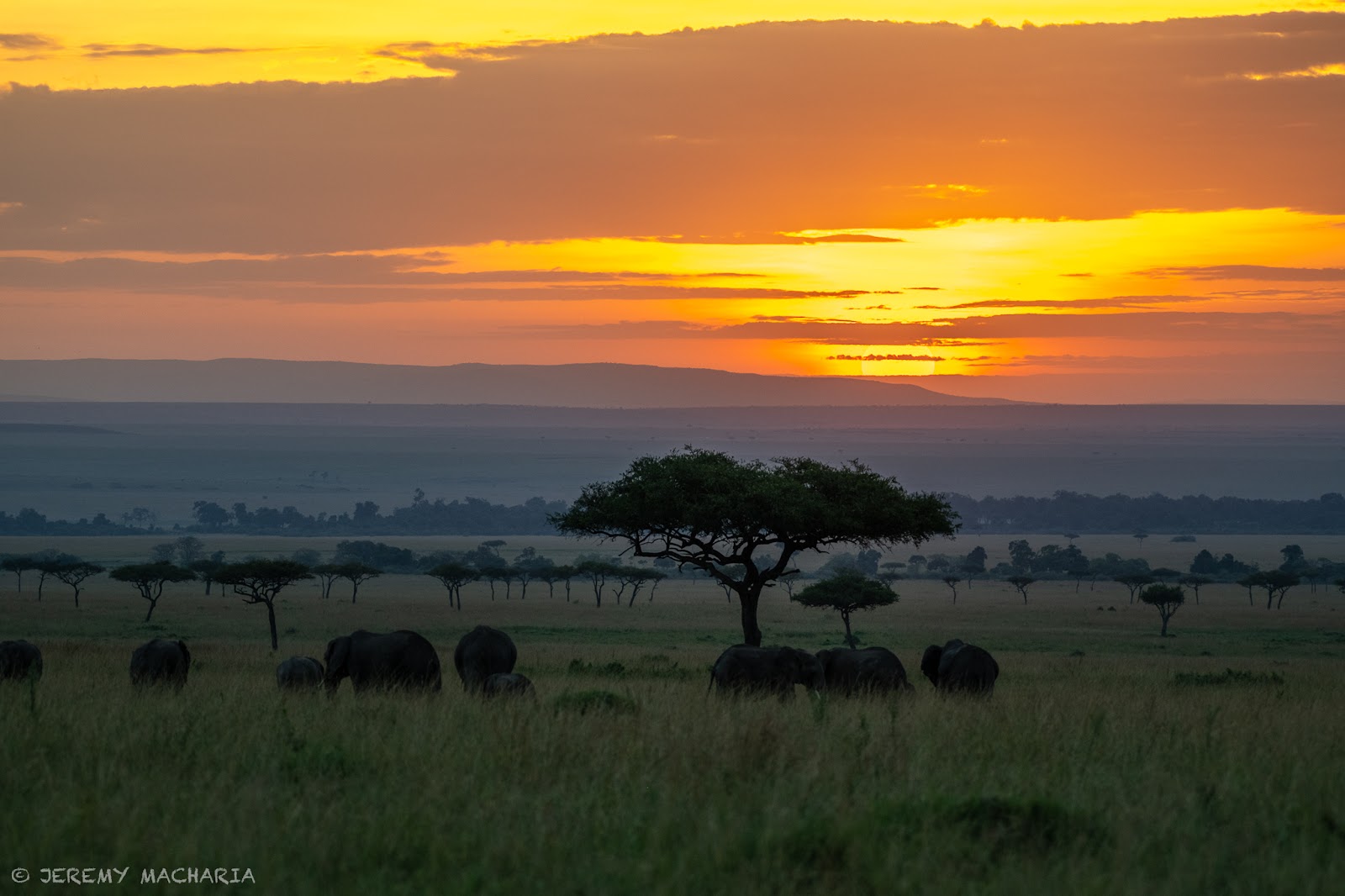
World best sunset is a title dozens of destinations claim, but the Masai Mara keeps landing in that conversation for reasons that are actually explainable, not just marketing. Sitting on a high-altitude equatorial plateau, the sun here rises and sets faster and more vividly than it does at higher latitudes, painting a flat, nearly unbroken horizon in blue, purple, gold and deep red inside a compressed twenty-minute window. Add silhouetted acacia trees, distant wildlife shapes moving across the grass, and zero light pollution for a hundred kilometres, and you get a sunset that photographs like nowhere else on Earth. Sense of Adventure times game drives specifically to end at this exact window.
Time Your Safari for the Mara Golden Hour
Message us and we will build your game drive schedule around this exact sunset window.
Why the Masai Mara Sunset Genuinely Stands Apart
Because the Mara sits close to the equator, the sun path drops nearly vertically rather than at a long shallow angle, compressing sunset into a fast, intensely colourful twenty to thirty-minute event instead of a slow fade. The wide open plateau offers an unbroken horizon rarely available in forested or mountainous destinations, while scattered acacia trees give the sky something to silhouette against for genuinely striking photography. Combine that with wildlife still active in the golden light and you get a sunset that is also, quite literally, a wildlife encounter.
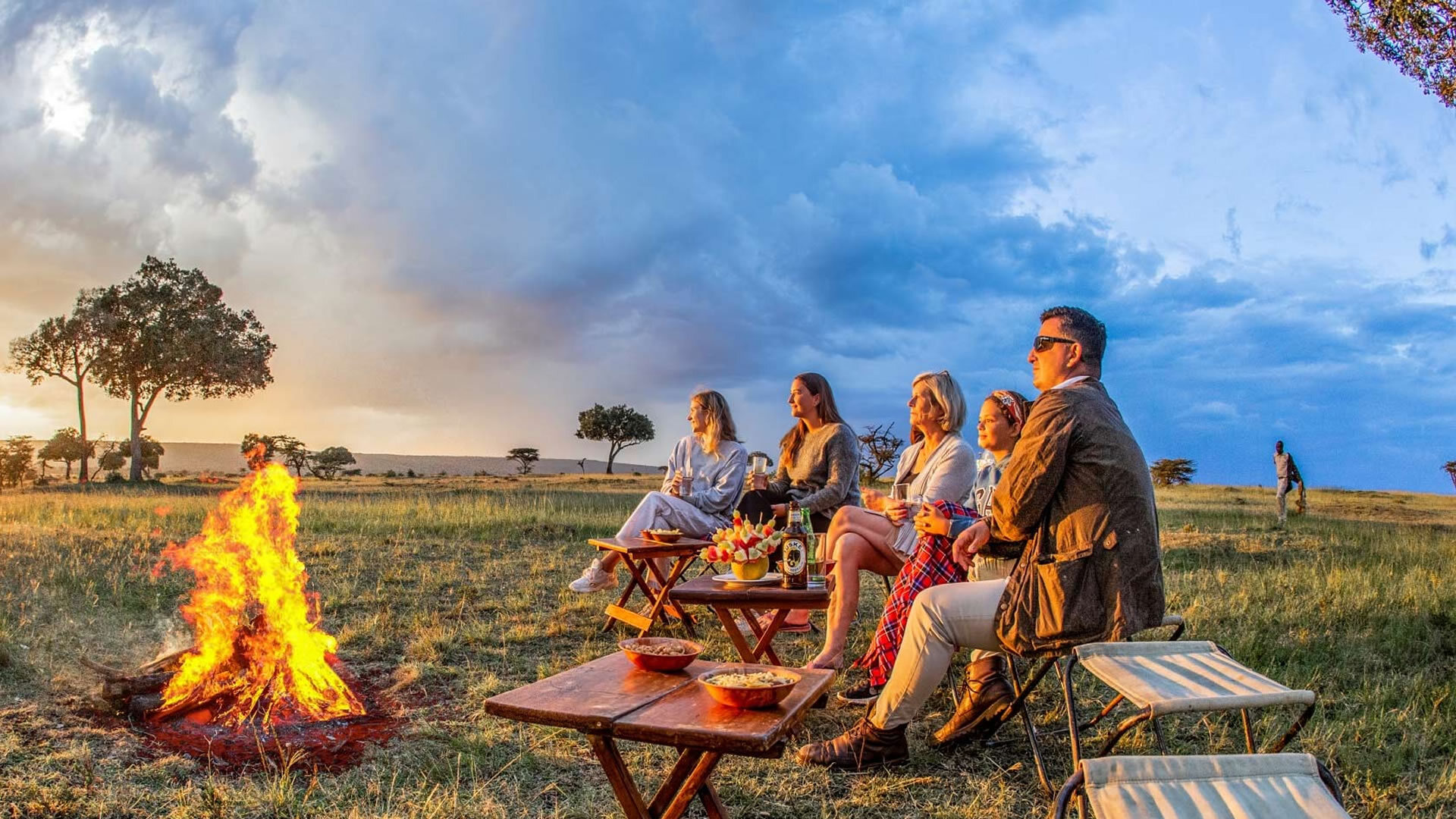
I have watched sunsets on three continents chasing this exact experience and nothing prepared me for how fast and how deeply red the sky turned that first evening in the Mara. Our guide had timed the whole drive around it without telling us why, and when it hit, the entire vehicle just went quiet.
— Sense of Adventure guest, Masai Mara photographic safari
5 Reasons the Mara Sunset Keeps Winning
1. Equatorial Speed — a fast, dramatic sunset, not a slow fade
The sun drops almost vertically this close to the equator, compressing the entire colour show into roughly twenty minutes rather than dragging it out.
2. An Unbroken Horizon — nothing to interrupt the view
The Mara flat, open plateau gives an uninterrupted line where sky meets grass, a rare combination most sunset destinations, blocked by buildings or hills, cannot offer.
3. Acacia Silhouettes — the iconic foreground
Scattered flat-topped acacia trees give the sky a foreground subject, turning a plain colour gradient into the single most photographed silhouette shape in African safari photography.
4. Wildlife Still Active in Golden Light
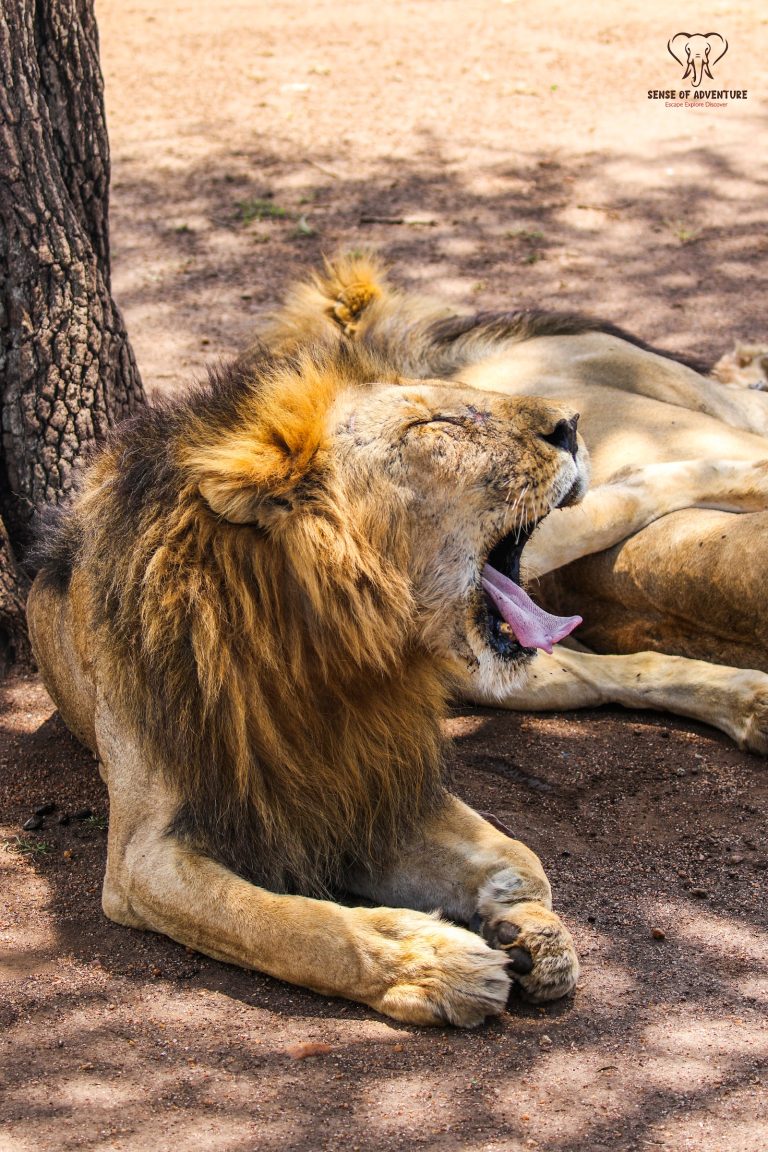
Predators often hunt in the last hour of light, meaning a Mara sunset frequently comes with a lion or hyena moving through the same frame, something no beach or city sunset can offer.
5. Zero Light Pollution — the sky before and after
With no artificial light for miles, the post-sunset afterglow and the star field that follows are almost as remarkable as the sunset itself, a bonus most sunset chasers do not expect.
Watch the Sunset From Above It
Pair the ground-level sundowner with a sunrise hot air balloon for the full Mara light experience.
Masai Mara Sunset: Quick Reference
- Typical timing: 6:15pm to 6:45pm, nearly fixed year-round near the equator.
- Duration: a fast, roughly twenty-minute colour sequence, from blue and purple to gold and red.
- Best foreground: flat-topped acacia trees against the open horizon.
- Bonus factor: active wildlife often visible in the same golden-hour frame.
- Sky afterward: genuinely dark, light-pollution-free stargazing follows most clear evenings.
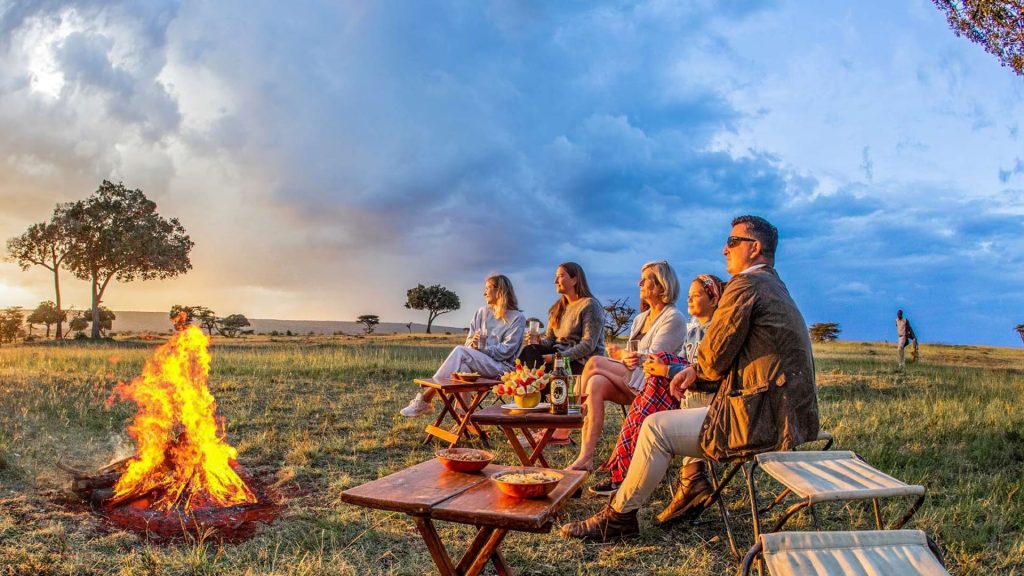
- Best experience: a private sundowner stop, timed by your guide to the exact window.
Experiencing the Full Mara Light Cycle
The sunset is only half the story; sunrise here is equally dramatic. Our Kenya Sundowners & Bush Safari Experiences guide covers the full evening ritual, and our Masai Mara Balloon Safari guide covers the sunrise equivalent from a thousand feet up.
See It for Yourself, Not Just in Photos
Message us today and we will time your Masai Mara safari around this exact golden hour.
Frequently Asked Questions
Why is the Masai Mara sunset considered one of the best in the world?
The Masai Mara sunset stands out because its equatorial location produces a fast, vividly coloured sunset over an unbroken open horizon, framed by acacia silhouettes and often accompanied by active wildlife in the same golden-hour light.
What time does the sun set in the Masai Mara?
The Masai Mara sun typically sets between 6:15pm and 6:45pm, a window that stays fairly consistent year-round due to the reserve’s proximity to the equator.
Is the Masai Mara good for sunset photography?
Yes, the Masai Mara is considered one of the best safari destinations for sunset photography, thanks to its flat open horizon, silhouetted acacia trees, and frequent wildlife activity during the golden hour.
What is a sundowner in the Masai Mara?
A sundowner is a drink and snack stop set up on the open plains timed to coincide with sunset, a classic Masai Mara tradition that combines the golden hour view with a relaxed, private moment away from the vehicle.
Can I see wildlife during a Masai Mara sunset?
Yes, many predators, including lions and hyenas, become active in the final hour of daylight, meaning a Masai Mara sunset often includes genuine wildlife activity within the same golden-hour scene.