
Masai Mara for travel agents means choosing the right zone (the Narok-run reserve, the Mara Triangle or a private conservancy), matching it to the client and season, and quoting every cost line correctly. Reserve fees are USD 100 per day from January to June and USD 200 from July to December, so dates drive price as much as camp choice.
Sense of Adventure is a Nairobi-based ground operator licensed by Kenya’s Tourism Regulatory Authority (TRA1/47/C01/77087), working with travel agents, tour operators, wholesalers, OTAs and MICE planners. The Mara is where we send more guests than anywhere else. This guide to the Masai Mara for travel agents covers the three zones, which clients suit each, the seasonal pricing calendar, road and air access, how to build a quote, lead times and the mistakes that cost agencies money.
Table of Contents
✅ Masai Mara for Travel Agents: The Quick Answer
- Three zones: the Narok sector of the national reserve, the Mara Triangle west of the Mara River, and the private and community conservancies on the reserve’s northern and eastern edges.
- Reserve fees: non-resident adults pay USD 100 per day (January–June) or USD 200 (July–December); children aged 9–17 pay USD 50.
- Access: about 5–6 hours by road from Nairobi, or 45–75 minutes by scheduled light aircraft from Wilson Airport.
- Peak demand: July to October for the Great Migration, plus the Christmas and New Year period.
- Ideal stay: three nights for most clients; four or more for photographers and migration-focused trips.
- Biggest quoting risk: wrong season rate, wrong number of fee days, or assuming conservancy fees are included.
🤝 Selling the Mara for next season?
Tell us your client type and dates and we will recommend the right zone and camp, with a costed quote within 24 hours. 📋 Request B2B Rates
Masai Mara for Travel Agents: Why It Anchors Most Kenya Sales
The Masai Mara anchors most Kenya itineraries because it delivers reliable big-cat viewing all year and the Great Migration in season, which makes it the easiest Kenya product to sell.
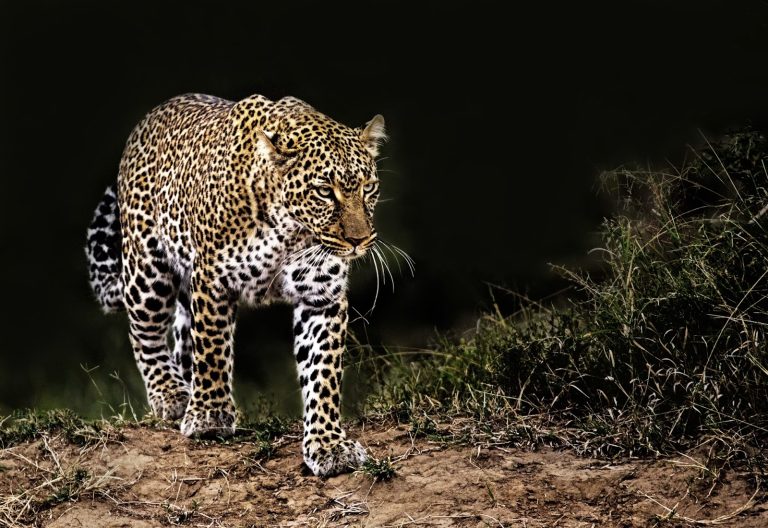
The reserve covers about 1,510 km² in Narok County, south-west Kenya, and forms the northern part of the Mara-Serengeti ecosystem. Lions, cheetahs, elephants and buffalo are seen on most safaris, and leopard sightings are common with a patient guide. For first-time safari clients, the Mara is the name they already know. Kenya’s official destination brand, Magical Kenya, lists it among the country’s signature experiences.
For agencies, the Masai Mara for travel agents is also a flexible product. It works as a two-night fly-in add-on to a beach stay, a three-night road safari from Nairobi, or the centrepiece of a 10-day circuit. The skill is in matching zone, camp and dates to the client, because the same three nights can cost very different amounts.
The Three Zones of the Mara Explained
The Mara has three distinct zones, each with its own management, rules and fees, and knowing them is the core skill in selling the Masai Mara for travel agents.
| Factor | Narok sector (reserve) | Mara Triangle (reserve) | Private and community conservancies |
|---|---|---|---|
| Managed by | Narok County Government | Mara Conservancy for the county | Landowner associations and camp partners |
| Fee | Reserve day ticket | Reserve day ticket | Conservancy fee, usually in camp rate |
| Vehicle density | Highest, especially near Talek and Sekenani | Lower, with strict rules | Low, capped vehicle numbers per sighting |
| Night drives and walks | Not allowed | Not allowed | Usually allowed |
| Off-road driving | Not allowed | Not allowed | Depends on conservancy rules |
| Migration river crossings | Yes, eastern river banks | Yes, western banks and Mara River | Herds visit some conservancies; crossings are in the reserve |
| Typical client | Value, first-timers, road safaris | Crossings with fewer vehicles | Luxury, honeymoon, families, repeat visitors |
Every plan for the Masai Mara for travel agents starts here, because the zone sets the fee rules, the activities on offer and the price level.
Narok sector
The larger eastern part of the reserve, reached through gates such as Sekenani and Talek. It has the widest choice of lodges and camps at every price point, which makes it the backbone of road safari packages. Vehicle numbers can be high at major sightings in peak season.
Mara Triangle
The western section between the Mara River and the Oloololo Escarpment, run by the not-for-profit Mara Conservancy since 2001. It has fewer camps, firm ranger enforcement and some of the best river crossing points. Its ticket runs from 06:00 to 18:00, and guests based in the Triangle who drive in through the Narok side are not charged Triangle fees until they enter at Purungat Bridge.
Conservancies
Areas such as Mara North, Olare Motorogi and Naboisho are leased from Maasai landowners and limit the number of camps and vehicles. Guests get walks, night drives and quieter sightings, and the conservancy fee supports landowner lease payments. For many agencies, conservancies are the premium end of the Masai Mara for travel agents. Our comparison of Mara North vs Naboisho vs Olare Motorogi and our guide to the Masai Mara reserve vs conservancies go deeper.
Matching Clients to the Right Zone
The quickest way to sell the Masai Mara for travel agents is to start with the client profile, then choose the zone, then the camp.
| Client profile | Best zone | Why |
|---|---|---|
| First safari, value-focused | Narok sector, road access | Widest camp choice and lowest transport cost |
| Migration and river crossings | Mara Triangle or camps near the Mara River | Closest to the main crossing points |
| Honeymoon or celebration | Conservancy | Privacy, walks, bush dinners and fewer vehicles |
| Families with young children | Conservancy or family-friendly reserve camp | Check minimum ages; flexible guiding and private vehicles |
| Photographers | Conservancy plus reserve days | Off-road and night options in conservancies, crossings in the reserve |
| Groups and MICE | Reserve lodge or large camp | Room capacity, meeting space and multi-vehicle logistics |
Used this way, the Masai Mara for travel agents becomes a menu of three products rather than one destination, and each can be priced for a different budget.
Expert tip from our Nairobi operations team: for clients who want both a quiet conservancy and a chance at a river crossing, split the stay. Two nights in a conservancy and two near the river often gives a better experience than four nights in either.
Seasons, Migration and Fees: The Mara Pricing Calendar
Pricing the Masai Mara for travel agents follows the calendar: reserve fees double on 1 July, and many camps raise rates for the migration months and festive season.
| Months | Wildlife | Reserve fee (non-resident adult) | Demand and selling angle |
|---|---|---|---|
| January–March | Resident cats, young animals, green plains | USD 100 per day | Good value; strong for repeat and photo clients |
| April–May | Long rains; lush and quiet | USD 100 per day | Lowest demand; some camps close; best rates |
| June | Drying; early herds possible late in month | USD 100 per day | Shoulder value before the fee rise |
| July–October | Great Migration; crossings possible | USD 200 per day | Peak; book early; highest camp rates |
| November | Short rains; herds usually moving south | USD 200 per day | Quieter; useful for value-minded clients |
| December | Resident wildlife, showers | USD 200 per day | Festive peak over Christmas and New Year |
The calendar is the most useful tool in selling the Masai Mara for travel agents, because it explains price differences before clients ask. Migration timing depends on rain and is never guaranteed, so sell the Mara on its resident wildlife first and the herds as a seasonal bonus. Fees are set by the county and can change, so check Narok County Government notices. For a full fee breakdown across Kenya, see our trade guide to Kenya park fees for tour operators, and for client-facing timing read our Great Migration 2027 planner.
Getting There: Road or Fly-in
Clients reach the Mara either by road from Nairobi in about 5 to 6 hours or by scheduled light aircraft from Wilson Airport in under an hour and a quarter. Access is a key decision in packaging the Masai Mara for travel agents, because it changes both cost and time on the ground.
Road safaris
The road route runs down the Rift Valley escarpment and through Narok town to the eastern gates. It is the best-value option and lets you add Lake Naivasha or Lake Nakuru on the way. The final section can be slow and rough after rain. A road package also means the same vehicle and driver-guide for the whole trip, which many clients value. Most budget versions of the Masai Mara for travel agents are road packages.
Fly-in safaris
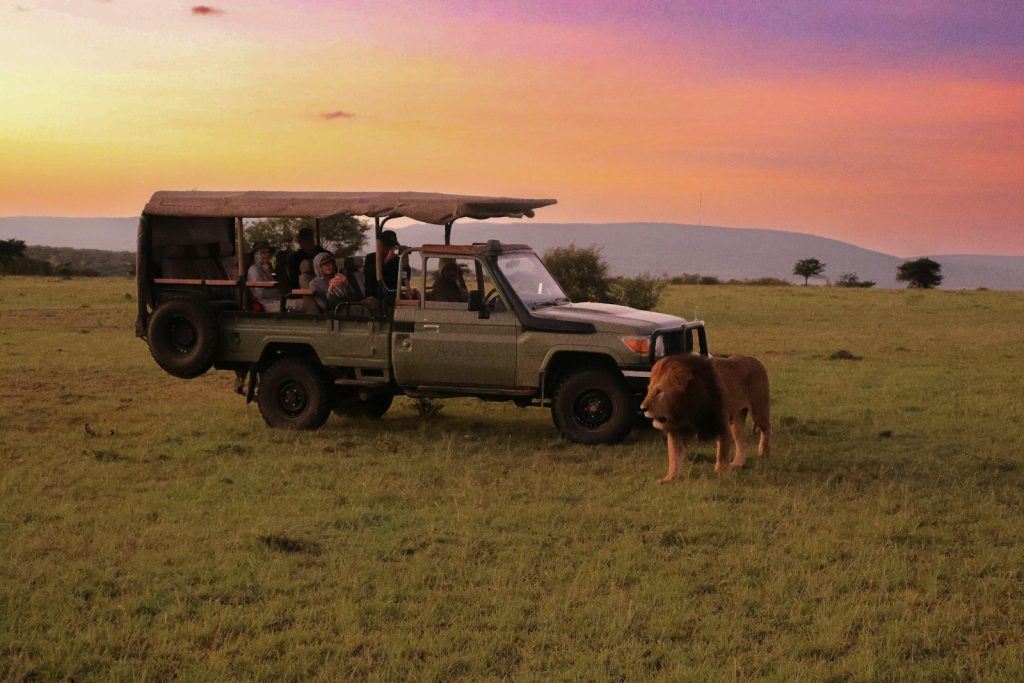
Scheduled flights from Wilson Airport serve Mara airstrips including Keekorok, Ol Kiombo, Musiara and Serena. Flight times are about 45 to 75 minutes depending on stops. Guests are met at the airstrip by the camp or the operator’s guide. Fly-in versions of the Masai Mara for travel agents suit short stays and beach add-ons. Remind clients of the soft-bag rule and the usual 15 kg limit, covered in our guide to safari luggage weight limits on small aircraft. International arrivals land at JKIA, so allow time for the transfer described in our JKIA to Wilson Airport guide; airport information is on the Kenya Airports Authority website.
Expert tip from our Nairobi operations team: for clients landing at JKIA in the morning, do not book a same-day Mara flight unless the connection is generous. A night in Nairobi protects the safari if the international flight is late.
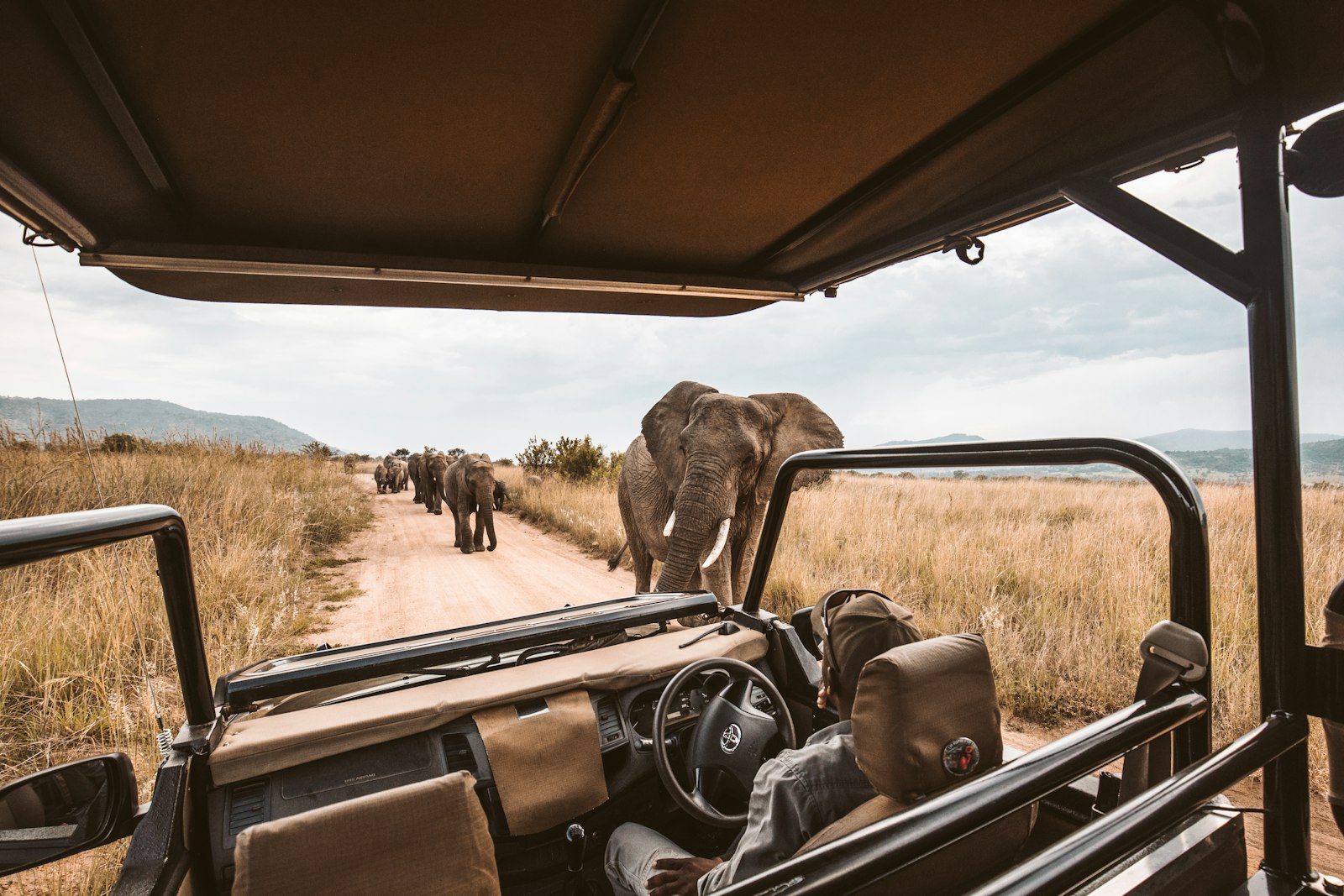
How to Quote the Masai Mara for Travel Agents
A sound quote for the Masai Mara for travel agents lists every cost line separately, applies the right seasonal fee to each day, and states clearly what is and is not included.
- Accommodation: camp or lodge rate by season, meal plan and room type; confirm child policies and single supplements.
- Reserve fees: per person per day at the rate for each date; count days inside the reserve, not nights.
- Conservancy fees: confirm whether they are included in the camp rate or charged separately.
- Vehicle and guide: private or shared pop-up roof 4×4 Land Cruiser or safari van, with driver-guide and fuel.
- Flights: scheduled light aircraft fares and any airstrip transfers.
- Activities: balloon flights, village visits, bush meals and any conservancy walks or night drives.
- Exclusions: tips, drinks outside the meal plan, visas and travel insurance.
Quoting the Masai Mara for travel agents line by line also makes amendments quick when a client changes dates or camps.
Masai Mara for travel agents: fee rules that trip up quotes
- The reserve ticket is a day ticket from 06:00 to 18:00, not a rolling 24-hour pass.
- Guests sleeping inside the reserve pay for each day of their stay; guests outside pay only on days they enter.
- Programmes that span 30 June and 1 July need two fee rates.
- The Triangle and the Narok sector have separate ticketing, so crossing between them needs planning.
- Gates and airstrips are cashless, so operators normally prepay.
For how these lines combine with your margin, see our guide to Kenya safari wholesale rates and our comparison of safari net rates vs commission.
📩 Request Our Current Trade Rates
Send us your dates, passenger mix and preferred zone, and we will return Mara options with every fee and inclusion itemised. 📋 Fill in the B2B Rates Form
Activities and Add-ons Clients Ask For
The main Mara add-ons are hot-air balloon flights, Maasai village visits, bush meals and, in conservancies, walks and night drives. Add-ons are where the Masai Mara for travel agents earns extra value, so price them at quote stage.
- Balloon flights: about an hour at dawn followed by a bush breakfast; one of Kenya’s signature experiences, described on Magical Kenya’s ballooning page. Book early in peak season.
- Maasai village visits: agree the visit fee in advance and brief clients on photography etiquette.
- Walks and night drives: available in most conservancies, not inside the reserve.
- Full-day drives: with a picnic lunch, best for reaching the river or the far south.
- Photography vehicles: private vehicles with flexible timings for serious photographers.
Our Great Migration Photographic Safari and Fly-in Masai Mara Luxury Safari show how we package these, and you can find more on our Masai Mara safari packages page.
Lead Times, Space and Booking Terms
For peak dates, the Masai Mara for travel agents is a game of securing space: the best camps fill early, so agents should hold space as soon as a client is serious.
Small conservancy camps may have only a handful of tents, and river-side camps are in high demand from July to October. As a general guide, many agents request peak-season Mara space 9 to 12 months ahead, and festive dates even earlier. Green-season and shoulder dates can often be confirmed at shorter notice. Terms vary by supplier: deposits, balance dates, release periods and cancellation scales differ from camp to camp, and flights and balloons often have their own rules.
- Ask for provisional holds with a clear release date.
- Confirm whether the rate is guaranteed once the deposit is paid.
- Check cancellation scales for camps, flights and balloons separately.
- Record child ages and dietary needs at the time of booking.
- Check minimum age rules before you quote families.
For aligning your own terms, see our guides to safari deposits and payment plans and the safari cancellation policy.
Selling the Masai Mara for Travel Agents by Market and Trip Type
Each client segment buys the Masai Mara for travel agents for different reasons, so tailor the pitch and the product.
- First-timers: sell three nights, a classic road route via Naivasha, and the promise of big cats.
- Honeymooners: sell a conservancy camp, a balloon flight and a private bush dinner, then a beach stay.
- Families: sell private vehicles, shorter drives and camps with family tents; check age limits for walks and balloons.
- Photographers: sell longer stays, private vehicles and a mix of conservancy and reserve days.
- Groups and incentives: sell a larger lodge or exclusive-use camp, a fly-in option and a gala bush dinner.
Combining the Mara with other destinations
The Mara pairs naturally with Lake Naivasha and Lake Nakuru by road, with Amboseli, Laikipia and Samburu by air, and with the Kenya coast or Zanzibar for a beach finish. For multi-country trips, the Masai Mara for travel agents links directly to the Serengeti in Tanzania. Our 6-day Kenya group safari and corporate incentive fly-in safari are ready-made examples. Remind clients to apply for Kenya’s Electronic Travel Authorisation on the official Kenya eTA portal.
Common Mistakes When Selling the Mara
Most problems with the Masai Mara for travel agents come from a handful of avoidable errors in promises, pricing and logistics.
- Promising a river crossing: crossings depend on the herds; sell them as possible, never guaranteed.
- Two nights by road: leaves only one full day; three nights is the minimum we recommend by road.
- Wrong fee season: pricing a July stay at June rates, or the reverse.
- Ignoring camp location: a camp outside the reserve changes fee days and drive times.
- Hard luggage on fly-ins: soft bags only, usually 15 kg including hand luggage.
- No safety brief: share current advice from the UK government’s Kenya travel advice and check insurance covers evacuation.
How Sense of Adventure Supports Your Mara Sales
We plan and deliver the Masai Mara for travel agents as your ground partner, from zone advice and quotes to vehicles, guides, fees and on-trip support.
- Trade pricing: B2B net rates or commissionable rates, terms confirmed in writing, with seasonal offers.
- Fast quotes: costed options within 24 hours, with reserve and conservancy fees itemised.
- Ground handling: camp reservations, pop-up roof 4×4 Land Cruisers and safari vans, English-speaking driver-guides, scheduled light-aircraft bookings and park entry.
- Arrivals: meet and greet at JKIA and Wilson Airport.
- Your brand: white-label documents under your agency’s name.
- Support: a dedicated trade desk, real-time operational updates and complimentary AMREF Flying Doctors emergency evacuation cover on every safari.
Browse Mara itineraries at trade rates in our B2B trade portfolio, read our Masai Mara National Reserve guide for client-ready detail, and see full partner terms on our Kenya DMC for travel agents page.
Masai Mara for Travel Agents FAQs
What should travel agents know before selling the Masai Mara?
Selling the Masai Mara for travel agents starts with three zones, the seasonal reserve fee and client fit. The Narok sector suits value and first-timers, the Mara Triangle suits crossing-focused clients, and conservancies suit luxury and honeymoon guests. Fees double from July to December, and peak camps fill early, so hold space quickly.
How much is the Masai Mara entry fee for non-residents?
Non-resident adults pay USD 100 per day from January to June and USD 200 per day from July to December. Children aged 9 to 17 pay USD 50, and children aged 8 and under enter free. Fees are set by the county and can change, so confirm before you quote.
Is a conservancy better than the reserve for my clients?
It depends on the client. Conservancies offer fewer vehicles, walks and night drives, and suit honeymooners, families and repeat visitors. The reserve offers the widest camp choice and the main river crossing points. Many agents sell a split stay to give clients both experiences.
How many nights should clients spend in the Mara?
Three nights suits most clients and gives two full days of game drives. Two nights works only with a fly-in. Photographers and clients hoping for a river crossing should stay four nights or more, because crossings can take patient waiting over several days.
How far ahead should agents book Mara camps for the migration?
For July to October and the festive season, many agents request space 9 to 12 months ahead, and small conservancy camps can fill sooner. Shoulder and green-season dates are easier. Ask your ground operator for provisional holds with a clear release date.
Can clients fly to the Masai Mara from Nairobi?
Yes. Scheduled light aircraft fly from Wilson Airport to Mara airstrips such as Keekorok, Ol Kiombo, Musiara and Serena in about 45 to 75 minutes. Luggage is usually limited to 15 kg in soft bags. International arrivals land at JKIA and transfer to Wilson.
Are night drives allowed in the Masai Mara?
Not inside the national reserve, where game drives run in daylight only. Night drives and guided walks are offered in most private conservancies bordering the reserve, usually included in the camp rate. Check each camp’s activity list before you sell them to clients.
🏕 Partner With Sense of Adventure in Kenya
Kenya-based ground operator. Real local knowledge. Transparent trade pricing. Tell us about your next Mara client and we will match the zone, camp and route to the brief. 📋 Request B2B Rates · 💬 WhatsApp Our Trade Desk
Call or WhatsApp: +254 799 160 081 · Email: info@senseofadventure.co.ke
Related Trade Guides
- › Kenya DMC for Travel Agents: B2B Rates and Ground Handling
- › Kenya Park Fees for Tour Operators: 2026 Guide for Quoting
- › Kenya Safari DMC: 12 Questions to Ask Before You Choose One
- › Kenya Ground Operator: What Ground Handling Covers
- › White Label Safari Kenya: Selling Under Your Own Brand
Official licensing & park resources: Tourism Regulatory Authority ↗ · Kenya Wildlife Service ↗