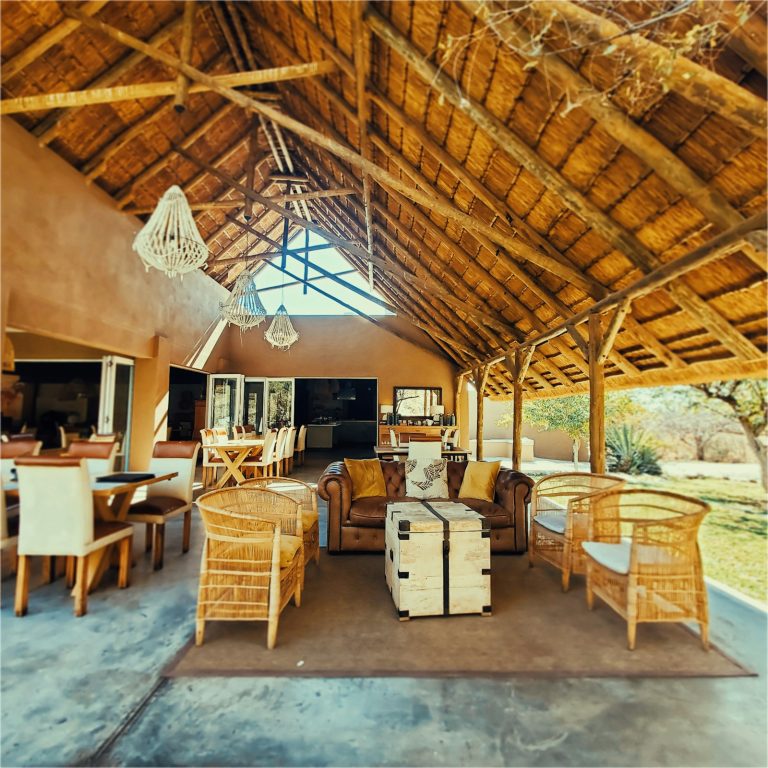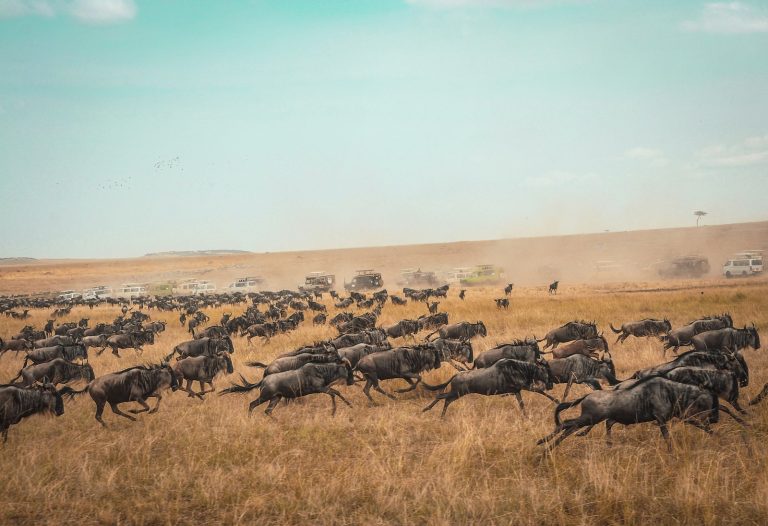

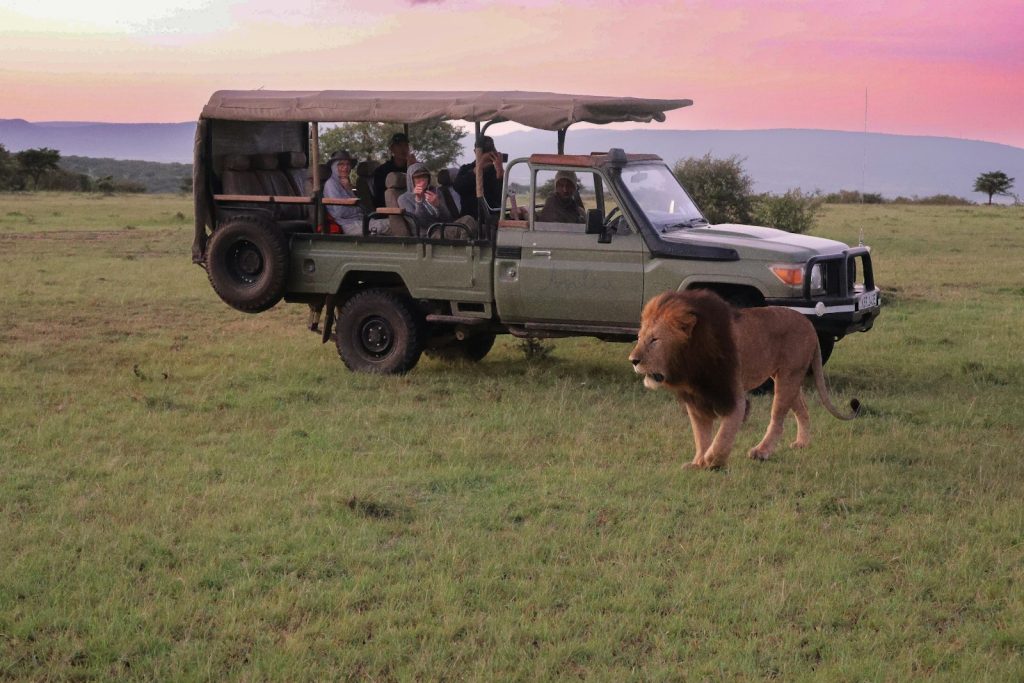
A Kenya ground operator handles everything your clients need once they land: meet and greet at the airport, transfers, hotels and camps, safari vehicles with driver-guides, park entry, light-aircraft seats, activities and round-the-clock support, through to the departure drop-off. Your agency sells the trip; the ground operator delivers each day of it in Kenya.
Sense of Adventure is a Nairobi-based ground operator licensed by Kenya’s Tourism Regulatory Authority (TRA1/47/C01/77087), handling FIT and group arrivals for travel agents, tour operators, wholesalers, OTAs, DMCs and MICE planners. This guide walks through ground handling in the order your clients experience it, from the information we need before arrival to the final airport transfer, so you know exactly what to expect from a Kenya ground operator and what to confirm in writing.
✅ Kenya Ground Operator: The Quick Answer
- Arrival: meet and greet at Jomo Kenyatta International Airport (JKIA) or Wilson Airport, then transfer to a hotel or straight onto safari.
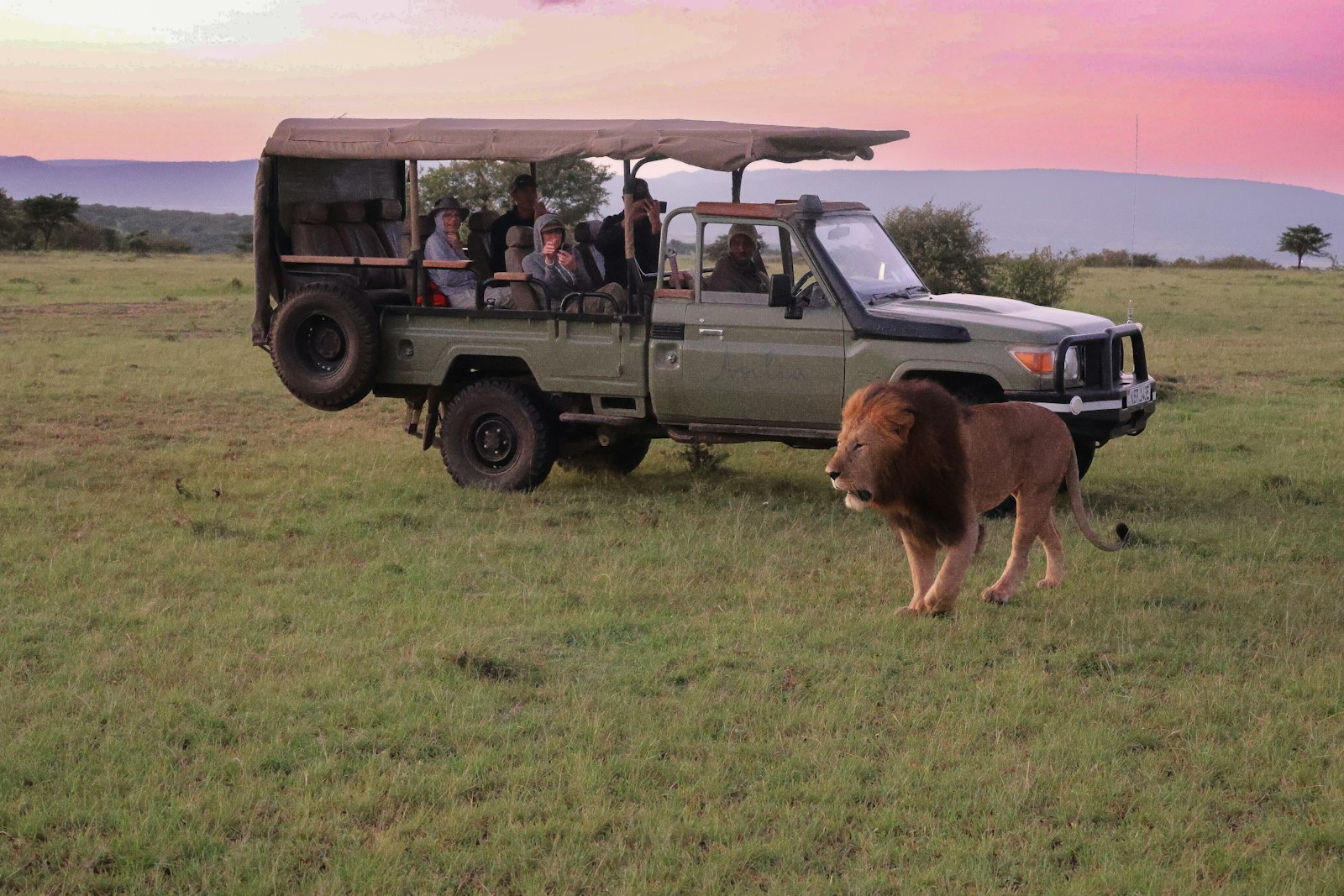
- On safari: pop-up roof 4×4 Land Cruisers or safari vans, professional English-speaking driver-guides, camps, park fees and activities.
- Flights: scheduled light-aircraft seats from Wilson Airport, usually with a soft-bag limit of around 15 kg per person.
- Support: a Nairobi operations team in contact with guides throughout, plus complimentary AMREF Flying Doctors evacuation cover on every Sense of Adventure safari.
- Your role: send accurate names, flights, rooming and special needs early, and keep the client relationship.
🤝 Need reliable hands on the ground for your next Kenya arrival?
Send us the dates, numbers and flights, and we will reply within 24 hours with an itemised ground-handling quote. 💬 WhatsApp Our Trade Desk
What a Kenya Ground Operator Does
A Kenya ground operator turns your confirmed booking into a working trip, coordinating every supplier your clients meet between landing and take-off.
Think of it as your operations department in Kenya. You agree the itinerary and the price with your client. Your Kenya ground operator then books and pays local suppliers, briefs guides, issues vouchers, tracks flights, solves problems and keeps you updated. You get one contract, one invoice and one team to call, instead of a dozen separate suppliers in a different time zone. For how this fits into a wider agency partnership, see our guide to working with a Kenya tour operator for travel agents.
Kenya ground operator, DMC or tour operator?
The labels overlap. A ground operator focuses on delivery on the ground. A destination management company (DMC) usually adds product design, contracting and account management. Many Kenyan companies, including Sense of Adventure, do all three. What matters is that your Kenya ground operator states clearly which services it delivers itself and which it subcontracts. Our overview of what a Kenya DMC does explains the terms in more detail.
Ground Handling at a Glance
This table shows the services a full-service Kenya ground operator covers and the one detail to confirm for each.
| Service | What it covers | Confirm in writing |
|---|---|---|
| Meet and greet | Arrival welcome at JKIA or Wilson Airport, help to the vehicle | Meeting point, name board and contact number |
| Transfers | Airport, hotel, station and inter-park road transfers | Vehicle type and luggage capacity |
| Accommodation | Hotels, lodges, tented camps and beach properties | Named property, room type and board basis |
| Safari vehicles and guides | Pop-up roof Land Cruisers or safari vans with driver-guides | Private or shared, guests per vehicle, window seats |
| Park entry | KWS, Masai Mara reserve and conservancy fees | Fees per guest per day, shown separately |
| Flights | Scheduled light aircraft to safari airstrips and the coast | Times, airstrip transfers and luggage limit |
| Activities | Balloon safaris, bush meals, walks, cultural and city visits | What is included and the cancellation rules |
| Support | Operations team on call and real-time updates | Emergency numbers and escalation process |
Before Arrival: What Your Kenya Ground Operator Needs
Good ground handling starts weeks before landing, when your Kenya ground operator collects the details that permits, manifests and camps depend on.
| When | What to send | Why it matters |
|---|---|---|
| At confirmation | Full names as in passports, dates of birth, nationalities | Park permits, flight manifests and camp systems need them |
| At confirmation | Rooming list and special requests | Room types sell out, especially triples and family rooms |
| Weeks before travel | International flight numbers and times | Transfers and the first night are planned around them |
| Weeks before travel | Dietary, medical and mobility notes | Camps need notice for special meals and access needs |
| Days before travel | Final changes and client mobile numbers | The guide can reach clients if a flight changes |
Remind your clients that most non-African visitors need an approved Electronic Travel Authorisation before they fly, applied for on the official Kenya eTA portal. Airlines check it at check-in, and fees and exemptions change, so confirm each case there. Point clients to official travel advice too, such as the UK Foreign Office page for Kenya or the US State Department.
Expert tip from our Nairobi operations team: send one consolidated client file rather than separate emails. A single document with names, flights, rooming and special needs is far less likely to be misread than ten messages sent over three weeks.
Arrival Day: Meet and Greet at JKIA and Wilson
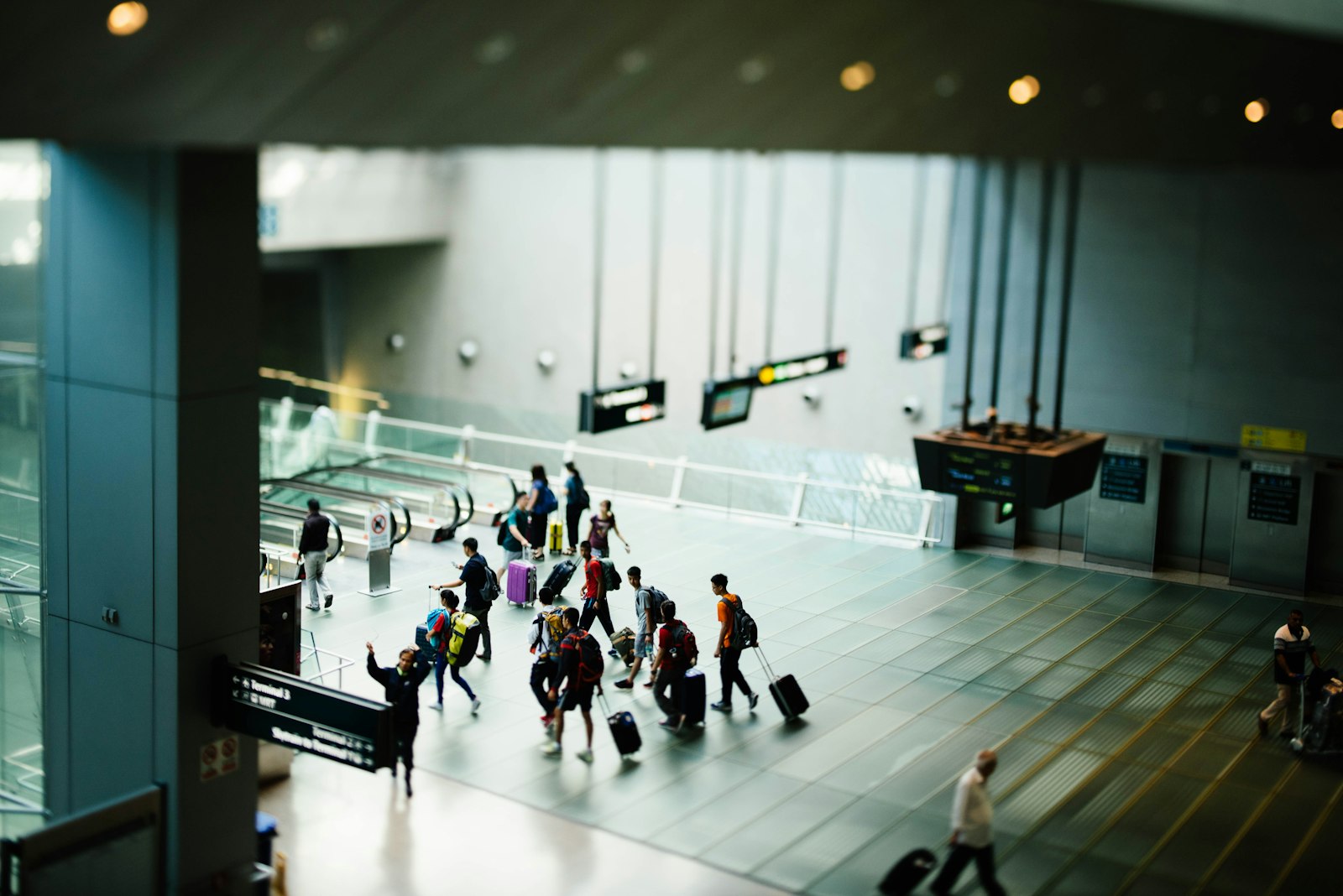
The arrival welcome sets the tone for the whole trip, so your Kenya ground operator should track the flight and be waiting before your clients clear customs.
Most long-haul clients land at Jomo Kenyatta International Airport, Kenya’s main hub, which handles about 8.8 million passengers a year. Sense of Adventure meets clients at JKIA or Wilson Airport, helps them through to the vehicle and transfers them to their hotel or straight onto safari. We confirm the meeting point and pick-up details with your agency before clients land. For airport background you can share, see our Nairobi JKIA airport guide and the official Kenya Airports Authority site.
Delayed flights and lost bags
A good Kenya ground operator monitors arrival times and re-times the pick-up without being asked. If a bag is missing, the guide helps the client file a report with the airline before leaving the airport, and the operations team follows up so the bag can be forwarded. Ask your partner how it handles a delay that means missing a connecting light-aircraft flight, because that is the scenario that needs the fastest decisions.
The first night
Many itineraries start with a night in Nairobi, especially after evening arrivals. JKIA sits roughly 15–20 km south-east of the city centre. The Nairobi Expressway, a toll road opened in 2022, links the airport side of the city with Westlands and can shorten transfers, though traffic still varies by hour. For tight connections to safari flights, read our guide to the JKIA to Wilson Airport transfer.
Transfers and Road Safaris
Road safaris are the backbone of most Kenya itineraries, and the vehicle and guide your Kenya ground operator supplies shape every day of the trip.
Vehicles and seating
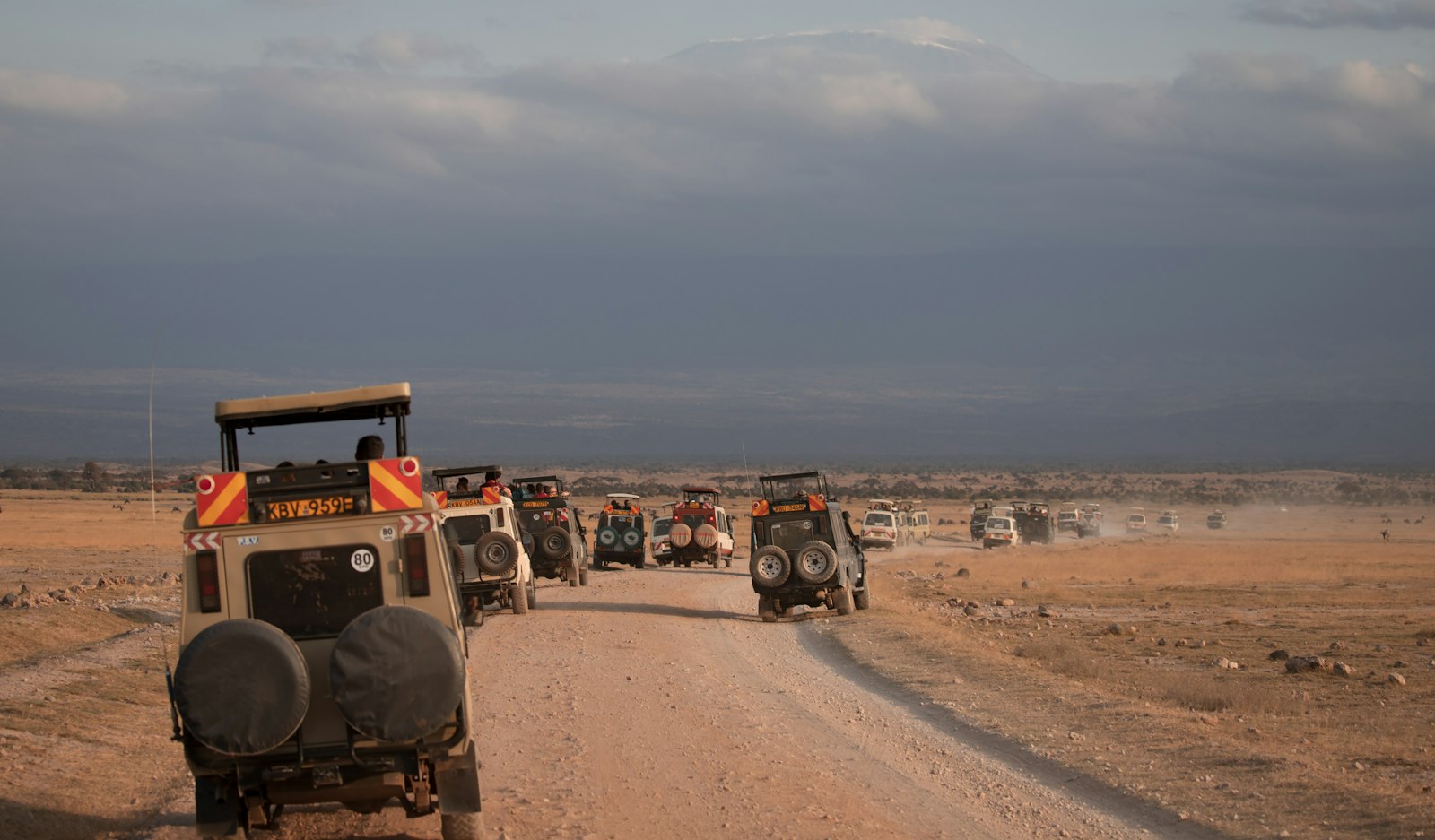
Sense of Adventure uses pop-up roof 4×4 Land Cruisers and safari vans with professional English-speaking driver-guides. A Land Cruiser typically seats six or seven guests with a window seat each. Vans are widely used on budget and mid-range circuits. Open-sided vehicles are a different case: in January 2026 the TRA warned operators not to use them on public highways, because they are licensed only for game viewing inside parks, reserves and conservancies. Our guide to safari vehicles in Kenya compares the options.
Typical road times from Nairobi
| Destination | Approximate road time | Ground-handling note |
|---|---|---|
| Nairobi National Park | About 30 minutes, traffic permitting | Easy half-day add-on on arrival or departure day |
| Lake Naivasha | About 2–3 hours | Useful stop on the way to the Mara |
| Lake Nakuru | About 3–4 hours | Combine with Naivasha or the Mara |
| Amboseli | About 4–5 hours | Early start recommended for an afternoon drive |
| Masai Mara | About 5–6 hours | Last stretch can be rough; fly-in saves time |
| Samburu | About 5–6 hours | Often paired with Laikipia or Ol Pejeta |
Treat these as guides, not promises. Road works, rain and traffic change them. A careful Kenya ground operator plans long drives in daylight and builds rest stops into the day. Our Kenya safaris from Nairobi page shows short trips that fit around flight times.
Fly-In Safaris and Light Aircraft
Fly-in safaris save hours on the road, but they add rules that your Kenya ground operator must manage on your clients’ behalf.
Scheduled light-aircraft flights to the Masai Mara, Amboseli, Samburu and the coast mostly leave from Nairobi’s Wilson Airport. Sense of Adventure books these seats and arranges the airstrip pick-up by the camp or our guide. The biggest client issue is luggage: safari flights commonly limit each passenger to around 15 kg in soft bags, including hand luggage. Excess bags can usually be stored in Nairobi. Share our guide to safari luggage limits on small aircraft with clients at booking, not the week before travel.
- Confirm flight times before you set transfer and first-activity times.
- Check whether the camp collects guests from the airstrip or whether a separate vehicle is needed.
- Ask about weight rules for heavier passengers; some airlines sell an extra seat.
- Plan a buffer between an international arrival and a same-day safari flight.
In the Parks: Guides, Park Entry and Activities
Inside the parks, your Kenya ground operator’s job is to get clients to the right place at the right time, with the right permits, and with a guide who knows the area.
Park entry is handled before guests reach the gate. The Kenya Wildlife Service raised conservation fees on 1 October 2025: non-resident adults now pay USD 90 per day in Amboseli and Lake Nakuru and USD 80 in Nairobi National Park and Tsavo. The Masai Mara National Reserve, run by Narok County, charges non-resident adults USD 100 per day from January to June and USD 200 from July to December in 2026. Check current rates with KWS and in our guide to Kenya national park entrance fees for 2026.
Activities need the same care. Balloon safaris in the Mara sell out early in migration season and carry their own cancellation rules. Walking safaris and night drives are generally allowed in conservancies but not in the main reserve; our comparison of the Masai Mara reserve and conservancies explains the rules. A good Kenya ground operator books these at confirmation and tells you which are still on request.
📩 Request Our Current Trade Rates
Send us your arrival dates, group size and route, and we will quote the full ground package with park fees shown line by line. 📋 Fill in the B2B Rates Form
Groups and MICE: How a Kenya Ground Operator Scales Up
Groups multiply every ground-handling task, so a Kenya ground operator needs enough vehicles, guides and camp space to move many people as one.
For groups (GIT), we hold rooms in the same camp where possible, assign enough vehicles for a window seat each, and give the tour leader one operations contact. A group of 18 in Land Cruisers needs three vehicles and three guides moving in convoy, with a lead guide. Many Mara camps have a small number of tents, so larger groups may need a buyout or two neighbouring properties. Corporate, conference and incentive groups add venue liaison, team activities and celebration dinners in the bush.
- Agree a rooming list deadline and one decision-maker on your side.
- Confirm vehicle numbers and the seating plan in writing.
- Share arrival flights for every guest, as groups often arrive on several flights.
- Agree how free time, optional activities and extra costs are handled.
- Name the emergency contact for the group leader on the ground.
Our planning guide to corporate group safari retreats in Kenya covers incentive logistics in more depth.
Safety, Emergencies and Support
Support while clients travel is where a Kenya ground operator proves its value, because problems are solved locally and quickly.
Our Nairobi operations team stays in contact with guides throughout every trip and acts quickly on delays, changes and incidents, with real-time updates to your agency. Every Sense of Adventure safari includes complimentary AMREF Flying Doctors emergency evacuation cover, with a 24-hour emergency response centre. It does not replace full travel insurance, which every client should still hold.
How a Kenya ground operator handles incidents
- Vehicle breakdown: the guide reports to the office, which sends a replacement vehicle or arranges a mechanic.
- Heavy rain: routes and timings change; some tracks become impassable and drives are re-planned.
- Illness or injury: the guide contacts the office, which arranges medical help or evacuation and informs your agency.
- Flight changes: transfers, activities and camp arrival times are reset.
Expert tip from our Nairobi operations team: decide with your partner who the client calls first in an emergency. Most agencies give clients the local operations number for urgent issues on the ground and their own number for everything else, so nothing waits for office hours in another country.
Departure Day
The last transfer matters as much as the first, so your Kenya ground operator should plan departure timings around the flight, not around the camp’s checkout time.
Clients coming off safari by road usually need a buffer for traffic into Nairobi; a long-haul departure on the same day as a long drive leaves little margin. Fly-in guests often connect from Wilson to JKIA by road. Many itineraries use the last day for a short add-on such as Nairobi National Park or a day room in the city. The operations team confirms the final pick-up the evening before and checks that bags, passports and any stored luggage are ready.
Tanzania, Zanzibar and Other Extensions
A Kenya ground operator that also handles Tanzania keeps cross-border trips under one contract and one operations team.
Sense of Adventure runs safaris in Kenya and Tanzania, including the Serengeti, Ngorongoro Crater, Tarangire and Lake Manyara, and cross-border Mara and Serengeti itineraries. We add Zanzibar beach stays and gorilla trekking in Uganda or Rwanda. See our Kenya and Tanzania safari guide and our advice on combining a safari with a beach holiday. Every trip in the B2B trade portfolio is available to partners at trade rates and can be white-labelled under your agency’s brand.
Before you sign with any Kenya ground operator, verify the licence with the Tourism Regulatory Authority, which runs an online licence verification platform, and ask about membership of the Kenya Association of Tour Operators and its bonding scheme. Our article on questions to ask a Kenya safari DMC lists the rest of the checks.
Kenya Ground Operator FAQs
What does a Kenya ground operator do?
A Kenya ground operator delivers your clients’ trip on the ground. It meets them at the airport, arranges transfers, books hotels and camps, supplies safari vehicles and driver-guides, pays park fees, books light-aircraft seats and activities, and supports clients until departure.
Which airports do Kenya ground operators meet clients at?
Most international clients arrive at Jomo Kenyatta International Airport in Nairobi, and scheduled safari flights mostly use Wilson Airport. Sense of Adventure offers meet and greet at both, and confirms the meeting point and pick-up details with your agency before clients land.
How many guests fit in a Kenya safari vehicle?
A pop-up roof Land Cruiser typically seats six or seven guests, each with a window seat, and safari vans carry a similar number. Larger groups need extra vehicles and guides travelling in convoy, so confirm vehicle numbers in writing before you publish a group price.
What is the luggage limit on Kenya safari flights?
Scheduled light-aircraft flights to safari airstrips commonly allow around 15 kg per passenger in soft bags, including hand luggage. Rules vary by airline, so check each booking. Excess bags can usually be stored in Nairobi until the client returns from the bush.
What information does a ground operator need before arrival?
Send full passport names, dates of birth and nationalities at confirmation, then flight details, rooming lists, dietary, medical and mobility notes, and client mobile numbers before travel. Permits, flight manifests and camp systems depend on accurate details, so send them once, in one consolidated file.
Does a Kenya ground operator provide emergency support?
A good one does. Sense of Adventure keeps its Nairobi operations team in contact with guides throughout every trip and includes complimentary AMREF Flying Doctors emergency evacuation cover on every safari. Clients should still hold full travel insurance that covers safari activities.
Can a Kenya ground operator handle Tanzania as well?
Some can. Sense of Adventure runs safaris in Kenya and Tanzania, including the Serengeti and Ngorongoro Crater and cross-border Mara and Serengeti routes, with Zanzibar, Uganda and Rwanda extensions under one operations team. Ask any partner which countries it operates itself and which it subcontracts.
🏕 Partner With Sense of Adventure in Kenya
Kenya-based ground operator. Real local knowledge. Transparent trade pricing. Send us your next arrival and see how we handle it from runway to runway. 📋 Request B2B Rates · 💬 WhatsApp Our Trade Desk
Call or WhatsApp: +254 799 160 081 · Email: info@senseofadventure.co.ke
Related Trade Guides
- › Kenya DMC for Travel Agents and Tour Operators
- › Kenya B2B Safari Operator: Services, Rates and How to Partner
- › Kenya DMC: What a Destination Management Company Does
- › JKIA to Wilson Airport: Transfer Times and Tips
- › What Is Included in a Kenya Safari?
Official licensing & park resources: Tourism Regulatory Authority ↗ · Kenya Wildlife Service ↗