
Samburu culture gives northern Kenya its colour — literally. The Samburu people, close cousins of the Maasai who settled the arid lands below Mount Kenya centuries ago, are nicknamed “the butterfly people” for the layered beadwork, brilliant shukas and ochre-dressed hair of their warriors. Semi-nomadic herders of cattle, goats and camels, they live in a landscape most would call unforgiving and have built in it one of Africa’s most visually stunning cultures. A village visit alongside your Samburu game drives — arranged, as Sense of Adventure does, with genuine host families — turns a wildlife trip into a human one, and guests consistently rank it beside the leopards.
Meet the Butterfly People
Respectful village visits with real host families — woven into any Samburu safari day.
Who the Samburu Are
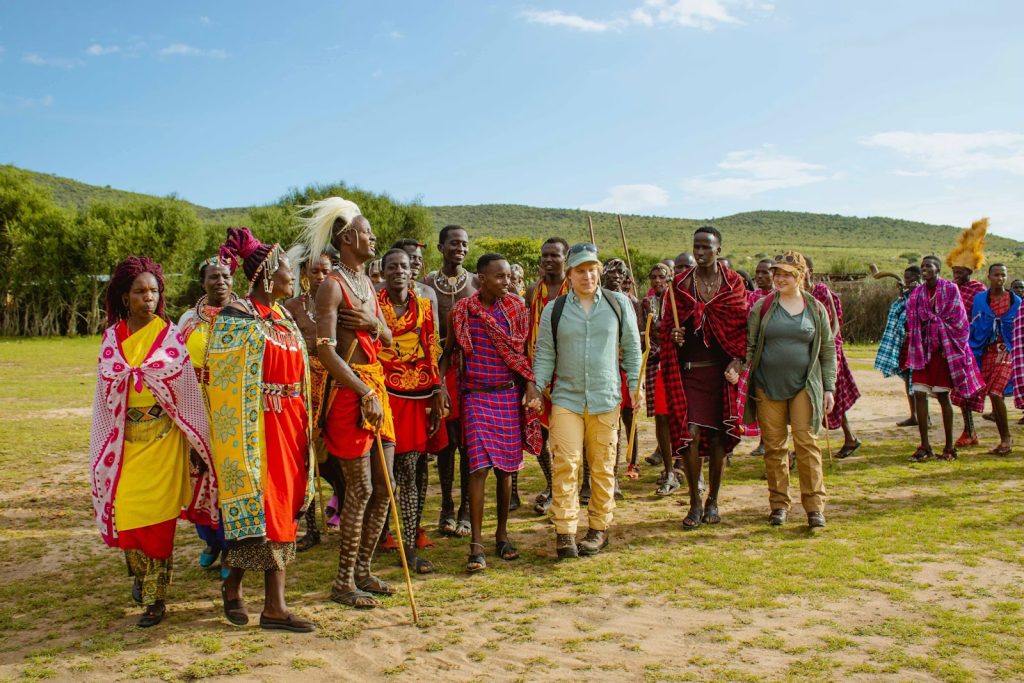
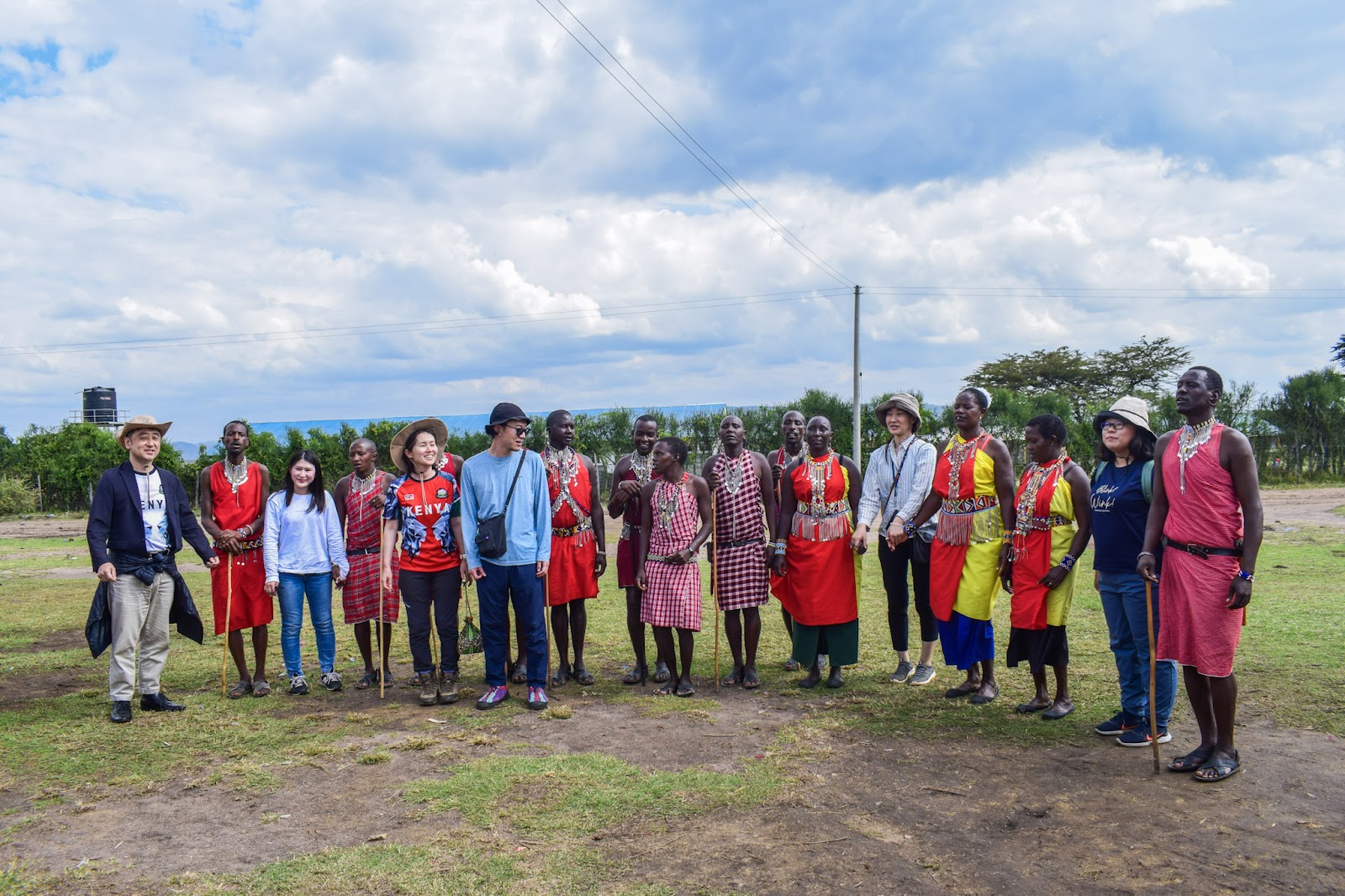
The Samburu speak Maa — the Maasai’s language — and share the age-set system that carries boys through warriorhood (moran) into elderhood over decades. But the north shaped them differently: camels supplement cattle in the drier country, settlements (manyattas) move with pasture, and isolation preserved traditions the south has softened. Beadwork is the most visible art — a woman’s neck stack records her life: engagements, children, status — while warriors wear theirs with ochred braids and feathers. Visits typically include the welcome dances, home tours, beadwork demonstrations and unhurried conversation through your guide; fees go directly to the host family and community.
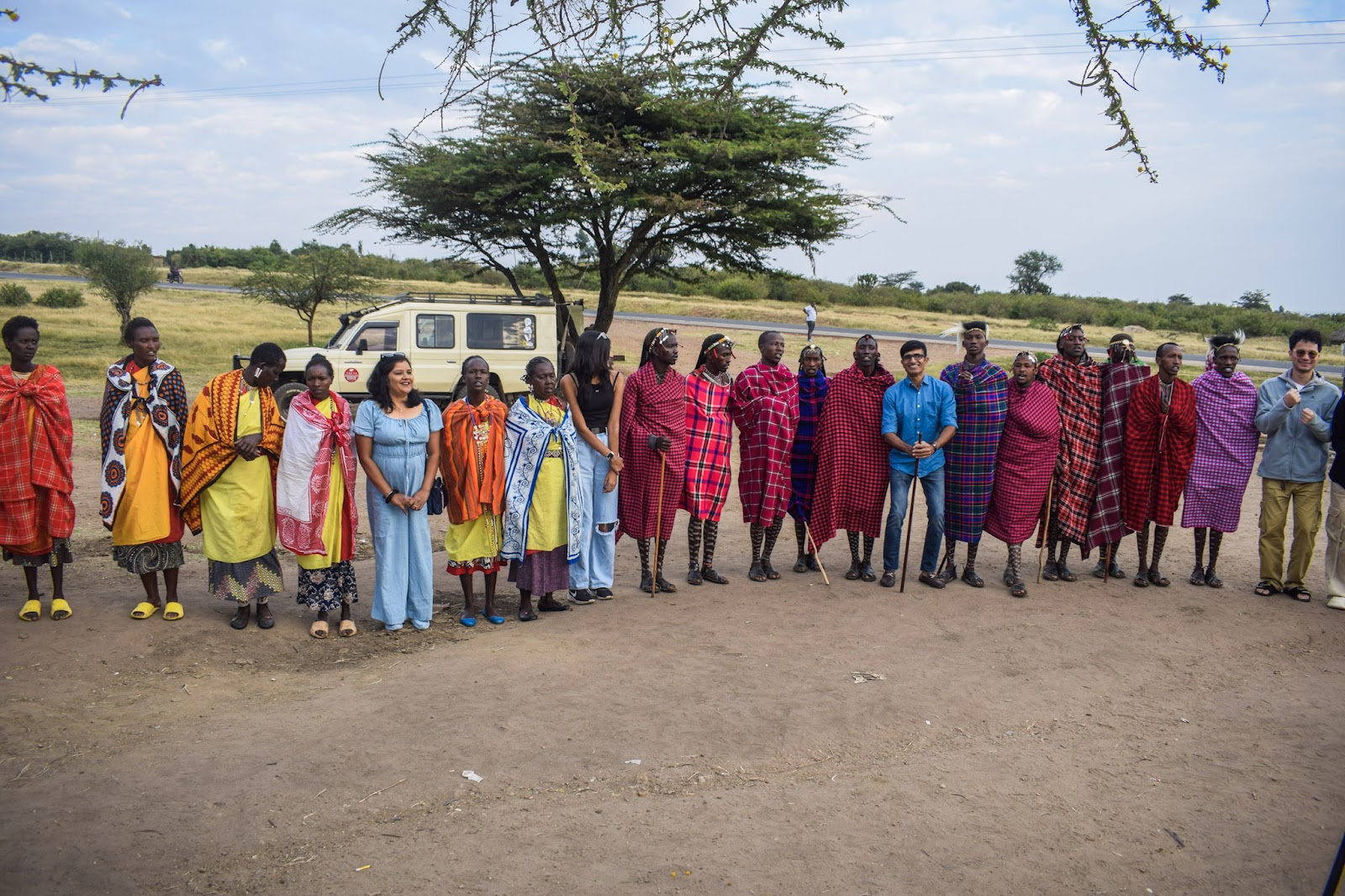
The women stacked a loaner necklace on my shoulders and laughed at my dancing — fair enough. An elder explained how the beads tell a woman’s whole story. It felt like visiting proud neighbours, not a show. We left lighter and somehow richer.
— Sense of Adventure guest, Samburu safari
The 5 Essential Samburu Cultural Experiences
The Warrior Welcome Dance — chant, leap and crimson ochre
Samburu moran greet visitors with rhythmic chanting and vertical leaps akin to the Maasai adumu — but framed by their extraordinary dress: ochre-painted braids, feather crowns, chest-loads of beadwork. Guests are pulled in within minutes. The energy is infectious and the photographs take themselves (ask first, always).
Inside a Samburu Manyatta — homes built to move
Samburu houses — hide, mats and branches over a dome frame — are engineered for a mobile life, packable onto camels when pasture shifts. Step inside one and the desert logic reveals itself: cool, dark, smoke-scented and instantly comfortable. The women who build them explain every element with justified pride.
Beadwork That Speaks — reading the necklace stacks
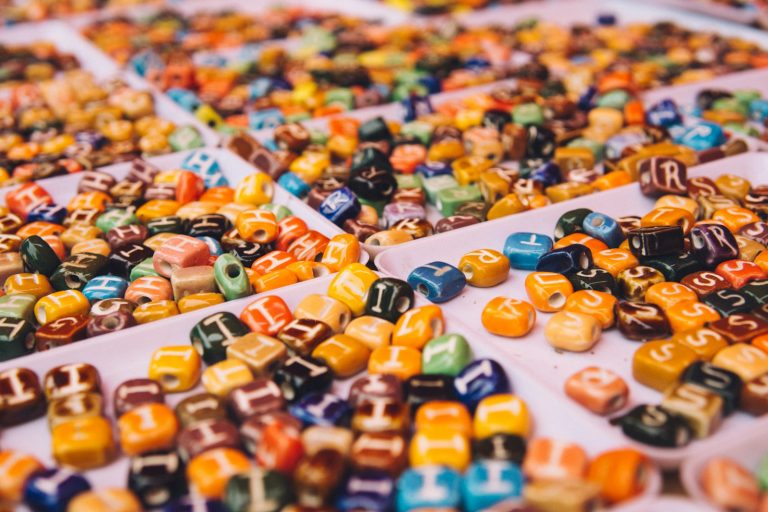
Samburu beadwork out-layers even the Maasai: girls receive beads from suitors year by year until their necks carry kilograms of courtship history. Colours and arrangements encode clan, status and milestones. The village bead circle at visit’s end sells authentic work — purchases fund households directly and pack flat in any suitcase.
The Singing Wells — northern Kenya’s most haunting tradition
In dry season, Samburu herders dig deep wells in sand rivers and form human chains, chanting ancient family songs as they pass water up to the livestock — each family’s melody its own, cattle knowing their song. Witnessing it (seasonal, guide-arranged) is among the most moving experiences in all of Kenyan travel.
Fireside Questions With Elders — the unscripted hour
The best cultural exchange happens seated: elders fielding questions on camels versus cattle, marriage negotiations, drought years, wildlife conflict and smartphones in the manyatta. Nothing sanitised, everything human. Long-term village partnerships make this candour possible — and it is why we keep them.
Culture and Leopards in One Day
Morning game drive, afternoon village, sundowner on the Ewaso Nyiro — the classic Samburu day. Book it whole.
Samburu Culture Facts & Visit Etiquette
- Cousins, not copies: Samburu and Maasai share Maa language and age-sets; the north added camels, distinct dress and its own ceremonies.
- The nickname: “Butterfly people” comes from the brilliance of their layered beadwork and shukas.
- Visit fees: set per group/guest and paid to the host family — we confirm amounts transparently in advance.
- Photography: covered for general village scenes by your fee; ask individually for portraits, as anywhere.
- Timing: an hour fits perfectly between game drives; the singing wells are a dry-season, early-morning add-on.
- Buying well: beadwork purchases are the most dignified support — prices are modest, and the artistry is genuine.
Weaving Culture Into a Northern Safari
The dedicated route is our 3-day Samburu Cultural & Wildlife Experience, with a wider loop on the 5-day Northern Kenya Cultural Safari. Wildlife context lives in the Special Five guide, and southern comparison in our Maasai culture guide.
The North Welcomes Properly
Wildlife brought you to Samburu; the people will bring you back. Add a village visit to your safari today.
Frequently Asked Questions
Who are the Samburu people?
The Samburu are semi-nomadic pastoralists of northern Kenya, close cousins of the Maasai who share the Maa language and age-set system. Herding cattle, goats and camels below Mount Kenya’s rain shadow, they are famed for spectacular beadwork and dress — earning the nickname “the butterfly people”.
What happens on a Samburu village visit?
A Samburu village visit typically includes a warrior welcome dance, a tour inside the manyatta homes, beadwork demonstrations and open conversation with elders through your guide, ending at a small craft circle. Visits last about an hour and fees go to the host family.
How are the Samburu different from the Maasai?
Samburu culture shares Maasai roots — language, age-sets, cattle-centred life — but the arid north added differences: camels alongside cattle, more elaborate beadwork and warrior ornamentation, distinct ceremonies like the singing wells, and settlements built to move with pasture.
What are the Samburu singing wells?
The singing wells are a dry-season Samburu tradition where herders dig deep into sand rivers and pass water up by hand in a chanting human chain — each family singing its own hereditary melody, which their livestock recognise. Guides can arrange respectful early-morning visits seasonally.
Is it respectful to visit a Samburu village?
Yes — when arranged with genuine host families at fair, transparent fees, Samburu village visits are welcomed community income and cultural pride. Follow simple etiquette: greet elders first, ask before individual photos, dress modestly and buy beadwork rather than handing out sweets.