

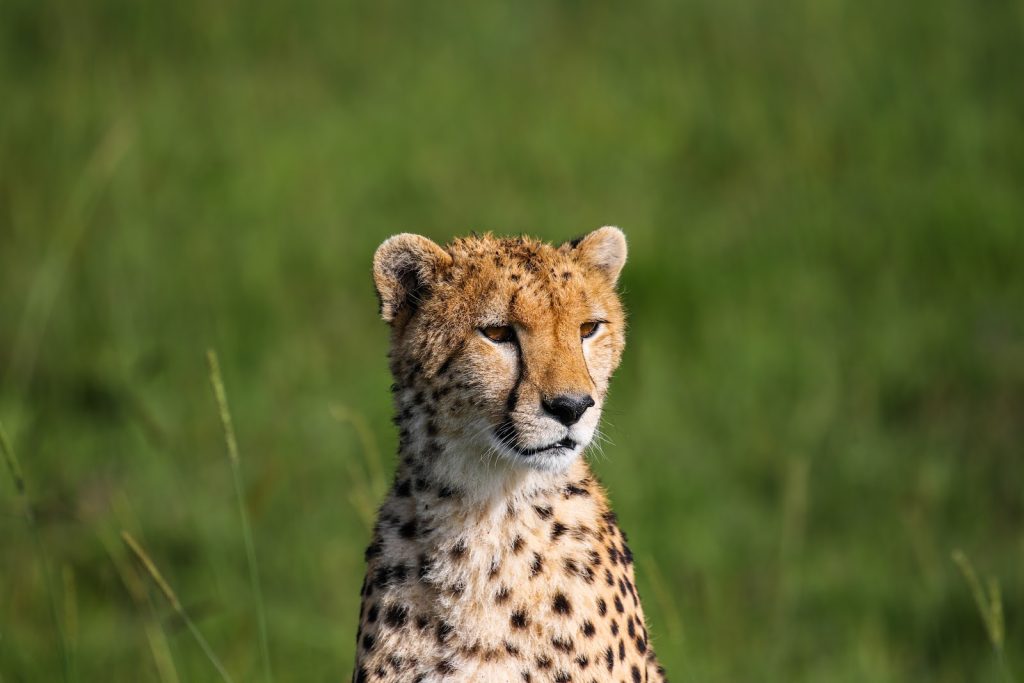
Kenya safari in January trips are a good idea for most travellers, especially if you want warm, mostly dry weather, quieter camps and lower prices than December. Wildlife is strong in the Masai Mara, Amboseli, Samburu and Tsavo, and many animals have young. The honest catch is that the Great Migration herds are usually in Tanzania, and the first days of the year can still feel festive and busy.
Sense of Adventure is a licensed safari operator based in Nairobi (TRA licence TRA1/47/C01/77087). As we write, on 28 October 2026, January 2027 is just over two months away. This guide gives a straight answer on whether a Kenya safari in January is worth it, what the weather and wildlife are really like, which park or coast to choose, what it costs, how far ahead to book, and which real trips fit the month.
Table of Contents
✅ Kenya Safari in January: The Quick Answer
- Is it a good time? Yes. It is warm and mostly dry, game viewing is strong and camps are calmer than at Christmas. The first week can still be busy.
- Weather: hot, clear days with the odd short shower, cooler mornings, and a hotter coast.
- Migration: not in Kenya. The herds are usually on the southern Serengeti plains in Tanzania, but the Mara keeps its resident lions, cheetahs, elephants and giraffes.
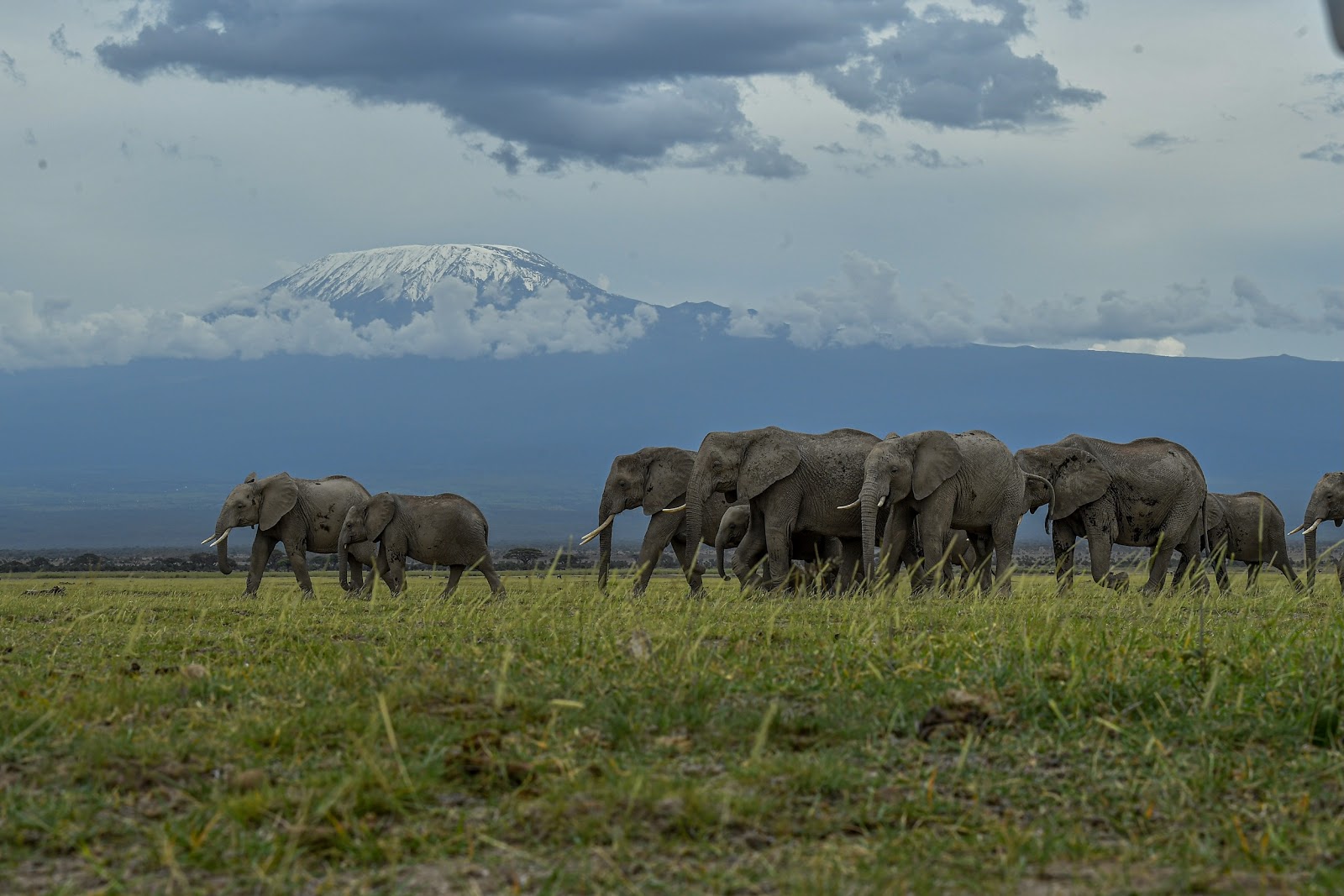
- Best places: the Masai Mara for big cats, Amboseli for elephants and Kilimanjaro, Samburu for rare northern species, Tsavo for space, and the coast for beach weather.
- Cost: usually better value than December and cheaper than July to October. The Mara reserve fee was USD 100 per adult per day from January to June 2026.
- Booking: with about ten weeks to go, choice is narrower for the first week of January but still good for mid and late January.
🌍 Want a Kenya safari in January quote?
Tell us your dates, group size and budget, and we will tell you honestly what is available. 💬 WhatsApp Us Now
Is a Kenya Safari in January a Good Idea?
Yes, a Kenya safari in January is a good idea for travellers who want warm, dry weather and steady game viewing after the festive rush, and who accept that the famous wildebeest herds are not in Kenya at this time.
The upsides are real. January falls in Kenya’s short dry season, so days are sunny and long drives are comfortable. Parks are generally calmer than in December, many camps have better availability, and you can still see lions, cheetahs, elephants, giraffes and many young animals. It is also a lovely escape from a cold northern winter.
The downsides are just as real. The first days of January are still part of the festive period, so prices and demand can stay high until the school holidays end. January is a medium-priced month, not the cheapest, and February is usually better value. If you want the very quietest, lowest-cost trip, our guide to the cheapest time for a Kenya safari explains when to go instead. If you are still deciding between the holidays and the weeks after, compare this guide with our Christmas safari Kenya guide.
Our honest view: choose a Kenya safari in January for sunshine, space and good value, not for river crossings or a guaranteed mountain view.
Kenya Weather in January: Hot, Dry and Mostly Clear
The weather on a Kenya safari in January is warm to hot, mostly dry and often clear, with occasional short showers rather than long wet spells.
Safari operators describe January as “a dry-season month with hot, clear days and occasional short rains”, with highs of around 27°C (source: Yellow Zebra Safaris, best month to go to Kenya). Another guide calls it “warm, relatively dry weather” with clear mornings that can improve Kilimanjaro views (source: Brilliant Africa, safaris in January). Expect cooler mornings in the highlands and near Nairobi, a hotter lowland north and a hot, humid coast.
Rain timing shifts from year to year, so we cannot promise a dry fortnight. After the short rains the grass is usually green at the start of the month and dries as the weeks pass, which makes tracks dustier but sightings easier. Check the Kenya Meteorological Department outlook before you fly, and see our best time for safari in Africa calendar for the wider picture.
Wildlife on a Kenya Safari in January
Wildlife on a Kenya safari in January is excellent, because lions, cheetahs, elephants, giraffes, buffalo and zebra live in Kenya’s parks all year and the dry weather makes them easier to find.
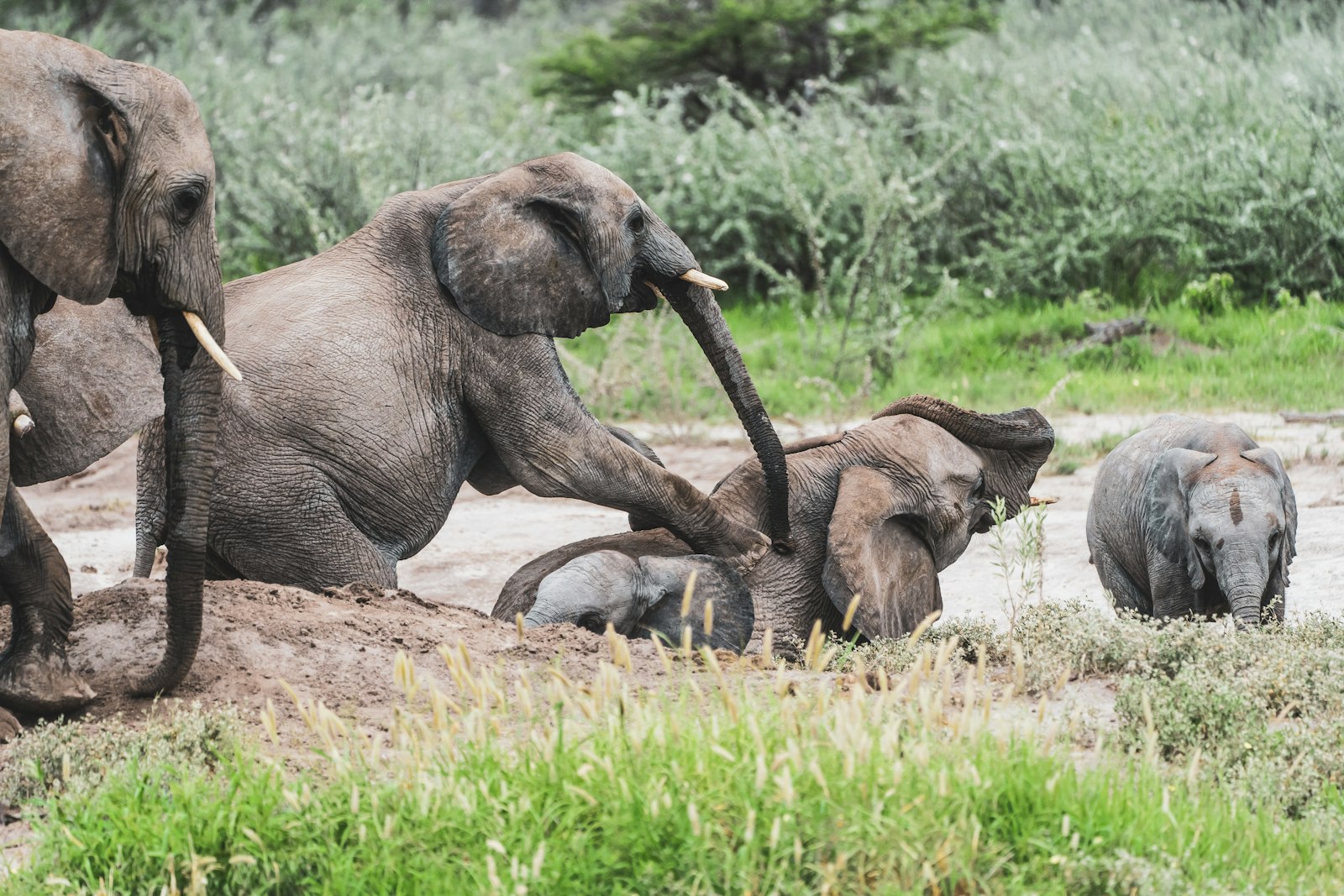
Many herbivores have young at this time of year, and operators note that visitors may spot newborn animals, so calves and foals are a good bet rather than a promise. Predators follow the young, which keeps lions and cheetahs active. Leopards are never guaranteed, but riverside trees give the best chance. Migrant birds are also present, which suits keen birders, and our Lake Nakuru safari page covers one of Kenya’s best birding stops.
Great Migration on a Kenya Safari in January: The Reality
The Great Migration is not in Kenya in January. The wildebeest herds are usually on the short-grass plains of the southern Serengeti and Ndutu in Tanzania, and most calves are born in a few weeks around late January and February. The herds are in Kenya’s Masai Mara for only about three or four months of the year, usually from July or August to October. Anyone selling you a January river crossing in Kenya is not being straight with you.
What the Mara does have is resident wildlife, which is why a Kenya safari in January still delivers. If the herds are your priority, read our month-by-month guide to the Masai Mara or Serengeti by month, or see our Great Migration safari page for the July to October season.
Masai Mara, Amboseli, Samburu, Tsavo or the Coast in January?
For a first Kenya safari in January, the Masai Mara is the best all-round choice, and Amboseli is the best short add-on, but each region offers something different this month.
| Place | What you get in January | Best for | Watch out for |
|---|---|---|---|
| Masai Mara | Resident lions, cheetahs, elephants, giraffes; shorter grass as the month goes on; the lower reserve fee | First-timers, big cats, families | No migration herds; first-week crowds at popular sightings |
| Amboseli | Large elephant herds, open views, Kilimanjaro on clear mornings | Elephants, photography, short trips | Cloud often builds later in the day, so go early |
| Samburu | Dry northern landscape, elephants on the Ewaso Ng’iro river, rare species such as Grevy’s zebra and reticulated giraffe | Repeat visitors, variety | Hot; far from Nairobi, so a long drive or a flight |
| Tsavo | Vast wild space and red elephants; can be green after the short rains | Big landscapes, coast combinations | Thicker vegetation can spread animals out; ask for current conditions |
| Kenya coast (Diani) | Warm sea, beaches, ideal beach weather | A beach finish after safari | Hot and humid; busy in the first days of the year |
For most guests we suggest the Mara as the main event, Amboseli as a gentle first or last stop, and a few beach nights at the end. Our Kenya safari packages page shows more routes.
Kenya Safari in January Costs and Value
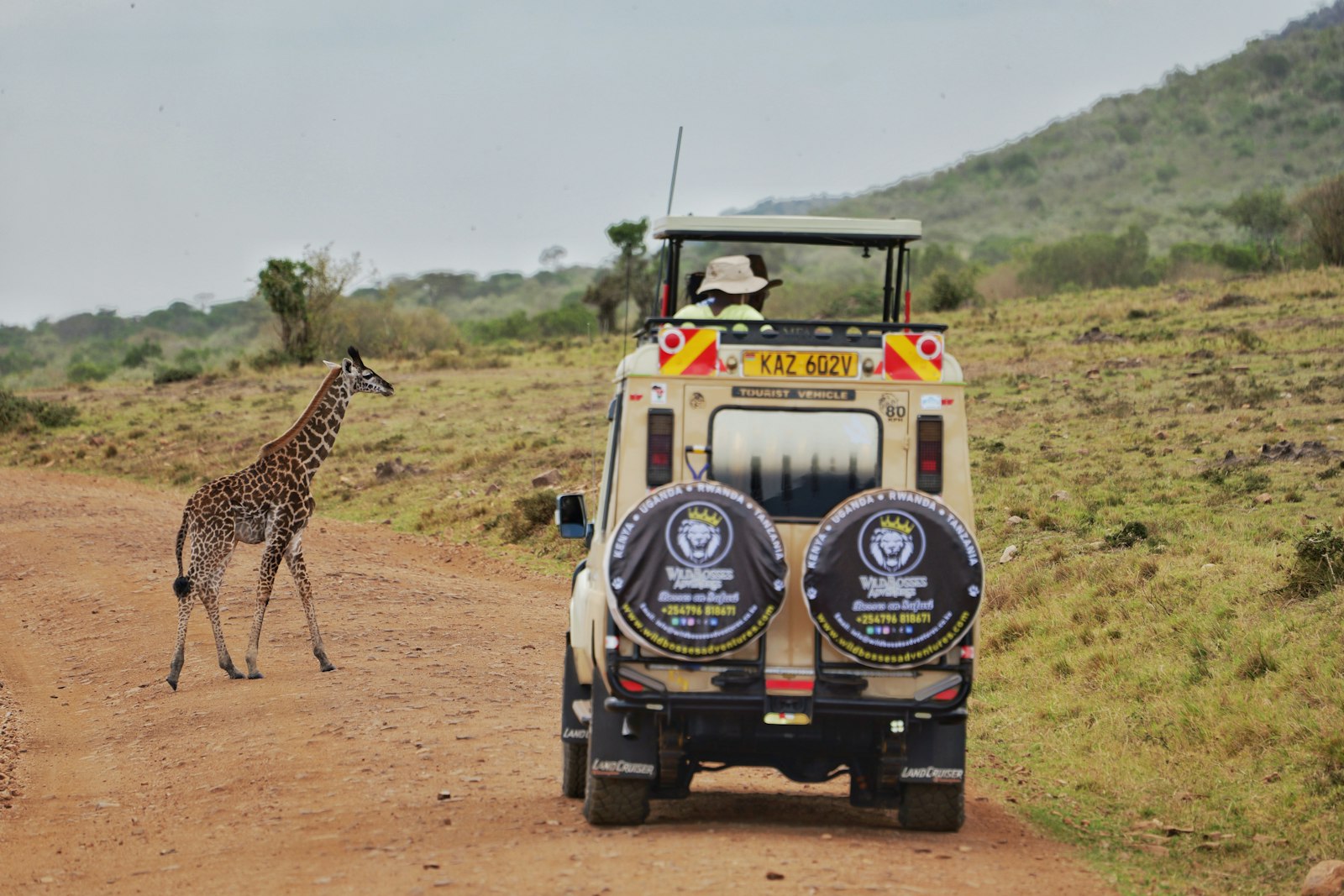
A Kenya safari in January usually costs less than the same trip at Christmas and less than July to October, mainly because the Masai Mara reserve fee is lower and camps are not at peak demand.
The one confirmed saving is the Mara fee. The reserve is run by Narok County, and Kenyan media report that non-resident adults paid USD 100 per day from January to June 2026 and USD 200 per day from July to December 2026 (source: K24 report on the new Mara fees). At those 2026 rates, two adults spending three full days in the reserve pay USD 600 in January-to-June fees against USD 1,200 in the second half. We could not confirm the schedule for January 2027, so ask for it in your quote. Private conservancies set their own fees, which camps often include in their rates. In national parks, the Kenya Wildlife Service lists non-resident adults at USD 90 per day in Amboseli, and fees can change.
Camp rates are less predictable. We have not found one published rule for every camp, so we will not invent a percentage. Operators describe January as having good availability and reasonable rates, and our own price calendar rates it as medium, below the festive and migration peaks but above April and May. Your quote should itemise camp, vehicle, park fees and any early-January supplement. For wider budgeting, see our guide to how much an African safari costs.
Crowds on a Kenya Safari in January
Crowds on a Kenya safari in January are lighter than at Christmas and well below the July to October peak, although the first week can still be busy.
Once the New Year travellers go home, parks generally feel quieter, camps have more free rooms, and you often get more time at each sighting. Popular Mara sightings can still attract several vehicles, so ask your guide to move on when a spot gets crowded or to use quieter tracks. If space matters most, consider a private conservancy, and read our Masai Mara safari page for how the options differ.
A practical tip: if you can start your trip after the first week of January, you usually get calmer camps and easier availability than if you arrive on 2 or 3 January. Flights into Nairobi may also be easier outside the first few days.
Who Is a Kenya Safari in January Best For?
A Kenya safari in January suits travellers who want dry weather, calmer camps and good value, and it is a poor fit only for people who are set on seeing a river crossing.
- First-time visitors: reliable weather and strong resident wildlife make January an easy first safari.
- Couples: quieter camps after New Year and long, clear evenings suit a romantic trip.
- Families: calves and foals delight children, and dry roads make days easier. See our Kenya family safari packages, and speak to your doctor about malaria using our Kenya safari malaria guide.
- Photographers: dry air, shorter grass and clear mornings help, especially at Amboseli.
- Beach and safari combiners: January is hot at the coast, with warm water that suits swimming and snorkelling.
- Not ideal for: anyone who wants river crossings (go July to October), or who needs a guaranteed Kilimanjaro view, because cloud can hide the mountain on any day.
Sample Kenya Safari in January Itineraries
These real Sense of Adventure trips are good starting points for a Kenya safari in January, and each can usually be adapted to your dates, subject to availability.
| Trip | Length | Route | Listed from |
|---|---|---|---|
| Kenya Family Safari | 5 days | Nairobi, Lake Naivasha and Masai Mara | USD 1,290 |
| Kenya Group Safari | 6 days | Masai Mara, Lake Nakuru and Naivasha | USD 1,390 |
| Kenya Safari and Beach Holiday | 10 days | Masai Mara, Amboseli and Diani | USD 2,450 |
| 14 Day Kenya Grand Slam | 14 days | Samburu, Ol Pejeta, Solio, Nakuru, Mara, Naivasha, Amboseli and Tsavo | USD 4,650 |
| 15 Day Kenya Safari and Beach | 15 days | Samburu, Ol Pejeta, Nakuru, Mara, Amboseli and Diani | USD 3,950 |
For a short school break, the Kenya Family Safari keeps drives manageable, with Nairobi’s baby elephants and giraffes before the Mara. The 6 day Kenya safari is our classic value route, with three nights in the Mara and rhinos at Lake Nakuru.
If you want a beach finish, the Kenya Safari and Beach Holiday pairs the Mara and Amboseli with three nights at Diani, which suits the hot, clear beach weather. For travellers with two weeks, the 14 Day Kenya Grand Slam covers eight wildlife regions, from the dry north of Samburu to Tsavo, while the 15 day Kenya safari ends with two nights on Diani Beach. These longer routes include hotter areas, so ask us how we pace the days.

How Far Ahead Should You Book a Kenya Safari in January?
The ideal time to book a Kenya safari in January is many months ahead, but with just over two months to go, you can still book well if you are flexible, especially for mid and late January.
Our trip pages suggest booking 9 to 12 months ahead for the best camp choice, and our guide on how far in advance to book a Kenya safari explains the logic. We will not invent dates when particular camps fill, because that varies by camp and year. What we can say honestly is this:
- First week of January: the most likely dates to be tight at popular camps, because it overlaps the festive period.
- Mid and late January: usually easier, with more choice of camps and rooms.
- Small and family camps: family rooms and smaller camps go first, so ask early.
- Flexibility helps: shifting your start by a few days, or accepting a different camp style, opens more options.
- Flights and eTA: lock in flights once your dates are firm, and apply for your eTA at least two weeks before you fly.
What to do now: send us your dates, number of people, ages of children and rough budget. We will check live availability and tell you plainly if your first choice is gone, rather than promising something we cannot deliver.
📅 Check What Is Available for January
Send your dates and we will reply with real options, or an honest no. ✉ Send Us Your Dates on WhatsApp
Packing and Entry Rules for a Kenya Safari in January
Pack light, breathable layers for a Kenya safari in January, and check Kenya’s entry rules early, because they changed in 2026 and are enforced before you fly.
- Clothes: light neutral shirts and trousers, a warm layer for early mornings, a light rain jacket for the odd shower, and closed shoes.
- Sun and dust: hat, sunglasses, high-factor sunscreen, a buff or scarf for dusty tracks and lip balm.
- Gear: binoculars, a camera with spare batteries, repellent and a soft bag if you are flying on light aircraft.
- Kenya eTA: most visitors need an approved Electronic Travel Authorisation before boarding. Apply only through the official portal at etakenya.go.ke and check the current fee there. The fee is from USD 30, depending on the type of application. Approval usually takes about three business days. Many African nationals are exempt.
- Travel health insurance: from about 6 October 2026, non-Kenyans staying less than 12 months need mandatory travel health insurance from an approved Kenyan insurer, with cumulative cover of at least USD 50,000. You can buy it inside your eTA application or on the eCitizen insurance portal. If you connect through Nairobi, the same eTA and insurance points apply.
- Health: see a doctor or travel clinic well before you go about malaria tablets and vaccines, and bring your own prescriptions.
These rules can change, so confirm them on official sites such as Magical Kenya before you travel.
Travelling from India, Malaysia, the USA, the UK or Australia? See our Kenya safari packages for your country: India, Malaysia, the USA, the UK and Australia.
Kenya Safari in January FAQs
Is January a good month for a safari in Kenya?
Yes. January is warm and mostly dry, game viewing is strong, camps are calmer than at Christmas and prices are usually lower than in December. The main drawbacks are that the Great Migration herds are in Tanzania and the first week of the month can still be busy.
Is the Great Migration in Kenya in January?
No. In January the wildebeest herds are usually on the southern Serengeti plains in Tanzania, with most calves born in late January and February. The Masai Mara still offers excellent game viewing from resident wildlife, but river crossings are a July to October event.
What is the weather like on a Kenya safari in January?
Warm to hot, mostly dry and often clear, with the odd short shower. Highs are around 27°C in many safari areas, mornings are cooler, and the coast is hotter and more humid. Rain timing varies by year, so pack a light rain jacket.
Is a Kenya safari in January cheaper than December?
Usually yes, because Christmas and New Year carry peak rates and January is a medium-priced month. The Masai Mara reserve fee was USD 100 per adult per day from January to June 2026, against USD 200 from July to December. Confirm the 2027 fee and any early-January supplement in your quote.
Where is best for a Kenya safari in January?
The Masai Mara is the best all-round choice for big cats, Amboseli is best for elephants and clear-morning Kilimanjaro views, Samburu suits rare northern species, Tsavo offers space and red elephants, and the coast gives hot beach weather. Many travellers combine two or three.
Can you see Kilimanjaro from Amboseli in January?
Often, but not always. Clear mornings can give excellent views of Kilimanjaro, while cloud tends to build later in the day. Plan your first drive for sunrise, and remember that no operator can guarantee the view on a given day.
How far ahead should I book a Kenya safari in January 2027?
As early as possible. We suggest 9 to 12 months for the best choice, but with about ten weeks to go you can still book well, especially for mid and late January. The first week of January is the tightest, so be flexible and ask us to check availability.
Can I add a beach stay to a January safari?
Yes. Diani Beach on the south coast is the usual choice, and January is hot with warm water. Our 10-day Kenya Safari and Beach Holiday starts from USD 2,450 and includes three nights at Diani. Book beach rooms early for the first days of the year.
🏕 Plan Your Kenya Safari in January With Sense of Adventure
Kenya-based experts. Real local knowledge. Transparent pricing. Tell us your dates and we will give you honest advice on the best parks, camps and trips for January. 💬 WhatsApp Us — Start Planning Today
Call or WhatsApp: +254 799 160 081
Related Safari Guides
- ›Christmas Safari Kenya 2026/27
- ›Cheapest Time for a Kenya Safari
- ›How Far in Advance to Book a Kenya Safari
- ›Masai Mara or Serengeti by Month
- ›Kenya Family Safari Packages
Official travel & park resource: Kenya Wildlife Service ↗ · Magical Kenya ↗