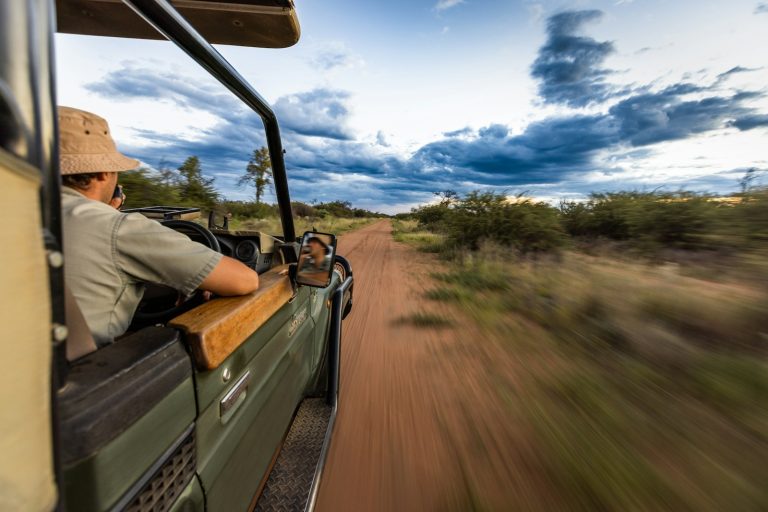

It is a little after six. The air smells of dust and crushed sage, and the Ewaso Nyiro is a ribbon of green below the rocks. You walk behind a Samburu guide in a red shuka, spear resting on his shoulder, along a dry sand river. He stops and crouches. The prints are fresh: round hooves, a zebra, but not the zebra you know. Ahead, in the thornbush, four Grevy’s zebra lift their huge round ears and stare back. There is no other vehicle, no other voice, only a hornbill calling. Welcome to the Samburu that most visitors never see.
Westgate Conservancy is a community-owned wildlife conservancy of about 400 km² in Samburu County, northern Kenya. Set up in 2004 on the north bank of the Ewaso Nyiro River, just west of Samburu National Reserve, it is run by Samburu herders with support from the Northern Rangelands Trust and protects up to 500 Grevy’s zebra, plus elephant, lion and wild dog.
Sense of Adventure is a Nairobi-based safari company licensed by Kenya’s Tourism Regulatory Authority (TRA1/47/C01/77087), and we plan safaris across Samburu’s reserves and community conservancies throughout the year. This guide covers Westgate Conservancy and its neighbour, Kalama Conservancy: the people who own the land, the wildlife and your honest chances of seeing it, how to get there, what you pay, the best months, the activities, where to stay and a sample itinerary. For the wider picture, start with our complete list of Kenya national parks and reserves.
Table of Contents
✅ Westgate Conservancy: The Quick Answer
- Where: Samburu County, northern Kenya, west of Samburu National Reserve, with the Ewaso Nyiro River on its southern edge and Kalama Conservancy to the east.
- Best for: Grevy’s zebra, the Samburu Special Five, guided walks and camel treks with Samburu guides, community visits and a private, low-density safari.
- Best time: June to October and late December to March, when it is dry and wildlife gathers near the river.
- Entry fee: No public gate. A per-night conservancy fee is charged through your camp and usually included in its rate.
- How long to stay: Three nights, ideally split with a day or two in Samburu National Reserve.
- Getting there: Roughly 6 to 7 hours by road from Nairobi via Isiolo and Archer’s Post, or a scheduled light-aircraft flight from Wilson Airport.
🌍 Planning a Safari to Westgate Conservancy?
Tell us your dates and who is travelling, and we will check availability in Westgate and Kalama and build the rest of your northern safari around it. 💬 WhatsApp Us Now or call +254 799 160 081
What Is Westgate Conservancy?
Westgate Conservancy is a community conservancy, owned by Samburu pastoralist families, where land is managed for both livestock and wildlife and tourism income pays for rangers and local services.
According to the Samburu County Government, West Gate was established in 2004 and covers about 400 km². It borders the Ewaso Nyiro River to the south, Meibae Conservancy to the west, and Kalama Conservancy and Samburu National Reserve to the east. Before it became a conservancy, the land was a group ranch owned by the same Samburu families who still graze their cattle, goats and camels here.
The conservancy’s motto says a lot about its priorities: “We cherish to conserve. The Grevy’s zebra is our gold.” Westgate Conservancy is a member of the Northern Rangelands Trust, the umbrella organisation that supports dozens of community conservancies across northern and coastal Kenya with training, security and fundraising.
The landscape of Westgate
The land is classic northern Kenya: acacia and commiphora scrub, rocky outcrops and red sand rivers that only flow after rain. Along the Ewaso Nyiro, a green strip of riverine forest and doum palms gives shade and water to animals all year. To the south you can see the Laikipia Plateau and, on clear mornings, the outline of Mount Kenya.
This is also a corridor. Elephants, zebra and predators move between the river, the national reserves and the conservancies to the north, so what happens on Westgate’s land matters far beyond its boundary.
Kalama Conservancy: Westgate’s Neighbour
Kalama Conservancy is a separate Samburu community conservancy immediately east of Westgate, bordering Samburu National Reserve, and the two are often visited together.
Kalama was set up in 2002 on the Gir Gir Group Ranch, home to around 2,000 Samburu people, according to a profile in the Global ICCA Registry. The group ranch covers several hundred square kilometres, and a smaller core area is set aside for wildlife and tourism, with the rest used for managed grazing. Published size figures vary by source, so treat any single number with caution.
Kalama is also supported by the Northern Rangelands Trust and is part of an open-boundary landscape that links Samburu National Reserve with conservancies further north, such as Sera. It is the home of Saruni Samburu, a hilltop lodge with long views to the Mathews Range. If you want rhino on the same trip, our Ol Pejeta vs Lewa comparison explains the best rhino options further south.
Westgate or Kalama: which suits you?
Both offer the same northern species and the same Samburu hospitality. Westgate Conservancy has a river frontage on the Ewaso Nyiro and is known for Grevy’s zebra and lion research. Kalama sits closer to the A2 road and the reserve gate, which makes quick visits into Samburu National Reserve easy. Your choice usually comes down to the camp you prefer.
People of Westgate Conservancy: Herders, Rangers and Lion Warriors
Westgate Conservancy exists because Samburu families chose to share their land with wildlife, and the money you spend here goes back to them.
The Samburu are Maa-speaking pastoralists, related to the Maasai, who have herded livestock in this dry country for generations. At Westgate Conservancy, community rangers run anti-poaching patrols and monitor wildlife, while an advanced grazing plan rests parts of the land so grass and soil can recover. The county lists nearly twenty women’s groups trained in beadwork, product design, basic accounting and leadership, as well as livestock-sales and micro-credit programmes.
Ewaso Lions and Warrior Watch
Westgate is the base of Ewaso Lions, a Kenyan conservation organisation founded in 2007 by Dr Shivani Bhalla, whose research camp sits inside the conservancy. Its best-known project, Warrior Watch, trains young Samburu warriors as wildlife ambassadors. They collect data on lions and other carnivores, warn herders when predators are close and help reduce conflict over livestock.
The work has been widely recognised. Shivani Bhalla received a Whitley Award in 2014 for Warrior Watch, and the award notes that lions became resident again in Westgate after an absence of two years. The wider Ewaso Nyiro ecosystem holds one of Kenya’s most important lion populations.
Where your Westgate Conservancy fees go
When you stay in Westgate Conservancy, part of your nightly rate is paid to the community as conservancy and bed-night fees. According to the camp’s published impact information, this income supports wildlife management and community development, including classrooms, school lunches, bursaries, clean water and health clinics, and most camp staff are from the local area.
Expert tip from our Nairobi team: Ask your camp to arrange a visit with a women’s beadwork group, and buy directly from the makers. It is the most direct way to put money in local hands, and the stories behind each design make it far more than a souvenir.
Wildlife in Westgate Conservancy: What You Will See
Westgate Conservancy is best for Grevy’s zebra and the other northern dry-country species, with elephants on the river and lions present but less habituated than in the reserves.
The county lists up to 500 Grevy’s zebra, plus elephant, lesser kudu, Somali ostrich, Grant’s gazelle, impala, warthog and waterbuck. Reticulated giraffe, gerenuk and beisa oryx complete the Samburu Special Five. Wildlife in a community conservancy is often shyer than inside the reserve, because animals share the land with herders. Expect fewer, more special sightings rather than a crowd of easy encounters.
| Species | Chance on a 3-night stay | Notes |
|---|---|---|
| Grevy’s zebra | High | Westgate’s flagship species; often near water in the heat of the day |
| Reticulated giraffe | High | Browses the acacia bush across both conservancies |
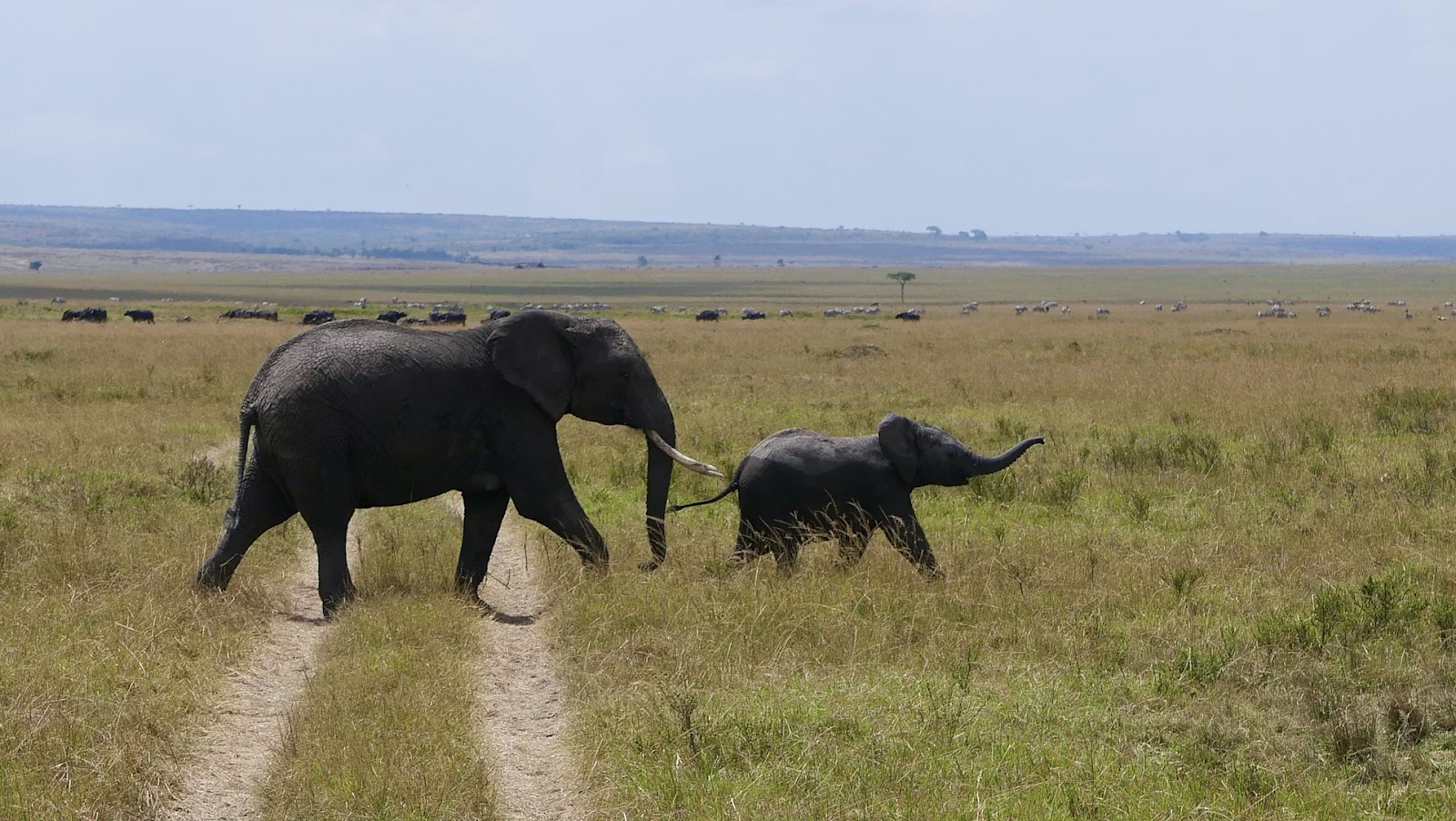
| Elephant | High | Most reliable along the Ewaso Nyiro and in the reserve next door |
| Gerenuk and beisa oryx | Good | Gerenuk in thicker bush, oryx on open stony ground |
| Somali ostrich | Good | Look for the blue-grey neck and legs of the males |
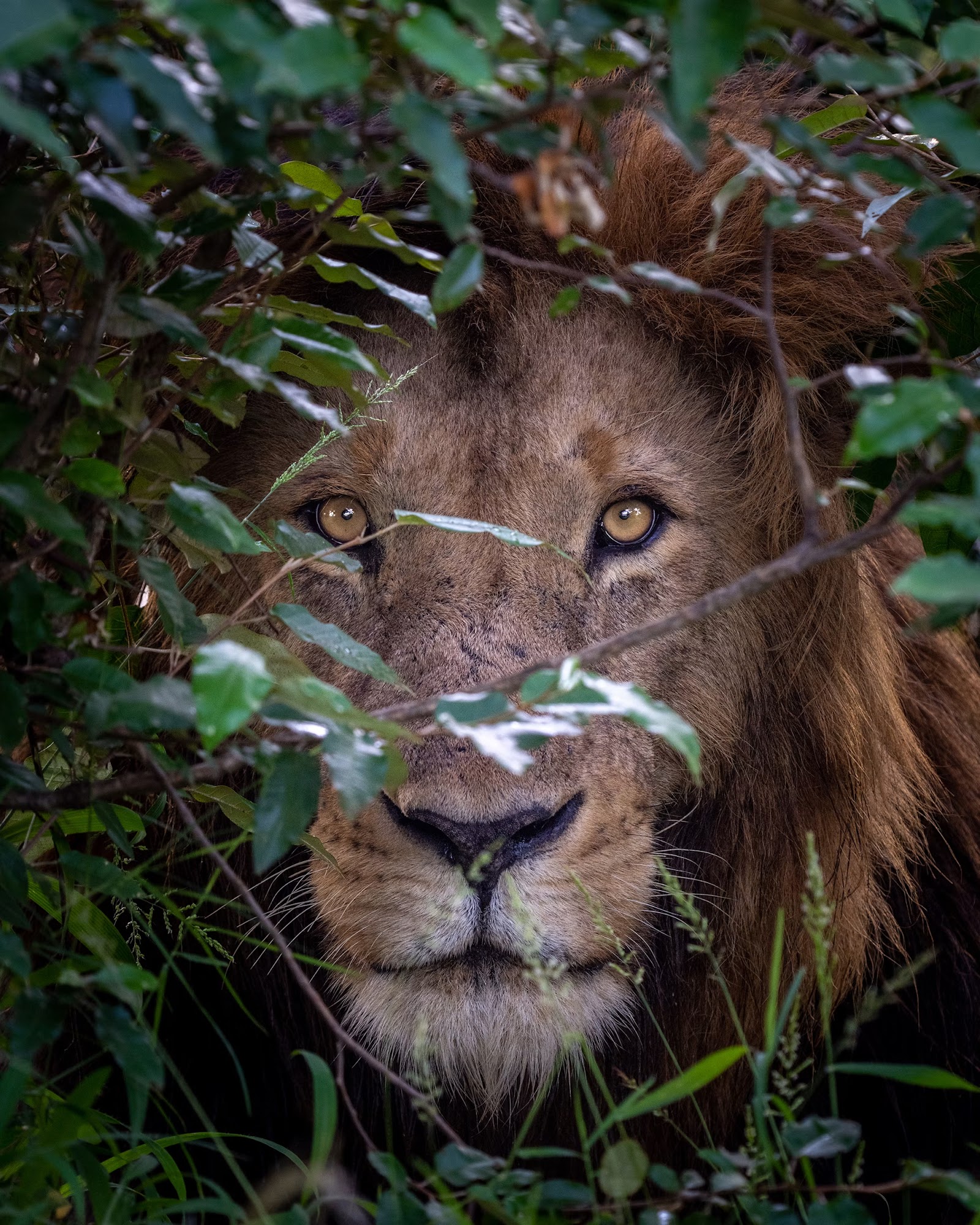
| Lion | Fair | Present and monitored, but wary; better odds in Samburu National Reserve |
| Leopard | Low to fair | Rocky outcrops and riverine forest; a night drive helps |
| Cheetah | Low | Wide-ranging and seen occasionally |
| African wild dog | Low | Packs pass through unpredictably; a real bonus |
| Rhino | None | Not present; add Lewa, Borana or Ol Pejeta for rhino |
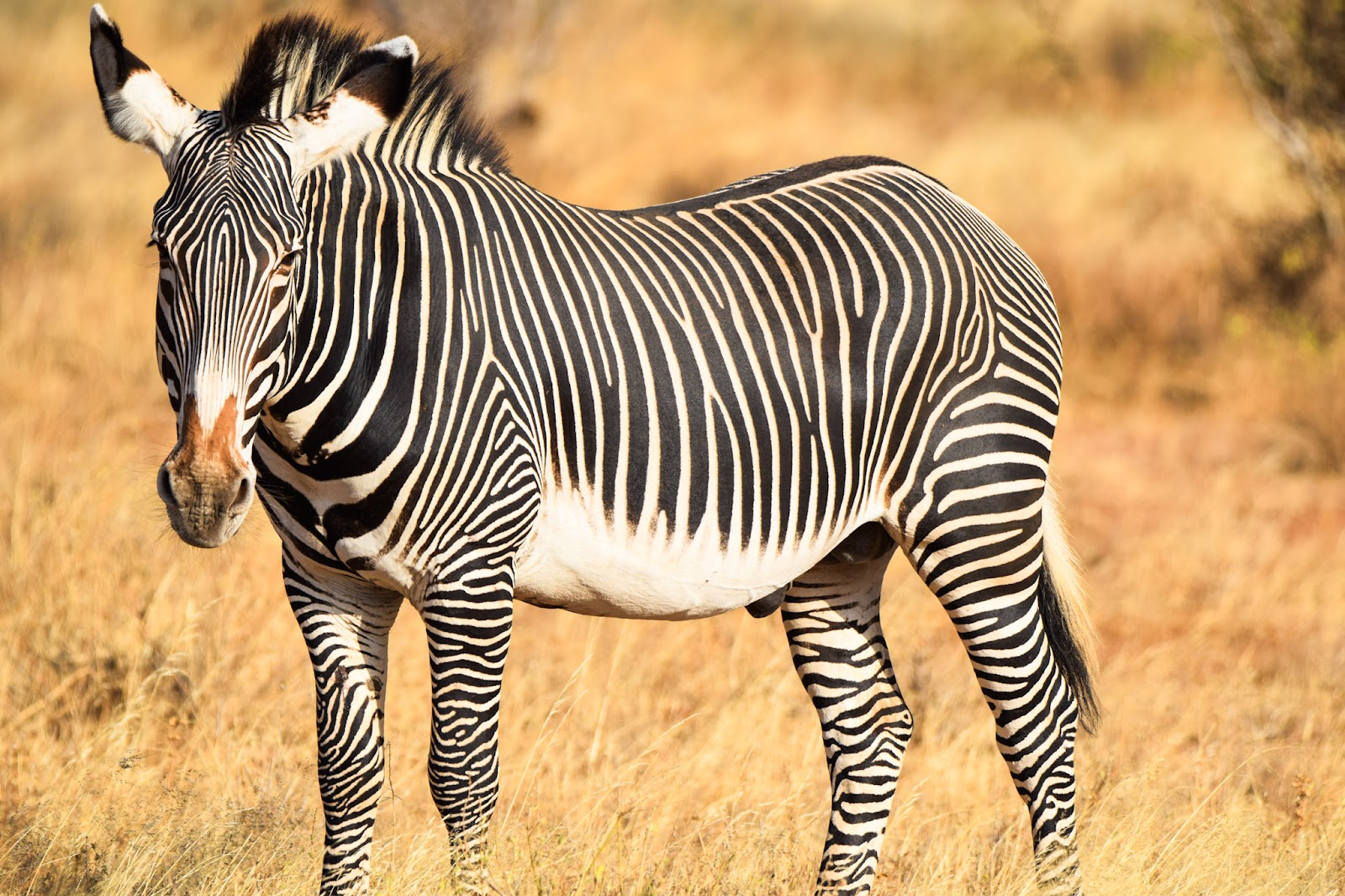
Grevy’s zebra: the gold of Westgate
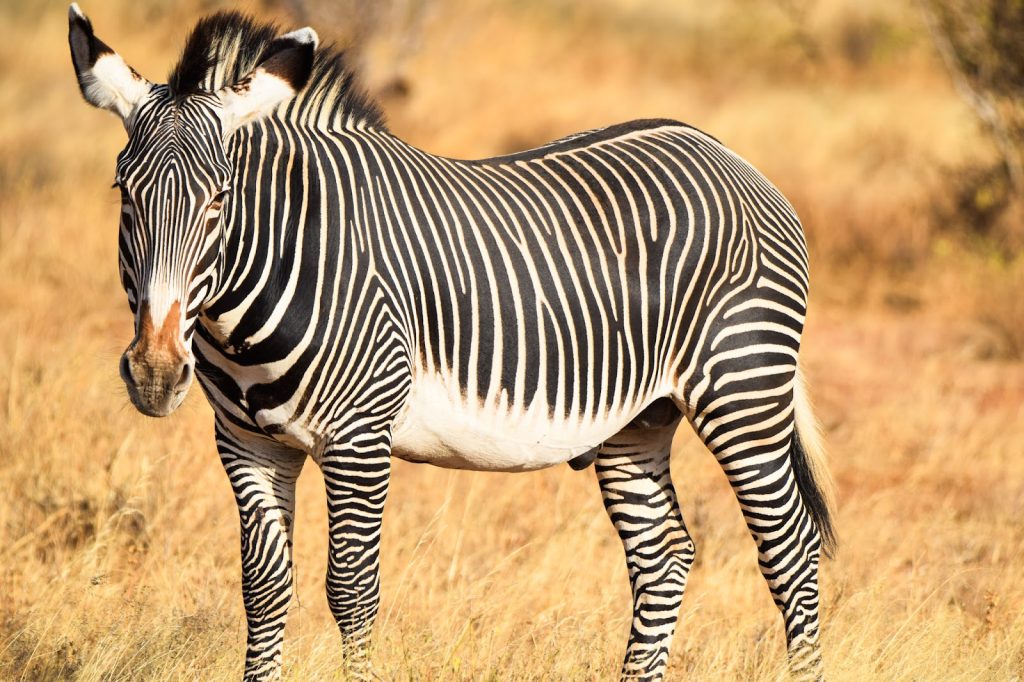
Grevy’s zebra are the largest wild horse, taller than plains zebra, with narrow stripes, a white belly and broad rounded ears. They are endangered and found only in northern Kenya and parts of Ethiopia. Seeing a herd here, on community land managed for them, is one of the most rewarding moments of a northern safari.
Birds of the Samburu conservancies
Birding is excellent. Look for vulturine guineafowl, kori bustard, several hornbills, golden-breasted starlings and a good range of raptors. Along the river you will find kingfishers, herons and weavers, and in the rains, migrant birds arrive from Europe and Asia.
Things to Do in Westgate and Kalama
The best things to do in Westgate and Kalama are game drives with no crowds, guided walks and camel treks with Samburu guides, community visits and quick trips into the national reserve.
Game drives without the crowds
Conservancy drives are slower and quieter than in the reserve. You can stop where you like, and your guide reads the land and the tracks rather than the radio. Early mornings and late afternoons are best; the middle of the day is very hot.
Walking and camel treks
Guided walks with Samburu guides are one of the main reasons to stay in a conservancy rather than the reserve. Camps in Westgate also offer camel treks, a lovely way to cross the land as the Samburu do. Read our walking safari safety guide before you go.
Night drives and cultural visits
Night drives are not allowed inside the national reserves, but they are possible in many conservancies when your camp offers them. Ask us when you book; our night drive guide explains what to expect. Cultural visits, songs and dances are arranged with the community, and some camps include a small museum or learning centre.
Day trips into Samburu National Reserve
From both conservancies you can drive into Samburu National Reserve for the riverside elephants and more relaxed big cats. Reserve entry is charged separately by Samburu County. Across the river lie Buffalo Springs and, further east, Shaba National Reserve.
How to Get to Westgate Conservancy
You can reach Westgate Conservancy by a long but scenic drive from Nairobi via Nanyuki, Isiolo and Archer’s Post, or by a scheduled light-aircraft flight from Wilson Airport.
By road
The tarmac A2 runs north from Nairobi past Mount Kenya, through Isiolo and down to Archer’s Post in the hot lowlands. From there, murram roads lead west towards Westgate Conservancy, and Kalama lies just off the A2 north of Archer’s Post. Allow roughly 6 to 7 hours of driving. Breaking the journey in Laikipia, for example at Ol Pejeta Conservancy, makes the trip far more relaxed.
By air
Scheduled flights from Wilson Airport serve airstrips in and around the Samburu ecosystem, including Kalama, and camps collect you from the nearest strip. Flight times depend on the number of stops. Luggage is usually limited to about 15 kg in a soft bag; see our guide to safari luggage weight limits on small aircraft.
Westgate Conservancy Fees and Costs in 2026
There is no public gate fee for Westgate Conservancy; you pay a conservancy fee per person per night through your camp, and it is normally included in the camp rate.
Neither conservancy publishes a public fee schedule, and fees are set by agreement between each community and its tourism partner, so they can change. Samburu National Reserve is run by the county and charges its own fee if you enter. At the time of writing we could not find a 2026 schedule published by Samburu County, so the reserve rates below are the latest published figures we have seen, for 2024 to 2025, and are a guide only.
| Item | Charged by | How it is paid | Rate |
|---|---|---|---|
| Westgate conservancy fee | Westgate community via your camp | Per person per night, usually in the camp rate | Not published; included in your quote |
| Kalama conservancy fee | Kalama community via your camp | Per person per night, usually in the camp rate | Not published; included in your quote |
| Samburu National Reserve, non-resident adult | Samburu County | Per 24 hours, if you enter the reserve | USD 70 (2024–25 rate; to be confirmed) |
| Samburu National Reserve, non-resident child | Samburu County | Per 24 hours | USD 40 (2024–25 rate; to be confirmed) |
| Buffalo Springs and Shaba | Isiolo County | Separate tickets | Charged by each reserve |
Learn more about how these charges work in our guide to conservancy fees in Kenya, and compare national park rates in Kenya national parks entrance fees for 2026. We confirm every fee in writing before you pay.
📅 Get a Free, No-Obligation Safari Quote
Send us your dates and group size and we will price Westgate and Kalama alongside Samburu National Reserve, with every fee and transfer included. ✉ Send Us Your Dates on WhatsApp
Best Time to Visit Westgate Conservancy
The best time to visit Westgate Conservancy is in the dry seasons, from June to October and from late December to March, when wildlife concentrates near the Ewaso Nyiro.
Samburu is hot year-round, often above 30°C at midday, with cooler mornings and evenings. The long rains usually fall from April to May and the short rains around November, though rainfall here is low and patchy. Our Kenya weather by month guide shows how the north compares with the rest of the country.
| Month | Weather | Wildlife | Notes |
|---|---|---|---|
| January–March | Hot and dry | Excellent near the river | Good time for the Special Five |
| April–May | Long rains | Good; animals spread out | Green, quiet and good value; some camps close |
| June–October | Warm, dry and breezy | Excellent | Peak season; book early |
| November | Short rains | Good; young animals and migrant birds | Lush and peaceful |
| December | Drying out | Very good | Busy over the festive season |
What to pack for Westgate Conservancy
- Light, breathable clothing in neutral colours, plus a fleece for early mornings
- Closed walking shoes for bush walks and camel treks
- A wide-brimmed hat, high-factor sunscreen and sunglasses
- Binoculars, and a zoom lens for shy gerenuk and Grevy’s zebra
- Insect repellent and malaria advice from your doctor
- Small notes for tips and for buying beadwork
Westgate Conservancy Rules and Safety
Westgate Conservancy is safe for visitors staying with a recognised camp, and its rules protect both wildlife and the people who live here.
- Go with a guide: walks and drives are led by trained guides who know the area and the herders.
- Respect livestock and homesteads: the land is shared, so give way to herds and never drive through a boma.
- Ask before photographing people: it is polite, and many Samburu prefer to be asked first.
- Keep your distance from elephants, especially at the river and around calves.
- Drones need permission: do not fly one without written approval from the conservancy and the authorities.
- Leave nothing behind: carry out your rubbish, and avoid single-use plastic.
At the time of writing, the UK government travel advice for Kenya does not list Samburu County among the areas it advises against visiting, but advice changes, so check it before you book and take insurance with medical evacuation cover.
Expert tip from our Nairobi team: Be out at first light. In the heat of the north, the first two hours after sunrise are when animals are most active, and the low light on red earth and thornbush is wonderful for photography.
How Many Days Do You Need, and Where to Stay?
Three nights is ideal for Westgate Conservancy and Kalama, giving time for walks, a community visit and a day in Samburu National Reserve.
Two nights works if you fly in. If you drive from Nairobi, three or four nights makes the journey worthwhile. Our guide to how many days you need for a Kenya safari shows how to balance the north with the Mara or Amboseli.
Where to stay in Westgate and Kalama
Accommodation in both conservancies is limited, which is exactly what keeps them quiet. In Westgate Conservancy, Sasaab is a luxury lodge on the banks of the Ewaso Nyiro with views towards the Laikipia Plateau. In Kalama, Saruni Samburu sits high on a rocky hill with sweeping views over the bush to the Mathews Range.
Both are high-end, so if you prefer a mid-range lodge, staying inside or beside the reserve and adding a conservancy day trip can work well. See our Samburu safari page for the options we offer and our guide to eco-lodges and sustainable safari camps in Kenya.
Combining Westgate Conservancy With Nearby Parks
Westgate Conservancy pairs naturally with Samburu National Reserve, Laikipia’s rhino conservancies and the Masai Mara.
Head south for rhino: our Borana Conservancy guide, Lewa Wildlife Conservancy guide and Laikipia Plateau guide explain the options. For more walking and exclusive camps, read our Loisaba Conservancy guide. Many travellers then fly to the Mara for the big plains; our Masai Mara National Reserve guide covers it.
Sample 3-Day Westgate Conservancy Itinerary
This plan suits a first visit, either flying in or driving from Laikipia, and it extends easily into a longer northern safari.
Day 1: Arrive and settle in
Fly to the nearest airstrip or drive up from Laikipia, with lunch at camp. In the late afternoon, take a slow game drive along the Ewaso Nyiro, then sundowners on a rocky outcrop.
Day 2: Walk with the Samburu
Start with a dawn walk or camel trek with Samburu guides, looking for Grevy’s zebra and gerenuk. Rest through the heat, then visit a women’s group or learn about community lion work, followed by an evening drive.
Day 3: Into the reserve and onward
Spend the morning in Samburu National Reserve for elephants and big cats along the river, then fly on to the Mara or drive south to Laikipia.
We can tailor this route or build it into our Northern Kenya Cultural Safari, the Samburu Cultural and Wildlife Experience or our Kenya Highlights Safari. Prices depend on season, camp and group size, so message us for a quote.
Westgate Conservancy FAQs
Where is Westgate Conservancy in Kenya?
Westgate Conservancy is in Samburu County, northern Kenya, west of Samburu National Reserve. The Ewaso Nyiro River forms its southern boundary, with Kalama Conservancy and the reserve to the east and Meibae Conservancy to the west. It is roughly 6 to 7 hours by road from Nairobi, or a short flight from Wilson Airport.
Who owns Westgate Conservancy?
Westgate Conservancy is owned by Samburu pastoralist families who once formed a group ranch on the same land. It is managed by the community with support from the Northern Rangelands Trust. Tourism income pays for community rangers, grazing management and local projects such as schools, water and health care.
How much does it cost to visit Westgate Conservancy?
There is no public gate fee. Visitors pay a conservancy fee per person per night through their camp, and it is normally built into the camp rate. Neither Westgate nor Kalama publishes a fee schedule, so we include the current figure in every quote. Samburu National Reserve charges its own entry fee.
What animals can you see in Westgate Conservancy?
Westgate is best known for Grevy’s zebra, with up to 500 recorded. You can also expect reticulated giraffe, elephant, gerenuk, beisa oryx, Somali ostrich, lesser kudu and impala. Lions, leopards, cheetahs and wild dogs are present but harder to find, and there are no rhinos.
What is the difference between Westgate and Kalama Conservancy?
They are neighbouring Samburu community conservancies, both supported by the Northern Rangelands Trust. Westgate lies west of Samburu National Reserve with frontage on the Ewaso Nyiro River and is home to Ewaso Lions. Kalama lies to the east, closer to the A2 road and the reserve gate.
What is the best time to visit Westgate Conservancy?
The dry seasons from June to October and from late December to March are best, as wildlife gathers near the river and the bush is thinner. April, May and November bring rain, green scenery, young animals and quieter camps, though a few lodges may close in the long rains.
Can you walk in Westgate Conservancy?
Yes. Guided walks with Samburu guides are one of the main reasons to stay in a conservancy, and camps in Westgate also offer camel treks. Walking is not normally allowed in the national reserves, so a conservancy stay adds a very different, more personal way to experience northern Kenya.
🏕 Plan Your Westgate Conservancy Safari With Sense of Adventure
Kenya-based experts. Real local knowledge. Transparent pricing. We know Samburu’s reserves and community conservancies well and will match you with the right camp, route and season for your group. 💬 WhatsApp Us — Start Planning Today
Call or WhatsApp: +254 799 160 081 · Email: info@senseofadventure.co.ke
Related Safari Guides
- › Samburu National Reserve Guide
- › Samburu Special Five Explained
- › Buffalo Springs National Reserve Guide
- › Borana Conservancy Guide
- › Conservancy Fees in Kenya Explained
Official travel & park resource: Kenya Wildlife Service ↗ · Community conservancies: Northern Rangelands Trust ↗ · County: Samburu County Government ↗ · Tourism: Magical Kenya ↗