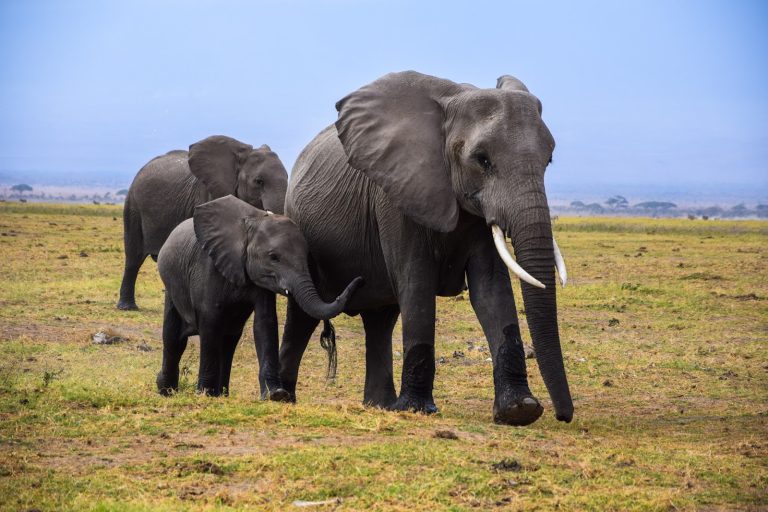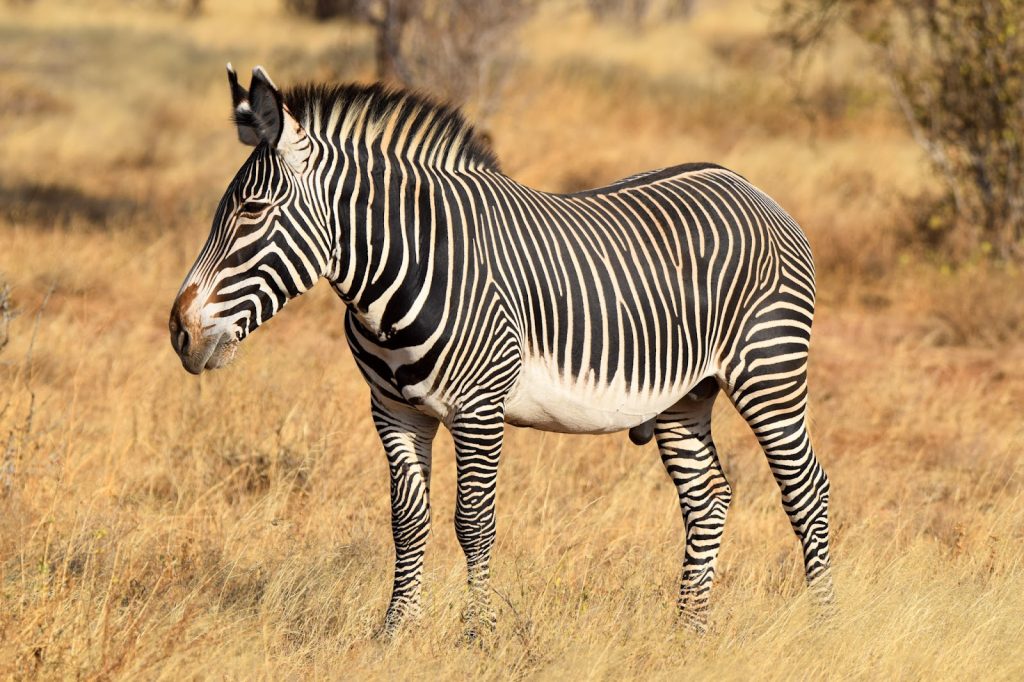
It is barely seven, and already the light is hard and white. Your vehicle rolls along the sandy bank of the Ewaso Ng’iro, doum palms rattling in a hot breeze. On the far side, a line of elephants files down to the water, trunks swinging. Then your guide points the other way, into the thornbush: a gerenuk, standing upright on its hind legs, neck stretched to pull a leaf from an acacia. Behind it, a Grevy’s zebra lifts its round ears and watches you. This is not the Kenya of postcards. It is better.
Samburu National Reserve is a 165 km² reserve in Kenya’s dry north, about 350 km from Nairobi, on the northern bank of the Ewaso Ng’iro River. It is the best place to see the Samburu Special Five: Grevy’s zebra, reticulated giraffe, Beisa oryx, Somali ostrich and gerenuk, plus elephants, lions and leopards, with far fewer vehicles than the Masai Mara.
Sense of Adventure is a Nairobi-based safari company licensed by Kenya’s Tourism Regulatory Authority (TRA1/47/C01/77087), and we take travellers north to Samburu National Reserve throughout the year. This guide covers its landscape and history, the Samburu people and the conservation teams who protect it, fees, getting there, the best months, honest wildlife odds, things to do, rules, how long to stay and a sample itinerary.

✅ Samburu National Reserve: The Quick Answer
- Where: Samburu County in northern Kenya, on the north bank of the Ewaso Ng’iro River, beside Buffalo Springs and Shaba reserves.
- Best for: The Samburu Special Five, riverside elephants, big cats, Samburu culture and a quieter safari.
- Best time: Late December to March and June to October, when it is dry and wildlife gathers at the river.
- Entry fee: Set by Samburu County and changed from time to time; we confirm the current rate in every quote.
- How long to stay: Two to three nights.
- Getting there: About 5–6 hours by road from Nairobi via Nanyuki and Isiolo, or around an hour by light aircraft from Wilson Airport.
🌍 Planning a Safari to Samburu National Reserve?
Tell us your dates and we will suggest the best way to fit Samburu into your Kenya safari. 💬 WhatsApp Us Now or call +254 799 160 081
What Is Samburu National Reserve?
Samburu National Reserve is a small, dry-country reserve in northern Kenya, built around the Ewaso Ng’iro River and run by Samburu County rather than the Kenya Wildlife Service.
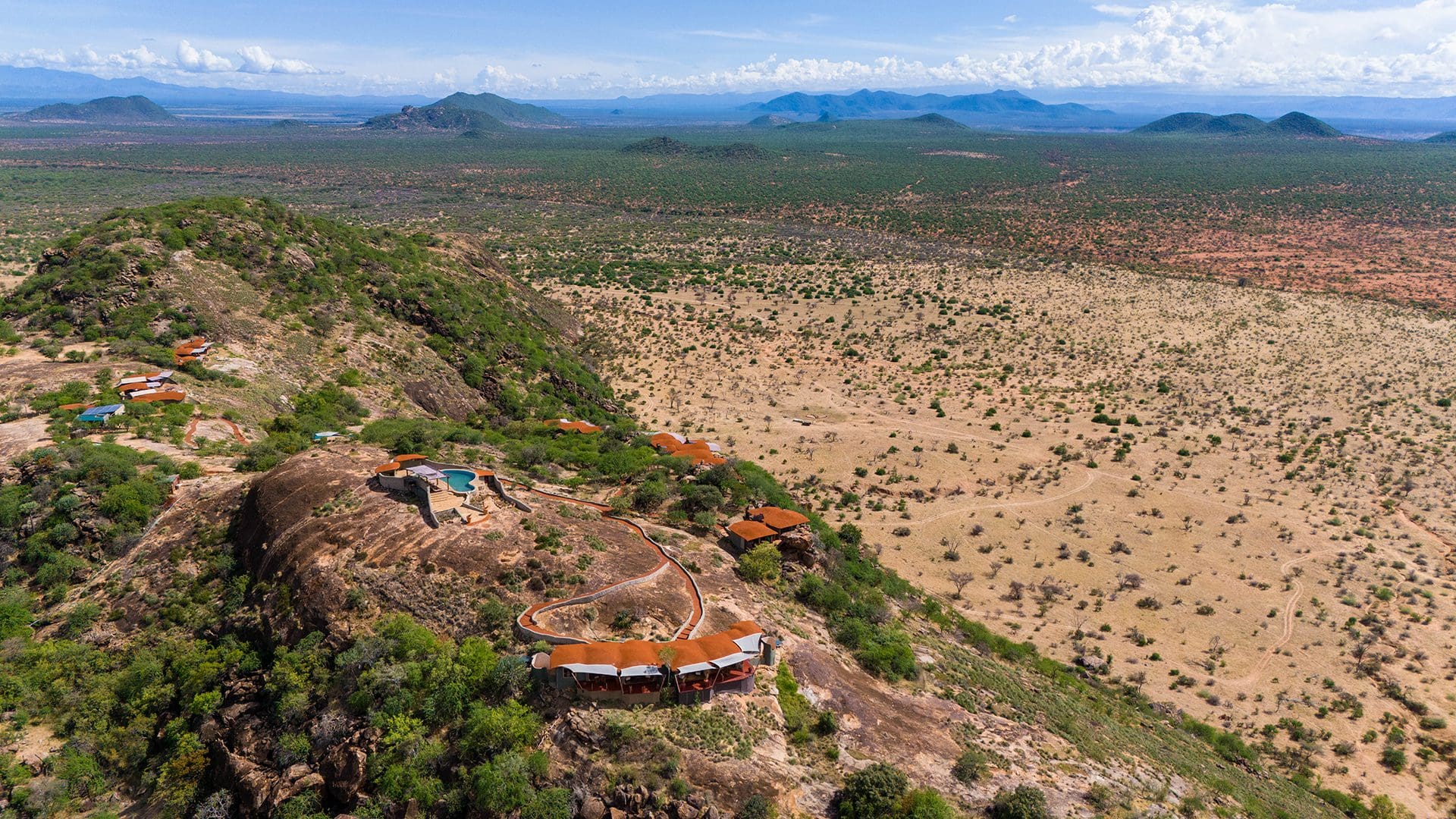
The reserve covers about 165 km² of semi-arid bush, rocky hills and riverine forest at around 800 to 1,200 metres above sea level. The Ewaso Ng’iro, which flows down from the Aberdares and Mount Kenya, is the only permanent water for miles, so wildlife is drawn to its banks every day. Across the river lies Buffalo Springs National Reserve, managed by Isiolo County, and to the east is Shaba National Reserve. Together they form one connected wildlife area.
A short history of the reserve
Samburu, Buffalo Springs and Shaba were set aside as reserves in the 1960s and 1970s and have stayed in the hands of the local county governments. The area became world famous through long-term elephant research by Save the Elephants, founded by Iain Douglas-Hamilton in 1993, whose research camp sits inside the reserve. Many of Samburu’s elephant families have been known and named for decades. Read our guides to Buffalo Springs National Reserve and Shaba National Reserve for the neighbours.
The Samburu Special Five and Other Wildlife
Samburu National Reserve is the easiest place in Kenya to see five dry-country animals rarely found on the southern circuit, known as the Samburu Special Five.
Meet the Special Five
- Grevy’s zebra: the largest and most endangered zebra, with narrow stripes and large, rounded ears.
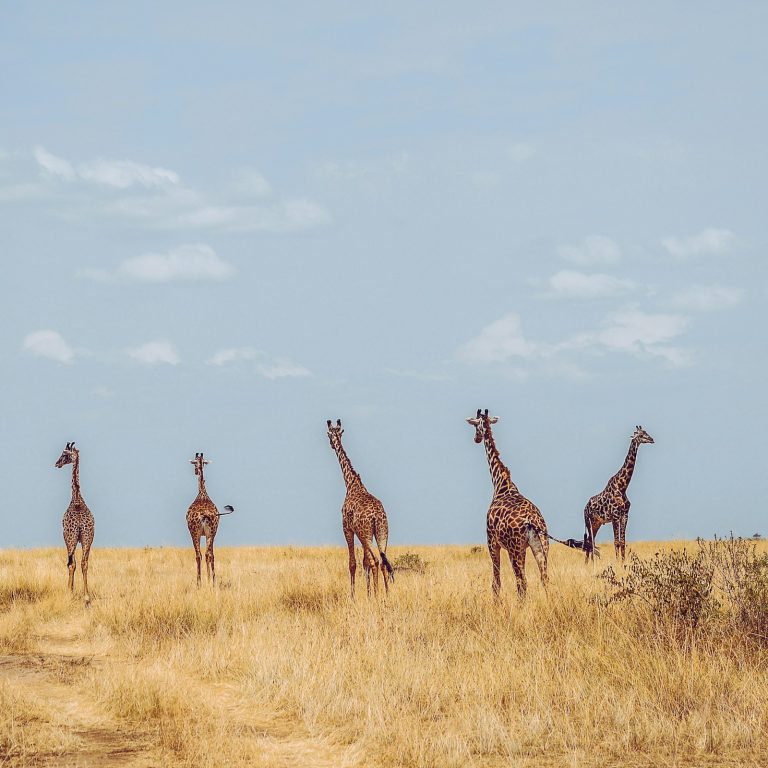
- Reticulated giraffe: a coat of neat brown patches divided by bright white lines.
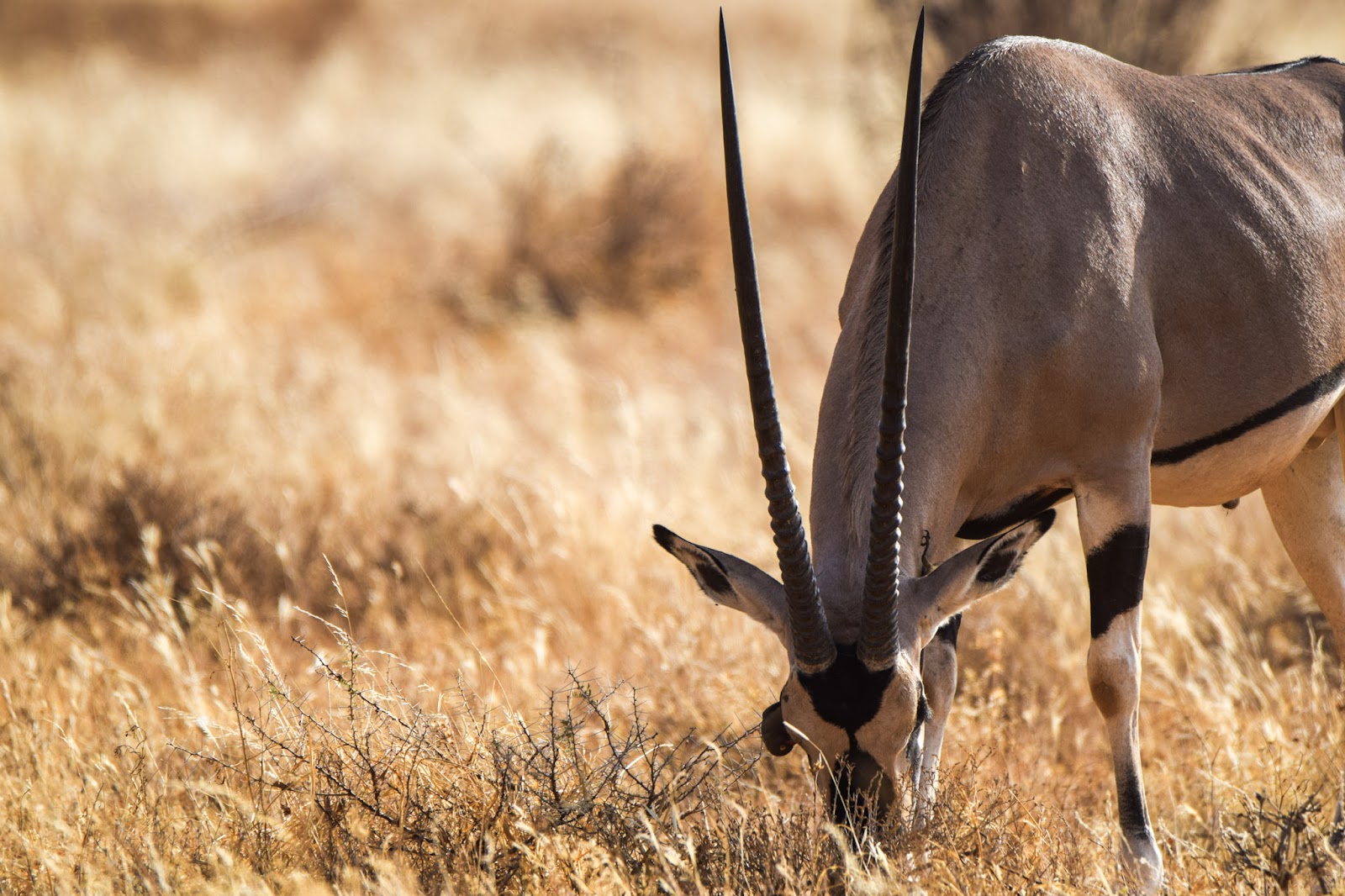
- Beisa oryx: a pale antelope with long, straight horns and bold black face markings.
- Somali ostrich: males have blue-grey necks and legs, unlike the pink of the common ostrich.
- Gerenuk: a long-necked antelope that stands on its hind legs to browse.
Read the habitat to find them. Gerenuk and reticulated giraffe browse the thicker acacia and commiphora bush. Oryx and Somali ostrich prefer open, stony plains. Grevy’s zebra move between both and often come to drink in the heat of the day.
Honest sighting odds in Samburu National Reserve
- Elephant: almost certain, especially along the river.
- Reticulated giraffe, Beisa oryx, gerenuk and Grevy’s zebra: very likely over two or three days.
- Somali ostrich: likely on the open plains.
- Lion: good; prides use the river and the hills.
- Leopard: fair to good, especially in the riverine forest and rocky outcrops.
- Cheetah: fair on the open plains.
- Wild dog: low; packs pass through the wider area now and then.
- Rhino: none in the reserve; add Lewa, Ol Pejeta or Solio for rhino.
Birding is excellent, with vulturine guineafowl, kori bustards, hornbills, sunbirds and many raptors. If you want the full Big Five on one trip, read will you see the Big Five in Kenya?
The People of Samburu: Herders, Rangers and Researchers
Samburu National Reserve sits in the homeland of the Samburu people, and its future depends on them as much as on the rangers and scientists who work here.
The Samburu are Maa-speaking pastoralists, related to the Maasai, who have herded cattle, goats and camels across this dry country for generations. Young men known as moran wear red cloth, beads and ochre, and women are known for intricate beaded collars. Many Samburu families live in community conservancies around the reserve, where land is managed for both livestock and wildlife.
Because the reserve is run by Samburu County, your entry fee supports county services as well as reserve management and ranger patrols. Around the reserve, community conservancies such as Kalama and Westgate are supported by the Northern Rangelands Trust, and conservation groups including Save the Elephants, Ewaso Lions and the Grevy’s Zebra Trust work with local people to reduce conflict and monitor wildlife.
For community conservation in this area, see the Northern Rangelands Trust, and for elephant research, Save the Elephants.
Expert tip from our Nairobi team: Ask before photographing anyone, and buy beadwork directly from women’s groups at a community visit or camp shop. It is the simplest way to make sure your money reaches the families who live here.
Samburu National Reserve Fees in 2026
Samburu National Reserve fees are set by Samburu County, charged per person per 24 hours, and paid separately from Buffalo Springs and Shaba.
At the time of writing, we could not find a 2026 fee schedule published by the county itself. The rates below are the most recently published figures we have seen, for 2024–2025, and are shown as a guide only. They may have changed, so we always confirm the current fee before you travel and include it in your quote.
| Visitor category | Adult (per 24 hours) | Child (per 24 hours) | Status |
|---|---|---|---|
| Non-resident | USD 70 | USD 40 | 2024–25 rate; to be confirmed |
| East African resident | KES 1,000 | KES 500 | 2024–25 rate; to be confirmed |
| Kenyan citizen | KES 500 | KES 250 | 2024–25 rate; to be confirmed |
| Buffalo Springs and Shaba | Separate tickets | Separate tickets | Charged by each reserve |
Most northern camps sit in conservancies that also charge a conservancy fee, which is normally built into your camp rate. For the national picture, see our Kenya national park entrance fees for 2026.
How to Get to Samburu National Reserve
You can reach Samburu National Reserve by a 5 to 6-hour drive from Nairobi or by a scheduled light-aircraft flight from Wilson Airport.
By road
The route runs north through coffee country to Nanyuki, crosses the equator, skirts Mount Kenya and drops through Isiolo and Archer’s Post into the hot lowlands. The road is tarmac most of the way. Breaking the journey at Ol Pejeta or near Mount Kenya makes it far more relaxed; our Mount Kenya guide has ideas.
By air
Scheduled flights from Wilson Airport land at airstrips in or near the reserve, such as Samburu Oryx, Buffalo Springs and Kalama, in around an hour, depending on stops. Your guide meets you on arrival. Luggage is usually limited to a soft bag of about 15 kg; see our guide to safari luggage weight limits on small aircraft.
Best Time to Visit Samburu National Reserve
The best time to visit Samburu National Reserve is during the dry seasons from late December to March and from June to October, although the river keeps wildlife close all year.
Samburu is hot, often above 30°C at midday, with cooler mornings. The long rains usually fall in April and May and the short rains in November. In dry months, the bush thins and animals concentrate along the Ewaso Ng’iro, so game viewing is at its easiest.
| Month | Weather | Wildlife | Notes |
|---|---|---|---|
| January–March | Hot and dry | Excellent near the river | Great time for the Special Five |
| April–May | Long rains | Good; animals spread out | Green, quiet and best value; some camps close |
| June–October | Warm, dry, breezy | Excellent; elephants at the river daily | Peak season; book early |
| November | Short rains | Good; births and migrant birds | Lush and peaceful |
| December | Drying out | Very good | Busy over the festive season |
For a country-wide view, read our guide to the cheapest time for a Kenya safari, which explains how rates change by month.
📅 Get a Free, No-Obligation Safari Quote
Send us your dates and we will check which Samburu camps still have space, with fees and transfers included. ✉ Send Us Your Dates on WhatsApp
Things to Do in Samburu National Reserve
The best things to do in Samburu National Reserve are river game drives, Special Five spotting, cultural visits and, in nearby conservancies, walks, camel rides and night drives.
Game drives along the Ewaso Ng’iro
Morning and late-afternoon drives along the river are the heart of a safari in Samburu National Reserve. Elephants come down to drink and bathe, crocodiles bask on sandbanks and leopards use the riverine forest. Between drives, the hottest hours are for rest, a swim or watching the river from camp.
Cultural visits and conservancy activities
Community-run visits to a Samburu homestead let you learn about herding, beadwork and daily life. In the conservancies around the reserve, camps offer guided walks with Samburu guides, camel walks and night drives, none of which are normally allowed inside the reserve itself.
Read our night drive guide and walking safari safety guide before you go.
Samburu National Reserve Rules and Safety
Samburu National Reserve is safe for visitors on a guided safari, and its rules protect fragile habitats and the animals that depend on the river.
- Stay on the tracks: off-road driving is not allowed in the reserve.
- Daylight only: game drives inside the reserve run between dawn and dusk.
- Stay in the vehicle except at designated sites or with an authorised guide.
- Keep your distance from elephants at the river, and never feed animals.
- No drones without permission: see our drone rules guide.
- Respect people: always ask before taking photographs of Samburu people.
Some parts of northern Kenya are covered by specific government travel advice, so check the UK government’s Kenya travel advice before you book, and take insurance that covers medical evacuation.
Expert tip from our Nairobi team: Be out at first light. The first two hours after sunrise are the coolest and busiest for wildlife in Samburu, and the light is beautiful for photography.
How Many Days Do You Need in Samburu?
Two to three nights in Samburu National Reserve is ideal, giving four to six game drives and a good chance of seeing all of the Special Five.
If you drive from Nairobi, a third night makes the journey worthwhile. If you fly, two nights can work well. Browse our Kenya safari packages to see how Samburu National Reserve fits into a longer trip.
Where to Stay in Samburu and What to Pack
Accommodation in and around Samburu National Reserve ranges from riverside lodges and tented camps inside the reserve to small, exclusive camps in neighbouring conservancies.
Many camps in Samburu National Reserve sit right on the Ewaso Ng’iro, so you can watch elephants from your veranda. Conservancy camps, such as those in Kalama, add walks, night drives and fewer vehicles. Tell us your budget and style and we will match the right camp; see our Samburu safari page for the options we offer.
What to pack for Samburu National Reserve
- Light, breathable, neutral clothing, plus a fleece for early mornings
- A wide-brimmed hat, high-factor sunscreen and good sunglasses
- Binoculars and a zoom lens for oryx and gerenuk
- Insect repellent and malaria advice from your doctor
- A soft bag if you are flying in
- Small notes for tips and beadwork
Our Kenya safari packing list covers everything else.
Combining Samburu With Other Parks
Samburu National Reserve pairs naturally with Laikipia, Mount Kenya, Lake Nakuru and the Masai Mara.
Head south to Ol Pejeta or Lewa for rhinos; our Ol Pejeta vs Lewa comparison helps you choose. For more walking and exclusive camps, read our Loisaba Conservancy guide. Many travellers finish in the Masai Mara; see our Masai Mara National Reserve guide.
Sample 3-Day Samburu National Reserve Itinerary
This road itinerary from Nairobi is a relaxed first visit, and it extends easily into a longer northern circuit.
- Day 1, Nairobi to Samburu: early start via Nanyuki and Isiolo, lunch at camp, then an afternoon drive along the Ewaso Ng’iro to look for elephants and lions.
- Day 2, the Special Five: dawn drive into the open plains for oryx, Grevy’s zebra and ostrich, a midday rest, and an afternoon visit to a Samburu community followed by a riverside drive.
- Day 3, onward: a last morning drive, then continue to Ol Pejeta or Mount Kenya, or return to Nairobi.
Book it as our Samburu Cultural and Wildlife Experience, or as part of our Northern Kenya Cultural Safari or Kenya Highlights Safari. Prices depend on season, camp and group size, so message us for a quote.
Samburu National Reserve FAQs
What is Samburu National Reserve famous for?
Samburu is famous for the Samburu Special Five: Grevy’s zebra, reticulated giraffe, Beisa oryx, Somali ostrich and gerenuk. It is also known for elephants along the Ewaso Ng’iro River, good lion and leopard sightings, long-term elephant research and the culture of the Samburu people who live around it.
How much is the Samburu National Reserve entry fee?
Samburu County sets the fee and changes it from time to time. The most recently published rates we have seen, for 2024 to 2025, were USD 70 per non-resident adult per 24 hours, with lower rates for children, residents and citizens. We confirm the current fee in every quote.
How far is Samburu from Nairobi?
Samburu is about 350 km north of Nairobi. The drive via Nanyuki, Isiolo and Archer’s Post takes around 5 to 6 hours on mostly tarmac roads. Scheduled light-aircraft flights from Wilson Airport take around an hour, depending on stops, and land at airstrips in or near the reserve.
Is Samburu better than the Masai Mara?
They are different rather than better. The Mara has the Great Migration and huge plains game numbers. Samburu has rare northern species, a dramatic river setting and fewer vehicles. Many travellers combine both, flying between them, to see two very different sides of Kenya on one safari.
What is the best time to visit Samburu?
The dry seasons from late December to March and from June to October are best, as wildlife gathers along the Ewaso Ng’iro and the bush is thinner. The long rains in April and May and the short rains in November bring green scenery, births and lower rates.
How many days do you need in Samburu?
Two to three nights is ideal. That gives four to six game drives, enough to find the Special Five, follow elephants along the river and add a cultural visit. If you drive from Nairobi, three nights makes the long journey worthwhile.
What is the difference between Samburu and Buffalo Springs?
They sit on opposite banks of the Ewaso Ng’iro River and share the same wildlife. Samburu lies on the north bank and is run by Samburu County, while Buffalo Springs lies on the south bank and is run by Isiolo County. Each charges its own entry fee.
🏕 Plan Your Samburu Safari With Sense of Adventure
Kenya-based experts. Real local knowledge. Transparent pricing. Tell us your dates and we will plan your Samburu National Reserve days around the river, the Special Five and the best light. 💬 WhatsApp Us — Start Planning Today
Call or WhatsApp: +254 799 160 081 · Email: reservations@senseofadventure.co.ke
Related Safari Guides
- › Buffalo Springs National Reserve Guide
- › Shaba National Reserve Guide
- › Samburu Safari: Special Five and Luxury Camps
- › Ol Pejeta vs Lewa: Rhino Conservancies
- › Complete List of Kenya National Parks and Reserves
Official travel & park resource: Kenya Wildlife Service ↗ · Community conservancies: Northern Rangelands Trust ↗ · Magical Kenya ↗