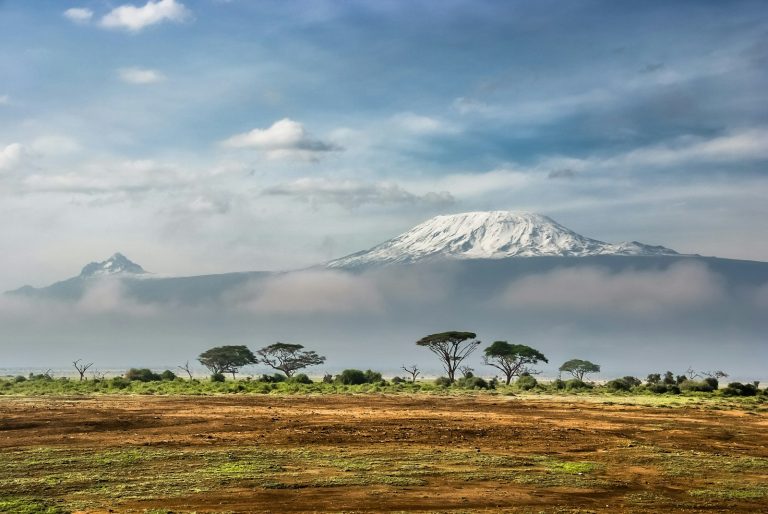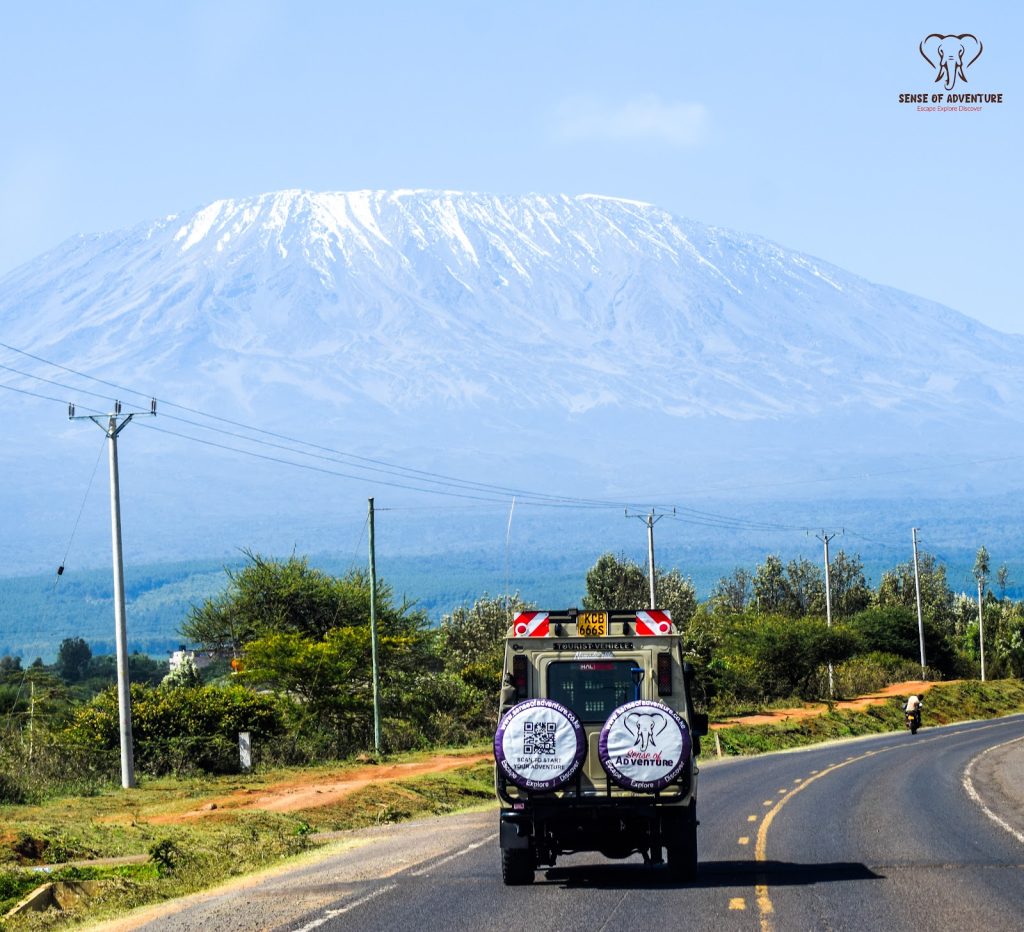
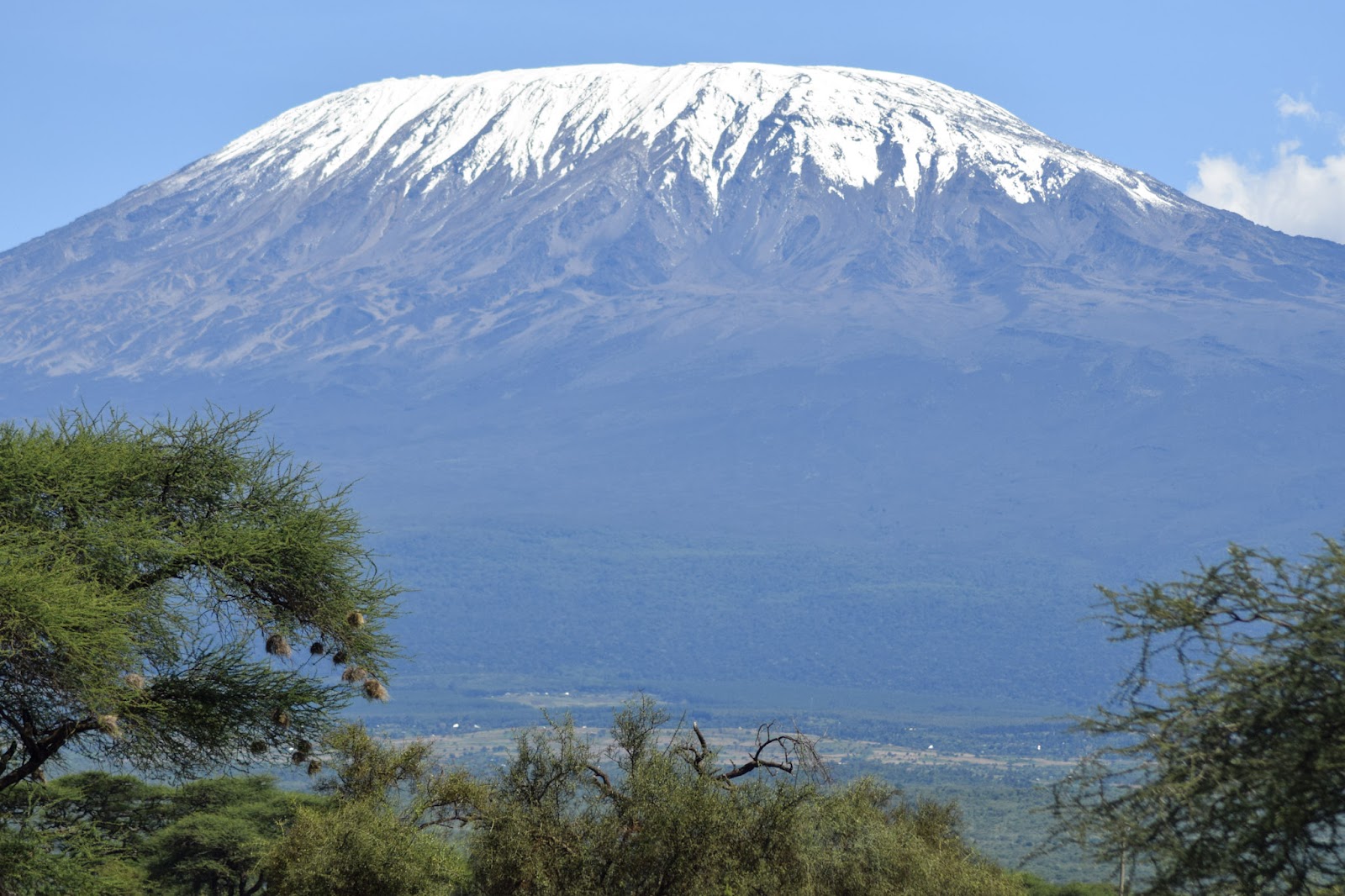
Climbing Kilimanjaro means taking on the world’s tallest freestanding mountain — 5,895 metres of ancient volcanic rock rising from the Tanzanian plains in an extraordinary isolated mass that creates its own weather, its own climate zones, and one of the most distinctive silhouettes in Africa. Unlike the technical peaks of the Himalayas or the Andes, Kilimanjaro requires no ropes, no ice axes, and no specialist mountaineering experience — it is a walking mountain, accessible to any person with reasonable fitness, the right acclimatisation schedule, and absolute determination at altitude.
Around 50,000 people attempt Kilimanjaro each year; approximately 65% reach the summit. The difference between those who do and those who don’t is almost entirely preparation, route choice, and pace. Sense of Adventure arranges Kilimanjaro climbs as standalone Tanzania experiences and as part of combined Tanzania safari circuits, and this guide gives you everything you need to make the right decisions.
✅ Kilimanjaro Quick Answer
- Height: 5,895 metres at Uhuru Peak, the highest point in Africa.
- Best routes: Lemosho (8–9 days) or Machame (7 days) for most climbers.
- Best months: January–March and June–October.
- Cost: typically USD 2,000–4,500+ per person with a reputable operator, depending on route and length.
- Experience needed: none technical — good fitness, a slow pace and proper acclimatisation matter most.
Book Your Kilimanjaro Climb With Sense of Adventure
We arrange the full Kilimanjaro experience — route advice, licensed operators, porter welfare, and seamless safari connection before or after. Contact us today.
Climbing Kilimanjaro: The Mountain at a Glance
Kilimanjaro stands in northern Tanzania, just south of the Kenyan border, and is protected as Kilimanjaro National Park, a UNESCO World Heritage Site. The mountain has three volcanic cones — Kibo, Mawenzi and Shira — and Uhuru Peak, on the rim of Kibo’s crater, is the summit everyone aims for. The park is managed by Tanzania National Parks, which sets the rules, routes and fees published on the TANAPA website.
Climbing Kilimanjaro is often described as walking from the equator to the Arctic in a week. You pass through five distinct zones: farmland on the lower slopes, lush montane rainforest, heath and moorland with giant groundsels and lobelias, a stark alpine desert, and finally the arctic summit zone of ice, scree and the remaining glaciers.

The Kilimanjaro Routes — Which One to Choose
| Route | Duration | Success Rate | Character | Best For |
|---|---|---|---|---|
| Machame | 7–8 days | ~85% | Scenic, varied terrain | Most climbers — best balance |
| Lemosho | 8–9 days | ~90% | Remote, uncrowded, beautiful | Best overall experience |
| Rongai | 6–7 days | ~80% | Dry side, different flora | Northern approach, less rain |
| Marangu | 5–6 days | ~50% | Hut accommodation | Hut preference — shorter days |
| Northern Circuit | 9–10 days | ~95% | Full circumnavigation | Highest success, most remote |
Sense of Adventure recommends the Lemosho route for most climbers — it has the best acclimatisation profile, the most scenic approach, and among the highest success rates of any route. For climbers on a tighter schedule, the Machame route delivers a very good experience in 7 days. Sense of Adventure strongly advises against the 5-day Marangu route for any climber not already acclimatised to high altitude.
Machame and Lemosho: The Southern Circuit
Both routes approach from the south and west and join below the Lava Tower, a volcanic plug at around 4,600 metres. Walking up to the tower and sleeping lower in the Barranco Valley follows the “climb high, sleep low” principle that helps your body adapt. The next morning brings the Barranco Wall, a steep scramble that looks daunting but needs hands rather than ropes.
Marangu: The Hut Route
Marangu is the only route with dormitory huts instead of tents, which appeals to climbers who dislike camping. The trade-off is a fast ascent profile and a busier trail. If you choose Marangu, take the six-day version with an extra acclimatisation day at Horombo Huts. Our Kilimanjaro Marangu Route Trek (6 Days) is built around this extra day.
Rongai and the Northern Circuit
Rongai starts near the Kenyan border on the drier northern side, making it a good choice in the wetter months. The Northern Circuit is the longest route, circling the mountain’s quiet northern slopes before the summit push. Its extra days give the best acclimatisation and the highest success rates.
Life on the Mountain: A Typical Day
Most days of climbing Kilimanjaro follow a gentle routine. Your crew wakes you with hot tea and a bowl of warm water for washing, followed by a cooked breakfast. You then walk for four to seven hours at a deliberately slow pace, stopping for snacks, water and photographs, with lunch either on the trail or at the next camp.
By the time you arrive, porters have usually pitched your tent. Afternoons are for resting, a short acclimatisation walk and a health check from your guide, who measures your pulse and oxygen levels. Dinner is early and filling, and most climbers are asleep soon after dark, ready for another day of climbing Kilimanjaro.
Why Porter Welfare Matters
Porters are the backbone of every climb, carrying tents, food and your bags up the mountain. Park rules limit the weight each porter may carry, and responsible operators pay fair wages, provide proper clothing and sleeping gear, and feed their crews well. Always ask how an operator looks after its porters before you book.
Best Time for Climbing Kilimanjaro
You can climb all year, but the weather makes a big difference to comfort and summit views.
- January–March: generally dry and clear, with colder nights and a chance of snow near the summit. A favourite time for many climbers.
- April–May: the long rains. Trails are muddy and views limited; few people climb, except on the drier Rongai side.
- June–October: the main dry season and the busiest period, with cold nights and reliable conditions.
- November–December: the short rains, with afternoon showers but usable conditions on most routes.
Many climbers time their summit night to coincide with a full moon, which lights the trail and makes the long night feel less daunting. Ask us to check moon dates when you choose your departure.
Altitude Sickness and How to Avoid It
Altitude, not fitness, is the main reason people fail to reach the top. Almost everyone feels some symptoms above 4,000 metres — headache, poor sleep, loss of appetite or mild nausea. These are normal signs of acute mountain sickness and usually ease with rest and a slower pace. Serious conditions affecting the lungs or brain are rare but dangerous, and the only reliable treatment is descending.
The best protection is time. Choose a route of seven days or more, walk slowly (“pole pole”), drink three to four litres of water a day, eat even when you are not hungry, and tell your guide honestly how you feel. Some climbers use preventive medication; discuss this with your doctor or a travel clinic before you go, and read the general health advice from the World Health Organization.
Summit Night — What Actually Happens
🌊 What Summit Night Feels Like
Midnight departure: You leave camp at midnight or earlier. The temperature at 5,000+ metres at night is -10 to -20°C. You are wearing every layer you own. The headlamp shows the trail one metre ahead. The sky above you — at altitude, in the darkness — is extraordinary.
Stella Point (5,756 m): The crater rim. Most people feel the altitude here — headache, nausea, and the specific heaviness of each step that altitude produces. Your guide is watching you closely. “Pole pole” — slowly slowly — is the mantra.
Uhuru Peak (5,895 m): If you make it, you are standing on the highest point in Africa. The sun comes up as you arrive. The glacier catches the light. The clouds below you extend to the horizon. Your guide takes your photograph. You understand, in a very physical and unambiguous way, what you are capable of.
After the summit, you descend to a high camp for a short rest and then continue down to a lower camp the same day. It is a long day — often twelve hours or more on your feet — and your knees will feel it. Trekking poles make a big difference on the descent.
Climbing Kilimanjaro Costs: What Is Included
The price of climbing Kilimanjaro depends mainly on the route length and the standard of the operator. As a guide, a 7-day Machame route climb with a reputable operator typically costs USD 2,000–3,500 per person, and longer routes such as Lemosho and the Northern Circuit cost USD 3,000–4,500 or more. Park fees alone are approximately USD 700 for a 7-day climb.
A good quote should include park, camping and rescue fees, a licensed lead guide and assistant guides, porters and a cook, meals on the mountain, tents and transfers to the gate. Flights, visas, travel insurance, personal gear and tips are usually extra. Be wary of very cheap offers: they often cut corners on porter pay, food and safety. For our current trek prices, see the Mount Kilimanjaro Machame Route (7 Days) package or check current rates with us.
Tipping Guides and Porters
Tipping the mountain crew is customary and forms an important part of their income. Tips are usually given as a group at the end of the climb, in a short ceremony, with amounts shared between guides, the cook and porters. We give every climber clear guidance on fair amounts before departure, so there are no surprises.
Training and Preparation
Good preparation for climbing Kilimanjaro starts three to four months before your trip. Focus on endurance rather than speed: long walks and hikes with a loaded daypack, stair climbing, cycling or running two to four times a week. Build up to back-to-back long walks at weekends so your body learns to recover overnight.
Break in your boots well before the climb, and practise using trekking poles. If you can, do a high-altitude trek beforehand — Mount Kenya’s Sirimon–Chogoria traverse is excellent preparation, and even a day hike such as Mount Longonot helps you test your gear. Our guide to safari and trekking fitness includes a simple plan.
What to Pack for Kilimanjaro
- Broken-in waterproof hiking boots and several pairs of good hiking socks.
- A layering system: base layers, a fleece, an insulated down jacket and a waterproof shell.
- Waterproof trousers, trekking trousers and thermal leggings.
- Warm gloves plus liner gloves, a warm hat, a sun hat and a buff.
- A sleeping bag rated to around -10°C or colder.
- A headlamp with spare batteries for summit night.
- Trekking poles, a daypack and water bottles or a hydration bladder for three to four litres.
- Sunglasses with good UV protection, high-factor sunscreen and lip balm.
- A basic first-aid kit and any personal medication.
Your operator should provide tents, sleeping mats and cooking equipment. Porters carry your main bag, so you only carry a daypack with water, snacks, layers and your camera.
Getting to Kilimanjaro from Kenya
Most climbers start in Moshi or Arusha, the towns at the foot of the mountain. Kilimanjaro International Airport lies between the two and has international connections, including regular flights from Nairobi. Travellers already in Kenya can also go by road through the Namanga border to Arusha, then on to Moshi, a long but straightforward day.
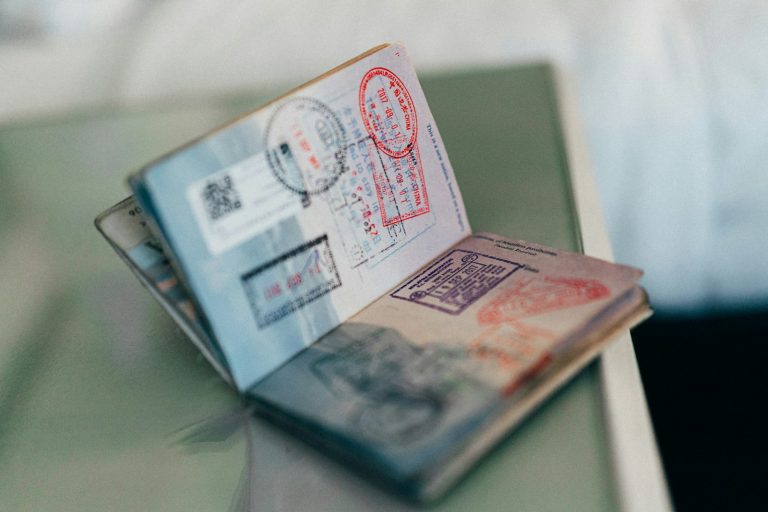
Check visa rules for both countries before you travel, along with yellow fever certificate requirements if you cross from Kenya. The UK foreign travel advice for Tanzania carries up-to-date entry information. Make sure your travel insurance covers trekking up to 6,000 metres, including emergency evacuation.
Combining Kilimanjaro With a Tanzania Safari
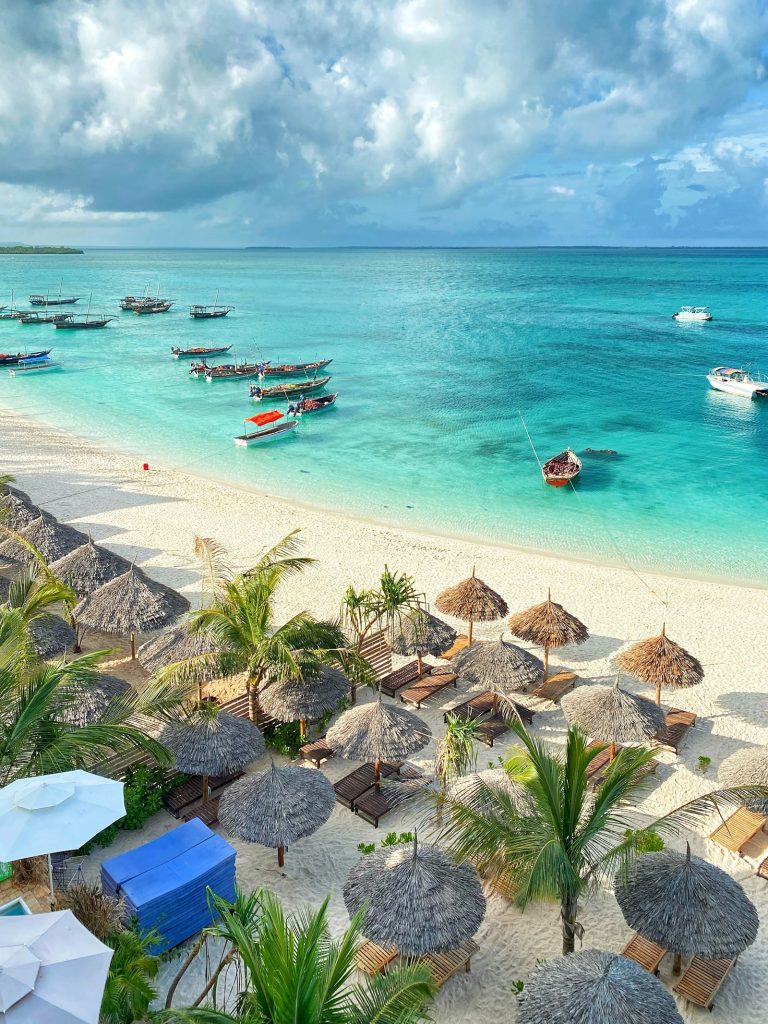
Kilimanjaro Airport (JRO) sits at the base of the mountain and connects directly to the northern Tanzania safari circuit — Arusha, Serengeti, Ngorongoro, and Zanzibar. Sense of Adventure designs Kilimanjaro + Tanzania safari combinations regularly: climb first (8 days), then recover at a Zanzibar beach (4 days), then finish with a Serengeti safari (3 days). Or reverse the order — safari first while legs are fresh, Kili second. Either way, the total trip delivers the full Tanzania experience in under three weeks. Contact Sense of Adventure for complete Kilimanjaro + safari itinerary quotes.
Good add-ons include a short Tarangire day safari from Arusha, the 5 Days Best of Tanzania Safari, or a relaxing week on the beach with our Zanzibar Beach and Stone Town (5 Days) package. From Kenya, a 2-Day Amboseli Safari gives you classic views of the mountain you are about to climb.
The Roof of Africa. Your Feet. Sense of Adventure’s Support.
We arrange the full Kilimanjaro experience — licensed operators, porter welfare standards, route advice, and the safari and beach extensions that make your Tanzania trip complete. Contact us now.
Frequently Asked Questions — Climbing Kilimanjaro
Do I need mountaineering experience to climb Kilimanjaro?
No technical mountaineering experience is required. Kilimanjaro is a walking mountain — no ropes, ice axes, or specialist skills needed. What you need is good cardiovascular fitness, mental resilience at altitude, and proper preparation. Sense of Adventure advises all Kilimanjaro guests on a pre-climb fitness programme and provides a complete gear list.
What is the best time to climb Kilimanjaro?
January–March and June–October are the driest and most reliable months. The long rains (April–May) and short rains (November) make routes slippery and visibility poor. January and February are particularly good — dry, cold nights but clear summit days. Sense of Adventure can discuss the specific trade-offs for any departure month.
How much does it cost to climb Kilimanjaro?
A 7-day Machame route climb with a reputable operator typically costs USD 2,000–3,500 per person, including park fees, guide, porters, and camp meals. Longer routes (Lemosho, Northern Circuit) cost USD 3,000–4,500+. Park fees alone are approximately USD 700 for a 7-day climb. Sense of Adventure works with fully licensed, porter-welfare-compliant operators and provides all-inclusive quotes.
How do I prepare for Kilimanjaro?
Cardiovascular fitness is the primary preparation requirement — the mountain rewards aerobic capacity. Start a running, hiking, or cycling programme 3–4 months before your climb date. Practise hiking with a loaded pack on sustained uphill sections. If possible, do a weekend hike at altitude before the climb. Sense of Adventure provides a 12-week preparation programme to all Kilimanjaro guests on booking.
Is climbing Kilimanjaro dangerous?
For well-prepared climbers on a sensible route, climbing Kilimanjaro is a safe adventure, but altitude must be respected. Choose a route of at least seven days, walk slowly, drink plenty of water and report symptoms to your guide. Reputable operators carry oxygen and first-aid kits and will descend with you if needed.
How many days does climbing Kilimanjaro take?
Most routes take six to nine days on the mountain, plus a night in Moshi or Arusha before and after. Seven days is a sensible minimum for most people, and eight or nine days on Lemosho or the Northern Circuit give the best chance of reaching the summit comfortably.
Is there a minimum age for climbing Kilimanjaro?
Tanzania National Parks sets a minimum age of ten for summit climbs, and younger children can only walk on the lower slopes. Teenagers often do well, but they must be fit, motivated and supervised closely for altitude symptoms. Speak to us about longer routes that suit families.