The yellow fever certificate rules in East Africa depend on your route, not just your passport. Kenya, Tanzania (including Zanzibar) and Rwanda ask for proof of vaccination if you arrive from a country with yellow fever risk, and Kenya is on that list. Uganda dropped its blanket rule in October 2026. Most safari travellers combining countries should get vaccinated.
Sense of Adventure is a licensed safari operator based at Mountain Mall on Thika Road, Nairobi (TRA licence TRA1/47/C01/77087), and we plan multi-country safaris every week. This guide explains what the yellow fever certificate is, the 2026 rules for Kenya, Tanzania, Uganda and Rwanda, the routes that catch travellers out, exemptions, timing and how to avoid problems at check-in or the border.
Table of Contents
✅ Yellow Fever Certificate in East Africa: The Quick Answer
- Kenya: a yellow fever certificate is required for travellers aged 1 year or over arriving from a country with yellow fever risk, including long transits there.
- Tanzania and Zanzibar: required if you arrive from a risk country such as Kenya or Uganda, or transit there for 12 hours or more.
- Rwanda: required if you come from an endemic or outbreak country, which includes Kenya and Uganda.
- Uganda: removed its general entry requirement in October 2026, but check the latest notice before you fly.
- Validity: one dose is now valid for life, and the certificate becomes valid 10 days after vaccination.
- Our view: if your safari crosses a border in East Africa, get vaccinated and carry the yellow card.
🌎 Combining Kenya With Tanzania, Zanzibar or Rwanda?
Send us your route and we will tell you which health documents each border and airline is likely to ask for. 💬 WhatsApp Us Now or call +254 799 160 081
What Is a Yellow Fever Certificate?
A yellow fever certificate is the official record, usually a small yellow booklet, that proves you have had the yellow fever vaccine.
Its formal name is the International Certificate of Vaccination or Prophylaxis (ICVP). It is issued under the World Health Organization’s International Health Regulations, so the same format is accepted at borders around the world. The clinic writes your name, date of birth, the vaccine and batch number, the date, and adds an official stamp and signature. Your name must match your passport exactly.
Yellow fever is a viral disease spread by day-biting mosquitoes in parts of Africa and South America. The WHO yellow fever fact sheet explains that one dose of vaccine gives lifelong protection for most people. Since 2016, a yellow fever certificate has been valid for life, so an old card with a ten-year expiry date is still accepted.
Why East African borders check it
Countries check the certificate to stop the virus being brought into areas where the right mosquitoes live. That is why the rules depend on where you are coming from. A traveller flying from London to Nairobi is treated very differently from a traveller flying from Nairobi to Zanzibar, even on the same trip.
Yellow Fever Certificate Rules by Country (2026)
The short version is that the rule follows your route: arriving from a risk country is what triggers the check.
| Country | Is a certificate required? | Who must show it | Notes |
|---|---|---|---|
| Kenya | Yes, for some travellers | Aged 1 year or over arriving from a country with yellow fever risk | Kenya itself is a risk country; vaccination is recommended for most safari areas |
| Tanzania (mainland) | Yes, for some travellers | Arriving from a risk country, or after a transit of 12 hours or more in one | Kenya and Uganda are on Tanzania’s list |
| Zanzibar | Yes, for some travellers | Same rule as mainland Tanzania | Checked at Zanzibar airport, including flights from Nairobi |
| Rwanda | Yes, for some travellers | Arriving from an endemic country or one with an active outbreak | Kenya and Uganda are on Rwanda’s list |
| Uganda | No longer as a general rule | Requirement removed by Uganda’s immigration authority in October 2026 | Uganda is still a risk country, so your next country may ask for a certificate |
Because Kenya, Uganda and much of the region are listed as risk countries, the yellow fever certificate becomes important the moment you cross a border. Our guide to Kenya vaccination requirements covers the wider list of jabs, including typhoid, hepatitis A and tetanus.
Kenya Yellow Fever Certificate Rules
Kenya asks for a yellow fever certificate from travellers aged one year or over who arrive from a country with a risk of yellow fever transmission.
The UK government’s Kenya entry requirements page confirms this rule. If you fly directly from Europe, North America, the Gulf, Asia or Australia, you are not arriving from a risk country, so the border may not ask for proof. Long transits in risk countries, such as a stopover of 12 hours or more in Addis Ababa, can change that.
Is the vaccine recommended for a Kenya safari?
Yes, for most safari itineraries. NHS guidance on Fit for Travel and the US CDC Kenya page recommend vaccination for travellers to risk areas. The WHO’s risk map generally treats Nairobi city, Mombasa and parts of the coast and north-east as lower risk, but the Masai Mara, the Rift Valley and most safari areas fall within the zone where vaccination is advised.
Expert tip from our Nairobi team: even when Kenya does not ask for your yellow fever certificate on arrival, carry it anyway. You will need it for any onward flight to Zanzibar, Kilimanjaro or Kigali, and replacing a lost card in Nairobi takes time.
Tanzania and Zanzibar Yellow Fever Certificate Rules
Tanzania requires a yellow fever certificate from travellers who arrive from a risk country, or who have spent 12 hours or more in transit in one.
Tanzania’s Ministry of Health lists Kenya as a risk country. This means the classic Kenya and Tanzania safari, a Masai Mara trip followed by the Serengeti, or a safari in Kenya followed by a beach week in Zanzibar, usually needs a valid certificate at the Tanzanian border or at Zanzibar airport.
The ministry’s guidance says travellers without a valid certificate may be refused entry, or vaccinated on arrival at a cost of about USD 50 and placed under health observation. That is not how anyone wants to start a beach holiday.
The Nairobi to Zanzibar trap
The most common problem we see is a traveller who flew into Nairobi, enjoyed a safari, then boards a short flight to Zanzibar without a certificate. Rules for short airside connections at Jomo Kenyatta International Airport can differ, but travellers who have spent days in Kenya should expect to be asked. Our Nairobi to Zanzibar layover guide explains the transit rules in detail.
For park information on the Tanzanian side, see Tanzania National Parks.
Uganda Yellow Fever Certificate Rules After October 2026
Uganda no longer requires a yellow fever certificate as a general condition of entry, after a change announced in early October 2026.
News reports said Uganda’s immigration authority removed the requirement from its entry conditions and e-visa portal. Health screening at the borders continued because of the Ebola situation in the region. Because this change is new, check the latest official notice and your airline’s rules before you travel.
Two points matter for safari planning. First, Uganda is still a yellow fever risk country, so the vaccine is still strongly recommended for gorilla trekking areas such as Bwindi. Second, if you travel from Uganda on to Kenya, Rwanda or Tanzania, those countries may ask for your yellow fever certificate. Our guide to whether Uganda is safe for tourists covers the latest travel advice.
Rwanda Yellow Fever Certificate Rules
Rwanda requires a yellow fever certificate from travellers coming from endemic countries or from countries with an active outbreak.
The Rwanda Biomedical Centre lists both Kenya and Uganda as endemic countries. In practice, almost every traveller who adds Rwanda’s gorillas to a Kenya safari arrives from Nairobi, so the yellow fever certificate is needed. Rwanda’s guidance says the certificate is not valid until 10 days after vaccination, and travellers without one may be vaccinated at their own cost.
If you are planning gorillas, our guide to gorilla trekking from Kenya explains the flights and permits, and the official Visit Rwanda site lists park information.
Which Safari Routes Need a Yellow Fever Certificate?
Your route decides whether you need a yellow fever certificate, so check each border crossing and flight in the order you will take them.
| Route | Certificate likely needed? | Why |
|---|---|---|
| Europe or USA to Nairobi, Kenya only | Not usually checked, but vaccine recommended | You arrive from a non-risk country |
| Kenya safari, then Zanzibar beach | Yes | Zanzibar checks arrivals from Kenya |
| Masai Mara, then Serengeti by road or air | Yes | Tanzania lists Kenya as a risk country |
| Kenya safari, then Rwanda gorillas | Yes | Rwanda lists Kenya as endemic |
| Uganda gorillas, then Kenya safari | Yes | Kenya checks arrivals from Uganda |
| Kenya safari with a long transit in Addis Ababa | Possibly | Long transits in risk countries count |
Carrying your yellow fever certificate on regional flights
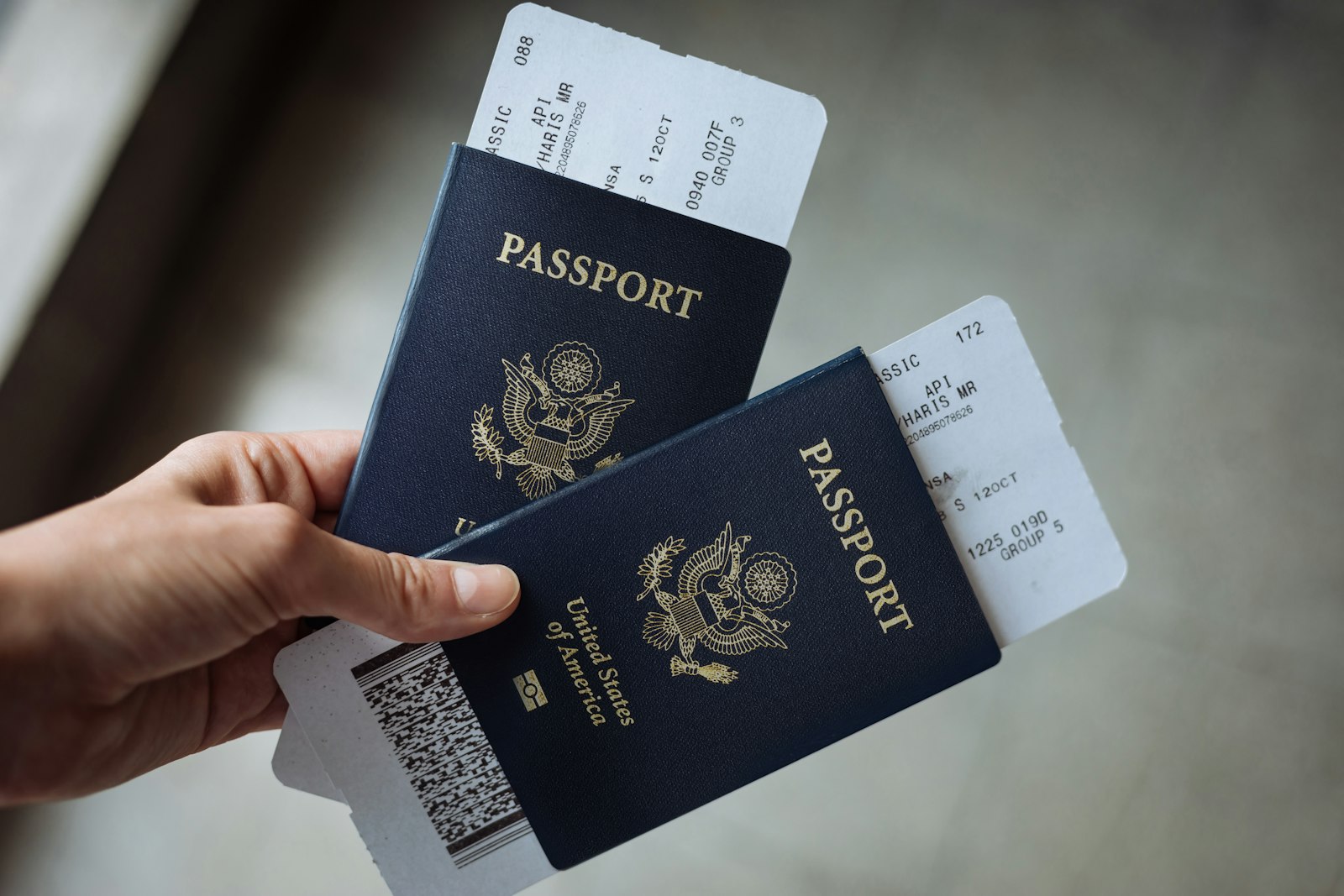
Expert tip from our Nairobi team: we treat the yellow fever certificate as a standard document for any multi-country trip, in the same way as a passport and visa. Packing it with your passport, rather than in checked luggage, avoids the stress of searching for it at a check-in desk at Wilson Airport or JKIA.
How to Get a Yellow Fever Certificate Before You Travel
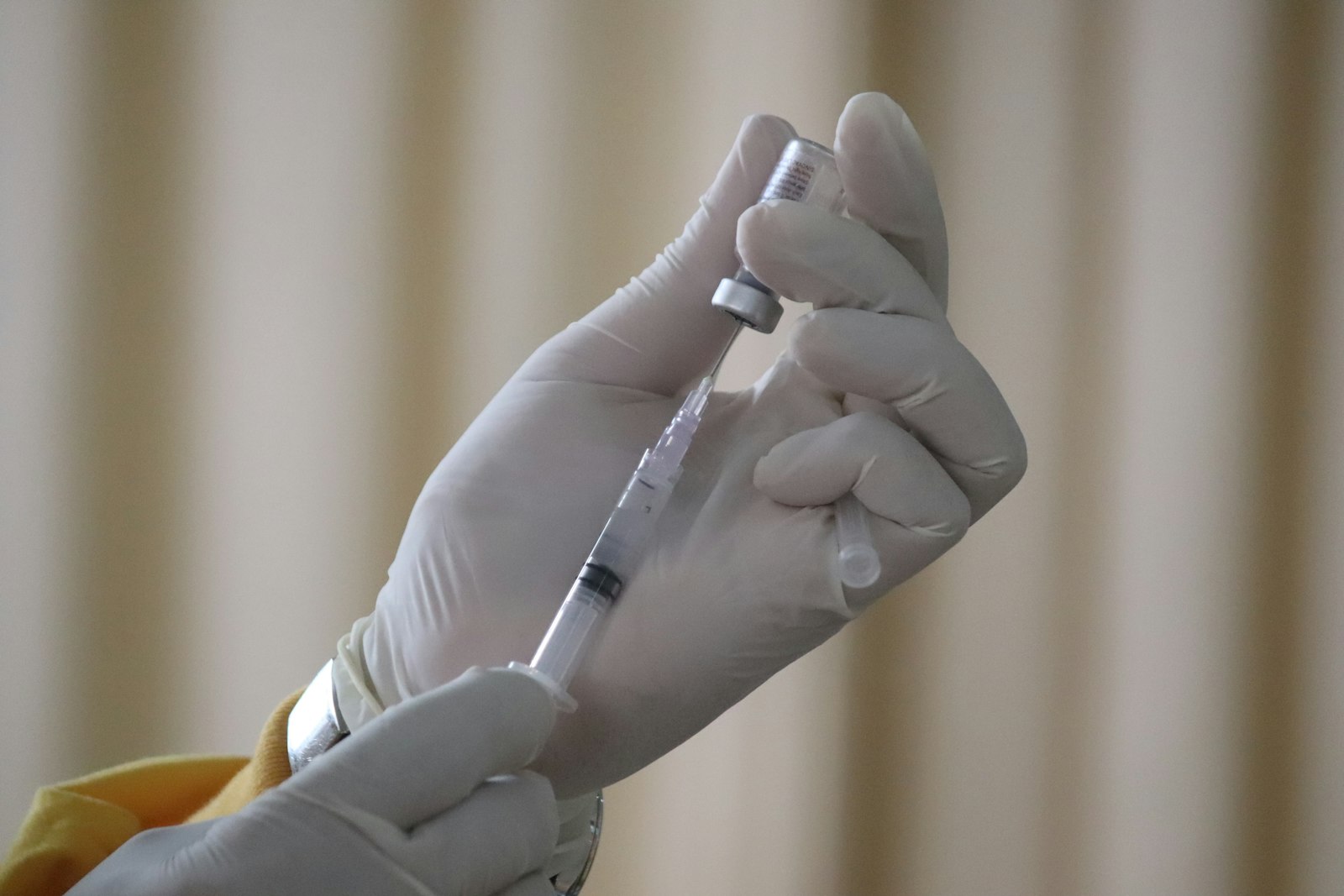
You get a yellow fever certificate by having the vaccine at an approved yellow fever vaccination centre, which then signs and stamps your card.
- Book early: see a travel clinic six to eight weeks before departure, so there is time for any other vaccines.
- Find an approved centre: only registered centres can give the vaccine and issue a valid card.
- Discuss your health: tell the nurse or doctor about your age, pregnancy, medicines and conditions that affect the immune system.
- Have the injection: it is a single dose, usually in the upper arm.
- Check the card: make sure your name matches your passport and the stamp and signature are clear.
- Wait 10 days: the certificate is only valid from 10 days after vaccination.
- Copy it: take a photo and keep a paper copy separate from the original.
Vaccine supplies and prices vary by country and clinic, so ask your local travel clinic for current availability. Our Kenya safari checklist lists the other documents to sort before you fly.
Yellow Fever Certificate Exemptions and Medical Waivers
Some people should not have the yellow fever vaccine, and they can travel with a medical exemption letter instead of a certificate.
The vaccine is a live vaccine. Doctors usually advise against it, or take extra care, for babies under nine months, pregnant and breastfeeding women, people with weakened immune systems, people with certain thymus conditions, and people with a severe egg allergy. Travellers aged 60 or over may also be advised to weigh the risks carefully, because serious side effects, while rare, are more common in older age groups.
What a good exemption letter looks like
A valid exemption is usually written on official letterhead or in the exemption section of the ICVP, signed and stamped by a doctor or approved centre. It should state your name, the medical reason in general terms and the dates of travel. Border officers can still apply local rules, so you may be asked to sign a health form or monitor your health after arrival.
If you are expecting a baby, read our guide to a safari while pregnant, and families with young children can read our guide to an Africa safari with toddlers and babies.
📅 Get a Free, No-Obligation Safari Quote
Share your dates and the countries you want to combine, and we will build a route that keeps border checks and flights simple. ✉ Send Us Your Dates on WhatsApp
Timing, Lost Cards and Other Common Problems
Most problems with a yellow fever certificate come from timing, lost cards or small mistakes on the document.
- Vaccinated too late: a certificate issued less than 10 days before arrival is not yet valid.
- Lost card: go back to the clinic that vaccinated you, because many keep records and can issue a replacement.
- Name mismatch: a missing middle name or a maiden name can cause questions, so carry supporting documents.
- Missing stamp: a card without the official stamp may be rejected.
- Only a photo on your phone: some officers accept it, many do not; carry the original.
- Old card with an expiry date: cards are now valid for life, even if the printed date has passed.
Expert tip from our Nairobi team: check your yellow fever certificate when you book your safari, not when you pack. If your card is lost or the vaccine is unavailable locally, early notice gives time to find another clinic or change the order of your route.
Yellow Fever, Malaria and Other Health Prep
A yellow fever certificate is only one part of safari health planning; malaria prevention and insurance matter just as much.
There is no vaccine for malaria, so speak to your doctor about tablets and pack a good repellent. Our guide to Kenya safari malaria explains the real risk by area. Kenya also introduced a mandatory travel health insurance step for many visitors in 2026, explained in our Kenya mandatory travel insurance guide. If you fall ill on safari, our guide to getting sick on safari explains how medical care works in the bush.
For official country updates, US travellers can check the State Department Kenya page, and Australians can check Smartraveller.
Booking a Multi-Country Safari With the Right Paperwork
Planning the paperwork early is the easiest way to enjoy a multi-country safari without delays at a border or airport.
When you book with us, we check the order of your countries and point out where a yellow fever certificate is likely to be checked. Popular combinations include our Kenya and Zanzibar Honeymoon, the Kenya and Rwanda Safari and the Kenya and Tanzania Classic Safari. Message us for a quote, and read our guide to the Kenya and Tanzania safari for route ideas.
Yellow Fever Certificate FAQs
Do I need a yellow fever certificate for Kenya?
Only if you are aged one year or over and arrive from a country with yellow fever risk, including some long transits. Travellers flying directly from Europe, North America, the Gulf, Asia or Australia are not usually asked. The vaccine is still recommended for most Kenya safari areas, including the Masai Mara.
Do I need a yellow fever certificate to fly from Kenya to Zanzibar?
Usually, yes. Tanzania and Zanzibar list Kenya as a yellow fever risk country, so travellers arriving from Kenya are expected to show a valid certificate. Without one you may be refused entry or vaccinated on arrival at your own cost. Carry the original card in your hand luggage.
Is a yellow fever certificate valid for life?
Yes. Since July 2016, the International Health Regulations treat a yellow fever certificate as valid for life after a single dose. A card printed with a ten-year expiry date is still accepted. The certificate only becomes valid 10 days after you receive your first vaccination.
Does Uganda still require a yellow fever certificate?
Uganda removed its general entry requirement in October 2026, according to an official immigration notice reported in the news. Uganda is still a yellow fever risk country, so vaccination is advised for gorilla trekking, and Kenya, Rwanda or Tanzania may ask for a certificate when you travel on from Uganda.
Does Rwanda require a yellow fever certificate if I come from Kenya?
Yes. The Rwanda Biomedical Centre lists Kenya and Uganda as endemic countries, so travellers arriving from them need a valid certificate. Rwanda says certificates issued less than 10 days before arrival are not yet valid, and travellers without one may be vaccinated on entry at their own cost.
How long before my safari should I get the yellow fever vaccine?
Get vaccinated at least 10 days before you arrive in a country that checks the certificate, and ideally six to eight weeks before travel. That allows time for other vaccines, any side effects to settle, and a backup plan if your local clinic has no vaccine in stock.
What if I cannot have the yellow fever vaccine for medical reasons?
Ask your doctor or an approved yellow fever centre for a signed and stamped medical exemption. Babies under nine months, pregnant women and people with weakened immunity are common examples. Border officers may still ask you to complete a health form or monitor symptoms after arrival, so carry the letter with your passport.
🏕 Plan Your Safari With Sense of Adventure
Kenya-based experts. Real local knowledge. Transparent pricing. Tell us which countries you want to combine and we will help you plan the route, the paperwork and the safari itself. 💬 WhatsApp Us — Start Planning Today
Call or WhatsApp: +254 799 160 081
Related Safari Guides
- ›Kenya Vaccination Requirements
- ›Kenya Safari Malaria Risk
- ›Nairobi to Zanzibar Layover
- ›Gorilla Trekking From Kenya
- ›Kenya Mandatory Travel Insurance
Official travel & park resources: Kenya Wildlife Service ↗, Tanzania National Parks ↗ and Visit Rwanda ↗