
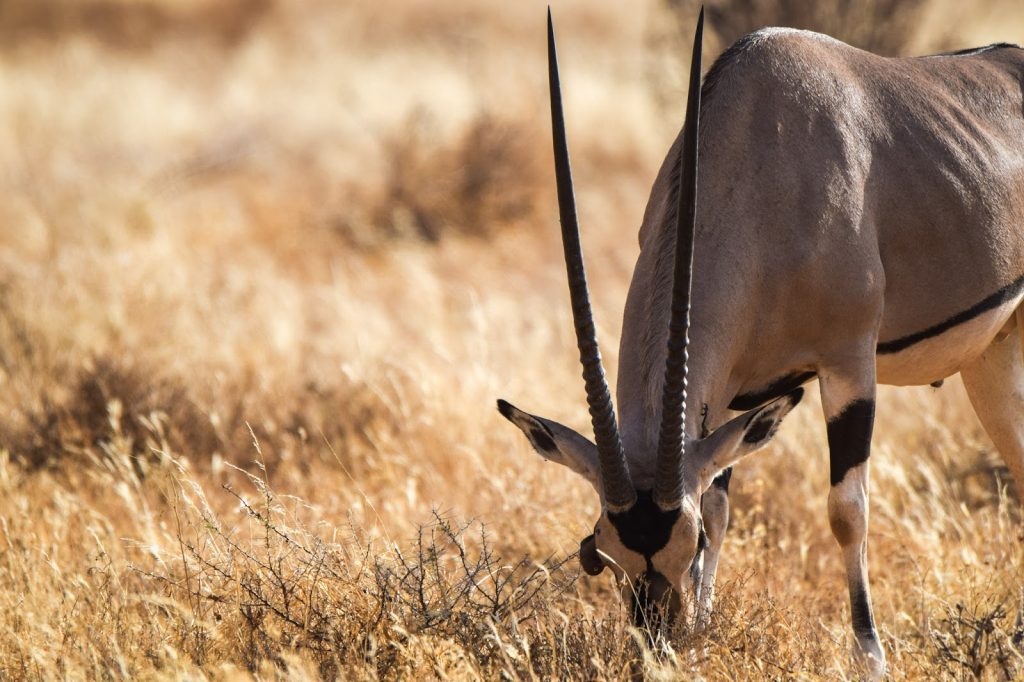
Best time to visit Samburu questions have a happy underlying truth: this semi-arid reserve is a genuine year-round destination, hot and game-rich in every month. What changes is the stagecraft. In the dry seasons the Ewaso Nyiro river becomes the only bar in town — elephants, leopards, oryx and everything else pressed to its banks in concentrations that make game drives feel choreographed. After the rains the country flushes green and gold, wildlife scatters into freshly grazed country, and photographers get colour the postcards never show. Sense of Adventure runs Samburu in all twelve months; here is the honest calendar we plan by.
Match Your Dates to the River’s Rhythm
Tell us your travel window — we’ll tell you exactly what Samburu will be doing and where to stay for it.
Samburu’s Year, Honestly Told
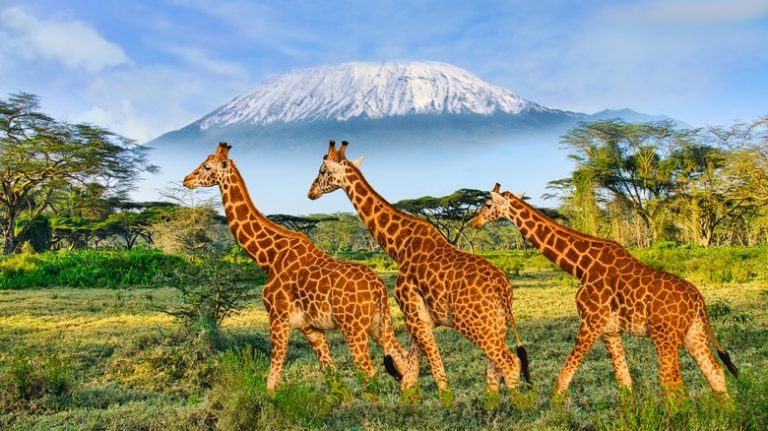
Samburu sits low and hot at around 900 metres, its climate driven by two rains: the long rains around April-May and short rains in November. The marquee months are the dry stretches — late June through October, then December to March — when the Ewaso Nyiro is the ecosystem’s lifeline and its riverine forest hosts a daily parade: elephant herds crossing hip-deep, reticulated giraffes browsing the doums, leopards using the shade line. The rains rarely wash out travel (showers are short and dramatic) but they disperse wildlife and green the country beautifully; November and late May offer superb value with photogenic skies. Roads inside the reserve remain passable year-round with good 4x4s.
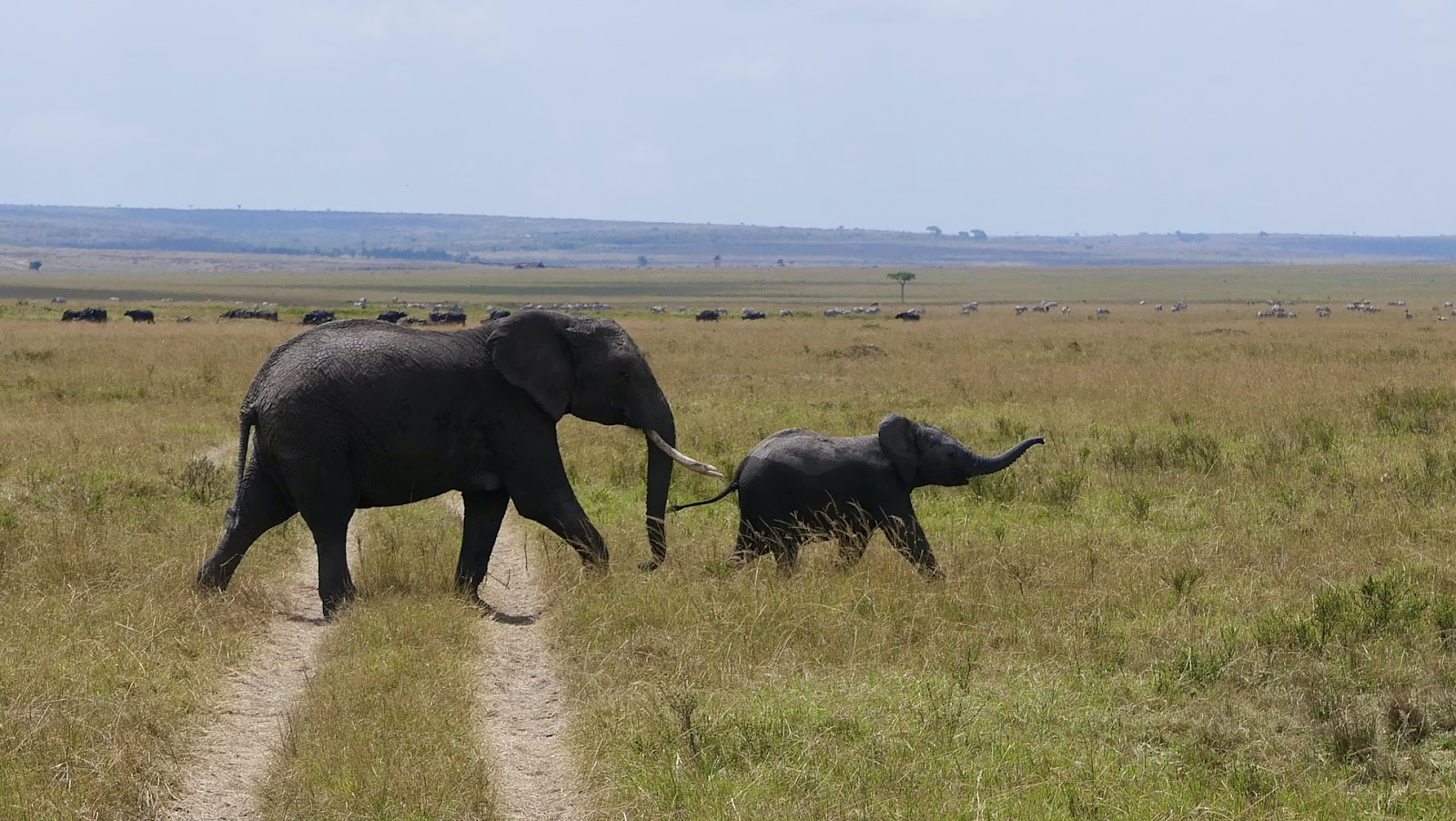
Mid-September: we barely left the river road. Elephants crossing at nine, leopard in the doums at ten, all the Special Five by lunch, then the same river turned gold at sunset. The guide called dry-season Samburu “wildlife on rails”. Accurate.
— Sense of Adventure guest, September safari
Samburu Season by Season
July–October: The Grand Dry — the river runs the show
Peak season for a reason: months without rain compress the entire ecosystem onto the Ewaso Nyiro. Elephant crossings become a daily spectacle, predators patrol the drinking lines and the Special Five practically queue. Days run hot and cloudless, nights pleasantly cool. Book camps early — the river-view tents go first.
December–March: The Warm Dry — peak season’s quieter twin
After the short rains, the country dries again into a second superb window — January and February especially. Wildlife re-concentrates on the river, skies stay crisp for Mount Kenya views on the drive up, and the reserve runs noticeably quieter than the July-October rush. Arguably the connoisseur’s choice.
April–May: The Long Rains — green, dramatic, near-private
Storms roll through in the afternoons, the bush erupts green and Samburu empties of visitors. Wildlife spreads but never vanishes — this compact reserve keeps its residents close — and rates drop hard. For photographers chasing storm light over red earth, and travellers who like their safaris private, the “off” season quietly over-delivers.
June & November: The Hinges — shoulder months, sharp value
June dries rapidly into the peak pattern with pre-peak prices; November’s short rains flush the country green between sunny spells. Both offer excellent wildlife with thin crowds and negotiable rates. If your dates land on a hinge month, book without hesitation — the compromise is smaller than the savings.
The Daily Rhythm, Any Month — heat management is the real skill
Whatever the season, Samburu days follow the heat: out at dawn when cats and elephants move, long shaded lunch through the 33-degree midday, back out at four as the river turns gold. Camps with river-facing shade and pools earn their keep here more than anywhere in Kenya.
River-View Tent, Right Month
The best Samburu camps sell out by season. Tell us your window and we’ll lock the right one today.
Samburu Timing Facts
- Peak windows: late June-October and December-March — river-concentrated wildlife and cloudless days.
- Rains: April-May (long) and November (short); showers are short, dramatic and rarely disruptive.
- Heat: expect ~33°C middays year-round at 900 m altitude; mornings and evenings are gentle.
- Value plays: April-May and November cut rates sharply; June is the smart pre-peak pick.
- Wildlife constant: the Special Five are resident every month — season changes their spread, not their presence.
- Getting there: ~5-6 hours’ drive from Nairobi via Isiolo, or a 75-minute flight to the reserve airstrips.
Planning the Northern Leg
Whenever you come, the checklist is the Samburu Special Five and the context is our Samburu reserve guide. Ready-made trips: the 3-day Samburu experience or the full 10-day north-south luxury circuit. Kenya-wide timing lives in our Kenya weather guide.
Every Month Has a River Story
Pick your dates; we’ll script the rest. Samburu never has an off switch.
Frequently Asked Questions
When is the best time to visit Samburu?
The best time to visit Samburu is the dry seasons — late June to October and December to March — when wildlife concentrates spectacularly along the Ewaso Nyiro river. January-February offers peak conditions with fewer visitors than the July-October high season.
What is Samburu like in the rainy season?
Samburu’s rains (April-May and November) bring short afternoon storms, green landscapes and dramatic skies. Wildlife disperses from the river but remains very visible in the compact reserve, visitor numbers drop to near-private levels and lodge rates fall significantly — a genuine photographer’s season.
How hot does Samburu get?
Samburu sits low at about 900 metres, so expect daytime highs around 33°C year-round, with warm nights and intense midday sun. Game drives follow the heat — dawn and late afternoon outings, long shaded middays — and river-facing camps with pools are worth prioritising.
Is Samburu good to combine with the Masai Mara?
Excellent — Samburu’s dry-country Special Five perfectly complement the Mara’s big-cat abundance, and the two anchor Kenya’s classic north-south circuit. Itineraries like a 8-10 day loop cover both, with Nakuru or Laikipia bridging the drive or flights linking them in under two hours.
Do elephants cross the river in Samburu?
Yes — Ewaso Nyiro elephant crossings are Samburu’s signature scene, herds wading hip-deep between the reserve and Buffalo Springs, especially in the dry months when the river is the ecosystem’s only water. Riverside game drives and river-view camps put you front row.