Samburu culture gives northern Kenya its colour — literally. The Samburu people, close cousins of the Maasai who have lived in the dry lands north of Mount Kenya for centuries, are nicknamed “the butterfly people” for the layered beadwork, bright cloth and ochre-dressed hair of their warriors. Semi-nomadic herders of cattle, goats, sheep and camels, they live in a landscape most would call unforgiving and have built in it one of Africa’s most striking cultures.
A village visit alongside your Samburu game drives — arranged, as Sense of Adventure does, with genuine host families — turns a wildlife trip into a human one, and guests consistently rank it beside the leopards. This guide explains Samburu culture, what happens on a village visit, etiquette, costs and how to fit a visit into your safari.
✅ Samburu Culture Quick Answer
- Who: semi-nomadic pastoralists of Samburu County, related to the Maasai and speaking the Maa language.
- Known for: layered beadwork, red cloth, ochred warrior hair, age-sets and singing at dry-season wells.
- Village visit: about an hour, with a welcome dance, homes, beadwork and time with elders.
- Etiquette: greet elders first, ask before portraits, dress modestly and buy crafts rather than give sweets.
- From: our 3-day Samburu Cultural & Wildlife Experience starts at USD 850 per adult.
Meet the Butterfly People
Respectful village visits with real host families — woven into any Samburu safari day.
Who the Samburu Are
The Samburu speak Maa — the Maasai’s language — and share the age-set system that carries boys through warriorhood (as moran) into elderhood over decades. But the north shaped them differently: camels supplement cattle in the drier country, settlements (manyattas) move with pasture, and distance from the cities helped keep many traditions strong.
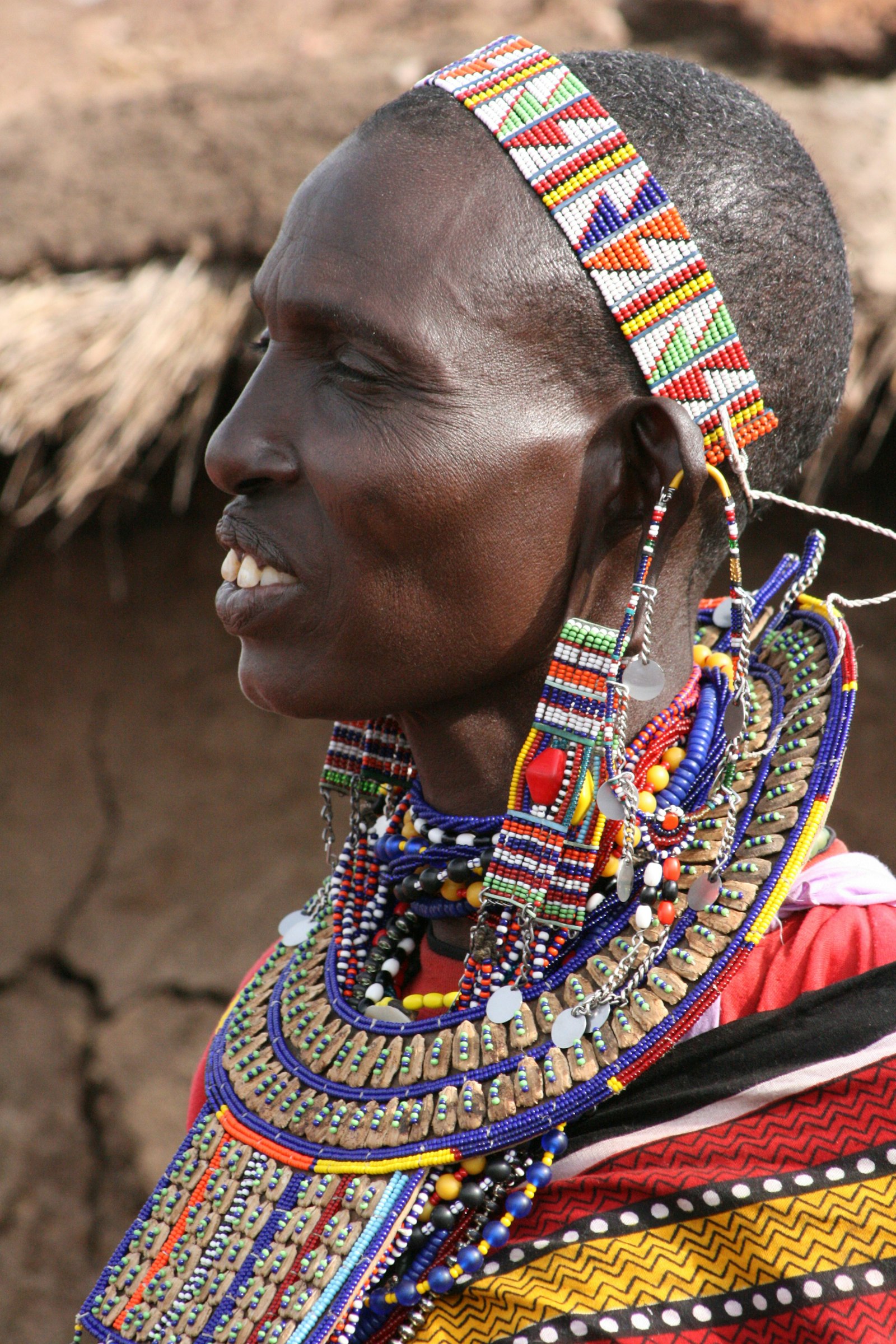
Beadwork is the most visible art of Samburu culture. A woman’s stack of necklaces records her life — courtship, marriage, children and status — while warriors wear theirs with ochred braids and feathers. Visits typically include welcome songs and dances, a look inside the homes, beadwork demonstrations and unhurried conversation through your guide; fees go directly to the host family and community.

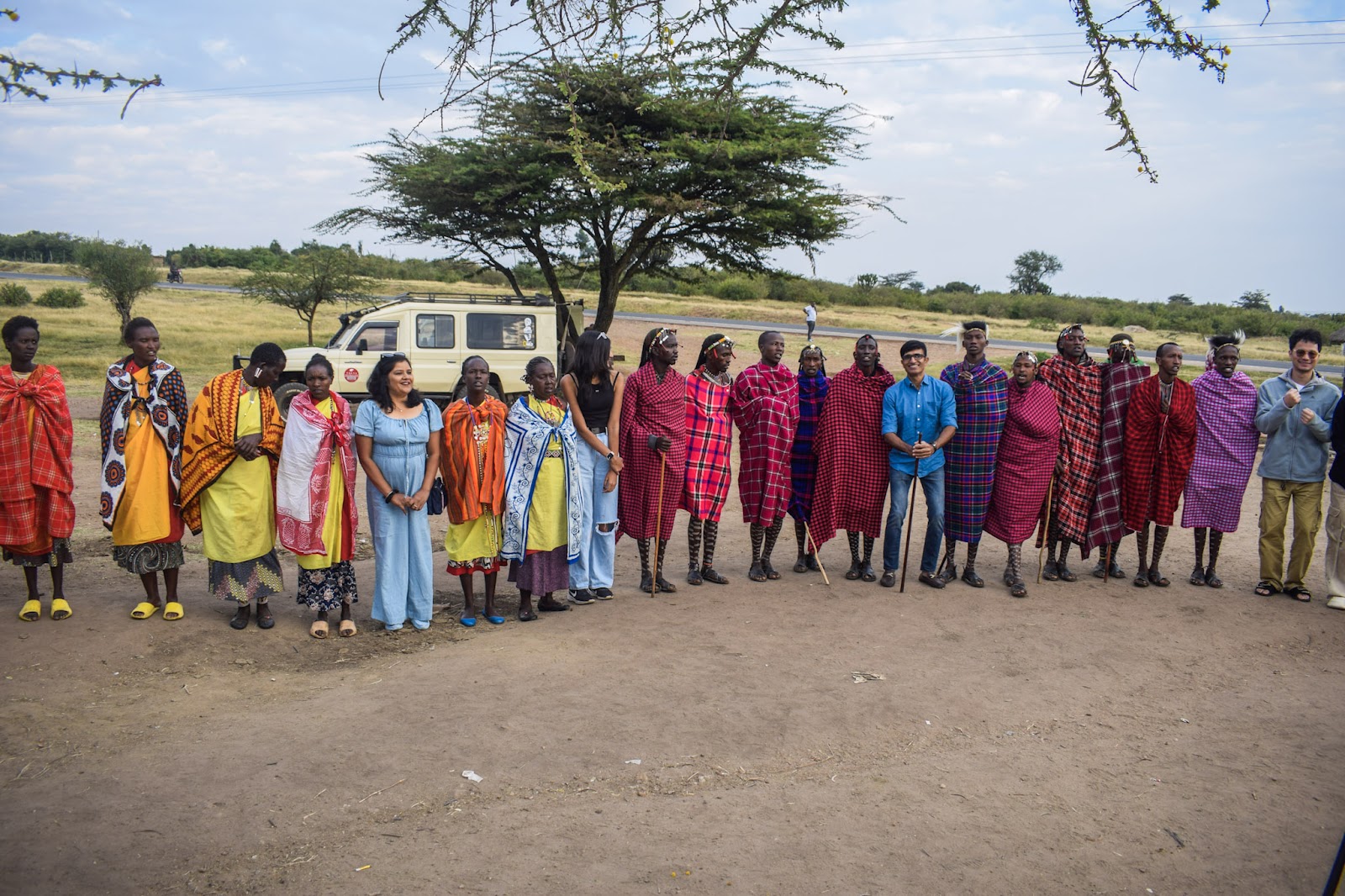
The 5 Essential Samburu Culture Experiences
The Warrior Welcome Dance — chant, leap and crimson ochre
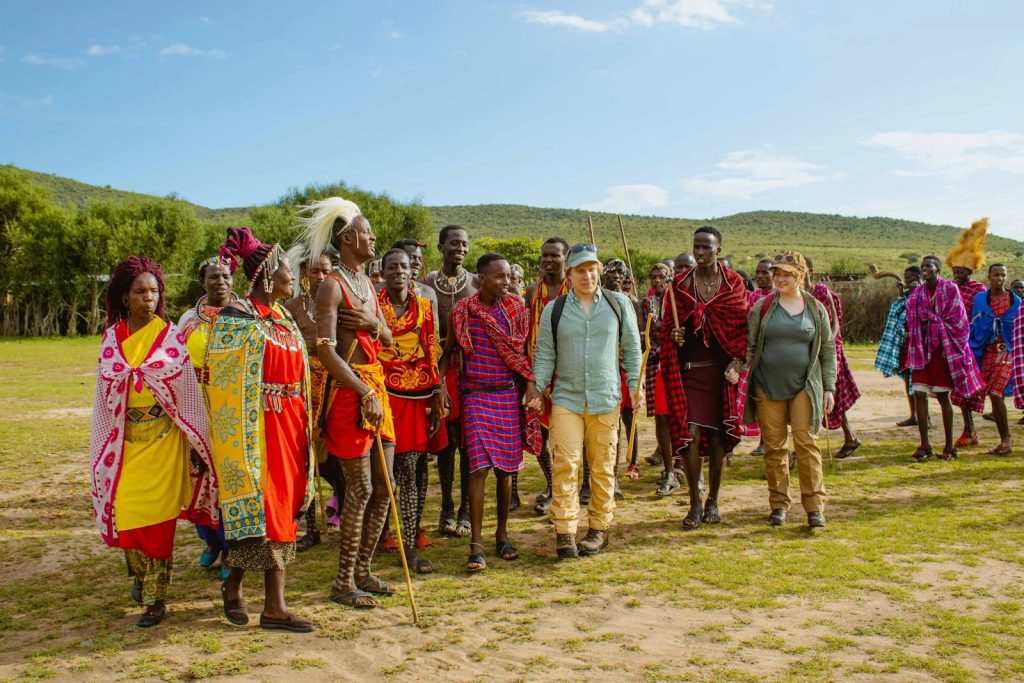
Samburu moran greet visitors with rhythmic chanting and high vertical leaps similar to the Maasai adumu — but framed by their extraordinary dress: ochre-painted braids, feathers and chest-loads of beadwork. Guests are pulled in within minutes. The energy is infectious, and the photographs come easily (always ask first).
Inside a Samburu Manyatta — homes built to move
Samburu houses — hides, mats and branches over a dome frame — are made for a mobile life and can be packed onto camels or donkeys when pasture shifts. Step inside one and the desert logic reveals itself: cool, dark and smoke-scented. The women who build them explain every element with justified pride.
Beadwork That Speaks — reading the necklace stacks
Samburu beadwork is famously generous: young women may wear many strands of beads around the neck, built up over years. Colours and arrangements signal age, status and life events. The craft circle at the end of a visit sells genuine work — purchases support households directly and pack flat in any suitcase.
The Singing Wells — northern Kenya’s most haunting tradition
In the dry season, herders dig deep wells in sandy riverbeds and form human chains, singing as they pass water up to their livestock, and the animals come to the familiar songs. Witnessing it, when it is happening and when hosts agree, is among the most moving experiences in Kenyan travel. It is seasonal and arranged by your guide.
Fireside Questions With Elders — the unscripted hour
The best cultural exchange happens seated: elders answering questions on camels versus cattle, marriage, drought years, wildlife conflict and mobile phones in the manyatta. Nothing sanitised, everything human. Long-term village partnerships make this candour possible — and it is why we keep them.
Culture and Leopards in One Day
Morning game drive, afternoon village, sundowner on the Ewaso Nyiro — the classic Samburu day. Book it whole.
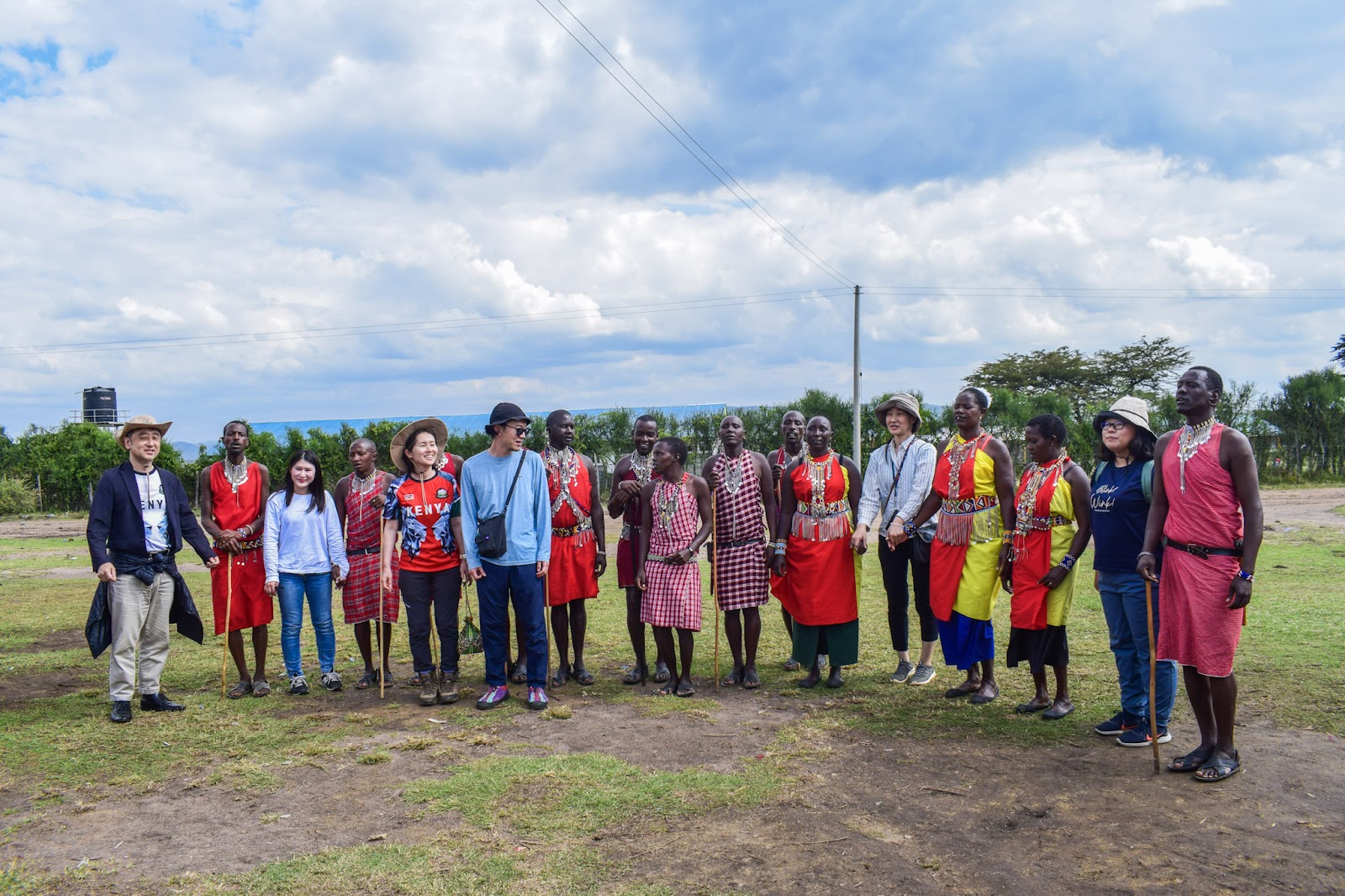
Samburu Culture Facts & Visit Etiquette
- Cousins, not copies: Samburu and Maasai share the Maa language and age-sets; the north added camels, distinct dress and its own ceremonies.
- The nickname: “butterfly people” comes from the brilliance of their layered beadwork and cloth.
- Visit fees: set per group or guest and paid to the host community — we confirm amounts clearly in advance.
- Photography: general village scenes are usually covered by your fee; ask each person before taking a portrait.
- Timing: an hour fits neatly between game drives; the singing wells are a dry-season, early-morning add-on.
- Buying well: beadwork purchases are the most dignified support — prices are modest and the artistry is genuine.
Samburu Culture in Daily Life
Livestock at the centre
Cattle remain the heart of Samburu culture, measuring wealth and binding families through gifts and marriage. Goats, sheep and camels matter just as much in the driest areas, providing milk, meat and transport. Boys learn to herd young, and families move animals between grazing areas as the rains allow.
Age-sets and the moran
Samburu society is organised into age-sets. Roughly every fifteen years a new group of young men is initiated and becomes moran, the warrior grade. They protect the herds and the community, and they follow strict rules of behaviour before moving on to become junior and then senior elders, who make decisions for the community.
Women, homes and beadwork
Women build and maintain the homes, milk the animals, raise the children and create the beadwork that defines Samburu culture. A married woman’s jewellery and dress show her status, and many women now sell beadwork through community groups for an independent income.
Food and hospitality
The traditional diet is based on milk, with meat for special occasions and blood taken from living cattle at certain times. Today maize meal, tea and sugar are also common. Guests are often offered sweet milky tea, a simple gesture of welcome worth accepting.
A culture that is changing
Like every living culture, Samburu culture is adapting. More children now go to school, many young people work in towns, camps and conservancies, and mobile phones and mobile money reach even remote homesteads. Drought and the loss of grazing land put pressure on the herding way of life. Yet dress, language, age-sets and songs remain strong, and many families see tourism as a way to keep traditions valued while earning a living.
Ceremonies and Rites of Passage in Samburu Culture
Life in Samburu culture is marked by ceremonies that move people from one stage to the next. The most important is the initiation of young men into a new age-set, which brings families together for days of singing, dancing and feasting. Marriage ceremonies, naming ceremonies and the blessing of elders are also central.
These are private community events rather than shows for visitors. If one is taking place near your camp, your guide will ask whether guests may attend, and you should follow the hosts’ wishes on where to stand and what to photograph. Public events such as the annual camel race in Maralal are easier to join; see our Maralal Camel Derby guide.
A Day Combining Wildlife and Samburu Culture
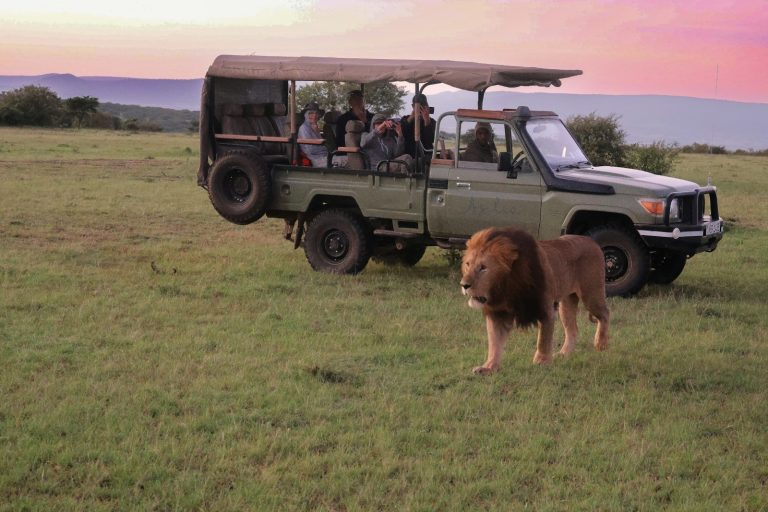
- 6:30 am: morning game drive along the Ewaso Nyiro for elephants, leopards and the Special Five.
- 10:00 am: brunch and a rest at camp through the hottest hours.
- 3:30 pm: a guided visit to a host village to experience Samburu culture first-hand, about an hour.
- 5:00 pm: a short afternoon drive, then a sundowner on the riverbank as the light fades.
Photographing Samburu Culture Respectfully
The colours of Samburu culture make it one of the most photographed in Africa, so a little care goes a long way. Ask your guide to agree photography with the hosts at the start, then ask each person before a close portrait. Show people the picture on your screen; many enjoy seeing it. Avoid photographing children without a parent’s consent, and never photograph ceremonies unless you are clearly invited to. For more on visiting Kenya’s communities, see Magical Kenya.
Samburu Culture and Conservation
The Samburu share their land with elephants, lions and the rare species of the north. In recent decades many communities have formed conservancies on their land, earning income from tourism while protecting wildlife. Local people work as rangers, scouts, guides and camp staff, and conservancy income pays for schools, water projects and bursaries.
This link between Samburu culture and conservation is one reason a respectful visit matters. When you stay in a community conservancy or pay a fair village fee, the money supports the people who make wildlife protection work every day. Learn more about Kenya’s protected areas from the Kenya Wildlife Service.
What to Expect on a Samburu Village Visit
Your guide arranges the visit in advance with a host community near your camp. On arrival, an elder or village representative welcomes you and explains how the visit will run. The women and moran usually perform songs and dances, and you may be invited to join.
You then walk through the homestead, see inside a house, learn how milk is stored and how livestock are kept safe at night, and talk with the hosts through your guide. Most visits end at a small market of beadwork and crafts. There is no pressure to buy, but buying is the most direct way to support the families who welcomed you.
Samburu Culture Etiquette: Do’s and Don’ts
- Do greet elders first and accept tea or milk if it is offered.
- Do ask before photographing any individual, and respect a “no”.
- Do dress modestly, covering shoulders and knees.
- Do ask questions; hosts enjoy explaining their way of life.
- Don’t hand out sweets, pens or money to children, which encourages begging.
- Don’t touch beadwork, weapons or ritual items without permission.
- Don’t bargain aggressively; prices are modest and fair.
Samburu Culture vs Maasai Culture
Travellers who have visited a Maasai village in the Masai Mara often ask how Samburu culture differs. The roots are shared: the same Maa language, age-sets, a cattle-centred life and red cloth. The differences come from the land. The Samburu keep more camels, live in a hotter, drier region, move more often and have their own ceremonies and styles of beadwork and hair. Read our guide to a Maasai village visit in the Masai Mara to compare.
Costs and Booking a Samburu Culture Visit
A village visit is usually added to a Samburu safari for a fee paid to the host community, which we confirm with your quote. Our dedicated 3-day Samburu Cultural & Wildlife Experience starts from USD 850 per adult and includes game drives and a guided village visit. Longer routes such as our 9-day Kenya Highlights Safari, from USD 2,350 per person sharing, can include a visit on request.
Browse all our cultural tours, or ask about a private Kenya safari built around the north.
Best Time for a Samburu Culture Visit
Village visits run all year. The dry months, June to October and January to February, combine easy travel with the best game viewing, and they are when the singing wells are most likely to be in use. In the rains, some families move with their herds and roads can be slow, so your guide may choose a different host village.
Ceremonies such as initiations follow the community’s own calendar and are not tourist events. If one is taking place, your guide will advise whether visitors are welcome. Before you travel, check entry rules on the official Kenya eTA portal.
Weaving Culture Into a Northern Safari
The dedicated route is our 3-day Samburu Cultural & Wildlife Experience, with a wider loop on the 5-day Northern Kenya Cultural Safari. Wildlife context lives in the Samburu Special Five guide and our Samburu safari page.
The North Welcomes Properly
Wildlife brought you to Samburu; the people will bring you back. Add a village visit to your safari today.
Frequently Asked Questions
Who are the Samburu people?
The Samburu are semi-nomadic pastoralists of northern Kenya, close relatives of the Maasai who share the Maa language and age-set system. Herding cattle, goats, sheep and camels north of Mount Kenya, they are famed for their beadwork and dress, which earned Samburu culture the nickname “the butterfly people”.
What happens on a Samburu village visit?
A Samburu village visit usually includes a welcome song and dance, a look inside the manyatta homes, beadwork demonstrations and open conversation with elders through your guide, ending at a small craft market. Visits last about an hour, and the fee goes to the host family and community.
How is Samburu culture different from Maasai culture?
Samburu culture shares Maasai roots — language, age-sets and a cattle-centred life — but the dry north added differences: more camels alongside cattle, distinctive beadwork and warrior dress, traditions such as the singing wells, and settlements that move more often with pasture.
What are the Samburu singing wells?
The singing wells are a dry-season tradition in which herders dig deep into sandy riverbeds and pass water up by hand in a human chain, singing as they work, and the livestock come to the familiar songs. Guides can sometimes arrange respectful early-morning visits when wells are in use.
Is it respectful to visit a Samburu village?
Yes, when it is arranged with genuine host families at fair, open fees. Village visits bring income and pride in Samburu culture. Follow simple etiquette: greet elders first, ask before individual photos, dress modestly and buy beadwork rather than handing out sweets or money.
How much does a Samburu village visit cost?
The village fee is paid to the host community and is confirmed with your quote before you travel. Our 3-day Samburu Cultural & Wildlife Experience, which includes game drives and a guided visit, starts from USD 850 per adult. Beadwork purchases are optional and modestly priced.
Can children join a Samburu culture visit?
Yes. Children are warmly welcomed and often enjoy the dancing and meeting local children most of all. Brief them beforehand on asking before photos and not giving out sweets. A visit of about an hour suits most ages and fits easily between game drives.