A sunset dhow cruise on the Kenyan coast carries a thousand years of Swahili history in its sail. These hand-built wooden vessels — broad-beamed, lateen-rigged, carved by craftsmen using techniques passed down since Arab and Persian traders first worked these waters — once carried spices, ivory and mangrove timber across the Indian Ocean monsoon routes.
Today they carry sunset-watchers instead, gliding out from Diani, Watamu, Mombasa or Lamu as the sky turns copper, fresh-grilled seafood and cold drinks aboard, crew singing Swahili songs as the sail fills. It is the coast’s essential evening ritual, and Sense of Adventure books the well-run operators whose boats and crews we trust with every guest. This guide covers where to go, what a sunset dhow cruise includes, the best season, costs, safety and how to fit one into a beach stay.
✅ Sunset Dhow Cruise Quick Answer
- What it is: an evening sail on a traditional wooden Swahili dhow, usually with snacks or seafood and drinks.
- Where: Diani, Watamu and Mida Creek, Mombasa’s creeks, Kilifi and Lamu.
- How long: about two hours; private and full-moon charters run longer.
- Best season: calmer seas from about October to March; windier from June to September.
- From: our Wasini Island & Kisite dhow day trip from Diani starts at USD 140 per adult.
End Your Beach Day Properly
Board at golden hour, sail out on the monsoon wind, come back under stars. Ask us to book your dhow evening.
What a Traditional Sunset Dhow Cruise Involves
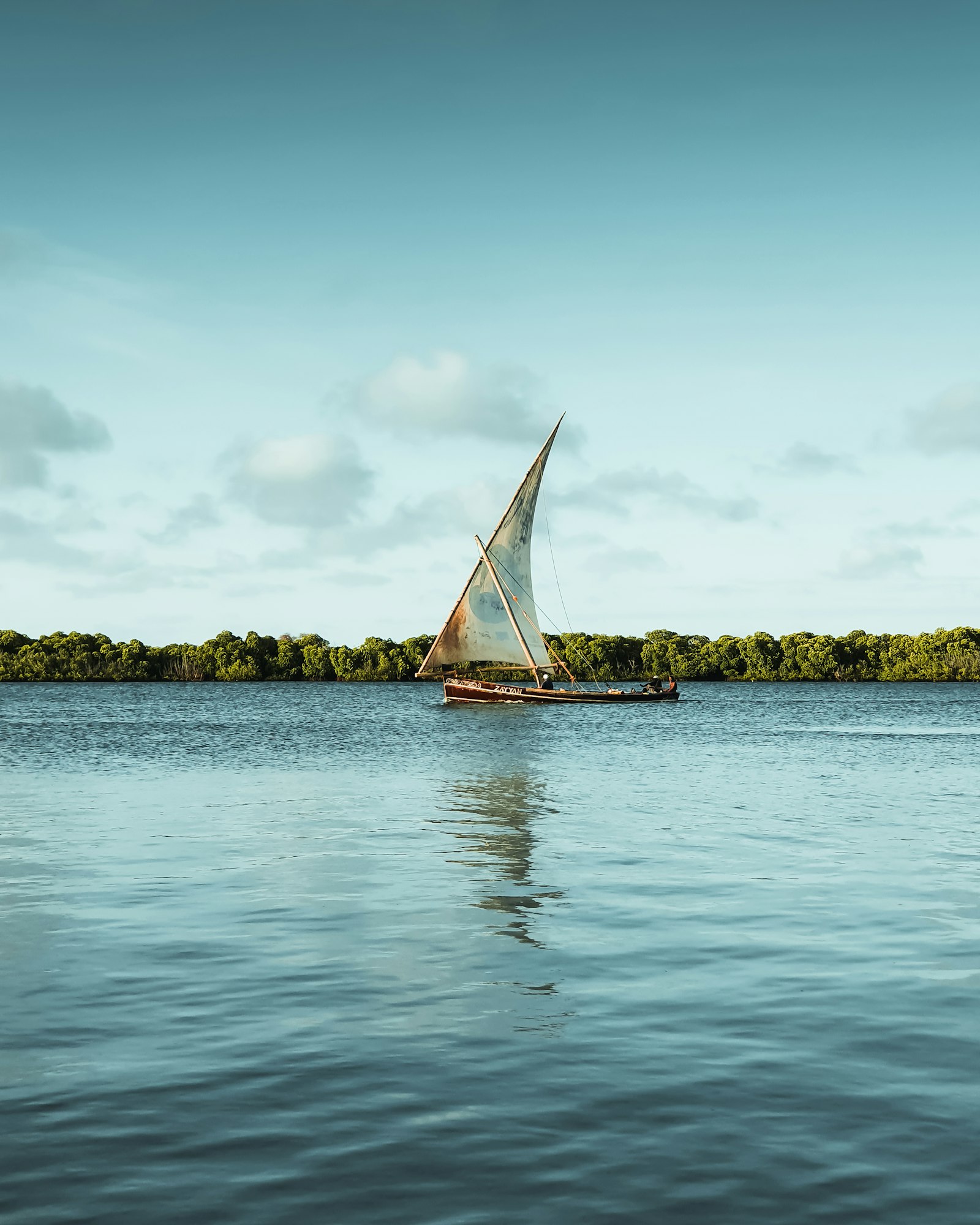
Dhows are built without written plans, master craftsmen shaping hulls from mango or mvule timber by eye, sewn or nailed in techniques centuries old, rigged with a single triangular lateen sail that catches the monsoon winds sailors have read for over a thousand years. A typical sunset cruise departs mid-afternoon, sails a creek or reef-sheltered bay for one to two hours, often with a stop for swimming or snorkelling, then turns for a sunset run back to shore.
On board you can expect grilled prawns, fish, chapati and tropical fruit on dinner cruises, ice-cold Tusker or fresh juice in hand, and crew often breaking into call-and-response Swahili songs as the sun drops behind the palms and mangroves. Full-moon and private-charter versions extend the magic after dark.

The 5 Essential Dhow Cruise Moments
The Sunset Run — the reason everyone books
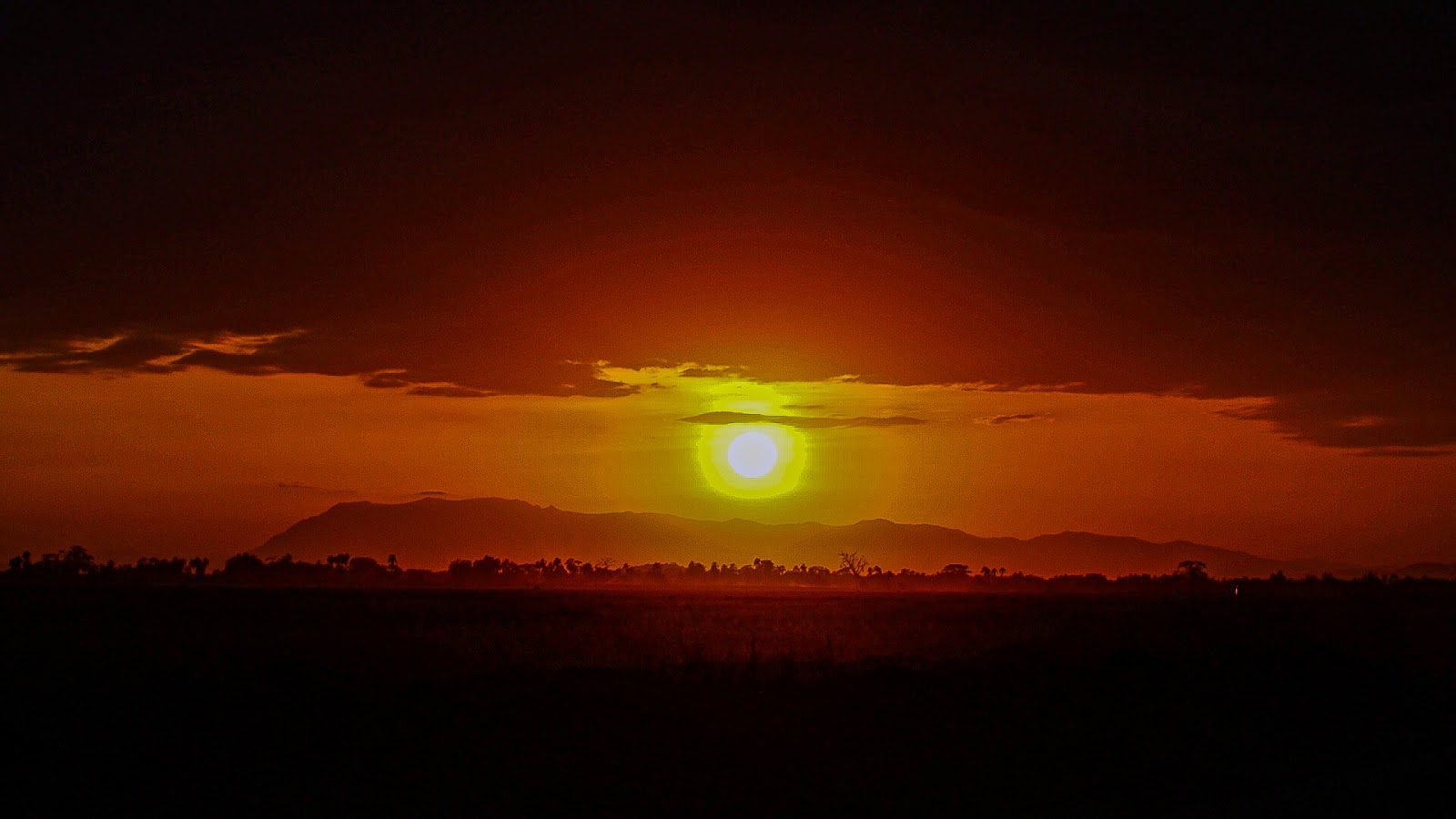
The final twenty minutes, sailing towards a molten sky over the mangroves and coastline with the lateen sail catching every last degree of colour, is the cruise’s signature payoff. Good captains time departure precisely so this stretch lands at peak light — ask your operator, and let Sense of Adventure confirm the slot.
Fresh Seafood Aboard — the ocean, straight to the grill
Prawns, red snapper, calamari and lobster (seasonally) are grilled on portable braziers right on deck, served with coconut rice, chapati or fresh salad — often the best seafood of a coastal trip precisely because it travelled the shortest distance from water to plate. Dietary requests are easily accommodated with advance notice.
Snorkelling Over the Reef — a mid-cruise swim stop
Many afternoon dhows pause over a sheltered reef or sandbank for a swim and snorkel — parrotfish, starfish and coral gardens in the clear shallow water typical of the Kenyan coast’s protected marine parks. Bring your own mask if you have a favourite; most operators supply gear too.
The Swahili Crew Songs — culture, not just scenery
Dhow crews often sing traditional Swahili work and welcome songs while sailing — call-and-response rhythms tied to centuries of trade-route life. It is a small but genuine cultural thread woven through what could otherwise be just a pretty boat ride, and most crews are delighted to explain the songs’ meaning if you ask.
Full-Moon & Private Charters — the evening, extended
Around the full moon, some operators run night cruises with the tide silvering the water long after sunset — a different, more mystical atmosphere. Private charters (a full dhow for your group) suit proposals, anniversaries and families wanting the boat to themselves; we arrange these directly with vetted captains.
Book the Right Boat, Right Tide
Not all dhow operators are equal — we use trusted captains with proper safety gear and genuine craft. Ask for our picks.
A Short History of the Swahili Dhow
For more than a thousand years, dhows linked the East African coast with Arabia, Persia and India. Traders sailed south on the north-east monsoon at the start of the year and returned north when the winds reversed in the middle of the year, carrying cloth, beads and spices one way and mangrove poles, ivory and other goods the other.
This trade helped create Swahili culture, a blend of African, Arab and Asian influences that you still see in the language, food and architecture of towns such as Lamu and Mombasa. A sunset dhow cruise is a small way to connect with that long history while enjoying a relaxed evening on the water.
Where to Take a Sunset Dhow Cruise in Kenya
Because Kenya’s coast faces east, the sun sets over the land rather than the open sea. The best spot for a sunset dhow cruise is therefore a creek, channel or bay where you look back towards the coastline, mangroves or an island skyline.
Diani and the south coast
Diani has the widest choice, from shared evening sails off the beach to private charters. By day, dhows also run from Shimoni to Wasini Island and Kisite-Mpunguti Marine Park for snorkelling and dolphin watching. See our Kisite Mpunguti Marine Park guide.
Watamu and Mida Creek
Mida Creek, a tidal inlet lined with mangroves next to Watamu, is one of the most beautiful places on the coast for a sunset dhow cruise. The water is calm, birdlife is rich at low tide, and the sun sets across the creek. Our Gede Ruins & Mida Creek Day Trip starts at USD 110 per adult.
Mombasa and Kilifi
In Mombasa, evening dhows sail past Fort Jesus and the Old Town along the creeks, combining history with sunset views. Kilifi Creek, to the north, is quieter and popular with sailors. Read our Mombasa travel guide for more.
Lamu
Lamu is the heart of Kenya’s dhow culture. Boats are still built by hand in villages such as Matondoni, and a sunset dhow cruise along the channel between Lamu and Manda islands is a highlight of any stay. The old town is a UNESCO World Heritage Site; see our Lamu Island guide.
Best Time for a Sunset Dhow Cruise
You can take a sunset dhow cruise in any month, but the sea and wind change with the monsoons. Here is how the year usually looks on the Kenyan coast.
| Months | Conditions | For a dhow cruise |
|---|---|---|
| December–March | North-east monsoon (kaskazi), hot and sunny | Usually calm seas and clear sunsets; peak season |
| April–June | Long rains, humid | Showers and cloud; some cruises cancelled |
| June–September | South-east monsoon (kusi), breezy and cooler | Stronger winds and choppier water; creeks are best |
| October–November | Winds easing, short rains possible | Good, quieter shoulder season |
Tides matter too. Some creek cruises depend on high water, so your captain may move the departure time. We check the tide tables when we book.
How Much Does a Sunset Dhow Cruise Cost?
Prices depend on the location, the boat and whether the cruise is shared or private. A shared sunset dhow cruise with drinks and snacks is the most affordable option, while a dinner cruise with grilled seafood or a private charter costs more. Full-moon cruises are often priced as specials.
Sense of Adventure includes dhow trips in several packages:
- Wasini Island & Kisite Dolphin Day Trip from Diani (1 Day) — from USD 140 per adult, sailing by dhow into the marine park.
- Watamu & Malindi Marine Escape (4 Days) — from USD 700.
- Lamu & Masai Mara Honeymoon (8 Days) — from USD 3,800, with dhow sunsets on Lamu.
Ask us to add a sunset dhow cruise to any beach stay or private Kenya safari, and we will quote the right boat for your dates.
Shared or Private Sunset Dhow Cruise?
Shared cruises
A shared sunset dhow cruise is the easiest and most affordable choice. You join other guests from nearby hotels, and the route, timing and menu are fixed. It is a sociable option for couples, solo travellers and small families.
Private charters
A private sunset dhow cruise gives you the whole boat, so you can choose the route, the start time and the menu. It suits proposals, anniversaries, birthdays and groups of friends, and it lets the crew stop wherever the light or the snorkelling is best. Private charters book up quickly over Christmas and Easter, so reserve early.
Photography and Etiquette Tips
The best light starts about an hour before sunset, so have your camera ready as soon as you sail. Shoot the sail against the sky, the crew at work and the reflections on calm water. A phone works well, but keep it in a dry bag between shots, as spray is common.
Ask before photographing crew members or local fishermen, and respect their wishes. Dress modestly when you walk through towns such as Lamu and Mombasa on the way to the boat, and avoid loud music on board so that everyone can enjoy the sounds of the sea. A small tip for the crew at the end of a good sunset dhow cruise is always appreciated.
Safety Tips for a Dhow Cruise
- Life jackets: check there is one for every passenger, including children’s sizes.
- Backup power: reputable dhows carry an outboard engine or have a support boat in case the wind drops.
- Weather: a good captain will cancel or shorten a trip if the wind is too strong.
- Snorkelling: swim only where the crew says it is safe, and wear reef shoes on coral and sandbanks.
- Licensed operators: book through your hotel or a trusted company rather than beach touts.
Snorkel stops in marine parks are managed by the Kenya Wildlife Service, which charges park fees. For general coastal travel advice, see Magical Kenya.
What to Wear and Bring
Wear light clothes over your swimsuit, a hat and sunglasses, and pack reef-safe sunscreen. A light jacket or kikoi is useful once the sun goes down and the breeze picks up. Bring a dry bag for your phone and camera, a small towel and cash for tips for the crew. If you are prone to seasickness, take medication beforehand and choose a creek route, where the water is much calmer than on the open reef.
Dhow Cruise Facts & Tips
- The boat: traditional dhows use a single triangular lateen sail and are built without written plans, by eye and generations of craft knowledge.
- Duration: standard sunset cruises run 2 hours; full-moon and private charters can extend to 3-4.
- Safety: confirm life jackets and a safety boat/engine backup are provided — reputable operators always carry both.
- Best season: calmer seas usually run from about October to March; the south-east monsoon from about June to September brings stronger winds.
- What to bring: reef-safe sunscreen, a light layer for the breeze once the sun sets, and a dry bag for phones.
- Where: Diani and Watamu run frequent shared and private sunset dhows; Lamu’s are the most historically authentic.
Pairing the Dhow With Your Coast Stay
A dhow cruise pairs naturally with our Diani Beach getaway or the Watamu & Malindi marine escape. Read the wider Diani Beach guide or Diani water sports guide for daytime activities, and see our Watamu Marine Park guide for the snorkelling side of the coast.
The Coast’s Best Sunset Has a Sail In It
Board at golden hour tonight or tomorrow. Message us and we’ll confirm your dhow.
Frequently Asked Questions
What is a dhow cruise in Kenya?
A dhow cruise is a sail aboard a traditional wooden Swahili sailing vessel — the same design used for centuries of Indian Ocean trade. A sunset dhow cruise runs about two hours from hubs like Diani, Watamu or Lamu, combining sailing, often a swim stop, drinks or seafood and a sunset finale.
What do you eat on a dhow cruise?
Dhow cruise dinners typically feature fresh-grilled prawns, fish or lobster, coconut rice, chapati and tropical fruit, cooked on a brazier aboard the boat. Drinks — sodas, beer or fresh juice — are usually included, and dietary requirements are easily accommodated with advance notice.
Is a dhow cruise safe?
Reputable Kenyan dhow operators carry life jackets and a backup engine or safety boat alongside the traditional sail rig, making cruises safe for all ages. Sense of Adventure books established, vetted captains specifically for this reason — always confirm safety equipment before boarding any operator.
Where can you do a dhow cruise on the Kenyan coast?
Diani Beach and Watamu run frequent shared and private sunset dhow cruises, Mida Creek and Mombasa’s creeks offer calm water and land-facing sunsets, and Lamu Island offers the most authentic experience given its centuries-old dhow-building heritage. All are easy evening add-ons to a beach stay.
How long does a dhow cruise last?
A standard sunset dhow cruise runs about two hours, timed to end with the sunset itself. Full-moon night cruises and private charters can extend to three or four hours, offering more time for swimming, dining and simply drifting under sail.
Can you see the sun set over the sea on a Kenyan dhow cruise?
Not usually. The Kenyan coast faces east, so the sun sets over the land. That is why the best sunset dhow cruise routes use creeks and channels, such as Mida Creek or the Lamu channel, where you look west across calm water towards mangroves, palms or old town rooftops.
Is a sunset dhow cruise suitable for children?
Yes, a sunset dhow cruise suits most families. Choose a short shared or private sail on calm water, make sure there are children’s life jackets, and bring snacks and a warm layer. Cruises in creeks such as Mida Creek are calmer than open-sea trips, especially in the windier months.