Safari peak season allocations are blocks of rooms, vehicles or flight seats that a camp or ground operator holds for a travel agent or tour operator on peak dates, released back to general sale on an agreed date if unsold. In Kenya they matter most from July to October and over Christmas and New Year, when the best camps fill early.
Sense of Adventure is a Nairobi-based ground operator licensed by Kenya’s Tourism Regulatory Authority (TRA1/47/C01/77087). We handle Kenya and Tanzania safaris for travel agents, tour operators, wholesalers and MICE planners, and our Kenya DMC for travel agents page explains how we work with the trade. This guide explains how safari peak season allocations work, how release dates and deposits usually run, what to secure besides rooms and a 12-month timeline for getting space for your clients in the busiest months.
✅ Safari Peak Season Allocations: The Quick Answer
- What they are: space held for your agency on peak dates, under written terms, until a release date.
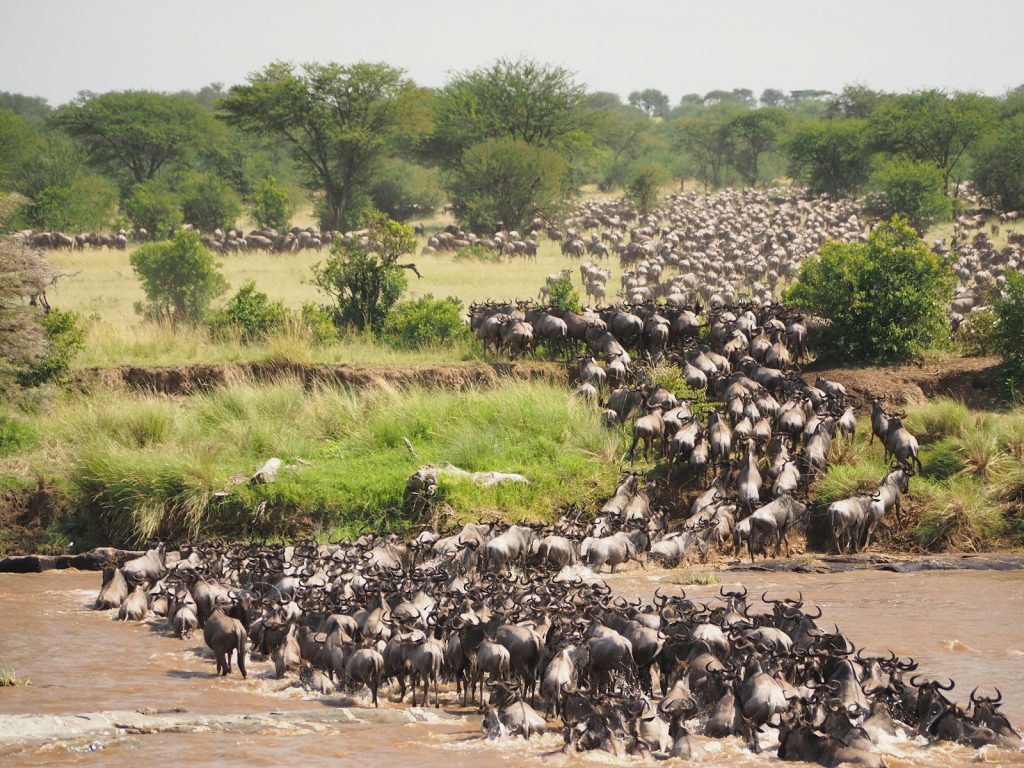
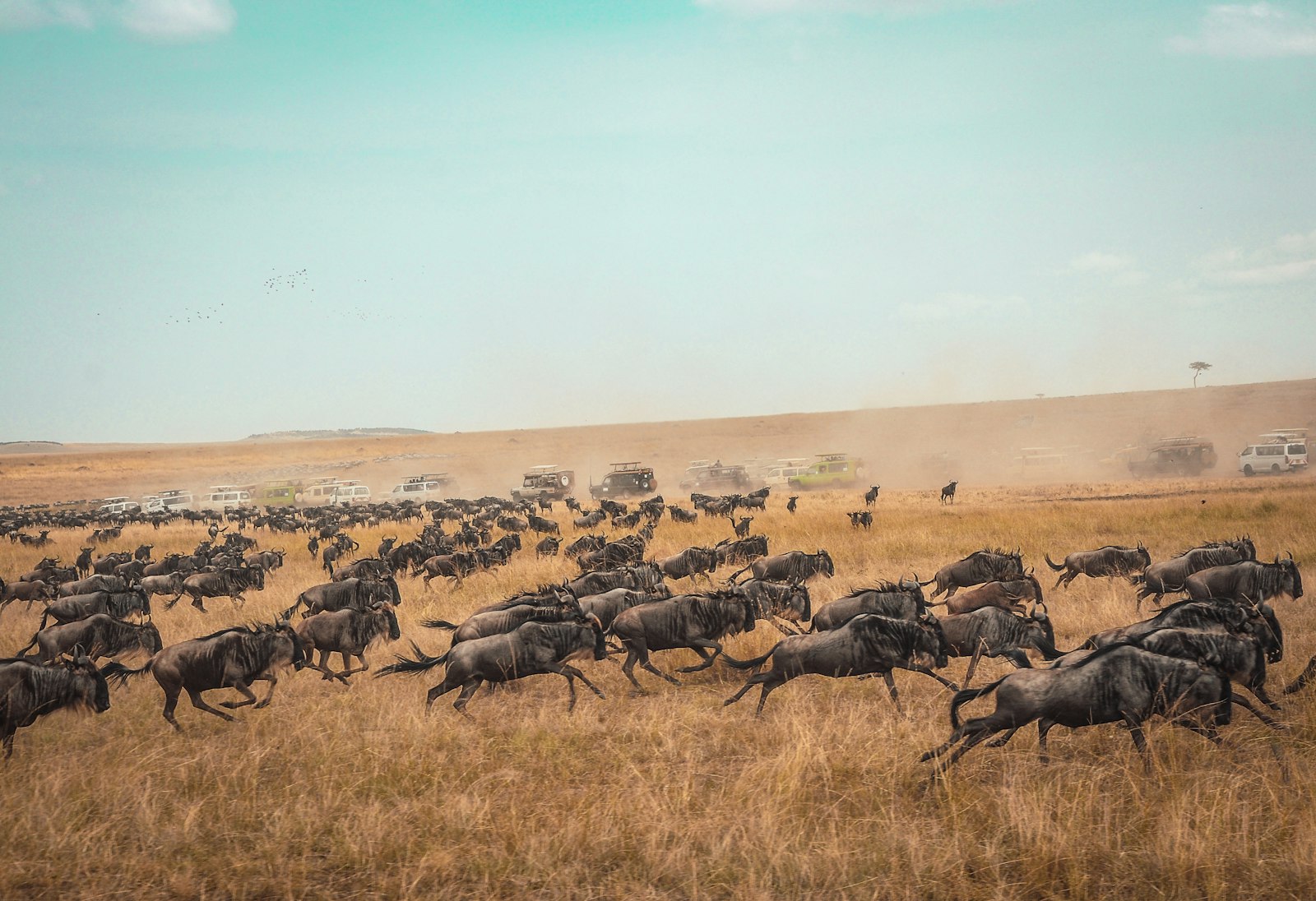
- When they matter: July to October for the Great Migration in the Masai Mara, plus late December to early January and Easter.
- Release dates: unsold space usually returns to the camp 30 to 60 days before arrival, though terms vary by supplier.
- Lead time: for popular Mara camps in migration months, plan 9 to 12 months ahead; small camps can sell out earlier.
- Beyond rooms: peak plans also need Land Cruisers, experienced guides, light-aircraft seats and park fee budgets.
- Our role: we check live availability, place provisional holds where suppliers allow them and confirm every deadline in writing.
🤝 Planning migration departures for your clients in 2027?
Send us your peak dates and room count, and our trade desk will check which camps still have space and what their hold terms are.
What Safari Peak Season Allocations Are
Safari peak season allocations are an agreement that a supplier will hold a set amount of space for your agency until a fixed date, so you can sell it without checking availability each time.
A camp might agree to hold two tents a night for an operator from July to September. The operator can confirm clients into that space directly, often with a short confirmation by email. If the space is not sold by the release date, it goes back to the camp, usually without penalty. The detail differs from camp to camp, so treat every allocation as its own small contract.
How safari peak season allocations differ from a normal booking
A normal booking starts with a named client and a request. With safari peak season allocations, the space comes first and the client second. That gives you certainty in busy months, but it also brings duties: sales reports, name lists, release dates and, sometimes, deposits on space you have not yet sold.
- Free sale: you confirm instantly up to an agreed limit, with no fixed block held for you.
- Allocation: a fixed block held until release, then returned if unsold.
- Guaranteed block: you pay for the space whether you sell it or not, usually at a better rate.
- On request: every booking is checked against live availability, with no space held.
Most allocations sit inside a contracted rate agreement. Our guide to safari STO rates explained covers how those contracts, rate sheets and release terms fit together.
When Kenya’s Peak Seasons Fall
For safari peak season allocations, Kenya has one main peak season, the Great Migration months from July to October, and two shorter peaks around the Christmas and Easter holidays.
| Period | Months | Demand driver | Typical planning lead time |
|---|---|---|---|
| Migration peak | July to October | Wildebeest and zebra in the Masai Mara, river crossings | 9 to 12 months for top Mara camps |
| Festive peak | Mid-December to early January | Family and holiday travel from Europe, the US and Asia | 9 to 12 months |
| Easter | March or April, depending on the year | School holidays in many source markets | 6 to 9 months |
| Shoulder | June, November, January to February | Good game viewing, fewer vehicles | 4 to 6 months |
| Long rains | April to May | Lowest demand; some camps close | Often weeks, not months |
Peak demand also changes the cost of safari peak season allocations. The Masai Mara National Reserve charged non-resident adults USD 100 a day from January to June and USD 200 a day from July to December in 2026, so check Narok County Government for the current schedule before you price. National park fees are set by the Kenya Wildlife Service. Our Kenya park fees guide for tour operators explains how to build them into a quote.
Migration timing is set by rain, not by the calendar. The herds can arrive early or late, so safari peak season allocations for river crossings should cover several nights and a flexible window rather than one fixed date.
How Safari Peak Season Allocations Work: Release Dates and Cut-Offs
Every allocation runs on three dates: when space is granted, when names are due and when unsold space is released.
Release periods
In safari peak season allocations, the release period is the number of days before arrival when unsold space returns to the supplier. For safari camps, 30 to 60 days is common, and some small camps ask for 60 to 90 days in peak months. City hotels in Nairobi often use shorter releases. These are typical practices, not fixed rules, and every supplier sets its own terms.
What happens at release
After the release date, the space is no longer guaranteed. You can still request it, but it is then sold on a normal availability basis. Some suppliers also review the size of your allocation for the next year based on how much you sold, so letting large blocks lapse every year can shrink future safari peak season allocations.
A sample allocation calendar
- Month 1: contract signed, with peak dates, room numbers and release periods in writing.
- Month 1 to 9: you sell into the block and send confirmations with client names.
- About 90 days before arrival: review sales and decide which nights to keep.
- 60 to 30 days before arrival: release date passes; unsold space returns to the camp.
- Final weeks: final names, rooming lists, diets and flight details are sent.
Expert tip from our Nairobi operations team: keep one shared calendar with every release date for every camp, and set a reminder two weeks before each. Most lost safari peak season allocations are not taken by another agent; they simply lapse because nobody checked the date.
Allocation, Free Sale, Request or Guarantee: Which Suits Your Agency
The right model for safari peak season allocations depends on how much you sell in peak months, how much risk you can carry and how far ahead your clients book.
| Model | Certainty of space | Financial risk | Best for |
|---|---|---|---|
| On request | Low in peak months | None until booked | Small agencies, occasional Kenya sales |
| Free sale | Medium, up to a set limit | Low | Steady FIT sales across many dates |
| Allocation with release | High until release date | Low to medium; deposits may apply | Operators with regular peak departures |
| Guaranteed block | Very high | High; you pay if unsold | Wholesalers and series group programmes |
Many agents do not need to hold safari peak season allocations themselves. A ground operator with steady peak volume can often find space through its own supplier relationships and book on request early. For series departures and groups, our guides to FIT and GIT safaris in Kenya and Kenya group ground handling explain the extra steps.
🧭 Not sure whether to hold space or book on request?
Tell us how many clients you expect in peak months, and we will give you an honest view of which approach suits your volume.
Who Can Hold Safari Peak Season Allocations
Suppliers usually grant safari peak season allocations to partners who have a track record of selling their product, not to first-time contacts.
- Established tour operators and wholesalers with several years of sales to a camp.
- Local ground operators and DMCs that book a camp regularly across the year.
- Specialist agencies with a clear niche, such as photography or family travel, and reliable volume.
- New partners usually start on request or free sale and earn allocations over time.
If you are new to Kenya, it is often more efficient to reach peak space through a local partner than to negotiate safari peak season allocations camp by camp. A Kenya ground operator books across many camps each season and can usually see where space remains.
Before you rely on any partner for peak space, check that it holds a valid licence from the Tourism Regulatory Authority and, if it claims membership, confirm it with the Kenya Association of Tour Operators. Our safari supplier due diligence guide lists six checks.
A 12-Month Timeline for Securing Peak Season Space
For July to October and the festive season, start planning safari peak season allocations about a year ahead and confirm the most limited parts of the trip first.
- 12 months out: decide your peak dates, number of departures and camp style for each.
- 11 to 10 months: send a brief to your ground partner and request availability for Mara camps first.
- 10 to 9 months: place provisional holds and note each option or expiry date in your calendar.
- 9 to 8 months: confirm holds you can sell and pay any deposits by the stated deadline.
- 8 to 6 months: secure light-aircraft seats, Land Cruisers and guides for each departure.
- 6 to 3 months: sell remaining space, then release what you cannot fill before penalties start.
- 60 to 30 days: send final names, rooming lists, diets and flight details; pay balances.
Provisional holds in peak months often expire within days, not weeks, so reply quickly when your partner confirms options. Our guides to requesting a safari quote from a DMC and safari payment terms for travel agents help you move fast at each step.
Expert tip from our Nairobi operations team: confirm the camps with the fewest rooms first, then build the rest of the itinerary around them. A small Mara camp is far harder to replace than a Nairobi hotel or a lodge in Amboseli.
Beyond Rooms: Vehicles, Guides, Flights and Park Fees
Safari peak season allocations are not only about beds; vehicles, guides and flight seats run short in the same weeks.
Vehicles and driver-guides
In July and August, demand for pop-up roof 4×4 Land Cruisers and experienced English-speaking driver-guides peaks. Book them as part of your safari peak season allocations, when you confirm rooms, not afterwards. Our Kenya safari transport guide for tour operators compares Land Cruisers and safari vans.
Light-aircraft seats
Scheduled flights from Wilson Airport to Mara airstrips fill quickly in peak months, and soft bags of about 15 kg per person are the usual limit. Hold seats as soon as camps are confirmed, and warn clients about luggage limits early.
Park and conservancy fees
Peak months often carry higher park fees, and private conservancies set their own daily fees. Build current fees into your safari peak season allocations pricing and state clearly whether the quote includes them.
Deposits, Names and Payment Terms in Peak Season
Safari peak season allocations usually come with earlier deposits, earlier final payments and stricter cancellation terms than the rest of the year.
- Deposits: many camps ask for a non-refundable or partly refundable deposit to confirm peak space.
- Balances: final payment is often due 60 to 90 days before arrival in peak months.
- Cancellation scales: charges usually rise as arrival gets closer, sometimes reaching the full cost.
- Name changes: some suppliers allow name changes until a set date; others treat them as new bookings.
- Currency: most safari rates are quoted in US dollars, so plan for exchange movements.
These are typical industry terms for safari peak season allocations, not fixed rules, and every supplier sets its own. Match your client terms to your supplier terms so that a client cancellation never leaves your agency paying a penalty you cannot pass on.
We provide B2B net or commissionable rates, with terms confirmed in writing, and seasonal offers when camps release them. We do not publish trade rates. Request our current trade rates for your peak dates through the B2B rates request form. Every Sense of Adventure safari also includes complimentary AMREF Flying Doctors emergency evacuation cover.
📩 Request Our Current Trade Rates
Name your peak departure dates and camp style, and we will send current trade rates and hold deadlines while the best camps still have space.
What to Do When Peak Camps Are Full
When safari peak season allocations at the first-choice camp are used up, you can usually still give clients a strong peak safari by changing area, camp or dates slightly.
- Switch to a conservancy: camps in the conservancies bordering the reserve often have different availability and lower vehicle density.
- Split the stay: two nights in one camp and two in another can fill gaps neither camp can cover alone.
- Move by a few days: shifting arrival by two or three days often opens space in busy weeks.
- Use the shoulder: late June or early November can offer good game viewing with more choice.
- Add Tanzania: the northern Serengeti offers river crossings in the same months.
- Join a waitlist: released space returns at release dates, so waitlists can clear 30 to 60 days out.
Our Masai Mara for travel agents guide compares the reserve and conservancies, and the Great Migration Safari Kenya and Tanzania shows how a two-country route spreads the risk of full camps.
Expert tip from our Nairobi operations team: when a client asks for one named camp in August, give them a ranked list of three from the start. It saves days of back and forth on safari peak season allocations and shows the client you planned for a busy season.
How Sense of Adventure Helps With Safari Peak Season Allocations
We help you secure peak space by checking live availability across many camps, placing provisional holds where suppliers allow them and tracking every deadline for you.
- Fast checks: quotations and availability within 24 hours from a dedicated trade desk.
- Full ground handling: accommodation reservations, 4×4 Land Cruisers and safari vans, driver-guides, light-aircraft bookings and park entry.
- Clear deadlines: hold expiry, deposit and release dates for safari peak season allocations confirmed in writing.
- White-label documents: itineraries and vouchers under your agency’s brand.
- On the ground: meet and greet at JKIA and Wilson Airport, real-time updates and emergency support from our Nairobi team.
Browse ready-to-sell trips in our B2B trade partners portal, see how we present Mara trips to travellers on our Masai Mara safari packages page, and use Magical Kenya for official destination information. Remind clients to apply for a Kenya eTA on the official eTA portal well before travel.
Safari Peak Season Allocations FAQs
What are safari peak season allocations?
They are blocks of rooms, vehicles or seats that a camp or ground operator holds for a travel agent or tour operator on busy dates. The agent can sell the space directly until an agreed release date, after which unsold space goes back to the supplier, usually without penalty.
When is peak season for a Kenya safari?
The main peak is July to October, when the Great Migration is usually in the Masai Mara. Late December to early January and Easter are shorter peaks. Demand, prices and park fees are highest in these weeks, so the best camps fill months in advance.
How far ahead should agents book peak safari space?
For popular Masai Mara camps in July to October or over the festive season, start about 9 to 12 months ahead. Small camps with few rooms can sell out even earlier. Shoulder months usually need 4 to 6 months, and the long rains often only weeks.
What is a release period in a safari contract?
It is the number of days before arrival when unsold allocated space returns to the camp. For safari camps, 30 to 60 days is common, and some small camps ask for longer in peak months. Terms vary by supplier, so check each contract in writing.
Do I need my own allocations to sell peak safaris?
Not usually. Many agents reach peak space through a local ground operator that books many camps across the year. Allocations suit operators with regular peak departures; smaller agencies often do better booking early on request through an experienced partner.
What happens if a peak season camp is full?
Good alternatives include a camp in a neighbouring conservancy, splitting the stay between two camps, moving dates by a few days, using the shoulder months or adding the northern Serengeti. Waitlists can also clear when other agents release space at their release dates.
Are deposits higher in peak season?
Often, yes. Many camps ask for a deposit to confirm peak space and set earlier final payment dates, often 60 to 90 days before arrival, with cancellation charges that rise closer to travel. These are typical terms only; every supplier sets its own.
🏕 Partner With Sense of Adventure in Kenya
Kenya-based ground operator. Real local knowledge. Transparent trade pricing. Send us your peak dates and client numbers, and we will check live space, confirm hold deadlines in writing and send trade pricing within 24 hours.
📋 Secure My Peak Season Space💬 WhatsApp Our Peak Desk✉ Email Our Peak Dates
Call or WhatsApp: +254 799 160 081 · Email: info@senseofadventure.co.ke
Related Trade Guides
- › Kenya DMC for Travel Agents: B2B Rates and Ground Handling
- › Safari STO Rates Explained: Contracting With Camps and Lodges
- › Safari Payment Terms for Travel Agents
- › Masai Mara for Travel Agents: Reserve, Conservancies and Quoting
- › Kenya Safari Itineraries for Agents: Ready-Made Trips to Resell
Official licensing & park resources: Tourism Regulatory Authority ↗ · Kenya Wildlife Service ↗