Our Gede Ruins tour combines the two best cultural and nature sites near Watamu and Malindi in one easy day. Gede is the ruin of a Swahili town that flourished between about the 12th and 17th centuries, with mosques, a palace and houses hidden in the coastal forest and now protected by the National Museums of Kenya. In the afternoon you walk the suspended boardwalk over the mangroves of Mida Creek, one of the coast’s best places for wading birds. Prices start from USD 110 per adult sharing.
Why Take a Gede Ruins Tour?
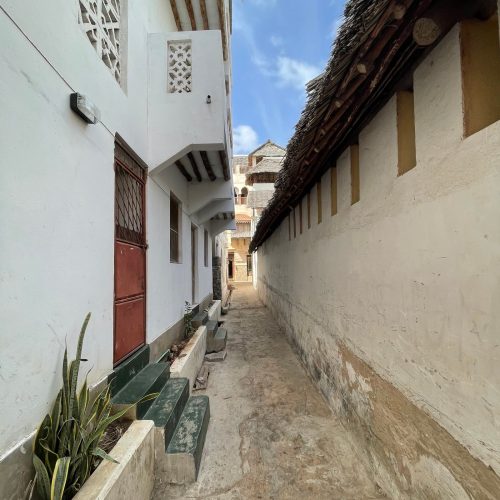
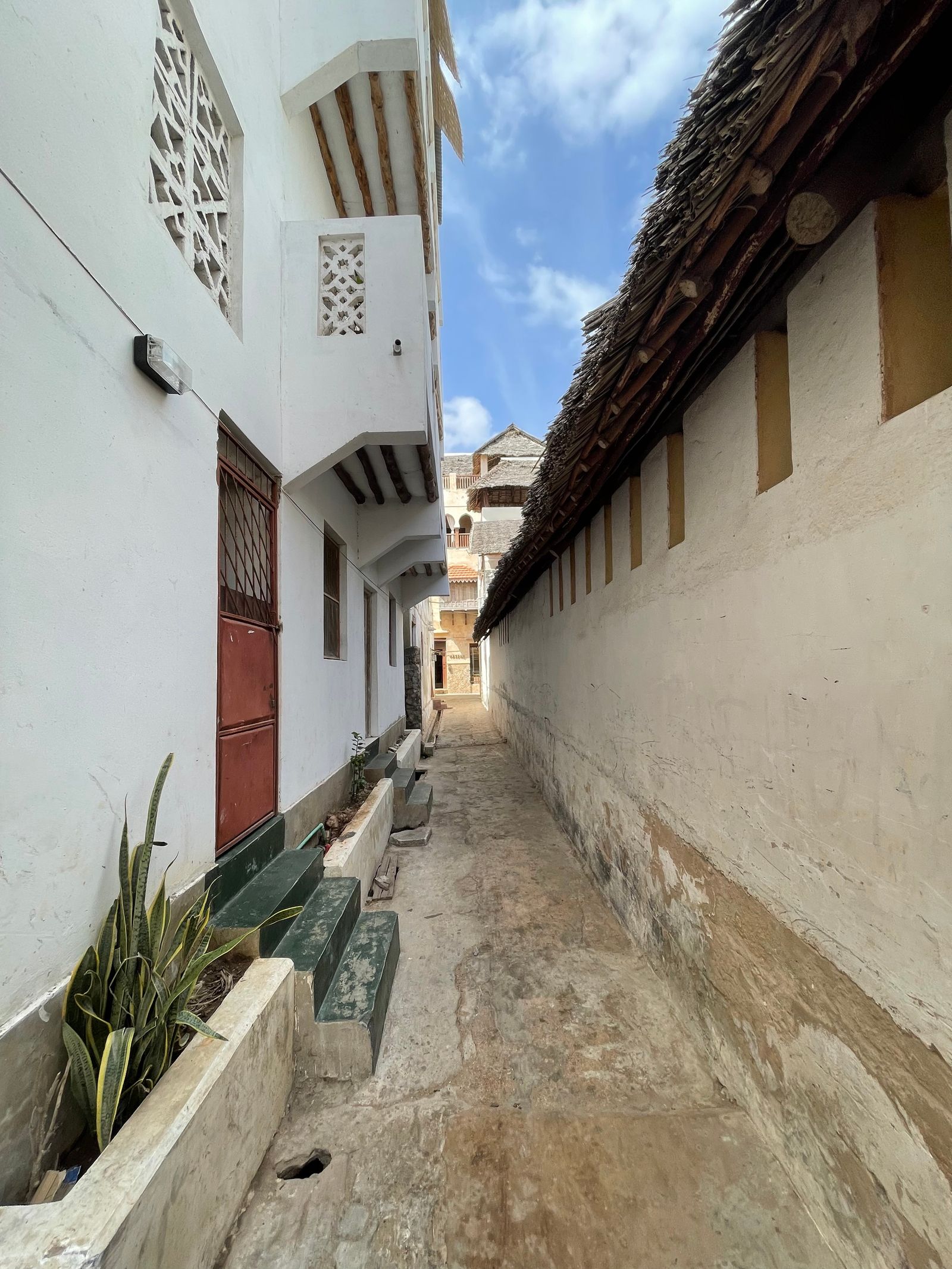
Most visitors to Watamu and Malindi come for the beaches, and many never see the rich history that lies just inland. Gede is one of the most atmospheric historic sites on the East African coast. Tall trees grow among the old walls, monkeys move through the branches and the stone houses and mosques give a real sense of the town’s past.
The day is easy and relaxed, with no long drives or early starts, and it makes a perfect change from the beach. It is also a good choice when the weather is hot or the sea is rough, because the forest is shady and cool.
- History: the forest-covered ruins of a medieval Swahili town.
- A local guide: a guide at Gede explains the history of the Swahili coast.
- Nature: the Mida Creek mangrove boardwalk and excellent birdwatching on the tidal flats.
- Convenience: private transport with hotel pick-up in Watamu or Malindi.
- Lunch included: a relaxed meal at a local restaurant near Watamu.
Gede Ruins Tour at a Glance
- Duration: 1 day, about 6 to 7 hours including lunch
- Start and end: your hotel in Watamu or Malindi
- Highlights: Gede Ruins, a guided walk, lunch and the Mida Creek boardwalk
- Transport: private vehicle with a driver-guide
- Price: from USD 110 per adult sharing
Gede Ruins Tour Itinerary
Morning: Exploring the Gede Ruins
You are picked up from your Watamu or Malindi hotel and driven a short way to the ruins. A local guide leads you through the site, and you explore the Great Mosque, the palace and the old houses. Look out for Sykes’ monkeys in the trees, and listen for forest birds as you walk. The guide explains how the town grew rich from trade across the Indian Ocean and why it was eventually abandoned.
Midday: Lunch
Lunch is served at a local restaurant near Watamu, with a choice of Swahili and Italian-style dishes. This is a good moment to rest, cool down and swap impressions of the morning.
Afternoon: Mida Creek boardwalk
In the afternoon you walk the suspended boardwalk through the mangroves of Mida Creek. From the boardwalk you look for crab plovers, herons and kingfishers, and you may see crabs and mudskippers on the mud below. You then return to your hotel.
The History Behind the Gede Ruins Tour
Gede was a thriving Swahili town between about the 12th and 17th centuries, part of a network of coastal towns that traded with Arabia, India and beyond. The town was built of coral stone, and its ruins include a mosque, a palace and houses laid out along old streets. At some point it was abandoned, and the forest slowly grew over it, which is why the ruins are hidden among trees today.
The site is protected by the National Museums of Kenya. Walking among the walls, you get a feel for how people lived, prayed and traded in a coastal town centuries ago. A good guide brings the stones to life, which is why a local guide is included in the price.
What You Will See on a Gede Ruins Tour
The site is spread out beneath tall forest trees, and the path winds between the remains of buildings. Take your time at each stop, because the details are what make Gede memorable.
The Great Mosque
The Great Mosque is one of the main landmarks of the town. Its coral-stone walls and prayer niche still stand, and your guide explains how worshippers used the space and how the building fitted into daily life.
The palace and old houses
The palace and the surrounding houses show how wealthier residents lived. You can see the layout of rooms, courtyards and wells, and your guide points out details that are easy to miss, such as the way buildings were arranged along the streets.
The forest around the ruins
The forest is part of the experience. Roots creep over old walls, light filters through the canopy and Sykes’ monkeys leap between the branches. Butterflies and forest birds are common, and the shade makes the walk comfortable even on a hot day.
Mida Creek and Wildlife on a Gede Ruins Tour
Mida Creek is a tidal inlet lined with mangroves, and it is one of the best places on the Kenyan coast for wading birds. Because tides rise and fall, the scene changes through the day. At low tide, mudflats appear and birds feed along the water’s edge. At high tide, the creek fills and the mangroves stand in water.
Birds and small creatures
Crab plovers are a highlight at the right time of year, along with herons, kingfishers and many other waders. On the mud you can watch crabs and mudskippers. Bring binoculars if you have them, and ask your guide to point out the best birds.
Adding Arabuko Sokoke Forest
Arabuko Sokoke Forest lies next to Gede and is home to rare birds and the golden-rumped elephant shrew. If you like birdwatching or walking, you can ask us to add a guided forest walk to your Gede Ruins tour.
Best Time for a Gede Ruins Tour
The tour runs all year. The forest is shady, so it is pleasant even in the heat, but mornings are cooler for walking around the ruins. After heavy rain, paths can be damp, so wear shoes with a good grip. The timing of the Mida Creek walk is best arranged around the tide, and we plan this for you.
- Dry months: easy walking and clear skies, with the coast at its busiest.
- Rainy months: greener scenery and fewer visitors, with occasional showers.
- Time of day: start in the morning for the coolest conditions at the ruins.
How Much Does a Gede Ruins Tour Cost?
This Gede Ruins tour starts from USD 110 per adult sharing. The final cost depends on the season and the size of your group, and the price per person falls when more guests share the private vehicle. Entry to Gede Ruins and the Mida Creek boardwalk, a local guide at Gede and lunch are all included. For a broader view of costs on a Kenya holiday, see how much an African safari costs.
What Is Included and Not Included
- Private transport and driver-guide
- Hotel pick-up and drop-off in Watamu or Malindi
- Gede Ruins and Mida Creek boardwalk entry
- Local guide at Gede
- Lunch
- Bottled drinking water
Not included: tips and gratuities, drinks and personal expenses, and optional activities not listed as included.
Who Is a Gede Ruins Tour For?
This tour is for beach holidaymakers who want to add history and nature to their stay. It is popular with Italian, German and Swiss visitors in Watamu and Malindi, and it suits couples, families and small groups. It is gentle and easy, so it works for most ages and fitness levels. Children usually love exploring the ruins and spotting monkeys and crabs, although the boardwalk has rails and needs supervision.
If you also want to see big game, a day trip is possible from the coast, and our Tsavo safari guide explains the options. You can also see ideas for a longer coast stay on our Kenya beach experience page.
Combining a Gede Ruins Tour with Other Activities
Because the day ends early in the afternoon, it fits easily into a longer beach holiday. Many guests alternate cultural days with beach days, and they keep one day free for snorkelling or a boat trip in the marine park. A Gede Ruins tour is also a good choice on a day when you want something gentle after a long flight or a busy day on the water.
If you want to see big game as part of the same holiday, ask us about a safari from the coast, such as our Tsavo East and West safari. We can arrange the timing so that the tour, the safari and your beach days all fit together.
Photography on a Gede Ruins Tour
The ruins make atmospheric photographs, with shafts of light falling between the trees and across old stone walls. A wide lens helps to capture the scale of the site, while a telephoto lens suits monkeys and birds. At Mida Creek, a zoom lens of 200 to 400 mm is useful for waders, and the boardwalk gives you a steady platform. Light is best in the morning and again in the late afternoon. Keep your camera in a bag on the walk, because the forest is humid.
What to Bring on a Gede Ruins Tour
- Light, breathable clothing and comfortable walking shoes with a good grip.
- A hat, sunglasses and sunscreen.
- Insect repellent, since the forest has mosquitoes.
- Binoculars and a camera.
- A refillable water bottle (bottled water is provided).
- A little cash for personal purchases and tips.
Planning Your Gede Ruins Tour
The full day takes about six to seven hours including lunch, but we can shorten it to a half-day if you only want to visit Gede. Dress modestly at the ruins out of respect for the site, and follow your guide’s advice about where to walk. For official information about travel in Kenya, see Magical Kenya and the Kenya Wildlife Service. Malaria is present on the coast, so speak to your doctor about prevention before you travel.
Gede Ruins Tour FAQs
How old are the Gede Ruins?
Gede was a thriving Swahili town between about the 12th and 17th centuries before it was abandoned. Its stone mosques, palace and houses are now hidden in coastal forest.
How long does the Gede Ruins tour take?
The full day takes about 6 to 7 hours including lunch. We can shorten it to a half-day if you only want to visit Gede.
What can I see at Mida Creek?
Mida Creek is a tidal inlet lined with mangroves. From the boardwalk you see crabs, mudskippers and many wading birds, including crab plovers at the right season.
Is the Gede Ruins tour suitable for children?
Yes. Children usually love exploring the ruins and spotting monkeys and crabs. The boardwalk has rails but needs supervision. Our Kenya family safari packages have more ideas for families.
Can we add Arabuko Sokoke Forest?
Yes. Arabuko Sokoke is next to Gede and home to rare birds and the golden-rumped elephant shrew. Ask us to add a guided forest walk.
Book Your Gede Ruins Tour
Send us your dates, your hotel in Watamu or Malindi and the number of guests by WhatsApp or email, and we will reply with a quote and a pick-up time. A deposit secures your place, and we confirm details before you travel. For longer trips, explore our Kenya safari packages.
Overview
Our Gede Ruins tour combines the two best cultural and nature sites near Watamu and Malindi. Gede is the ruin of a Swahili town that flourished between the 12th and 17th centuries, with mosques, a palace and houses hidden in the coastal forest, now protected by the National Museums of Kenya.
In the afternoon you walk the suspended boardwalk over the mangroves of Mida Creek, one of the coast’s best places for wading birds, and can add a visit to the Arabuko Sokoke forest on request.
Best for: Day trip / beach excursion. Popular with: Italian, German and Swiss holidaymakers in Watamu and Malindi. Best time: Year-round.
Price is from USD 110 per adult sharing; the final cost depends on season, accommodation and group size.
Plan your trip
Our guides: Malindi, Kenya, Arabuko Sokoke National Park Guide and Watamu Marine Park Safari.
Official information: National Museums of Kenya; Nature Kenya, the East Africa Natural History Society.
Ready to go? Book this trip on WhatsApp and we’ll take it from there.
Highlights
- The forest-covered ruins of medieval Gede
- Guided history of the Swahili coast
- Mida Creek mangrove boardwalk
- Excellent birdwatching on the tidal flats
- Short trip from Watamu or Malindi