

The Big Nine of Kenya extends the famous Big Five (lion, leopard, elephant, rhino, buffalo) with four more headline species, cheetah, giraffe, hippo and zebra, and the term has become shorthand among safari operators for a genuinely complete Kenyan wildlife checklist rather than the narrower historical hunting list. The original Big Five was coined by trophy hunters describing the five most dangerous animals to hunt on foot, which is why it never included giraffe or zebra despite how iconic they are. You watch a cheetah stalk low through golden grass, an animal outside the original five yet arguably more thrilling to witness. You photograph a zebra herd’s chaotic stripes against the Mara’s green plains, a genuinely essential Kenya image. Sense of Adventure builds itineraries around the full Big Nine, not just the historical five.
Want to Tick Off All 9?
Message us and we will build an itinerary designed around Kenya’s complete Big Nine.
Where the Big Nine Concept Came From
The original Big Five, lion, leopard, elephant, rhino and buffalo, was coined by early 20th-century trophy hunters ranking the five most dangerous animals to hunt on foot, a list built around risk rather than spectacle. Modern safari operators expanded it into the Big Nine by adding four species every guest genuinely wants to see, cheetah, giraffe, hippo and zebra, none of which made the original hunting list purely because they were not considered especially dangerous prey.
We went in only knowing the Big Five and left with a far better checklist. Our guide pointed out that a cheetah hunt we witnessed on day three was honestly more exciting than any of the original five, and by the end we had genuinely photographed all nine.
— Sense of Adventure guest, Masai Mara Big Nine safari
The Big Nine, One by One
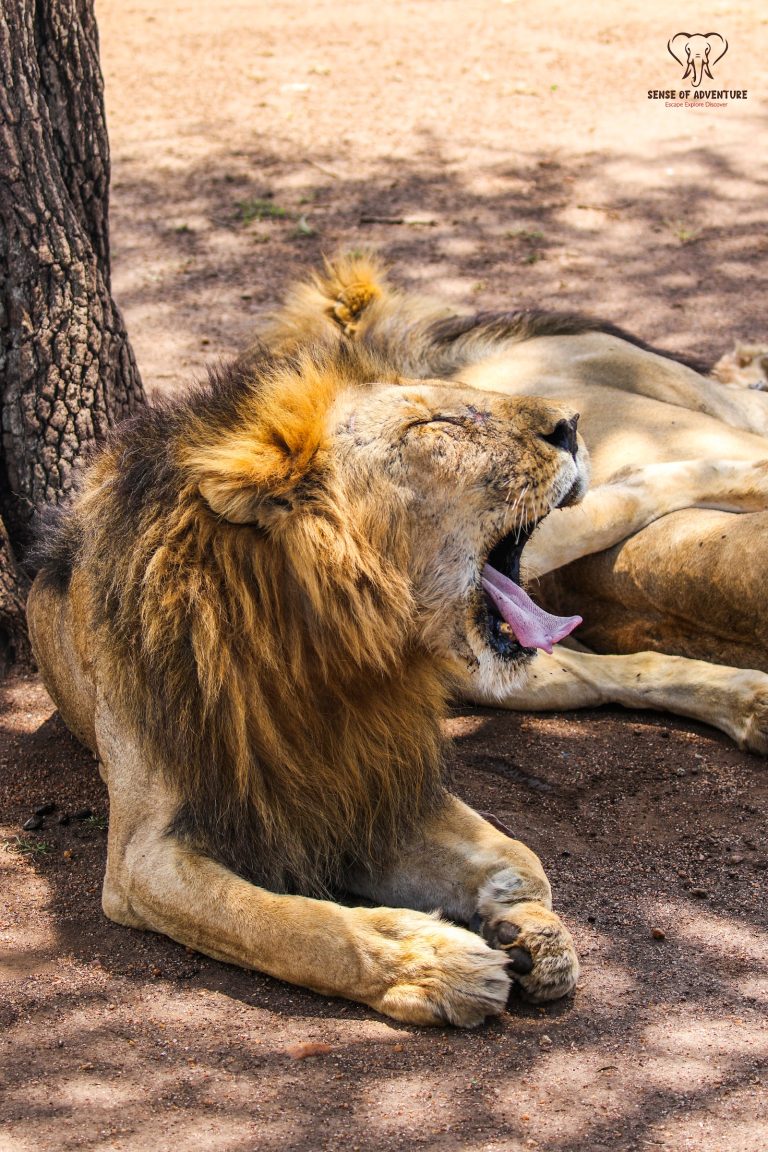
The Big Five — lion, leopard, elephant, rhino, buffalo
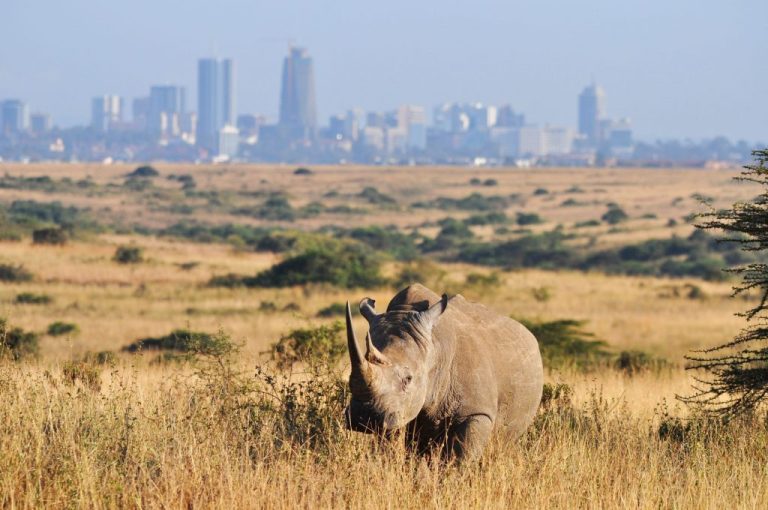
These remain the historical core, reliably seen across the Masai Mara, Amboseli, Tsavo and Lake Nakuru, with rhino the hardest of the five, concentrated mainly in Nakuru, Ol Pejeta and the Mara Triangle’s protected sanctuaries.
Cheetah — the fastest land animal, hunting in daylight
Cheetahs reach roughly 70mph in short bursts and, unlike lions and leopards, hunt mostly during the day, making them one of the most reliably photographable predators. The Mara’s Tano Bora coalition of male cheetahs has become a genuine celebrity sighting among repeat visitors.
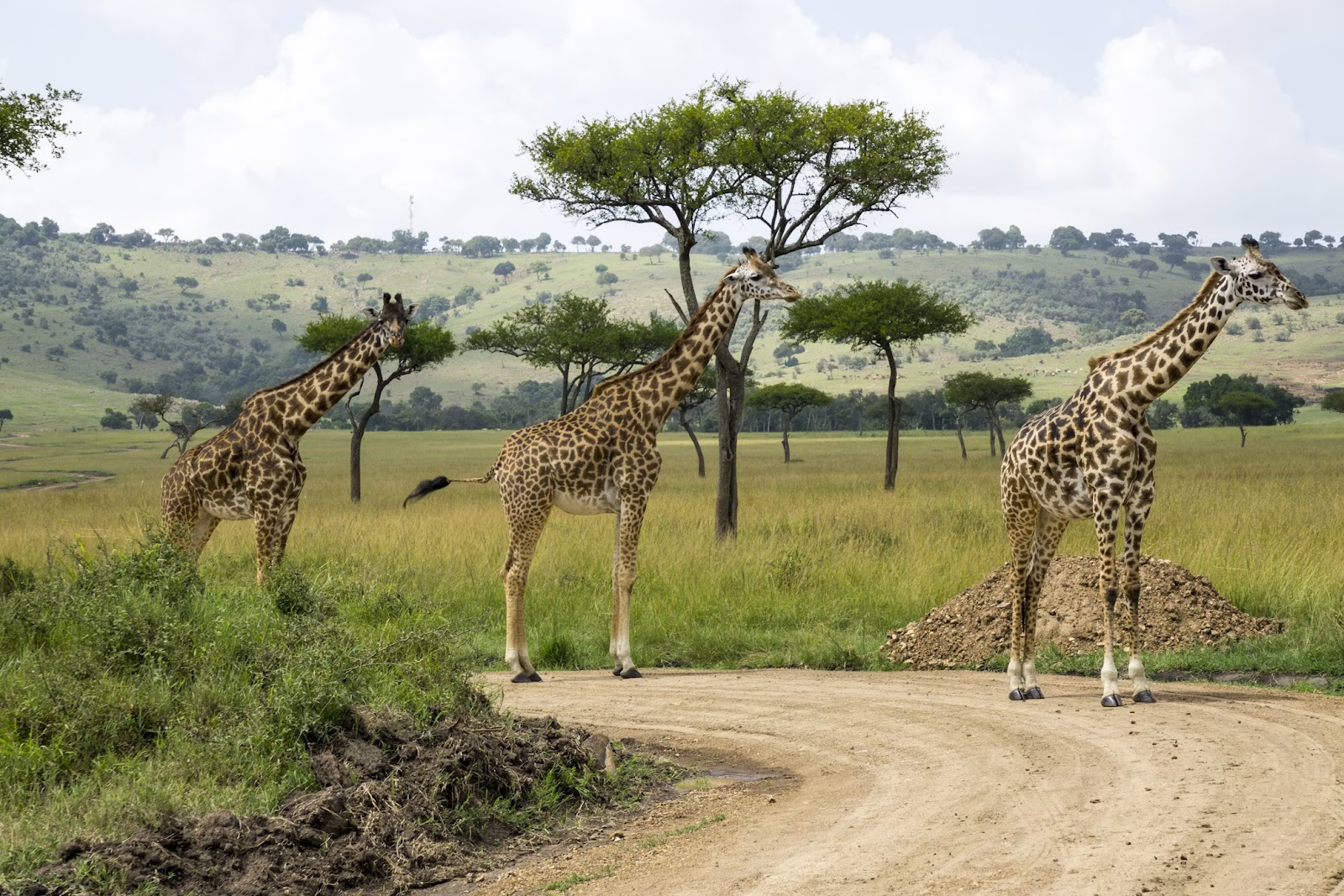
Giraffe — the tallest land animal, and genuinely everywhere
Kenya hosts the Masai giraffe across the Mara and southern parks and the endangered reticulated giraffe further north around Samburu, both standing around 5.5 meters tall and among the easiest Big Nine members to spot on nearly any drive.
Hippo — Africa’s most dangerous animal by human death toll
Hippos are reliably seen along the Mara River and at Lake Naivasha, spending days submerged and emerging at dusk to graze, and are considered Africa’s deadliest large mammal to humans, more so than lions, due to their aggressive territorial behaviour near water.
Zebra — the migration’s most numerous headline species
Kenya hosts both common plains zebra year-round and the rarer, larger-eared Grevy’s zebra concentrated around Samburu, and zebra herds form a major visual anchor of the Great Migration alongside wildebeest, making them essentially guaranteed on any Mara circuit.
Build a Safari Around the Full Big Nine
Tell us your dates and we will route a circuit that maximises your odds on all nine species.
Quick Facts: Kenya’s Big Nine
- Full list: lion, leopard, elephant, rhino, buffalo, cheetah, giraffe, hippo, zebra — 9 species.
- Hardest of the nine: rhino, concentrated mainly in Nakuru, Ol Pejeta and the Mara Triangle.
- Easiest of the nine: giraffe and zebra, seen on nearly every game drive.
- Deadliest to humans: the hippo, statistically more dangerous than the lion in Africa.
- Fastest: the cheetah, reaching roughly 70mph, hunts mostly in daylight.
- Recommended trip length: 7-10 days across 2-3 parks for reliable odds on all nine.
Where to Actually See All Nine
The Masai Mara alone delivers most of the Big Nine reliably, which is why it anchors our Great Migration safari packages, while rhino odds improve significantly by adding Ol Pejeta Conservancy to the circuit. Our full safari packages page lets you compare multi-park itineraries built specifically to maximise sightings across all nine species.
Ready to See More Than Just the Famous Five?
Message us your travel window and we will plan a Big Nine circuit around it.
Frequently Asked Questions
What is the Big Nine in Kenya?
The Big Nine in Kenya is the Big Five (lion, leopard, elephant, rhino, buffalo) plus cheetah, giraffe, hippo and zebra, a modern expansion of the historical hunting-era Big Five into a checklist that reflects what safari travelers actually most want to see.
Why isn’t giraffe part of the original Big Five?
Giraffe was never part of the original Big Five because that list was coined by early trophy hunters ranking the five most dangerous animals to hunt on foot, and giraffe, while iconic, was not considered a dangerous species by that specific criterion.
Which of the Big Nine is hardest to see in Kenya?
Rhino is generally the hardest of the Big Nine to see in Kenya, concentrated mainly in protected sanctuaries like Lake Nakuru, Ol Pejeta Conservancy and the Mara Triangle, unlike giraffe and zebra which appear on nearly every game drive.
How many days do I need to see the whole Big Nine?
Most travelers see the full Big Nine within a 7-10 day itinerary spanning 2-3 parks, typically combining the Masai Mara for cheetah, lion, leopard, buffalo, giraffe, hippo and zebra with a rhino-focused stop like Ol Pejeta or Lake Nakuru.
Is the hippo really more dangerous than the lion?
Yes, the hippo is statistically considered Africa’s most dangerous large mammal to humans, more so than the lion, due to its aggressive territorial behaviour near water and the sheer number of encounters that occur along rivers and lakeshores where people also gather.