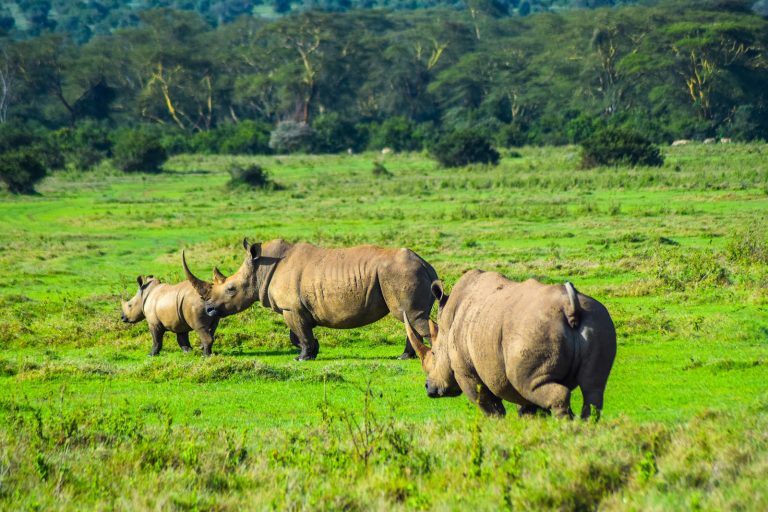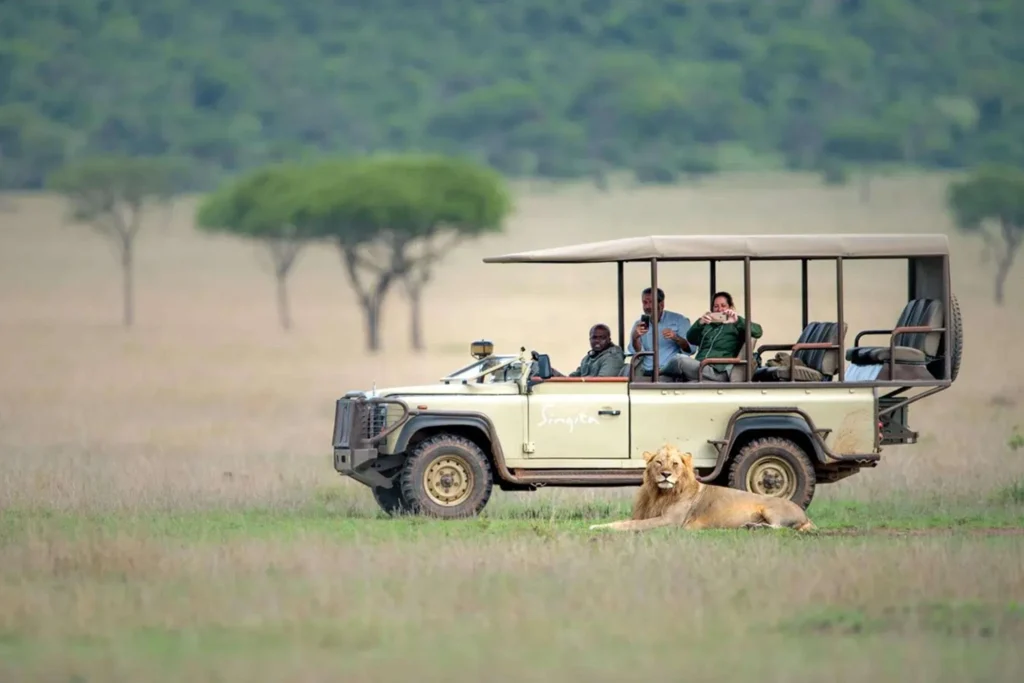
A Kenya and Tanzania combined safari is the most complete way to see East Africa in one trip, because Kenya and Tanzania share the same ecosystem — the Great Migration moves back and forth across the border between the Serengeti and the Masai Mara, and the Mara-Serengeti landscape is one of the largest intact savannah ecosystems in Africa.
Combining both countries in one circuit gives guests something neither country alone can deliver: the full migration cycle (calving in the southern Serengeti in January–March, river crossings in the Masai Mara in July–October), the Ngorongoro Crater concentration, Amboseli under Kilimanjaro, and the Zanzibar beach finale — the most celebrated wildlife and landscape experiences in East Africa in a single well-designed two-week trip.
Sense of Adventure designs and books Kenya–Tanzania combined circuits every month. This guide covers the itinerary formats, the logistics, the costs, and the honest answer to what this circuit delivers that neither country alone can.
Table of Contents
✅ Kenya and Tanzania Combined Safari: Quick Answer
- Ideal length: 10–14 nights; add 2–5 nights for Zanzibar.
- Best months: July–October for Mara river crossings; January–March for Serengeti calving.
- Crossing: by road via Namanga (Nairobi–Arusha) or by light aircraft between the parks.
- Entry: separate approvals — a Kenya eTA and a Tanzania visa.
- Our packages: from USD 3,500 per person for 10 days.
Kenya + Tanzania in One Circuit. Sense of Adventure Designs Both.
We operate across both countries and design seamless Kenya–Tanzania circuits with all logistics — charter flights, border crossings, lodges, and Zanzibar. Contact us now.
Why Choose a Kenya and Tanzania Combined Safari?
The most honest answer: because Kenya and Tanzania each have experiences the other does not.
Kenya has: the Masai Mara river crossings (July–October), Amboseli’s elephants under Kilimanjaro, Samburu’s northern endemic species, and some of Africa’s finest private conservancies, where night drives and walking safaris are allowed.
Tanzania has: the Serengeti’s calving season (January–March) and the scale of the northern Serengeti in August–September, the Ngorongoro Crater’s extraordinary wildlife concentration in an enclosed caldera, Tarangire’s ancient baobabs and dry-season elephant gatherings, and the Zanzibar beach extension.
A Kenya-only safari misses the Crater and Zanzibar. A Tanzania-only safari misses the conservancy night drives and Amboseli. The combined circuit delivers both.
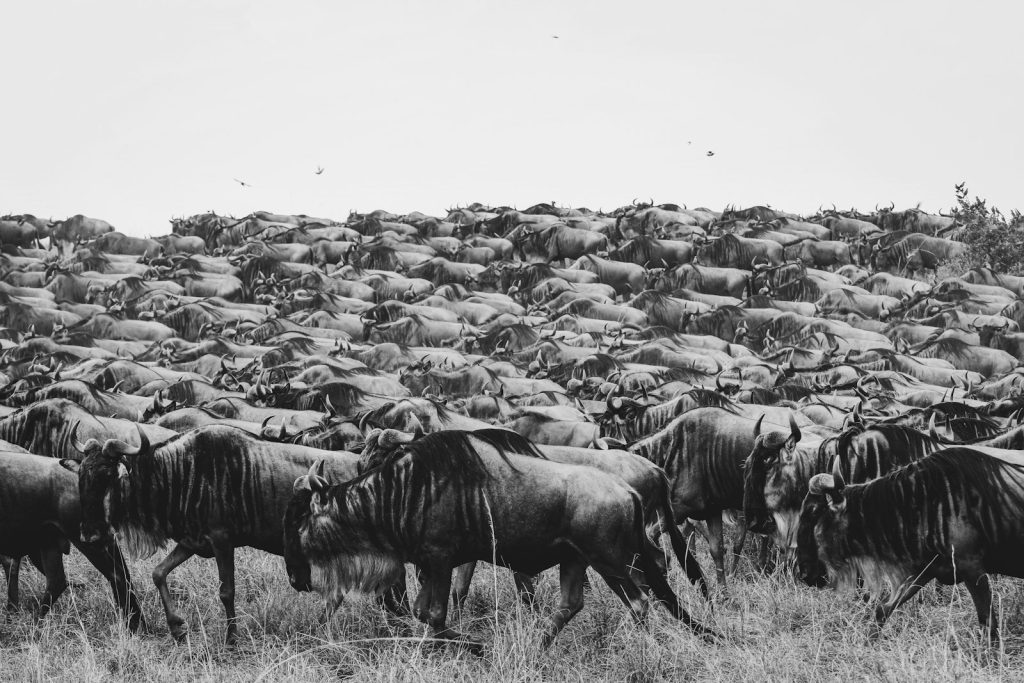
The Two Best Kenya–Tanzania Combined Circuits
🌍 Circuit 1: The Classic Two-Week Grand Safari (14 nights)
Nights 1–2: Nairobi — Sheldrick elephant nursery, Giraffe Centre, Nairobi NP half day.
Nights 2–4: Amboseli — Elephant families, Kilimanjaro, fly in/out via Wilson.
Nights 4–7: Masai Mara conservancy — Night drives, Big Cats, migration (Jul–Oct) or resident wildlife.
Nights 7–9: Serengeti (northern) — Light-aircraft connection from the Mara. Migration in season or resident big cat territory.
Nights 9–10: Ngorongoro Crater — Descent into the caldera. A strong chance of the Big Five in one day.
Nights 10–12: Tarangire — Baobabs, elephant river aggregation (dry season). Fly to Arusha.
Nights 12–14: Zanzibar — Stone Town, Mnemba, beach finale.
🌍 Circuit 2: The 10-Night Essential East Africa (best value)
Night 1: Nairobi — Arrival, Sheldrick or Giraffe Centre.
Nights 1–3: Masai Mara conservancy — Night drives, Big Cats, river crossing position (Jul–Oct).
Nights 3–5: Serengeti — Light-aircraft connection to Seronera or Kogatende. Game drives both days.
Night 5–6: Ngorongoro Crater — Rim accommodation, dawn descent, full caldera day.
Nights 6–8: Amboseli — Fly Arusha → Wilson → Amboseli. Elephants and Kilimanjaro.
Nights 8–10: Zanzibar — Beach decompression. Dhow sunset. Depart.
Ready-made Kenya and Tanzania combined safari packages
If you prefer to start from a tested itinerary, these current Sense of Adventure packages link both countries (prices per person in US dollars, depending on season and accommodation):
- Kenya & Tanzania Classic Safari – Masai Mara & Serengeti (10 Days) — from USD 3,500, including the Ngorongoro Crater.
- Great Migration Safari Kenya & Tanzania (12 Days) — from USD 4,600, timed for the river crossings.
- Kenya, Tanzania & Zanzibar Family Holiday (14 Days) — from USD 4,300, with five nights on Zanzibar.
Each one can be adjusted, run privately and upgraded. Our private Kenya safari page explains how a private vehicle and guide work, and our luxury Kenya safari page covers fly-in camps.
The Logistics: Border Crossing vs Light-Aircraft Flight
Kenya and Tanzania are linked by the main road border at Namanga, on the Nairobi–Arusha highway. The drive takes around five to six hours including border formalities, and on clear mornings it passes views of Kilimanjaro and Mount Meru.
For guests short on time, light-aircraft connections link the Masai Mara with the Serengeti, routed through airstrips where immigration can be cleared. Total travel time is usually a morning rather than a full day, and you arrive in time for an afternoon game drive. Sense of Adventure uses whichever option suits your dates and budget, and handles every transfer, ticket and border step.
Kenya and Tanzania combined safari entry rules
You need separate entry approval for each country. Most visitors to Kenya need an Electronic Travel Authorisation, applied for online at the official eTA Kenya portal. Tanzania issues its own visa, which you can apply for through the official Tanzania e-visa portal. The East Africa Tourist Visa covers Kenya, Uganda and Rwanda but not Tanzania. Apply for both well in advance and carry printed copies.
Best Time for a Kenya and Tanzania Combined Safari
The right month depends on what you most want to see. The migration is a year-round cycle, and a combined trip lets you follow it wherever it is.
- July to October: the herds are in the Masai Mara and the northern Serengeti, with river crossings on the Mara River. This is the classic window and the busiest, so book early.
- January to March: the herds gather on the short-grass plains of the southern Serengeti to give birth. Start in Tanzania, then finish with Amboseli or a Mara conservancy for big cats.
- June and November: transition months with fewer vehicles and good value. The herds are on the move, and our guides position you accordingly.
- April and May: the long rains. Some camps close and roads are muddy, but prices fall and the landscape is beautifully green.
For a month-by-month view of both countries, read our guide to the best time to visit East Africa for safari.

Cost Comparison: Kenya Only vs Tanzania Only vs Combined
| Circuit Type | Duration | Typical Cost (2 people, mid-range) |
|---|---|---|
| Kenya only (Mara + Amboseli) | 7 nights | USD 9,000–14,000 |
| Tanzania only (Serengeti + Ngorongoro) | 7 nights | USD 12,000–18,000 |
| Kenya + Tanzania combined | 10–14 nights | USD 18,000–28,000 |
| Combined + Zanzibar beach | 12–16 nights | USD 22,000–34,000 |
What drives the price
The biggest factors are the style of accommodation, the season and how you travel between parks. Road transfers are cheaper; light aircraft save time but add cost. Tanzania’s park and concession fees are generally higher than Kenya’s, and the Ngorongoro Crater has its own vehicle fee. A shared road-based itinerary sits at the lower end of the range, while private fly-in camps in peak season sit at the top. Ask us for a quote for both options and we will show you the difference clearly.
Practical Tips for Your Combined Safari
- Pack light: light aircraft usually limit luggage to about 15 kg per person in a soft bag. Our safari packing list helps.
- Health: both countries are in malaria zones. Speak to your doctor about tablets and vaccines, and carry a yellow fever certificate if your route requires one.
- Money: US dollars are widely used for tips and park extras in both countries. Bring clean notes printed in 2013 or later.
- Plastic bags: both Kenya and Tanzania ban single-use plastic carrier bags, so pack toiletries in reusable pouches.
- Insurance: make sure your policy covers both countries, medical evacuation and any balloon flight you plan.
- Flights home: ending in Zanzibar or Kilimanjaro avoids backtracking to Nairobi. We can match the route to your international tickets.
Who a Combined Safari Suits Best
First-time safari travellers with ten days or more get the best of East Africa in one go. Photographers gain the widest range of landscapes, from the crater floor to Kilimanjaro. Families enjoy the variety, especially with a beach finale. Honeymooners can mix intimate tented camps with Zanzibar. If you only have a week, we usually suggest focusing on one country; read our Kenya safari vs Tanzania safari comparison to choose, or see our Masai Mara vs Serengeti guide.
One Trip. Two Countries. Everything East Africa Has.
Sense of Adventure operates across Kenya and Tanzania and designs seamless combined circuits at every budget tier. Tell us your dates and how many nights — we’ll build the right circuit. Contact us now.
Frequently Asked Questions — Kenya Tanzania Combined Safari
Do I need a separate visa for Tanzania and Kenya?
Yes — Kenya and Tanzania are separate countries with separate entry requirements. Most visitors need a Kenya eTA, applied for online, and a Tanzania visa. The East Africa Tourist Visa covers Kenya, Uganda, and Rwanda but not Tanzania. Sense of Adventure provides full visa guidance to all combined circuit guests as part of the pre-departure briefing.
Is it better to start in Kenya or Tanzania?
Sense of Adventure recommends starting in Kenya and ending in Tanzania/Zanzibar for most combined circuits. This gives guests the option to fly home from Zanzibar or Dar es Salaam directly, avoids retracing through Nairobi, and logically follows the migration cycle (July–October arrivals do Kenya crossings first, then Tanzania Serengeti). For calving season circuits (January–March), starting in Tanzania’s southern Serengeti and ending at the Mara makes equal sense.
Which is the most affordable Kenya–Tanzania entry point?
The Namanga road crossing between Nairobi and Arusha is the most affordable transfer between the two countries — approximately USD 80–120 per person for a shared transfer. A light-aircraft connection between the Masai Mara and the Serengeti adds approximately USD 300–400 per person but saves most of a day. Sense of Adventure quotes both options clearly and advises based on your time constraints and budget.
How many days do I need for a Kenya and Tanzania combined safari?
Ten days is the practical minimum for a Kenya and Tanzania combined safari, allowing two or three nights each in the Masai Mara, the Serengeti and the Ngorongoro area. Twelve to fourteen days adds Amboseli or Tarangire at a relaxed pace, and a further three to five nights covers a Zanzibar beach finale.
Can I see the Great Migration in both countries on one trip?
Yes, in the right months. From July to October the herds move between the northern Serengeti and the Masai Mara, so a combined trip can include river crossings on both sides of the border. Crossings depend on the animals, so no operator can guarantee one on a set day.
Is a combined safari suitable for families?
Yes. Many camps welcome children, and the variety of crater, plains, mountain views and beach keeps young travellers interested. We suggest fewer, longer stops and road days of under five hours. Some camps set a minimum age for game drives or walks, so tell us your children’s ages when you enquire.