
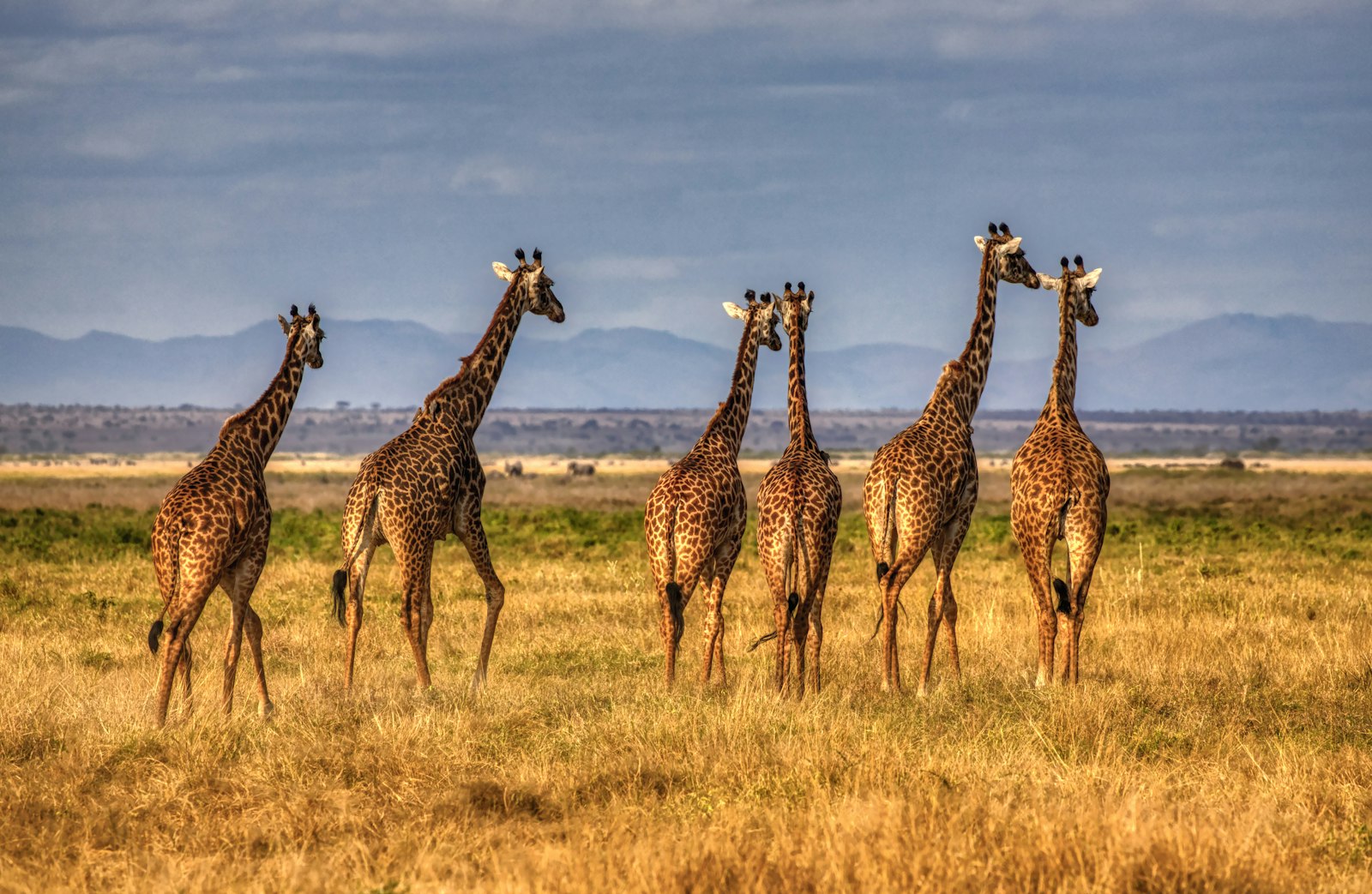
Come home with the shots of a lifetime. A photographic safari in Kenya is built around great images: private vehicles for the best angles, guides who understand light and animal behaviour, and itineraries timed for the most photogenic moments, from dawn predators to the dust and drama of the Great Migration.
Sense of Adventure is a licensed Nairobi-based safari operator. Our photographic trips put you in a private 4×4 Land Cruiser with a pop-up roof, so you can shoot from a clear window at any seat and take as long as you need at each sighting. This guide covers the best parks, the best months, kit, and how to plan.
Photographic Safari Packages
Great Migration Photographic Safari: Masai Mara (5 Days)
Dramatic river crossings with a specialist photographic guide.
View detailsAmboseli Elephant Photographic Safari (4 Days)
Elephant herds against the backdrop of Mount Kilimanjaro.
View detailsBig Cats Photographic Safari: Masai Mara (6 Days)
Lions, cheetahs and leopards in the Mara’s open country.
View detailsPhotographic Safari: Masai Mara and Great Rift (6 Days)
Mara wildlife plus the landscapes of the Great Rift Valley.
View details10 Days Luxury Kenya Safari: Samburu, Solio, Nakuru and Masai Mara
Variety of subjects and landscapes in a comfortable, longer journey.
View detailsTell us your subject
Big cats, elephants, birds or landscapes: we shape the route and the daily schedule around your pictures.
Plan My Photo SafariWhy Shoot With Sense of Adventure
- Private vehicles. A 4×4 Land Cruiser with a pop-up roof, reclining seats and charging ports, shared only with your own party.
- Time at every sighting. There is no group schedule pulling you away from a good scene.
- Guides who read light and behaviour. They position the vehicle with the sun and the animal in mind.
- Early starts and late finishes. We plan game drives around the golden hours rather than the middle of the day.
- Camps well placed for the action. We choose stays close to the best photographic areas.
Best Places to Photograph in Kenya
Masai Mara
Open plains, acacia trees and large cats make the Mara Kenya’s best-known photographic destination. Between July and October the migration brings wildebeest and zebra to the Mara River. See our Masai Mara safari guide and our Great Migration safari.
Amboseli
Elephants walking in front of Kilimanjaro are one of Africa’s classic images. The best light is usually early, before cloud covers the mountain. Read our private Amboseli safari page.
Samburu
The dry north brings red earth, the Ewaso Ng’iro river and species such as Grevy’s zebra and the reticulated giraffe. See our Samburu safari guide.
Lake Nakuru and Laikipia
Rhinos, Rothschild’s giraffes and flamingos make Lake Nakuru a good addition, while Laikipia’s conservancies offer rare subjects and quieter sightings. Read about Lake Nakuru and Laikipia.
Best Time for Photography
| Months | Why photographers like them |
|---|---|
| January to February | Clear skies, dry conditions and good light in Amboseli and the north. |
| March to May | Green landscapes and dramatic skies, with fewer vehicles. |
| June to October | Dry season. Migration herds and river crossings in the Mara from about July. |
| November to December | Fresh green scenery, birds in breeding plumage and soft light. |
Our guide to photography safari Kenya 2027 goes deeper into light, lenses and parks.
Camera Kit and Vehicle Set-Up
- A long lens. A 100-400 mm or 150-600 mm zoom covers most wildlife, with a shorter zoom for landscapes and wide scenes.
- Two camera bodies, if possible, so you avoid changing lenses in dusty conditions.
- A beanbag. It supports your lens on the vehicle roof or window and works better than a tripod in a safari vehicle.
- Plenty of memory cards and batteries. Our vehicles have charging ports to top up between drives.
- Lens cloths and a dust cover. Dust is the main enemy on dry-season drives.
Field Tips From Our Guides
- Shoot early and late. Light in the middle of the day is harsh.
- Keep your eyes level with the animal where you can.
- Watch behaviour, not only the animal. Action tends to follow a yawn, a stare or a change in posture.
- Use a fast shutter speed for moving animals and a steady pose for portraits.
- Switch off flash. It disturbs wildlife and rarely helps.
- Be patient and quiet. Good scenes often come to those who wait.
Book your photographic safari
Share your dates, subject and group size and we send a tailor-made itinerary with an itemised written quote.
Talk to a Safari Expert WhatsApp Our TeamPrefer email? Write to reservations@senseofadventure.co.ke
Photographic Safari FAQs
What is a photographic safari?
A photographic safari is planned around taking pictures, with private vehicles, flexible schedules and guides who position the vehicle for light and action.
When is the best time for a photographic safari in Kenya?
June to October is the dry season and includes the Great Migration in the Masai Mara from about July. January and February are also very good for clear light.
What lens do I need for a safari?
A zoom lens of around 100-400 mm or 150-600 mm covers most wildlife, with a shorter zoom for landscapes and wide scenes.
Can I travel privately?
Yes. Photographic trips run in a private 4×4 Land Cruiser with a pop-up roof, shared only with your own party, so you can stay at a sighting as long as you like.
Are tripods allowed in a safari vehicle?
A tripod is hard to use in a vehicle. Most photographers use a beanbag on the roof or window frame, which is quicker and more stable.
Your best photographs are waiting
Send us your dates and we do the planning.
Request a Private Safari Quote