
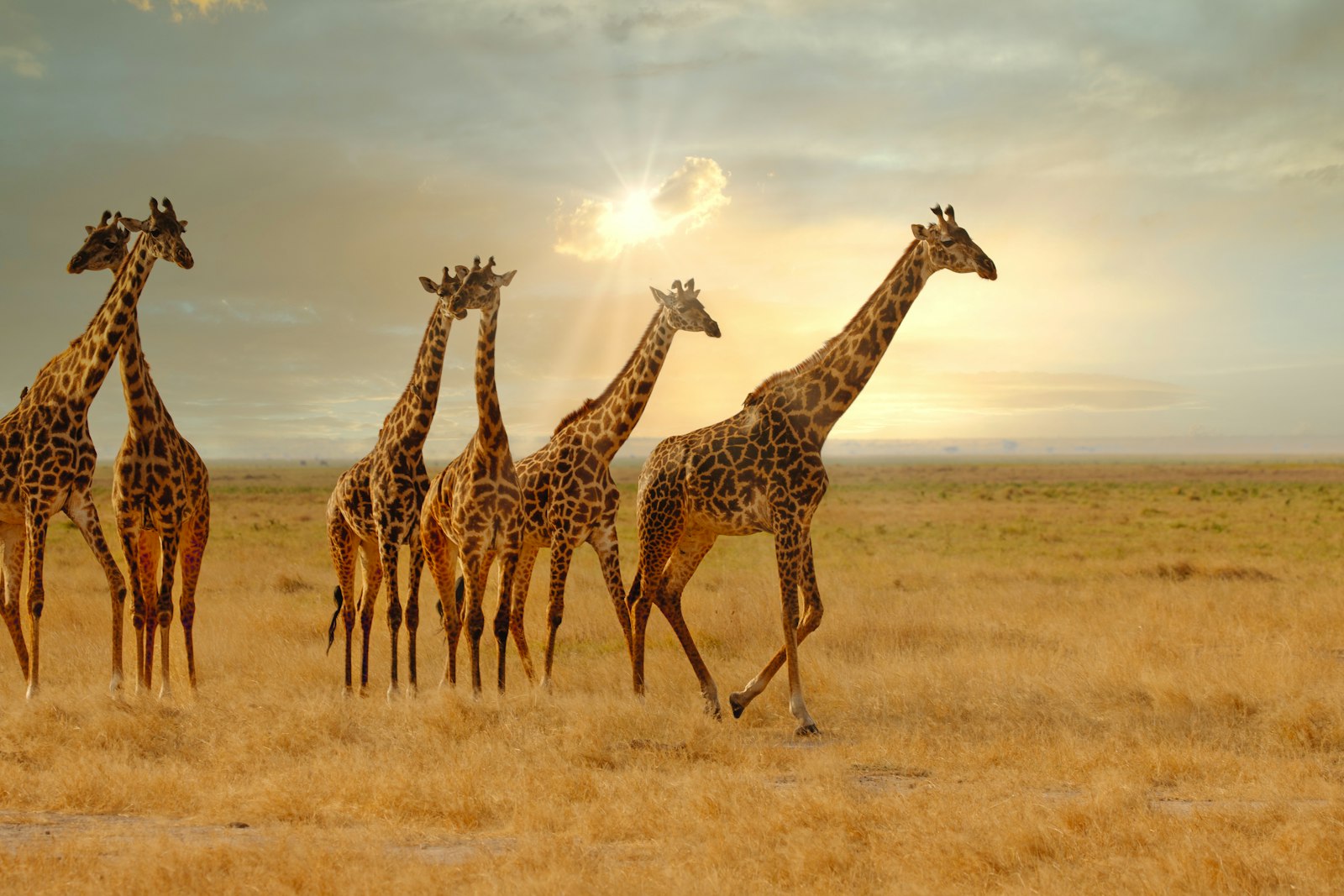
Choosing the right park shapes your whole safari. The Tanzania national parks range from the endless plains of the Serengeti and the great caldera of Ngorongoro to the elephant valleys of Tarangire, the forests of Lake Manyara and the wild, uncrowded south around Ruaha and Nyerere. Each park below has its own guide with wildlife, the best time to visit, where to stay and how to get there. Sense of Adventure is a licensed Nairobi-based operator, and we plan every park into a private safari for you, alone or combined with Kenya.
Tanzania National Parks and Conservation Areas
The Tanzania national parks are managed by Tanzania National Parks (TANAPA), while Ngorongoro is a conservation area run by its own authority. Together they protect some of the most celebrated wildlife country on earth. The six areas below are the ones our guests visit most, and between them they cover open savannah, volcanic highlands, river valleys, groundwater forest, a soda lake and the remote southern wilderness. Click any card to read the full guide.
Serengeti
Endless plains, big cats and the Great Migration. The best-known of all the Tanzania national parks.
Ngorongoro Crater
A volcanic caldera with a floor full of wildlife, including black rhino and resident lion prides.
Tarangire
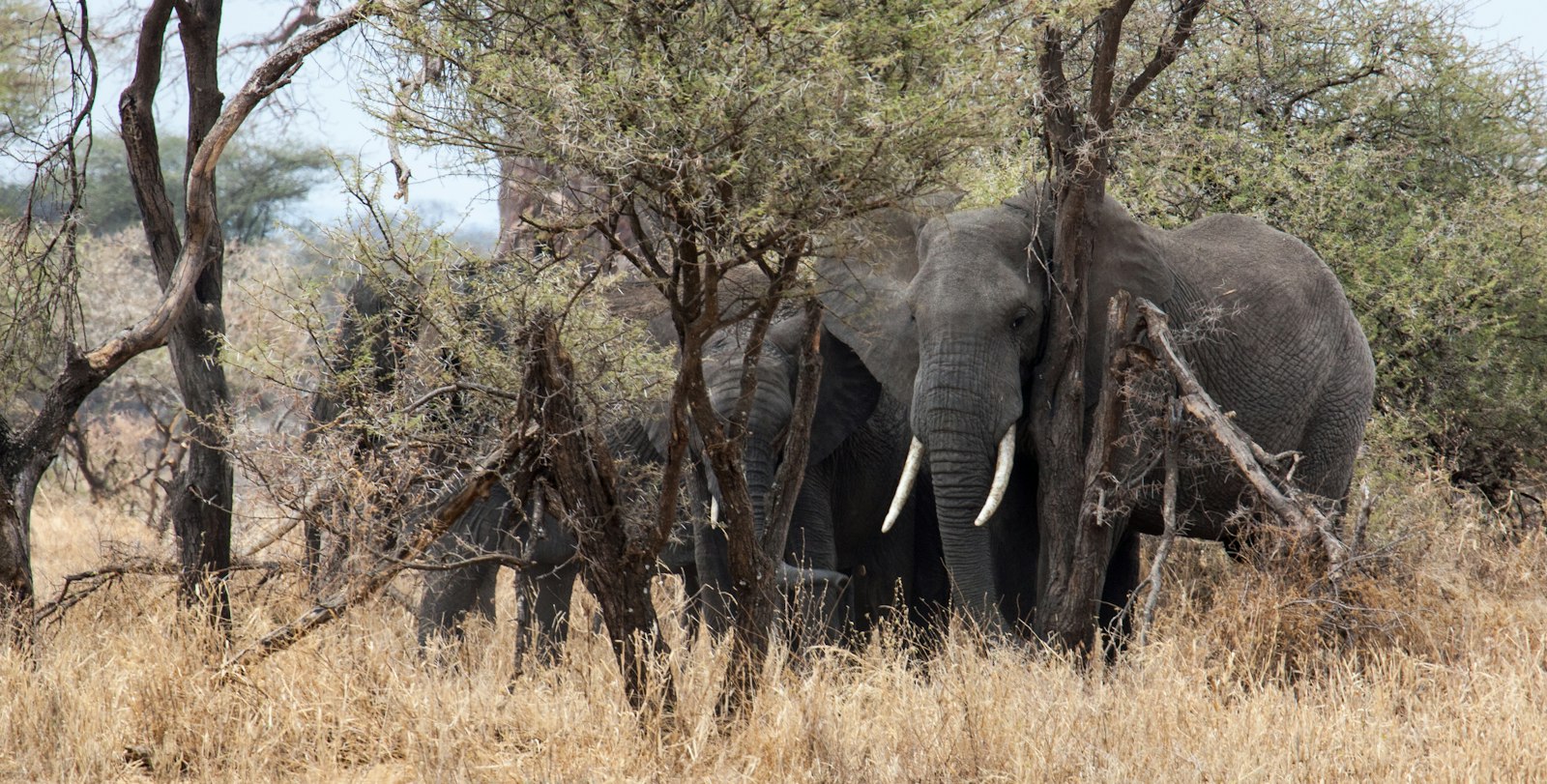
Big elephant herds, ancient baobabs and a river that draws animals in the dry season.
Lake Manyara
Groundwater forest, a soda lake, and the tree-climbing lions the park is known for.
Ruaha
Rugged, remote country in the south with large lion prides, greater kudu and few other vehicles.
Nyerere (Selous)
The Rufiji River, boat safaris and walking in the former northern Selous.
Mount Kilimanjaro is also a national park, and climbers will find routes and advice on our hiking and mountains page. Zanzibar, on the coast, is the usual place to finish a safari, and you can read about it on our Zanzibar page.
Tanzania National Parks by Region
The Northern Circuit: Serengeti, Ngorongoro, Tarangire and Lake Manyara
The north is where most first visits to the Tanzania national parks begin. Arusha is the gateway, and the parks follow a loop from there: Tarangire and Lake Manyara close to Arusha, then the highlands of Ngorongoro, and finally the Serengeti. Roads are good enough for a private 4×4 to link the first three easily, while the Serengeti is a long day by road or a short flight by light aircraft. The Serengeti and Ngorongoro are close neighbours, so many guests visit both within a single trip.
The Rift Valley: Tarangire and Lake Manyara
These two smaller parks sit along the Rift Valley escarpment and are often the best way to begin or end a trip. Tarangire is known for elephants and baobabs, especially from the middle of the year when animals gather along its river. Lake Manyara is a compact park of forest, lake and escarpment views, where tree-climbing lions are the famous sight. Both are comfortable distances from Arusha and work well as the first and last nights of a northern circuit.
The Southern Circuit: Ruaha and Nyerere
The south is quieter, wilder and less visited than the north. Ruaha is dry, rugged country of baobab and kopjes, while Nyerere is built around the Rufiji River and its lakes, where boat safaris and walking are the highlights. Both are usually reached by light aircraft, mostly from Dar es Salaam, and both suit guests who have already done a classic northern safari or who want fewer vehicles at each sighting.
Kilimanjaro and the Coast
Kilimanjaro National Park protects Africa’s highest mountain, and many travellers combine a climb with a safari. After the bush, Zanzibar and the mainland coast offer a rest by the Indian Ocean, which is why safari and beach trips are so popular. We can add either to any of the Tanzania national parks itineraries below.
National Parks, Conservation Areas and Reserves: What Is the Difference?
Visitors often say “Tanzania national parks” for every protected area, but there are a few kinds, and the difference affects your trip.
- National parks are managed by TANAPA. The Serengeti, Tarangire, Lake Manyara, Ruaha, Nyerere and Kilimanjaro are all national parks, with fees set by the authority and strict rules on driving and activities.
- The Ngorongoro Conservation Area is run by the Ngorongoro Conservation Area Authority. People live and graze livestock here beside the wildlife, and descent into the crater has its own rules and fees.
- Game reserves are managed separately and often allow activities that the parks do not. The Selous Game Reserve, whose northern sector became Nyerere National Park, is the best-known example.
A good itinerary often mixes these. We explain which applies to each stop when we send your quote.
Sample Tanzania National Parks Itineraries
5 days: Tarangire, Ngorongoro and Serengeti
Drive from Arusha to Tarangire for the first night, continue to the Ngorongoro highlands for a crater descent the next morning, then travel on to the Serengeti for two nights. It is the shortest trip that still takes in three of the great Tanzania national parks, and returns by road or by air on day five.
7 days: the classic northern circuit
Add Lake Manyara or a rest day at Karatu to the five-day route, and spend three nights in the Serengeti, moving between areas to follow the herds. You see elephants, forest, crater and plains at an unhurried pace, with a flight out of the Serengeti on the last morning if you wish.
9 days: north and south
Begin with a short northern loop of Tarangire, Ngorongoro and the Serengeti, then fly to Ruaha for the quiet of the south. The contrast between the two halves is one of the best ways to see the range of the Tanzania national parks in a single trip.
10 days: safari and beach
Spend six or seven nights in the northern parks, then fly from the Serengeti or Arusha to Zanzibar for three or four nights on the beach. Our bush and beach safaris page has more routes, and the Kenya and Tanzania safaris page shows how to combine the Masai Mara with the Serengeti.
Wildlife Highlights by Park
| Park | Known for | Suggested nights |
|---|---|---|
| Serengeti | Lion, cheetah, leopard, the Great Migration | 3 to 4 |
| Ngorongoro Crater | Black rhino, lion, hippo, flamingo, a full crater floor | 1 |
| Tarangire | Elephant herds, baobabs, birds | 1 to 2 |
| Lake Manyara | Tree-climbing lions, forest, hippo, birdlife | 1 |
| Ruaha | Large lion prides, greater kudu, sable, wild dog | 3 |
| Nyerere (Selous) | Boat safaris, hippo, crocodile, walking | 3 |
Getting Between the Tanzania National Parks
Most of our guests in the north travel by road in a private 4×4 Land Cruiser, which gives flexibility and turns the journey into part of the safari. From Arusha, Lake Manyara and Tarangire are each a morning’s drive, the Ngorongoro highlands are an afternoon’s drive, and the Serengeti is a long day beyond that. The distances are the reason itineraries are built around a clear route rather than jumping from place to place.
For longer legs, scheduled and charter flights serve airstrips in the Serengeti, Ruaha and Nyerere, and are the usual way to reach the south. A popular compromise is to drive out through the north and fly back, or to fly into the Serengeti and drive out through Ngorongoro. We arrange both options, and book the flights, transfers and vehicles together.
Starting Your Trip in Arusha
Most itineraries through the northern Tanzania national parks begin in Arusha, near Kilimanjaro International Airport. A relaxed first night here, at a coffee-farm lodge or a garden hotel such as Arusha Coffee Lodge, lets you recover from the flight and meet your driver-guide before heading into the bush. It also works as a final night before an international departure. See all of our Tanzania lodges for options in every park.
Family Safaris in the Tanzania National Parks
Many of the Tanzania national parks suit families well. Tarangire and Lake Manyara have short drives and varied wildlife, the Ngorongoro Crater gives children a memorable day of constant sightings, and the Serengeti keeps interest high with its big cats and wide views. Some camps and lodges set a minimum age for children or for particular activities, so we check each property when a family travels. A private vehicle means you set the pace and can return to camp whenever you need.
Responsible Travel in the Parks
Park rules exist to protect the animals and your experience. Stay in the vehicle except at marked points, keep to the tracks, keep noise low near wildlife and never feed animals. Our driver-guides follow the rules at every stop, and we work with lodges that employ local staff, support community projects and manage water and waste carefully. Your park fees fund ranger patrols and conservation, so each visit helps keep the Tanzania national parks wild. In Ngorongoro, remember too that you are visiting land where Maasai families live and graze their herds, and treat photographs of people with respect and permission.
Costs: What Affects the Price of a Tanzania National Parks Safari
Four things drive the price of a safari across the Tanzania national parks: the lodges you choose, the number of park days, the vehicle, and whether you fly or drive between parks.
Accommodation makes the biggest difference, from comfortable mid-range lodges to luxury tented camps. Park fees are charged per person per day and set by TANAPA, while Ngorongoro has its own fees set by its authority. A private Land Cruiser with a driver-guide is shared by everyone in your group, so the cost per person falls as the group grows. Flying between parks adds airfare but saves a long day on the road. We quote a single price per person, with park fees, meals, transfers and the vehicle included, and we confirm current fees at the time of booking.
What to Pack for the Parks
Light, neutral clothing in layers works for all the Tanzania national parks, since mornings in the highlands around Ngorongoro are cool and afternoons in Tarangire, Ruaha and Nyerere are hot. Bring a wide-brimmed hat, sunglasses, sun cream, insect repellent, binoculars, a camera with a zoom lens, a power bank and a soft bag if you are flying between parks, since light aircraft have strict luggage limits. Add a warm fleece for early game drives and the crater rim, and a light rain jacket in the wetter months. Closed shoes are best for walks and for lodge paths at night.
Planning Your Route Through the Tanzania National Parks
A good route follows the map rather than jumping across the country. From Arusha, Tarangire and Lake Manyara lead naturally to Ngorongoro and then the Serengeti, while Ruaha and Nyerere form a separate southern trip reached by air. We usually suggest no more than one long drive every second day, with at least two nights at each major park, so you spend your time watching wildlife rather than sitting in the vehicle. Our safari finder helps you match parks to your interests, and our tailor-made safari page lets you tell us exactly what you want.
How to Choose the Right Tanzania National Parks for Your Trip
- First safari with limited time: Tarangire, Ngorongoro and the Serengeti.
- Big cats and the migration: the Serengeti, in the area that matches your month.
- Elephants and baobabs: Tarangire.
- A single, unforgettable day: the Ngorongoro Crater.
- Quiet and uncrowded: Ruaha or Nyerere.
- Boats and walking: Nyerere.
- Safari plus beach: any northern route followed by Zanzibar.
When to Visit the Tanzania National Parks
The Tanzania national parks are open all year. The dry season from late June to October gives the best wildlife viewing in most parks, and is also the best time for Tarangire, Ruaha and Nyerere, when animals gather along rivers. The Great Migration moves through different parts of the Serengeti through the year, with calving on the southern plains in the early months and river crossings in the north in the middle of the year. The long rains fall from about March to May and the short rains in November, when the parks are green, quieter and often better value. Each park page gives more detail for that area, and our Great Migration safari page explains the herd’s calendar.
Park Fees and Conservation
Entry fees for the Tanzania national parks are set by TANAPA, while the Ngorongoro Conservation Area sets its own. These fees support rangers, anti-poaching work and the communities who live beside the parks. Fees can change, so we always confirm the current rates in your quote and include them in your package where stated.
How We Plan a Tanzania National Parks Safari
Every Sense of Adventure safari runs in a private 4×4 with a pop-up roof, driven by a professional driver-guide. We arrange lodges, park fees, transfers and flights as one package, so you deal with one team from your first enquiry to your return home. Tell us the parks you would like to see, or let us suggest a route to suit your dates and budget.
Read our Tanzania safari holidays overview, see where to sleep on our Tanzania lodges page, or browse our safari combinations for trips that include Kenya.
Tanzania National Parks FAQs
Which of the Tanzania national parks is the best?
The Serengeti is the most popular for big cats and the migration, but the best park depends on what you want. Tarangire is best for elephants, Ngorongoro for a day of dense sightings, and Ruaha or Nyerere for a quieter experience.
How many parks can I visit in one trip?
Three to four parks in a week to ten days is a comfortable pace. More than that means too much time on the road.
Are the Tanzania national parks safe to visit?
Yes. The parks are managed by trained rangers, and you travel with an experienced driver-guide who follows park rules at all times.
Do I need to book park entry in advance?
We handle all park entry fees and bookings as part of your safari, so you have nothing to arrange on arrival.
Can I combine Tanzania with a Kenya safari?
Yes. Many guests pair the Masai Mara with the Serengeti, and we plan the border crossing and transfers as part of one itinerary.
Start Planning Your Tanzania National Parks Safari
The Tanzania national parks reward a little planning, and we are glad to help. Send us your dates, group size and budget, and we will design the route. Browse our Kenya and Tanzania safari packages or read our Tanzania destination guide for ideas, and see the Kenya national parks if you want to add a second country.