
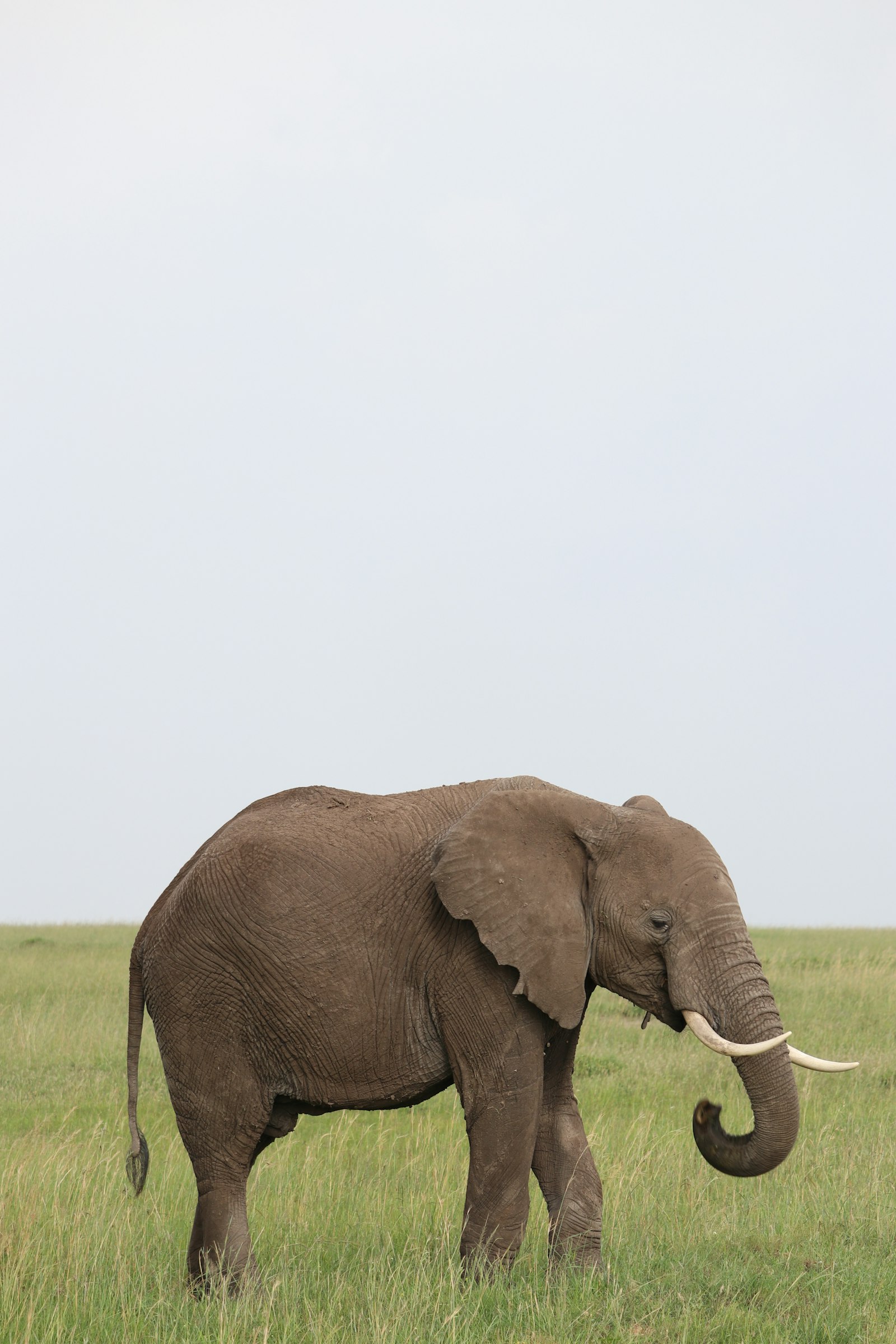
A Ruaha National Park safari is for travellers who want wild, uncrowded Tanzania. Ruaha lies in the south of the country, in the centre of a vast wilderness of rolling bush, rocky hills, dry riverbeds and ancient baobab trees. Few vehicles share the tracks, so game drives feel private and unhurried, and a pride of lions, a herd of elephant or a rare wild dog pack is often yours alone. The park is also known for walking safaris, big skies and some of the best predator viewing in southern Tanzania.
This guide covers what you will see on a Ruaha National Park safari, where to stay, the best time to visit and how to reach the park. Sense of Adventure is a licensed Nairobi-based operator, and we can arrange Ruaha as a fly-in stay on its own, or combine it with the Serengeti, Ngorongoro Crater, Nyerere (Selous) or Zanzibar.
Ruaha National Park at a Glance
Ruaha is one of Tanzania’s largest national parks, in the south of the country, west of the town of Iringa and a long way from the northern circuit of the Serengeti and Ngorongoro. It is a place where several kinds of Africa meet. Here the dry bush of the east meets the miombo woodland of the south, so you can see animals that are usually found in different regions in a single drive. The Great Ruaha River is the heart of the park. In the dry season it shrinks to pools and sandy channels, and almost every animal in the area comes to it to drink.
The park is remote, and that is much of its appeal. Most people reach it by light aircraft, there are only a handful of camps and lodges, and the pace is slow. A Ruaha National Park safari rewards guests who like to be out early, sit quietly at a river bend and let the bush come to them.
Why Choose a Ruaha National Park Safari
- Peace and space: a small number of camps means very few vehicles at any sighting, so you can watch animals for as long as you like.
- Strong predator viewing: lion, leopard and cheetah are all seen here, and the park is known for large lion prides and for African wild dog.
- Baobab country: huge baobab trees stand across the hills and plains, giving the park a look that is quite different from the Serengeti.
- Rare antelope: greater and lesser kudu, sable and roan antelope can be seen here, species that many guests do not meet on a northern safari.
- Walking safaris: some camps offer guided bush walks with an armed ranger and an expert guide, which is a very different way to read the bush.
- Easy to combine: a Ruaha National Park safari pairs naturally with Nyerere (Selous) for a southern circuit, or with the northern parks for a longer Tanzania journey.
Wildlife on a Ruaha National Park Safari
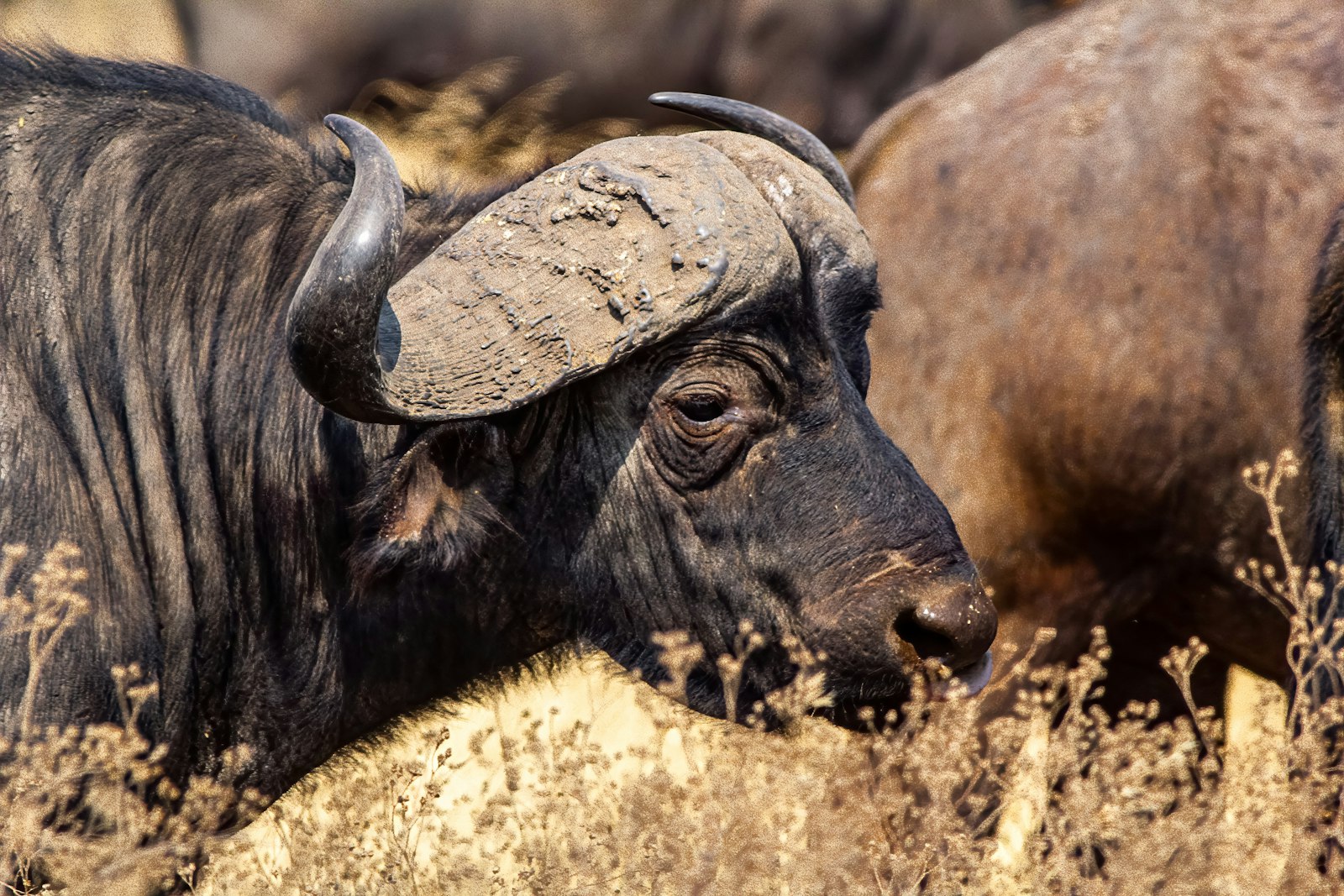
Ruaha has elephant, buffalo, giraffe, zebra, hippo, crocodile, lion, leopard, cheetah and a long list of antelope. The meeting of two ecosystems explains why greater kudu, with their spiralled horns, and the smaller lesser kudu both live here, together with sable and roan, eland, hartebeest, impala and dik-dik. Lion prides can be large, and the open, rocky country gives good chances of seeing them hunt or rest on a kopje in the evening light. Leopard are often spotted along the dry riverbeds and in the tall trees, and cheetah use the more open plains.
African wild dog are one of the special hopes on a Ruaha National Park safari. They roam over huge areas, so sightings are never guaranteed, but the park is one of the places in Tanzania where they are regularly recorded. Birdlife is rich too, with hundreds of species, from hornbills and bee-eaters to raptors, kingfishers and waterbirds along the river.
Where to Stay in Ruaha
- Jabali Ridge is a lodge tucked into a rocky kopje with wide views, a pool and excellent guiding, open through the year.
- Kwihala Camp is a classic tented bush camp, focused on game viewing and expert walking safaris.
- Ruaha River Lodge is a long-established lodge of stone bandas right beside the river, with very good value in a remote park.
See all of our Tanzania lodges for photos and full descriptions.
Best Time for a Ruaha National Park Safari
The dry season from June to October is the classic time. The grass is short, the bush is open and the animals concentrate along the Great Ruaha River and its remaining pools, so sightings are at their easiest. Days are warm and dry, and nights and early mornings can be cool. November to April is the green season. The park is lush and quiet, the birdlife is at its best and young animals appear, but the grass is taller and wildlife is more spread out. The heaviest rain usually falls in March and April, and some tracks become slow, so we check access and camp opening dates before we quote.
If this is your first visit, we usually recommend the dry months. If you prefer green scenery, fewer people and good birding, the green season is a rewarding alternative.
How to Get There
Most guests fly. Scheduled and charter light aircraft serve Ruaha’s airstrips from Dar es Salaam and Arusha, and also link with Nyerere (Selous), which makes a southern circuit simple. The flight is a scenic start to the safari, and your camp vehicle collects you at the airstrip for a game drive on the way to camp. The road from Dar es Salaam or from the town of Iringa is much longer, so we rarely suggest it unless you are building an overland itinerary.
Light aircraft have luggage limits, so we ask guests to pack in soft bags. A Ruaha National Park safari combines easily with northern Tanzania for a contrast between the famous plains of the north and the wilder south, and our team arranges every flight, transfer and vehicle together.
Things to Do on a Ruaha National Park Safari
- Game drives: morning and afternoon drives along the Great Ruaha River, across the open plains and into the baobab woodland. Because traffic is light, your guide can stay with a sighting for as long as it is rewarding.
- Walking safaris: several camps offer guided walks with an experienced guide and an armed ranger. You learn to read tracks, trees and insects, and to watch larger animals from a respectful distance.
- Sundowners: a drink on a kopje or beside a dry riverbed as the light turns gold is a fine way to end the day.
- Birdwatching: the river, the woodland and the open plains each have their own species, and the green season is especially good for migrants and breeding birds.
- Bush meals and stargazing: with so little light pollution, the night sky is spectacular, and many camps arrange dinners or breakfasts in the bush.
- Photography: long, quiet sightings give time to work on composition, which many guests value more than the number of species they see.
Sample Ruaha National Park Safari Itineraries
4 days / 3 nights: fly-in Ruaha
Fly from Dar es Salaam or Arusha in the morning, land at the park airstrip and start your first game drive on the way to camp. Spend three nights with morning and afternoon drives, one guided walk and an evening by the river. Fly out on the fourth morning in time for an onward connection.
6 days / 5 nights: Ruaha and Nyerere
Spend three nights in Ruaha for lions, kudu and baobab country, then fly to Nyerere (Selous) for two nights of boat safaris on the Rufiji River and walking. It is a complete picture of the south, with dry bush, riverine forest and water-based game viewing.
9 days / 8 nights: the south and the Serengeti
Begin with a Ruaha National Park safari for the quiet of the south, then fly north to the Serengeti for big herds and big cats, and finish with a night at the Ngorongoro highlands or in Arusha. This gives you both ends of Tanzania in just over a week.
11 days / 10 nights: safari and beach
Combine Ruaha, Nyerere and a few days on Zanzibar. The wild south suits guests who want bush quiet before the island, and the flights link easily through Dar es Salaam.
Comparing the Ruaha Lodges
| Lodge | Style | Best for |
|---|---|---|
| Jabali Ridge | Lodge built into a rocky kopje, with a pool and wide views | Couples, comfort seekers and year-round stays |
| Kwihala Camp | Classic tented bush camp | Game viewing and expert walking safaris |
| Ruaha River Lodge | Stone bandas on the river bank | Value, river views and a long-established feel |
Conservation and the Ruaha Story
Ruaha is part of a large protected landscape in southern Tanzania, and the wider ecosystem is an important refuge for elephant, lion and wild dog. The park is managed by Tanzania National Parks, known as TANAPA, and park fees support ranger patrols, anti-poaching work and the upkeep of tracks. Many of the camps run community programmes, employ staff from nearby villages and keep their own environmental footprint small. When you choose a Ruaha National Park safari, you help keep this large wilderness valuable to the people who live beside it as well as to the wildlife.
Photography Tips for Ruaha
Ruaha’s light is clear and the landscape is varied, with red earth, golden grass, grey baobab trunks and wide skies. A zoom lens covers most sightings, and a longer lens helps for birds and distant predators. Early morning gives soft light on the river, and late afternoon turns the baobabs gold. In the dry season, keep a cloth and a dust cover for your camera. Because there are few vehicles, your guide can position the car for the best angle and wait quietly, which suits patient photographers.
Ruaha Compared With Other Tanzania Parks
Compared with the Serengeti, Ruaha has far fewer vehicles and no great migration, but its predator viewing is excellent and the sense of space is greater. Compared with Tarangire, it is larger, more remote and offers walking safaris at several camps. Compared with Nyerere (Selous), it is drier and more open, while Nyerere is better for boat safaris. Compared with the Ngorongoro Crater, it is the opposite experience: not a single great spectacle on a crater floor, but a slow and wide wilderness. For guests who have already seen the northern circuit, a Ruaha National Park safari is the park most often chosen as the next step.
What a Ruaha National Park Safari Costs
The main costs are the camp or lodge, the park fee, the vehicle and guide, and the flights. Camps range from good-value lodges to luxury properties, and the park fees are set by TANAPA per person per day. Flying in adds an airfare but saves many hours on the road. We quote the whole trip as a single price per person, and we confirm the current park fees in your quote, so you can compare options easily.
Packing List for a Ruaha National Park Safari
Ruaha is warm and dry for much of the year, so a Ruaha National Park safari calls for light, neutral-coloured clothing, a wide-brimmed hat, sunglasses and good sun protection. Early mornings and evenings can be cool on an open vehicle, so bring one warm layer. Pack binoculars, a camera with a zoom lens, a power bank, insect repellent and comfortable closed shoes for walks. Use a soft bag, because light aircraft have strict luggage limits. A scarf or buff helps on the dustier tracks.
Who a Ruaha National Park Safari Suits
A Ruaha National Park safari suits travellers who have already done a classic northern trip and want something quieter, couples looking for privacy, keen photographers, birdwatchers and walkers. It is also a good choice for guests who care about conservation and enjoy slow, patient wildlife viewing. It is less suited to visitors with only two or three days in Tanzania, because the flight and the distances mean a stay of at least two nights is worthwhile. Families with older children who enjoy the bush can also enjoy it, and we check each camp’s age policy before we book.
How Many Nights Do You Need?
Three nights give you time for several game drives, a guided walk and a rest day by the river. Two nights is the minimum we suggest for a fly-in stay. Guests who love birds, walking and photography often add a fourth night, and those combining Ruaha with Nyerere usually split their time evenly between the two parks.
Tips for Your Ruaha National Park Safari
- Start game drives early, because animals are most active in the cool hours.
- Bring binoculars for birds and distant predators.
- Pack in a soft bag, as light aircraft have luggage limits.
- Carry sun protection and plenty of water.
- Park fees are set by Tanzania National Parks and can change, and we confirm the current fees in your quote.
How We Plan Your Ruaha National Park Safari
We book your camp, vehicle, guide, park fees and any flights together, so you deal with one team from enquiry to departure. Our safaris are private and tailored to your dates, budget and interests, and we match each guest to a camp that suits the way they like to travel.
Ruaha National Park Safari FAQs
Is a Ruaha National Park safari worth the extra travel?
Yes, for guests who want a quiet park with strong predator viewing, baobab scenery and walking safaris. The flight is short and scenic.
How many nights do I need?
Three nights give you time for several game drives, a walk and a rest day.
Can I see wild dog in Ruaha?
Wild dog are seen here regularly, though they roam widely and sightings cannot be promised.
When is the best time for a Ruaha National Park safari?
June to October is the driest and easiest for game viewing. The green season from November to April is lush and excellent for birds.
Can I combine Ruaha with other parks?
Yes. Ruaha pairs well with Nyerere (Selous), the Serengeti, the Ngorongoro Crater and Zanzibar, and we plan the flights together.
Start Planning Your Ruaha National Park Safari
A Ruaha National Park safari gives you wild country, big prides, baobab landscapes and a quiet, private experience. Send us your dates, group size and budget, and we will design the route. Explore all our Tanzania national parks, read about Tanzania safari holidays, or browse our Kenya and Tanzania safari packages and safari combinations for ideas.