
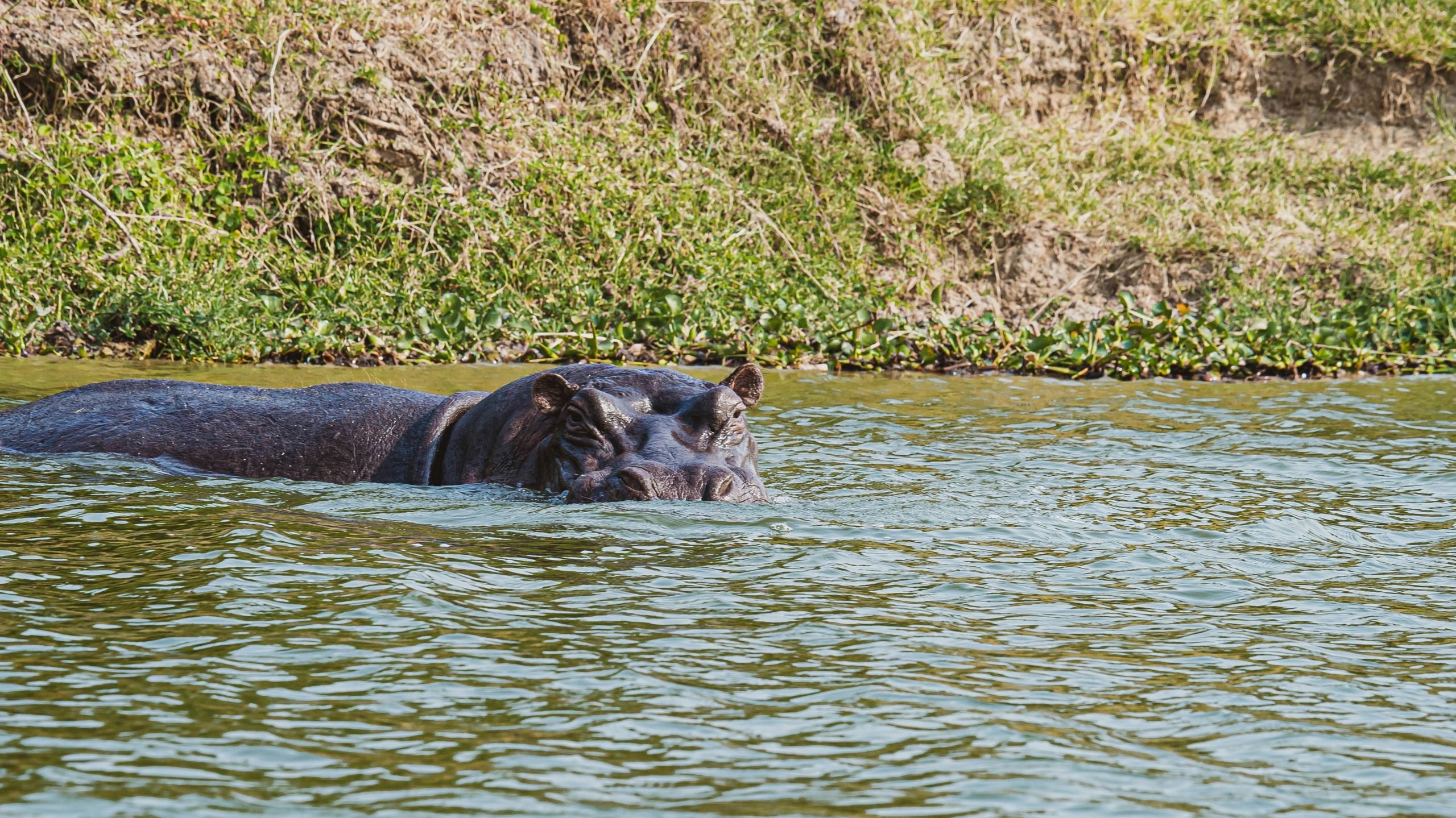
A Nyerere National Park safari is for travellers who want to see Tanzania from the water, on foot and in an open vehicle, in a park that few visitors reach. Nyerere is the northern sector of what was long known as the Selous Game Reserve, and it was made a national park in 2019. The Rufiji River winds through it, feeding lakes, channels and floodplains where hippo, crocodile, elephant and hundreds of bird species gather. Camps are small and spread far apart, so game drives, boat trips and walks feel private.
This guide covers what to expect on a Nyerere National Park safari, where to stay, the best time to visit and how to get there. Sense of Adventure is a licensed Nairobi-based operator, and we can build Nyerere into a Tanzania itinerary on its own, with Ruaha, or as a bush stop before the beaches of Zanzibar.
Nyerere National Park at a Glance
Nyerere lies in southern Tanzania, west of the Indian Ocean coast and Dar es Salaam, and it is part of the larger Selous ecosystem, one of the biggest protected wilderness areas in Africa. The northern sector is the part set aside for photographic tourism, and it is the area that most travellers know as the Selous. The scenery is a mix of riverine forest, open woodland, grassy plains and a chain of lakes that fill and shrink with the seasons.
The park is named after Julius Nyerere, Tanzania’s first president. It is managed by the Tanzania National Parks Authority, known as TANAPA, and its tourism area is compact enough that the lodges and camps are all within reach of the river. That layout is what makes a Nyerere National Park safari different from the northern circuit parks: there are fewer vehicles, fewer rooms and many more ways to see the wildlife.
Why Choose a Nyerere National Park Safari
- Boat safaris: glide along the Rufiji and its lakes with hippo, crocodile and water birds close to the boat.
- Walking safaris: guided walks with an armed ranger let you read tracks, plants and small details that a vehicle passes by.
- Privacy: few camps and wide spaces mean you often share a sighting with no other vehicle.
- Varied habitats: river, lake, woodland and grassland in one park, each with its own birds and animals.
- A different Tanzania: the south has a wilder, quieter feel than the northern circuit, and it suits a second or third visit.
- Easy to combine: a Nyerere National Park safari pairs naturally with Ruaha, or with a few beach nights in Zanzibar.
Wildlife on a Nyerere National Park Safari
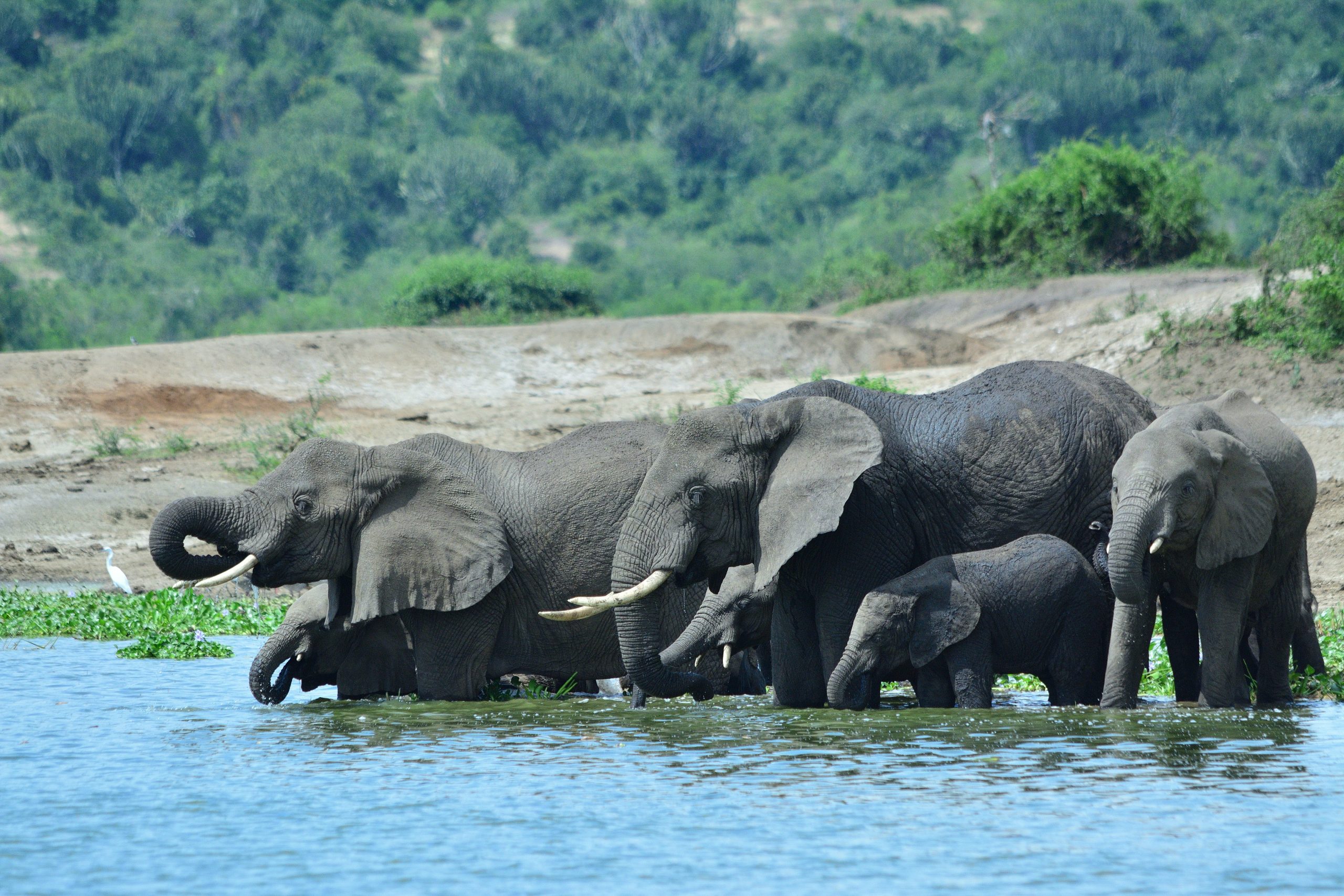
Elephant, buffalo, giraffe, zebra, wildebeest, hippo and crocodile are all regularly seen, and the woodland holds impala, waterbuck, kudu, hartebeest and other antelope. Lion and leopard live here too, and the area is known for African wild dog, one of Africa’s most endangered predators, which can be spotted when packs are moving through. Sightings are not guaranteed anywhere in the wild, but patient guiding and time on the water give you good chances.
The birdlife is a highlight. Kingfishers, bee-eaters, herons, storks, fish eagles and many other species use the river and the lakes, and the rainy months bring migrants. Nyerere rewards slow travel, early starts and guides who stop for the small things as well as the big animals.
Where to Stay in Nyerere
- Sand Rivers Selous has open-fronted stone-and-thatch rooms above a bend in the Rufiji River, and is a flagship stay for walking and boating.
- Roho ya Selous is a tented camp between lakes and woodland, strong for boating and walking.
- Siwandu is a lakeside tented camp long regarded as one of the finest in the south.
See all of our Tanzania lodges for photos and full descriptions.
Best Time for a Nyerere National Park Safari
The dry season, from about June to October, is the classic time for a Nyerere National Park safari. Vegetation thins, animals concentrate along the river and the lakes, and the weather is warm and mostly clear. Game drives and walks are at their easiest, and the late dry months can be hot, so early starts matter.
From November the short rains begin, and the long rains follow in roughly March to May. The park turns green, birdlife peaks and the landscape is beautiful, but some tracks become slow and certain camps close for part of the wet season. If you plan a Nyerere National Park safari outside the dry months, tell us your dates and we will confirm which camps are open and which activities are running.
How to Get There
Most guests fly. Light aircraft leave Dar es Salaam for airstrips in the park, and the flight takes you over the coastal plain and the river before you land close to your camp. It saves a long day on the road and is the usual way to reach the park. Baggage on small aircraft is limited, so we advise soft bags. Drives from Dar es Salaam are possible, but the road journey is long, so we normally suggest flying in and out.
Nyerere connects well with other parts of Tanzania. Many itineraries fly from Nyerere to Dar es Salaam and then on to Zanzibar for a beach finish, or link south to Ruaha for a second bush landscape. We arrange the flights, transfers and park entry together.
Things to Do on a Nyerere National Park Safari
- Boat safaris: the signature activity. Slow boats move along the river and across the lakes with a guide, and you see hippo, crocodile, elephants coming to drink and a wide range of birds. Boats are quiet and low, so animals often ignore them.
- Game drives: morning and afternoon drives cover woodland and plains, with the chance of lion, giraffe, buffalo and antelope. Traffic is very light.
- Walking safaris: guided by a trained guide and a ranger, walks focus on tracks, trees, insects and birds, and they show how the bush works. Your guide briefs you carefully before every walk.
- Fly camping: some camps offer a night in a simple tent away from the main lodge, with a guide and a camp crew. It is a more adventurous option and must be arranged in advance with the camp.
- Birdwatching: a good birding guide can turn a lakeside morning into a long list of species.
- Sundowners: an evening drink above the river is a quiet way to end the day.
Activities depend on the camp, the season and water levels, so we match the programme to your dates. The programme is flexible: you can mix boats, walks and drives day by day.
Sample Nyerere National Park Safari Itineraries
3 days / 2 nights: a fly-in taste of Nyerere
Fly from Dar es Salaam in the morning and land at the park, where your camp vehicle collects you for a game drive on the way to lunch. Spend two nights with a boat trip, a walk and a drive, then fly back to Dar es Salaam in time for an onward flight. It is the shortest sensible trip.
5 days / 4 nights: Nyerere and Zanzibar
Three nights in Nyerere with boating, walking and drives, then fly to Dar es Salaam and on to Zanzibar for two nights on the beach. It is a compact bush and beach holiday for travellers with limited time.
7 days / 6 nights: the quiet south
Combine Nyerere with Ruaha National Park. Spend three nights at Nyerere on the water and three at Ruaha among baobabs and dry riverbeds, with light-aircraft hops between them. You see two very different southern landscapes without crowds.
10 days / 9 nights: south and north
Start with a Nyerere National Park safari for the river and the walking, then fly north to Arusha for Tarangire, the Ngorongoro Crater and the Serengeti. It gives you the quiet of the south and the classic highlights of the north in one trip.
Comparing the Nyerere Camps
| Camp | Style | Best for |
|---|---|---|
| Sand Rivers Selous | Open-fronted stone-and-thatch rooms above a bend in the Rufiji | Walking, boating and river views |
| Roho ya Selous | Tented camp between lakes and woodland | Boating, walking and a classic bush feel |
| Siwandu | Lakeside tented camp | Couples, lake views and a relaxed pace |
Conservation and the Nyerere Story
The Selous ecosystem has a long conservation history, and its protection has been a major effort for Tanzania and its partners. Making the northern sector a national park in 2019 gave it the status and management of a TANAPA park, and the new name honours Julius Nyerere. Large protected areas like this matter because animals such as elephant and wild dog need room to move across wide landscapes.
Your park fees support ranger patrols and the upkeep of the park, and the camps employ people from nearby communities. Choosing small camps with low-impact practices helps keep the area quiet and wild.
Photography Tips for Nyerere
Boats are a stable, low platform for photography, and you can shoot at water level with hippo, crocodile and birds. A mid-range zoom is enough for most subjects, and a longer lens helps with birds and distant animals. Early morning gives soft light on the river, and late afternoon gives warm colour on the water. Bring dry bags or covers for cameras on the boat, a cloth for dust on the drives, and spare batteries, because camps may have limited charging time.
Nyerere Compared With Other Tanzania Parks
Compared with the Serengeti, Nyerere has fewer big herds and fewer vehicles, but far more variety in how you watch wildlife, with boats and walks. Compared with Tarangire, it is greener along the river and quieter. Compared with Ruaha, it is wetter and more water-based, while Ruaha is drier and known for its baobabs and large predator numbers. Many guests choose Nyerere as a second Tanzania trip, after they have already seen the Serengeti and the Ngorongoro Crater.
What a Nyerere National Park Safari Costs
The main costs are the camp, the park fee, the light-aircraft flights and the guiding. Camps range from comfortable to luxury, and because flying is the usual way in, the flights are an important part of the budget. Park fees are set by TANAPA and can change, so we confirm the current fees in your quote rather than quoting a figure here. We give you one price per person that includes the stay, the flights, the park entry and the activities, so you can compare options easily.
Packing List for a Nyerere National Park Safari
Light, neutral clothing works best: long sleeves and trousers in muted greens, tans and khaki for the evenings and the walks, plus shorts and a T-shirt for the heat of the day. Bring a wide-brimmed hat, sunglasses, sun cream, insect repellent, binoculars and a camera with a zoom lens. Closed shoes are important for walks. Pack in a soft bag, because small aircraft have weight limits, and add a light rain jacket for the wetter months. A warm layer is useful for early mornings on the boat.
Who a Nyerere National Park Safari Suits
A Nyerere National Park safari suits travellers who want a quieter, more active safari: couples, birdwatchers, photographers, return visitors to Africa and anyone who prefers boats and walks to long hours in a vehicle. It also suits guests who want to add Zanzibar, since the flight connections are simple. It is less suited to travellers with only a day or two to spare, because the fly-in nature of the trip means at least two nights make sense.
How Many Nights Do You Need?
Two nights is the minimum, three is better and four gives time for boats, walks, drives and a rest day by the river. If you plan to combine Nyerere with Ruaha or Zanzibar, three nights in each place is a good pattern.
Tips for Your Nyerere National Park Safari
- Fly in rather than drive if time is limited, since the road from Dar es Salaam is long.
- Choose the dry months for the easiest game viewing.
- Bring binoculars for birds and distant animals.
- Pack in a soft bag for light aircraft.
- Park fees are set by Tanzania National Parks Authority and can change, and we confirm the current fees in your quote.
How We Plan Your Nyerere National Park Safari
We book your camp, flights, transfers, guiding and park fees together, so you deal with one team from enquiry to departure. We tailor each itinerary to your dates, budget and interests, and we confirm which activities are running at the time you travel.
Nyerere National Park Safari FAQs
Is Nyerere the same as the Selous?
Nyerere National Park covers the northern sector of the former Selous Game Reserve. Many travellers and camps still use the name Selous, and the camps listed here sit in that same area.
How do I get to Nyerere?
Most guests take a light-aircraft flight from Dar es Salaam, which saves a long road journey. Road transfers can be arranged if you prefer.
How many nights do I need?
Two nights is the minimum, and three or four give you time for boats, walks and drives.
Can I go on a walking safari?
Yes. Many camps offer guided walks with a trained guide and an armed ranger, and your guide briefs you before you set off.
Can I combine Nyerere with Zanzibar?
Yes. A Nyerere National Park safari followed by a few beach nights in Zanzibar is a popular bush-and-beach route.
Start Planning Your Nyerere National Park Safari
A Nyerere National Park safari gives you river, lakes, walking and a quiet corner of Tanzania. Send us your dates, group size and budget, and we will design the route. Explore all our Tanzania national parks, read our Tanzania safari holidays guide, browse Kenya and Tanzania safari packages, see our safari combinations or plan the beach finish on Zanzibar.