
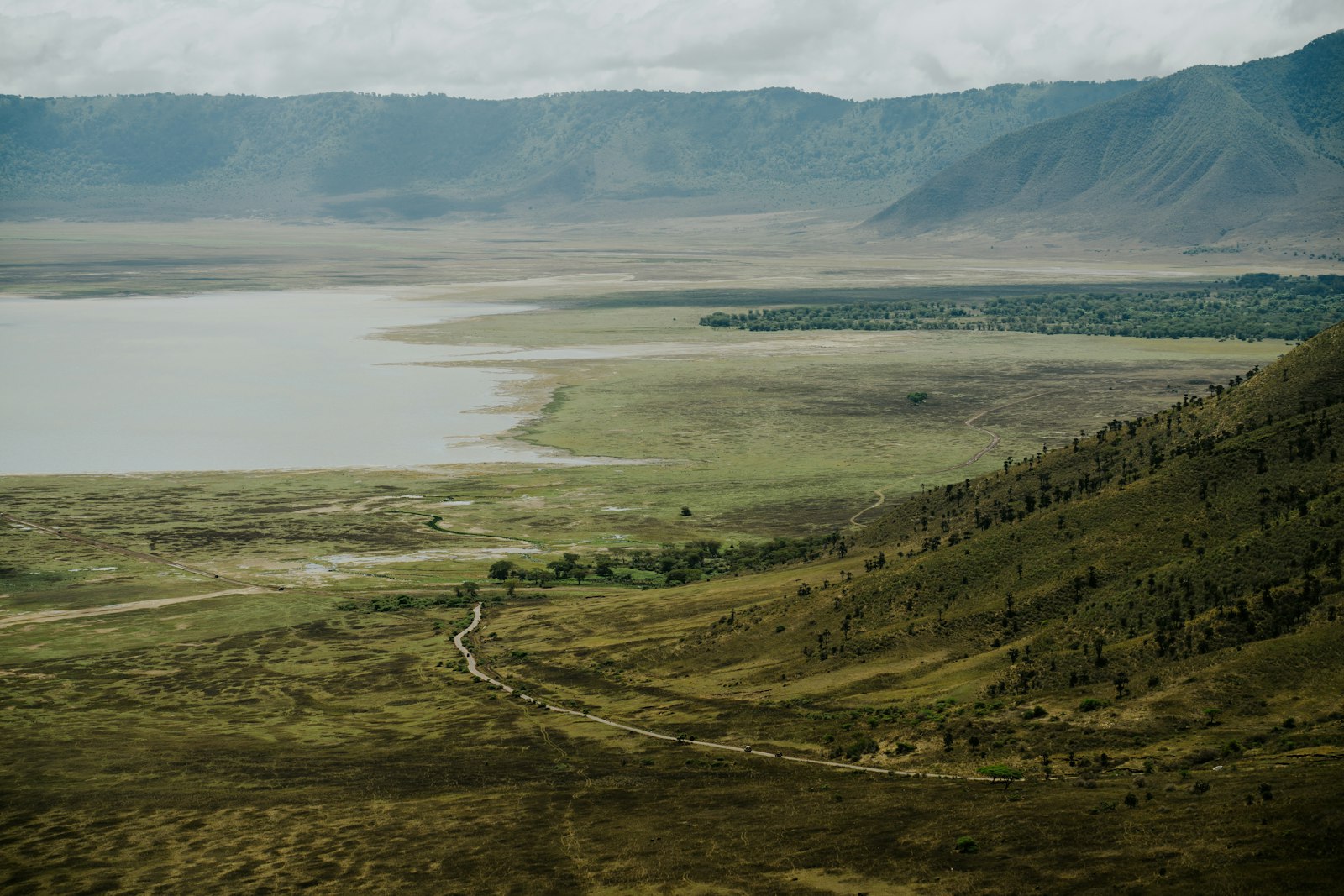
A Ngorongoro Crater safari takes you down into one of the great natural amphitheatres of Africa. The crater is a vast, unbroken caldera whose steep walls hold a self-contained world of grassland, swamp, forest and soda lake, and the animals that live on its floor are easy to find. Lion, hyena, buffalo, zebra and wildebeest are resident, and it is one of the best places in Tanzania to look for black rhino. Few safari days are as rewarding in so little time.
This guide explains what you will see on a Ngorongoro Crater safari, where to stay, the best time to visit and how to fit the crater into a wider Tanzania route. Sense of Adventure is a licensed Nairobi-based operator, and we arrange the crater as part of private Land Cruiser journeys with the Serengeti, Tarangire and Lake Manyara.
Ngorongoro Crater at a Glance
The crater lies inside the Ngorongoro Conservation Area in northern Tanzania, which is managed by the Ngorongoro Conservation Area Authority (NCAA) rather than by the national parks authority, TANAPA. That makes it a conservation area, not a national park, and the difference matters because people live and graze livestock here alongside wildlife. The area is a UNESCO World Heritage Site, recognised for its wildlife, its geology and its human history.
The crater itself is a collapsed volcano. Its walls rise some 600 metres above the floor, and the floor is roughly 20 kilometres across. Because the walls are steep, many animals live in the crater for much of their lives, which is why sightings are reliable. A typical Ngorongoro Crater safari involves a steep early-morning descent by 4×4, a day of game drives on the floor, a picnic lunch beside a pool, and a climb back to the rim in the afternoon.
Why Choose a Ngorongoro Crater Safari
- Dense wildlife: the crater floor holds a large share of the species you hope to see, in a compact area that is easy to cover in a single day.
- A good chance of black rhino: the crater is among the better places in Tanzania to look for this rare animal, though sightings are often at a distance.
- Dramatic scenery: the rim, the mist, the soda lake and the forest give a Ngorongoro Crater safari an atmosphere unlike any other park.
- Lodges on the rim: wake up above the caldera, with views that change with the light and the clouds.
- Culture and history: Maasai communities live in the conservation area, and nearby Olduvai Gorge is a famous site in the story of early humans.
- Easy to combine: the crater sits between Lake Manyara, Tarangire and the Serengeti, so it fits naturally into almost every northern Tanzania route.
Wildlife on a Ngorongoro Crater Safari
Lion are the headline here, and resident prides are often seen resting in the grass or following the herds. Spotted hyena are common, and you may see jackal, serval and cheetah on the open ground. Large herds of wildebeest and zebra graze the plains, with Thomson’s and Grant’s gazelle, eland, waterbuck and warthog among them. Buffalo are numerous, and many of the elephants you meet are old bulls that wander in and out of the Lerai forest.
Hippo gather in pools at the Ngoitokitok spring, where a picnic site gives you a safe place to get out and eat while watching them. Lake Magadi, the soda lake on the floor, draws flamingos when conditions suit, along with other waterbirds. Birdwatchers can also look for ostrich, crowned crane, kori bustard and a long list of raptors. Giraffe are not resident on the crater floor, which surprises many guests, but they are common elsewhere in the conservation area and on the Serengeti plains.
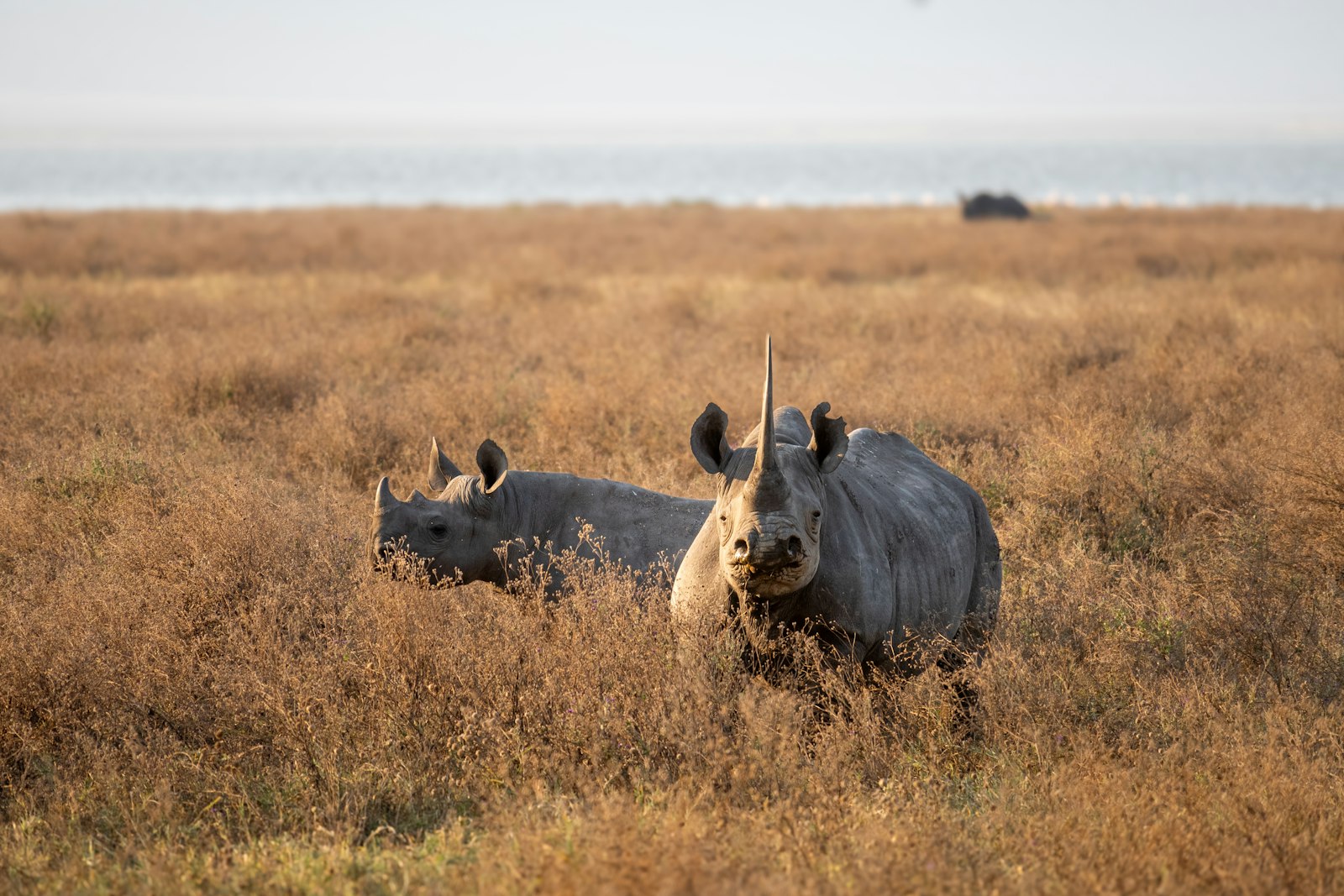
Black rhino are the animal most guests hope for. They tend to keep their distance, so binoculars help, and your driver-guide will work with other guides to find them. A Ngorongoro Crater safari is therefore less about a long list of rarities and more about unhurried viewing of classic animals in extraordinary surroundings.
Where to Stay at Ngorongoro
- &Beyond Ngorongoro Crater Lodge offers extravagant suites perched right on the crater rim, for travellers who want a special-occasion stay.
- Ngorongoro Serena Safari Lodge is a stone-built lodge blended into the rim, with uninterrupted views into the caldera.
- Ngorongoro Sopa Lodge is the only lodge on the eastern rim and is closest to its own private descent road.
- Gibb’s Farm is a working coffee farm and garden retreat on the forested slopes below the crater, with a calm, homely feel.
See all of our Tanzania lodges for photos and full descriptions.
Best Time for a Ngorongoro Crater Safari
The crater can be visited all year because its animals are resident. The dry months, from late June to October, bring clearer roads, shorter grass and easy viewing, and they are the most popular period. January and February are also dry and bright. The long rains, from about March to May, turn the crater green and quiet, with fewer vehicles and often lower rates, although some tracks can be slippery and cloud may sit on the rim. November and December bring the short rains, when afternoons can be showery but mornings are often clear.
Because the rim sits high, mornings and evenings are cool in every season, and mist is common. Dress in layers whenever you plan a Ngorongoro Crater safari, even in the dry months.
How to Get There
By road, your private Land Cruiser and driver-guide travel from Arusha through the farmland town of Karatu to the rim, usually in about three to four hours with stops. It is a scenic drive through highlands, coffee farms and the edge of the Rift Valley escarpment. If you are coming from Kenya, we can arrange the border crossing and a Tanzanian vehicle on the other side, as part of one itinerary.
Scheduled and charter flights also serve airstrips near Lake Manyara and in the wider region, and a short transfer by road completes the journey. Most guests combine the crater with the Serengeti, travelling between the two by road or by light aircraft. Our Kenya and Tanzania safaris show how a Ngorongoro Crater safari can follow time in the Masai Mara.
Things to Do on a Ngorongoro Crater Safari
- Crater floor game drive: the main event. Descent roads are steep, so vehicles go down early, and a time limit applies on the floor, which your driver-guide manages for you.
- Picnic at Ngoitokitok: eat lunch at a marked site beside the spring pools, with hippo and birds in view.
- Lake Magadi and Lerai forest: drive the lake shore for birds and explore the acacia forest, where elephants sometimes shelter.
- Visit a Maasai village: a respectful, community-run visit helps you understand how people live in the conservation area. We arrange these with communities that welcome guests.
- Olduvai Gorge: stop at the museum and viewpoint on the way to or from the Serengeti to learn about early human discoveries.
- Rim walks and Empakai Crater: some lodges offer short walks along the rim, and a guided hike to the smaller Empakai Crater gives a very different view of the highlands. Ol Doinyo Lengai, the sacred volcano, is visible in good weather.
Sample Ngorongoro Crater Safari Itineraries
3 days / 2 nights: the crater express
Drive from Arusha to the rim on day one, with a stop in Karatu and an evening on the rim. Descend into the crater early on day two for a full day of game drives and a picnic lunch, then return to the lodge. Drive back to Arusha on the morning of day three. This is the simplest way to fit a Ngorongoro Crater safari into a short trip.
5 days / 4 nights: Tarangire and the crater
Spend the first night near Tarangire National Park, known for its elephants and baobab trees, then continue to the rim for two nights. A full day in the crater is followed by a free morning for a village visit or a rim walk before the drive back to Arusha.
7 days / 6 nights: Manyara, the crater and the Serengeti
Begin at Lake Manyara, cross to the rim for a Ngorongoro Crater safari day, then continue through Olduvai Gorge to the central Serengeti for three nights. It is the classic northern circuit, with forest, caldera and plains in a single week.
9 days / 8 nights: the full northern circuit
Add Tarangire at the start and a fourth Serengeti night, or fly between the Serengeti and Arusha to save a long drive on the final day. The extra time lets you follow the herds and gives a more relaxed pace.
Comparing the Ngorongoro Lodges
| Lodge | Style | Best for |
|---|---|---|
| &Beyond Ngorongoro Crater Lodge | Extravagant suites on the crater rim | Honeymoons and luxury travellers |
| Ngorongoro Serena Safari Lodge | Stone-built lodge on the rim with caldera views | First-time visitors wanting views and comfort |
| Ngorongoro Sopa Lodge | Large lodge on the eastern rim near its own descent road | Families, groups and an early crater start |
| Gibb’s Farm | Coffee farm and gardens below the crater | Couples wanting a calm, countryside stay |
Conservation and the Ngorongoro Story
The conservation area was set up to protect wildlife while allowing Maasai pastoralists to continue living on the land, which makes it unusual among Tanzania’s protected areas. The crater and the wider highlands are recognised by UNESCO for their natural and cultural value. Management has to balance wildlife, livestock, tourism and water, and visitor fees help pay for that work. Black rhino conservation is a particular focus, as the species remains rare. When you take a Ngorongoro Crater safari, you support rangers, community projects and the long-term protection of one of Africa’s most important landscapes.
Photography Tips for the Crater
The crater’s light changes quickly. Early morning often brings mist on the rim and soft light on the floor, which makes beautiful pictures of lion and herds. A mid-range zoom covers most subjects, and a longer lens helps with rhino and birds. Bring a bean bag or rest your camera on the window frame to keep it steady. Dust can be an issue in the dry season, so keep a cloth and lens covers handy, and charge batteries the night before a Ngorongoro Crater safari day, because the long descent and picnic leave little time for stops.
Ngorongoro Compared With Other Tanzania Parks
Compared with the Serengeti, the crater is smaller and more concentrated, so wildlife is easier to find but you do not see the sweeping migration landscapes. Compared with Tarangire, it has more predators and rhino but fewer elephants and no baobab-lined rivers. Compared with Lake Manyara, it is bigger and has open plains rather than forest. Most guests combine all of these, using the crater as the day that guarantees strong sightings between longer stretches in the Serengeti. Our Great Migration safari page explains the Serengeti side of the story.
What a Ngorongoro Crater Safari Costs
The main costs are the lodge, the conservation area and crater service fees, the vehicle and driver-guide, fuel and any flights. Lodges range from comfortable mid-range properties to luxury rim lodges. Fees are set by the Ngorongoro Conservation Area Authority and by TANAPA for neighbouring national parks, and they can change, so we confirm the current rates in your quote. We price the whole trip as one figure per person, so you can compare options easily and see what is included.
Packing List for a Ngorongoro Crater Safari
The rim is high and cool, so a Ngorongoro Crater safari calls for layers: a warm fleece or jacket for early mornings and evenings, plus light clothing for the warmer crater floor. Choose neutral colours, and bring a wide-brimmed hat, sunglasses, sun cream and insect repellent. Binoculars are essential for rhino and birds, and a camera with a zoom lens is worth the weight. A light rain jacket helps in the wetter months, and a soft bag is best if you are flying, because light aircraft have luggage limits. Closed shoes are useful for lodge paths and rim walks.
Who a Ngorongoro Crater Safari Suits
A Ngorongoro Crater safari suits first-time visitors, families, couples, photographers and anyone who wants strong wildlife viewing in a short time. The rim lodges are a draw in their own right, and the crater is rewarding even on a short Tanzania trip. It is less suited to travellers who dislike early starts, since the best sightings come in the morning, or to those who prefer very quiet parks, because the crater is popular and vehicles gather at the best sightings. Choosing a rim lodge with its own descent road helps you start before the crowds.
How Many Nights Do You Need?
Two nights near the crater give you a full day on the floor and a relaxed arrival and departure. One night is possible if you are short of time, but you will feel the journey. Guests who also want a village visit, a rim walk or a hike to Empakai Crater often add a third night. Keep in mind that the crater is usually one stop on a longer route, so plan its nights alongside the Serengeti and Tarangire.
Tips for Your Ngorongoro Crater Safari
- Descend early, because animals are active in the cool hours and the roads are quieter.
- Wear layers, as the rim is cold and the floor is warm.
- Bring binoculars for rhino and birds.
- Take a packed breakfast if your lodge allows, so you reach the floor at first light.
- Fees are set by the conservation authorities and the national parks authority, TANAPA, and can change, and we confirm the current fees in your quote.
How We Plan Your Ngorongoro Crater Safari
We book your lodge, vehicle, driver-guide, fees and any flights together, so you deal with one team from enquiry to departure. Our safaris run in private 4×4 Land Cruisers with a pop-up roof, reclining seats and charging ports. We tailor each itinerary to your dates, budget and interests.
Ngorongoro Crater Safari FAQs
Is a Ngorongoro Crater safari worth it?
Yes. The crater offers reliable wildlife viewing, rhino chances and spectacular scenery in a single day, and it pairs well with the Serengeti.
How many nights do I need?
Two nights near the crater suit most guests, giving a full day on the floor and time to rest.
Is the crater a national park?
No. It lies in the Ngorongoro Conservation Area, managed by the Ngorongoro Conservation Area Authority, where wildlife and Maasai communities share the land.
Can I see rhino on a Ngorongoro Crater safari?
Often, yes. Black rhino live on the crater floor, though they are usually seen at a distance, so bring binoculars.
Is a Ngorongoro Crater safari suitable for families?
Yes. The compact floor means short distances between sightings, and we can recommend lodges that welcome children.
Start Planning Your Ngorongoro Crater Safari
A Ngorongoro Crater safari gives you lion, rhino, flamingo and a caldera view you will not forget. Send us your dates, group size and budget, and we will design the route. Explore all our Tanzania national parks, read our Tanzania safari guide or browse our Kenya and Tanzania safari packages for ideas.