
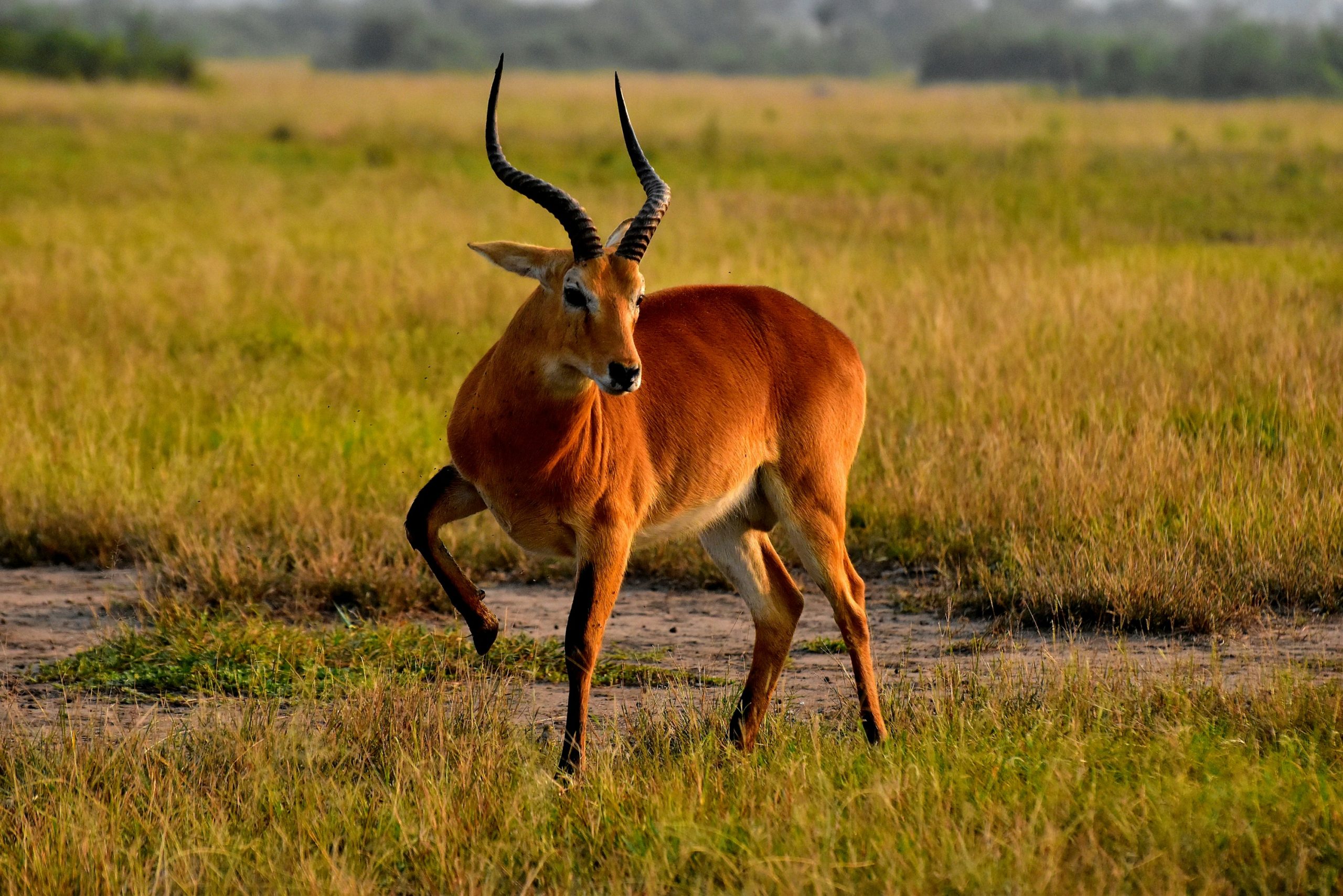
A Lake Mburo National Park safari is the easiest way to see Uganda’s savannah wildlife on foot, by boat, on horseback and in a vehicle. Lake Mburo is the closest savannah park to Kampala, with rolling hills, acacia woodland, papyrus swamp and a chain of lakes. It is home to zebra, eland, impala and giraffe, and because there are no elephants or many big predators, it is one of the few parks where guided walking safaris are popular.
This guide covers what you will see on a Lake Mburo National Park safari, where to stay, the best time to visit and how to reach the park. Sense of Adventure is a licensed Nairobi-based operator, and we arrange Lake Mburo alone or as a stop on the road to Bwindi.
Lake Mburo National Park at a Glance
Lake Mburo National Park is the smallest of Uganda’s savannah parks, in the south-west of the country on the road between Kampala and Bwindi. It centres on Lake Mburo and several smaller lakes, surrounded by grassland, acacia woodland and rocky ridges. The park is managed by the Uganda Wildlife Authority, and the land outside it is cattle country, with Ankole cattle and their long horns a common sight.
Its compact size means you can cover much of the park in a day or two, and it is a pleasant place to break the long journey between the capital and the gorilla forests.
Why Choose a Lake Mburo National Park Safari
- Walking safaris: with a ranger, you can walk among zebra and antelope, an experience not available in many Ugandan parks.
- Horseback riding: some lodges offer rides among the wildlife, a rare way to see the park.
- Boat trips: the lake holds hippos, crocodiles and a great deal of birdlife.
- Species found nowhere else in Uganda: impala, eland and Burchell’s zebra are among the main animals that visitors come to see here.
- Close to Kampala: a Lake Mburo National Park safari is a natural first or last stop on a western Uganda trip.
- Relaxed pace: short distances and a gentle atmosphere suit families and first-time safari guests.
Wildlife on a Lake Mburo National Park Safari
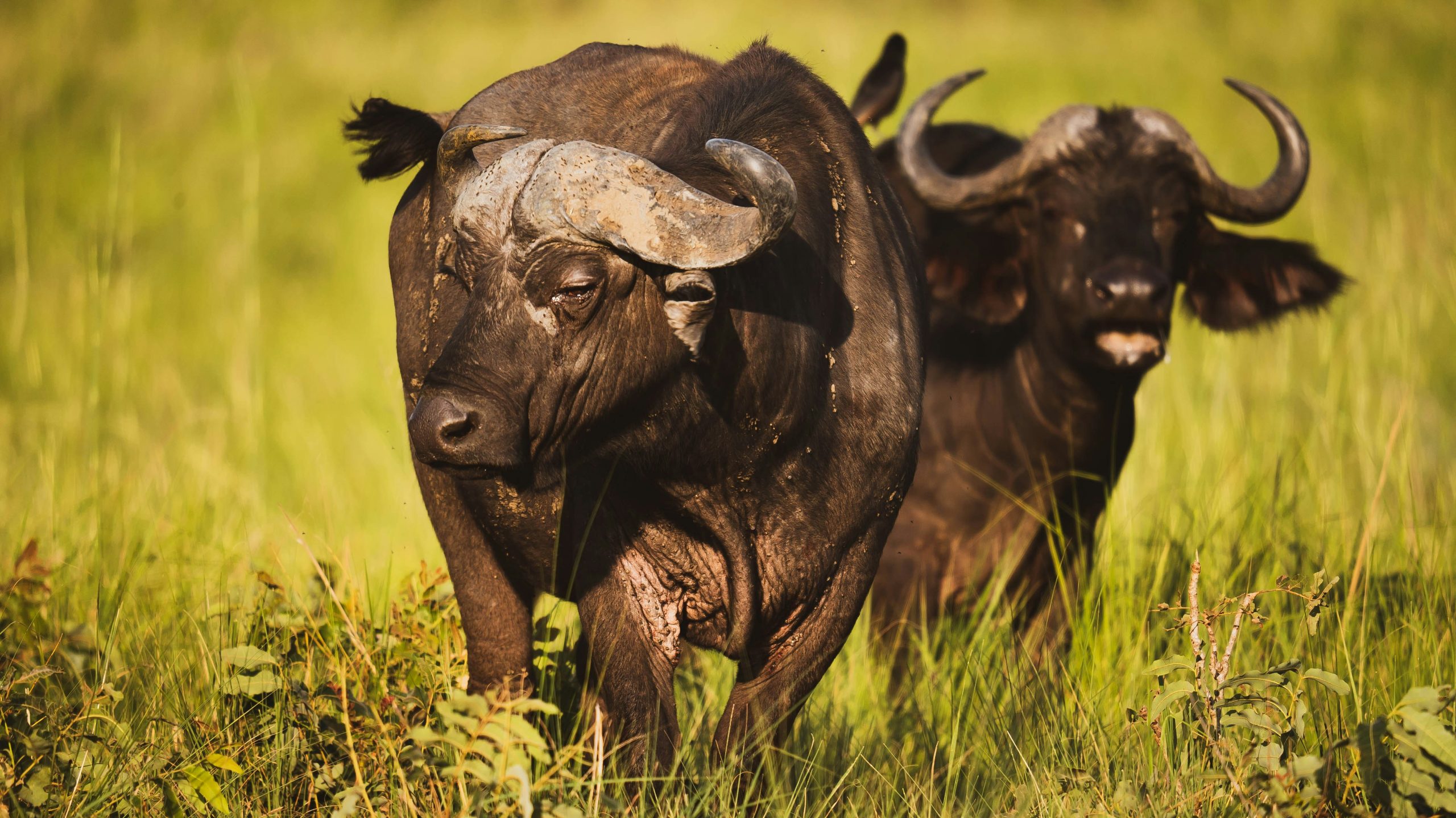
The park holds zebra, eland, impala, topi, waterbuck, bushbuck, oribi, warthog, buffalo, giraffe, hippo and crocodile. Leopards and hyenas live in the park, and are more often heard than seen. Elephants and lions are not a feature of the park, so a Lake Mburo National Park safari is more about plains game, birds and the experience of being out on foot or horseback.
Birdwatchers will enjoy the papyrus swamps, where the African finfoot and other water specialists live, and the acacia woodland, which holds barbets, hornbills, bee-eaters and the brown parrot. A wide range of birds can be seen on a single boat trip or walk.
Where to Stay in Lake Mburo
- Mihingo Lodge offers tented rooms on a rocky kopje overlooking a busy waterhole, with horseback riding.
- Rwakobo Rock has relaxed cottages on a granite outcrop, friendly and great value for families.
See all of our Uganda lodges for photos and full descriptions.
Best Time for a Lake Mburo National Park Safari
June to September and December to February are the driest months, when animals gather around water and the tracks are easy. The park is open all year, and the wetter months of March to May and October to November are green and quiet, with excellent birding. Because Lake Mburo is a lower-altitude park, mornings and afternoons are warm, so pack for sun in any season.
How to Get to Lake Mburo
By road, your private Land Cruiser and driver-guide travel from Entebbe or Kampala in about four hours along the Masaka road, which makes Lake Mburo the easiest Ugandan savannah park to reach. The route passes the equator crossing and small trading towns. Flights are rarely needed, since the drive is short, and the park sits right on the road to Bwindi and Mgahinga.
A Lake Mburo National Park safari combines naturally with Bwindi gorilla trekking, and with Queen Elizabeth National Park on a western circuit.
Things to Do on a Lake Mburo National Park Safari
- Game drives: morning and afternoon drives on the park tracks for zebra, eland, giraffe, buffalo and many antelope.
- Guided walking safaris: a ranger-led walk among plains game, with an armed ranger and a chance to study tracks, plants and insects.
- Boat trip on the lake: a calm cruise to see hippos, crocodiles and birds at close range.
- Horseback riding: available at some lodges, riding among zebra and antelope in the late afternoon light.
- Cycling and night walks: offered by some lodges and subject to park rules, a different way of experiencing the bush.
- Cultural visits: a visit to a local cattle-herding community to learn about Ankole cattle and traditional life.
Sample Lake Mburo National Park Safari Itineraries
2 days / 1 night: Lake Mburo express
Drive from Entebbe to the park, take an afternoon game drive, spend the night on a kopje and enjoy a morning walk before returning to Kampala.
3 days / 2 nights: Lake Mburo by road
Combine a game drive, a boat trip, a walking safari and a horseback ride over two nights, with a leisurely drive back.
6 days / 5 nights: Lake Mburo and Bwindi
Spend one night at Lake Mburo on the way to Bwindi, trek gorillas, and return via Lake Bunyonyi. It balances savannah and rainforest.
8 days / 7 nights: southern Uganda
Start with a Lake Mburo National Park safari, continue to Queen Elizabeth for a boat cruise and lions at Ishasha, then trek gorillas at Bwindi before returning to Entebbe.
Comparing the Lake Mburo Lodges
| Lodge | Style | Best for |
|---|---|---|
| Mihingo Lodge | Tented rooms on a kopje with a waterhole | Couples, comfort and horseback riding |
| Rwakobo Rock | Cottages on a granite outcrop | Families and value |
Conservation and Communities
Lake Mburo sits in cattle country, and the relationship between the park, ranchers and wildlife is a central conservation theme. The Uganda Wildlife Authority works with neighbouring communities on revenue sharing, water access and conflict management. Walking safaris, local guides and lodge employment give residents a share of the benefits. When you choose a Lake Mburo National Park safari, your fees support those programmes and help keep the park’s grassland and wetlands protected.
Photography Tips for Lake Mburo
The open acacia landscape and golden evening light make Lake Mburo a good place for photography. A telephoto lens of 200-400mm covers zebra and antelope, while a wide lens captures the hills and lake. On walks, a shorter lens is more practical. Zebra stripes can confuse autofocus, so use a steady hand and shoot in bursts. Early morning and late afternoon give the softest light, and a boat trip offers low-angle shots of hippos and birds.
Lake Mburo Compared With Other Uganda Parks
Compared with Queen Elizabeth and Murchison Falls, Lake Mburo is smaller and has fewer big predators and no elephants, but it offers walking and riding that those parks do not. Compared with Bwindi, it is a savannah park, not a forest, and a great contrast to gorilla trekking. For guests with limited time, a Lake Mburo National Park safari is the most convenient taste of Uganda’s savannah. Our Uganda national parks guide compares all the parks.
What a Lake Mburo National Park Safari Costs
The main costs are the lodge, park fees, activities such as boat trips or horse riding, the vehicle and driver-guide. Permits and fees are set by the Uganda Wildlife Authority and confirmed in the quote, so you see the current rates before you book. Lodges range from value to comfortable. We quote the whole trip as a single price per person so you can compare options easily.
Packing List for a Lake Mburo National Park Safari
Pack light, neutral clothing, a wide-brimmed hat, sunglasses and sun protection, plus a light jacket for the evenings. Bring closed shoes for walking, insect repellent, binoculars and a camera with a zoom lens. If you plan to ride, bring long trousers and boots with a small heel. A power bank and a soft bag are useful.
Who a Lake Mburo National Park Safari Suits
A Lake Mburo National Park safari suits families, first-time safari guests, walkers, riders and anyone who wants a relaxed introduction to Uganda. It is also ideal as a stopover on the way to Bwindi. It is less suited to travellers who want elephants and lions, for whom Queen Elizabeth or Murchison Falls is a better choice.
How Many Nights Do You Need?
One night is enough as a stopover, while two nights allow a game drive, a boat trip, a walk and a ride at a comfortable pace. Add a night if you want a slow, restful break before or after gorilla trekking.
Tips for Your Lake Mburo National Park Safari
- Take a guided walk with a ranger, since it is the park’s signature activity.
- Bring binoculars for birds and distant antelope.
- Ask about horseback riding when you book, as places are limited.
- Carry sun protection and plenty of water.
- Permits and fees are set by the Uganda Wildlife Authority and can change, and we confirm the current rates in your quote.
How We Plan Your Lake Mburo National Park Safari
We book your lodge, vehicle, driver-guide, park fees and activities together, so you deal with one team from enquiry to departure. Our safaris run in private 4×4 Land Cruisers with a pop-up roof, reclining seats and charging ports. We tailor each itinerary to your dates, budget and interests.
Lake Mburo National Park Safari FAQs
Is a Lake Mburo National Park safari worth it?
Yes, especially as a short break, a family trip or a stop on the way to Bwindi.
Are there elephants or lions?
No, they are not features of this park. Zebra, eland, impala, giraffe and buffalo are the main animals.
Can I walk in the park?
Yes. Guided walking safaris with an armed ranger are one of the best things to do.
How many nights do I need?
One night as a stopover, two nights for a relaxed stay.
Is it suitable for families?
Yes. The short distances and gentle activities suit children.
A Day on a Lake Mburo National Park Safari
A classic day starts with tea and an early game drive, when zebra, impala and topi are grazing in the cool air and the light on the hills is golden. After breakfast at the lodge, many guests rest or take a short cultural visit, then head to the lake for a boat trip in the late morning or afternoon. The day ends with a guided walk or horseback ride in the soft evening light, and a sundowner on a rocky kopje overlooking the waterhole. Dinner is served under the stars, with the sounds of the bush all around.
Walking and Riding: What to Expect
Walking safaris at Lake Mburo are led by an armed ranger and last a few hours. You walk quietly in single file, stopping to look at tracks, plants, insects and animals at close range. Horseback riding, offered by some lodges, takes you among zebra, giraffe and antelope that are often relaxed around horses. Both activities are safe when you follow your guide’s instructions, and both give a very different view from a vehicle. A Lake Mburo National Park safari is one of the few in Uganda where these activities are a regular part of the experience.
Practical Notes for Your Lake Mburo National Park Safari
Because the park is close to Kampala and on the main road west, it is easy to arrange a short visit, or to add a night on the way to Bwindi. Tracks are generally good in the dry months and slower after rain. Entry rules and health requirements for Uganda can change, so we explain what applies to your nationality when you book. Lodges provide meals, drinking water and charging points, and most can arrange packed lunches for activities.
Responsible Travel at Lake Mburo
Stay with your ranger on foot, keep noise low near animals and take your litter with you. Choosing lodges that employ people from surrounding villages, and buying local crafts and dairy products, helps the communities that share the land with the park. Respect the cattle herders you meet on the roads, and ask before photographing people.
Seasons at Lake Mburo
In the dry months, animals gather at the lake and waterholes, which makes game drives and boat trips especially rewarding. In the green season, the grass is tall, birdlife is excellent and the park is quiet, though walking is a little harder in thick vegetation. A Lake Mburo National Park safari can be planned around either, depending on whether you prefer easy viewing or lush landscapes.
Lake Mburo as a Stopover Before Bwindi
Many guests use Lake Mburo to break the long journey between Entebbe and the gorilla forests. Leaving Kampala in the morning, you reach the park by lunch, enjoy an afternoon activity and have a relaxed evening before continuing the next day. This turns a long drive into part of the holiday. A Lake Mburo National Park safari as a stopover works particularly well for families and for travellers who want to ease into the trip.
Birdwatching at Lake Mburo
The mix of lake, swamp, woodland and grassland gives Lake Mburo a long bird list, and early morning walks and boat trips are the best times to look. Papyrus swamps hold specialists such as the African finfoot, while the acacia woodland brings barbets, hornbills and bee-eaters. Bring binoculars and ask your guide to focus on birds for a morning. A Lake Mburo National Park safari suits keen and casual birdwatchers alike.
Start Planning Your Lake Mburo National Park Safari
A Lake Mburo National Park safari gives you zebra, walks, boat trips and horseback riding close to Kampala. Send us your dates, group size and budget, and we will design the route. Explore all our Uganda national parks or see our Uganda safari holidays for ideas.