
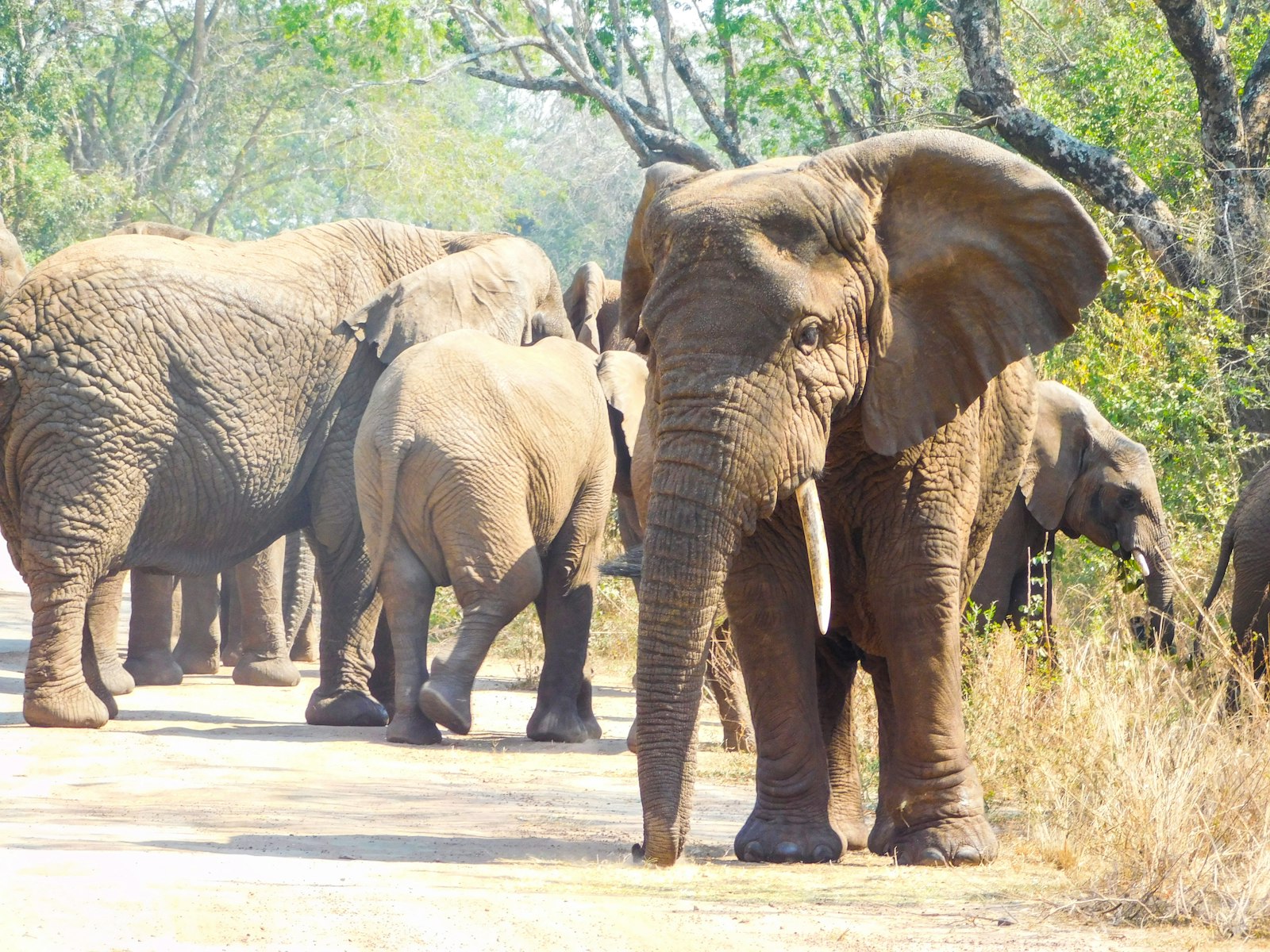
An Akagera National Park safari shows a side of Rwanda that many visitors never expect: rolling savanna, papyrus-fringed lakes, hippo pods and a real chance of the Big Five. Akagera lies in the east of the country, along the border with Tanzania, and it is the only place in Rwanda where you can go on classic game drives. It makes a natural partner to a gorilla or chimpanzee trip, adding open plains and big game to the forests and volcanoes.
This guide covers what you will see on an Akagera National Park safari, the activities, where to stay, the best time to visit and how to get there. Sense of Adventure is a licensed Nairobi-based operator, and we plan Akagera by road from Kigali, alone or as part of a wider Rwanda or East Africa journey.
Akagera National Park at a Glance
Akagera is named after the Kagera River, which flows along its eastern edge and feeds a chain of lakes and wetlands. The landscape is a patchwork of open grassland, acacia woodland, rocky ridges, papyrus swamps and lakes, with the biggest being Lake Ihema. It is the largest protected wetland in central Africa, and the lakes and rivers give the park a green, watery character quite unlike the dry savanna of northern Kenya.
The park suffered badly in the years after the 1990s, when parts were settled and wildlife was lost. Since 2010 it has been managed by African Parks in partnership with the Rwanda Development Board, and it has been transformed. Lions were returned in 2015, black rhino followed in 2017, and wildlife numbers have grown steadily since. Today an Akagera National Park safari is a Big Five destination, and one of the most encouraging conservation stories in East Africa.
Why Choose an Akagera National Park Safari
- Big Five: lion, leopard, elephant, buffalo and rhino all live in the park, although some are more elusive than others.
- Lakes and boats: boat trips on Lake Ihema show hippo, crocodile and a wealth of waterbirds from the water level.
- Close to Kigali: the park is a morning’s drive from the capital, so it fits into a short Rwanda trip.
- Quiet game drives: far fewer vehicles than the famous Kenyan and Tanzanian parks, so your sightings are peaceful and private.
- Night drives: guided evening drives in the southern part of the park look for leopard, civets, genets and other nocturnal animals.
- A balance for gorilla trips: an Akagera National Park safari adds warm savanna, big game and sunshine to the cool forests of Volcanoes and Nyungwe.
Wildlife on an Akagera National Park Safari
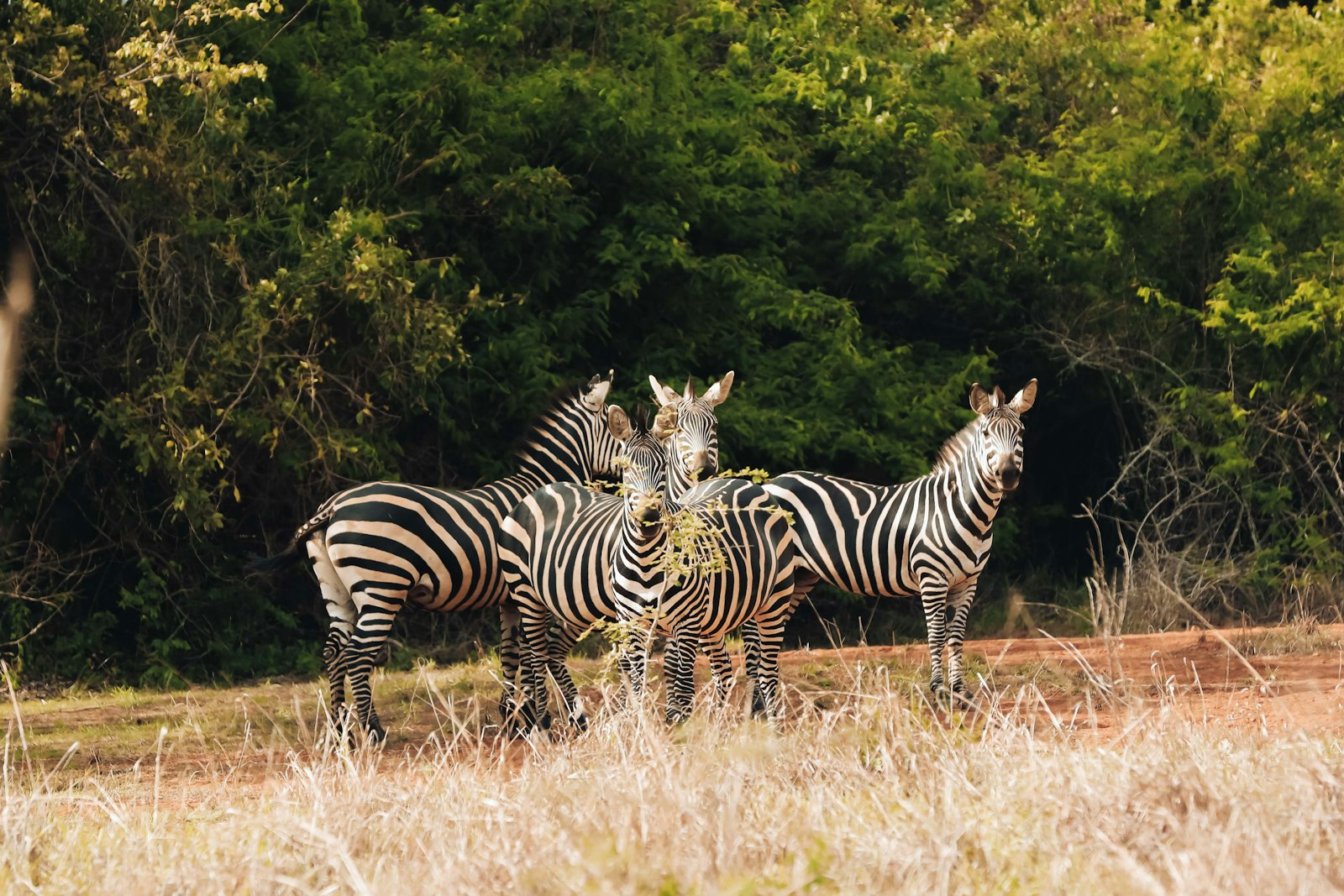
Akagera holds elephant, buffalo, giraffe, zebra, hippo, crocodile, topi, impala, waterbuck, eland, roan antelope and many smaller species. Lion are seen on game drives, particularly in the central and northern areas, and leopard are present though secretive. Black rhino were reintroduced in 2017, and they are carefully monitored by rangers, so sightings are possible but never guaranteed. The park’s baboons, vervet monkeys and warthogs add constant interest between the larger animals.
The birdlife is excellent. Papyrus swamps shelter the shoebill, one of Africa’s most sought-after birds, and the lakes hold pelicans, storks, kingfishers, fish eagles and herons. Hundreds of bird species have been recorded, and a skilled guide can find many of them in a single morning.
Where to Stay in Akagera
- Magashi Camp is a wilderness tented camp on Lake Rwanyakazinga in the park’s best game area.
- Ruzizi Tented Lodge offers eco-friendly tents on the lakeshore, the only tented option in the southern part of the park.
- Akagera Game Lodge is the park’s original lodge, with a pool and wide views over the lakes.
See all of our Rwanda lodges for photos and full descriptions.
Best Time for an Akagera National Park Safari
The dry months, June to September, are the best time for game viewing, as animals gather near the water and the grass is shorter. December to February is also dry and bright. The wet months, March to May and October to November, are greener and quieter, with lovely light for photography and plenty of birds, though some tracks are muddy. Akagera is warm for most of the year, and the lakes make the evenings pleasant.
How to Get There
Akagera is about two to two and a half hours’ drive east of Kigali on a good road, so many guests transfer in the morning and begin game drives the same afternoon. Your private vehicle and driver-guide handle the entry formalities. The park has a southern gate near Rwabutenge and a northern gate for access to Magashi, and your lodge determines the route we take.
Guests combining Rwanda and Tanzania can also reach the park from the Rusumo border, and we arrange this where needed. An Akagera National Park safari combines naturally with Volcanoes National Park for gorillas and Nyungwe for chimpanzees, and with our Rwanda safari holidays.
Things to Do on an Akagera National Park Safari
- Game drives: morning and afternoon drives across the plains, ridges and lake shores. The tracks are well maintained, and a driver-guide can follow sightings at your pace.
- Boat safaris: a boat trip on Lake Ihema takes you close to hippo, crocodile and birds, and is a calm change from the vehicle.
- Night drives: guided drives after dark look for leopard, bushbabies, civets and other animals not seen by day.
- Birdwatching: papyrus, lakes and woodland give excellent birding, with shoebill the prize for dedicated birders.
- Behind-the-scenes experiences: in some seasons it is possible to learn about the park’s rhino and lion monitoring, which adds insight to the conservation story.
- Community visits: nearby villages offer cultural experiences, from music and dance to craft cooperatives.
Sample Akagera National Park Safari Itineraries
2 days / 1 night: Akagera from Kigali
Drive from Kigali to the park and begin game drives in the afternoon. Spend the night at a lakeside lodge, take a boat trip the next morning and return to the capital by evening. It suits guests with little time.
3 days / 2 nights: game drives and boats
Two nights allow a full day of game drives, a night drive and a boat trip at a more relaxed pace. This is our most popular Akagera National Park safari for first-time visitors.
5 days / 4 nights: Akagera and Volcanoes
Spend two nights at Akagera for game viewing, then drive to Musanze for a gorilla trek. The trip pairs savanna with mountains and gives you gorillas and the Big Five in one short itinerary.
9 days / 8 nights: Rwanda complete
Kigali, Akagera, Volcanoes, Lake Kivu and Nyungwe, finishing in Kigali. A full picture of Rwanda by road, with savanna, volcano and rainforest.
Comparing the Akagera Lodges
| Lodge | Style | Best for |
|---|---|---|
| Magashi Camp | Wilderness tented camp in the north | Wildlife lovers wanting the best game area |
| Ruzizi Tented Lodge | Eco-friendly tents on the lakeshore | Birders, boat trips and a tented feel |
| Akagera Game Lodge | Classic lodge with a pool and lake views | Families and relaxed stays |
Conservation and the Akagera Story
Akagera’s recovery is one of the success stories of African conservation. After years of pressure on its land and wildlife, the park was placed under joint management in 2010 by the Rwanda Development Board and African Parks. Rangers were trained, fences and patrols were improved, and animals were returned, with lion in 2015 and black rhino in 2017. Revenue from visitors helps pay for anti-poaching teams and for community projects in the villages around the park. When you choose an Akagera National Park safari, you take part in that recovery.
Photography Tips for Akagera
Akagera’s lakes, hills and open grassland make attractive pictures. A zoom lens in the 100-400mm range covers most wildlife, while a wide lens suits the lakes at sunrise. The soft light of early morning and late afternoon is the best time for photography, and the water gives gentle reflections. On a boat trip, a fast shutter speed freezes birds in flight. Keep your gear dry near the water and dust-free on the tracks.
Akagera Compared With Other East African Parks
Compared with the Masai Mara and the Serengeti, Akagera has fewer animals and almost no crowds, and it is closer to its capital city. Compared with Lake Mburo in Uganda, it is larger and has a Big Five line-up. Compared with Rwanda’s forests, it is warmer, drier and perfect for those who prefer vehicles to walking. If you want predator numbers on the scale of the Mara, add a Kenya or Tanzania park to your trip, such as the Masai Mara.
What an Akagera National Park Safari Costs
The main costs are the lodge, the park fee, the vehicle and driver-guide, and any extra activities such as boat trips or night drives. Park fees are set by the Rwanda Development Board and African Parks and can change, so we do not list them here. We confirm current fees in your written quote and include them in a single price per person. Lodges range from simple lakeside rooms to a luxury tented camp, which is the biggest factor in the total.
Packing List for Akagera
Akagera is warm and fairly dry for much of the year. Pack light, neutral-coloured clothing, a wide-brimmed hat, sunglasses and good sun protection, plus a warm layer for early morning drives. Bring binoculars, a camera with a zoom lens, a power bank and insect repellent for the evenings by the lakes. Closed shoes are best for walking at the lodge, and a rain jacket is useful in the wetter months.
Who an Akagera National Park Safari Suits
An Akagera National Park safari suits travellers who want a classic game-drive experience in a quiet, scenic park, families, couples and birdwatchers. It is a good match for guests who are doing Rwanda’s gorilla and chimpanzee treks and want a different rhythm for a few days. It is less suited to anyone expecting the huge herds and heavy predator activity of the Serengeti or the Mara.
How Many Nights Do You Need?
Two nights give you time for game drives, a boat trip and a night drive. Three nights allow a stay in both the south and the north, with Magashi’s wilderness in the north the highlight for dedicated wildlife enthusiasts. A single night is possible on a very short trip but feels rushed.
Tips for Your Akagera National Park Safari
- Start game drives early, because animals are most active in the cool hours.
- Take a boat trip on Lake Ihema for hippo, crocodile and birds.
- Be patient with lion, rhino and leopard, which are never guaranteed.
- Carry sun protection and plenty of water.
- Park fees and rules are set by the Rwanda Development Board and can change, and we confirm the details in your quote.
How We Plan Your Akagera National Park Safari
We book your lodge, vehicle, driver-guide and park fees together, so you deal with one team from enquiry to departure. Our trips run in private 4×4 vehicles with a pop-up roof and a professional driver-guide, and we tailor each itinerary to your dates, budget and interests.
Planning Notes for Rwanda and the Savanna
Rwanda is an easy country to travel in. The official languages are Kinyarwanda, English, French and Swahili, so English-speaking guests are well looked after, and the currency is the Rwandan franc, although most lodges accept major cards and US dollars. The country is one hour behind Kenya, so set your watch back when you cross. Plastic bags have been banned in Rwanda for many years, so pack your belongings in cloth or sturdy bags and leave single-use plastic at home. Check entry rules before you travel, because visa and health requirements can change, and we confirm the current rules in your trip notes.
Speak to your doctor well before departure about vaccinations and malaria advice, since Akagera is low-lying and warm, and take out travel insurance that covers medical evacuation. Our safaris also include emergency evacuation cover as a standard part of the service.
A typical day in the park
Days begin before sunrise with tea or coffee and a game drive while the air is cool and the animals are active. By mid-morning you return to the lodge for breakfast, a swim or a rest through the heat of the day, then head out again in the late afternoon when the light turns golden. Boat trips on Lake Ihema usually run in the morning or late afternoon, and night drives set off after dinner with a ranger. It is a gentle rhythm, and it leaves you plenty of time to read, watch the lake or look for birds from the lodge.
Choosing between the south and the north
The south of the park, around Lake Ihema, is closest to Kigali and has the lodges with pools, boat trips and night drives. The north, around Lake Rwanyakazinga and Magashi, is wilder and quieter, and it is where many of the lion and rhino sightings occur. Guests with three or more nights often spend time in both. We help you choose the mix based on your interests, your timing and the road conditions in the season you travel.
Akagera National Park Safari FAQs
Can I see the Big Five on an Akagera National Park safari?
Lion, leopard, elephant, buffalo and rhino all live in the park, although sightings of leopard and rhino are never guaranteed.
How far is Akagera from Kigali?
About two to two and a half hours by road, so it works as a short trip or as part of a longer Rwanda itinerary.
How many nights do I need?
Two nights are enough for game drives and a boat trip, and three nights give you more time.
Is Akagera good for birdwatching?
Yes. The lakes and papyrus swamps hold many species, including the shoebill.
Can I combine Akagera with gorilla trekking?
Yes. It pairs well with Volcanoes National Park, and many guests combine them on one trip.
Start Planning Your Akagera National Park Safari
An Akagera National Park safari gives you game drives, lakes, boat trips and a real conservation success story. Send us your dates, group size and budget, and we will design the route. Explore all our Rwanda national parks, or browse our Rwanda safari holidays for ideas.