
Mount Longonot National Park protects a dormant stratovolcano in Kenya’s Rift Valley, about 90 km from Nairobi near Lake Naivasha. The 2,776 m peak is reached by a steep 3.1 km climb to the crater rim, then an optional 7.2 km loop around the rim. Most fit hikers complete the full route in four to five hours.
Sense of Adventure is a TRA-licensed private safari company based at Mountain Mall on Thika Road, Nairobi. We arrange guided Longonot hikes for travellers and travel agents’ clients, as a day trip or as an active break on a Rift Valley safari. This guide covers the trail, fitness, fees and timing so you arrive prepared.
✅ Mount Longonot Hike: Quick Answer
- Mount Longonot National Park is about 90 km from Nairobi, close to Lake Naivasha.
- The climb from the gate to the crater rim is about 3.1 km and takes most hikers 1 to 2 hours.
- The full route, with the 7.2 km rim loop and summit, is about 13.5 km and takes 4 to 5 hours.
- Non-resident adults pay USD 50 per day in KWS fees; the gate opens at 6 am.
- Go in the dry months, start early and carry at least two litres of water each.
- Our guided day hike from Nairobi starts from USD 120 per adult sharing.
Want to climb Longonot without the hassle? Send your date and we will arrange transport, park fees and a guide for the crater rim.
Book my Longonot hikeMount Longonot National Park at a Glance
Mount Longonot National Park is a small KWS park built around one of Kenya’s most rewarding day hikes.
| Quick fact | Detail |
|---|---|
| Managed by | Kenya Wildlife Service |
| Gazetted | 1983 |
| Size | About 52 km² |
| Summit | 2,776 metres; the park gate sits at about 2,150 metres |
| Volcano | Stratovolcano; last eruption thought to be in the 1860s |
| Distance | About 90 km from Nairobi via the Nairobi to Nakuru road |
| Gate hours | 6 am to 6 pm, according to KWS |
What the Name Mount Longonot National Park Means
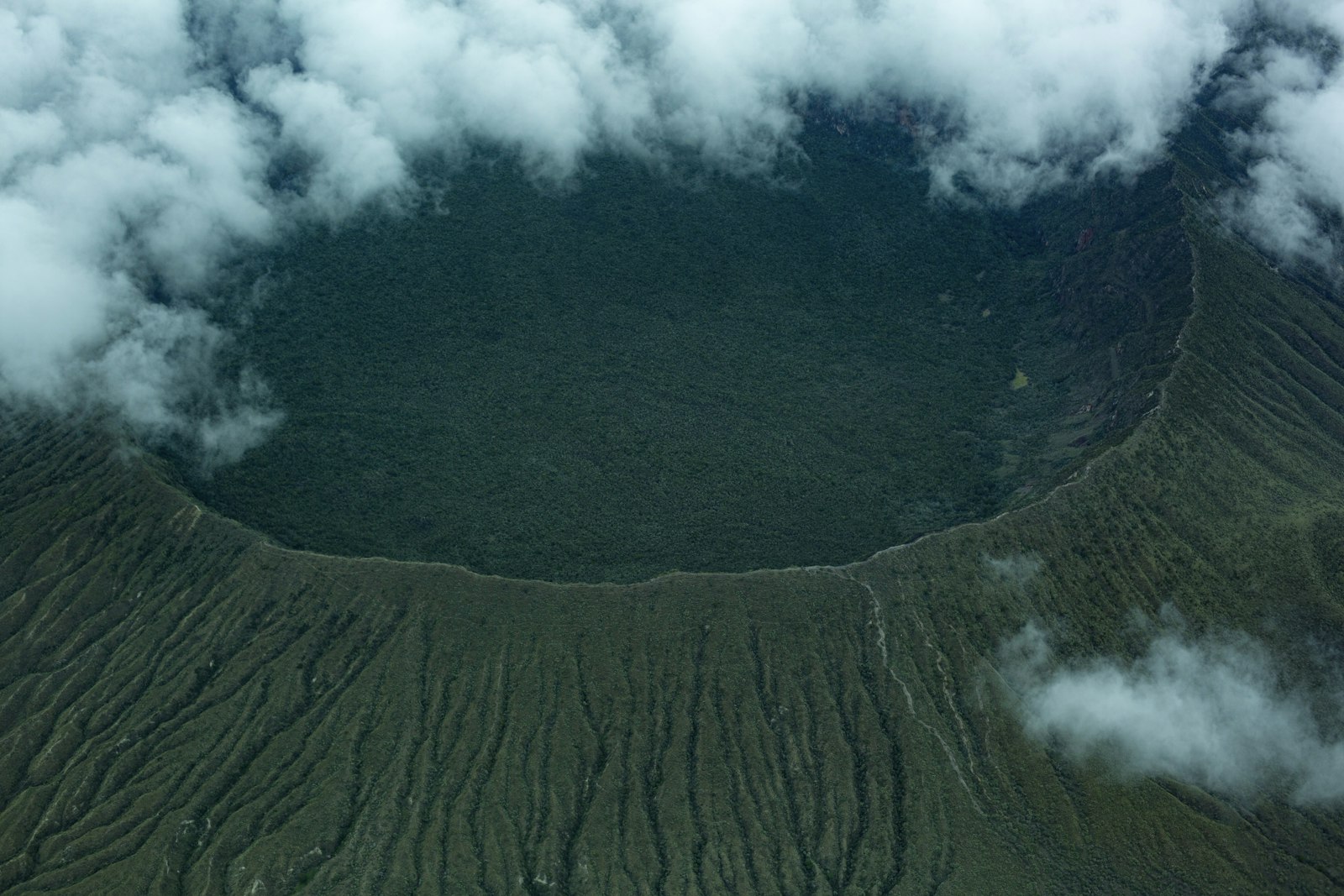
Longonot comes from the Maasai word Olonong’ot, usually translated as mountains of many spurs or steep ridges. You will understand why on the climb: deep gullies and sharp ridges score the volcano’s flanks.
The Mount Longonot Hike, Step by Step
The hike in Mount Longonot National Park has two parts: a steep climb to the crater rim, then an optional loop around the rim to the summit and back.
| Section | Distance | Typical time | What to expect |
|---|---|---|---|
| Gate to crater rim | About 3.1 km | 1 to 1.5 hours | Steep, dusty, eroded path with rest points |
| Rim loop including summit | About 7.2 km | 2 to 3 hours | Narrow ridges, the steepest climb to the summit |
| Rim back to gate | About 3.1 km | 45 to 60 minutes | Loose ground; take care on the descent |
| Full route | About 13.5 km | 4 to 5 hours | A demanding but non-technical day hike |
Climbing to the Rim
From the gate, the path climbs steadily through grassland and scrub, getting steeper as you go. Several viewpoints with shade make natural rest stops. Parts of the trail are deeply eroded and loose, so good shoes matter more than speed.
Walking the Crater Rim
At the rim you look straight down into a forested crater about 1.8 km wide, with small steam vents on its walls. Many hikers stop here and enjoy the view. Others continue clockwise or anticlockwise around the rim, with the toughest section being the climb to the 2,776 m summit.
Is It Safe?
The hike is non-technical, but the rim path is narrow in places with steep drops, and winds can be strong. Stay on the trail, keep children close, and turn back if the weather changes. A guide adds safety and local knowledge, which is why we always include one.
How Hard Is the Mount Longonot Climb?
For reasonably fit walkers, Mount Longonot National Park is a moderate to challenging day out; the altitude, heat and loose ground make it harder than the distance suggests.
- Fitness: you should be comfortable walking uphill for an hour or more at a time.
- Altitude: you start above 2,000 m, so take it slowly if you have just arrived in Kenya.
- Heat and sun: there is little shade on the rim, and the equatorial sun is strong.
- Terrain: loose volcanic soil on steep sections makes trekking poles very helpful.
- Children: active older children manage the rim climb well with breaks and supervision.
How to Prepare for Mount Longonot National Park
You do not need mountaineering experience, but a few weeks of regular walking, stairs or light jogging makes the climb far more enjoyable. Break in new boots before you travel. If you can, avoid hiking on your first day after a long flight, and spend a night or two in Nairobi or Naivasha first so your body adjusts to the altitude. Eat a good breakfast, drink steadily from the start, and set a slow, steady pace on the steep section rather than rushing and stopping.
Expert tip from our Nairobi team
Start early. Aim to be at the gate soon after it opens at 6 am, so you climb in cool air and finish before the midday heat. Carry at least two litres of water each, plus snacks, sun cream, a hat and a light windproof layer for the rim. Use trekking poles on the descent, and wear a buff or scarf over your mouth on dusty, windy days.
Rim Only or the Full Crater Loop?
Tell us your group’s fitness and ages, and we will suggest the right Longonot route and pace, and whether to add Hell’s Gate or a Lake Naivasha boat ride.
Geology of Mount Longonot National Park
The volcano at the heart of Mount Longonot National Park is young by geological standards, and its crater and steam vents show it is dormant rather than extinct.
The volcano rises from a much larger caldera about 8 by 12 km wide, formed by powerful eruptions roughly 21,000 years ago. The summit cone and its crater grew later. The Smithsonian Global Volcanism Program records the most recent eruption as around 1863, and small fumaroles still release steam today.
Is Longonot About to Erupt?
There is no official warning of an eruption. Rumours that Longonot had erupted have spread online; Africa Check showed they were false and that the smoke was from a fire. KWS manages Mount Longonot National Park and would close trails if conditions required it.
Wildlife and Scenery
Mount Longonot National Park is mainly a hiking park, but you may see plains game on the lower slopes and great views across the Rift Valley.
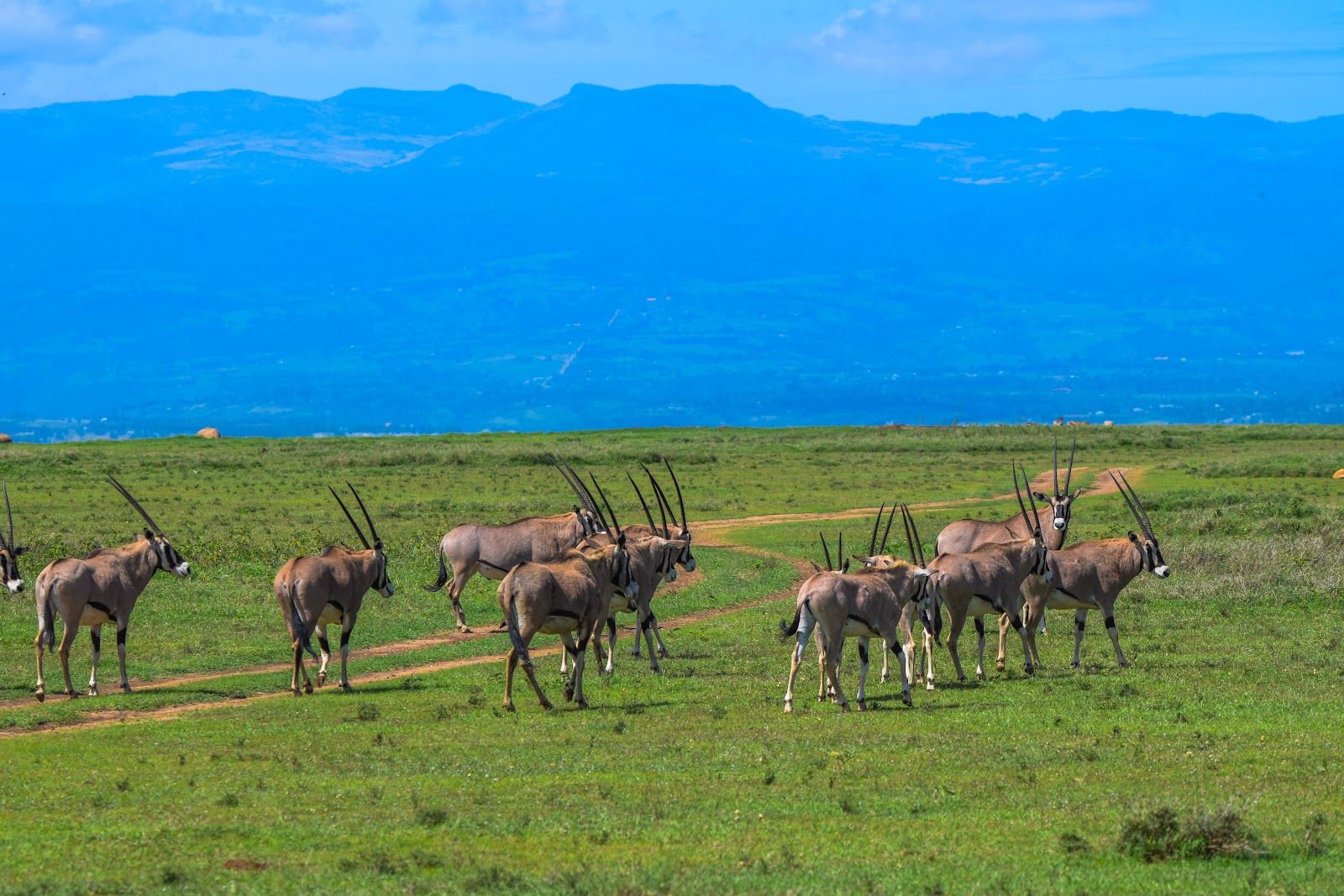
Zebra, giraffe, gazelles, eland and buffalo live in and around Mount Longonot National Park, and you might see them near the gate or on the lower trail. Inside the crater forest, birds and small mammals are more likely than big game. Keep your distance from any buffalo, and follow your guide’s advice.
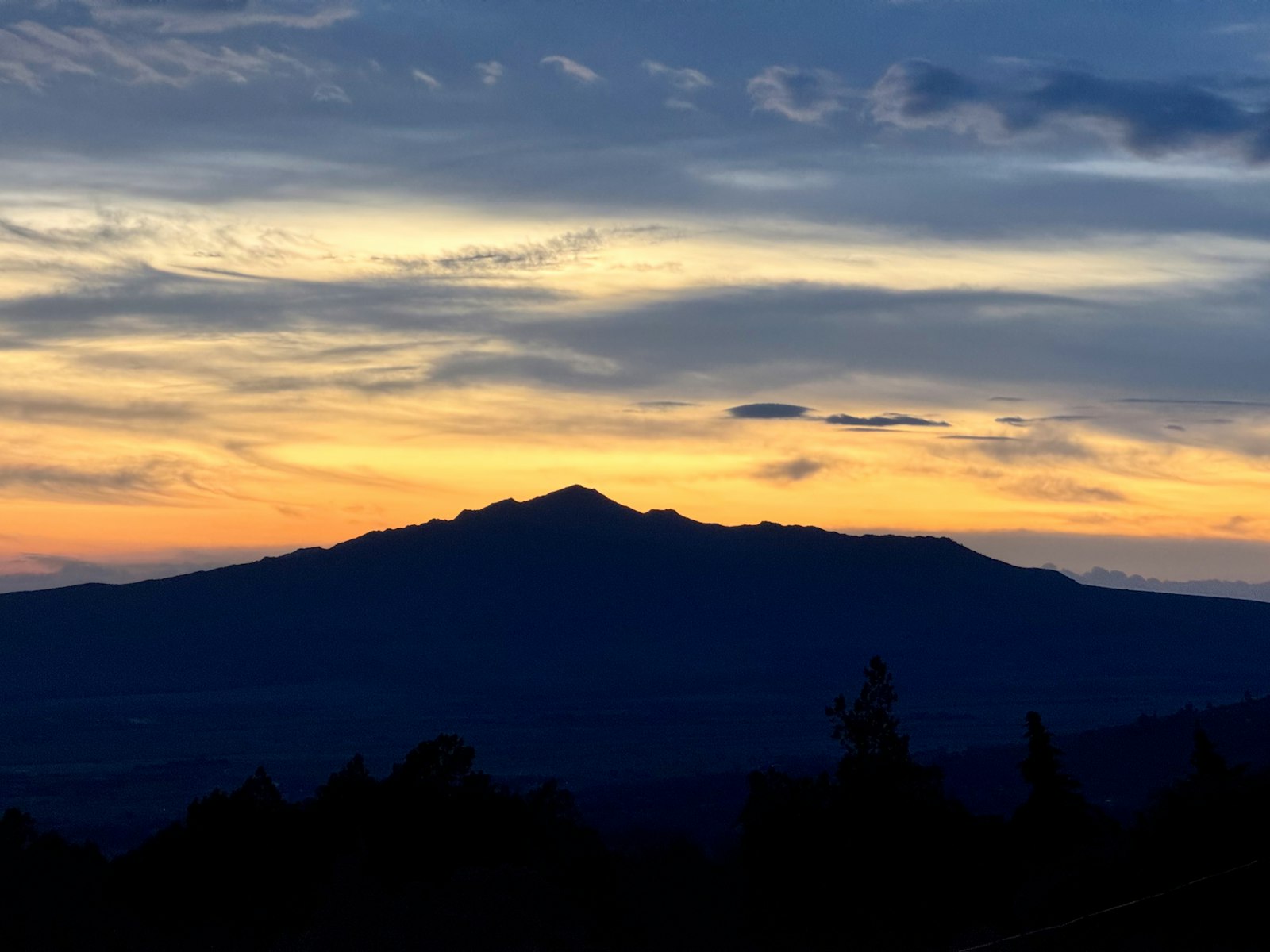
On clear days you can see Lake Naivasha, the Mau Escarpment and the Rift Valley floor stretching north and south. Early morning usually has the clearest air for photographs.
Getting to Mount Longonot National Park
Mount Longonot National Park lies just off the Nairobi to Nakuru road, about 90 km from Nairobi according to KWS, and close to Lake Naivasha.
| From | Approximate drive | Notes |
|---|---|---|
| Nairobi | 1.5 to 2 hours | Leave by 6 am to beat traffic and heat |
| Lake Naivasha | 30 to 45 minutes | Ideal if you stay at the lake |
| Hell’s Gate | About 45 minutes | An active two-park day is possible |
Our Mount Longonot day hike from Nairobi includes private transport, park fees and a guide. If you are staying at Naivasha, we can collect you there instead.
A Typical Day Hike From Nairobi
On our guided day trip, your driver collects you from your Nairobi hotel at about 7 am. You stop at the Great Rift Valley viewpoint on the way, then reach the Mount Longonot National Park gate around 1.5 hours later. After the climb and, if you choose, the rim loop, you walk back down for a picnic lunch at the gate and drive back to Nairobi, arriving in the late afternoon. Door to door, the day takes about 9 to 10 hours.
Mount Longonot National Park Hike Cost
The cost of a guided hike in Mount Longonot National Park depends mainly on transport and group size, as the park fee is fixed by KWS.
| Item | Guided day hike | Notes |
|---|---|---|
| Price | From USD 120 per adult sharing | Final cost depends on season and group size |
| Included | Private transport and driver, park entry fee, trail guide, picnic lunch, bottled water | Pick-up from your Nairobi hotel |
| Not included | Tips, drinks and personal expenses | Optional extras such as Hell’s Gate are quoted separately |
If you visit independently, budget for the KWS fee in the table below, fuel or a taxi from Naivasha, and your own food and water. Many travellers find a guided hike in Mount Longonot National Park better value once transport, timing and safety are counted. For wider budgeting, see how much an African safari costs.
Where to Stay Near Mount Longonot National Park
Most hikers stay at Lake Naivasha, 30 to 45 minutes from the gate, which makes a dawn start easy. The lake has everything from simple guesthouses to lakeside resorts; our guide to Lake Naivasha luxury hotels compares the best upmarket stays. Our Naivasha weekend getaway plan shows how a Longonot climb fits into two relaxed days. Self-sufficient campers can use the KWS campsites inside the park, described below.
Mount Longonot National Park Fees and Rules
KWS charges a daily conservation fee for Mount Longonot National Park, paid cashlessly, and lists it among its scenic parks.
| Visitor category | Adult | Child |
|---|---|---|
| Non-resident | USD 50 | USD 25 |
| African citizen | USD 20 | USD 10 |
| Kenya resident | KSh 675 | KSh 350 |
| East African citizen | KSh 500 | KSh 250 |
These rates appear on the official KWS Mount Longonot National Park page and the October 2025 KWS fee schedule. Fees can change, so check before travelling or see our Kenya national parks entrance fees 2026 guide.
Park Rules
- Stay on marked trails and do not cut corners on steep slopes.
- Keep at least 20 metres from wildlife and never feed animals.
- Single-use plastic is not allowed; carry reusable bottles and take all rubbish out.
- Never leave a campfire unattended.
Camping
Inside Mount Longonot National Park, KWS lists a public campsite called Oloongonot and special campsites named Nyati and Green. They suit self-sufficient groups who want an early start; most visitors stay at Naivasha instead.
Best Time to Hike Mount Longonot
In Mount Longonot National Park, the dry months, roughly late June to October and January to February, give the firmest paths and clearest views.
| Months | Conditions | Hiking notes |
|---|---|---|
| January to February | Warm and dry | Good views; start early to avoid heat |
| March to May | Long rains | Muddy, slippery paths; afternoon storms |
| June to October | Dry and cooler | Best overall; windy on the rim at times |
| November to December | Short rains | Green scenery; watch for afternoon showers |
Whatever the month, mornings are best in Mount Longonot National Park. Clouds and wind tend to build in the afternoon, and the dust can be heavy in the driest weeks.
Hiking Longonot in the Dry Season?
Dry-season weekends are the busiest time on the crater rim. Send us your preferred date and we will reply with a written quote for your guided Mount Longonot hike, including transport and park fees.
Combining Mount Longonot With Your Safari
Mount Longonot National Park works best as an active day on a Rift Valley route, between Nairobi and the Masai Mara or Lake Nakuru.
| Plan | Outline |
|---|---|
| Day trip from Nairobi | Early start, hike, picnic lunch, return by late afternoon |
| 2 days | Longonot hike, night at Naivasha, then Hell’s Gate cycling or a boat ride |
| 5 to 7 days | Longonot and Naivasha, Lake Nakuru, then the Masai Mara |
Pair it with our Hell’s Gate day trip or the Crescent Island and Hell’s Gate day trip. Nearby, Lake Elementaita and the Lake Nakuru National Park guide cover the next stops north. Every private Kenya safari we plan can add a hike, and our Kenya safari from Nairobi ideas suit short trips.
Hiking Etiquette and Safety Tips
A few simple habits make a hike in Mount Longonot National Park safer and more enjoyable for everyone on the trail.
On the Trail
- Let faster hikers and runners pass on wider sections; the rim is popular with Nairobi trail runners at weekends.
- Step aside on the uphill side when others pass on steep ground.
- Do not throw stones into the crater or roll rocks down the slopes.
- Keep music off and voices low so everyone can enjoy the quiet.
- Take all litter home, including fruit peel and tissues.
Weekends and Crowds in Mount Longonot National Park
Saturdays and Sundays in Mount Longonot National Park are busy with local hiking groups, school trips and runners, especially in the dry season. If you prefer a quieter hike, go on a weekday and start early. Our guides know the busiest times and can adjust your start so you have the rim more to yourself.
If Something Goes Wrong
Our guides carry a first-aid kit and a charged phone, and the gate has KWS staff on duty. If anyone feels unwell, the best plan is usually to turn back calmly rather than push on. Travel insurance that covers hiking and evacuation is strongly recommended for any Kenya trip.
What to Pack for Mount Longonot National Park
Pack for Mount Longonot National Park as you would for a hot, dusty half-day mountain walk at altitude.
- Sturdy hiking shoes or boots with good grip; trail runners work for experienced hikers.
- At least two litres of water per person, plus electrolyte sachets.
- Sun hat, sunglasses, high-factor sun cream and lip balm.
- A light fleece or windproof jacket for the exposed rim.
- Trekking poles, a small first-aid kit and snacks.
- A buff or scarf for dust, and a small backpack to carry it all.
If you have a heart or breathing condition, check with your doctor first, as the climb is steep and starts above 2,000 m. Before travelling, read the latest UK government travel advice for Kenya and browse Magical Kenya for more Rift Valley ideas.
Mount Longonot National Park FAQs
How long does it take to hike Mount Longonot?
Most fit hikers take four to five hours for the full 13.5 km route: about 3.1 km up to the crater rim, a 7.2 km loop around the rim and summit, and the descent. If you only climb to the rim and back, allow around two to three hours.
How hard is the Mount Longonot hike?
It is moderate to challenging. The path to the rim is steep, loose and dusty, and you start above 2,000 m in strong sun. No climbing skills are needed, but you should be comfortable walking uphill for an hour or more. Trekking poles help on the descent.
How much is the Mount Longonot entry fee?
Under current KWS rates, non-resident adults pay USD 50 and children USD 25 per day. African citizens pay USD 20, Kenya residents KSh 675 and East African citizens KSh 500. Payment is cashless. Check the official KWS tariff before travelling, as fees can change.
Is Mount Longonot an active volcano?
The volcano at the heart of Mount Longonot National Park is dormant, not extinct. The Smithsonian Global Volcanism Program records its last eruption around 1863, and small steam vents remain in the crater. There is no official eruption warning, and online rumours of a recent eruption were shown to be false.
How far is Mount Longonot from Nairobi?
KWS gives the distance as about 90 km via the Nairobi to Nakuru road. The drive usually takes one and a half to two hours, depending on traffic. From Lake Naivasha it is about 30 to 45 minutes, which makes it easy to combine with a lakeside stay.
Can children hike Mount Longonot?
In Mount Longonot National Park, active older children often manage the climb to the rim well, with plenty of breaks and close supervision. The full rim loop is long and has narrow sections with steep drops, so it suits older, experienced young hikers. We tailor the route and pace to your family.
How much does a guided Mount Longonot hike cost?
Our guided Mount Longonot National Park day hike from Nairobi starts from USD 120 per adult sharing. It includes private transport, the park entry fee, a trail guide, a picnic lunch and bottled water. The final price depends on season and group size, and tips and drinks are extra.
Where should I stay for a Mount Longonot hike?
Lake Naivasha is the most convenient base, 30 to 45 minutes from the gate, so you can start climbing soon after the park opens at 6 am. It also puts Hell’s Gate and boat rides close by. KWS lists campsites inside the park for self-sufficient campers who want an early start.
Plan Your Longonot Crater Hike With Local Experts
Kenya-based experts. Real local knowledge. Transparent pricing.
Sense of Adventure is a TRA-licensed Nairobi safari company. We arrange your guide, transport, park fees and a Rift Valley stay in one simple plan, whether you want the rim only or the full crater loop.