The right East Africa safari itinerary turns one trip into the journey of a lifetime, and this guide gives you five proven routes from 7 to 18 nights across Kenya, Tanzania, Uganda and Rwanda.
East Africa is the world’s greatest safari region — a vast, interconnected landscape of savannah, forest, mountain, and coast stretching from the Indian Ocean to the highlands of Rwanda, from Kenya’s Rift Valley to Tanzania’s Selous wilderness. Planning a safari here is one of the most exciting travel planning exercises you will ever undertake, and getting the itinerary right — the right destinations, in the right order, at the right time of year — makes the difference between a good safari and a genuinely life-changing one.
This guide presents our most popular and most effective East Africa safari itineraries across different trip lengths, budgets, and priorities. Whether you have 5 days or 21 days, whether your priority is the Great Migration, gorilla trekking, beach recovery, or simply the best Big Five experience available, there is an East Africa itinerary designed for your specific goals.
✅ East Africa Safari Itinerary: The Quick Answer
- 7 nights: Kenya only — Nairobi, the Masai Mara and Amboseli. The classic first East Africa safari itinerary.
- 10 nights: Kenya safari plus three nights on Diani Beach to recover after the game drives.
- 12 nights: Kenya and Tanzania together — the Masai Mara, Serengeti, Ngorongoro Crater and Zanzibar.
- 18 nights: the full sweep of Kenya, Tanzania, Uganda and Rwanda, including chimpanzees and mountain gorillas — our most complete East Africa safari itinerary.
- Best time: July to October for the Mara River crossings; January to March for the calving season in the southern Serengeti; gorilla trekking runs all year.
- Golden rule: depth beats breadth — two or three nights per park is the minimum for a relaxed, rewarding trip.
🌎 Thinking About an East Africa Safari?
Our team is on WhatsApp right now — ask us anything about routes, dates, or prices. No obligation.
💬 WhatsApp Us Now or call +254 799 160 081Before You Plan: The Key Decisions
Three decisions shape every East Africa safari itinerary:
1. What are your non-negotiables? The wildebeest migration? Gorilla trekking? Big Five completion including rhino? A beach ending? A photography focus? Identifying your absolute must-haves allows us to build the itinerary around what matters most.
2. How much time do you have? East Africa rewards time. A 5-day trip is transformative but focused. A 14-day trip allows genuine variety. A 21-day circuit covers the full sweep of Kenya, Tanzania, Uganda, and Rwanda. Be realistic about your time, and resist the temptation to add too many destinations to a short trip — depth beats breadth.
3. What is your budget level? Budget, mid-range, and luxury all deliver extraordinary experiences in East Africa — the price point changes the accommodation, not the quality of the wildlife. See our Kenya safari cost guide for a transparent price breakdown, and our budget safari Kenya guide for affordable options.
Private or shared: how your East Africa safari itinerary is run
The same East Africa safari itinerary can feel very different depending on how it is operated. On a private safari you have your own 4×4 vehicle and driver-guide, so you choose when to leave camp, how long to stay at a sighting and when to stop for lunch. Shared group departures cost less but follow a fixed plan. If you are travelling as a couple, a family or with a camera, our private Kenya safari packages are usually the better choice.
The second choice is road or air. Driving between parks is cheaper and shows you rural life along the way, while light-aircraft flights save hours and suit longer, multi-country routes. Many of the best East Africa safari itinerary plans mix both: drive on short legs, fly on long ones.
Itinerary 1: The Classic Kenya — 7 Nights
Our most popular Kenya-only itinerary, ideal for first-time visitors and those with one week available.
Day 1: Arrive Nairobi. Transfer to Nairobi hotel. Evening briefing with your Sense of Adventure guide.
Day 2: Morning: David Sheldrick Elephant Orphanage and Giraffe Centre. Afternoon: fly to Masai Mara (45 min). Afternoon game drive.
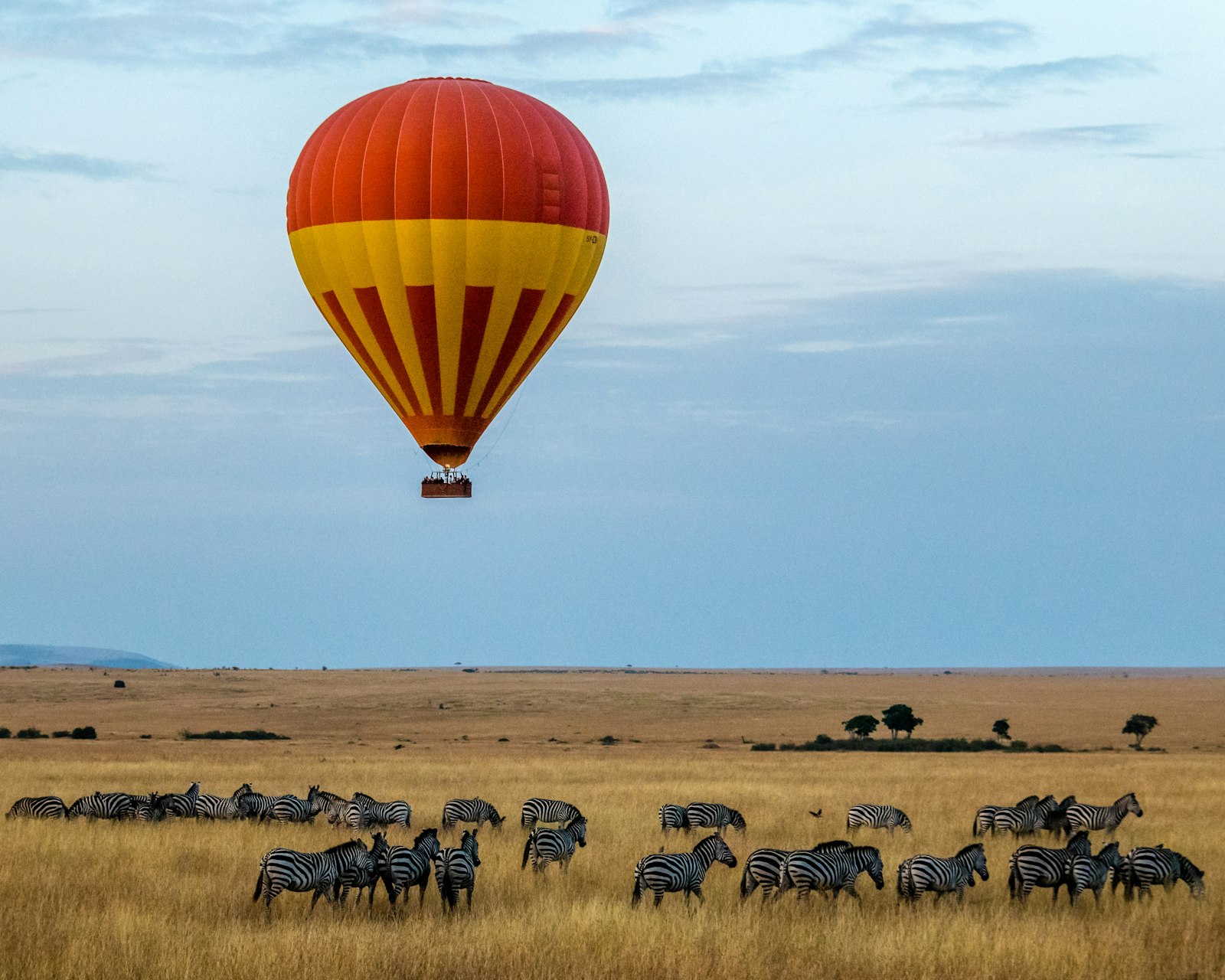
Days 3–5: Three full days in the Masai Mara. Morning and afternoon game drives. Optional hot air balloon on Day 4 morning. Maasai cultural visit on Day 5 afternoon.
Day 6: Fly to Amboseli (50 min). Afternoon game drive — first Kilimanjaro elephant encounter.
Day 7: Full day Amboseli — early morning elephant photography session at the swamp.
Day 8: Morning game drive. Fly to Nairobi. International departure.
Best season: July–October (Mara migration) or January–February (green season value).
Price range: $2,500–$12,000 per person depending on accommodation level, excluding international flights.
Where this East Africa safari itinerary works best
The classic 7-night route is ideal if this is your first safari or you only have one week of leave. It packs in the Big Five, the big cats of the Mara and Amboseli’s elephants beneath Kilimanjaro, without long travel days. You can see sample versions of this route among our Masai Mara safari packages and our Kenya safaris from Nairobi.
Itinerary 2: Kenya Safari + Beach — 10 Nights
The complete Kenya experience — wildlife first, Indian Ocean beach recovery after.
Days 1–7: As Itinerary 1 (Nairobi/Masai Mara/Amboseli) with an additional Tsavo night.
Days 8–10: Fly from Amboseli to Mombasa (50 min). Transfer to Diani Beach. Three nights — snorkelling, dhow sailing, Colobus Conservation visit, total beach relaxation.
Day 11: Fly Mombasa to home.
Ideal for: Couples, families, honeymooners (see our Kenya honeymoon safari guide), anyone wanting to combine wildlife and beach.
Best season: July–October or December–February.
Itinerary 3: Northern Kenya Circuit — 8 Nights
For travellers who want Kenya’s less-visited wildlife magic — Samburu’s Special Five, Lewa’s rhino and wild dog, and the Masai Mara.
Day 1: Arrive Nairobi.
Days 2–4: Samburu National Reserve (3 nights) — Special Five, intimate elephant encounters, Ewaso Nyiro River game drives.
Days 5–6: Lewa Wildlife Conservancy (2 nights) — rhino, wild dog, Grevy’s zebra, exclusive conservancy experience.
Days 7–9: Masai Mara (3 nights) — Big Five, migration (seasonal), predator density.
Day 9: Fly to Nairobi. Departure.
Ideal for: Returning Kenya visitors, wildlife specialists, those who want rhino and wild dog alongside Mara magic.
Best season: Year-round; June-October for Mara migration.
📅 Get Your Free Safari Proposal
Share your travel dates and interests — we will send you a tailored, fully itemised itinerary within 24 hours.
✈ Send Us Your Travel DatesItinerary 4: Kenya and Tanzania Combined — 12 Nights
The East Africa classic — two countries, the full migration story, and a beach finish.
Days 1–2: Nairobi, Sheldrick Orphanage, Giraffe Centre.
Days 3–5: Masai Mara (3 nights) — Big Five, migration crossings (July–October), conservancy night drives.
Days 6–8: Serengeti (3 nights, fly across the border) — northern Serengeti for additional migration, central Seronera for leopard and lion year-round.
Days 9–10: Ngorongoro Crater (2 nights) — crater descent, rhino, all Big Five in a single day.
Days 11–13: Zanzibar (3 nights) — Stone Town, Nungwi beach, Mnemba Atoll snorkelling.
Day 13: Fly home from Zanzibar.
Ideal for: First-time East Africa visitors wanting the full circuit; those with two weeks and a budget for both countries.
Best season: July–October (migration crossings on both sides of border); January–March (calving season in southern Serengeti).
A shorter Kenya and Tanzania East Africa safari itinerary
If you have ten days rather than two weeks, drop Zanzibar and keep the wildlife core: the Masai Mara, the Serengeti and the Ngorongoro Crater. Our Kenya & Tanzania Classic Safari (10 Days) follows exactly this shape. For park rules and fees on the Tanzanian side, see the official Tanzania National Parks (TANAPA) website.
Itinerary 5: The Ultimate East Africa — 18 Nights
For travellers with time and the ambition to cover Kenya, Tanzania, Uganda, and Rwanda in one extraordinary journey.
Days 1–5: Masai Mara and Amboseli, Kenya.
Days 6–9: Serengeti and Ngorongoro, Tanzania.
Days 10–11: Zanzibar.
Days 12–14: Uganda — Queen Elizabeth National Park (tree-climbing lions, hippos, chimpanzees at Kyambura Gorge).
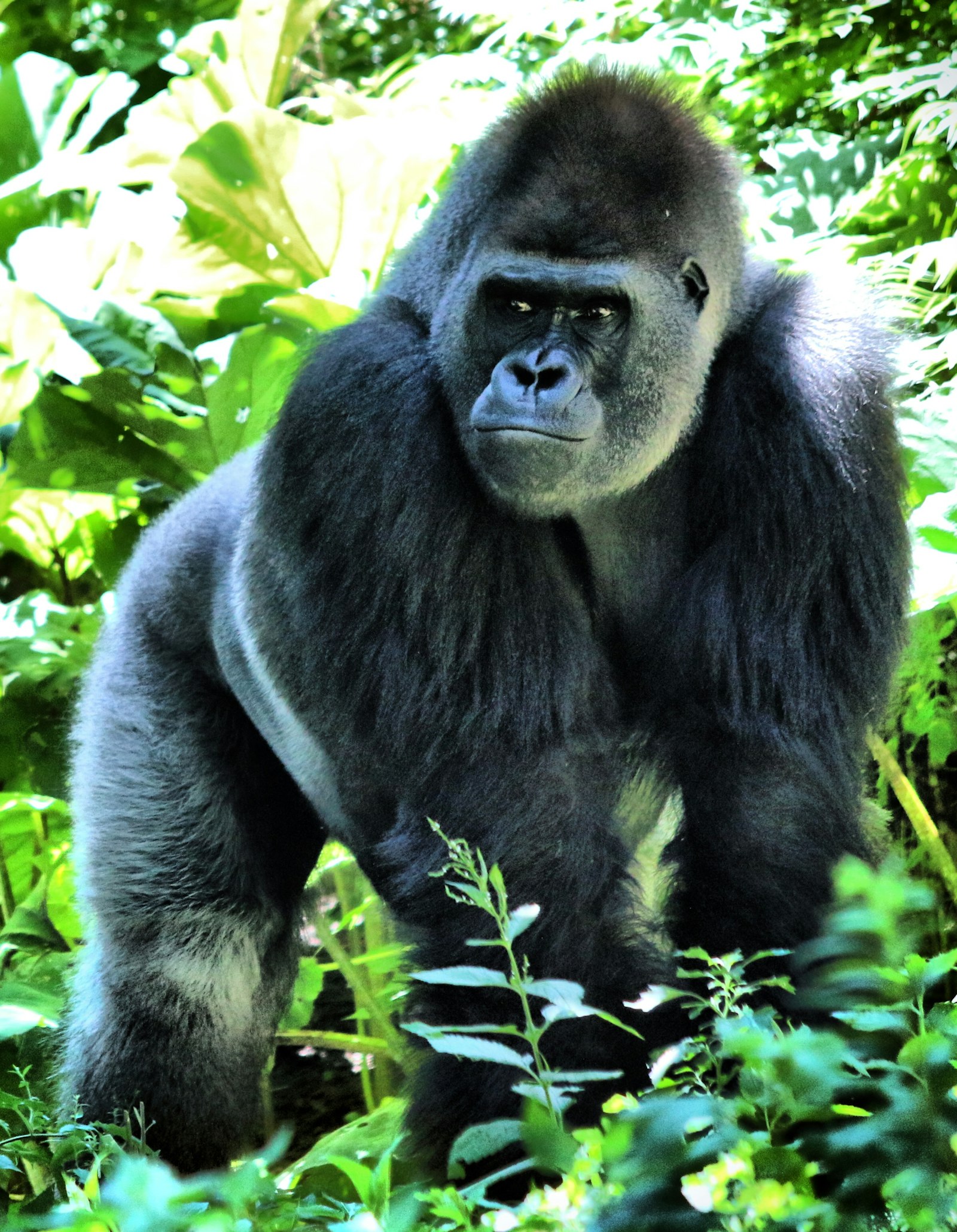
Days 15–16: Bwindi Impenetrable Forest — two gorilla treks with different families.
Days 17–18: Rwanda — Volcanoes National Park gorilla trek. Kigali. Fly home.
Ideal for: Experienced travellers who want the complete East Africa experience; wildlife photographers on an extended assignment; bucket-list travellers with retirement-level time.
Budget guide: This circuit at mid-range accommodation level costs approximately $15,000–$25,000 per person (excluding international flights) across 18 nights — roughly $800–$1,400 per person per day all-inclusive of all parks, permits, internal flights, and accommodation.
Gorillas and savannah in less time
Eighteen nights is a lot of leave for one East Africa safari itinerary. If you want primates and the Big Five in under two weeks, our Gorillas & Savannah – Rwanda, Uganda & Kenya (11 Days) route covers the highlights, and the Uganda Gorillas & Chimps Safari (5 Days) can be added to almost any Kenya trip. Gorilla and chimpanzee permits are issued by the Uganda Wildlife Authority and the Rwanda Development Board, and we book them for you.
Best Time to Travel Each East Africa Safari Itinerary
East Africa is a year-round safari destination, but each season changes what you will see. Use this guide when you set the dates for your East Africa safari itinerary:
- January to March: warm and mostly dry. The wildebeest herds calve on the short-grass plains of the southern Serengeti, which makes this the best time for the Tanzania-led routes.
- April and May: the long rains. Some camps close, roads can be muddy and prices drop. Gorilla treks still run, but trails are slippery.
- June to October: the long dry season and peak time for most routes. The herds reach the northern Serengeti and the Masai Mara, and river crossings usually happen from July to October.
- November and early December: the short rains bring green landscapes, fewer visitors and good value, with showers that usually pass quickly.
Migration timing is never fixed, because the herds follow the rain. A good East Africa safari itinerary for July to October puts you in the Mara or the northern Serengeti, and one for January to March puts you in the south. For a month-by-month view, read our guide to the best time to visit East Africa for safari and our Great Migration safaris.
Getting Around on a Multi-Country East Africa Safari Itinerary
Almost every East Africa safari itinerary starts in Nairobi. International flights land at Jomo Kenyatta International Airport (JKIA), while light aircraft to the parks leave from Wilson Airport in the city. In Tanzania the main gateways are Kilimanjaro International Airport and Arusha; in Uganda it is Entebbe; in Rwanda it is Kigali.
You can cross between Kenya and Tanzania by road at the Namanga border, which links Nairobi and Arusha, or fly between the Mara and the Serengeti via regional airstrips. Uganda and Rwanda are usually joined to an East Africa safari itinerary in Kenya or Tanzania with a short regional flight to Entebbe or Kigali.
Visas and health papers for your East Africa safari itinerary
Entry rules differ by country and change often, so check them for each border on your route. Kenya uses an Electronic Travel Authorisation, which you apply for on the official eTA Kenya website. Tanzania, Uganda and Rwanda have their own entry systems. The East Africa Tourist Visa covers Kenya, Uganda and Rwanda, but not Tanzania.
Some countries ask for a yellow fever vaccination certificate, especially when you arrive from another country in the region. Speak to a travel clinic six to eight weeks before you fly and check the World Health Organization travel advice.
What to Pack for a Multi-Country Safari
Packing for a multi-country East Africa safari itinerary means planning for open savannah, wet mountain forest and, often, a tropical beach in one small bag. These are the essentials:
- A soft duffel bag: light aircraft usually limit you to about 15 kg in a soft bag, including hand luggage. Check the limit for each flight.
- Neutral clothing in layers: early game drives are cold and middays are hot. Khaki, green and brown work best.
- Waterproof hiking boots and gardening gloves: essential for gorilla and chimpanzee treks through wet forest.
- A light rain jacket: useful in every season, and vital in the forests of Uganda and Rwanda.
- Binoculars and a zoom lens: a 100–400 mm lens covers most wildlife situations.
- Sun protection and insect repellent: a wide-brimmed hat, high-factor sunscreen and a repellent recommended by your travel clinic.
Building Your Custom Itinerary
Every itinerary we have presented here is a framework, not a prescription. Your perfect East Africa safari depends on your specific travel dates (which determine migration phase and seasonal conditions), your group composition (families, couples, solo travellers, groups all have different optimal structures), your must-see experiences (gorillas, migration, beach, photography), and your budget.
Our team at Sense of Adventure designs completely custom itineraries — not packages picked off a shelf. We listen, we advise honestly, and we build something that fits your vision precisely. Whether it is a 5-night Masai Mara experience or an 18-night East Africa circuit, the process is the same: a conversation about what you want, followed by a detailed proposal that shows exactly what you will do, where you will stay, and what it will cost.
Common East Africa safari itinerary mistakes to avoid
The same few planning problems come up again and again. Avoid these and your East Africa safari itinerary will be far more relaxed:
- Too many parks: one night per park means you spend more time travelling than watching wildlife.
- Arriving straight into a game drive: after a long-haul flight, a night in Nairobi helps you start fresh.
- Booking permits late: gorilla permits and peak-season camps sell out months ahead.
- Ignoring the season: the migration moves, so match your East Africa safari itinerary to the month you travel.
- Forgetting rest days: a pool afternoon or a beach finish makes a long trip far more enjoyable.
If you would like extra comfort, our luxury Kenya safari packages use private conservancies and fly-in transfers, and our safari combinations show more multi-country ideas. For inspiration on Kenya itself, the official tourism board, Magical Kenya, is a good place to start.
East Africa Safari Itinerary: Frequently Asked Questions
How many days do I need for an East Africa safari itinerary?
Seven nights is enough for a rewarding Kenya-only trip covering the Masai Mara and Amboseli. Ten to twelve nights lets you add Tanzania or a beach finish. To include gorilla trekking in Uganda or Rwanda as well, plan on at least 14 to 18 nights so the trip never feels rushed.
Can I combine Kenya and Tanzania on one safari?
Yes, and it is one of the most popular routes. You can cross by road at Namanga between Nairobi and Arusha, or fly between the Masai Mara and the Serengeti via regional airstrips. Combining both countries lets you follow the Great Migration on each side of the border and finish on Zanzibar.
What is the best month for an East Africa safari?
There is no single best month. July to October is best for Mara River crossings in Kenya and the northern Serengeti. January to March is ideal for the calving season in southern Tanzania. June to September and December to February are the driest months for gorilla trekking in Uganda and Rwanda.
How far ahead should I book my East Africa safari itinerary?
For July to October travel, book six to nine months ahead, as the best camps and gorilla permits sell out early. For other months, three to four months is usually enough. Short-notice trips are possible, but you will have less choice of camps, flights and permit dates.
Is it safe to travel between countries on safari?
The main safari areas of Kenya, Tanzania, Uganda and Rwanda are visited safely by many thousands of travellers each year. Your guide and our team handle transfers and border crossings for you. Always check your government’s latest advice, such as the UK Foreign Office advice for Kenya, before you book.
Ready to build your own East Africa safari itinerary? Send us your dates, the number of travellers and your must-see experiences, and we will reply with a tailored route and an itemised quote.
💬 WhatsApp Us — Plan Your Safari Today
Call or WhatsApp: +254 799 160 081