Watamu marine park turns a beach holiday into an underwater safari. Gazetted in 1968 as one of Africa’s first marine protected areas, this reef and lagoon system on Kenya’s north coast shelters some of the country’s healthiest coral gardens — parrotfish grazing in kaleidoscope colour, moray eels in crevices and green turtles that nest on Watamu’s beaches.
Glass-bottom boats and snorkel trips run over the reef most days, while divers reach deeper walls and, in season, the whale-shark grounds offshore. Watamu proves the Kenyan coast is not just palm trees and sunsets — it is a serious marine wildlife destination, and Sense of Adventure builds proper reef time into every coastal itinerary here. This guide covers what you will see, the best months and tides, how to get there, costs and how to snorkel responsibly.
✅ Watamu Marine Park Quick Answer
- What it is: a KWS-run marine national park, protected since 1968, with coral gardens, a lagoon and turtle nesting beaches.
- Best for: easy snorkelling, glass-bottom boats, green turtles and diving.
- Best months: roughly October to April, with the calmest, clearest water usually from December to March.
- Getting there: fly Nairobi to Malindi (about an hour), then roughly 30 minutes by road; or drive about 2.5 to 3 hours from Mombasa.
- From: our 4-day Watamu & Malindi Marine Escape starts at USD 700 per adult.
Take Your Safari Underwater
Coral gardens, turtles and reef fish in Kenya’s original marine park — ask about our Watamu reef days.
Why Watamu Marine Park Is Kenya’s Marine Showcase
Watamu Marine National Park and the wider marine reserve around it protect a fringing reef, a shallow lagoon, rocky islets and the mangroves of Mida Creek. Because fishing and collecting have been banned in the core park for more than half a century, the reef has had time to recover and hold its fish, which is why snorkellers here often see larger and more confident reef fish than on unprotected stretches of coast.
Today Watamu Marine Park supports over 600 recorded fish species, and five of the world’s seven sea turtle species have been recorded in Kenyan waters. Green turtles nest on Watamu’s beaches, where local conservation groups monitor nests and help release hatchlings. Glass-bottom boat trips reach the shallow coral gardens in minutes from shore, and snorkellers and divers can explore drop-offs, overhangs and Turtle Bay in a single short boat ride.

The 5 Essential Watamu Marine Experiences
The Coral Gardens — Kenya’s healthiest reef snorkelling
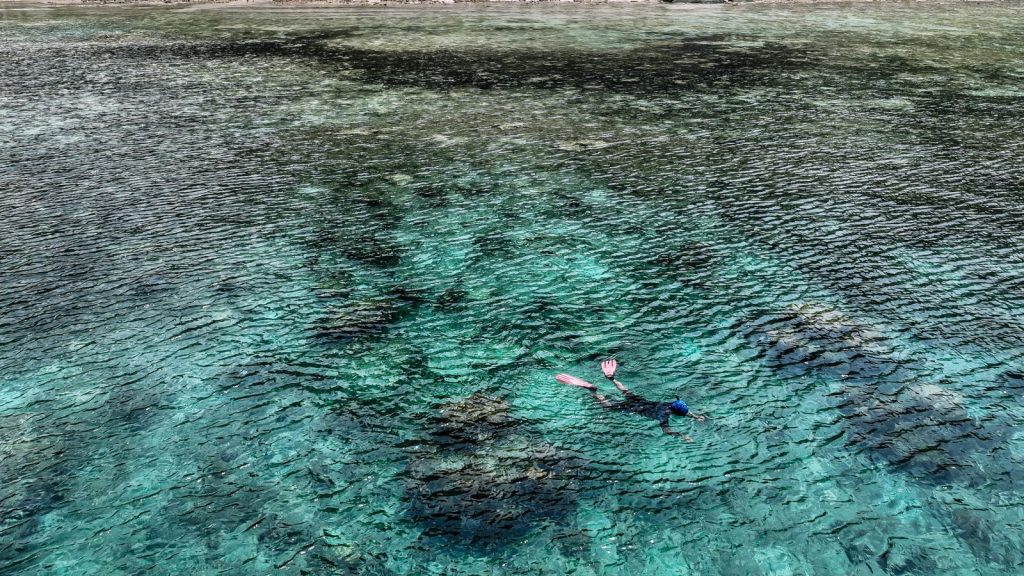
Shallow, current-sheltered coral gardens sit minutes offshore, thick with parrotfish, angelfish, wrasse and the occasional reef shark cruising the drop-off. On calm days visibility is often 10-20 metres. This is snorkelling at its most accessible — no experience needed, guides pointing out species as you go.
Green Turtle Encounters — nesting beaches and grazing grounds
Watamu hosts an important green turtle nesting population, monitored by local conservation groups who protect nests and release hatchlings. In the water, turtles graze unhurried on seagrass beds, often approachable at a respectful, guide-directed distance for unforgettable close encounters.
Glass-Bottom Boat Trips — reef viewing for every ability
For non-swimmers, young children or anyone preferring to stay dry, glass-bottom boats glide directly over the coral gardens, delivering full colour and fish activity without getting wet. It is Watamu’s most inclusive marine experience and a lovely warm-up before a proper snorkel.
Mida Creek Mangrove Paddle — the marine park’s quiet nursery
Adjoining Mida Creek’s mangrove forests serve as a nursery for reef fish and a haven for wading birds — best explored by kayak, dhow or the community boardwalk at dawn or dusk. It is a completely different, still-water counterpoint to the open reef, superb for birders and photographers alike.
Whale Sharks & Deeper Diving — the seasonal big-ticket sighting
Beyond the protected park, seasonal (roughly October-March) whale shark encounters draw specialist boat trips offshore, alongside dive sites reaching walls and overhangs unreachable by snorkel. Certified divers should ask about the season’s whale shark odds before booking — some years deliver more than others.
Reef Time Built Into Your Beach Stay
Snorkelling, glass-bottom boats or a dive add-on — tell us your comfort level and we’ll plan the marine day.
Watamu Marine Park Zones and Rules
It helps to know that two layers of protection sit side by side. The marine national park is the strict core: no fishing, no collecting shells or coral, and no anchoring on live reef. Around it, the larger marine national reserve allows traditional fishing by local communities under controls. Together with Malindi, the area also forms part of the Malindi-Watamu UNESCO Biosphere Reserve, recognised since 1979.
The park is managed by the Kenya Wildlife Service, which charges a daily entry fee for every visitor who enters the water or boats over the reef. Licensed boat operators usually collect the fee or take you to the KWS office first, and the receipt should be kept for rangers who check boats on the water.
Watamu Marine Park rules for snorkellers
- Do not stand on, touch or kick coral; even a light brush can kill living polyps.
- Never feed fish or chase turtles; keep at least a few metres away and let animals choose how close to come.
- Do not buy or take shells, coral or starfish, inside or outside the park.
- Use reef-safe sunscreen, or better, a rash vest and leggings, so less cream washes onto the reef.
- Follow your boat crew’s instructions on currents and where to enter and leave the water.
Best Time to Visit Watamu Marine Park
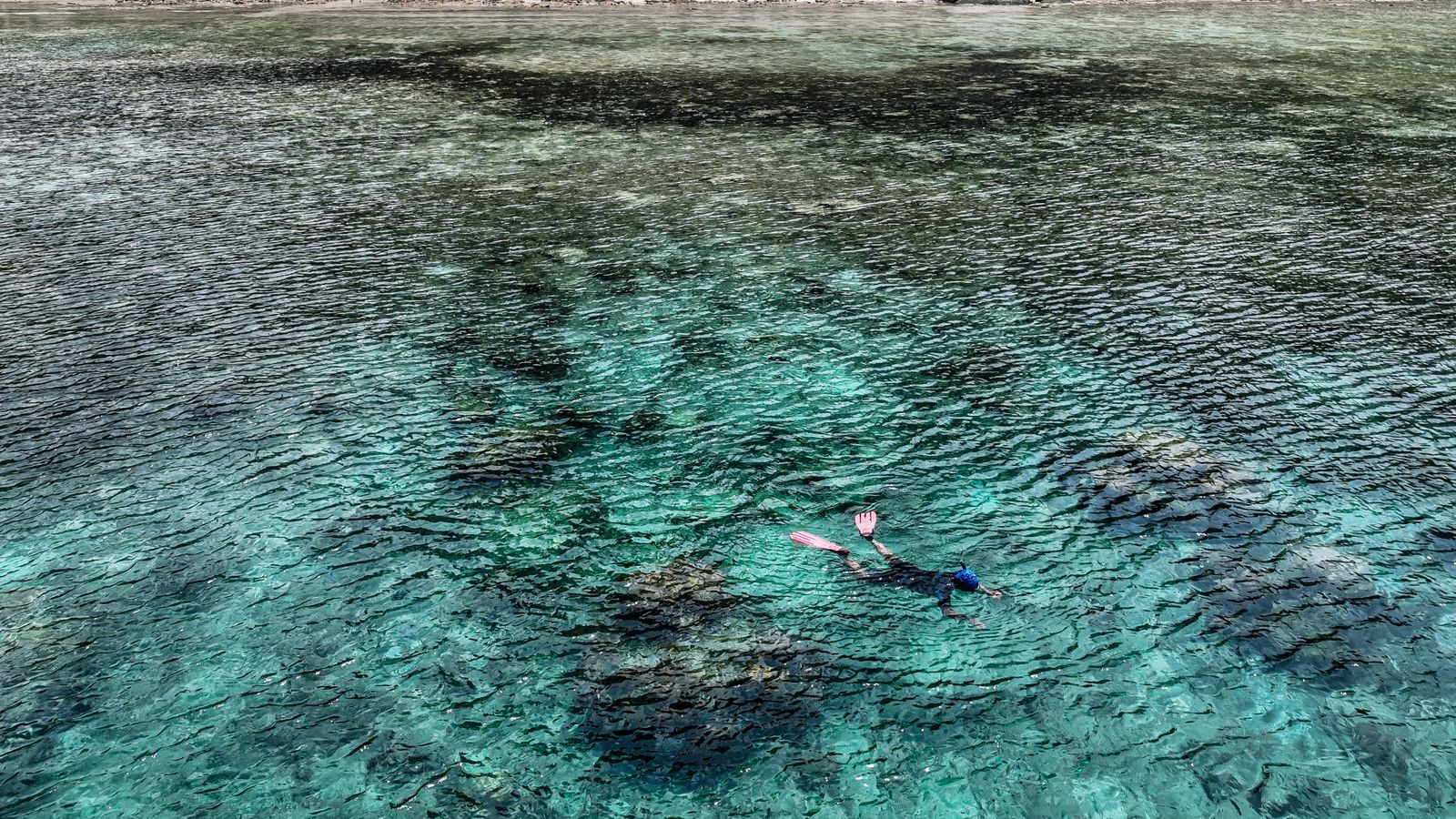
Kenya’s coast is warm all year, with sea temperatures in the high 20s °C, so the deciding factors are wind and rain. From about October to April the north-east monsoon brings lighter winds and calmer, clearer water, and December to March is usually the sweetest stretch for snorkelling. From roughly June to September the stronger south-east monsoon can bring swell, seaweed and lower visibility on some days.
| Months | Sea conditions | What to expect |
|---|---|---|
| December–March | Usually calm and clear | Best snorkelling; whale shark season offshore; busy over Christmas |
| April–May | Long rains, variable | Quiet beaches, lower rates, some rough or murky days |
| June–September | Windier, more swell | Good for kitesurfing; reef trips still run on calmer days |
| October–November | Settling, short rains possible | Visibility improving; whale shark season begins |
Tides and the best time of day
Tides matter more than the calendar. Most reef trips in Watamu Marine Park are timed around low tide, when the coral gardens are shallow and sheltered and the fish are easy to see. Spring tides around the full and new moon give the lowest water and the best lagoon walks. Your boat crew will plan the departure time to match the tide table, so be flexible about mornings or afternoons.
Marine Life in Watamu Marine Park
Coral and reef fish
Brain, staghorn and table corals form the gardens, with sponges and soft corals on the outer edges. Look for parrotfish, butterflyfish, angelfish, surgeonfish, Moorish idols, trumpetfish and shoals of fusiliers, plus moray eels and octopus tucked into crevices. Lionfish and scorpionfish sit motionless on the bottom, so look but never touch.
Turtles
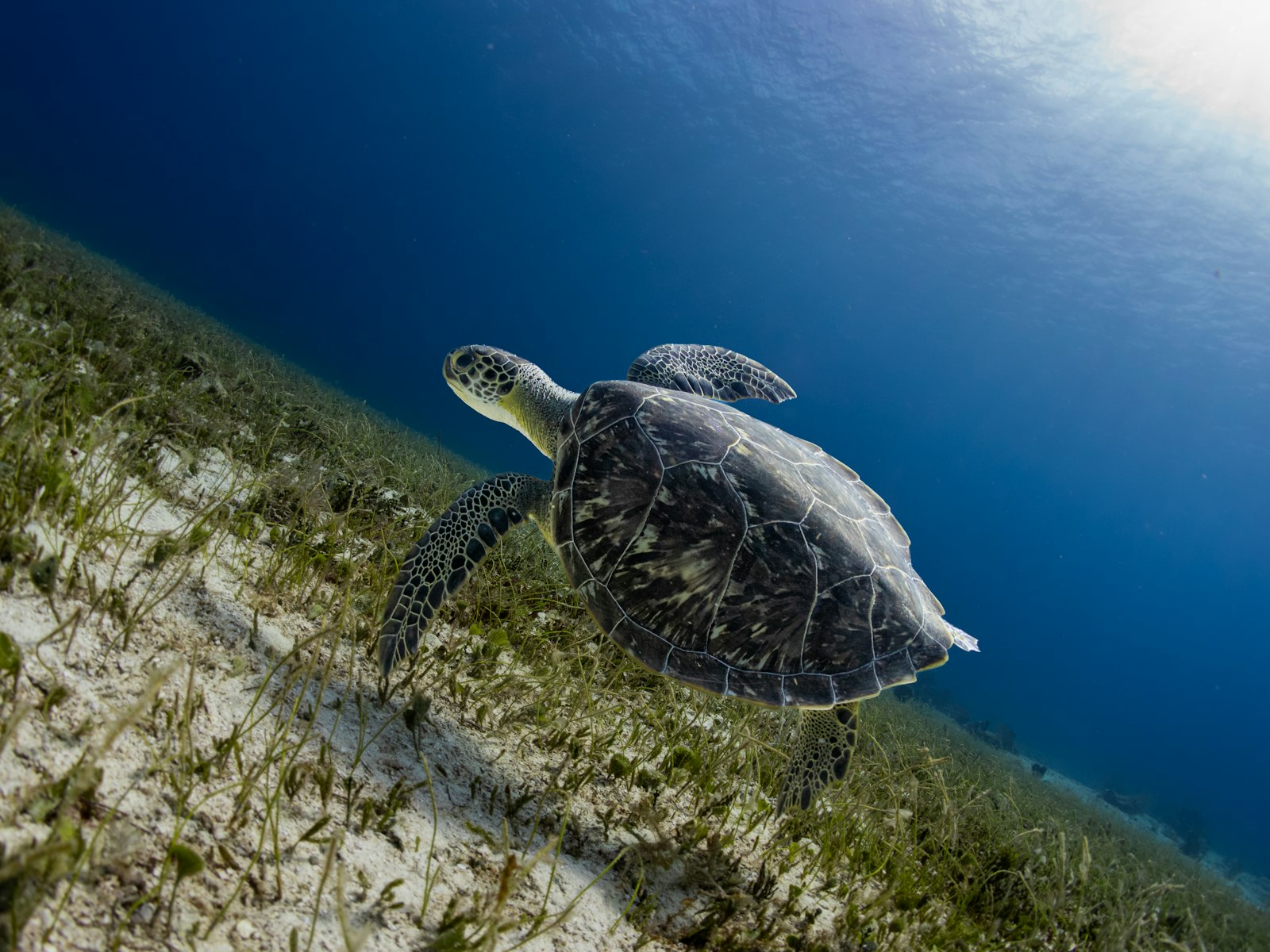
Green turtles are the species you are most likely to see, grazing on seagrass inside the lagoon, and hawksbills feed on the reef itself. Nesting happens through much of the year on Watamu’s beaches, where conservation volunteers guard nests from predators and people. Ask us about joining a supervised hatchling release if one is planned while you are in town.
Dolphins, rays and whale sharks
Bottlenose and humpback dolphins are seen on some trips, though less reliably than at Kisite-Mpunguti on the south coast. Eagle rays and stingrays glide over sandy patches, and in the whale shark season specialist boats look for the world’s largest fish feeding offshore. Treat any of these as a bonus rather than a promise.
Birds of Mida Creek
Mida Creek is an important stop for migrant waders from Europe and Asia between roughly September and April, including crab plovers, sandpipers and curlews, alongside resident herons, egrets and kingfishers. A low-tide visit with binoculars is a fine half-day for birders, and the community boardwalk through the mangroves suits families too.
How to Get to Watamu Marine Park
By air: daily flights link Nairobi with Malindi in about an hour, and Watamu is roughly 25 km, or about 30 minutes, south of Malindi by road. This is the fastest option if you are flying in from a safari.
By road or rail: Watamu is about 105 km north of Mombasa, typically 2.5 to 3 hours by road depending on traffic. Many travellers take the SGR train from Nairobi to Mombasa and continue by private transfer; see our Nairobi to Mombasa transport guide for the trade-offs. Once in Watamu, boats leave straight from the beach, so there is no long transfer to the reef.
Watamu Marine Park Costs and Packages
A reef day costs far less than a day on safari, but it helps to budget for three parts: the KWS park fee, the boat and guide, and snorkel or dive gear. Fees change, so check the current rates on the KWS website before you travel. Prices on our site include:
- Watamu & Malindi Marine Escape (4 Days) — from USD 700 per adult, with snorkelling in the marine park, Mida Creek and Gede.
- Gede Ruins & Mida Creek Day Trip — from USD 110, an easy add-on to a beach stay.
Final prices depend on season, hotel and group size. If you would like Watamu tied to a safari, ask for a private Kenya safari quote or compare our luxury Kenya safari options.
Combining Watamu Marine Park With a Safari
The classic plan is bush first, beach second: game drives in the Masai Mara or Amboseli, then a flight to Malindi and three or four nights by the reef. If you start on the coast instead, Tsavo East is the closest big park, and our Tsavo safari page shows short trips from the beach hotels.
For a longer route that starts in the capital, see our Kenya safari from Nairobi options, then add Watamu at the end. Our comparison of the best marine parks in Kenya helps if you are choosing between Watamu, Malindi and the south coast.
What to Pack for Watamu Marine Park
- In the water: a well-fitting mask, a rash vest and reef-safe sunscreen; boat crews provide fins and basic gear.
- On the boat: a hat, sunglasses, a towel and drinking water.
- Feet: water shoes for lagoon walks and rocky entries.
- Camera: a waterproof case or action camera, with a strap so it cannot sink.
- Health: seasickness tablets if you are prone, plus insect repellent for evenings by the creek.
Before you travel, check entry rules on the official Kenya eTA portal and the latest GOV.UK travel advice for Kenya. The Magical Kenya tourism site also lists coastal events and hotels.
Our Verdict on Watamu Marine Park
For most travellers, Watamu Marine Park is the easiest place in Kenya to see a healthy reef without diving. Come between December and March for the best water, time your boat with low tide and give it at least two reef sessions, because no two tides are the same. Families, first-time snorkellers and honeymooners all find something here.
It is not a place for guaranteed big animals: whale sharks and dolphins are seasonal bonuses. But turtles, coral gardens and hundreds of reef fish are there every calm day, a short boat ride from the sand. Tell us your dates and we will match the tide tables to your stay.
Watamu Marine Park Facts
- Protection since 1968: one of the first marine protected areas established in Africa, giving the reef decades of recovery time.
- Fish diversity: over 600 recorded species across the reef and lagoon systems.
- Turtles: green turtles nest on Watamu’s beaches; hawksbills and other species also occur.
- Visibility: often 10-20 metres on calm days, among the clearest inshore snorkelling on the Kenyan coast.
- Best months: roughly October-April for calmer seas, especially December-March; October-March for whale shark season offshore.
- Access: glass-bottom boats and snorkel trips depart directly from Watamu beach, no long boat transfer required.
Combining Reef and Beach Time
Watamu features in our 4-day Watamu & Malindi Marine Escape, and pairs beautifully with an evening dhow cruise. For the wider coast, see our Diani water sports guide, the neighbouring Malindi Marine National Park guide and the historic Stone Town Zanzibar guide if extending toward Tanzania.
The Reef Is Waiting Under Calm Water
Turtles, coral gardens and 600 fish species — a short boat ride from your beach chair. Message us to plan the day.
Frequently Asked Questions
What is special about Watamu Marine Park?
Watamu Marine Park, gazetted in 1968 as one of Africa’s first marine protected areas, protects healthy coral gardens, over 600 fish species and an important green turtle nesting beach. Shallow, sheltered reefs close to shore make it one of Kenya’s most accessible places to snorkel.
Can beginners snorkel at Watamu?
Yes — Watamu’s coral gardens sit in shallow, current-sheltered water just minutes from shore, ideal for first-time snorkellers, and glass-bottom boats offer a dry alternative for non-swimmers or young children. Guides accompany most trips and point out turtles, reef fish and coral species along the way.
When can you see turtles at Watamu?
Green turtles graze in Watamu’s lagoon and seagrass beds all year, so most calm-day snorkel trips have a good chance of a sighting. Nesting happens through much of the year, and local conservation groups sometimes allow visitors to watch supervised hatchling releases. Ask us about timing for your dates.
Is Watamu good for whale shark sightings?
Watamu’s offshore waters see seasonal whale shark activity roughly October to March, with specialist boat trips targeting known feeding areas beyond the marine park. Sightings vary year to year, so check current conditions with local dive operators before planning around them.
How do you get to Watamu Marine Park?
Fly from Nairobi to Malindi in about an hour, then drive roughly 30 minutes south to Watamu. By road, Watamu is about 105 km north of Mombasa, typically 2.5 to 3 hours. Snorkel and glass-bottom boat trips depart directly from Watamu’s beaches, so the reef is minutes away.
What is the best month to snorkel in Watamu Marine Park?
December to March usually brings the calmest seas and clearest water in Watamu Marine Park, thanks to the gentler north-east monsoon. October, November and April can also be good. June to September is windier, with more swell and seaweed, although trips still run on calmer days.
Is Watamu Marine Park good for families?
Yes. Calm, shallow coral gardens, glass-bottom boats for younger children and short boat rides make Watamu Marine Park one of the best family reef days in Kenya. Add the Mida Creek boardwalk and Gede ruins for variety, and choose a hotel on the beach so trips leave from your doorstep.