Malindi Marine National Park is Kenya’s oldest marine protected area, established in 1968 just south of Malindi town on the north coast. KWS manages its fringing reef, lagoon coral gardens, seagrass beds and mangroves, where you can snorkel among reef fish and may see turtles, rays and humpback dolphins. UNESCO named the area a biosphere reserve in 1979.
Sense of Adventure is a TRA-licensed private safari company based at Mountain Mall on Thika Road, Nairobi. We plan north coast stays, reef trips and bush-and-beach safaris for travellers and overseas travel agents. This guide gives you checked facts, honest wildlife odds and practical planning advice for a day on the reef.
✅ Malindi Marine National Park: The Quick Answer
- What it is: Kenya’s oldest marine protected area, created in 1968 and managed by KWS, just south of Malindi town.
- What you see: lagoon coral gardens and reef fish, with turtles, rays and dolphins as possible bonuses.
- Entry fee: USD 25 per non-resident adult per day, paid cashlessly; boat hire is extra.
- Best time: October to March for calmer seas, and always the two hours around low tide.
- Getting there: about an hour by air from Nairobi to Malindi, or the train to Mombasa and a drive north.
Staying in Malindi or Watamu? Send your dates and we will book a tide-timed reef trip with a licensed boat and guide.
Book my Malindi reef tripMalindi Marine National Park at a Glance
Malindi Marine National Park is a compact, historic reef park that suits snorkellers, families and anyone staying in Malindi or Watamu.
| Quick fact | Detail |
|---|---|
| Managed by | Kenya Wildlife Service (KWS) |
| Established | 1968, Kenya’s first marine protected area |
| UNESCO status | Part of the Malindi-Watamu Biosphere Reserve since 1979 |
| Location | South of Malindi town, from the Vasco da Gama Pillar, Kilifi County |
| Habitats | Fringing reef, lagoon coral gardens, seagrass, mangroves, mudflats |
| Gate hours | 6 am to 6 pm, according to KWS |
| Main activities | Snorkelling, diving, glass-bottom boats, reef walks |
Park and Reserve
Like Kenya’s other marine parks, the fully protected park sits inside a larger marine reserve. No fishing is allowed in the park itself, while regulated traditional fishing continues in the reserve. That protection is why fish are relaxed and plentiful on the coral gardens.
History of Malindi Marine National Park
Malindi Marine National Park was created in 1968, making it Kenya’s first marine protected area and an early pioneer in the Western Indian Ocean.
KWS describes the park as Kenya’s oldest marine protected area and a pioneer of marine conservation in the region. Watamu Marine National Park, a short drive south, was gazetted in the same era, and in 1979 UNESCO recognised the wider area as the Malindi-Watamu Biosphere Reserve. You will sometimes read that Malindi was Africa’s first marine park; KWS does not make that claim, so we describe it as Kenya’s first.
The Vasco da Gama Connection
The park starts near the Vasco da Gama Pillar, a coral-stone monument linked to the Portuguese navigator’s visit to Malindi in 1498. Malindi was already a busy Swahili trading town, and its story of Indian Ocean trade makes a good pairing with a morning on the reef.
Getting to Malindi Marine National Park
Malindi Marine National Park is about 5 km from Malindi town by road, and most visitors fly to Malindi or drive up from Mombasa.
By Air
Scheduled flights link Nairobi with Malindi Airport in roughly an hour, and some routes also serve Ukunda for Diani. From the airport, the reef is a short transfer. This is the easiest option if you are coming straight from a safari.
By Road and Rail
KWS suggests the Madaraka Express train from Nairobi to Mombasa Terminus at Miritini, then continuing by road. From Mombasa the drive north usually takes two to three hours, depending on traffic. From Watamu it is about 30 to 40 minutes.
On the Day
Boats leave from the KWS area near the park headquarters and from beach points along Casuarina Road. Your guide collects park fees through the KWS system. We confirm the meeting point and time the night before, based on the tide.
Marine Life in Malindi Marine National Park
In Malindi Marine National Park, expect coral gardens and reef fish on every good day, with turtles, rays and dolphins as possible bonuses.
Coral Gardens and Reef Fish
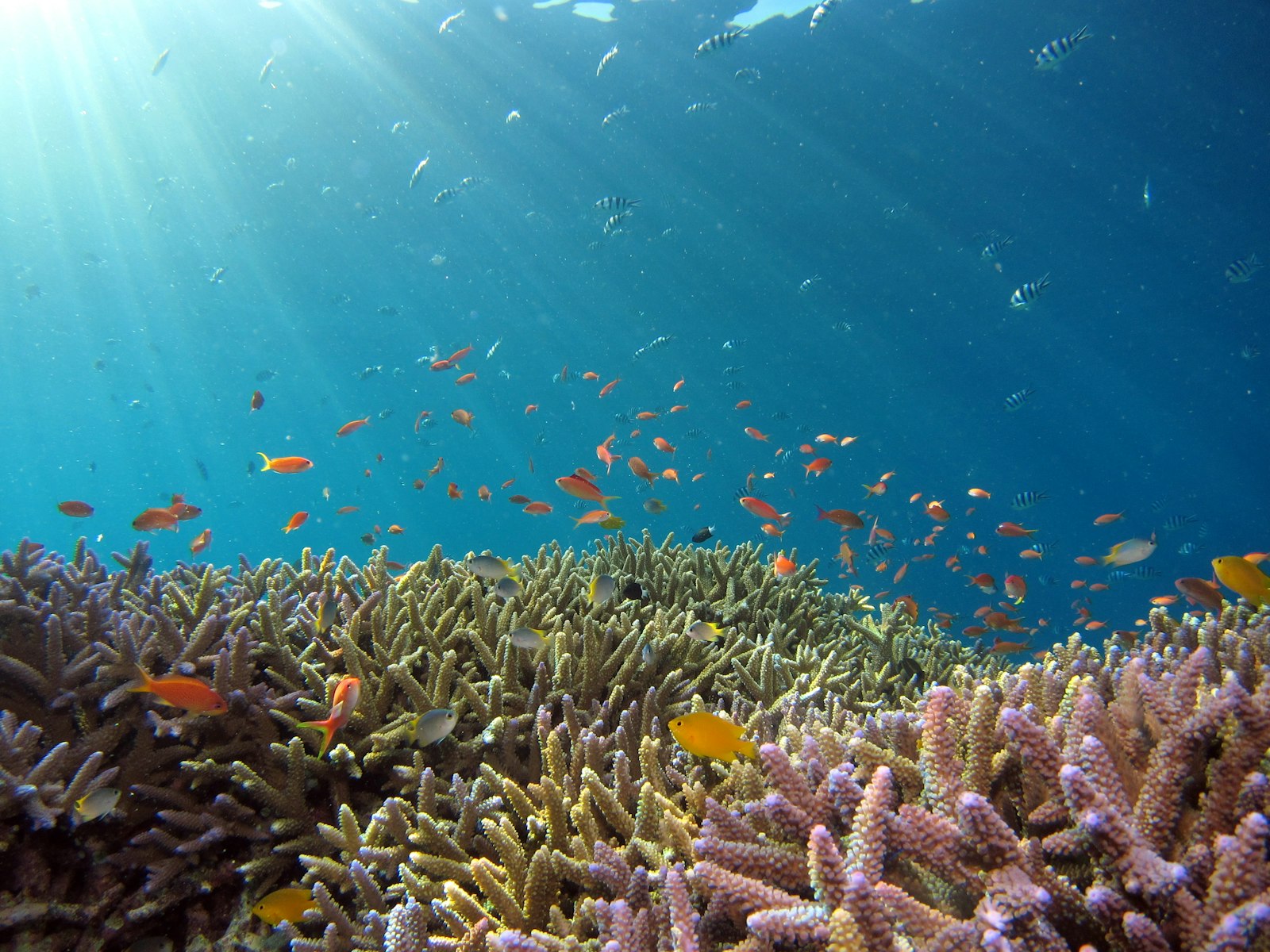
The sheltered lagoon holds coral gardens where parrotfish, angelfish, butterflyfish, surgeonfish and wrasse feed in clear, shallow water. Schools of fish gather around coral heads. In calm conditions, beginners can float above the coral with a life jacket while a guide points out species.
Turtles, Rays and Dolphins
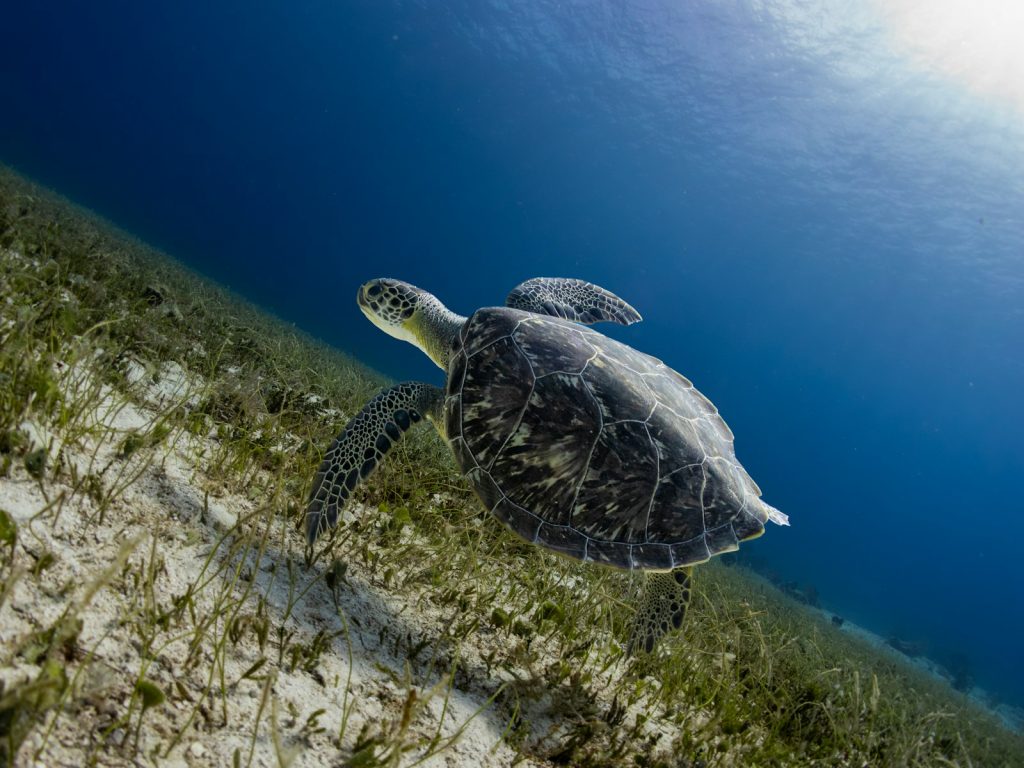
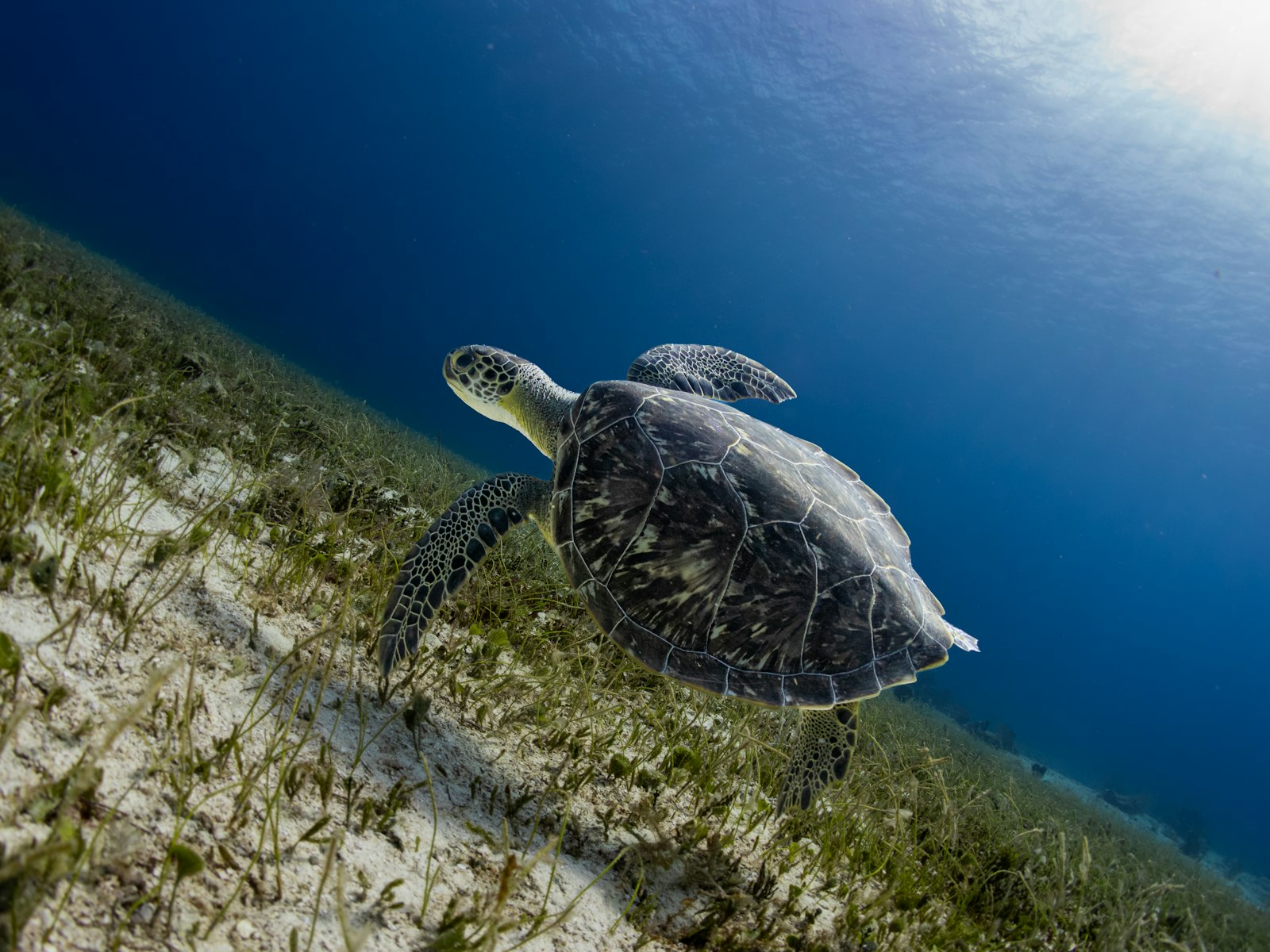
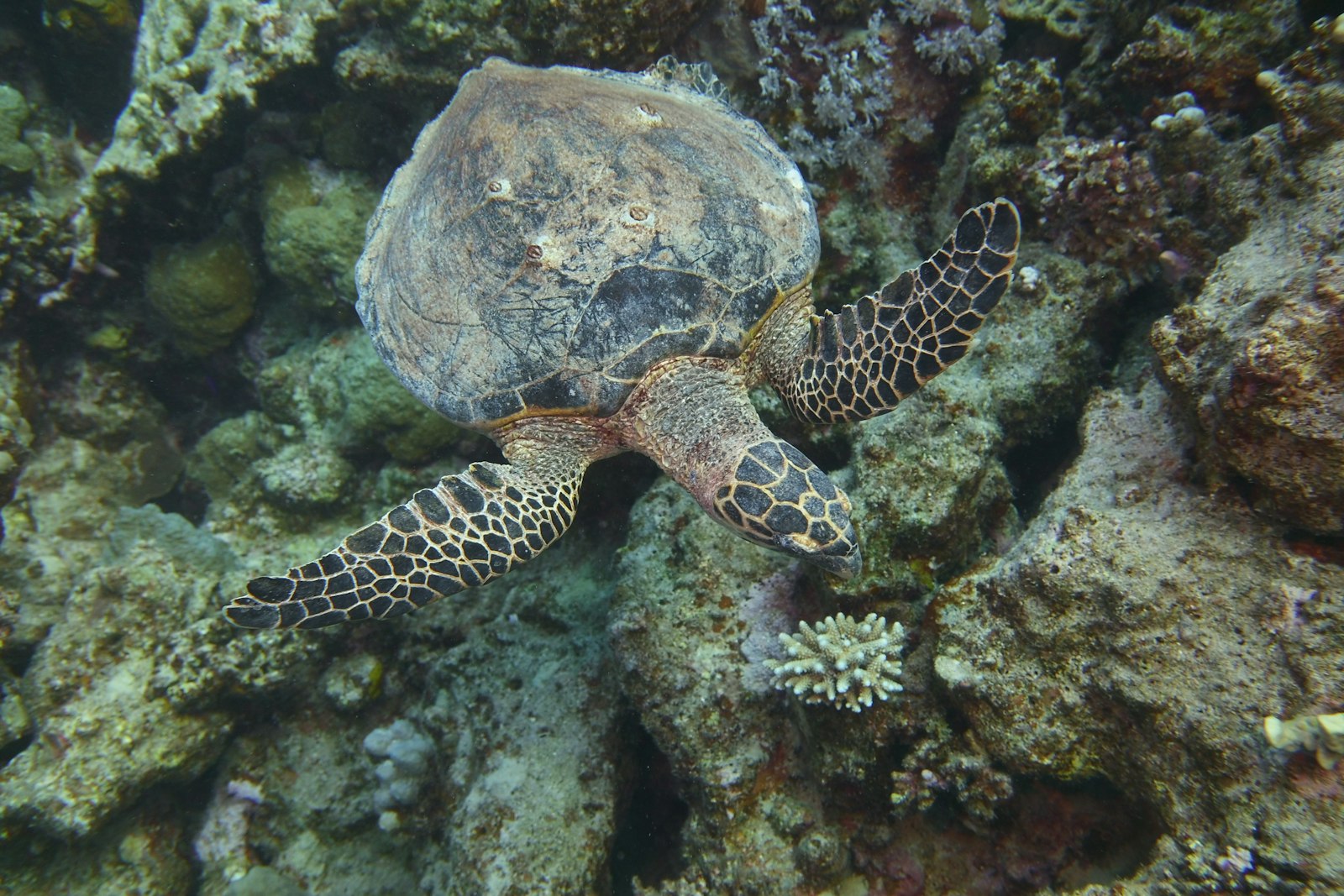
KWS lists sea turtles, rays, reef sharks and humpback dolphins among the park’s wildlife. Green turtles feed on seagrass and hawksbills on the reef. None of these are guaranteed, and responsible guides never chase them, but each trip has a chance of a special encounter.
Mangroves and Birds
Mangroves and mudflats along the shore attract waders and other coastal birds. For more birding, Mida Creek near Watamu is one of the best tidal birding sites on the coast.
Coral Health and Conservation
Like reefs across the Indian Ocean, Kenya’s corals have faced bleaching during marine heatwaves. Protection inside the park helps reefs recover by keeping fish that graze algae plentiful. You help too by avoiding contact with coral, choosing licensed boats and using reef-safe sun protection.
Reef Days, Ruins and Rest on the North Coast
Pair Malindi’s reef with Watamu, Gede Ruins and Mida Creek on one relaxed north coast plan. We handle every transfer and time each boat trip to the tide.
Things to Do in Malindi Marine National Park
Snorkelling from a boat is the classic activity in Malindi Marine National Park, with diving, glass-bottom boats and reef walks as alternatives.
- Snorkelling: a guided boat trip of two to three hours to the coral gardens, best at low tide.
- Glass-bottom boats: ideal for non-swimmers and young children.
- Scuba diving: local dive centres run courses and guided dives on the outer reef.
- Reef walks: at very low spring tides, guided walks on the exposed reef flat show starfish and sea cucumbers.
- Beach time and water sports: KWS lists sailing, windsurfing, kitesurfing and kayaking along this coast.
Expert tip from our Nairobi team
Book your reef trip for the two hours around low tide and confirm the time the evening before, as tides shift daily. Wear water shoes for reef walks and never stand on living coral. Use reef-safe sunscreen and a rash vest, and keep your hands to yourself in the water. If dolphins or turtles appear, stay calm and let them come to you.
Best Time to Visit Malindi Marine National Park
October to March usually brings the calmest seas and best visibility, but the tide matters as much as the month.
| Months | Typical conditions | Planning note |
|---|---|---|
| October to March | Calmer north-east monsoon, warm water | Best overall; book festive dates early |
| April to June | Long rains, some rough days | Visibility can drop after heavy rain |
| June to September | Stronger south-east monsoon | Choppier water; lagoon trips at low tide |
The Sabaki River enters the sea just north of Malindi. After heavy rain inland, it can carry silt along the coast and reduce visibility for a few days. On those days, Watamu’s reef is often clearer, and we will suggest switching if needed.
Reading the Tides in Malindi Marine National Park
Tides decide the quality of a reef day in Malindi Marine National Park more than the season. The lowest low tides, called spring tides, come around the full and new moon, when the lagoon is shallow and calm and the reef flat may be exposed for walks. Around the half moon, neap tides bring a smaller range and deeper water over the coral.
Low tide also arrives roughly 50 minutes later each day, so a perfect morning slot one week can become an afternoon slot the next. We check the tide table for your dates before confirming the boat, and suggest the best day if you have a choice.
Malindi Marine National Park Fees and Rules
KWS charges a daily conservation fee for Malindi Marine National Park, paid cashlessly, plus the cost of your boat and guide.
| Visitor category | Adult | Child |
|---|---|---|
| Non-resident | USD 25 | USD 15 |
| African citizen | USD 15 | USD 10 |
| Kenya resident | KSh 675 | KSh 350 |
| East African citizen | KSh 500 | KSh 250 |
These rates appear on the official KWS Malindi Marine National Park and Reserve page and the KWS conservation fees schedule from October 2025. Fees can change, so check before you travel, or read our Kenya national parks entrance fees 2026 guide.
Reef Rules
- Single-use plastic is prohibited in the park.
- Do not touch, stand on or collect coral, shells or marine life.
- Do not feed fish or other wildlife.
- Use licensed boats and follow your guide’s instructions.
What a Reef Trip Costs
Your total cost has two parts: the KWS conservation fee for Malindi Marine National Park above and the boat, guide and equipment, which are priced separately by licensed operators. We include both in one written quote, so there are no surprises at the jetty.
For a fuller stay, our Watamu and Malindi Marine Escape runs for four days from USD 700 per adult, and the Gede Ruins and Mida Creek day trip starts from USD 110 per adult sharing. Final prices depend on season, hotel and group size.
Want a Fixed Price for Your Reef Days?
The best north coast hotels fill early over Christmas, New Year and Easter. Share your dates and we will send a written quote covering KWS fees, boat, guide and transfers.
Malindi vs Watamu vs Mombasa Marine Parks
Malindi Marine National Park offers history and town life, Watamu a quieter village feel, and Mombasa the easiest access from big beach hotels.
| Feature | Malindi | Watamu | Mombasa |
|---|---|---|---|
| Established | 1968 | Same era, part of the same biosphere reserve | 1986 |
| Setting | Historic Swahili town | Quiet resort village | City north coast hotels |
| Highlights | Coral gardens, Vasco da Gama Pillar | Coral gardens, Mida Creek nearby | Convenience, lagoon trips |
| Best for | Culture plus reef | Relaxed beach stays | Short stopovers |
Compare our Mombasa Marine National Park guide, or see every protected area in our complete list of Kenya national parks and reserves.
Torn between Malindi, Watamu and Mombasa? Tell us who is swimming and what else you want to see, and we will suggest the right reef and base.
Help me choose a reefCombining Malindi With the North Coast and a Safari
Malindi Marine National Park works best as part of a three- to five-night north coast stay, either after a safari or as a standalone beach break.
Gede Ruins and Mida Creek
The ruins of Gede, a medieval Swahili town in the forest near Watamu, and the mangroves of Mida Creek make a rewarding half-day. Our Gede Ruins and Mida Creek day trip covers both.
Ready-Made Coast Plans
Our 4-day Watamu and Malindi marine escape is built around these reefs, and the Swahili coast heritage tour adds Mombasa’s Old Town and Fort Jesus.
Bush and Beach
Many guests fly to the coast after the Masai Mara or Amboseli. Tsavo East is also reachable from the north coast for a day or overnight safari. See our private Kenya safari and luxury Kenya safari ideas, or start with a Kenya safari from Nairobi.
| Trip length | Suggested plan |
|---|---|
| 3 nights | Malindi or Watamu, one reef morning, one heritage half-day |
| 5 nights | Two reef trips, Gede and Mida Creek, plenty of beach time |
| 10 to 12 days | Safari in the Mara or Amboseli, then 4 to 5 nights on the north coast |
Who Malindi Marine National Park Suits
Malindi Marine National Park suits first-time snorkellers, families, divers and travellers who enjoy history alongside the beach.
Strong swimmers and divers will enjoy the outer reef, while families can stay in the lagoon or on a glass-bottom boat. If your top priority is dolphins, Kisite-Mpunguti on the south coast is more reliable. Check the latest UK government travel advice for Kenya for the coast before you book, and browse Magical Kenya for more ideas.
Travel agents can request net rates and white-label documents for north coast programmes, with tide-timed reef trips confirmed for each client.
Planning Checklist for Malindi Marine National Park
- Check the tide table and book your boat for the two hours around low tide.
- Confirm what the boat includes: masks, fins, life jackets, water and KWS fees.
- Pack swimwear, a rash vest, reef-safe sunscreen, water shoes, a hat and a dry bag.
- Tell us who swims so we can choose the lagoon, the outer reef or a glass-bottom boat.
- Keep a spare morning in case wind or murky water forces a change of plan.
Safety in Malindi Marine National Park
Currents can be strong near reef channels and the outer edge, so stay close to your guide and wear a life jacket if you are not a confident swimmer. Watch for sea urchins in the lagoon and never put your hands into crevices. Children should be supervised in the water at all times, and divers should check their insurance covers scuba before they travel.
Bring cash only for tips and drinks; KWS fees in Malindi Marine National Park are paid electronically. Keep phones and cameras in a dry bag on the boat, and rinse your gear in fresh water after the trip.
Malindi Marine National Park FAQs
Was Malindi the first marine park in Africa?
KWS describes Malindi, established in 1968, as Kenya’s first and oldest marine protected area and a regional pioneer. Some websites call it Africa’s first marine park, but the official KWS page does not make that claim, so it is safest to describe it as Kenya’s first.
What can you see in Malindi Marine National Park?
You can see lagoon coral gardens and reef fish such as parrotfish, angelfish and butterflyfish. KWS also lists sea turtles, rays, reef sharks and humpback dolphins. Turtles and dolphins are possible bonuses rather than guaranteed sightings, and calm low-tide conditions give the best views.
How much is the Malindi Marine National Park entry fee?
Non-resident adults pay USD 25 and children USD 15 per day under current KWS rates. African citizens pay USD 15, Kenya residents KSh 675 and East African citizens KSh 500. Fees are cashless, boat hire is extra, and you should always check the latest official tariff.
When is the best time to snorkel in Malindi?
October to March usually brings calmer seas and clearer water. In the rainy months, the Sabaki River can carry silt along the coast and reduce visibility for a few days. Whatever the month, book your boat for the two hours around low tide.
Is Malindi or Watamu better for snorkelling?
Both protect fine coral gardens and form part of the same UNESCO biosphere reserve. Watamu is often clearer after heavy rain because it is further from the Sabaki River, while Malindi adds a historic town. Many travellers stay in one and visit both reefs.
How do I get to Malindi Marine National Park?
Fly from Nairobi to Malindi in about an hour, or take the Madaraka Express train to Mombasa and drive two to three hours north. The park is about 5 km from Malindi town via Casuarina Road, and boats leave from KWS points along the shore.
Can non-swimmers visit Malindi Marine National Park?
Yes. Glass-bottom boats let non-swimmers and young children see the coral gardens and reef fish without getting wet. Confident beginners can also snorkel in the calm lagoon wearing a life jacket, with a guide close by. Tell us who swims so we can choose the right boat and spot.
How long does a snorkelling trip in Malindi Marine National Park take?
A guided boat trip to the coral gardens usually lasts two to three hours, timed around low tide. Add travel from your hotel and time to pay KWS fees, and most guests are back by lunch. That leaves the afternoon free for the beach, Malindi town or Gede Ruins.
Plan Your Malindi Reef and North Coast Trip
Sense of Adventure is a TRA-licensed Nairobi safari company. We combine tide-timed reef days in Malindi Marine National Park with heritage visits, beach time and safaris in one well-paced plan.
Kenya-based experts. Real local knowledge. Transparent pricing.