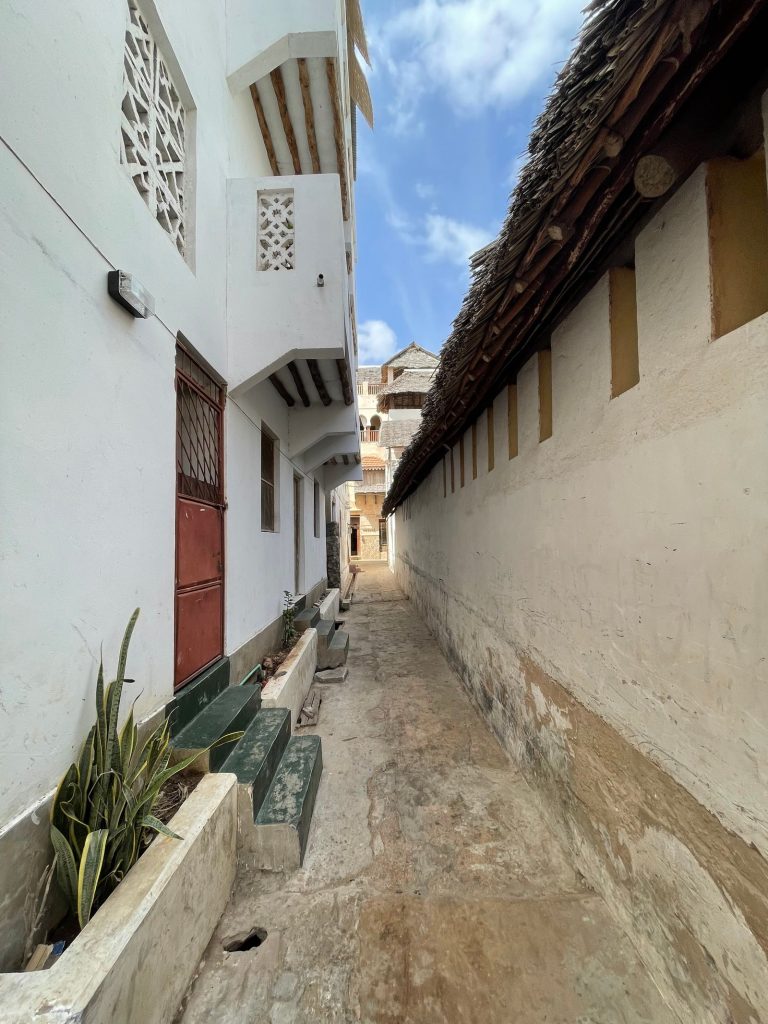
Stone Town Zanzibar compresses a thousand years of Indian Ocean trade into a few square kilometres of coral-stone alleyways. UNESCO World Heritage-listed since 2000, this labyrinth of narrow streets mixes Swahili, Arab, Persian, Indian and European architecture in a way found nowhere else on earth — intricately carved wooden doors studded with brass, spice-scented markets, mosques beside churches beside a cathedral built atop the old slave market.
It is also, more darkly, ground zero for the East African slave trade’s historical reckoning, and the town where Freddie Mercury was born. Most Kenya-based travellers reach it as an easy extension from Nairobi or the coast, and Sense of Adventure treats a Stone Town day as essential cultural counterpoint to beach time. This guide covers the essential sights, how long to stay, the best time to go, getting there from Kenya, prices and practical etiquette.
✅ Stone Town Zanzibar Quick Answer
- What it is: the historic old quarter of Zanzibar City, a UNESCO World Heritage Site since 2000.
- Must-sees: the slave market memorial at Christ Church, the carved doors, Darajani market, Forodhani Gardens and a spice farm.
- How long: one full day for the highlights; two nights to enjoy it slowly before the beaches.
- Best time: June to October and December to February are driest; March to May brings the long rains.
- From Kenya: about 1 hour 20 minutes by air from Nairobi; our 5-day Zanzibar Beach & Stone Town trip starts at USD 1,200.
Add Zanzibar’s Old Heart to Your Coast Trip
A short flight from Kenya puts you in Stone Town’s alleyways by lunchtime. Ask about the combination.
Why Stone Town Zanzibar Looks Like Nowhere Else
Stone Town grew wealthy on cloves, ivory and — for a brutal century — enslaved people funnelled through what was East Africa’s largest slave market. The town confronts that history directly at the Anglican cathedral built over the old auction site, with its harrowing underground holding chambers.
That same trade wealth built the ornate merchant houses whose carved doors — Indian-style with brass studs, or Omani-Arab with geometric patterns — remain the town’s signature detail, with over 500 documented. Spice plantations inland earned Zanzibar its “Spice Island” name, and guided tours still walk visitors through cloves, vanilla, cinnamon and cardamom growing in situ. Add the Mercury House museum, and the town’s layered identity — Swahili, Arab, Indian, colonial, rock-and-roll — becomes tangible in a single walk.
The 5 Essential Stone Town Experiences
The Slave Market Memorial — Zanzibar’s hardest, most necessary stop
The Anglican Cathedral of Christ Church stands directly on the site of East Africa’s largest slave market, closed in 1873. Beneath it, preserved holding chambers where captives were kept before auction can be visited, alongside a moving memorial sculpture. It is not a comfortable visit, and it should not be — go with an informed guide.
The Carved Door Walk — reading Stone Town’s architecture
Over 500 elaborately carved wooden doors — Indian brass-studded style versus Omani geometric-pattern style, each telling you something about the original merchant owner’s origin and wealth — turn a simple walk into an open-air museum. Guides spot details (fish for fertility, chains for the trader’s business) that transform ordinary doorways into stories.
Darajani Spice Market — colour, scent and street food
The central market hums with vendors selling cloves, vanilla, tamarind, dried fish, fresh produce and the day’s catch, plus Zanzibar’s famous street food at dusk on Forodhani Gardens seafront — grilled seafood skewers, Zanzibar pizza, sugarcane juice. It is sensory overload in the best possible way.
A Spice Farm Tour — seeing the “Spice Island” at the source
Short trips inland walk you through working plantations growing cloves, cinnamon, nutmeg, cardamom, vanilla and black pepper, guides plucking, crushing and explaining each as you go, often finishing with a tropical fruit tasting and fresh spice tea. It explains the wealth — and the name — behind everything in town.
Freddie Mercury’s Stone Town — the old town’s rock-and-roll footnote
Queen’s legendary frontman was born Farrokh Bulsara in Zanzibar in 1946 to a Parsi family. Mercury House, a building linked to his early years, now operates as a small museum crowded with photos and memorabilia. It is a quick, joyful stop that adds an unexpected modern layer to the old town’s history.
Combine Kenya and Zanzibar
A short flight links our Kenya safaris and coast trips to Stone Town — ask us to add the extension to your itinerary.
More Stone Town Zanzibar Sights Worth Your Time
The seafront landmarks
The waterfront holds the old town’s grandest buildings. The Old Fort (Ngome Kongwe), built by the Omanis around 1700, now hosts craft stalls and an open-air stage. Next door, the House of Wonders (Beit al-Ajaib), built in 1883 as a ceremonial palace and the first building in East Africa with electric light, has been under restoration since part of it collapsed in 2020, so check what is open on the day. Further along, the Palace Museum tells the story of the sultans who ruled from here.
Hidden corners of the old town
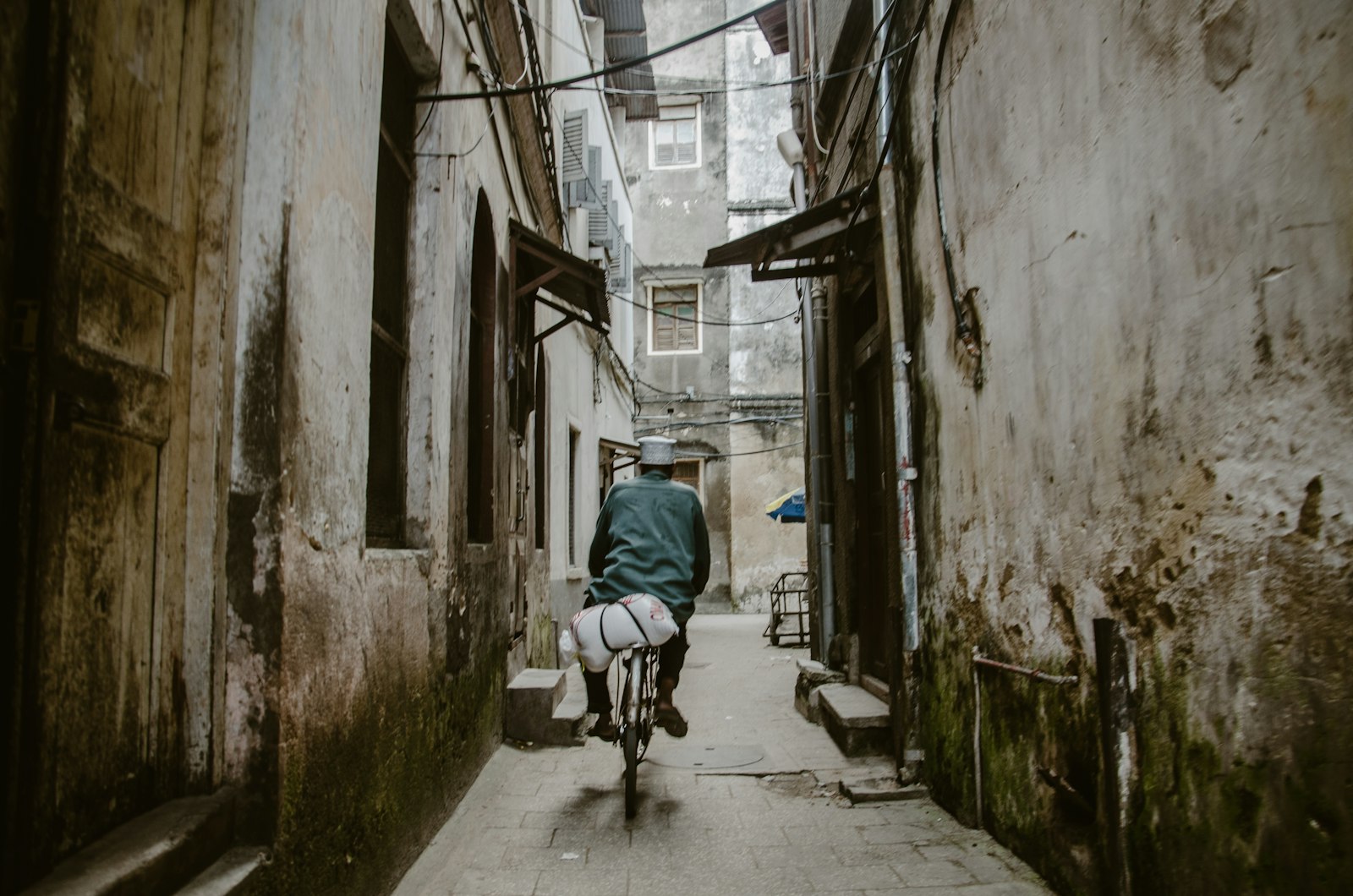
Step away from the seafront and the best of Stone Town Zanzibar is in its small details. Look for the Hamamni Persian Baths, built for Sultan Barghash in the late 19th century; the ornate Old Dispensary with its carved balconies; the Catholic St Joseph’s Cathedral; and the many small mosques tucked between houses. Rooftop cafés give a view over the tin roofs and minarets at sunset.
Prison Island and the giant tortoises
A short boat ride from the beach in front of the town, Changuu, often called Prison Island, is home to a colony of Aldabra giant tortoises, some of them very old. The trip takes about half a day, with time to snorkel off the island’s small beach, and is a favourite with families.
How to Spend One Day in Stone Town Zanzibar
| Time | What to do | Tip |
|---|---|---|
| 8:00–10:30 | Darajani market and the carved-door walk | Go early, before the heat and the crowds |
| 10:30–12:00 | Slave market memorial and Christ Church | Allow time to read the exhibition |
| 12:00–14:00 | Lunch and a rest in the shade | Try a Swahili biryani or pilau |
| 14:00–16:30 | Old Fort, seafront and Mercury House | Or swap for a Prison Island boat trip |
| 17:00 onwards | Sunset dhow cruise, then Forodhani night market | Ask the price before you order at the grills |
With a second day, add a morning spice farm tour and an afternoon at Jozani Forest to see the endemic Zanzibar red colobus monkey before heading to the beaches of the north or east coast.
Best Time to Visit Stone Town Zanzibar
Zanzibar is warm all year, usually around 26–32°C. The driest, most comfortable months are June to October, when the trade winds keep the air fresher, and December to February, which is hotter and very popular over Christmas. The long rains from about March to May bring heavy downpours, and some beach hotels close for part of that period, although Stone Town itself stays open.
November brings shorter, lighter rains and fair prices. Cultural events can also shape your dates: the Sauti za Busara music festival is usually held in February, and the Zanzibar International Film Festival in the middle of the year. During Ramadan, many restaurants close in daylight and the town is quieter by day and lively after sunset.
Getting to Stone Town Zanzibar From Kenya
Direct flights from Nairobi’s Jomo Kenyatta International Airport reach Zanzibar’s Abeid Amani Karume International Airport in about 1 hour 20 minutes, and there are also connections from Mombasa. The airport is only a short drive from the old town. Our Nairobi to Zanzibar layover guide explains tickets, bags and connection times in detail.
Zanzibar is part of Tanzania, so check Tanzanian visa rules for your passport, and note that Zanzibar requires visitors to hold its own mandatory inbound travel insurance. Rules change, so confirm them before you fly, and see the latest GOV.UK travel advice for Tanzania. If you are connecting through Kenya, apply for a Kenya eTA where needed on the official Kenya eTA portal.
Stone Town Zanzibar Trips and Prices
Stone Town works best as two nights before or after the beach, or at the end of a Kenya safari. Prices on our site include:
- Zanzibar Beach & Stone Town (5 Days) — from USD 1,200, with a guided old-town walk, spice farm and beach time.
- Kenya & Zanzibar Honeymoon – Masai Mara & Spice Island (10 Days) — from USD 3,650, pairing big cats with Stone Town and the sea.
- Kenya, Tanzania & Zanzibar Family Holiday (14 Days) — the full East African journey for families.
Final prices depend on season, hotel and group size. For a trip built around your dates, ask for a private Kenya safari quote with a Zanzibar extension, or see our luxury Kenya safari options. Most guests start with game drives in the Masai Mara before flying to the island.
Practical Tips for Stone Town Zanzibar
Dress and etiquette
Zanzibar is a mainly Muslim island. In town, cover shoulders and knees, keep swimwear for the beach and ask before photographing people. A light scarf is useful for visiting religious sites. Public displays of affection are best kept discreet.
Money, safety and guides
- The Tanzanian shilling is the local currency; US dollars are widely accepted for hotels and tours, but carry small shillings for markets and tips.
- Stone Town is generally relaxed, but watch for pickpockets in crowds and avoid poorly lit lanes alone at night.
- Street touts, known locally as papasi, offer tours and taxis; book a licensed guide through your hotel or with us instead.
- The lanes are a maze; a guide for the first walk saves time and explains what you are seeing.
For a frank look at current conditions, read our guide to whether Tanzania is safe for tourists.
Where to stay and what to eat
Most of the old town’s hotels are small boutique properties in restored merchant houses, often with rooftop terraces, carved beds and air conditioning. Because cars cannot reach many lanes, porters usually carry luggage the last few hundred metres, so pack a bag you are happy to have wheeled or carried. Staying near the seafront in Shangani puts you close to Forodhani Gardens and the sunset.
Food is one of the great pleasures of Stone Town Zanzibar. Try Zanzibar pizza and grilled octopus at the night market, a fragrant pilau or biryani at lunch, fresh coconut and sugarcane juice in the lanes, and spiced Swahili coffee from the street sellers in the evening. Ask your guide to point out the stalls locals use.
Our Verdict on Stone Town Zanzibar
Stone Town Zanzibar is not a place to rush. One guided day shows you the memorial, the doors and the market, but two nights let you enjoy the rooftop sunsets, the night market and the slower rhythm of the lanes. It gives a Kenya safari and beach trip something the bush and the sand cannot: a living, sometimes painful, always fascinating human story.
If you have limited time, put Stone Town at the start of your Zanzibar stay, while you still have the energy for walking, and finish on the beach. Tell us your dates and we will suggest the right mix of town, spice farm and coast.
Stone Town Facts
- UNESCO status: listed as a World Heritage Site in 2000 for its unique fusion of Swahili, Arab, Persian, Indian and European architecture.
- The doors: over 500 historic carved doors documented, each style hinting at the original owner’s cultural origin.
- Dark history: the site was East Africa’s largest slave market until it was closed in 1873; the cathedral and chambers memorialise it today.
- Spice Island: clove, vanilla, cinnamon and nutmeg plantations built Zanzibar’s historic wealth and its enduring nickname.
- Famous son: Freddie Mercury (Farrokh Bulsara) was born in Zanzibar in 1946; Mercury House in Stone Town is now a small museum.
- Getting there: short flights connect Zanzibar directly with Nairobi and Mombasa.
Extending a Kenya Coast Trip to Zanzibar
Stone Town pairs naturally with our 5-day Zanzibar Beach & Stone Town itinerary, or as an add-on after Diani Beach. Read our Zanzibar honeymoon guide for beach pairing ideas, and the Watamu Marine Park guide if building a longer coast-and-islands route.
History, Spice and a Rock Star’s Birthplace
One old town, a thousand years of story. Message us to add Stone Town to your Kenya trip.
Frequently Asked Questions
What makes Stone Town Zanzibar worth visiting?
Stone Town Zanzibar is a UNESCO World Heritage Site blending Swahili, Arab, Persian, Indian and European architecture in one walkable old town. It is famous for its 500-plus carved doors, spice markets, sobering slave-trade history, seafront night market and its link to Freddie Mercury.
What is the slave market history in Stone Town?
Stone Town hosted East Africa’s largest slave market until it was closed in 1873. The Anglican Cathedral of Christ Church now stands on the site, with preserved underground holding chambers, an exhibition and a memorial sculpture that visitors can see with a guide.
Can you combine a Kenya safari with Stone Town Zanzibar?
Yes. Direct flights take about 1 hour 20 minutes from Nairobi, with connections from Mombasa, so a Stone Town extension fits easily after a Masai Mara or Amboseli safari. Many travellers spend two nights in town, then several on Zanzibar’s beaches before flying home.
Was Freddie Mercury really born in Zanzibar?
Yes. Queen’s Freddie Mercury, born Farrokh Bulsara, was born in Zanzibar in 1946 to a Parsi family and spent his early childhood there before schooling in India. Mercury House in Stone Town, linked to his family, is now a small museum popular with fans.
What should I do on a spice tour in Zanzibar?
A spice tour from Stone Town walks you through working farms growing cloves, vanilla, cinnamon, nutmeg and pepper, with guides explaining each plant’s history and uses. Most finish with spice tea and tropical fruit tasting, making a relaxed half-day alongside the old town’s history walks.
How many days do you need in Stone Town Zanzibar?
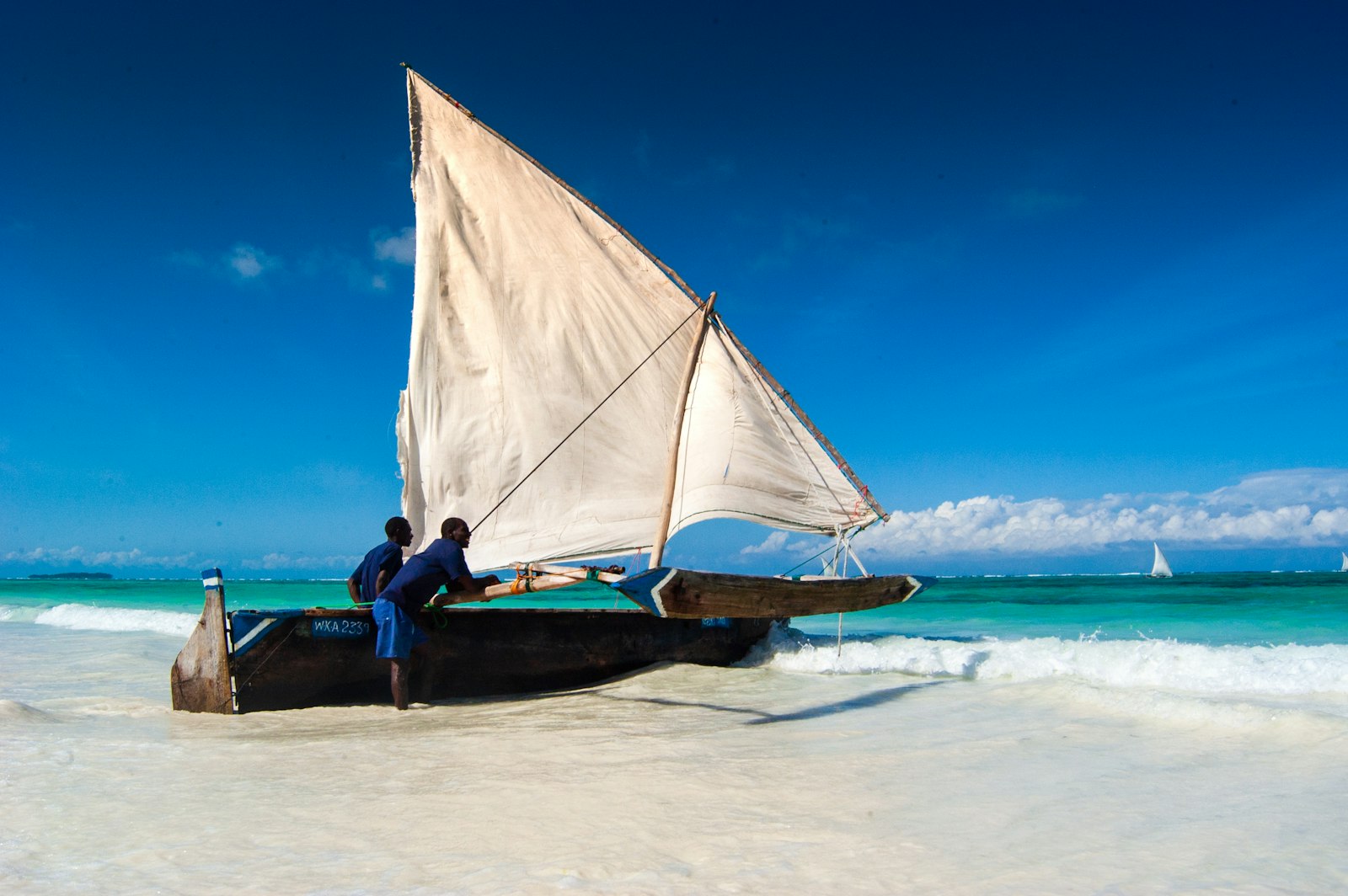
One full day covers the highlights of Stone Town Zanzibar with a guide: the slave market memorial, carved doors, Darajani market and Forodhani Gardens. Two nights are better, adding a spice farm, Prison Island or Jozani Forest, and an unhurried sunset dhow cruise before the beach.
What should I wear in Stone Town?
Zanzibar is a conservative, mainly Muslim island, so cover your shoulders and knees in Stone Town and keep swimwear for the beach. Light cotton or linen clothes, comfortable sandals for uneven lanes and a scarf for religious sites work well in the heat.