

An educational trip to Kenya brings geography, biology and global citizenship to life for school and university groups. Over ten days, students see volcanic landscapes and geothermal energy in the Great Rift Valley, learn about rhino and elephant conservation from the people who do it, spend a day on a community project and finish with game drives in the Masai Mara. The price starts from USD 1,750 per adult sharing, with student-friendly pricing and free places for teachers on request.
Why Choose an Educational Trip to Kenya?
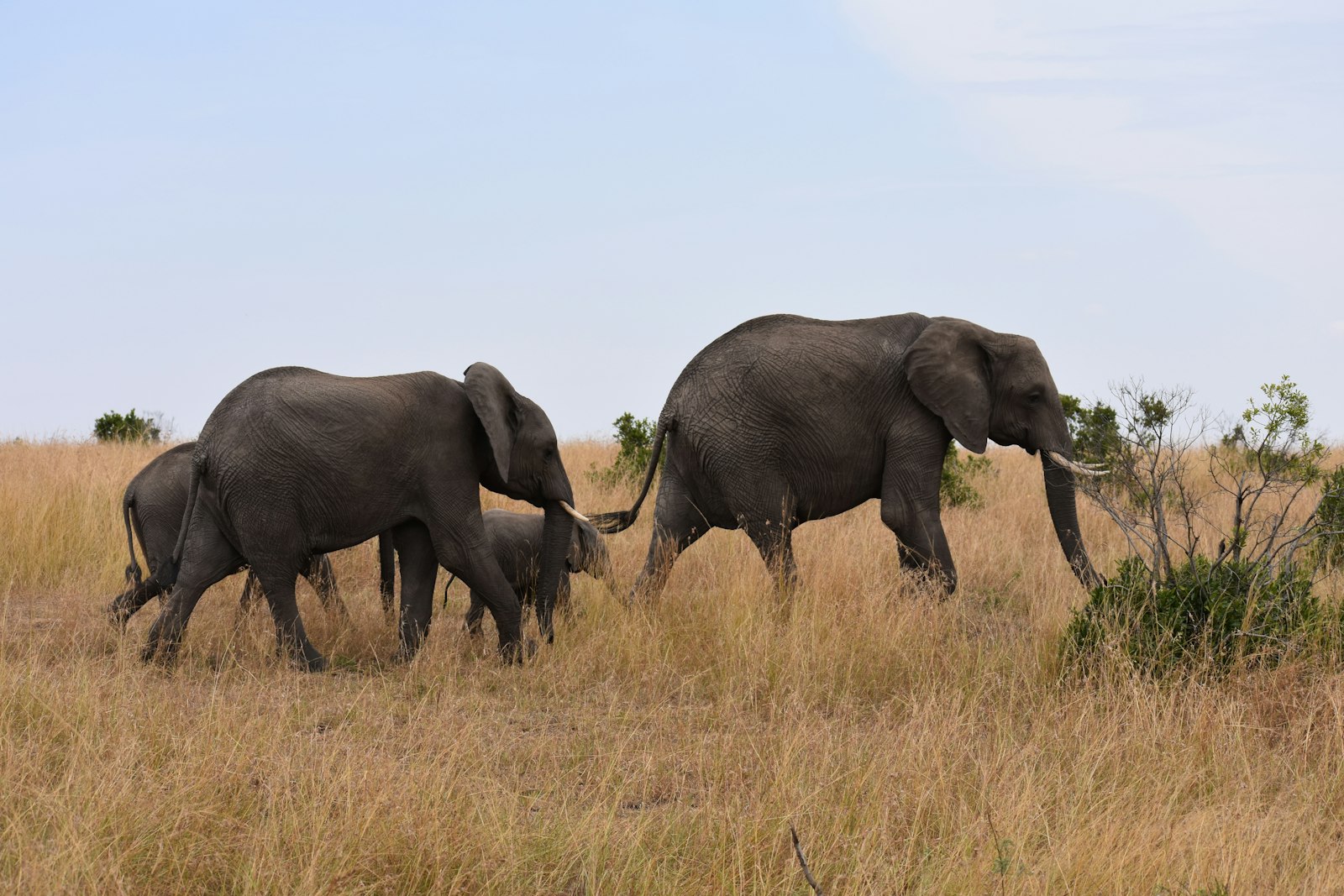
Kenya is one of the best places in the world to teach conservation, ecology and earth science, because the subjects are all visible from the vehicle window. Students do not just read about the Great Rift Valley, they cycle through it. They do not just study endangered species, they meet the rangers who protect them. An educational trip to Kenya turns textbook topics into memories that students talk about for years.
We provide risk assessments, a dedicated trip leader, vetted accommodation and 24/7 support, so teachers can concentrate on teaching rather than logistics. The trip is popular with schools, colleges and universities from the UK, Ireland, Germany, the Netherlands and Scandinavia.
- Geography: Rift Valley landforms, volcanoes and geothermal energy at Hell’s Gate.
- Biology: ecosystems, food webs and adaptation on game drives in Ol Pejeta and the Masai Mara.
- Conservation: rhino protection, anti-poaching work and the Sheldrick Wildlife Trust elephant nursery.
- Global citizenship: a day with a local school or community project and a visit to a Maasai community.
- Safety and support: written risk assessments, a dedicated trip leader and 24/7 emergency support.
Educational Trip to Kenya Route at a Glance
- Day 1: Arrive in Nairobi
- Day 2: Nairobi conservation day
- Day 3: Nairobi to Ol Pejeta Conservancy
- Day 4: Ol Pejeta Conservancy
- Day 5: Ol Pejeta to Lake Naivasha
- Day 6: Hell’s Gate geology day
- Day 7: Community project
- Day 8: Naivasha to the Masai Mara
- Day 9: Masai Mara
- Day 10: Return to Nairobi and depart
Accommodation is in vetted lodges, camps and hostels, and all meals are included.
Day-by-Day Educational Trip to Kenya Itinerary
Days 1 to 4: Nairobi and Ol Pejeta
Day 1, arrive in Nairobi. The group arrives for a welcome briefing and orientation at the hotel. Your trip leader explains the plan, the safety rules and the learning goals for the week.
Day 2, Nairobi conservation day. Visit the Sheldrick Wildlife Trust elephant nursery, the Giraffe Centre and Nairobi National Park, with a talk on urban wildlife conservation. Students see how a wild park sits beside a capital city and what that means for animals and people. Our Nairobi National Park safari page explains more about the park.
Day 3, Nairobi to Ol Pejeta. Drive to Ol Pejeta Conservancy, crossing the equator on the way. This is a good moment for a geography lesson on latitude. In the afternoon, a session on rhino protection introduces the conservation work that students will see on day four.
Day 4, Ol Pejeta Conservancy. Enjoy a game drive and a visit to the Sweetwaters chimpanzee sanctuary, with a ranger talk on anti-poaching work. Ol Pejeta is home to the last northern white rhinos, so the day gives students a close look at conservation in action.
Days 5 to 7: Lake Naivasha and Hell’s Gate
Day 5, Ol Pejeta to Lake Naivasha. Drive to Lake Naivasha. In the afternoon, a boat ride and a talk on the lake’s ecology explain how a freshwater lake supports hippos, birds and local communities.
Day 6, Hell’s Gate geology day. Cycle and walk through Hell’s Gate National Park, studying volcanic landforms and the Olkaria geothermal area. This is the practical heart of the geography programme, where students see how volcanic heat can power a country.
Day 7, community project. Spend the day with a local school or community project, planned with your teachers in advance. Projects are agreed with the community and are designed to help rather than to be a short-term performance.
Days 8 to 10: The Masai Mara and the journey home
Day 8, Naivasha to the Masai Mara. Drive to the Masai Mara for an afternoon game drive. Read more on our Masai Mara safari page.
Day 9, the Masai Mara. Game drives and a visit to a Maasai community to learn about pastoral life and conservancies. Students compare what they have learned about wildlife with the way people live alongside it.
Day 10, return to Nairobi and depart. Drive back to Nairobi for flights home.
What Students Learn on an Educational Trip to Kenya
The itinerary is designed so that each day links to a curriculum topic. We can adapt the activities to your syllabus, so tell us what your students are studying.
Geography
The Great Rift Valley is a living classroom. Students see volcanic landforms at Hell’s Gate, learn about geothermal energy at Olkaria and discuss how people use renewable energy sources. The equator crossing on day three adds a practical lesson in latitude and climate, and the drive from Nairobi to the Mara shows how landscape and land use change.
Biology and ecology
Game drives show ecosystems at work. Students can record species, track food webs and discuss adaptation, predator and prey relationships and the role of keystone species such as elephants. Lake Naivasha adds a freshwater habitat to the mix, and the talk on the lake’s ecology links the science to human activity.
Conservation and global citizenship
Students meet rangers, hear how rhino protection works and learn why anti-poaching work matters. The community project and Maasai visit show how conservation and local livelihoods connect, which gives students a more balanced view of wildlife protection than a documentary can.
Wildlife on an Educational Trip to Kenya
Each place offers a different lesson in wildlife and habitats.
Nairobi: elephants and giraffes
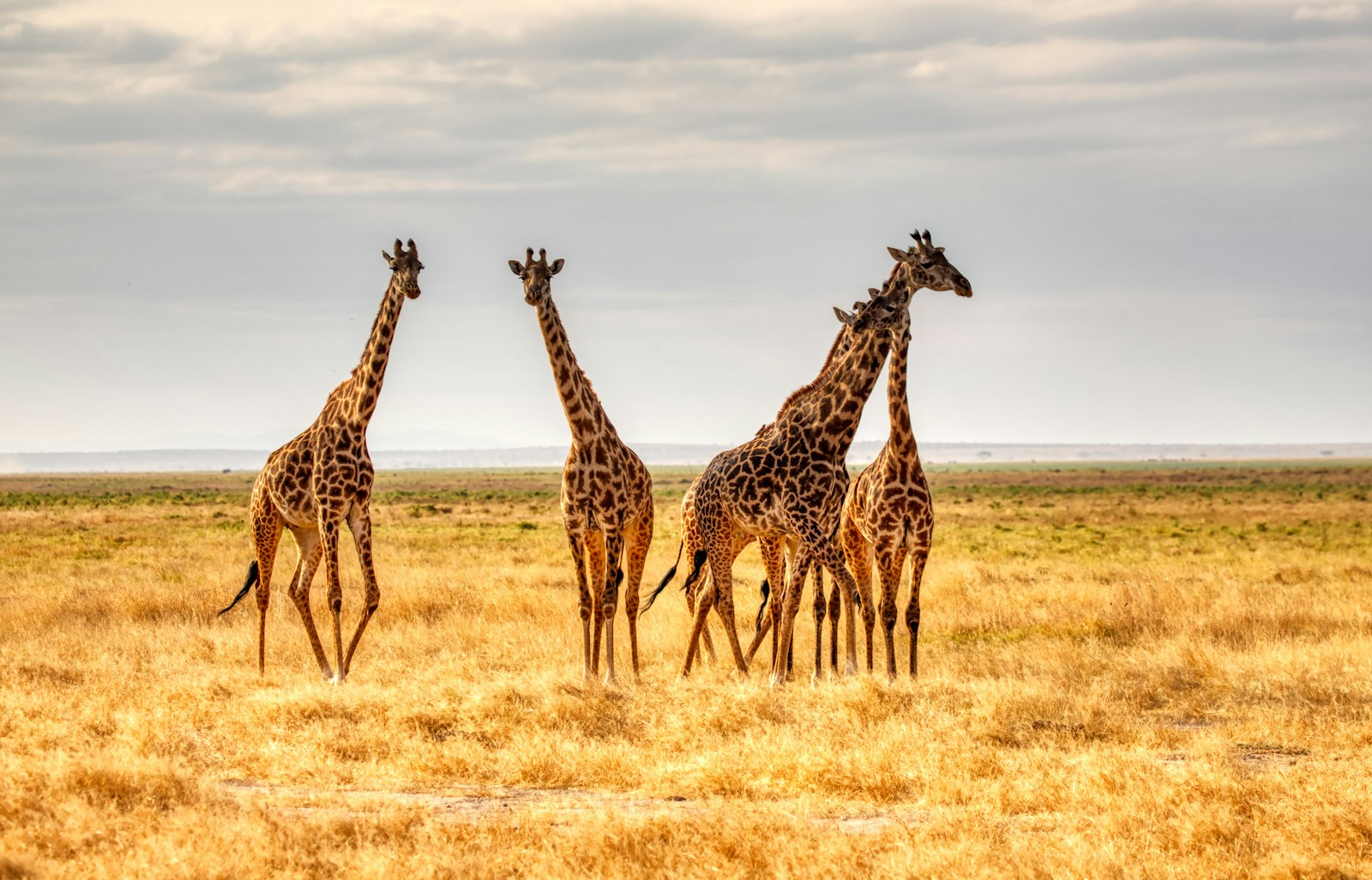
The elephant nursery and the Giraffe Centre let students get close to two iconic species and hear how orphaned and endangered animals are cared for. Nairobi National Park adds the contrast of wildlife beside a modern city.
Ol Pejeta: rhinos and chimpanzees
Ol Pejeta combines wildlife viewing with conservation science. It has the last northern white rhinos, black rhinos, lions, cheetahs and buffalo, and the Sweetwaters chimpanzee sanctuary.
Lake Naivasha and Hell’s Gate
Lake Naivasha is a freshwater lake with hippos and birdlife, and Hell’s Gate is a landscape of cliffs, gorges and geothermal activity that can be explored on foot or by bicycle.
The Masai Mara: the grand finale
The Mara offers the classic safari experience, with lions, cheetahs, elephants, giraffes and large herds of plains game. Between July and October the Great Migration brings wildebeest and zebra into the reserve, which suits summer trips.
Planning an Educational Trip to Kenya: A Teacher’s Timeline
Good preparation makes the trip smoother for teachers, students and parents. This timeline is a guide, and we will adjust it to your school calendar.
- 9 to 12 months before: contact us with your dates and group size, receive a quote and hold your place, especially for Easter, summer and October half-term.
- 6 to 9 months before: hold a parents’ meeting, share the itinerary and risk assessments and begin fundraising if needed.
- 3 to 6 months before: confirm numbers, collect passport details and medical information and agree the learning goals for each day.
- Before departure: arrange travel insurance, apply for the Kenya eTA for each traveller and brief students on the safety rules.
- During the trip: your dedicated trip leader handles the logistics so teachers can focus on the students.
- After the trip: use photos, notes and sightings records for presentations, assemblies and coursework.
Planning an educational trip to Kenya takes time, but schools that start early find that fundraising, parent communication and student preparation all become easier.
Safety and Support on an Educational Trip to Kenya
Teachers need confidence before they commit, so safety is built into the programme.
- Written risk assessments: we provide them for the whole itinerary.
- A dedicated trip leader: one person stays with your group throughout.
- Vetted accommodation and transport: lodges, camps and hostels are chosen with groups in mind.
- 24/7 emergency support: a team is available at all times during your trip.
- Clear rules: groups follow simple safety rules on game drives, at the lake and on the cycling day.
Teachers should also arrange travel insurance, check health and medical forms for every student and brief parents before departure. For park rules, see the Kenya Wildlife Service website.
Accommodation and Pace
Groups stay in vetted lodges, camps and hostels, with all meals included. The mix keeps the trip affordable for students while giving groups a safe, comfortable base. Browse our Kenya lodges and camps to see the style of accommodation we use for travellers.
The pace balances learning and rest. Most days include a mix of activity and travel, and the Hell’s Gate day is the most active. Transfers are broken up with talks, viewpoints and lunch stops, and students have time at the end of each day to write up notes or reflect with their teachers.
Safari Etiquette and Responsible Travel
Students learn as much from how they behave as from what they see. Your trip leader will explain these rules on day one.
- Stay seated in the vehicle and keep voices low during sightings.
- Never feed animals or call to them, and keep a respectful distance.
- Take all litter with you, including small items such as wrappers.
- Follow Kenya Wildlife Service park rules at every entrance and on every drive.
- Ask before photographing people, and treat every community visit as a chance to listen and learn.
The park, conservancy and activity fees included in the price support rangers, conservation and local communities, so your group contributes to the work students study.
Best Time for an Educational Trip to Kenya
The trip is most popular at Easter, in summer and at October half-term, which match school holidays in Europe.
- January to March: hot, dry weather with good game viewing and fewer visitors.
- April to May: the long rains bring green landscapes and lower prices, with some muddy roads. Easter trips can fall at the start of the rains.
- June to October: the dry season and the best overall time, with the Great Migration in the Mara from July to October.
- November to December: short rains, lush scenery and excellent birding.
How Much Does an Educational Trip to Kenya Cost?
An educational trip to Kenya starts from USD 1,750 per adult sharing. The final cost depends on the season, the accommodation and the size of your group. We offer student-friendly pricing, and we usually offer free places for teachers based on group size, for example one free place per 10 paying students. For a wider guide to budgeting, read how much an African safari costs.
What Is Included and Not Included
- Safari vehicles or minibus with pop-up roofs and guides
- Dedicated trip leader throughout
- Accommodation in vetted lodges, camps and hostels
- All meals
- Park, conservancy and activity fees
- Conservation talks and community project
- Risk assessment and 24/7 emergency support
Not included: international flights, the Kenya eTA (about USD 30 per person), travel insurance, tips and gratuities, drinks and personal expenses, and optional activities not listed as included.
Photography and Fieldwork on an Educational Trip to Kenya
Cameras, notebooks and phones turn the trip into a project. Students can build a photo diary of species, landscapes and people, record sightings with a checklist and sketch landforms at Hell’s Gate. A simple zoom lens suits most wildlife, and early mornings and late afternoons give the best light. Ask students to take notes during talks and to ask before photographing people, especially in communities, so that the project stays respectful.
What to Pack for an Educational Trip to Kenya
- Lightweight clothing in neutral colours such as khaki, olive or beige, plus a warm layer for early mornings.
- Closed, comfortable shoes for walking and cycling, and a hat, sunglasses and high-factor sunscreen.
- A notebook, pens and a reusable water bottle.
- A camera or phone, spare batteries and a power bank.
- Binoculars to share, if possible.
- Insect repellent and any malaria prevention recommended by a doctor.
- A small daypack for the vehicle and a soft-sided bag for the luggage.
Visas, Health and Safety
Most visitors need a Kenya eTA before arrival, so apply online ahead of your trip and check the current requirements for each nationality in your group. Malaria is present in parts of Kenya, so students and teachers should speak to a doctor about prevention, and the group needs travel insurance that covers medical evacuation. For official information, see Magical Kenya and the Kenya Wildlife Service.
Educational Trip to Kenya FAQs
Is an educational trip to Kenya safe for school groups?
Yes. We provide written risk assessments, vetted accommodation and transport, a dedicated trip leader and 24/7 emergency support. Groups follow clear safety rules throughout.
Can the trip be linked to our curriculum?
Yes. The itinerary covers geography (Rift Valley, volcanoes, geothermal energy), biology (ecosystems, conservation) and global citizenship. We can adapt activities to your syllabus.
Do teachers travel free?
We usually offer free places for teachers based on the group size, for example one free place per 10 paying students. Ask us for a quote.
What does the community project involve?
Projects are agreed with the community in advance and might include school activities, tree planting or sports days. We avoid short-term projects that do not help the community.
How far ahead should a school book?
Book 9 to 12 months ahead to allow for fundraising, parents’ meetings and peak-season availability.
Can we shorten or lengthen the trip?
Yes. We can tailor the route to your dates and budget. For a safari without the learning programme, see our Kenya highlights safari and our Kenya safari packages.
Book Your Educational Trip to Kenya
Tell us your dates, group size and curriculum goals by WhatsApp or email, and we will reply with a written, itemised quote and a suggested route. A deposit secures your accommodation and vehicles, and we send risk assessments, final documents and packing advice before you travel. If you want to add a day in the capital, see our Nairobi day tours.
Overview
Our educational trip to Kenya brings geography, biology and global citizenship to life for school and university groups. Students see volcanic landscapes and geothermal energy in the Great Rift Valley, learn about rhino and elephant conservation from the people who do it, spend time on a community project and finish with game drives in the Masai Mara.
We provide risk assessments, a dedicated trip leader, vetted accommodation and 24/7 support, with student-friendly pricing and free places for teachers on request.
Best for: School / university group. Popular with: Schools, colleges and universities from the UK, Ireland, Germany, the Netherlands and Scandinavia. Best time: Easter, summer and October half-term.
Price is from USD 1,750 per adult sharing; the final cost depends on season, accommodation and group size.
Plan your trip
Our guides: Ol Pejeta’s Northern White Rhinos, Hell’s Gate Cycling & Rock Climbing and Kenya Travel Insurance Guide.
Official information: Kenya Wildlife Service (park rules and fees); Ol Pejeta Conservancy.
Ready to go? Book this trip on WhatsApp and we’ll take it from there.
Highlights
- Rift Valley geology and geothermal energy at Hell's Gate
- Rhino conservation at Lake Nakuru and Ol Pejeta
- Elephant orphanage visit in Nairobi
- Community project day
- Game drives in the Masai Mara


