

A Tanzania safari takes you into some of the most famous wildlife country on Earth: the endless plains of the Serengeti, the wildlife-filled bowl of the Ngorongoro Crater, the baobab and elephant landscapes of Tarangire and the snows of Kilimanjaro on the horizon. It is the stage for most of the Great Migration’s year, and it ends beautifully on the white beaches of Zanzibar.
Sense of Adventure is a licensed Nairobi-based safari operator and East Africa specialist. We plan private, tailor-made Tanzania safari itineraries for travellers from the USA, the UK, Europe, India and Australia, on their own or combined with Kenya. This guide covers the parks, the best months, wildlife, sample routes, where to stay, fees, entry rules and how to plan your trip with us.

Ready to see Tanzania’s great parks?
Browse our Kenya and Tanzania safaris, from short northern circuit trips to two-country migration journeys.
Explore Safaris in This Destination WhatsApp +254 799 160 081
Table of Contents
Why Choose a Tanzania Safari?
Tanzania is big-sky safari country. The scale is the first thing most travellers notice: plains that run to the horizon, kopjes where lions rest in the morning sun, and a volcanic crater where you can see elephants, buffalo, lions and, with luck, black rhino in a single day.
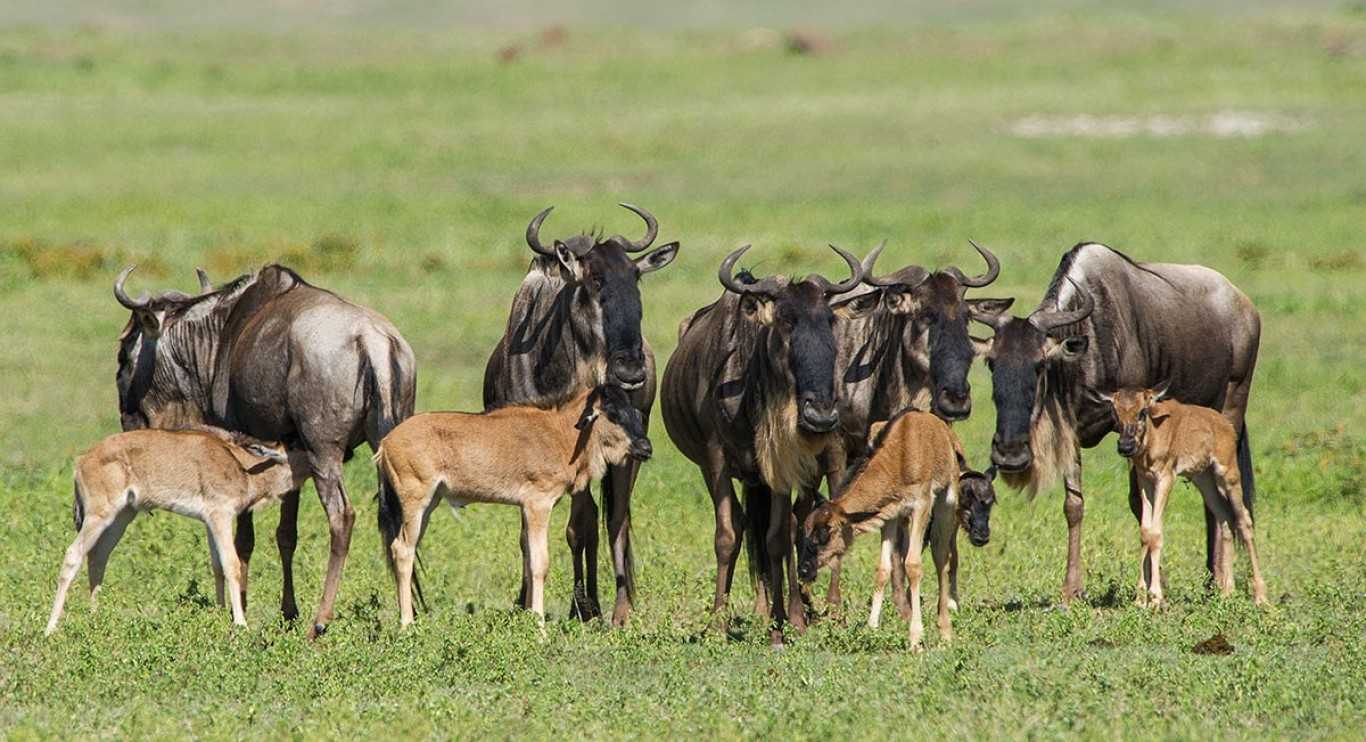
- The Great Migration for most of the year. The wildebeest and zebra herds spend roughly ten months of their annual circuit in the Serengeti ecosystem, from the calving season in the south to the Mara River crossings in the north.
- Variety in a short distance. The northern circuit links Tarangire, Lake Manyara, the Ngorongoro Crater and the Serengeti by road or light aircraft, so one trip can include very different landscapes.
- Africa’s highest mountain. Kilimanjaro rises to 5,895 metres and can be climbed without technical mountaineering skills, before or after a safari.
- A real beach finale. Zanzibar is a short flight from Arusha or the Serengeti, so bush and beach fit easily into one holiday.
- Easy to pair with Kenya. The Masai Mara and the Serengeti are one ecosystem, and many of our guests see both.
Popular Tanzania Safari Packages
These are some of the Tanzania safari routes our guests book most often. Each one can be run privately and adjusted to your dates, pace and comfort level.

8 Day Tanzania Safari: Serengeti, Ngorongoro, Tarangire and Lake Manyara
The complete northern circuit at a comfortable pace, with three Serengeti nights.
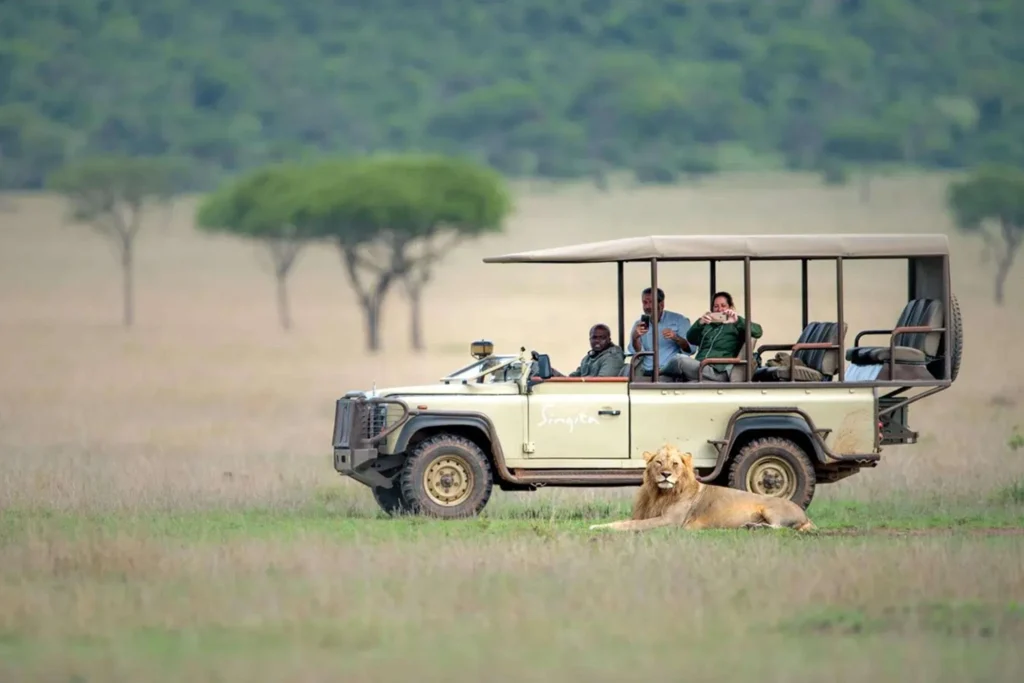
7 Days Classic Tanzania Safari
A classic week across Tanzania’s best-known parks, ideal for a first visit.

5 Days Best of Tanzania Safari
A compact route through the wildlife highlights when time is short.

9 Days Tanzania Safari
Nine unhurried days on the northern circuit, with more time in the Serengeti.

Tarangire National Park Day Safari from Arusha
A full day among the baobabs and elephant herds of Tarangire.

Lake Manyara National Park Day Safari from Arusha
Groundwater forest, flamingos in season and lions that sometimes climb trees.
Top Parks and Regions for a Tanzania Safari
Most first-time visitors focus on the northern circuit, which starts in Arusha, close to Kilimanjaro International Airport. Here is what each area offers.
Serengeti National Park
The Serengeti covers close to 15,000 square kilometres of grassland, woodland and riverine forest and is a UNESCO World Heritage Site. It is famous for its lions, cheetahs and leopards, and for the migration herds. The park has distinct areas, and choosing the right one for your month matters more than anything else: the south and Ndutu for calving, the centre around Seronera for year-round predators, the Western Corridor for the Grumeti River, and the north for the Mara River crossings.
Ngorongoro Crater
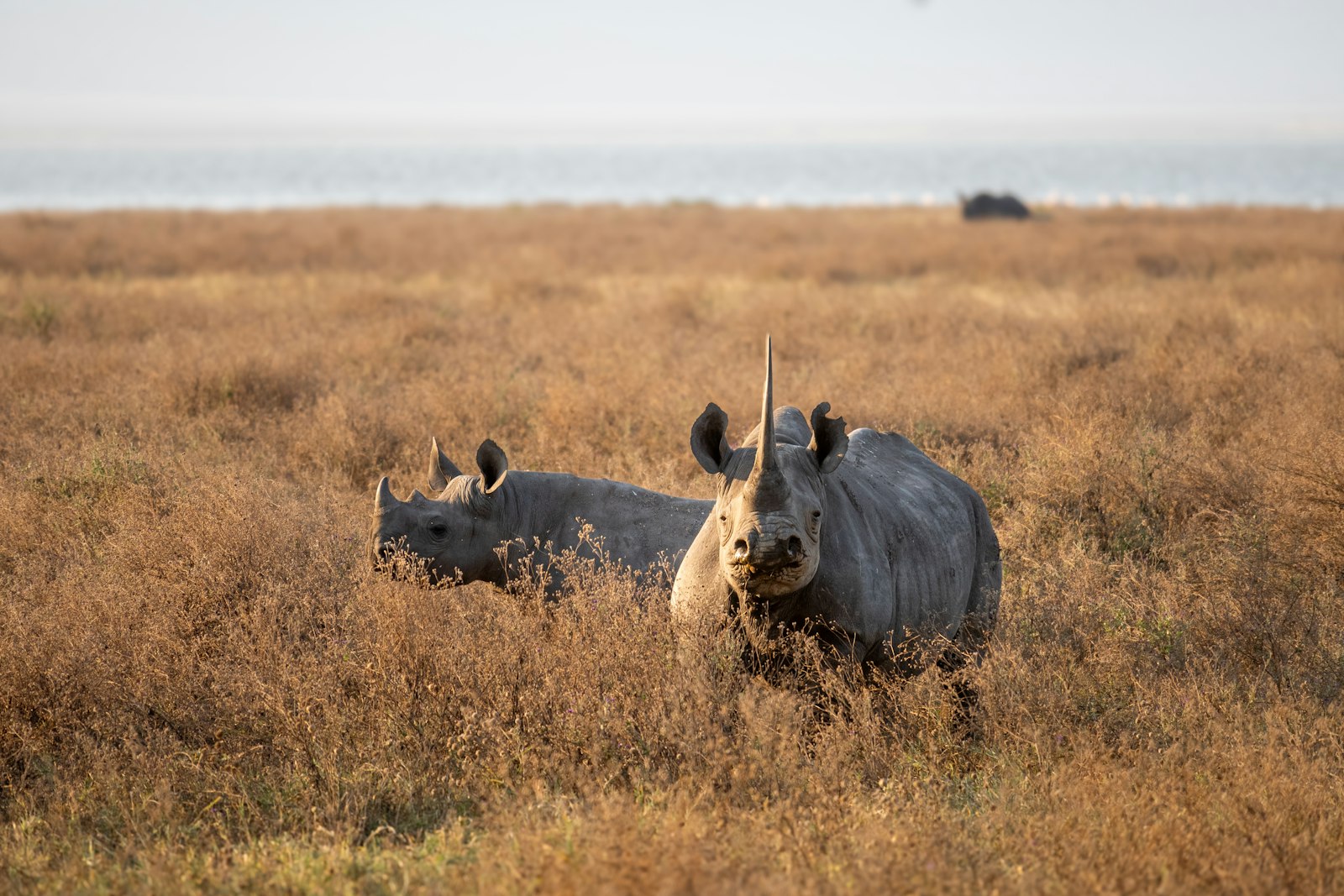
The Ngorongoro Crater is a collapsed volcano roughly 20 kilometres across, with a floor of grassland, swamp and a soda lake. Its steep walls keep a dense population of wildlife inside, which makes it one of the best places in East Africa to look for black rhino. Descents are made in the morning, and most guests spend a half or full day on the crater floor. The crater sits within the Ngorongoro Conservation Area, where Maasai communities also live alongside wildlife.
Tarangire National Park
Tarangire is known for its giant baobab trees and large elephant herds. In the dry season, from about June to October, the Tarangire River becomes a magnet for wildlife, and the park can feel as rewarding as the Serengeti.
Lake Manyara National Park
Lake Manyara sits below the Rift Valley escarpment. A compact park, it combines groundwater forest, baboon troops, elephants and a soda lake that attracts flamingos and pelicans when water levels suit them. Its lions are known for sometimes resting in trees, although sightings are never guaranteed.
Mount Kilimanjaro
Kilimanjaro is the highest mountain in Africa and the tallest free-standing mountain in the world. Routes such as Marangu, Machame and Lemosho take roughly six to nine days, and a longer route usually gives a better chance of reaching the summit because it allows more time to adjust to altitude. See our hiking experiences for climbs we arrange.
Zanzibar
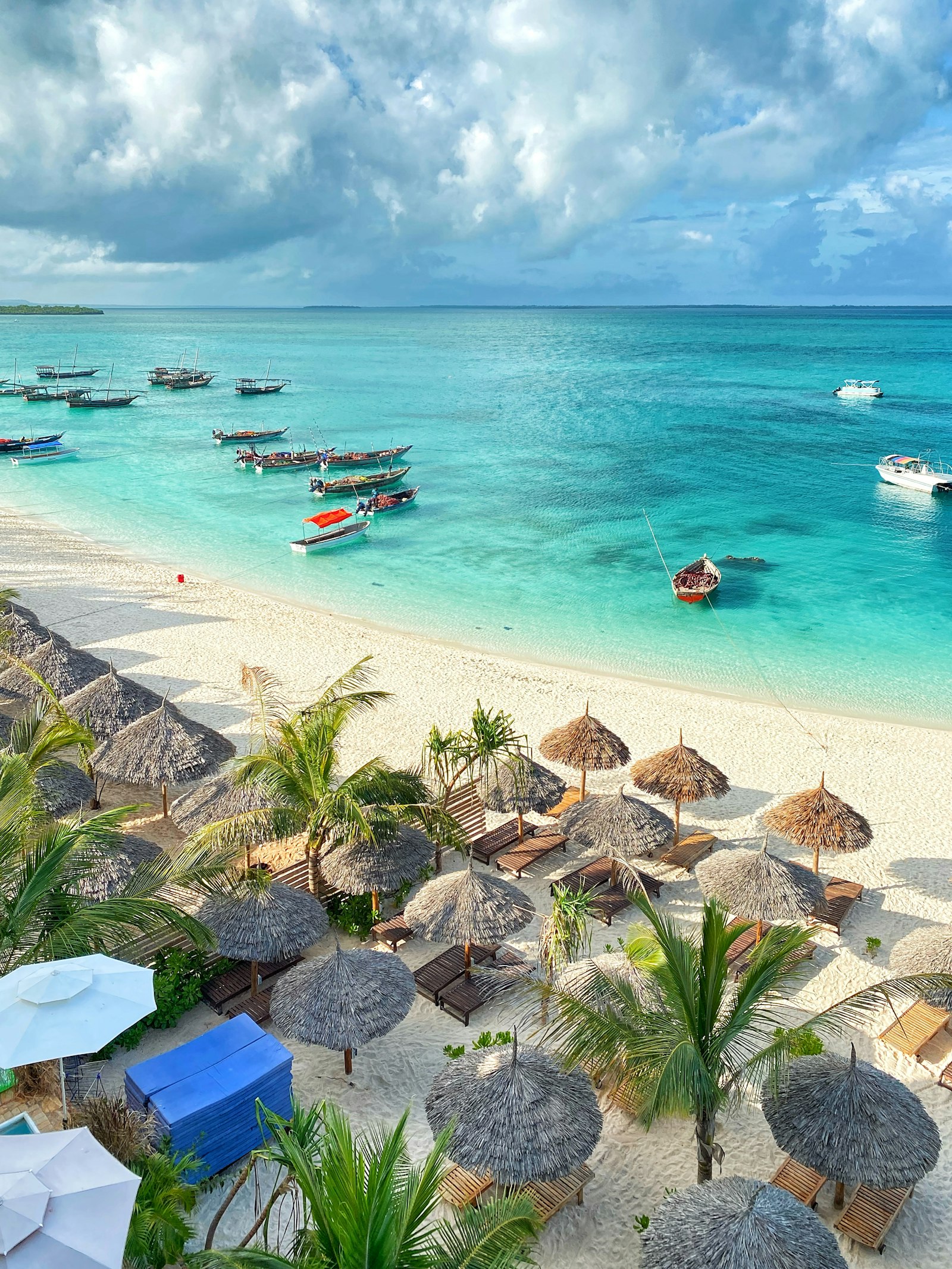
Zanzibar is the spice island off the Tanzanian coast, with Stone Town’s UNESCO-listed old quarter, spice farms, dhow sunsets and long white beaches. After a safari, three to five nights here is a lovely way to rest. Our Zanzibar holiday page has beach stays and combinations.
Not sure which Serengeti area suits your month?
Tell us when you can travel and we match you with the right area, the right camp and the right pace.
Best Time for a Tanzania Safari, Month by Month
There is no single best month for a Tanzania safari. The dry season from June to October is the classic choice for game viewing, while the green season brings calving, fewer vehicles and lush scenery. Use this calendar as a guide; weather patterns vary from year to year.
| Month | What to expect |
|---|---|
| January | Herds gather on the short-grass plains of the southern Serengeti and Ndutu. Often a drier spell between the rains. Good beach weather on Zanzibar. |
| February | Peak calving season, with many births in a few weeks and strong predator activity. A favourite month for photographers. |
| March | Herds still in the south. The long rains usually start towards the end of the month; quieter camps and good value. |
| April | The wettest month in most years. Lush landscapes and lower rates; some seasonal camps close. |
| May | Rains ease and the herds begin moving through the central Serengeti towards the west. Green scenery and few visitors. |
| June | The dry season begins. Herds in the Western Corridor, where Grumeti River crossings can happen. Tarangire starts to fill with elephants. |
| July | Peak season. Herds move north, and the first Mara River crossings can begin. Book early for the best camps. |
| August | Mara River crossings in the northern Serengeti. Dry, clear and busy; excellent everywhere on the circuit. |
| September | Crossings continue in the north, often with fewer people than August. Excellent game viewing across the parks. |
| October | The herds move between the northern Serengeti and Kenya’s Masai Mara. Tarangire is at its best. A quieter end to the dry season. |
| November | Short rains arrive and the herds start moving south. Green season rates return. |
| December | The herds reach the southern plains again. Festive season is busy, so plan ahead for Christmas and New Year. |
For Kilimanjaro, the drier months of January to early March and June to October are usually preferred. Zanzibar is at its best from June to October and from December to February. For the full migration story, see our Great Migration safari guide.
Wildlife and Experiences
A well-planned Tanzania safari gives you a good chance of seeing lion, leopard, elephant and buffalo, with black rhino possible in the Ngorongoro Crater. Cheetahs hunt on the open plains of the Serengeti, and hyenas, jackals and bat-eared foxes are common. Giraffes, zebras, hippos, topi, eland and gazelles complete the picture, and the birdlife is excellent all year.
Experiences to add to your trip
- Hot air balloon safari: a dawn flight over the Serengeti, followed by a bush breakfast. It is seasonal and depends on the weather, and it books up early in peak months.
- Walking safaris: available in some areas with an armed ranger, giving a closer look at tracks, plants and smaller creatures.
- Cultural visits: respectful visits to Maasai communities in the Ngorongoro highlands, or to coffee farms around Karatu and Arusha.
Sample Tanzania Safari Itinerary Ideas
Every trip we plan is tailor-made, but these outlines show how a Tanzania safari usually fits together. Times and routes are adjusted to your month and interests.
5 days: Tarangire, Ngorongoro and the Serengeti
Arrive in Arusha, spend a day in Tarangire, continue to the Ngorongoro highlands, then fly or drive into the Serengeti for two nights. It is a fast route that suits travellers with limited time or those adding Tanzania to a Kenya safari.
7 to 9 days: the classic northern circuit
Tarangire, Lake Manyara or Karatu, a full crater day and three or four nights in the Serengeti, with time to follow the herds and the big cats. This is the route we suggest most often for a first Tanzania safari.
10 to 12 days: safari and Zanzibar
Combine six or seven safari days on the northern circuit with a flight to Zanzibar for Stone Town and the beach. It is our most popular honeymoon and family shape.
12 to 14 days: Kenya and Tanzania
Start in Kenya with Amboseli or the Masai Mara, then cross to Tanzania for the Serengeti and the Ngorongoro Crater. Browse our safari combinations for multi-country ideas.
Kilimanjaro climb and safari
Climb Kilimanjaro first, then rest your legs on a three to five-day safari. The order matters: most climbers prefer to summit while fresh and celebrate in the parks afterwards.
Design your own Tanzania safari
Share your dates, group size and interests and we send a tailor-made itinerary with two comfort levels to compare.
Request a Private Safari Quote WhatsApp Our Team
Prefer email? Write to reservations@senseofadventure.co.ke
Where to Stay on a Tanzania Safari
Where you sleep shapes your Tanzania safari as much as the parks you visit. Location comes first: a camp in the right part of the Serengeti for your month saves hours of driving each day.
- Safari lodges: permanent buildings with restaurants, pools and wide views, often on the Ngorongoro crater rim or in central Serengeti.
- Permanent tented camps: canvas rooms with proper beds and en-suite bathrooms, set in the bush for a closer feel of the wild.
- Seasonal and mobile camps: camps that move with the migration, placed near the herds in the calving or crossing seasons.
- Highland and farm lodges: around Karatu, between Lake Manyara and the crater, with gardens, coffee farms and cool evenings.
- Boutique and luxury camps: small, intimate properties with private guiding and fine dining, for honeymoons and special occasions.
We usually quote two comfort levels side by side, a Midrange 3-star option and a Standard Luxury 4-star option, so you can compare what each adds. Explore our Tanzania safari lodges and camps to see properties we work with.
Tanzania Safari Costs, Park Fees and Permits
The price of a Tanzania safari depends on your month, the number of days, your accommodation level, whether you drive or fly between parks, and the size of your group. We always send an itemised quote, so you can see where your money goes.
- Park and conservation fees: Tanzania National Parks (TANAPA) sets the fees for the Serengeti, Tarangire, Lake Manyara and Kilimanjaro, and the Ngorongoro Conservation Area Authority sets the fees for the Ngorongoro area and the crater descent. Fees are charged per person per visit or per 24 hours, plus vehicle and accommodation-related charges and VAT. Rates change, so we confirm the current amounts at booking and include them in your quote.
- Mandatory visitor insurance: since 1 October 2026, all foreign visitors entering Tanzania must buy the government inbound travel insurance. At the time of writing it costs USD 44 per adult, with a lower child rate.
- Visa: see entry requirements below.
- Activities: balloon flights, Kilimanjaro climbs, cultural visits and light aircraft flights are priced separately and confirmed when you book.
Our guide to how much an African safari costs explains how styles and seasons affect the budget across East Africa.
Entry Requirements for Tanzania
- Visa: most visitors, including citizens of the USA, UK, EU countries, Switzerland, India and Australia, need a visa. Apply on the official Tanzania Immigration e-visa portal. At the time of writing, US citizens pay USD 100 for a multiple-entry visa and most other nationalities pay USD 50 for a single-entry visa.
- East Africa Tourist Visa: this covers Kenya, Uganda and Rwanda only. Tanzania needs its own visa.
- Passport: valid for at least six months beyond your stay, with blank pages.
- Insurance: the mandatory Tanzania inbound policy, bought before you travel.
- Yellow fever: a certificate may be requested if you arrive from or transit through a country with yellow fever risk, which includes Kenya. Read our yellow fever certificate guide and ask your travel clinic.
We brief every guest on the current entry rules for their nationality and route when they book.
Combining Tanzania With Kenya
Kenya and Tanzania share the Mara–Serengeti ecosystem, so a combined trip lets you follow the herds across both countries. As a Nairobi-based team, this is one of the routes we plan most often.
- By road via Namanga: the border between Nairobi and Arusha, which links Amboseli with the northern circuit.
- By road via Isebania: the western crossing that connects the Masai Mara side with Tanzania.
- By air: short regional flights link Nairobi with Kilimanjaro, Arusha and Zanzibar.
At a land border you usually change to a Tanzanian-registered vehicle and guide, and you complete Kenyan exit and Tanzanian entry formalities. Kenya has its own entry system and mandatory visitor insurance, so you need documents for both countries. See our Kenya and Tanzania safari packages and our Kenya destination guide.

Why Plan Your Tanzania Safari With Sense of Adventure
- East Africa specialists in Nairobi. We are a licensed Kenyan tour operator (Tourism Regulatory Authority, licence TRA1/47/C01/77087), established in 2022, and we plan Tanzania as part of our wider East Africa work.
- Private travel by default. Our safaris run privately for your own group. In Kenya we use private 4×4 Land Cruisers with pop-up roofs, reclining seats and charging ports, and we plan your Tanzania days to the same private standard. The vehicle and guide for each country are confirmed in writing in your quote.
- Honest, itemised quotes. Park fees, accommodation, transport and extras are listed clearly, with two comfort levels to compare.
- Routes built around your month. We match camps and areas to where the wildlife is likely to be, not to a fixed brochure.
- One team for multi-country trips. Kenya, Tanzania, Zanzibar, Uganda and Rwanda planned together, with one point of contact.
- Tour leader free of charge. For group bookings, a tour leader can travel with you at no extra cost.
Tanzania Safari FAQs
How many days do I need for a Tanzania safari?
Seven to nine days is ideal for a first Tanzania safari on the northern circuit. Five days covers the highlights at a faster pace, and ten to twelve days lets you add Zanzibar or Kenya.
What is the best month for a Tanzania safari?
June to October is best for general game viewing and the Mara River crossings. January and February are best for the calving season in the southern Serengeti. Every month has something to offer if you choose the right area.
Can I see the Great Migration in Tanzania?
Yes. The herds spend most of the year in Tanzania’s Serengeti ecosystem: calving in the south from about January to March, the Western Corridor around June, and the northern Serengeti from about July to October.
Do I need a visa for Tanzania?
Most visitors do. Apply on the official Tanzania Immigration e-visa portal before you travel. At the time of writing US citizens pay USD 100 and most other nationalities pay USD 50. The East Africa Tourist Visa does not cover Tanzania.
Should I choose Kenya or Tanzania for my safari?
Both are excellent, and many travellers do both. Tanzania offers vast parks, the Ngorongoro Crater and most of the migration year, while Kenya offers easy access from Nairobi, private conservancies and the Masai Mara crossings. We help you choose based on your month and interests.
How much does a Tanzania safari cost?
It depends on the month, length, accommodation level, transport and group size. Park fees are set by TANAPA and the Ngorongoro Conservation Area Authority and are confirmed at booking. We send an itemised quote with two comfort levels.
Can I add Zanzibar to a Tanzania safari?
Yes. Zanzibar is a short flight from Arusha or the Serengeti, and three to five nights on the island is a popular way to end a safari.
Start planning your Tanzania safari today
From the calving plains to the Mara River and the beaches of Zanzibar, we build your trip around the month you travel and the way you like to explore.
Explore Safaris in This Destination Request a Private Safari Quote
WhatsApp +254 799 160 081 or email reservations@senseofadventure.co.ke