

A Kenya safari is the classic East African journey: golden savannah under huge skies, lions and elephants from your own vehicle, the Great Migration thundering across the Mara River, Maasai culture, and a white-sand beach at the end if you want one. Kenya is where the word safari was born, and it remains one of the most rewarding and easiest countries in Africa to explore.
Sense of Adventure is a licensed Nairobi-based safari operator, so Kenya is our home ground, not a side product. We plan private, tailor-made Kenya safari itineraries for travellers from the USA, the UK, Europe, India, Malaysia and Australia. This guide covers the parks, the best months, wildlife, sample routes, where to stay, costs, entry rules and how to plan with us.
Want to see Kenya’s best parks?
Browse our private Kenya safari packages, from a long weekend in the Masai Mara to a two-week journey across the country.
Explore Safaris in This Destination WhatsApp +254 799 160 081Table of Contents
Why Choose a Kenya Safari?
Kenya combines dependable wildlife viewing with variety, comfort and easy logistics. Nairobi is a major international hub, the parks are reachable by road or short light-aircraft flights, and the choice of stays runs from simple tented camps to exclusive conservancy lodges.
- The Great Migration. From roughly July to October, huge herds of wildebeest and zebra cross into the Masai Mara from Tanzania, with dramatic river crossings.
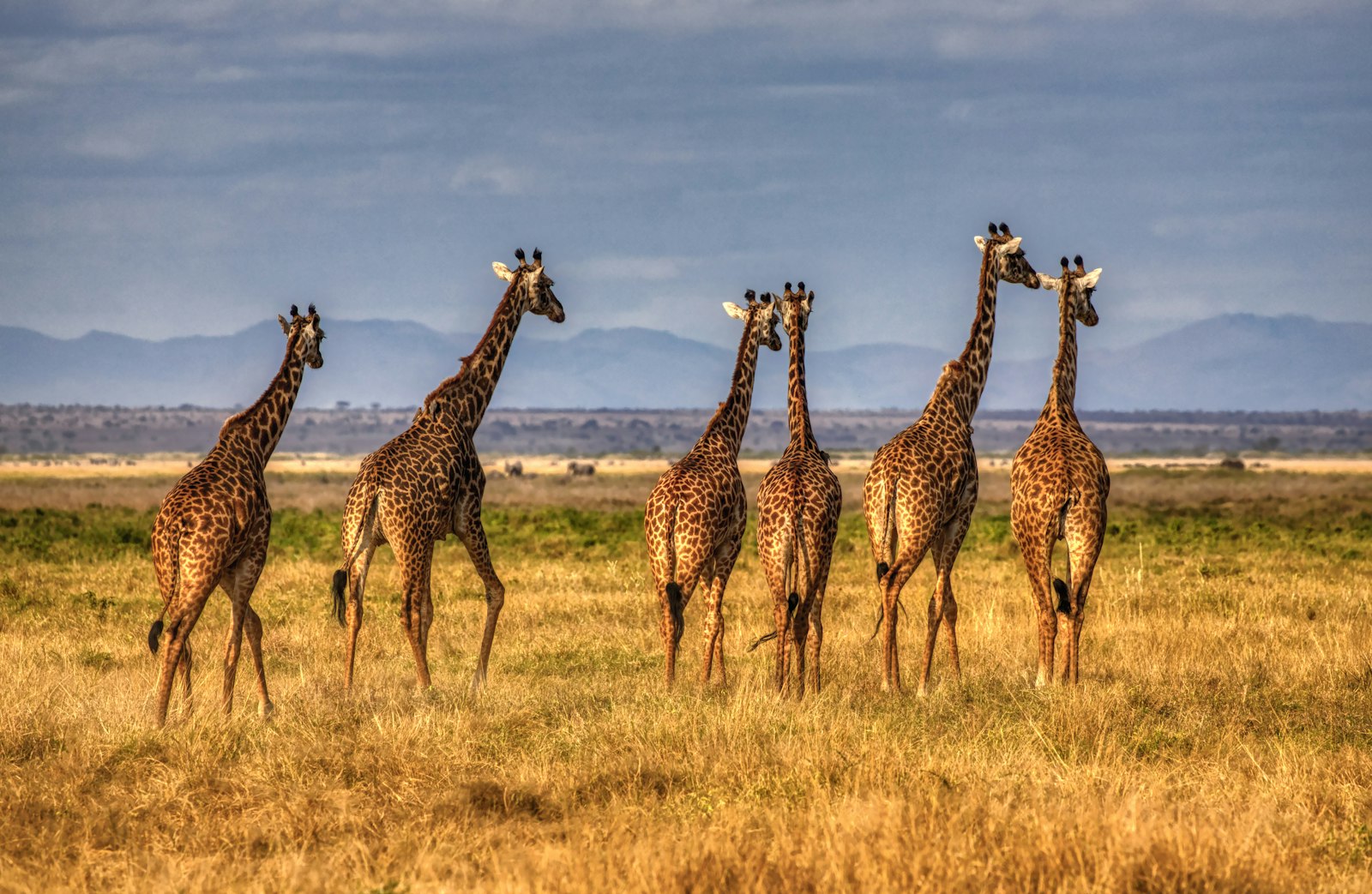
- The Big Five and more. Lions, leopards, elephants, buffalo and rhinos live in Kenya’s parks and conservancies, alongside cheetahs, giraffes, hippos and hundreds of bird species.
- Variety in one country. Open plains, the Great Rift Valley, soda lakes, semi-desert in the north, red-earth Tsavo and the Indian Ocean coast.
- Culture you can meet respectfully. Maasai, Samburu and Swahili communities welcome visitors, and many conservancies share income with local landowners.
- Easy to combine. Pair Kenya with the Serengeti in Tanzania, gorillas in Uganda or Rwanda, or a beach stay on the coast.
Popular Kenya Safari Packages
These are the Kenya safari trips our guests ask about most. Every trip runs privately and can be adjusted to your dates, pace and budget.
Masai Mara Safari Packages
Three to six days by road or by air, with game drives in the Mara and camps from simple to luxurious.
View detailsGreat Migration Safari
Time your trip for the river crossings in the Masai Mara, with the best months and camp locations explained.
View detailsAmboseli Safari Packages
Elephant herds beneath Mount Kilimanjaro, from a day trip to a longer stay.
View detailsKenya Family Safari Packages
Short drives, family rooms and private vehicles for travelling with children.
View detailsTop Parks and Regions for a Kenya Safari
Most international visitors land at Jomo Kenyatta International Airport in Nairobi. From there, parks lie in every direction, from a half-day drive to a short flight.
Masai Mara National Reserve
The Masai Mara is Kenya’s best-known park and the northern end of the Serengeti ecosystem. Lions, leopards, cheetahs, elephants and giraffes live here all year, and the migration herds arrive in the second half of the year. Around the reserve, private conservancies limit the number of vehicles and allow night drives and walking safaris. Read more in our Masai Mara safari guide.
Amboseli National Park
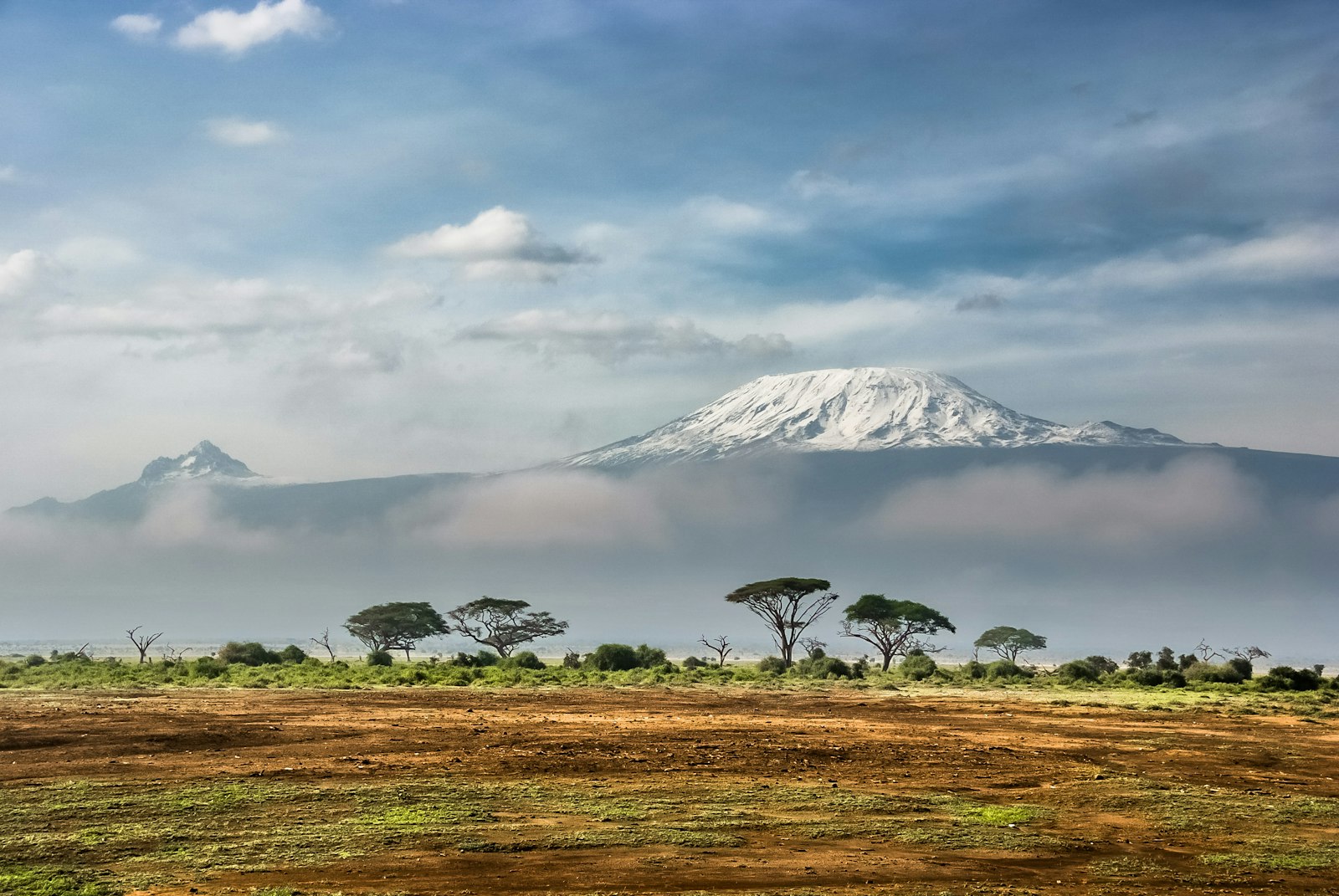
Amboseli is famous for large elephant herds with Mount Kilimanjaro rising behind them on clear mornings. Swamps in the middle of the dry plain draw elephants, buffalo, hippos and waterbirds, and the Maasai communities around the park add cultural depth. See our private Amboseli safari.
Lake Nakuru and Lake Naivasha
Lake Nakuru National Park is a compact park for black and white rhinos, Rothschild’s giraffes and, depending on water levels, flamingos. Nearby Lake Naivasha offers boat rides among hippos, birdwatching and walks at Crescent Island, plus cycling in Hell’s Gate National Park. Both fit neatly into a route between Nairobi and the Masai Mara. Our Lake Nakuru safari page has the details.
Samburu National Reserve
Samburu lies in Kenya’s drier north, beside the Ewaso Ng’iro river. The area is known for the Samburu Special Five: Grevy’s zebra, reticulated giraffe, Somali ostrich, beisa oryx and the gerenuk. Elephants gather along the river, and leopards and lions are regularly seen. Visit our Samburu safari page.
Tsavo East and Tsavo West
Together, the two Tsavo parks form one of the largest protected areas in Africa. Tsavo is known for elephants dusted red by the local soil, Mzima Springs, lava fields and vast landscapes. It is easy to reach from Nairobi, Mombasa or Diani. See our Tsavo safari guide.
Laikipia and Ol Pejeta
The Laikipia plateau, north of Mount Kenya, is home to private conservancies, rhino sanctuaries, walking and horse-riding safaris, and some of Kenya’s most characterful lodges. It suits travellers who want a quieter, more hands-on experience.
Nairobi National Park
Nairobi National Park sits on the edge of the capital, with lions, rhinos and giraffes in front of the city skyline. It is ideal for a half-day safari on arrival day or during a layover. Read about our Nairobi National Park safari and wider Nairobi day tours.
Diani, Mombasa and Lamu
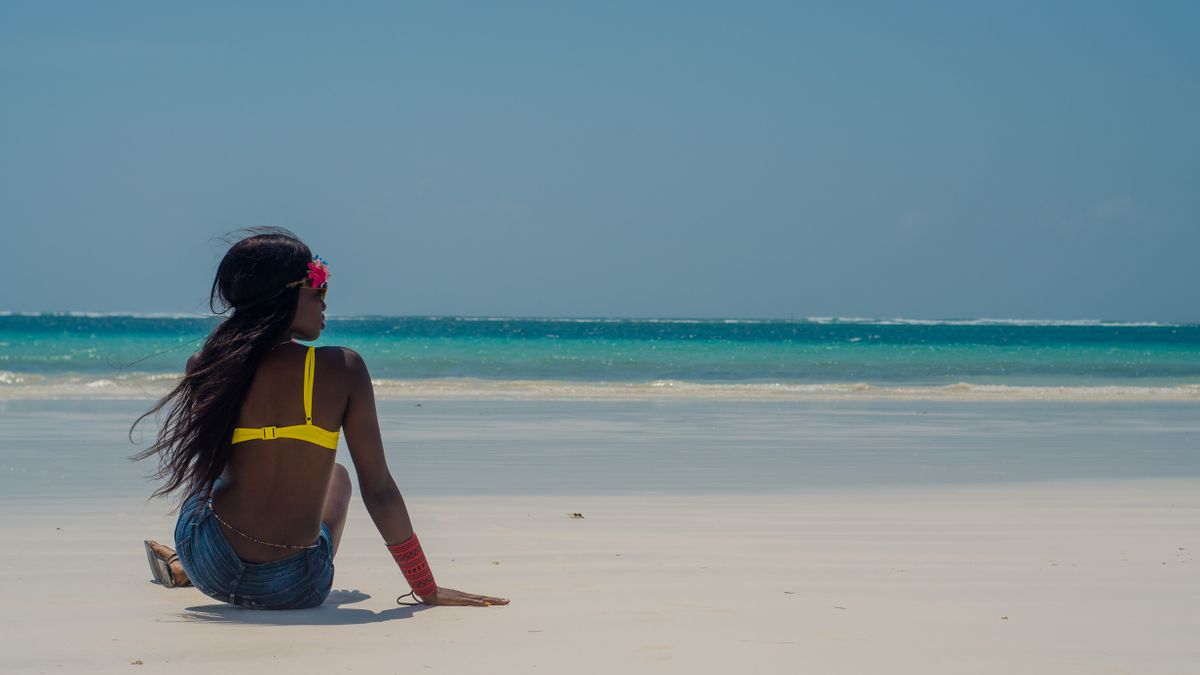
Kenya’s Indian Ocean coast makes a natural finish after a safari. Diani Beach has white sand and warm water, Mombasa has Fort Jesus and old-town Swahili culture, and Lamu is a historic island town without cars. Our bush and beach safaris link the two.
Not sure which parks to pick?
Tell us your dates, group and interests and we suggest the order of parks that fits your time.
Request a Private Safari QuoteBest Time for a Kenya Safari, Month by Month
Kenya can be visited all year. The two dry seasons, roughly June to October and January to February, are the most reliable for game viewing, while the long rains in April and May and the short rains in November bring green scenery, fewer visitors and lower prices.
| Month | What to expect |
|---|---|
| January | Dry and warm. Good game viewing across most parks and ideal beach weather on the coast. |
| February | Usually dry and sunny. A popular month for Amboseli views of Kilimanjaro and for combining bush and beach. |
| March | Heat builds and the first rains may arrive. Quieter parks and good value. |
| April | Long rains. Green landscapes, fewer visitors and the best rates; some roads can be muddy. |
| May | Rains continue and begin to ease. Excellent for photographers who like dramatic skies. |
| June | The dry season begins. Clear skies, cooler mornings and strong game viewing. |
| July | Migration herds begin to arrive in the Masai Mara. Peak season starts, so book early. |
| August | Peak migration and river crossings in the Mara. Camps are busy and in high demand. |
| September | The migration continues with fewer crowds than August. A favourite month for many guides. |
| October | Late migration and good big-cat sightings before the short rains. |
| November | Short rains. Lush scenery, birdlife and lower prices. |
| December | Drier weather returns. The festive season is busy, so plan lodges and flights well ahead. |
For a wider view of the region, see our best time for safari in Africa calendar.
Wildlife and Experiences
Game drives
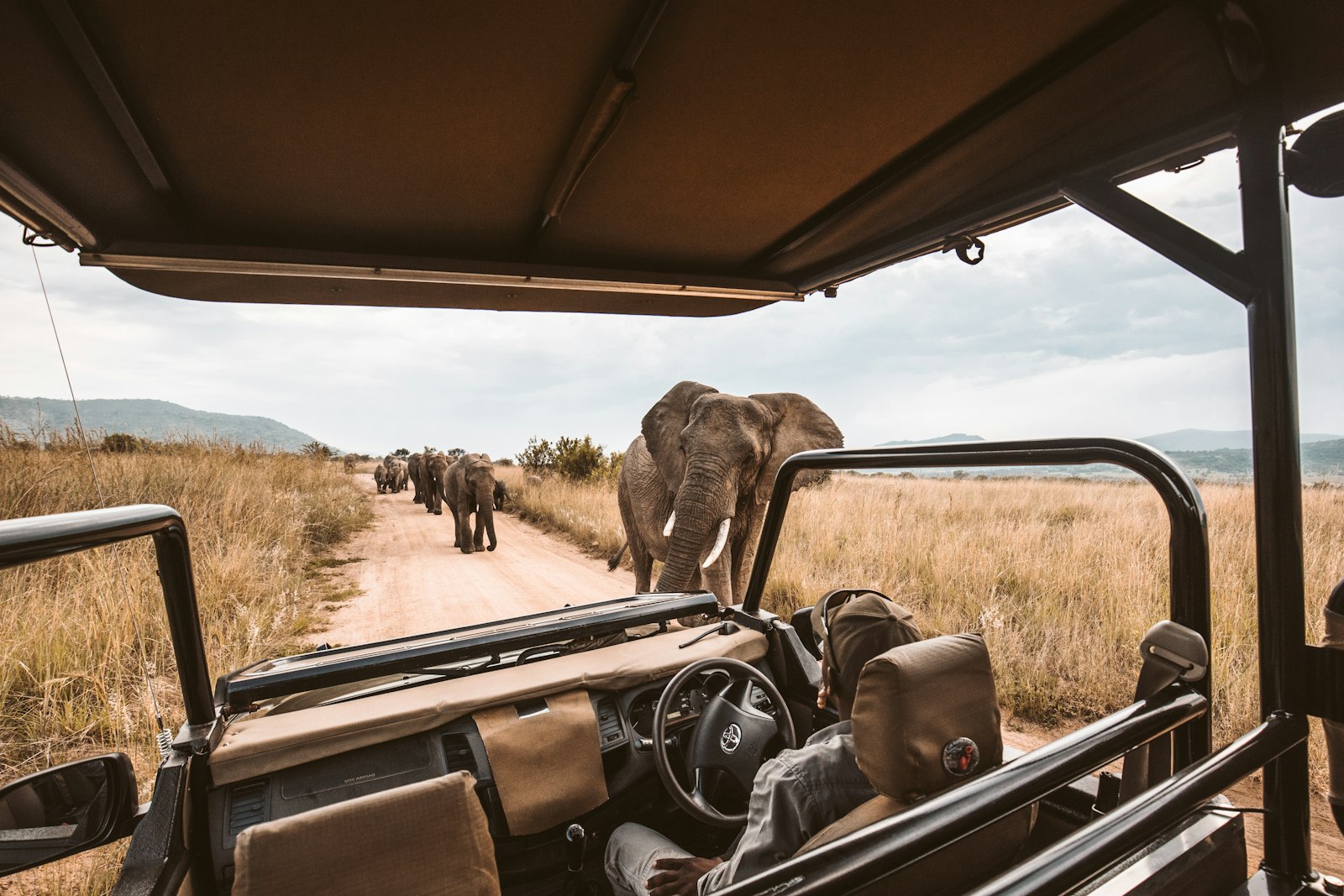
The heart of a Kenya safari is the game drive. We use private 4×4 Land Cruisers with pop-up roofs, so every guest has a window seat and clear views for photography. Early morning and late afternoon are the best times, when the light is soft and predators are most active. Your driver-guide reads the plains and radio-shares sightings with other guides, which saves time and increases your chances.
The Great Migration
More than a million wildebeest, along with zebra and gazelle, follow the rains in a circular route between the Serengeti and the Masai Mara. In Kenya, the herds usually arrive in July and stay until October. The river crossings at the Mara River are the most dramatic moments, but they cannot be scheduled, so patience and a flexible plan help. Our Great Migration safari page explains camp locations and timing.
Balloon flights, bush breakfasts and walking safaris
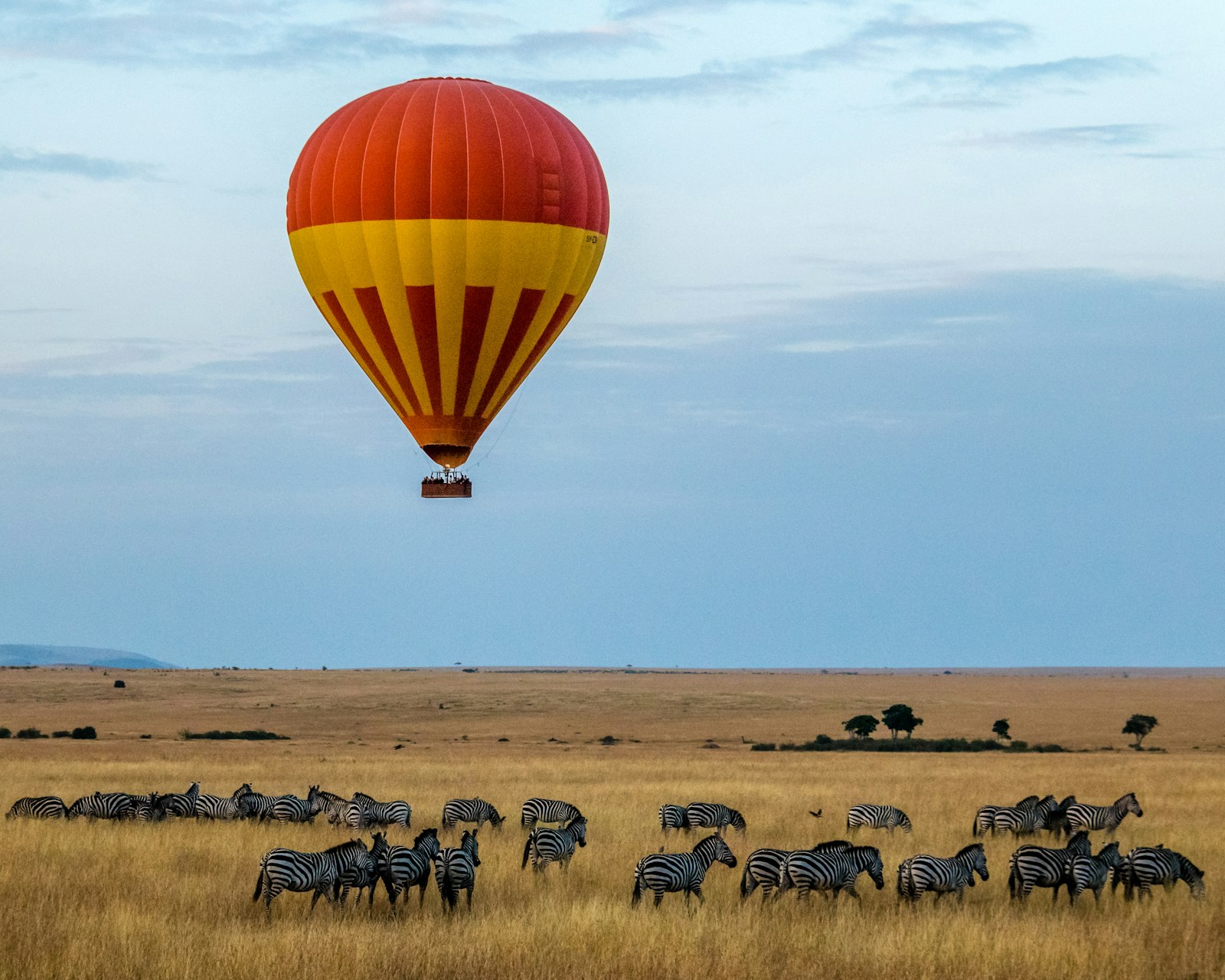
Beyond game drives, Kenya offers sunrise hot air balloon flights over the Mara, bush breakfasts on the plains, guided nature walks in conservancies and Laikipia, horse riding, night drives in private conservancies, and boat rides on Lake Naivasha. These extras can be added to almost any itinerary.
Culture and community
Respectful visits to Maasai and Samburu communities show how pastoral traditions continue alongside conservation. We arrange these with community hosts who share the benefit, so your visit supports local families. See our cultural tours.
Birding and photography
Kenya’s bird list runs into the hundreds of species, from lilac-breasted rollers and secretary birds to flamingos on the Rift Valley lakes. Photographers value the open light of the Mara and Amboseli and the long lenses that a pop-up roof allows. Our photographic safaris add extra time at each sighting.
Sample Kenya Safari Itinerary Ideas
Every trip we plan is tailor-made, but these outlines show how a Kenya safari usually fits together.
3 to 4 days: Masai Mara highlights
Drive or fly from Nairobi to the Mara, enjoy four to six game drives, and return. Flying saves most of a day each way and suits travellers with short stays.
5 to 6 days: Masai Mara and Lake Nakuru or Naivasha
Stop at the Rift Valley lakes for rhinos and boat rides, then spend two nights in the Mara. This is our most popular first Kenya safari.
7 days: Amboseli and the Masai Mara
Elephants under Kilimanjaro in the first half, then big cats and plains game in the Mara in the second half.
10 to 12 days: the northern and southern circuit
Add Samburu or Laikipia in the north to Amboseli and the Masai Mara in the south for the widest range of wildlife and landscapes.
14 days: the complete Kenya
Combine Samburu, Lake Nakuru, the Masai Mara, Amboseli and Tsavo, then rest on Diani Beach at an easy pace.
Bush and beach
Finish with three to five nights on the coast. See our Kenya safari from Nairobi options and our safari combinations.
Design your own Kenya safari
Share your dates, group size and interests and we send a tailor-made itinerary with an itemised written quote.
Plan My Safari WhatsApp Our TeamPrefer email? Write to reservations@senseofadventure.co.ke
Where to Stay on a Kenya Safari
Where you sleep shapes your safari, because the best camps put you in the middle of the action. We match each night to your route, budget and style.
- Tented camps: canvas rooms with real beds and private bathrooms, close to the sounds of the bush. A classic Kenya experience in the Mara, Amboseli and Samburu.
- Safari lodges: stone-and-thatch lodges with pools and restaurants, good for families and longer stays.
- Conservancy camps: small, exclusive camps on private land with fewer vehicles, night drives and walking safaris.
- Luxury lodges: intimate properties with fine dining and personal service for honeymoons and special trips.
- Beach hotels and villas: on Diani, Watamu or Lamu for the final days.
We usually quote a Midrange 3-star option and a Standard Luxury 4-star option side by side. See our guide to Kenya safari lodges and camps.
Kenya Safari Costs and Park Fees
The cost of a Kenya safari depends on the season, trip length, accommodation level, whether you drive or fly, and the group size. Our itemised quotes show every part clearly, and the tour leader is free of charge on group trips.
- Park and conservancy fees: set by the park authorities and higher in the peak migration months. We include them in your quote.
- Accommodation: the biggest variable, from Midrange 3-star camps to Standard Luxury 4-star lodges and exclusive conservancy camps.
- Transport: private 4×4 Land Cruiser by road, or light-aircraft flights between parks.
- Peak and low season: July to October and the festive season cost more, while April, May and November offer the best value.
- Extras: balloon flights, community visits and optional activities are quoted separately.
Our guide to how much an African safari costs explains how style and season affect the total, and our Kenya safari packages show current prices.
Entry Requirements for Kenya
- Electronic travel authorisation (eTA): most visitors apply online for a Kenya eTA before they travel, through the official government portal. Apply a few days before departure and check the current fee and processing time.
- Passport: valid for at least six months from your arrival date, with blank pages.
- East Africa Tourist Visa: covers Kenya, Uganda and Rwanda for visitors combining the three countries.
- Health: ask your doctor about routine vaccinations and malaria prevention. Read our yellow fever certificate guide if your route includes other countries.
- Insurance: we recommend comprehensive travel insurance with medical cover, and our guide to flying doctors cover explains evacuation options.
Entry rules change, so we brief every guest on the current requirements for their nationality when they book.
Combining Kenya With Tanzania, Uganda and Rwanda
Kenya pairs naturally with its neighbours. As a Nairobi-based team, we plan these combinations end to end.
- Kenya and Tanzania: follow the migration from the Masai Mara into the Serengeti, and add Ngorongoro Crater or Zanzibar. See our Kenya and Tanzania safari packages and our Tanzania destination guide.
- Kenya and Uganda: a short flight from Nairobi to Entebbe leads to gorillas and chimps. Read the Uganda destination guide.
- Kenya and Rwanda: pair the Mara with gorilla trekking in Volcanoes National Park. Read the Rwanda destination guide.
Why Plan Your Kenya Safari With Sense of Adventure
- Nairobi-based and licensed. We are a licensed Kenyan tour operator (Tourism Regulatory Authority, licence TRA1/47/C01/77087), established in 2022, with the team on the ground in Nairobi.
- Private by default. Our fleet is made up of private 4×4 Land Cruisers with pop-up roofs, reclining seats and charging ports, shared only with your own party.
- Tailor-made, not off the shelf. Every route is built around your dates, interests and pace.
- Honest, itemised quotes. Park fees, accommodation and transport are listed clearly, with two comfort levels to compare.
- Tour leader free of charge. On group trips, the tour leader travels at no cost to the group.
- One team for multi-country trips. Kenya, Tanzania, Uganda and Rwanda planned together, with one point of contact.
Kenya Safari FAQs
What is the best time for a Kenya safari?
June to October and January to February are the driest months and best for game viewing. The Great Migration reaches the Masai Mara from about July to October.
How many days do I need for a Kenya safari?
Three to four days covers the Masai Mara. Five to seven days adds Lake Nakuru or Amboseli, and ten to fourteen days lets you include Samburu, Tsavo and the coast.
Is Kenya good for a family safari?
Yes. Short drives, family rooms and private vehicles make Kenya one of the easiest countries for children, and many camps offer family-friendly activities.
Do I need a visa for Kenya?
Most visitors apply online for a Kenya electronic travel authorisation before travelling. Entry rules change, so we confirm the current requirements for your nationality when you book.
Can I see the Big Five in Kenya?
Yes. Lions, leopards, elephants and buffalo are widespread, and rhinos live in Lake Nakuru, Ol Pejeta, Nairobi National Park and some Mara conservancies.
Can I combine a Kenya safari with a beach holiday?
Yes. Many guests fly from the Masai Mara to Diani or Mombasa for three to five nights on the Indian Ocean coast after their safari.
Can I combine Kenya with Tanzania or Uganda?
Yes. We plan Kenya with the Serengeti in Tanzania, or with gorillas in Uganda and Rwanda, as one smooth journey with a single point of contact.
Start planning your Kenya safari today
Big cats, elephants, the Great Migration and the coast: we build your route around your dates and confirm everything in a written quote.
Explore Safaris in This Destination Request a Private Safari QuoteWhatsApp +254 799 160 081 or email reservations@senseofadventure.co.ke