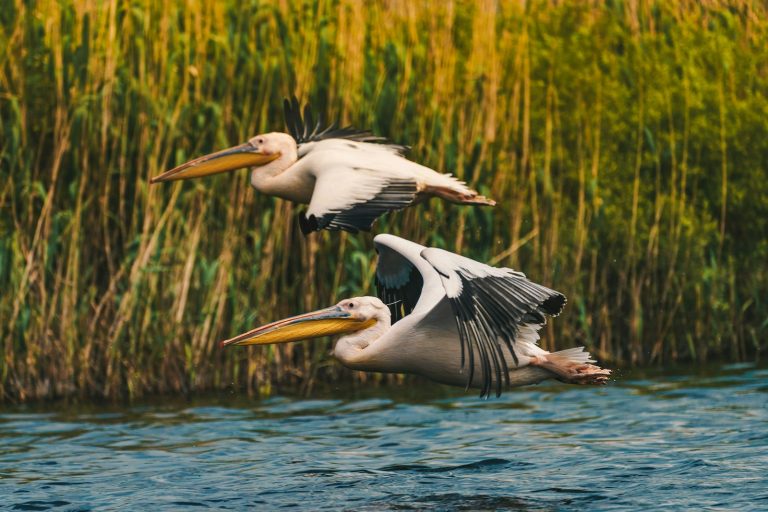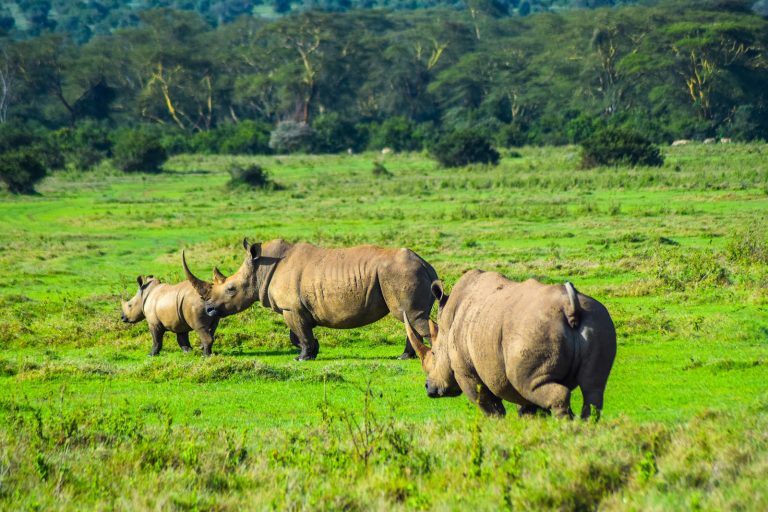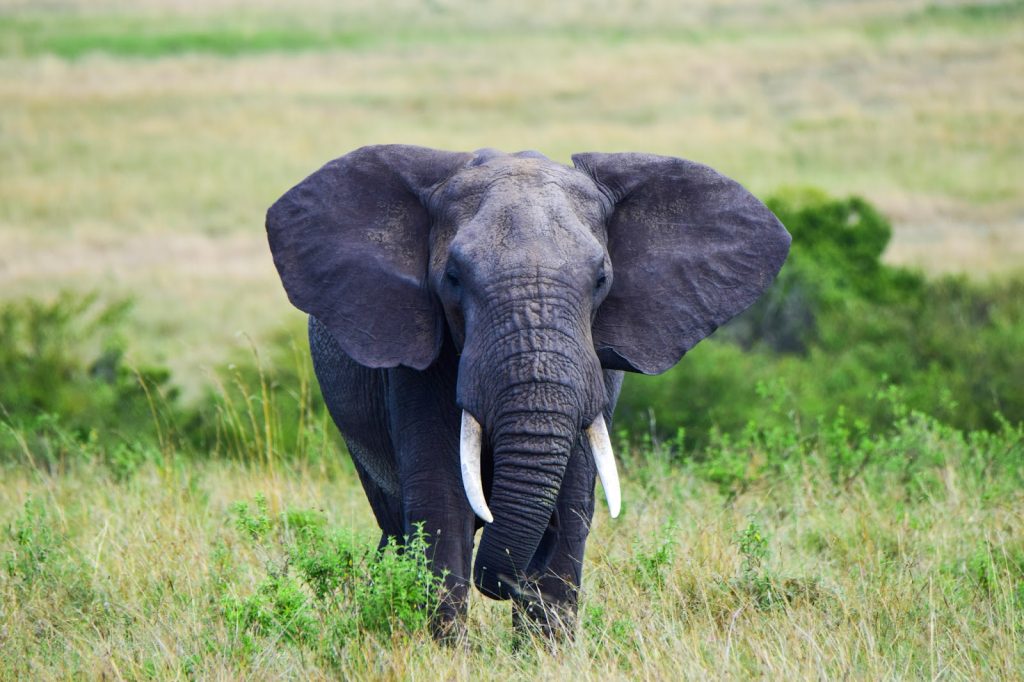
It is just after six in the morning, and the air on the Mukogodo hills still smells of dust and wild sage. You are walking in single file behind a Maasai guide in a red shuka, a spear in one hand and binoculars in the other. He stops, crouches and points to the sand: the round, four-toed print of a leopard, crossed only an hour ago. Below you the Ngare Ndare River glints between the doum palms. A family of elephants is drifting towards it. Then a francolin calls, the sun clears Mount Kenya, and the whole valley turns gold.
Il Ngwesi Conservancy is a Maasai community conservancy on the Il Ngwesi Group Ranch in Laikipia North, on the Mukogodo hills just north of Lewa Wildlife Conservancy. Registered in 1995, it protects elephants, Grevy’s zebra, African wild dogs and reticulated giraffe, and owns Il Ngwesi Eco-Lodge, one of Kenya’s first community-run lodges.
Sense of Adventure is a Nairobi-based safari company at Mountain Mall on Thika Road, licensed by Kenya’s Tourism Regulatory Authority (TRA1/47/C01/77087). We plan tailor-made safaris into Laikipia and the northern conservancies all year round. This guide covers what you need to know about Il Ngwesi Conservancy before you go: its story, the Laikipiak Maasai who own and run it, the wildlife and your honest chances of seeing it, walks and cultural visits, how to get there, fees, the best months, rules, where to stay and a sample itinerary. For the bigger picture, start with our complete list of Kenya national parks and reserves.
✅ Il Ngwesi Conservancy: The Quick Answer
- Where: Mukogodo, Laikipia North, on the escarpment above the Ngare Ndare River, bordering Lewa Wildlife Conservancy and Isiolo County.
- Best for: walking safaris with Maasai guides, elephants and dry-country wildlife, an authentic community lodge and a cultural visit that is run by the community itself.
- Best time: the dry months, January to March and late June to October.
- Entry fee: no public gate fee is published. A conservation fee is charged per person through the lodge and goes to the community; we confirm it in your written quote.
- How long to stay: two to three nights, ideally combined with Lewa, Ol Pejeta or Samburu.
- Getting there: fly from Wilson Airport to Lewa Downs, then a road transfer; or drive via Isiolo, about 90 minutes from town.
🌍 Planning a Safari to Il Ngwesi Conservancy?
Tell us your dates and we will check space at the community lodge and plan a dawn walk with Il Ngwesi’s own guides.
🥾 Plan My Maasai WalkPrefer to talk? 💬 WhatsApp Us Now or call +254 799 160 081
What Is Il Ngwesi Conservancy?
Il Ngwesi Conservancy is land owned by a Maasai community that has chosen to share it with wildlife and to earn its living from conservation and tourism alongside livestock.
It sits on the Il Ngwesi Group Ranch in the Mukogodo area of Laikipia North. The land is semi-arid savanna and rocky hills, cut by the Ngare Ndare River and its lines of fig and doum palm. From the escarpment you look out over the meeting point of Laikipia, Meru and Isiolo counties, with Mount Kenya on the skyline on clear mornings.
The name Il Ngwesi is often translated as “people of wildlife”. It suits the place. Herders still graze cattle, goats and camels here, but a large part of the ranch is set aside as a conservation area, protected by the community’s own scouts.
Il Ngwesi Group Ranch in numbers
Figures vary by source and by year, so we quote the official ones. The UNDP Equator Initiative case study describes an 8,645-hectare community-conserved area. The Northern Rangelands Trust (NRT) lists a core conservation area of 9,470 hectares and a population of about 3,800 Laikipiak Maasai. NRT also records 18 community scouts and 36 staff employed from the community.
In 2018, according to Kenya’s Standard newspaper, Il Ngwesi Conservancy was among the first group ranches to register as community land under Kenya’s new land law. That gives the community secure title to the land it conserves.
The Story of Il Ngwesi Conservancy: From Hunters to Hosts
Il Ngwesi Conservancy began in the mid-1990s, when a pastoralist community that had seen wildlife disappear decided that protecting animals could pay better than losing them.
By the early 1990s, poaching and competition for grazing had hit wildlife hard across northern Laikipia. Next door, the Craig family’s Lewa Downs was turning into a rhino sanctuary. With Lewa’s support, Il Ngwesi elders agreed to set aside land for wildlife and build a small lodge. The group ranch’s conservation work was registered in 1995, and Il Ngwesi Eco-Lodge opened in 1996.
Awards and firsts
The project soon drew attention. The UNDP Equator Initiative records that Il Ngwesi Conservancy won the British Airways Best Ecotourism Destination award in 1997, the UNDP Equator Prize in 2002 and the Best Small Lodge category at the 2006 Global Responsible Travel Awards. The community used part of its Equator Prize money to buy more land.
In 2002 Il Ngwesi was also among the founder members of the Northern Rangelands Trust, the umbrella body that now supports community conservancies across northern and coastal Kenya. In the same year, an orphaned black rhino called Omni was moved from Lewa to Il Ngwesi Conservancy, making it the first community conservancy in Kenya to host the species, according to NRT. Sadly, NRT reports that Omni was killed by poachers in May 2013.
Where Il Ngwesi is heading
The community continues to plan ahead. In March 2025, the Mount Kenya Times reported that the community behind Il Ngwesi Conservancy had signed a 50-year lease with an investor to develop a new, larger lodge on part of the ranch, with guaranteed annual income for the community. We have not seen confirmation of build dates, so we treat it as a future plan and will update this guide when there is official news.
The People of Il Ngwesi: The Laikipiak Maasai
The heart of Il Ngwesi Conservancy is its people: Laikipiak Maasai families who own the land, run the lodge, guide the walks and patrol the bush.
The Laikipiak are a Maa-speaking section with a long history on the Laikipia plateau. Today the community lives in a handful of villages spread across the group ranch. They keep cattle, goats and camels, and many families still move their herds with the rains. Grazing plans agreed by the community keep the core conservation area free of livestock for most of the year.
How your visit supports the community
Il Ngwesi’s official website says simply that “your conservation fee goes straight to the community”. The Equator case study explains the rest. The lodge is owned by Il Ngwesi Company Ltd, majority-owned by the group ranch, and a share of profit goes into community projects. Over the years that money, alongside donor support, has paid for school bursaries, classrooms, water projects and health outreach.
NRT’s carbon programme adds another income stream. The Standard reported in 2024 that Il Ngwesi Conservancy had earned about KSh 36 million from NRT carbon payments, shared between community projects and conservation.
Women, girls and the next generation
Women’s groups at Il Ngwesi make and sell beadwork, and micro-credit schemes have helped them start small businesses. The lodge website describes the Mukogodo Girls Empowerment Programme, run with Quinnipiac University, which holds youth camps on health, girls’ rights and community development. Kenya’s Daily Nation has reported on more women taking leadership roles in the conservancy.
Expert tip from our Nairobi team: ask before you photograph anyone, and let your guide arrange any village or school visit. A short, respectful visit that the community has organised means far more on both sides than a quick roadside stop.
Wildlife in Il Ngwesi Conservancy: What You Will See
Il Ngwesi Conservancy is a dry-country wildlife area where elephants, reticulated giraffe, Grevy’s zebra and gerenuk are the regular sightings, and predators are present but shy.
This is not the Masai Mara. Game is less dense and more wary, especially on foot. In return you get a real wilderness, no crowds and species you will not see in southern Kenya. The Il Ngwesi Conservancy wildlife page on the lodge website lists elephant, impala, waterbuck, greater and lesser kudu, dik-dik, gerenuk, eland, Grevy’s and plains zebra, reticulated giraffe, rock hyrax, baboon and warthog as common.
Your honest sighting odds
| Species | Chance on a 3-night stay | Notes |
|---|---|---|
| Elephant | Very good | Il Ngwesi lies on an elephant corridor; herds come to the river and the lodge waterhole. |
| Reticulated giraffe, gerenuk, dik-dik, impala | Very good | Typical dry-country species, seen on most walks and drives. |
| Grevy’s zebra | Good | An endangered northern species, listed by NRT as a key species here. |
| Greater and lesser kudu | Fair | Shy; look for them in thick bush near dawn and dusk. |
| African wild dog | Possible | Il Ngwesi is known for wild dogs, but packs range widely. Never guaranteed. |
| Leopard | Possible | Heard calling almost nightly, according to the lodge; seen less often. |
| Lion, cheetah, hyena | Occasional | Present but wide-ranging; spoor is more common than sightings. |
| Rhino | Not expected | No rhino population is publicly confirmed today. See rhinos next door at Lewa or at Ol Pejeta. |
Birds of the Mukogodo hills
Birding is a quiet highlight of Il Ngwesi Conservancy, and a reason to bring good binoculars. Look for birds typical of northern Kenya’s dry country, such as hornbills, starlings and bustards, alongside raptors over the escarpment and kingfishers along the Ngare Ndare River. Ask for a birding walk with binoculars at first light.
Things to Do in Il Ngwesi Conservancy
The best way to experience Il Ngwesi Conservancy is on foot with a Maasai guide, then by vehicle, around the campfire and in the community.
Guided bush walks
Walking is what Il Ngwesi Conservancy does best. Community guides lead morning and evening walks, reading tracks, naming plants and explaining how the Maasai use them. Walks are slow and quiet, so you notice the small things: a dung beetle at work, a dik-dik pair frozen in the shade, a lion print in the sand.
Game drives, sundowners and bush breakfasts
The lodge lists bush drives, sundowners and bush breakfasts beside the Ngare Ndare River. Drives cover more ground than walks and are the best chance for elephants and Grevy’s zebra. Night game drives are not listed as a regular activity, so ask us before you book if they matter to you.
Cultural boma, honey and beadwork
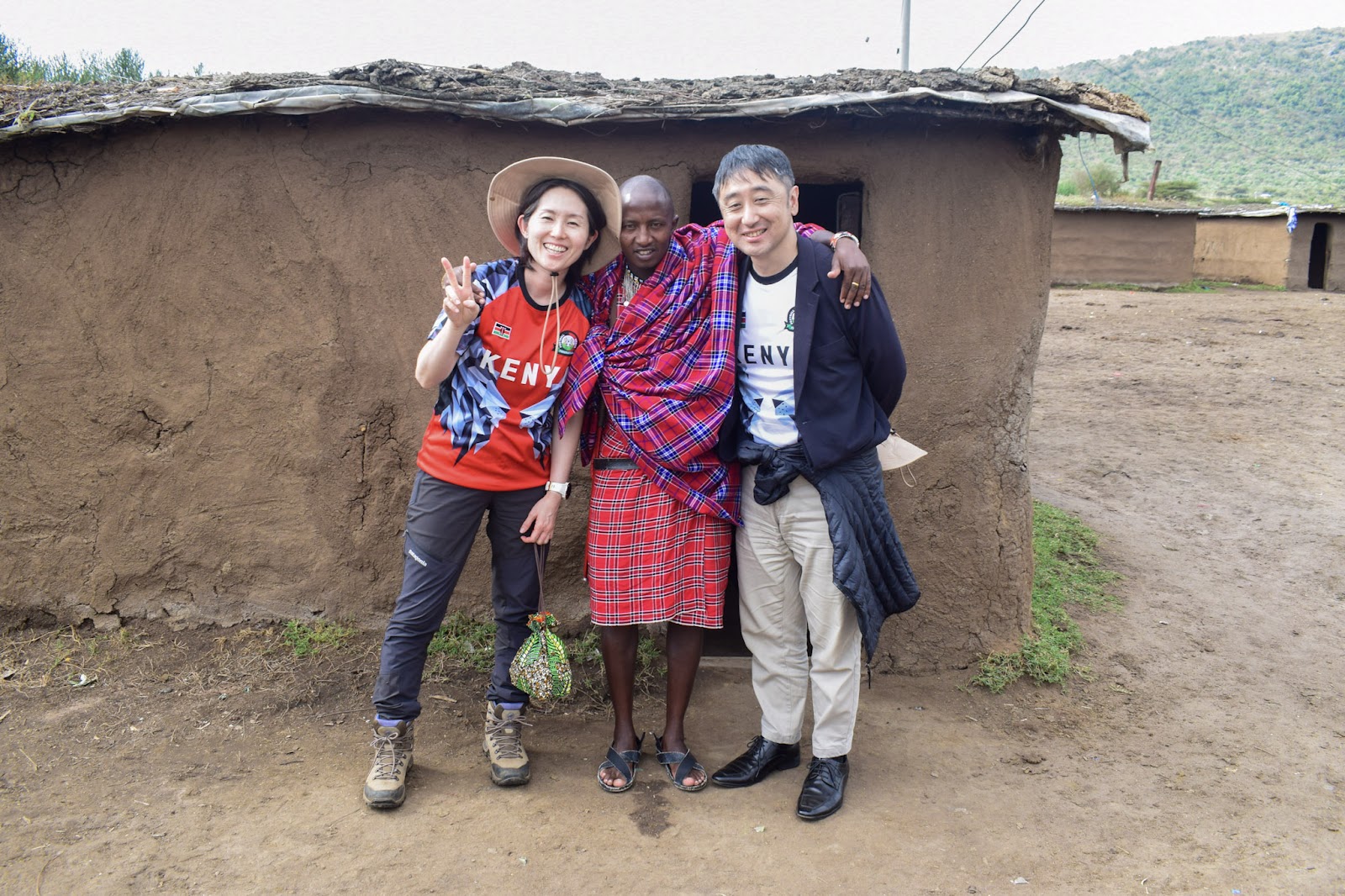
At the community’s cultural boma, Maasai hosts explain traditional hunting skills and honey collecting, with songs and dancing. You can also join women’s groups for beadwork, or visit a local school or clinic when it is open to guests. All of this is arranged through the lodge, so the money stays local.
Mukogodo Forest and fly camping
The lodge offers visits to the nearby Mukogodo Forest, a dry cedar and olive forest that is home to the Yaaku people’s heritage, and nights camping out under the stars. Camel safaris have been run in the conservancy in the past; we confirm current availability when we book.
🤝 Walk, Drive or Sleep Out?
Not sure which activities suit your group’s ages and fitness? Tell us who is travelling and we will plan the right mix of walks, drives and community time.
🧭 Help Me Choose ActivitiesGetting to Il Ngwesi Conservancy
You can reach Il Ngwesi Conservancy by a short scheduled flight to Lewa Downs and a road transfer, or by road from Nairobi through Isiolo in about six to seven hours.
By air
The lodge’s booking page says scheduled flights from Wilson Airport in Nairobi land at Lewa Downs airstrip, and Il Ngwesi offers road transfers from there at extra cost. Kenya’s Standard newspaper gives the flight as about 50 minutes. Very small aircraft and helicopters can land at Il Ngwesi’s own airstrip beside the lodge. Light aircraft usually limit you to about 15 kg in a soft bag, so read our safari luggage weight limits guide.
By road
From Nairobi, take the A2 north through Nanyuki and Timau to Isiolo. The lodge gives two final routes: from Isiolo town, about 90 minutes to the lodge, or through Lewa via its Matunda Gate, about 120 minutes. The last stretch is rough and can be hard going after rain, so a 4×4 with an experienced driver is essential. Our Kenya safari from Nairobi guide explains road safaris in more detail.
| Route | Time | Best for |
|---|---|---|
| Wilson Airport to Lewa Downs + transfer | About 50 minutes flying, then a road transfer | Short stays, comfort, combining with the Mara |
| Nairobi to Isiolo + Il Ngwesi road | About 6 to 7 hours in total | Road safaris that include Samburu or Ol Pejeta |
| Lewa (Matunda Gate) to the lodge | About 120 minutes | Guests moving on from Lewa |
| Charter to Il Ngwesi airstrip | Short hop by small plane or helicopter | Private, flexible fly-in safaris |
Il Ngwesi Conservancy Fees and Costs
Il Ngwesi Conservancy does not publish a gate fee; instead a per-person conservation fee is charged through the lodge and paid to the community.
Because the fee is set by the community and can change, we quote it in writing with your booking rather than print a figure that may be out of date. Lodge rates are also given on request. If your safari adds national parks, our guide to Kenya national parks entrance fees 2026 lists the current Kenya Wildlife Service rates, and our conservancy fees in Kenya guide explains how conservancy fees work.
| Cost item | Who sets it | What to expect |
|---|---|---|
| Il Ngwesi conservation fee | Il Ngwesi community | Per person per night; not published online; confirmed in your quote |
| Il Ngwesi Eco-Lodge stay | The lodge | Full board with activities; rates on request |
| Lewa Downs transfer | The lodge | Extra cost per transfer |
| Lewa conservancy fee (if you visit) | Lewa Wildlife Conservancy | Charged through Lewa camps; confirmed in quote |
| National park entry (if added) | Kenya Wildlife Service | Published KWS tariff |
Expert tip from our Nairobi team: ask any operator to show conservancy fees as a separate line in your quote. It tells you exactly what reaches the community, and it is how we price every Il Ngwesi stay.
Best Time to Visit Il Ngwesi Conservancy
The best time to visit Il Ngwesi Conservancy is in the dry seasons, January to March and late June to October, when wildlife gathers near water and the tracks are easy.
Laikipia sits high and dry, so days are warm and nights can be cool. The long rains usually fall in April and May and the short rains in November, though timing varies year to year. The green months are beautiful, quiet and good for birds, but some tracks become difficult. See our Kenya weather by month guide for more.
| Month | Weather | Wildlife and walking |
|---|---|---|
| January to February | Hot, dry, clear skies | Excellent; animals stay close to the river |
| March | Hot, rains may start late in the month | Very good; last of the dry season |
| April to May | Long rains, green landscape | Fair; quiet, lush and great for birds, some roads hard |
| June | Drying out, cooler mornings | Very good; grass starts to thin |
| July to September | Dry, cool nights, peak season | Excellent; best for walks and elephants |
| October | Dry and warming | Excellent; animals concentrate at water |
| November | Short rains | Fair to good; fresh grass and newborn animals |
| December | Mostly dry, warm | Very good; busy around the holidays |
📅 Get a Free, No-Obligation Safari Quote
Il Ngwesi Conservancy has only a handful of rooms, so dry-season dates fill early. Send us your dates and we will send a written quote with the community conservation fee shown clearly.
✉ Send Us Your Dates on WhatsAppRules and Safety in Il Ngwesi Conservancy
Il Ngwesi Conservancy is safe and welcoming when you follow your guide, respect community rules and remember that this is open, unfenced wild country.
- Always walk with a guide: never wander outside the lodge area alone, especially at dawn, dusk or night.
- Respect people and livestock: ask before photographing anyone, and give herders and their animals space on the road.
- Children: the lodge welcomes children but warns that its open, unfenced design can be hazardous for small, mobile children, so parents must supervise them at all times, including at the pool.
- Drones: drones need Kenya Civil Aviation Authority approval and the landowners’ permission. Do not fly one without both.
- Leave no trace: take your rubbish out with you and keep noise low on walks and drives.
- Health and cover: this is a remote area, so we recommend emergency evacuation cover and checking the UK Foreign Office travel advice for Kenya before you go.
How Many Days Do You Need?
Plan two to three nights in Il Ngwesi Conservancy, ideally as part of a five- to seven-night Laikipia and northern Kenya safari.
Two nights gives you a full day for a dawn walk, a drive and a cultural visit. Three nights lets you add Mukogodo Forest or a night out under the stars, and gives you more chances at wild dogs and leopards. Our guide to how many days you need on a Kenya safari helps you plan the whole trip.
Where to Stay: Il Ngwesi Eco-Lodge
The only lodge on the group ranch is Il Ngwesi Eco-Lodge, owned by the community and built from local wood and stone above the river.
The lodge has six open-fronted rooms, or bandas, with no conventional walls, so you wake to the view and the sounds of the bush. There is a freeform pool, a waterhole that draws elephants, and a large main house. Group campsites are also available. If you prefer more polish, the lodges of Lewa are next door: see our Lewa Wildlife Conservancy lodges. For more stays that pay landowners, read our community conservancy lodges in Kenya guide.
🏡 Community Lodge or Lewa Camp?
We will explain honestly how Il Ngwesi’s rustic bandas compare with the camps next door, and how to split your nights between them.
🛏 Compare My Lodge OptionsWhat to Pack for a Laikipia Community Conservancy
Pack light, neutral layers for warm days and cool mornings, and good walking shoes, because most of your time here is on foot.
- Neutral clothes in khaki, olive or brown; avoid bright white and dark blue.
- Long trousers, a long-sleeved shirt and closed walking shoes for bush walks.
- A fleece or light jacket for early walks and evenings.
- Hat, sunglasses, high-factor sunscreen and insect repellent.
- Binoculars and a camera with a zoom lens.
- Modest clothing for village and school visits.
- A soft duffel bag within the light-aircraft limit.
See our full what to pack for an African safari list and our advice on what not to bring on safari.
Combining Il Ngwesi With Nearby Parks
Il Ngwesi Conservancy pairs perfectly with the rhino conservancies of Laikipia and the reserves of Samburu, all within a few hours.
- Lewa Wildlife Conservancy: right next door, for black and white rhinos and Grevy’s zebra. See our Lewa Wildlife Conservancy guide.
- Ol Pejeta Conservancy: the last two northern white rhinos and a chimpanzee sanctuary. Read our Ol Pejeta Conservancy guide.
- Borana Conservancy: rhino tracking and horse riding in western Laikipia. See our Borana Conservancy guide.
- Samburu National Reserve: the “Samburu Special Five” and big cats along the Ewaso Ng’iro, a few hours north by road. See our Samburu National Reserve guide.
- Further north: walk with black rhinos at Sera Rhino Sanctuary, or visit the elephants of the Namunyak Conservancy and Mathews Range.
For the wider region, read our Laikipia Plateau safari guide.

Sample 3-Day Il Ngwesi Conservancy Itinerary
This three-day plan shows how a short stay in Il Ngwesi Conservancy flows, and it slots easily into a longer northern safari.
- Day 1, Nairobi to Il Ngwesi: fly from Wilson to Lewa Downs, with a game drive on the transfer. Settle into your banda, swim, then take a sundowner walk along the escarpment.
- Day 2, on foot with the Maasai: a dawn walk with your guide, bush breakfast by the Ngare Ndare River, a siesta, then a visit to the cultural boma. Dinner by the fire, or a night sleeping out under the stars.
- Day 3, Il Ngwesi to Lewa or Samburu: a last morning drive looking for wild dogs and Grevy’s zebra, then continue to Lewa, Samburu or fly back to Nairobi.
Prefer a ready-made trip? Our Northern Kenya Cultural Safari: Samburu and Laikipia (5 days), the Laikipia and Masai Mara Walking Safari (7 days) and the Kenya Highlights Safari (9 days) can all be tailored to include Il Ngwesi Conservancy. Message us for a quote. We can also build a fully private Kenya safari or a luxury Kenya safari around your dates.
Il Ngwesi Conservancy FAQs
Where is Il Ngwesi Conservancy?
Il Ngwesi Conservancy is in the Mukogodo area of Laikipia North, central Kenya, on the escarpment above the Ngare Ndare River. It borders Lewa Wildlife Conservancy to the south and Isiolo County to the east. The nearest town is Isiolo, about 90 minutes away by road, and Lewa Downs airstrip is the usual flight gateway.
Who owns Il Ngwesi Conservancy?
Il Ngwesi is owned by the Laikipiak Maasai community of the Il Ngwesi Group Ranch. The community registered its conservation work in 1995 and runs Il Ngwesi Eco-Lodge through a company that it majority owns. It was a founder member of the Northern Rangelands Trust in 2002 and registered as community land in 2018.
What animals can you see at Il Ngwesi?
Expect elephants, reticulated giraffe, Grevy’s and plains zebra, gerenuk, eland, kudu, impala, waterbuck and dik-dik. African wild dogs are a speciality but never guaranteed. Leopards are often heard at night, and lions, cheetahs and hyenas pass through occasionally. No rhino population is publicly confirmed today, so see rhinos at neighbouring Lewa.
How much does it cost to visit Il Ngwesi?
Il Ngwesi Conservancy does not publish a gate fee. A per-person conservation fee is charged through the lodge and paid directly to the community, and lodge rates are given on request. Because both can change, we confirm the exact conservation fee and lodge rate in writing when we quote your safari.
How do you get to Il Ngwesi from Nairobi?
Most visitors fly from Wilson Airport to Lewa Downs airstrip in about 50 minutes, then take a road transfer to the lodge. By road, drive north through Nanyuki to Isiolo, then about 90 minutes on rough tracks to the lodge, around six to seven hours in total. Small charters can land beside the lodge.
What is the best time to visit Il Ngwesi?
The dry seasons, January to March and late June to October, are best for walking and for seeing elephants near the river. April, May and November bring rain, green hills and good birding, but some tracks become difficult. December is mostly dry but busy around the holidays.
Is Il Ngwesi good for families?
Yes, with care. The lodge welcomes children and can adjust meal times and offer babysitting, but its open, unfenced design means small children must be watched at all times. Older children love the bush walks, the cultural boma and sleeping out. Age limits may apply to walks, so ask us first.
Can you do walking safaris at Il Ngwesi?
Yes. Guided bush walks with Maasai guides are the signature activity at Il Ngwesi Conservancy. Walks run in the cool of morning and late afternoon, focus on tracks, plants and smaller wildlife, and are paced to your fitness. Your guide decides the route on the day, based on where the animals are.
🏕 Plan Your Il Ngwesi Conservancy Safari With Sense of Adventure
Kenya-based experts. Real local knowledge. Transparent pricing.
We know Laikipia’s community conservancies well. Tell us your dates and wish list, and we will plan your stay at Il Ngwesi Conservancy around the walks, the community and the right next stop.
💬 Book My Il Ngwesi Stay✉ Email Our Laikipia TeamCall or WhatsApp: +254 799 160 081 · Email: info@senseofadventure.co.ke
💬 WhatsApp Us — Start Planning Today
Related Safari Guides
- › Lewa Wildlife Conservancy Guide
- › Community Conservancy Lodges in Kenya
- › Borana Conservancy Guide
- › Laikipia Plateau Safari Guide
- › Samburu National Reserve Guide
Official travel & park resource: Kenya Wildlife Service ↗ · Conservancy: Il Ngwesi on the Northern Rangelands Trust ↗ · Lodge: Il Ngwesi official website ↗ · Tourism: Magical Kenya ↗