
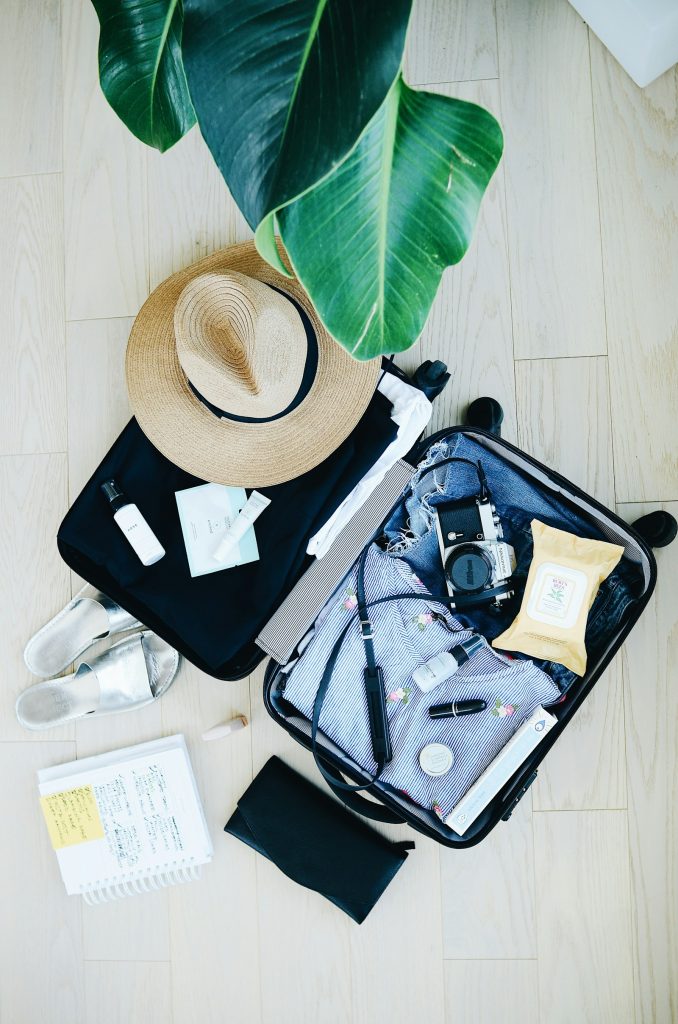
Knowing what not to bring on safari saves money, weight and trouble. In Kenya, leave behind plastic carrier bags (banned by law), camouflage clothing, drones without a permit, hard-shell suitcases, bright white or dark blue clothes, and anything made from ivory, shells or coral. Keep valuables, cash and gadgets to a minimum and pack light for 15 kg bush flights.
Sense of Adventure is a licensed safari operator based at Mountain Mall on Thika Road, Nairobi (TRA licence TRA1/47/C01/77087), and we see the same packing mistakes every season. This guide explains what not to bring on safari: the items that are banned or restricted in Kenya, the clothes and colours that cause problems, the luggage that will not fit small planes, gadgets and valuables to leave at home, and the smart swaps that make your trip easier.
✅ What Not to Bring on Safari: The Quick Answer
- Plastic carrier bags: banned in Kenya since 2017, with heavy fines; single-use plastics are also banned in protected areas.
- Camouflage clothing: Kenyan police warn civilians against military-style attire; leave it at home.
- Drones: not allowed in national parks without special permission.
- Hard or wheeled suitcases: bush flights usually take only soft bags of about 15 kg.
- Bright white, black or dark blue clothes: they show dust, stand out or attract tsetse flies.
- Wildlife souvenirs: ivory, horn, shells, coral and animal skins are illegal to buy or export.
🌎 Not Sure What to Pack?
Send us your route and we will tell you exactly what to bring, what not to bring and what the camps already provide. 💬 WhatsApp Us Now or call +254 799 160 081
Why What Not to Bring Matters on Safari
Safari packing is different from a city or beach holiday, because of luggage limits, dust, wildlife and Kenya’s own laws.
Most travellers pack too much and rarely think about what not to bring. On a road safari that just means a heavy bag, but on a fly-in safari the light aircraft may refuse a bag that is too heavy or too rigid. Some items, such as plastic carrier bags, can lead to fines. Others, like bright colours or strong perfume, simply make your safari less comfortable. Thinking about what not to bring is the quickest way to a lighter, easier trip.
For the positive list, see our full guide to what to pack for an African safari. This guide covers the other side.
What Not to Bring: Items Banned or Restricted in Kenya
A few items are against the law or need permits in Kenya, so these are the most important things to leave out.
| Item | Rule in Kenya | What to do instead |
|---|---|---|
| Plastic carrier bags | Banned since August 2017; fines can reach KSh 4 million or up to four years in prison | Use cloth bags, packing cubes or dry bags |
| Single-use plastics in parks | Banned in national parks, reserves, forests and beaches since June 2020 | Bring a refillable bottle and reusable cutlery if needed |
| Drones | Need permission from aviation and wildlife authorities; flying in parks without a permit is not allowed | Leave the drone at home or apply well in advance |
| Camouflage clothing | Police have warned civilians against wearing military-style attire | Wear khaki, olive, sand or brown |
| Ivory, horn, skins, shells, coral | Buying, owning or exporting wildlife products is illegal | Buy crafts made from wood, soapstone, glass or fabric |
| Firearms and ammunition | Strictly controlled and require permits | Not needed on a guided safari |
The plastic bag ban in practice
Kenya’s ban covers plastic carrier bags and flat bags, and travellers are asked to leave duty-free shopping bags on the plane or at the airport. Travel advice from the UK Foreign Office mentions the ban. Clear toiletry bags used for airport security are generally not the target, but it is simplest to pack toiletries in a reusable pouch. Tanzania and Rwanda have similar bans, so this matters on multi-country trips too.
Drones: high on the what not to bring list
Drone rules are strict in Kenya, and national parks are not places to fly without a permit. Our guide to drone rules in Kenya’s national parks explains the process. If you are not prepared for the paperwork, this is one item firmly on the what not to bring list.
What Not to Bring: Clothes and Colours
The right clothes are neutral, light and practical; the wrong ones are bright, heavy or designed for a city night out.
- Camouflage or military prints: see the table above; leave them at home.
- Bright white: it turns orange-brown with dust within a day.
- Black and dark blue: these colours attract tsetse flies in some areas and absorb heat.
- Very bright colours: neon and bold patterns stand out on walking safaris.
- Heavy jeans: slow to dry and hot in the vehicle.
- Too many outfits: most camps offer laundry, so a few mix-and-match items are enough.
- High heels and formal wear: camp dinners are relaxed; smart-casual is plenty.
Our guide to why safari clothes are khaki explains the colour rules, and the truth about tsetse flies explains why dark blue matters.
Expert tip from our Nairobi team: pack for warm days and cold mornings. A fleece and a light down or soft-shell jacket are far more useful than an extra pair of trousers, because pre-dawn game drives in an open vehicle can be surprisingly chilly.
What Not to Bring: Luggage Mistakes
The biggest luggage mistake is a large hard suitcase, especially if your safari includes light aircraft.
Bush flights from Nairobi’s Wilson Airport usually allow about 15 kg per person, including hand luggage, in a soft bag without a rigid frame. Hard-shell cases and large wheeled bags often will not fit the small luggage holds. If your international trip needs a big case, most operators and hotels in Nairobi can store it while you are on safari.
| Do not bring | Why | Bring instead |
|---|---|---|
| Hard-shell suitcase | Will not fit light aircraft holds | Soft duffel bag |
| Large wheeled case | Wheels and frames add weight and bulk | Small soft bag with or without wheels |
| More than 15 kg (fly-in) | Excess may be refused or charged | Pack light; use camp laundry |
| Several separate bags | Hard to manage on small planes | One main bag and one small daypack |
Read our safari duffel bag guide for the right size and type of bag, and our guide to Nairobi luggage storage and carry-on rules if you are arriving on a long-haul flight.
What Not to Bring: Valuables and Cash
The rule for valuables and what not to bring is simple: leave behind anything you would hate to lose, because safari camps and long road journeys are not the place for expensive jewellery.
- Expensive jewellery and watches: leave them at home; nobody dresses up in the bush.
- Large amounts of cash: carry what you need for tips and extras, and use cards where accepted.
- Every bank card you own: take two cards, kept in different bags.
- Original documents only: keep digital and paper copies of your passport, insurance and eTA.
- Designer bags: dust and rough roads will ruin them.
Most camps have safes in the tent or at reception. Our guide to Kenya safari spending money explains how much cash to carry and in which currency.
What Not to Bring: Gadgets and Electronics
Gadgets are high on the what not to bring list, because you need fewer than you think, and some will not work at camps with limited solar power.
- Hair dryers and straighteners: many tented camps run on solar power and cannot support high-wattage appliances.
- A laptop, unless you must work: Wi-Fi is often limited or only available in the main area.
- Every lens you own: one zoom lens of about 100–400 mm covers most wildlife.
- Loose spare lithium batteries in checked luggage: airline rules usually require power banks and spare batteries in hand luggage; see the guidance from IATA and your airline.
- Bluetooth speakers: noise disturbs wildlife and other guests.
Our guide to electricity, charging and Wi-Fi at safari camps explains what power you can expect, and plugs in Kenya are the UK-style three-pin type.
Expert tip from our Nairobi team: bring a small multi-port USB charger and a power bank instead of several bulky chargers. Charging points in tents are often limited to one or two sockets, and some camps charge devices only in the main lodge.
What Not to Bring: Toiletries and Medicines
Pack sensible toiletries and the medicines you need, but leave out strong scents and unnecessary bulk.
- Strong perfume and scented lotions: they can attract insects and are noticed by animals on walks.
- Full-size bottles: many camps provide shampoo, soap and body wash; check before you pack.
- Aerosol cans in bulk: airlines limit aerosols, and pump sprays travel better.
- Medicines without paperwork: carry prescription medicines in their original packaging with a copy of the prescription or a doctor’s letter.
Do bring insect repellent, high-factor sunscreen, a small first aid kit and any antimalarial tablets recommended by your doctor. The CDC Kenya page lists current health advice, and our guide to insects on safari explains which repellents work.
📅 Get a Free, No-Obligation Safari Quote
Tell us your dates and route, and we will send a quote with a packing list that matches your camps and flights. ✉ Send Us Your Dates on WhatsApp
What Not to Bring: Food and Wildlife Risks
Do not bring food into your tent or vehicle without asking, because monkeys, baboons and other animals quickly learn where snacks are kept.
Camps provide plenty of food, so you rarely need to bring your own. If you have a special diet, tell your operator in advance rather than packing a suitcase of snacks. Never feed wild animals, even at picnic sites, because it is harmful and against park rules set by the Kenya Wildlife Service. Our guide to food and dining on safari explains how camps handle dietary needs.
What Not to Bring: Souvenirs to Avoid
Some souvenirs are illegal, and others harm wildlife or reefs, so think before you buy.
- Ivory, rhino horn and animal skins: illegal and linked to poaching.
- Seashells, coral and starfish from the coast: collecting and exporting them can break the law and damages reefs.
- Products made from protected trees: ask where wood comes from.
- Anything sold as “antique” without papers: cultural artefacts may need export permits.
Instead, buy fair-trade crafts such as beadwork, soapstone carvings, kikoys and recycled glass. Our Kenya safari etiquette guide includes tips on buying from local communities.
Common Packing Mistakes on a Kenya Safari
These are the mistakes we see most often, and each has an easy fix once you know what not to bring.
- Packing for the heat only: mornings and evenings can be cold, especially in the Mara and Laikipia.
- Forgetting binoculars: one pair per person makes a huge difference.
- Bringing new shoes: break in footwear before you travel.
- Leaving sun protection behind: a hat, sunglasses and sunscreen are essential.
- Packing medicine in checked bags: keep it in your hand luggage.
- Ignoring the weight limit: weigh your bag at home before a fly-in safari.
For more, read our guide to Kenya safari mistakes to avoid. Fly-in trips such as our Fly-in Masai Mara Luxury Safari need the strictest packing, while road trips such as the 3-Day Masai Mara Safari and the Kenya Family Safari are more forgiving. Message us for a quote.
Packing by Safari Type
The list of what not to bring changes a little depending on how you travel, so match your bag to your trip.
What not to bring on a fly-in safari
Fly-in trips have the strictest limits. Leave out hard cases, heavy books, a second pair of boots and bulky camera bags. Wear your heaviest shoes and jacket on the plane, and keep the total close to 15 kg including your daypack.
What not to bring on a road safari
On a road safari you have more space, but dust gets everywhere. Leave out white clothes, open-weave bags and delicate electronics without covers. A large cooler of drinks is also unnecessary, because guides carry drinking water.
What not to bring on a walking safari
On foot, colours and noise matter more. Leave out bright clothing, rustling waterproofs, perfume and loose items that could fall from your pockets. Our guide to walking safari safety explains what guides expect.
What not to bring on a family safari
Children need less than you think. Leave out piles of toys and big bags of snacks, and bring a few small games, binoculars sized for children and a tablet with downloaded films for downtime. Our guide to an Africa safari with toddlers and babies covers younger children in detail.
What Not to Bring: A Printable Checklist
Use this short list as a final check before you close your bag.
| Leave at home | Reason |
|---|---|
| Plastic carrier bags | Banned in Kenya |
| Camouflage clothing | Military-style attire is discouraged for civilians |
| Drone (without a permit) | Not allowed in parks |
| Hard-shell suitcase | Does not fit bush planes |
| Bright white, black and dark blue clothes | Dust, heat and tsetse flies |
| Expensive jewellery | Unnecessary risk |
| Hair dryer | Too much power for solar camps |
| Strong perfume | Attracts insects |
| Wildlife souvenirs | Illegal |
What Not to Bring FAQs
What should you not bring on a safari in Kenya?
Leave out plastic carrier bags, camouflage clothing, drones without a permit, hard-shell suitcases, expensive jewellery, hair dryers and wildlife souvenirs such as ivory, shells or coral. Avoid bright white, black and dark blue clothes, and keep cash and gadgets to what you really need for a light, practical bag.
Are plastic bags really banned in Kenya?
Yes. Kenya banned plastic carrier bags in August 2017, with fines of up to KSh 4 million or up to four years in prison. Single-use plastics were also banned in protected areas such as national parks and beaches in 2020. Use cloth bags, packing cubes or dry bags instead.
Can I wear camouflage on safari in Kenya?
It is best not to. Kenyan police have warned civilians against wearing military-style clothing, and camouflage can cause problems with officials. Neutral khaki, olive, sand and brown clothes work better on safari, blending in with the landscape without any risk of being mistaken for a uniform.
Can I bring a suitcase on safari?
On a road safari a suitcase is usually fine, although a soft bag is easier. On a fly-in safari, light aircraft normally accept only soft bags of about 15 kg per person, so hard-shell and large wheeled cases should be left in Nairobi storage. Confirm the limit for your flights.
Can I bring a drone on safari?
Drones need permits from Kenya’s aviation and wildlife authorities, and flying in national parks without permission is not allowed. Unless you have arranged permits well in advance, leave your drone at home. Unauthorised drones may be confiscated at the airport or in the parks.
What colours should I avoid on safari?
Avoid bright white, which shows dust, and black or dark blue, which attract tsetse flies in some areas and absorb heat. Very bright colours and camouflage are also best left at home. Choose khaki, olive, beige, sand and soft greens for comfort and to blend in on game drives.
Should I bring my own snacks on safari?
You rarely need to. Safari camps and lodges provide generous meals, and packed breakfasts or lunches are arranged for long drives. Keep any snacks sealed and away from your tent, because monkeys and baboons learn quickly. If you have dietary needs, tell your operator in advance.
🏕 Plan Your Safari With Sense of Adventure
Kenya-based experts. Real local knowledge. Transparent pricing. We will send you a clear list of what to bring and what not to bring for your camps, flights and season. 💬 WhatsApp Us — Start Planning Today
Call or WhatsApp: +254 799 160 081
Related Safari Guides
- ›What to Pack for an African Safari
- ›Safari Duffel Bag: How to Choose the Right Bag
- ›Why Safari Clothes Are Khaki
- ›Drone Rules in Kenya’s National Parks
- ›Kenya Safari Mistakes to Avoid
Official travel & park resource: Kenya Wildlife Service ↗